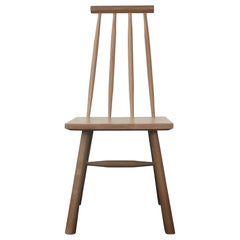
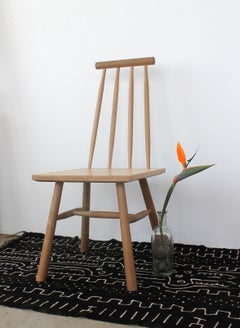
Find a variety of oslo dining chairs available on 1stDibs. Frequently made of
wood,
hardwood and
beech, all oslo dining chairs available were constructed with great care. Find 5 antique and vintage oslo dining chairs at 1stDibs now, or shop our selection of 5 modern versions for a more contemporary example of this long-cherished furniture. Oslo dining chairs have been made for many years, and versions that date back to the 20th Century alongside those produced as recently as the 21st Century. Oslo dining chairs made by
mid-century modern designers — as well as those associated with
modern — are very popular at 1stDibs. Many oslo dining chairs are appealing in their simplicity, but
Pepe Albargues,
Arne Tidemand Ruud and
AS Inventar produced popular oslo dining chairs that are worth a look.
Authentic antique Shaker furniture is hard to come by, but not exceedingly rare. “Shaker style” describes furnishings and interiors that are both warm and simple, centered on unpretentious wooden chairs, tables and cabinets without ornament or embellishment.
The term derives from the popular name for an all-but-vanished American religious sect, whose members crafted modest household furniture and objects as part of their belief in purposeful living and simplicity in all things.
Members of the United Society of Believers in Christ’s Second Appearing — called Shakers, derisively, because they writhed and danced in religious ecstasy during worship — arrived in the United States from England in 1774. Within 50 years, the sect had established 19 self-sufficient communities from Maine to Kentucky, where they lived pure, humble and industrious lives.
The furniture and objects the Shakers made reflected their strict rules of behavior. Pieces such as ladder- and slat-back chairs and trestle tables were painstakingly crafted from native woods like maple and cherry, using traditional methods such as mortise-and-tenon and dovetail joinery and lathe turning. They employed strong, straight lines and symmetrical proportions, and decoration of any kind — carving, veneers, inlays — was prohibited, as it would encourage the sins of pride and vanity.
The Shakers movement included some 6,000 members at its peak in the 1860s, but the group practiced celibacy and could attempt to sustain their flock only by recruiting new adherents. Modernity proved too alluring. Today only one tiny Shaker community, in Maine, still exists, though the sect’s heritage is preserved at several historical sites.
To support their communities, the Shakers sold furniture to outsiders, who appreciated its superb quality. While the “Shaker style” label is today given to many plain, simple wooden pieces, it should also denote superior construction and solid materials. As elements in interior design, Shaker furnishings work best in a quiet decor. Modest pieces such as these can become lost among more ornate works. The style is most suitable to a country home — although a Shaker chair or cabinet can make a striking counterpoint in a modernist, urban setting.
Shaker furniture and objects have a deep appeal for their warmth, honesty and graceful simplicity, which make them welcome almost anywhere.
Find antique Shaker furniture for sale on 1stDibs.
Chairs are an indispensable component of your home and office. Can you imagine your life without the vintage, new or antique chairs you love?
With the exception of rocking chairs, the majority of the seating in our homes today — Windsor chairs, chaise longues, wingback chairs — originated in either England or France. Art Nouveau chairs, the style of which also originated in those regions, embraced the inherent magnificence of the natural world with decorative flourishes and refined designs that blended both curved and geometric contour lines. While craftsmanship and styles have evolved in the past century, chairs have had a singular significance in our lives, no matter what your favorite chair looks like.
“The chair is the piece of furniture that is closest to human beings,” said Hans Wegner. The revered Danish cabinetmaker and furniture designer was prolific, having designed nearly 500 chairs over the course of his lifetime. His beloved designs include the Wishbone chair, the wingback Papa Bear chair and many more.
Other designers of Scandinavian modernist chairs introduced new dynamics to this staple with sculptural flowing lines, curvaceous shapes and efficient functionality. The Paimio armchair, Swan chair and Panton chair are vintage works of Finnish and Danish seating that left an indelible mark on the history of good furniture design.
“What works good is better than what looks good, because what works good lasts,” said Ray Eames.
Visionary polymaths Ray and Charles Eames experimented with bent plywood and fiberglass with the goal of producing affordable furniture for a mass market. Like other celebrated mid-century modern furniture designers of elegant low-profile furnishings — among them Ludwig Mies van der Rohe and Finn Juhl — the Eameses considered ergonomic support, durability and cost, all of which should be top of mind when shopping for the perfect chair. The mid-century years yielded many popular chairs.
The Eameses introduced numerous icons for manufacturer Herman Miller, such as the Eames lounge chair and ottoman, molded plywood dining chairs the DCM and DCW (which can be artfully mismatched around your dining table) and a wealth of other treasured pieces for the home and office.
A good chair anchors us to a place and can become an object of timeless appeal. Take a seat and browse the rich variety of vintage, new and antique chairs on 1stDibs today.