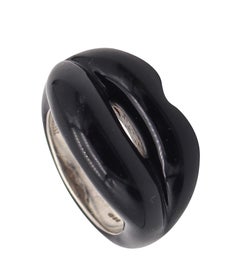
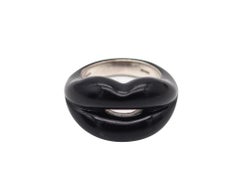
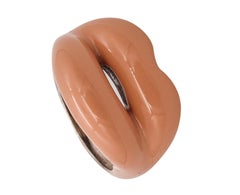
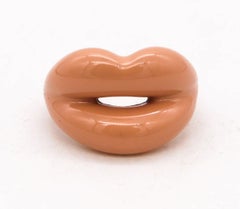
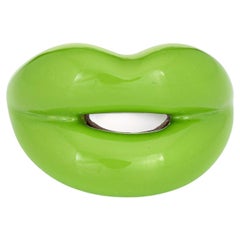
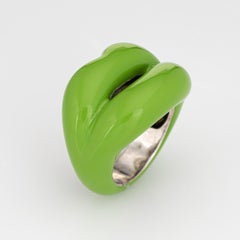
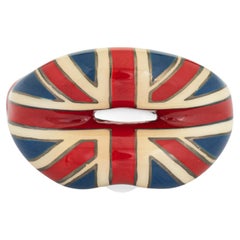
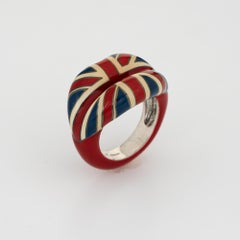
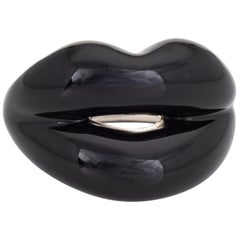
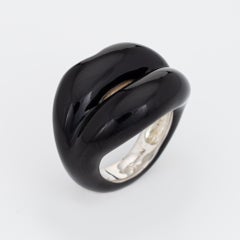
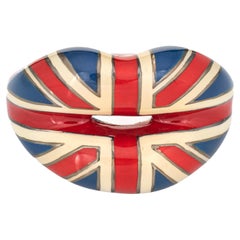
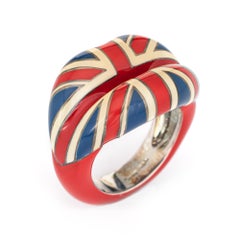
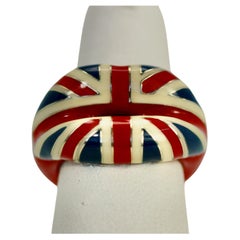
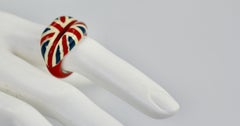
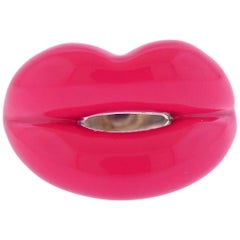
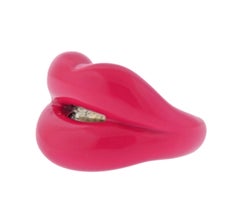
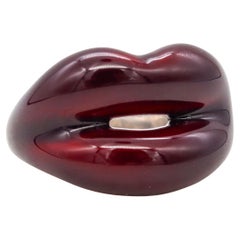
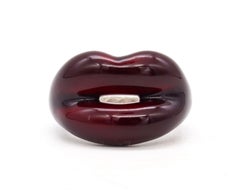
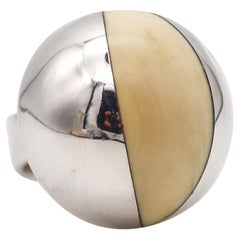
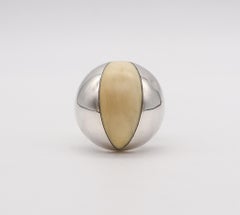
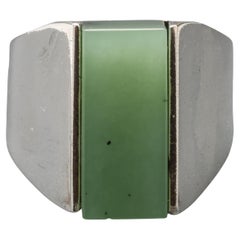
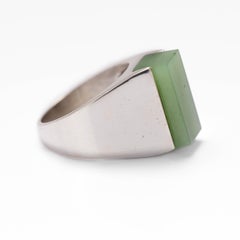
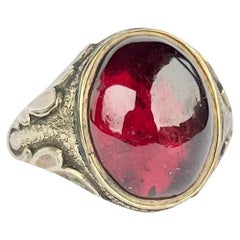
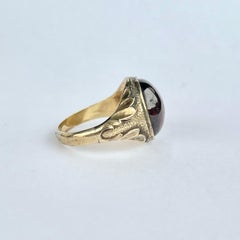
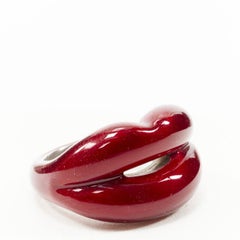
From vibrant to subtle, elegant to cheeky, vintage and antique enamel jewelry and watches encompass a wide range of colors and styles, and there are almost as many techniques for creating these distinctive pieces.
Enameling is one of the oldest forms of surface decoration, used to add color to jewelry without having to rely on gemstones. Evidence of enameling goes back to ancient Greece. Throughout history, far-flung cultures favored different techniques. For example, cloisonné enamel was popular during the Byzantine Empire, while artisans living in France and Germany in the Middle Ages preferred champlevé. And Art Nouveau jewelry designers favored plique à jour.
At its core, enamel is the fusion of powdered glass to metal, and artists like enameling because it allows them to add a painterly or illustrative quality to their work.
Cloisonné (“cell” in French) is a technique in the creation of enamel jewelry that sees the use of thin wires of fine silver or gold to outline a design, which is then filled with enamel. The piece is subsequently placed in a kiln where the enamel is melted. Cloisonné is distinct because the individual wires remain visible, forming an outline of the motif.
Champlevé (“level field” in French) enamel is almost the opposite of cloisonné. In this technique, depressions in the metal are made by etching, engraving or chiseling, and then layers of enamel are built up until they rise slightly above the surface of the metal. The enamel is then fired and polished.
Guilloché is a technique in which translucent enamel is applied to a piece of metal that has had designs cut into it using a lathe. After the firing, the patterns on the metal become visible. Guilloché was made famous by Peter Carl Fabergé, whose jewelry house used the technique on many of its objets d’art as well as jewelry.
Find antique and vintage enamel rings, bracelets, necklaces and other accessories on 1stDibs.
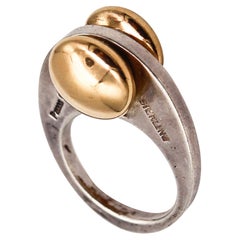
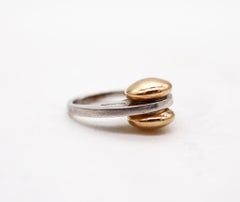
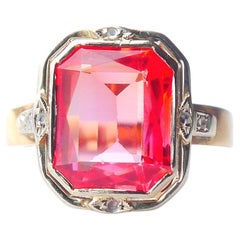
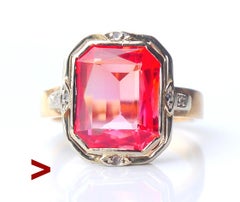
Antique and vintage rings have long held a special place in the hearts of fine jewelry lovers all over the world.
No matter their origin or specific characteristics, rings are timeless, versatile accessories. They’ve carried deep meaning since at least the Middle Ages, when diamond rings symbolized strength and other kinds of rings were worn to signify romantic feelings or to denote an affiliation with a religious order. Rings have also forever been emblematic of eternity.
Over time, rings have frequently taken the form of serpents, which have long been associated with eternal life, health and renewal. Italian luxury jewelry house Bulgari has become famous for its widely loved Serpenti motif, for example, and its Serpenti ring, like the other accessories in the collection, began as an homage to jewelry of the Roman and Hellenistic eras. The serpent is now a popular motif in fine jewelry. Jewelry devotees have long pined for rings adorned with reptiles, thanks to antique Victorian rings — well, specifically, Queen Victoria’s illustrious engagement ring, which took the form of a gold snake set with rubies, diamonds and an emerald (her birthstone). Designs for Victorian-era engagement rings often featured repoussé work and chasing, in which patterns are hammered into the metal.
Engagement rings, which are reliably intimidating to shop for, are still widely recognized as symbols of love and commitment. On 1stDibs, a range of buying guides can be found for those in the market for antique engagement rings, vintage engagement rings or Art Deco engagement rings.
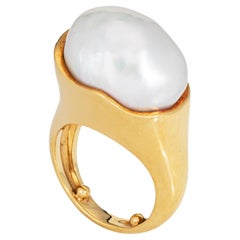
The most collectible antique engagement rings and vintage engagement rings are those from the Victorian, Edwardian and Art Deco eras. Named for the monarchies of the four King Georges, who in succession ruled England starting in 1714 (plus King William’s reign), antique Georgian rings, be they engagement rings or otherwise, are also coveted by collectors. Pearls, along with colored gemstones like garnets, rubies and sapphires, were widely used in Georgian jewelry. The late-1700s paste jewelry was a predecessor to what we now call fashion or costume jewelry.
The Art Nouveau movement (1880–1910) brought with it rings inspired by the natural world. Antique Art Nouveau rings might feature depictions of winged insects and fauna as well as women, who were simultaneously eroticized and romanticized, frequently with long flowing hair. Art Deco jewelry, on the other hand, which originated during the 1920s and ’30s, is by and large “white jewelry.” White metals, primarily platinum, were favored over yellow gold in the design of antique Art Deco rings and other accessories as well as geometric motifs, with women drawn to the era’s dazzling cocktail rings in particular.
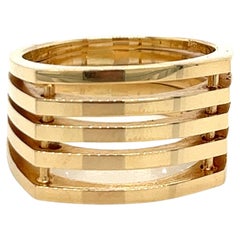
Whether you’re hunting down a chunky classic for a Prohibition-themed cocktail party or seeking a clean contemporary design to complement your casual ensemble, find an exquisite collection of antique, new and vintage rings on 1stDibs.