Vintage Art Plastics France
1990s French Modern Vintage Art Plastics France
Plastic

People Also Browsed
21st Century and Contemporary Portuguese Mid-Century Modern Vintage Art Plastics France
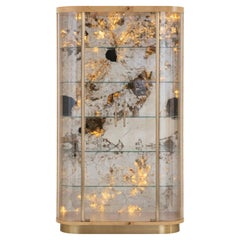
Onyx, Carrara Marble, Statuary Marble, Brass
21st Century and Contemporary Italian Modern Vintage Art Plastics France
Glass

19th Century Austrian Biedermeier Vintage Art Plastics France
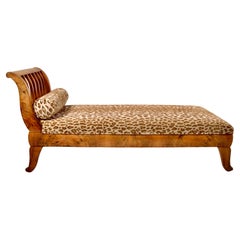
Upholstery, Wood
19th Century English Victorian Vintage Art Plastics France
Other
Early 20th Century Swedish Art Nouveau Vintage Art Plastics France
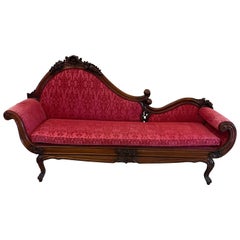
Upholstery, Mahogany
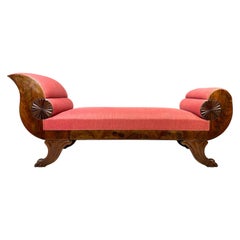
19th Century English Vintage Art Plastics France
Mahogany
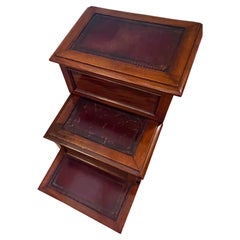
Mid-19th Century English High Victorian Vintage Art Plastics France
Other
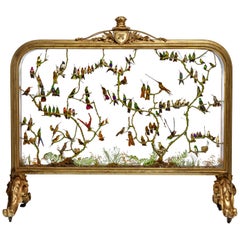
Mid-19th Century English William IV Vintage Art Plastics France
Fabric, Mahogany
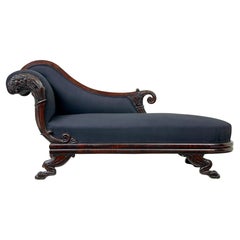
1960s French Mid-Century Modern Vintage Art Plastics France
PVC
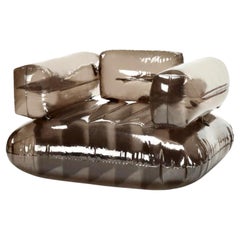
1970s Italian Post-Modern Vintage Art Plastics France
Plastic
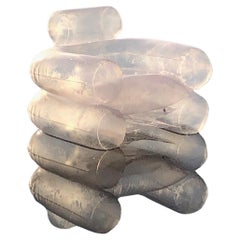
19th Century Chinese Vintage Art Plastics France
Gold Leaf

1990s French Mid-Century Modern Vintage Art Plastics France
Plastic
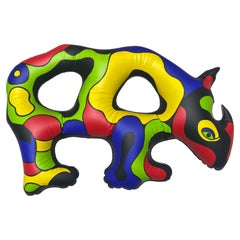
Early 20th Century French Art Nouveau Vintage Art Plastics France
Mirror, Wood
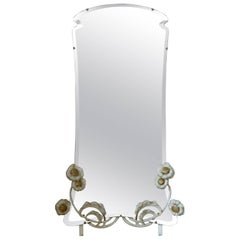
Mid-20th Century Italian Mid-Century Modern Vintage Art Plastics France
Plastic

2010s Spanish Modern Vintage Art Plastics France
Leather, Wood
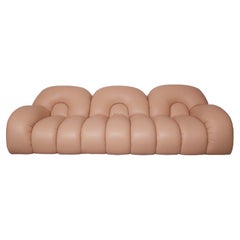
Vintage Art Plastics France For Sale on 1stDibs
How Much is a Vintage Art Plastics France?
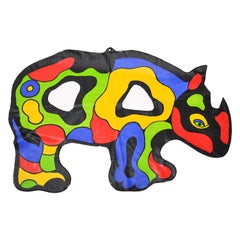
Niki de Saint Phalle for sale on 1stDibs
Niki de Saint Phalle’s art is eclectic and complicated, brave and outspoken. It reveals the unbridled ruminations and opinions of her multifaceted past and transforms them into celebrations of love, life and pure happiness. This transformation reminds us that her work does not simply stand alone, it becomes part of a larger dialogue she created for us to enjoy.
A self-taught sculptor, painter and filmmaker, Saint Phalle made a mark on art history that continues to have an extraordinary dimension. Her work is represented in numerous museums and public collections around the world. In 2000, she received the Praemium Imperiale in Japan, the equivalent of the Nobel Prize for the art world. In 2014, the Grand Palais in Paris exhibited a major restropective of her work that traveled to the Guggenheim Museum in Bilbao, where it currently resides. Saint Phalle died at the age of 71 in La Jolla, California, in 2002.
Find Niki de Saint Phalle art on 1stDibs.
A Close Look at Modern Furniture
The late 19th and early 20th centuries saw sweeping social change and major scientific advances — both of which contributed to a new aesthetic: modernism. Rejecting the rigidity of Victorian artistic conventions, modernists sought a new means of expression. References to the natural world and ornate classical embellishments gave way to the sleek simplicity of the Machine Age. Architect Philip Johnson characterized the hallmarks of modernism as “machine-like simplicity, smoothness or surface [and] avoidance of ornament.”
Early practitioners of modernist design include the De Stijl (“The Style”) group, founded in the Netherlands in 1917, and the Bauhaus School, founded two years later in Germany.
Followers of both groups produced sleek, spare designs — many of which became icons of daily life in the 20th century. The modernists rejected both natural and historical references and relied primarily on industrial materials such as metal, glass, plywood, and, later, plastics. While Bauhaus principals Marcel Breuer and Ludwig Mies van der Rohe created furniture from mass-produced, chrome-plated steel, American visionaries like Charles and Ray Eames worked in materials as novel as molded plywood and fiberglass. Today, Breuer’s Wassily chair, Mies van der Rohe’s Barcelona chair — crafted with his romantic partner, designer Lilly Reich — and the Eames lounge chair are emblems of progressive design and vintage originals are prized cornerstones of collections.
It’s difficult to overstate the influence that modernism continues to wield over designers and architects — and equally difficult to overstate how revolutionary it was when it first appeared a century ago. But because modernist furniture designs are so simple, they can blend in seamlessly with just about any type of décor. Don’t overlook them.
Materials: Plastic Furniture
Arguably the world’s most ubiquitous man-made material, plastic has impacted nearly every industry. In contemporary spaces, new and vintage plastic furniture is quite popular and its use pairs well with a range of design styles.
From the Italian lighting artisans at Fontana Arte to venturesome Scandinavian modernists such as Verner Panton, who created groundbreaking interiors as much as he did seating — see his revolutionary Panton chair — to contemporary multidisciplinary artists like Faye Toogood, furniture designers have been pushing the boundaries of plastic forever.
When The Graduate's Mr. McGuire proclaimed, “There’s a great future in plastics,” it was more than a laugh line. The iconic quote is an allusion both to society’s reliance on and its love affair with plastic. Before the material became an integral part of our lives — used in everything from clothing to storage to beauty and beyond — people relied on earthly elements for manufacturing, a process as time-consuming as it was costly.
Soon after American inventor John Wesley Hyatt created celluloid, which could mimic luxury products like tortoiseshell and ivory, production hit fever pitch, and the floodgates opened for others to explore plastic’s full potential. The material altered the history of design — mid-century modern legends Charles and Ray Eames, Joe Colombo and Eero Saarinen regularly experimented with plastics in the development of tables and chairs, and today plastic furnishings and decorative objects are seen as often indoors as they are outside.
Find vintage plastic lounge chairs, outdoor furniture, lighting and more on 1stDibs.
Finding the Right Folk-art for You
Folk art refers to a genre of art that shares the creator’s traditions, offering not just an artistic display but an opportunity to learn about a culture. Vintage, new and antique folk art typically reflects a heritage or location. It can include utilitarian objects and handmade art as diverse as weather vanes, portraiture and paintings, carnival art, quilts and duck decoys.
American folk art is frequently valued because of the traditional skills involved, like weaving, hand-carving wood and even stonework. Many folk artists are self-taught, while some train as apprentices within their community. By using available materials and taking a personal approach to their creations, artists ensure each piece is unique and conveys a story. Native American folk art includes functional objects reflecting their heritage, such as baskets, textiles and wooden pieces.
During the Great Depression, artistic materials in America were hard to come by, so artisans used discarded wood from cigar boxes and shipping crates to make highly stylized, notched pieces — most often picture frames and boxes — that are today sought after by collectors. This folk art style is called tramp art and was popular from roughly 1870 until the 1940s.
Folk art brings vibrant culture and traditions into your home. Browse an extensive collection of folk art on 1stDibs.