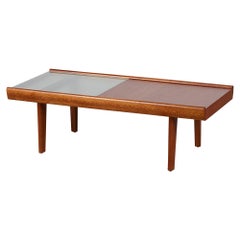
John Keal Coffee and Cocktail Tables
At a time when many furniture makers were turning to cheaper materials for mass production, mid-century modern designer John Keal didn't shy away from utilizing quality woods in his work, like mahogany and walnut to create his coffee tables, cabinets and benches.
While little is known about Keal, he was part of a powerhouse group that collaborated with Los Angeles furniture manufacturer Brown-Saltman in the 1940s and ‘50s. Other designers who had partnered with the firm during the mid-20th century included Greta Magnusson Grossman, Paul Frankl, Paul Laszlo, and Gilbert Rohde, a New York City-born designer who would help legendary Michigan furniture manufacturer Herman Miller avert financial disaster during the Great Depression.
Brown-Saltman was established in 1923 and initially specialized in reproductions of furniture in period styles. When cofounder David Saltman met Frankl, the firm had discontinued its Early California collection and was producing modern furniture.
The Austrian-born Frankl was already a big name in decorating in California in the late 1930s — his clients were Hollywood movie stars who were drawn to pieces such as his Art Deco-style Skyscraper series and other biomorphically shaped designs that showed the influence of Chinese and Japanese forms (Brown-Saltman’s offerings were frequently demonstrative of Asian influences). Frankl had become interested in producing inexpensive furniture for middle-class consumers, and his 1940s-era collaboration with Brown-Saltman was a success — print advertisements touted his name as well as the fact that these furnishings, which drew on the clean lines of chrome-framed Bauhaus pieces but instead integrated organic materials, were intended for modern homes.
Keal’s work also fit snugly into what we now call California modernism, which derived from the Bauhaus and International Style movements, and revolutionized the way we build homes today, not only in the Golden State but across the globe. Keal created sleek end tables in walnut and topped with enameled copper and upholstered low-profile dining chairs framed in bleached mahogany for Brown-Saltman as well as other West Coast mid-century brands such as Glenn of California and Modeline.
Find vintage John Keal seating, storage pieces and tables on 1stDibs.
1950s American Mid-Century Modern Vintage John Keal Coffee and Cocktail Tables
Walnut
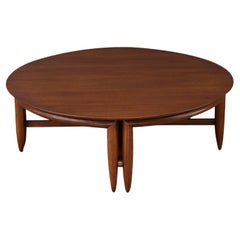
1950s American Mid-Century Modern Vintage John Keal Coffee and Cocktail Tables
Fabric, Foam, Wood, Walnut
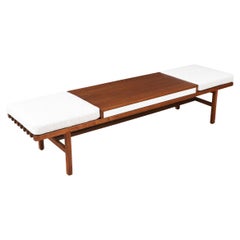
1960s American Mid-Century Modern Vintage John Keal Coffee and Cocktail Tables
Walnut
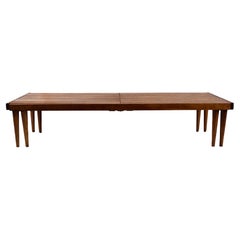
Mid-20th Century American Mid-Century Modern John Keal Coffee and Cocktail Tables
Laminate, Formica
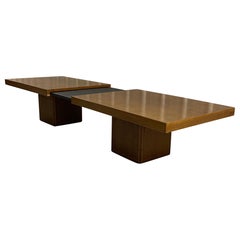
1960s American Mid-Century Modern Vintage John Keal Coffee and Cocktail Tables
Walnut
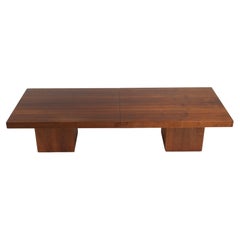
Mid-20th Century American Mid-Century Modern John Keal Coffee and Cocktail Tables
Wood
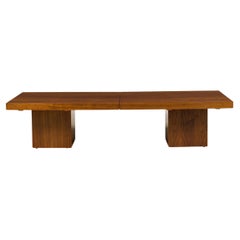
1950s American Vintage John Keal Coffee and Cocktail Tables
Laminate, Walnut
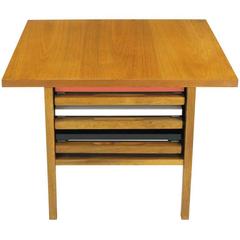
1960s American Mid-Century Modern Vintage John Keal Coffee and Cocktail Tables
Formica, Walnut
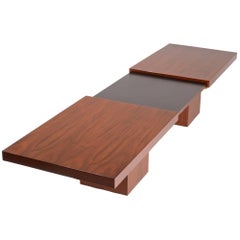

20th Century American Mid-Century Modern John Keal Coffee and Cocktail Tables
Art Glass, Walnut
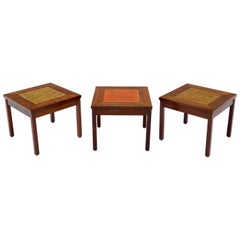
Mid-20th Century American Mid-Century Modern John Keal Coffee and Cocktail Tables
Wood
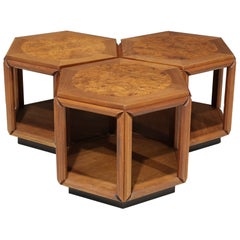
20th Century American Mid-Century Modern John Keal Coffee and Cocktail Tables
Walnut
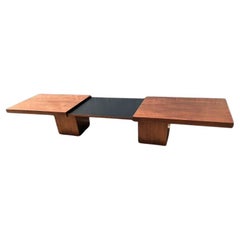
1960s American Mid-Century Modern Vintage John Keal Coffee and Cocktail Tables
Walnut
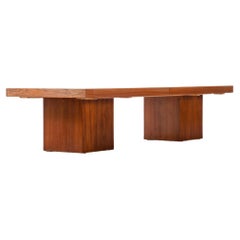
1950s American Mid-Century Modern Vintage John Keal Coffee and Cocktail Tables
Ceramic, Walnut
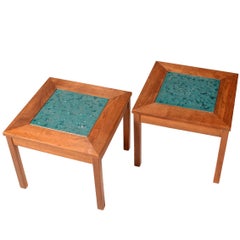
1950s American Mid-Century Modern Vintage John Keal Coffee and Cocktail Tables
Mahogany
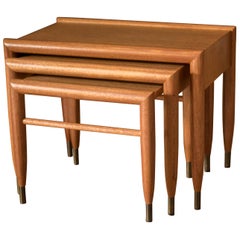
1960s American Mid-Century Modern Vintage John Keal Coffee and Cocktail Tables
Copper
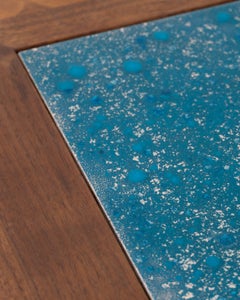
1960s American Mid-Century Modern Vintage John Keal Coffee and Cocktail Tables
Copper
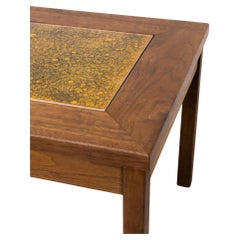
1970s American Mid-Century Modern Vintage John Keal Coffee and Cocktail Tables
Laminate, Walnut
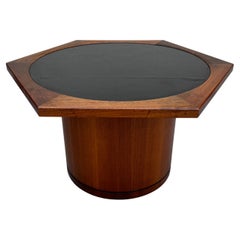
1950s American Mid-Century Modern Vintage John Keal Coffee and Cocktail Tables
Travertine
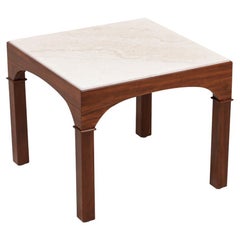
1960s American Mid-Century Modern Vintage John Keal Coffee and Cocktail Tables
Glass, Wood
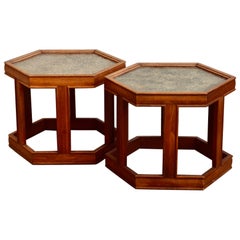
Mid-20th Century American Mid-Century Modern John Keal Coffee and Cocktail Tables
Walnut
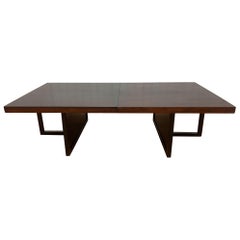
Mid-20th Century European Mid-Century Modern John Keal Coffee and Cocktail Tables
Wood
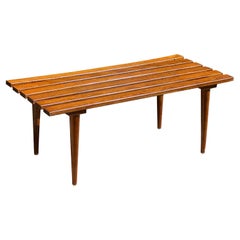
Mid-20th Century American Mid-Century Modern John Keal Coffee and Cocktail Tables
Wood
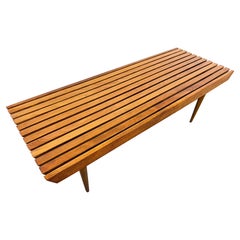
1950s American Mid-Century Modern Vintage John Keal Coffee and Cocktail Tables
Brass

1960s American Mid-Century Modern Vintage John Keal Coffee and Cocktail Tables
Formica, Walnut
1950s American Mid-Century Modern Vintage John Keal Coffee and Cocktail Tables
Glass, Mahogany
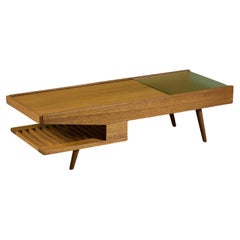
Mid-20th Century American Mid-Century Modern John Keal Coffee and Cocktail Tables
Wood, Mahogany
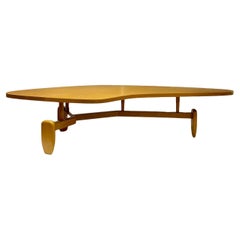
1970s American Mid-Century Modern Vintage John Keal Coffee and Cocktail Tables
Walnut
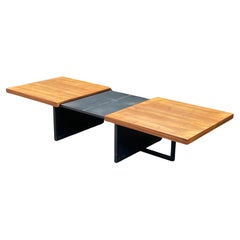
20th Century American John Keal Coffee and Cocktail Tables
Walnut
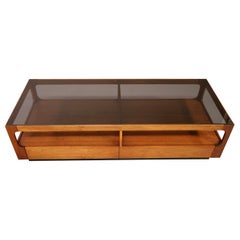
1960s American Mid-Century Modern Vintage John Keal Coffee and Cocktail Tables
Walnut
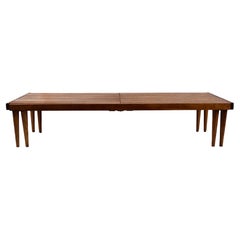
Mid-20th Century American Mid-Century Modern John Keal Coffee and Cocktail Tables
Walnut
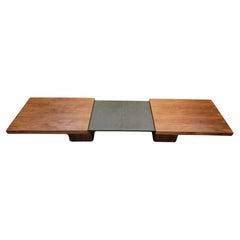
1950s American Mid-Century Modern Vintage John Keal Coffee and Cocktail Tables
Glass, Walnut
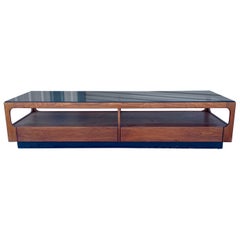
1950s Vintage John Keal Coffee and Cocktail Tables
Cork
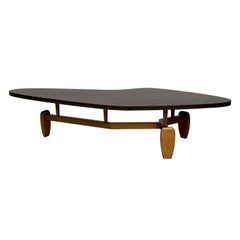
1950s American Mid-Century Modern Vintage John Keal Coffee and Cocktail Tables
Wood, Mahogany, Walnut
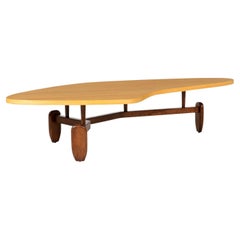
1950s American Mid-Century Modern Vintage John Keal Coffee and Cocktail Tables
Wood, Mahogany
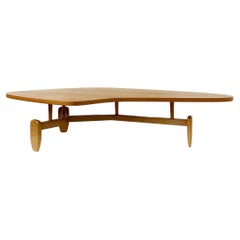
Mid-20th Century American Mid-Century Modern John Keal Coffee and Cocktail Tables
Mahogany
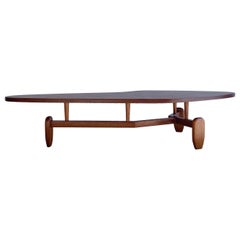
1950s American Mid-Century Modern Vintage John Keal Coffee and Cocktail Tables
Glass, Mahogany