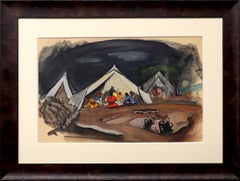
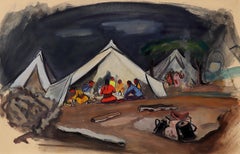
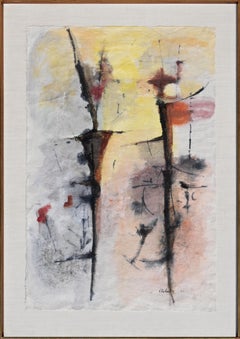
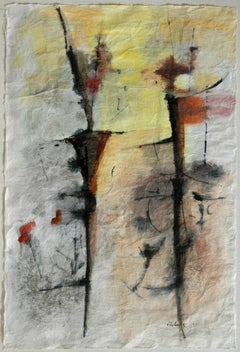
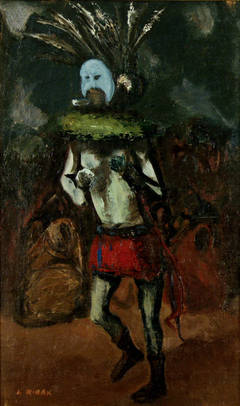
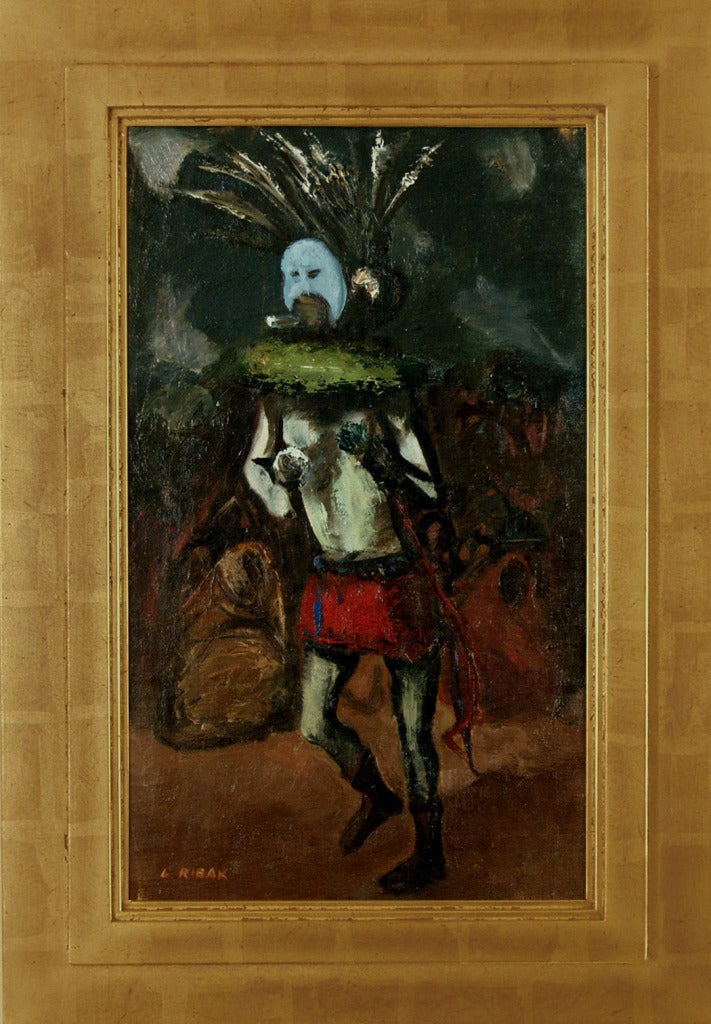
By Louis Ribak
Located in Austin, TX
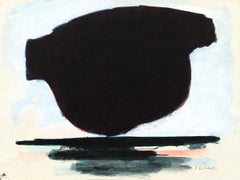
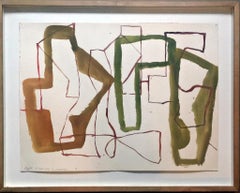
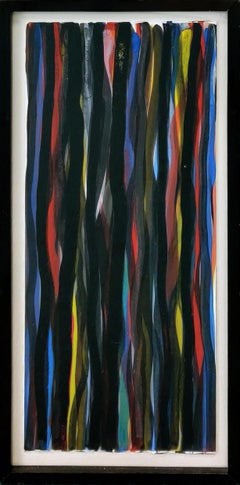
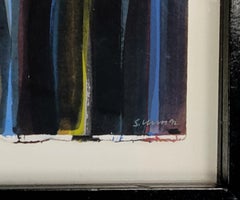
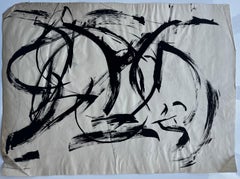
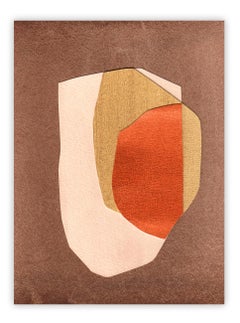
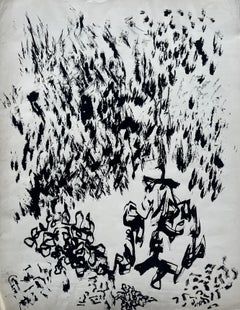
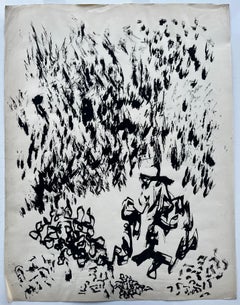
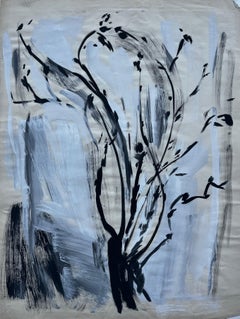
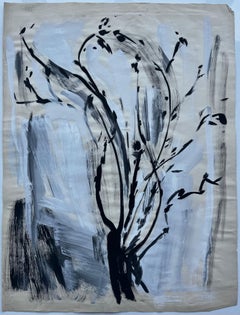
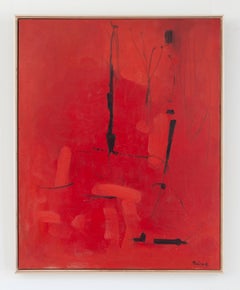
Oil on masonite. Signed lower right and on verso.
30 x 24 in.
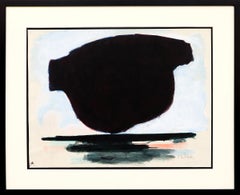
31 x 25 in. (framed)
Custom framed in maple.
Louis Leon Ribak was born in the Russian empirical governorate of Grodno in 1902. A long-disputed region that is ethnically Lithuanian, at present day, Grodno is located in the western reaches of the Republic of Belarus, near the borders with Poland and Lithuania.
At the age of ten, Ribak and his family immigrated to New York City. In 1922, he attended the Pennsylvania Academy of Fine Arts, followed by studies at the Art Students League (1923) and the Educational Alliance (1924).
Ribak’s oeuvre can be largely delineated between two stylistic phases: social realism and abstraction, the former taking hold during the 1930s and 40s. During that period, he had several solo exhibitions at the A.C.A. Gallery in New York, while also regularly exhibiting with “An American Group Inc.” - a cohort of socially-conscious painters that included Stuart Davis, Reginald Marsh, Maurice Sterne, and Raphael Soyer. In 1933, Ribak assisted Diego Rivera on the mural for the lobby of Rockefeller Center, while also being employed by the Works Progress Administration (WPA) as a muralist.
Louis Ribak met fellow artist Beatrice Mandelman at a dance sponsored by the Artists Union in New York. They were married in 1942, and shortly thereafter, he was drafted for military service in World War II.
After his discharge from the service in 1942 due to difficulties with asthma, Mandelman and Ribak traveled west to visit his former mentor John Sloan in Santa Fe, NM. By this time, the couple had become disenchanted with the art scene in New York, and in light of the need to find a healthier climate for Ribak’s asthma - as well as reputed FBI surveillance based on political affiliations with Communist sympathizers - they decided to permanently relocate to the emerging artists’ colony of Taos, NM in 1944. This change of scenery ushered in the second phase of Ribak’s stylistic career, with his work shifting from social realism toward abstraction. He was captivated by the landscape and the diverse cultures of northern New Mexico, the influences of which began to appear in his work.
Ribak founded the Taos Valley Art School in 1947, offering no ideology to his students; instead arguing that the adoption of a single approach would lead to academicism. Ribak was an integral force in the development of the Taos Moderns...
Category
1960s Abstract Louis Ribak Art
MaterialsMasonite, Oil, Board