Andirons
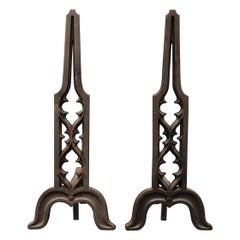
19th Century English Gothic Revival Antique Andirons
Iron
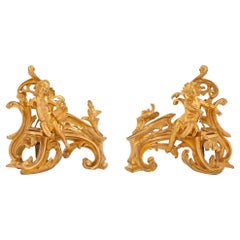
19th Century French Louis XV Antique Andirons
Ormolu
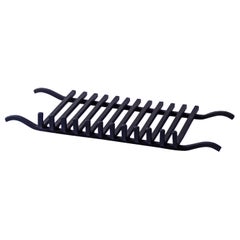
21st Century and Contemporary Dutch Modern Andirons
Steel

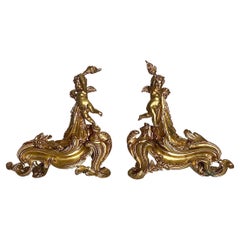
Late 19th Century French Antique Andirons
Bronze
19th Century Italian Renaissance Revival Antique Andirons
Bronze
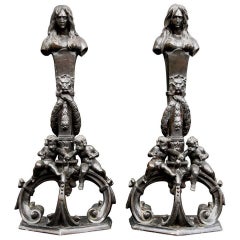
Late 18th Century Georgian Antique Andirons
Brass, Iron
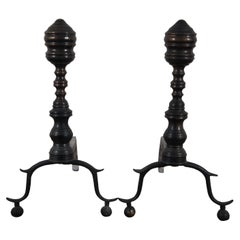
Early 20th Century Neoclassical Andirons
Brass
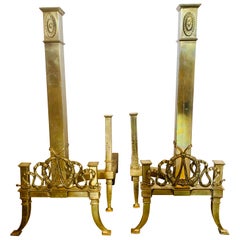
18th Century French Louis XVI Antique Andirons
Ormolu
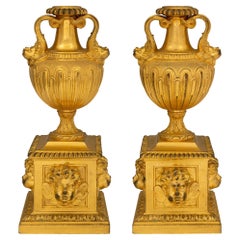
18th Century French Gothic Antique Andirons
Wrought Iron
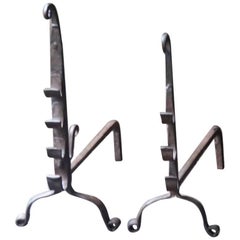
Early 20th Century American American Classical Andirons
Brass
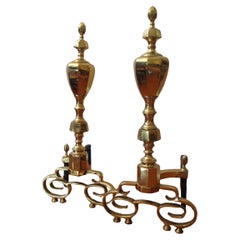
19th Century French Louis XVI Antique Andirons
Ormolu
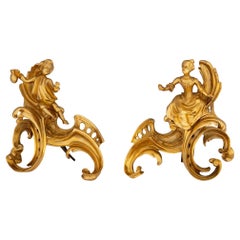
Late 19th Century French Louis XVI Antique Andirons
Bronze
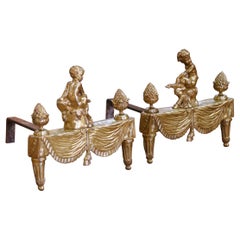
1950s French Vintage Andirons
Iron
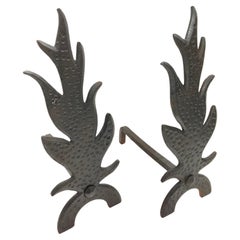
Early 18th Century French Gothic Antique Andirons
Wrought Iron
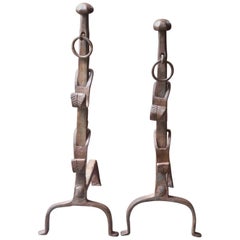
19th Century Japanese Meiji Antique Andirons
Iron
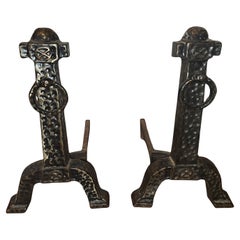
Late 20th Century English Gothic Andirons
Steel
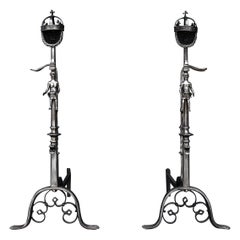
Late 20th Century English Georgian Andirons
Iron
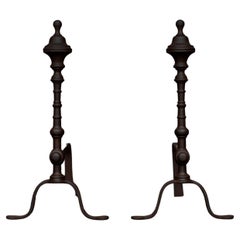
1910s British Arts and Crafts Vintage Andirons
Brass, Iron
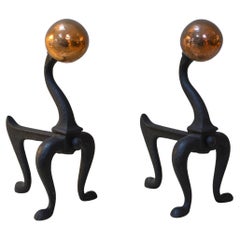
1970s French Vintage Andirons
Steel, Brass
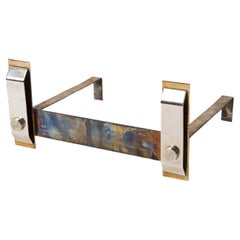
Mid-19th Century Gothic Antique Andirons
Iron
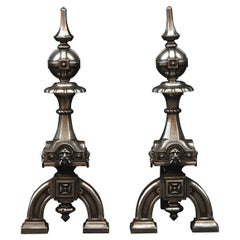
1860s French Antique Andirons
Bronze
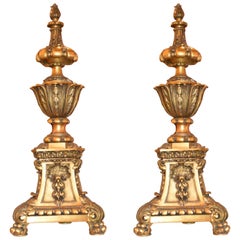
Late 20th Century English Georgian Andirons
Steel
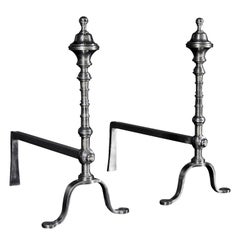
1950s French Mid-Century Modern Vintage Andirons
Wrought Iron
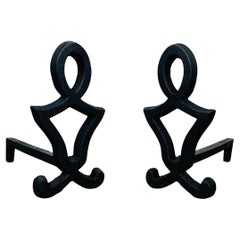
Late 20th Century English Regency Andirons
Steel
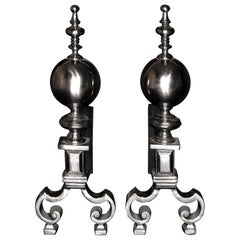
1950s Vintage Andirons
Metal
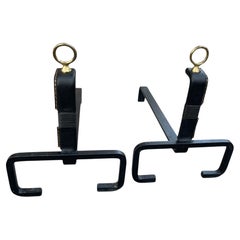
Late 18th Century French Antique Andirons
Wrought Iron
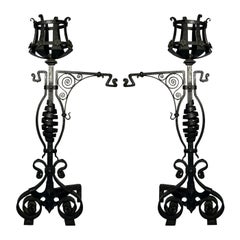
17th Century French Louis XIV Antique Andirons
Wrought Iron
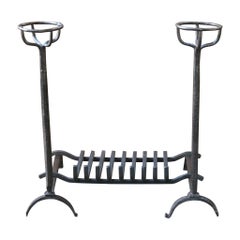
Early 18th Century French Georgian Antique Andirons
Iron, Metal, Wrought Iron
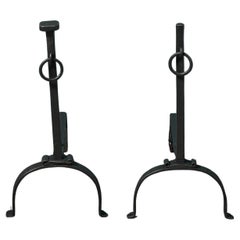
19th Century American Victorian Antique Andirons
Brass, Iron
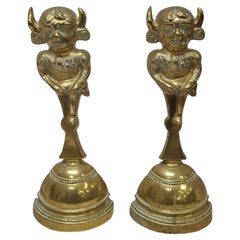
19th Century French Napoleon III Antique Andirons
Wrought Iron
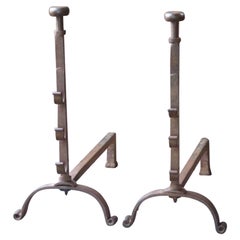
Mid-20th Century European Mid-Century Modern Andirons
Wrought Iron
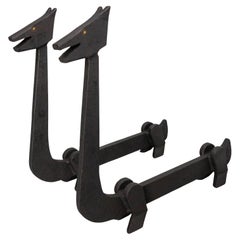
1970s French Vintage Andirons
Wrought Iron
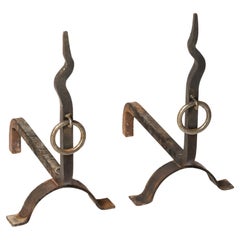
19th Century Antique Andirons
Wrought Iron
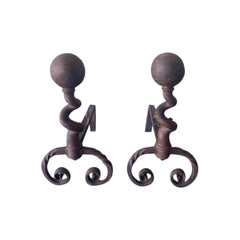
1960s French Mid-Century Modern Vintage Andirons
Wrought Iron
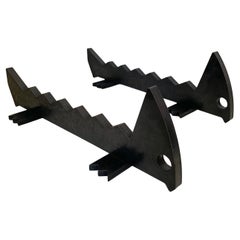
Early 20th Century American Chippendale Andirons
Brass, Iron
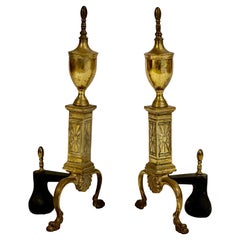
21st Century and Contemporary Unknown Baroque Andirons
Wrought Iron
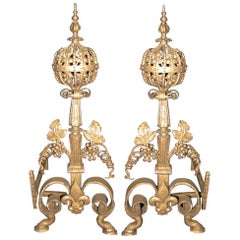
20th Century Andirons
Iron
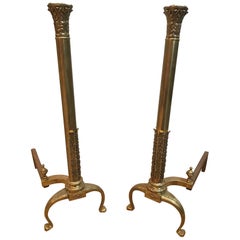
1880s English Aesthetic Movement Antique Andirons
Brass
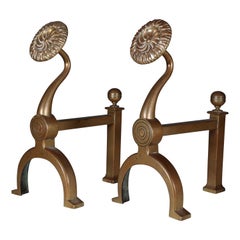
Early 20th Century Unknown Federal Andirons
Brass, Iron
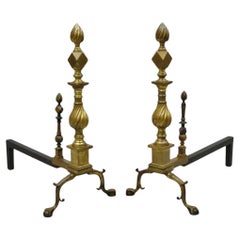
19th Century French Louis XV Antique Andirons
Ormolu
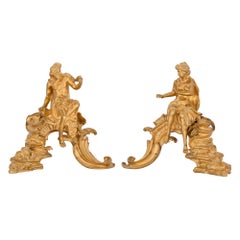
17th Century French Louis XIII Antique Andirons
Wrought Iron
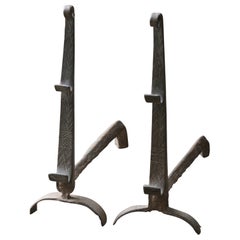
19th Century French Antique Andirons
Brass, Steel
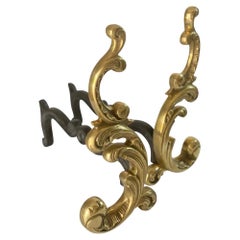
Early 20th Century American Andirons
Wrought Iron
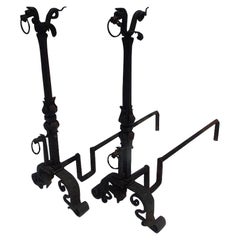
18th Century French Louis XV Antique Andirons
Iron
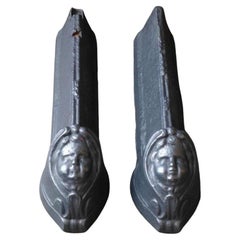
1940s American Vintage Andirons
Brass, Steel
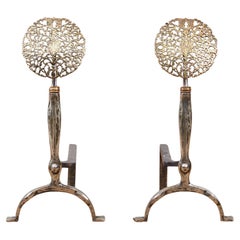
19th Century English Antique Andirons
Brass
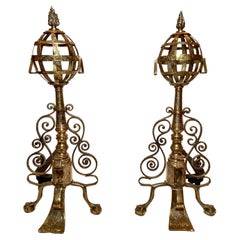
19th Century French Rococo Antique Andirons
Brass
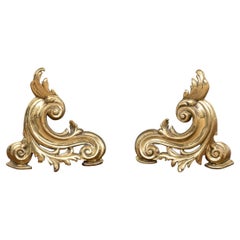
17th Century French Gothic Antique Andirons
Wrought Iron
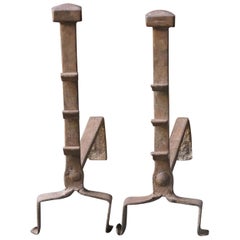
19th Century French Neoclassical Antique Andirons
Iron
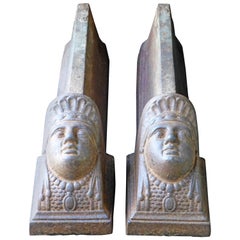
17th Century Italian Baroque Antique Andirons
Brass, Wrought Iron
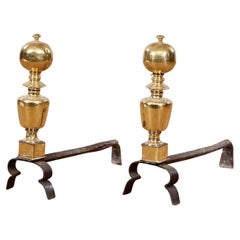
20th Century French Gothic Andirons
Iron
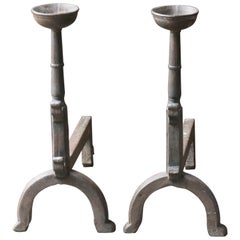
19th Century English Victorian Antique Andirons
Metal, Brass, Wrought Iron
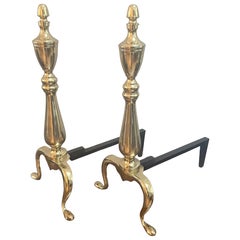
20th Century French Napoleon III Andirons
Wrought Iron
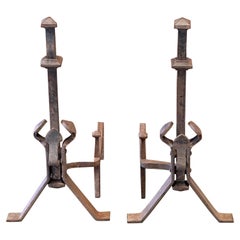
Late 19th Century Baroque Antique Andirons
Bronze, Iron
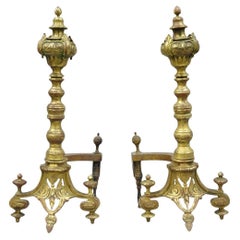
18th Century French Louis XV Antique Andirons
Wrought Iron
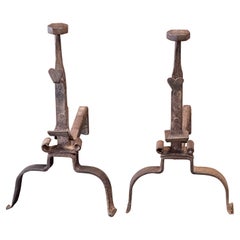
Late 19th Century French Belle Époque Antique Andirons
Bronze
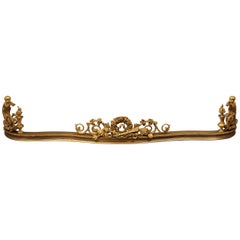
Early 19th Century French Louis XV Antique Andirons
Wrought Iron
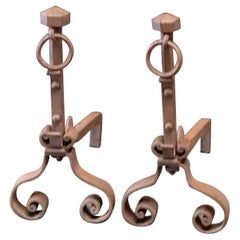
Early 20th Century American Mid-Century Modern Andirons
Brass, Iron
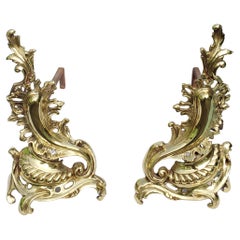
18th Century French Louis XV Antique Andirons
Iron
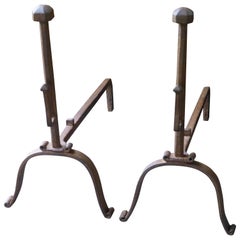
20th Century French Napoleon III Andirons
Iron, Wrought Iron
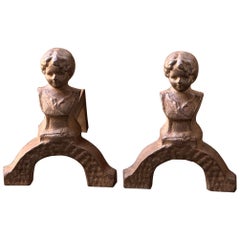
Antique and Vintage Andirons
A set of antique or vintage andirons is a staple accessory, part of the fireplace tools you’ll want to collect for keeping a neat and elegant fireplace in your home.
Using andirons in a fireplace elevates the fire, ensuring more air can get to the logs thus keeping a fire burning longer. Andirons also encourage ventilation and may also prevent smoke from working its way into your living room or bedroom.
Think of these accessories as part of an upright metal support system to optimize your fire. Antique andirons are basically u-shaped brackets with a curved end that come in pairs and are largely quite simple in structure, but the design of this household necessity has improved over time. Outwardly decorative andirons have become available since their debut because one should never underestimate the style quotient of an attractive hearth.
Andirons, which earned the nickname “firedogs” given their similarity in form to a pair of upright canines, are believed to be the oldest fireplace furnishings. They have been used broadly since at least the late Iron Age. Before iron became the material of choice, stone andirons did a suitable job of balancing the logs in a fire and adding a sense of symmetry to the hearth. Fire baskets, like the combination of andirons and a grate, afforded an opportunity to layer logs in a fire rather than delicately stacking them on andirons.
Today, andirons can be found in bronze and brass, too, which contrast wonderfully with a mantel carved from dark marble, for example, and add dimension to what might otherwise be a subdued space. And while people aren’t cooking in the fireplace anymore, andirons’ spit hooks offered an opportunity to roast meat or rest the pokers that you typically would’ve kept fireside.
During the Renaissance, andirons became especially ornate and even figurative, taking on human forms as well as marine life such as dolphins. Art Deco–era andirons are particularly exquisite. While the accessories are frequently characterized by rich geometric angles and sculptural curves, attributes that we know of most Art Deco furniture, artisans of the period also looked to what was by then a long tradition of designing andirons in the shape of animals and reptiles.
Adding fashionable antique or vintage andirons will not only improve the quality of a fire but can also elevate your space as well as the fireside experience. Find modern andirons, Art Nouveau andirons and other varieties today on 1stDibs.