Bronze Darwin's Thinking Monkey Sculpture
Located in Pasadena, TX
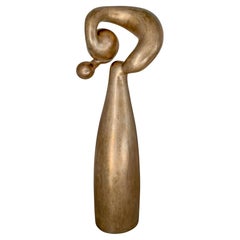
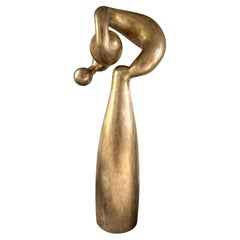
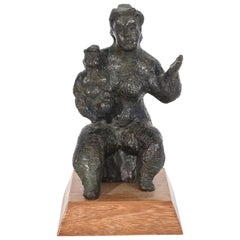
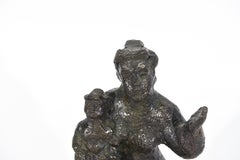
This is a bronze sculpture of Darwin's Thinking Ape. The Ape is seated reading a book.
Late 20th Century American Expressionist Decorative Objects
Bronze
Bronze Darwin's Thinking Monkey Sculpture
Located in Pasadena, TX
This is a bronze sculpture of Darwin's Thinking Ape. The Ape is seated reading a book.
Bronze
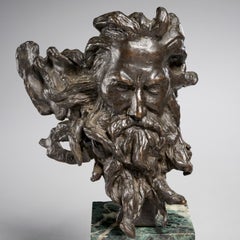
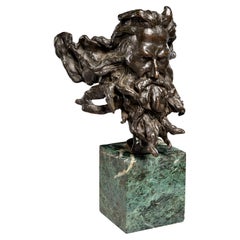
Elisabetta Mayo d’Aloisio, L’Eterno Padre, Bronze Bust, Italian, c. 1930s
By Elisabetta Mayo D’Aloisio
Located in Morristown, NJ
Elisabetta Mayo d’Aloisio, L’Eterno Padre, Bronze Bust, Italian, c. 1930s, on Marble Base Description A commanding and emotionally charged bronze sculpture by Elisabetta Mayo d’Aloi...
Marble, Bronze
Early 20th C. Expressionist Bronze Woman Sculpture with Marble Base by A. Monti
Located in North Miami, FL
Early 20th century Expressionist patinated bronze woman sculpture with marble base signed by italian sculptor A. Monti By: A. Monti Material: bronze, marble, copper, metal Technique...
Marble, Bronze, Metal, Copper
John Glick Plum Street Pottery Signed Monumental Ceramic Charger
By John Glick
Located in Bloomfield Hills, MI
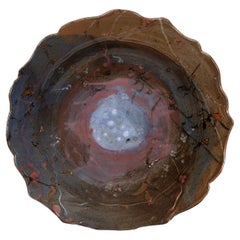
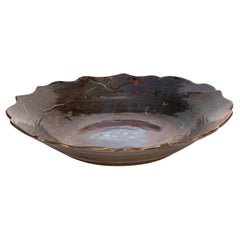
The ceramic charger with scalloped edge is an example of the kind of work by which John Glick became so famous. He was seduced by the effects of the reduction kiln, which decreased the levels of oxygen during firing, inducing the flame to pull oxygen out of the clay and glazes changing the colors of the glazes depending on their iron and copper content. In this way he achieved the rich gradients of ochre and umber and variations in stippling and opacity. It is signed on verso. John was an American Abstract Expressionist ceramicist born in Detroit, MI. Though open to artistic experimentation, Glick was most influenced by the styles and aesthetics of Asian pottery—an inspiration that shows in his use of decorative patterns and glaze choices. He has said that he is attracted to simplicity, as well as complexity: my work continually reflects my re-examination that these two poles can coexist… or not, in a given series. Glick also took influences from master potters of Japan, notably Shoji Hamada and Kanjrio Kawai, blending their gestural embellishments of simple forms with attitudes of Abstract Expressionism. He was particularly drown to the work of Helen Frankenthaler whose soak-stain style resonated with Glick’s multi-layered glaze surfaces, which juxtaposed veils of atmospheric color with gestural marks and pattern. He spent countless hours developing and making his own tools in order to achieve previously unseen results in his work with clay and glaze. Glick’s “Plum Tree Pottery” (now a designated historic landmark in Farmington Hills, Michigan) studio opened around 1965 and closed in the summer of 2016. It was a private studio space for John and a number of his students and assistants. He believed his shapes evolved guided by forces apparently outside his control. This was instinctual, intellectual and due to his openness to change, fusing into what he thought was the most positive force behind a potter’s approach: evolution and growth. Some have called it inspiration. John was not only a major figure in the Detroit creative community, but in the ceramics world at large. According to Shelley Selim in her book on John, “John Glick: A Legacy in Clay” John remains: “one of the most recognizable names in the field of studio pottery – known for lecturing, publishing, and offering workshops widely – and his work has been featured in well over a hundred local, national and international exhibitions since he was a college student in the late 1950s.” Along with this John has mentored over thirty studio apprentices over five and a half decades, received numerous grants and awards for his work, and has been prolific, with an estimated 300,000 ceramic wares throughout the world. He received his Masters from Cranbrook Academy of Art in Bloomfield Hills, Michigan, working with Maija Grotell, a legendary and influential teacher. Grotell was noted for her deep interest in the human connection to nature’s rhythms and patters. These ideas often grounded her dialog with her students including Glick, affecting, a profund and lasting influence on his future work. This famous Art Academy was designed by architect and faculty member, Eliel Saarinen who collaborated with Charles and Ray Eames on chair and furniture design. Numerous creative artists who are alumni of Cranbrook include: Harry Bertoia, Florence Knoll, Jack Lenor Larsen, Donald Lipski, Duane Hanson, Nick Cave, Hani Rashid, George Nelson, Urban Jupena (Nationally recognized fiber artist), Artis Lane (the first African-American artist to have her sculpture, "Sojourner Truth," commissioned for the Emancipation Hall in the Capital Visitor Center in Washington DC), Cory Puhlman (televised Pastry Chef extraordinaire), Thom O’Connor (Lithographs), Paul Evans (Brutalist-inspired sculpted metal furnishings), Eugene Caples (small bronze images/abstract), Morris Brose (Bronze Sculptures), Herb Babcock (blown glass), Larry Butcher (mixed media) and Lauren Anais Hussey...
Ceramic
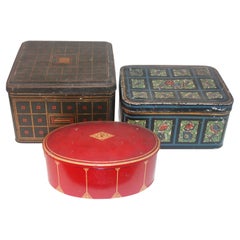
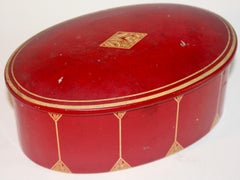
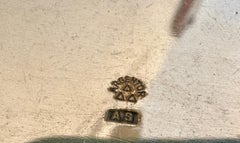
Secessionist "Blue Devil Box" by Bertold Löffler & Anton Kling
By Bertold Löffler
Located in Palm Beach, FL
Underside embossed with workshop signet and monogram. Literature: Galerie Metropol, Bertold Löffler. Note: We do not ship pieces uninsured. We require shipping through 1stDibs, for...
Earthenware
$5,547Sale Price|20% Off
Theater Mask by Wolfgang Utzt in treated Leather for the Play "Ragtime", 1992
Located in Berlin, DE
This striking theater mask by German artist Wolfgang Utzt was crafted in 1992 for a production of the play Ragtime. Expertly formed from treated leather, the mask embodies Utzt’s dis...
Leather, Beech
Mid Century Bronze Sculpture UMBILLIS BY David Slivka
Located in Wainscott, NY
Mid Century Bronze Sculpture UMBILLIS BY David Slivka. David Slivka (1914-2010) is an American artist, both sculptural and pictorial arts. He became enthusiastically recognized t...
Bronze
$5,062Sale Price|30% Off
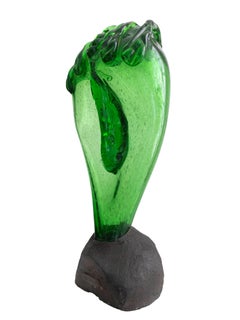
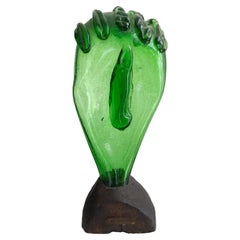
Expressionist Green Glass Sculpture, Gio Colucci, 1950s
By Gio Colucci
Located in Lisbon, PT
This Expressionist sculpture in emerald green polychrome glass is a rare 1950s original by Italian-French artist Gio Colucci (1892–1974). An emerald green sculpture...
Glass
Secessionist Hand Hammered Continental Silver Compote
Located in Hamilton, Ontario
Secessionist hand-hammered continental silver compote.
Silver
Per Dahl Abstract Expressionist Oil Painting Canvas Wood Frame Denmark 1970s
Located in Los Angeles, CA
This striking abstract artwork showcases a compelling modern composition with heavily textured relief elements and stylized elongated figures. The piece balances organic forms with b...
Canvas
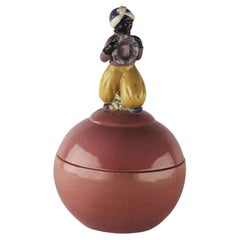
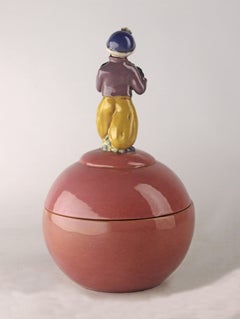
Viennese Secession Ceramic Box
Located in Buenos Aires, Argentina
Viennese seseion ceramic box Ceramic Origin Austria circa 1900 Very good condition and no restorations Sealed at its base Some chips on the lid ring due to wear and tear. Pink, black and yellow color with orientalist character on its cover. We are Saint John, a company dedicated to the trade...
Ceramic
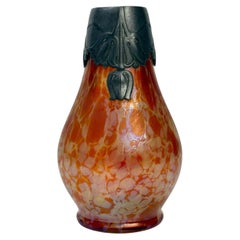
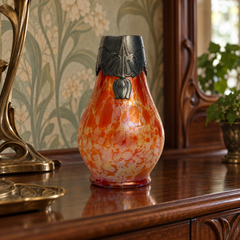
Vienna Secessionist Art Glass Vase w/ Copper Overlay, ca. 1910
Located in Petaluma, CA
This lovely little vase is a fine example of the Vienna Secessionist movement. The hand worked copper overlay is all you need to look at to see what I ...
Copper
Vienna Secession Desk Set
Located in Vienna, AT
Vienna secession desk set in original condition. Black glass and brass (the watch was restored).
Brass
Robert Bielat Sculpture Cast Bi-Metal Stone Wood "TRUE EAST"
Located in Bloomfield Hills, MI
SALE ONE WEEK ONLY "Robert Bielat was an artist’s artist, a sobriquet applied to those whose work is brilliant but idiosyncratic, deeply compelling in a way that is obvious to those who can see it, but not necessarily so to the market or to the arbiters...
Stone, Cast Stone, Metal, Aluminum
Art Pottery by artist Walter Darby Bannard, 1978 (sold separately)
Located in Philadelphia, PA
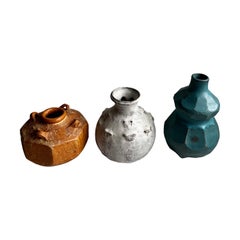
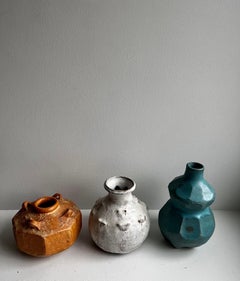
Pottery by artist Walter Darby Bannard, 1978 blue - 8" tall x 4 1/2" wide - 1979 white - 6" tall x 5 1/2" wide - 1978 yellow - 4" tall x 5 1/2" wide - 1978 beautiful glaze, color ...
Clay
Secessionist Clock by Karl Klaus for Serapis Wahliss
By Karl Klaus, Serapis Fayence Wahliss
Located in Palm Beach, FL
Note: We highly recommend shipping through 1stDibs for its cost effectiveness, full insurance coverage, and reliable handling. While standard parcel services are an option, the default quote does not include packing and insurance. 1stDibs shipping provides a level of value, protection, and care that aligns with our commitment to safeguarding historic artworks and providing excellent client service. Secessionist Clock...
Porcelain
Secessionist Porcelain Vase by Karl Klaus for Serapis Wahliss
By Karl Klaus, Serapis Fayence Wahliss
Located in Palm Beach, FL
Secessionist Porcelain Lidded Box by KARL KLAUS (1889-1925) for SERAPIS WAHLISS, Vienna, c. 1911, hand-painted in gold and black enamels in a stylized geometric diamond and holly mot...
Porcelain
*VERY RARE* Franz West 'Caldare' Bronze Pot on Iron Base, Meta Memphis, 1991
By Franz West
Located in Tinton Falls, NJ
"Caldare" is a specific object — a bronze pot on a white painted iron base with a stove —designed by Franz West in 1991 for the Meta Memphis Collezione, produced in a limited edition...
Bronze, Steel, Cut Steel, Sheet Metal
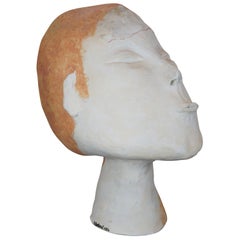
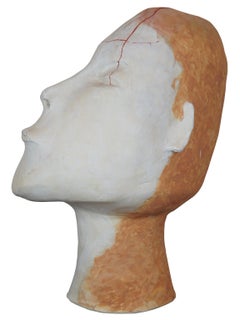
1986 Deborah Ballard "Stress" Ceramic Figural Art Sculpture Head Bust
Located in Dayton, OH
1986 Deborah Ballard "Stress" Ceramic Figural Art Sculpture Made from fired white clay by Deborah Ballard (b.1951). Deborah is a Native American who was born in Dallas. She had a ...
Clay
Vintage Paper Mache Bust Sculpture
Located in W Allenhurst, NJ
Whimsical bespoke paper mache bust. Sourced from an artists estate so to me, it looks like she was going for a Keith Haring inspired piece.
Paper
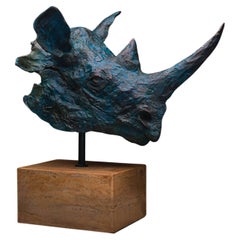
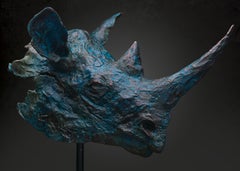
Bronze Rhino Sculpture - Black Rhino Bust in Blue Verdigris
Located in Pretoria, Gauteng
The Black Rhino is one of Africa’s most formidable creatures, yet also among its most vulnerable. This bronze bust, finished in a deep blue verdigris patina, captures the raw strength and weathered dignity of the rhino’s head, its horn thrust forward like a spear forged by evolution. I first sketched this piece in the field when all I could see was a rhino’s head emerging through the thicket—an unforgettable impression of power and presence. The rhino’s horn, once its ultimate defense, has tragically become the very reason for its decline. In this sculpture, that paradox is frozen in bronze: resilience and fragility bound together. Set on a sandstone base, the piece is both a tribute and a reminder—of nature’s grandeur and mankind’s responsibility to protect it. Bronze Rhino Sculpture...
Bronze
John Glick Plum Street Pottery Ceramic Charger Monumental
By John Glick
Located in Bloomfield Hills, MI
The ceramic charger is an example of the kind of work by which John Glick became so famous. He was seduced by the effects of the reduction kiln, which decreased the levels of oxygen during firing, inducing the flame to pull oxygen out of the clay and glazes changing the colors of the glazes depending on their iron and copper content. In this way he achieved the rich gradients of ochre and umber and variations in stippling and opacity. It is signed by the artist and stamped with Plum Street Pottery #129 on the verso. John was an American Abstract Expressionist ceramicist born in Detroit, MI. Though open to artistic experimentation, Glick was most influenced by the styles and aesthetics of Asian pottery—an inspiration that shows in his use of decorative patterns and glaze choices. He has said that he is attracted to simplicity, as well as complexity: my work continually reflects my re-examination that these two poles can coexist… or not, in a given series. Glick also took influences from master potters of Japan, notably Shoji Hamada and Kanjrio Kawai, blending their gestural embellishments of simple forms with attitudes of Abstract Expressionism. He was particularly drown to the work of Helen Frankenthaler whose soak-stain style resonated with Glick’s multi-layered glaze surfaces, which juxtaposed veils of atmospheric color with gestural marks and pattern. He spent countless hours developing and making his own tools in order to achieve previously unseen results in his work with clay and glaze. Glick’s “Plum Tree Pottery” (now a designated historic landmark in Farmington Hills, Michigan) studio opened around 1965 and closed in the summer of 2016. It was a private studio space for John and a number of his students and assistants. He believed his shapes evolved guided by forces apparently outside his control. This was instinctual, intellectual and due to his openness to change, fusing into what he thought was the most positive force behind a potter’s approach: evolution and growth. Some have called it inspiration. John was not only a major figure in the Detroit creative community, but in the ceramics world at large. According to Shelley Selim in her book on John, “John Glick: A Legacy in Clay” John remains: “one of the most recognizable names in the field of studio pottery – known for lecturing, publishing, and offering workshops widely – and his work has been featured in well over a hundred local, national and international exhibitions since he was a college student in the late 1950s.” Along with this John has mentored over thirty studio apprentices over five and a half decades, received numerous grants and awards for his work, and has been prolific, with an estimated 300,000 ceramic wares throughout the world. He received his Masters from Cranbrook Academy of Art in Bloomfield Hills, Michigan, working with Maija Grotell, a legendary and influential teacher. Grotell was noted for her deep interest in the human connection to nature’s rhythms and patters. These ideas often grounded her dialog with her students including Glick, affecting, a profund and lasting influence on his future work. This famous Art Academy was designed by architect and faculty member, Eliel Saarinen who collaborated with Charles and Ray Eames on chair and furniture design. Numerous creative artists who are alumni of Cranbrook include: Harry Bertoia, Florence Knoll, Jack Lenor Larsen, Donald Lipski, Duane Hanson, Nick Cave, Hani Rashid, George Nelson, Urban Jupena (Nationally recognized fiber artist), Artis Lane (the first African-American artist to have her sculpture, "Sojourner Truth," commissioned for the Emancipation Hall in the Capital Visitor Center in Washington DC), Cory Puhlman (televised Pastry Chef extraordinaire), Thom O’Connor (Lithographs), Paul Evans (Brutalist-inspired sculpted metal furnishings), Eugene Caples (small bronze images/abstract), Morris Brose (Bronze Sculptures), Herb Babcock (blown glass), Larry Butcher (mixed media) and Lauren Anais Hussey...
Ceramic
Contemporary Italian Murano Glass Silver Gold Colorful Mosaic Panel Sculpture
By Vévé Glass
Located in New York, NY
Contemporary modern Murano Art glass sculpture, a decorative panel displayed on a dark grey iron base, realized as a colorful Mosaic, grey, yellow, burgundy, white and black murrine, aqua blue, amethyst purple glass...
Iron, Gold Leaf, Silver Leaf
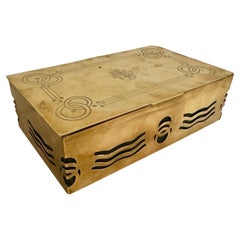
Austrian Secessionist Brass Carved Box
Located in North Miami, FL
This is a wonderful antique box from the Vienna Secession period. Adorned with elegant carved details and a wood veneer interior.
Brass
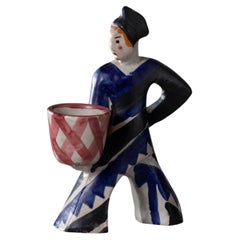
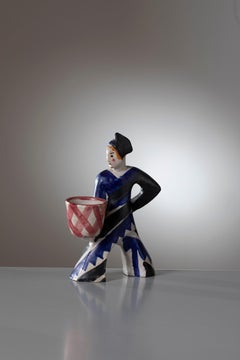
Candlestick dancing clown Dagobert Pechce Wiener Werkstatte
By Dagobert Peche, Wiener Werkstätte
Located in Hronská Breznica, Banskobystrický kraj
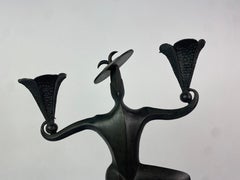
Candlestick dancing clown atr. Dagobert Pechce for Wiener Werkstatte. Not signed.
Bronze
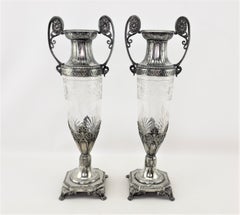
Pair of Antique WMF Cut Crystal with Silver Plated Mounts Seccessionist Vases
By WMF Württembergische Metallwarenfabrik
Located in Hamilton, Ontario
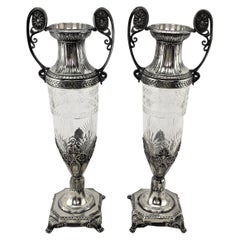
This pair of antique vases were made by the well known WMF company of Germany in approximately 1900 and done in a Seccessionist style. The vases ...
Crystal, Silver Plate
Contemporary Italian Murano Glass Silver Blue Green Mosaic Centerpiece on Red
Located in New York, NY
Contemporary modern Murano Art glass Mosaic centrepiece: High quality of execution using the sophisticated technique of glass fusion with a see-through mosaic of murrine (each little...
Silver Leaf
$1,700 / set
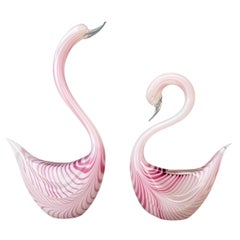
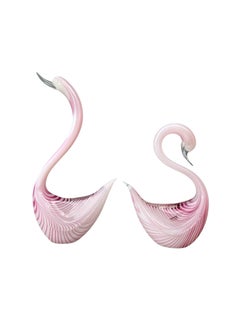
Formia Murano Blown Glass Birds
Located in Sarasota, FL
A pair of Italian filigrana blown glass birds made by Formia. Magenta and white striped glass is blown and pulled into elegant bird shapes, one with head up and the other with head r...
Murano Glass
$58,950Sale Price|30% Off
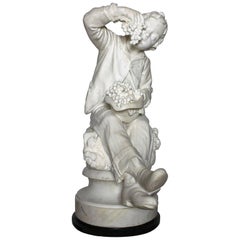
Italian 19th Century Carrara Marble Sculpture of a Boy by Raffaele Belliazzi
By Raffaele Belliazzi
Located in Los Angeles, CA
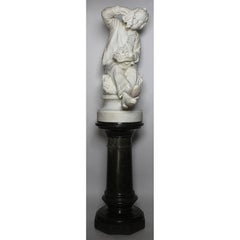
A very fine Italian 19th century carved carrara marble sculpture Group Titled "LA GIOIA NELL'INNOCENZA DOPO IL LAVORO" (The Joy of Innocence After Labour) by Professor Raffaele Belliazzi (Italian, 1835-1917). The slender figure of the young boy, seated and resting on a rock with his hanging legs crossed and joyfully eating a cluster of grapes picked from his hat that is resting on his lap. The intricate carving of his shirt, jacket, pants, hat and boots with fine attention details such at the stitching, buttons, the hem on his pants, the wear on the soles of his boots and the features on his face makes this one of Belliazzi's finest known works. The sculpure rests on a dark green serpentine marble pedestal with a rotating top. Signed: Profor. Belliazzi, Carrara. Florence, circa 1870-1880. It may be possible to identify the present marble sculpture of a boy eating grapes...
Marble, Carrara Marble
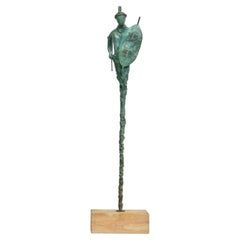
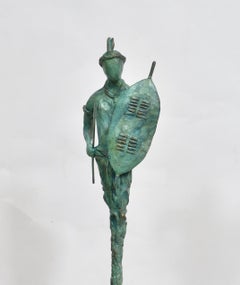
Zulu Warrior Sculpture in Bronze Verdigris - Limited Edition Bronze Sculpture
Located in Pretoria, Gauteng
Zulu warriors were renowned for their disciplined formations and innovative tactics in battle, epitomized by the "buffalo horns" strategy developed by the legendary Shaka Zulu: a man...
Bronze
Masai Girl - African Bronze Sculpture
Located in Pretoria, Gauteng
A Maasai girl, upon reaching adolescence, undergoes a traditional rite of passage known as "Enkipaata" a ceremony marking her transition into womanhood and preparing her for the resp...
Sandstone, Bronze
$1,080Sale Price|20% Off
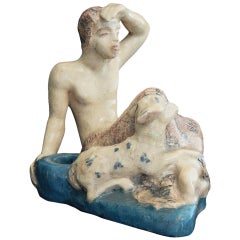
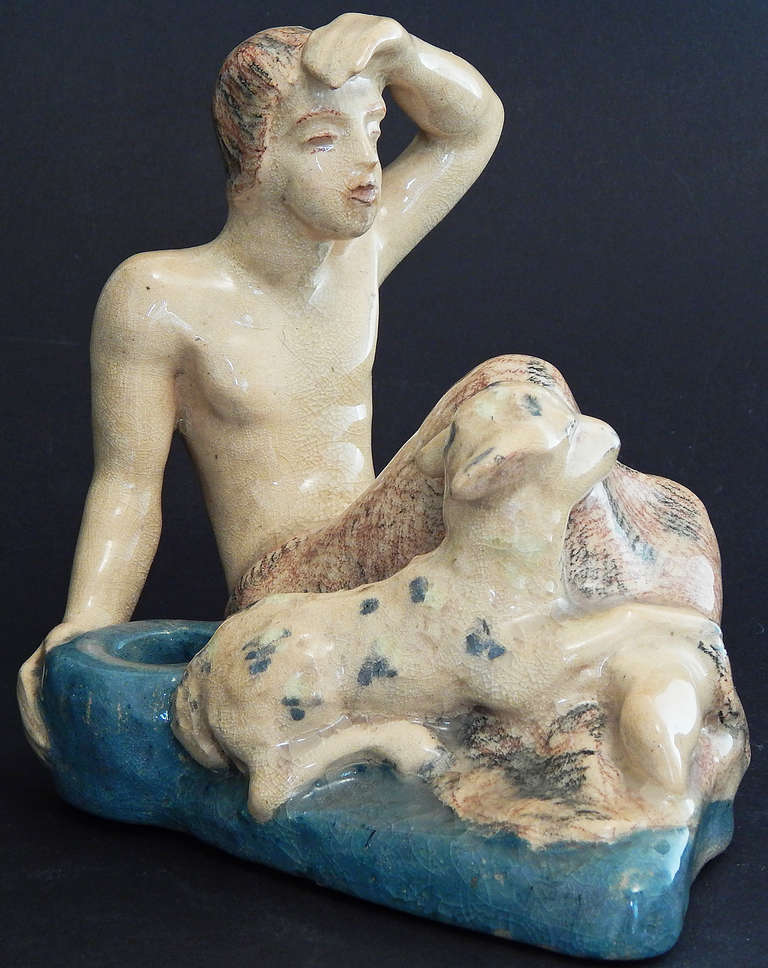
"Shepherd Boy and Lamb, " Ceramic Candlestick Influenced by Wiener Werkstatte
Located in Philadelphia, PA
This charming, unique glazed ceramic sculpture, designed to serve as a candleholder, was created by one of the master ceramicists at the famous Werkstatte in Vienna, or by an American craftsman influenced by their work. The shepherd boy...
Ceramic
Vienna Faience Porcelain Figurine by Schauer
By Schauer
Located in Los Angeles, CA
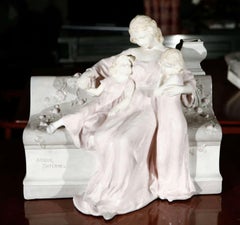
A Vienna faience porcelain figurine representing motherly love by Schauer. Bench and figures are porcelain. Faces and arms are in a bisque (flat) finish. Marked on the bottom Vienna ...
Porcelain
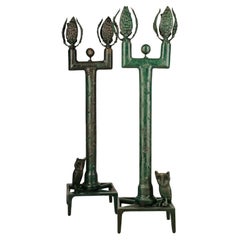
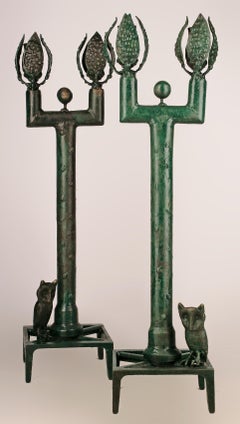
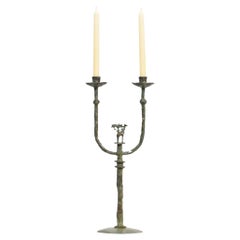
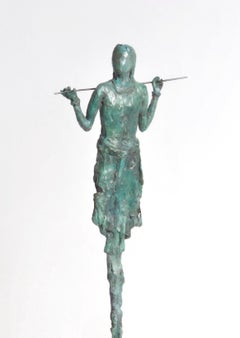
Late 20th C. Expressionist Giacometti-Like Pair of French Bronze Candle Holders
Located in North Miami, FL
Late 20th century Expressionist Giacometti-like pair of french bronze candle holders By: Diego Giacometti (in the style of) Material: bro...
Bronze, Metal, Copper
Bronze Masai Warrior - African Figurative Tribe Sculpture
Located in Pretoria, Gauteng
The Maasai Warrior joins my series of figurative works inspired by Africa’s tribes, each piece a reflection of cultural pride and enduring legacy: Standing tall, proud, and resilient...
Bronze
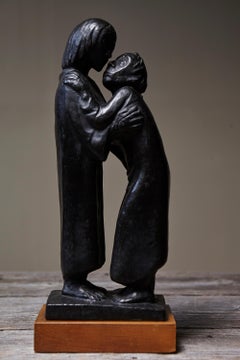
Abstract Expressionist Bronze Sculpture on Wood Base, France, 1930s
Located in Los Angeles, CA
Abstract expressionist bronze sculpture on wood base. France, 1930s.
Bronze
Richard Thuss Austrian Gilt Bronze Figure of an Oriental Woman Dancing
Located in Buenos Aires, Olivos
Oriental Dancer, Jugenstil Vienna bronze sculpture, 1900s Richard Thuss Austrian Gilt Bronze Figure of an Oriental Woman Dancing Stamped under a foot VNO. Gilt has been restored. It ...
Marble, Bronze
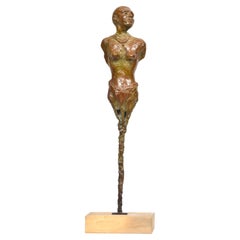
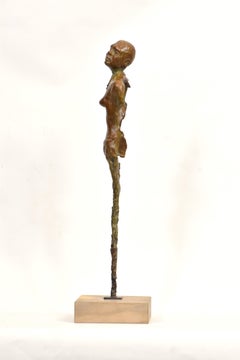
Zuri - Young Woman, Bronze Abstract Nude - African Sculpture
Located in Pretoria, Gauteng
Zuri, which is beautiful in Swahili, is a Bronze African Abstract Nude and marks a significant moment in my creative evolution—an expansion from sculpting wildlife into exploring the human form. Initially, my art was inspired by Africa’s magnificent wildlife, but over time, the graceful silhouettes of tribal warriors and women—often glimpsed through the blistering summer haze—began to captivate me in a new way. There was something profoundly moving about their presence—dignified, resilient, and quietly powerful. That vision led me to explore the human spirit in bronze. Zuri is an abstract interpretation of that essence: rooted in strength, shaped by grace, and elevated by simplicity. Through her, I seek to honour not just form, but feeling. Bronze sculpture in a rich traditional patina with hints of Verdigris...
Bronze
Abstract Bronze Sculpture, France, 1940s
Located in Los Angeles, CA
Rare and unique bronze sculpture, on custom lucite base. France, 1940s.
Bronze
$188Sale Price|20% Off
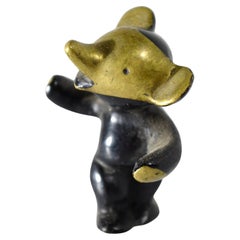
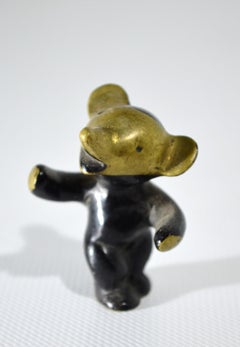
Beautiful Teddy Bear in Black Golden Line from the Famous Designer Walter Bosse
By Walter Bosse
Located in Argenteuil, IDF
Beautiful and charming little teddy bear in black golden line from the famous designer designer Walter Bosse (1904 - 1979) Beautiful original patina from the mid-20th century. H...
Bronze
John Glick Plum Street Pottery Ceramic Charger Monumental
By John Glick
Located in Bloomfield Hills, MI
The ceramic charger is an example of the kind of work by which John Glick became so famous. He was seduced by the effects of the reduction kiln, which decreased the levels of oxygen during firing, inducing the flame to pull oxygen out of the clay and glazes changing the colors of the glazes depending on their iron and copper content. In this way he achieved the rich gradients of ochre and umber and variations in stippling and opacity. It is signed by the artist and stamped with Plum Street Pottery on the verso. John was an American Abstract Expressionist ceramicist born in Detroit, MI. Though open to artistic experimentation, Glick was most influenced by the styles and aesthetics of Asian pottery—an inspiration that shows in his use of decorative patterns and glaze choices. He has said that he is attracted to simplicity, as well as complexity: my work continually reflects my re-examination that these two poles can coexist… or not, in a given series. Glick also took influences from master potters of Japan, notably Shoji Hamada and Kanjrio Kawai, blending their gestural embellishments of simple forms with attitudes of Abstract Expressionism. He was particularly drown to the work of Helen Frankenthaler whose soak-stain style resonated with Glick’s multi-layered glaze surfaces, which juxtaposed veils of atmospheric color with gestural marks and pattern. He spent countless hours developing and making his own tools in order to achieve previously unseen results in his work with clay and glaze. Glick’s “Plum Tree Pottery” (now a designated historic landmark in Farmington Hills, Michigan) studio opened around 1965 and closed in the summer of 2016. It was a private studio space for John and a number of his students and assistants. He believed his shapes evolved guided by forces apparently outside his control. This was instinctual, intellectual and due to his openness to change, fusing into what he thought was the most positive force behind a potter’s approach: evolution and growth. Some have called it inspiration. John was not only a major figure in the Detroit creative community, but in the ceramics world at large. According to Shelley Selim in her book on John, “John Glick: A Legacy in Clay” John remains: “one of the most recognizable names in the field of studio pottery – known for lecturing, publishing, and offering workshops widely – and his work has been featured in well over a hundred local, national and international exhibitions since he was a college student in the late 1950s.” Along with this John has mentored over thirty studio apprentices over five and a half decades, received numerous grants and awards for his work, and has been prolific, with an estimated 300,000 ceramic wares throughout the world. He received his Masters from Cranbrook Academy of Art in Bloomfield Hills, Michigan, working with Maija Grotell, a legendary and influential teacher. Grotell was noted for her deep interest in the human connection to nature’s rhythms and patters. These ideas often grounded her dialog with her students including Glick, affecting, a profund and lasting influence on his future work. This famous Art Academy was designed by architect and faculty member, Eliel Saarinen who collaborated with Charles and Ray Eames on chair and furniture design. Numerous creative artists who are alumni of Cranbrook include: Harry Bertoia, Florence Knoll, Jack Lenor Larsen, Donald Lipski, Duane Hanson, Nick Cave, Hani Rashid, George Nelson, Urban Jupena (Nationally recognized fiber artist), Artis Lane (the first African-American artist to have her sculpture, "Sojourner Truth," commissioned for the Emancipation Hall in the Capital Visitor Center in Washington DC), Cory Puhlman (televised Pastry Chef extraordinaire), Thom O’Connor (Lithographs), Paul Evans (Brutalist-inspired sculpted metal furnishings), Eugene Caples (small bronze images/abstract), Morris Brose (Bronze Sculptures), Herb Babcock (blown glass), Larry Butcher (mixed media) and Lauren Anais Hussey...
Ceramic
Samburu Herdsman - Bronze African Tribal Sculpture
Located in Pretoria, Gauteng
My interpretation of a Samburu herdsman stands as a sentinel of tradition, his life a tapestry woven with the threads of pastoral wisdom and the enduring spirit of the African savann...
Bronze
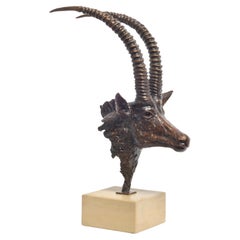
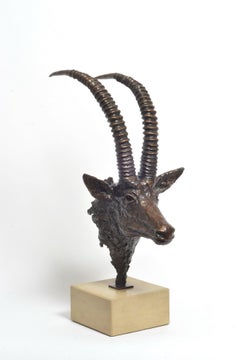
Bronze Sable Antelope Bust - African Antelope Bronze Sculpture - Limited edition
Located in Pretoria, Gauteng
It is hard to forget the first time you see a sable antelope — the glossy black coat, the proud arch of the neck, and those magnificent, scimitar-shaped horns curving gracefully back...
Bronze
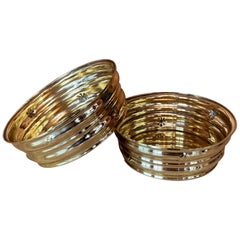
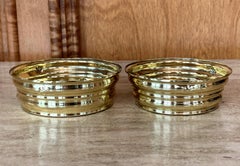
Pair of Wiener Werkstatte Brass Bowls by Dagobert Peche
By Dagobert Peche, Wiener Werkstätte
Located in Atlanta, GA
A pair of brass bowl in stepped concentric form designed by Dagobert Peche (Austrian, 1887-1923) and for Wiener Werkstatte circa 1910s-1920s. In the iconic style of Vienna Secession,...
Brass
Bronze Rhino Bust Sculpture
Located in Pretoria, Gauteng
The Black Rhino is one of Africa’s most formidable creatures, yet also among its most vulnerable. This bronze bust, finished in a deep blue verdigris patina, captures the raw strength and weathered dignity of the rhino’s head, its horn thrust forward like a spear forged by evolution. I first sketched this piece in the field when all I could see was a rhino’s head emerging through the thicket—an unforgettable impression of power and presence. The rhino’s horn, once its ultimate defense, has tragically become the very reason for its decline. In this sculpture, that paradox is frozen in bronze: resilience and fragility bound together. Set on a sandstone base, the piece is both a tribute and a reminder—of nature’s grandeur and mankind’s responsibility to protect it. Black Rhino Bust, Bronze Rhino Sculpture...
Bronze
Beginning of the Hunt - Bronze Maasai Warrior Sculpture
Located in Pretoria, Gauteng
This bronze sculpture captures a Maasai warrior in a rare moment of stillness and anticipation — poised at the very beginning of the hunt. The figure stands tall and slender, his spe...
Bronze
CLAUDE FAVIER Signed and Numbered Bronze Signed Sculpture or Paperweight
Located in Los Angeles, CA
CLAUDE FAVIER Sculpture in Bronze. Similar to Zuniga - A deeply moving figurative piece. Numbered 18/50 A compliment to many spaces, a wonderful decorative piece or sculpture on ...
Bronze
Expressionist Bronze Sculpture on Stone and Bronze Base
Located in Los Angeles, CA
Incredible Expressionist bronze sculpture on stone and bronze base. France, 1940s.
Bronze
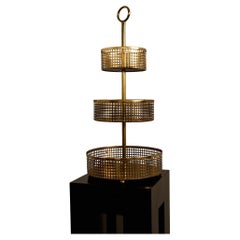
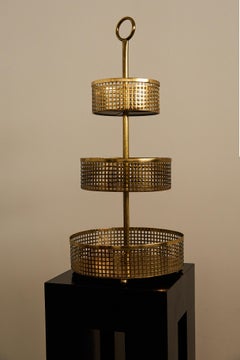
Josef Hoffmann Style Tiered Tray
Located in London, GB
Josef Hoffmann (style) tiered serving stand, 20th/21st century, goldtone pierced metal, unmarked.
Brass
$4,400Sale Price|20% Off
Abstract Bronze Sculpture, France, 1930s
Located in Los Angeles, CA
Beautiful abstract bronze sculpture. France, 1930s,
Bronze
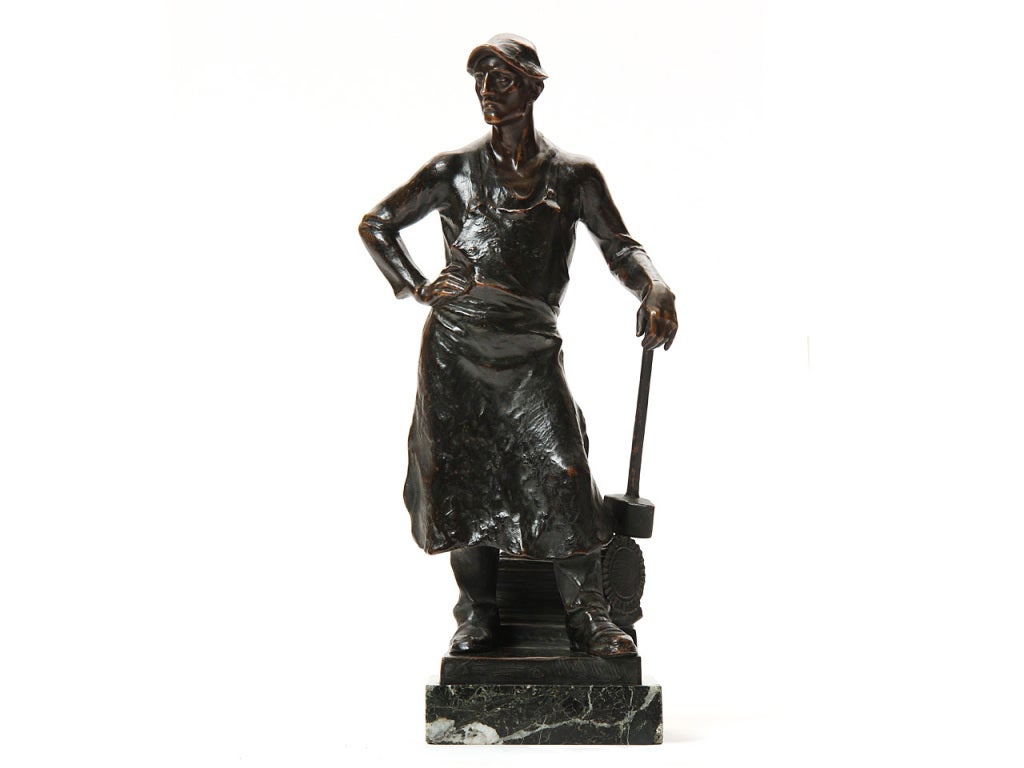
Sculpture of Standing Blacksmith by Adolf Joseph Phol
Located in Sagaponack, NY
A bronze statue of a blacksmith on a marble base by Adolph Joseph Pohl. Made in Austria, circa 1920s.
Marble, Bronze
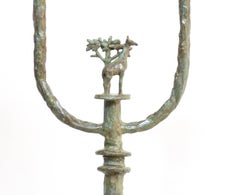
Bronze Giraffe Candelstick
Located in Pretoria, Gauteng
Decorative art in cast bronze - Bronze candlestick featuring a giraffe and acacia tree. Similar candlesticks in different sizes & motifs on request. Cost on application. Can also...
Bronze
Abstract Bronze Sculpture on Lucite Base, France, 1930s
Located in Los Angeles, CA
Expressionist bronze sculpture, female head figure on Lucite base, France, 1930s.
Bronze
Bronze Sculpture on Lucite Base, France, 1940s
Located in Los Angeles, CA
Expressionist bronze sculpture on lucite base, portraying a female upper torso, France, 1940s
Bronze
Bohemia Secessionist Floral Glass Vase
By Ludwig Heinrich Jungnickel, Urban Janke
Located in Queens, NY
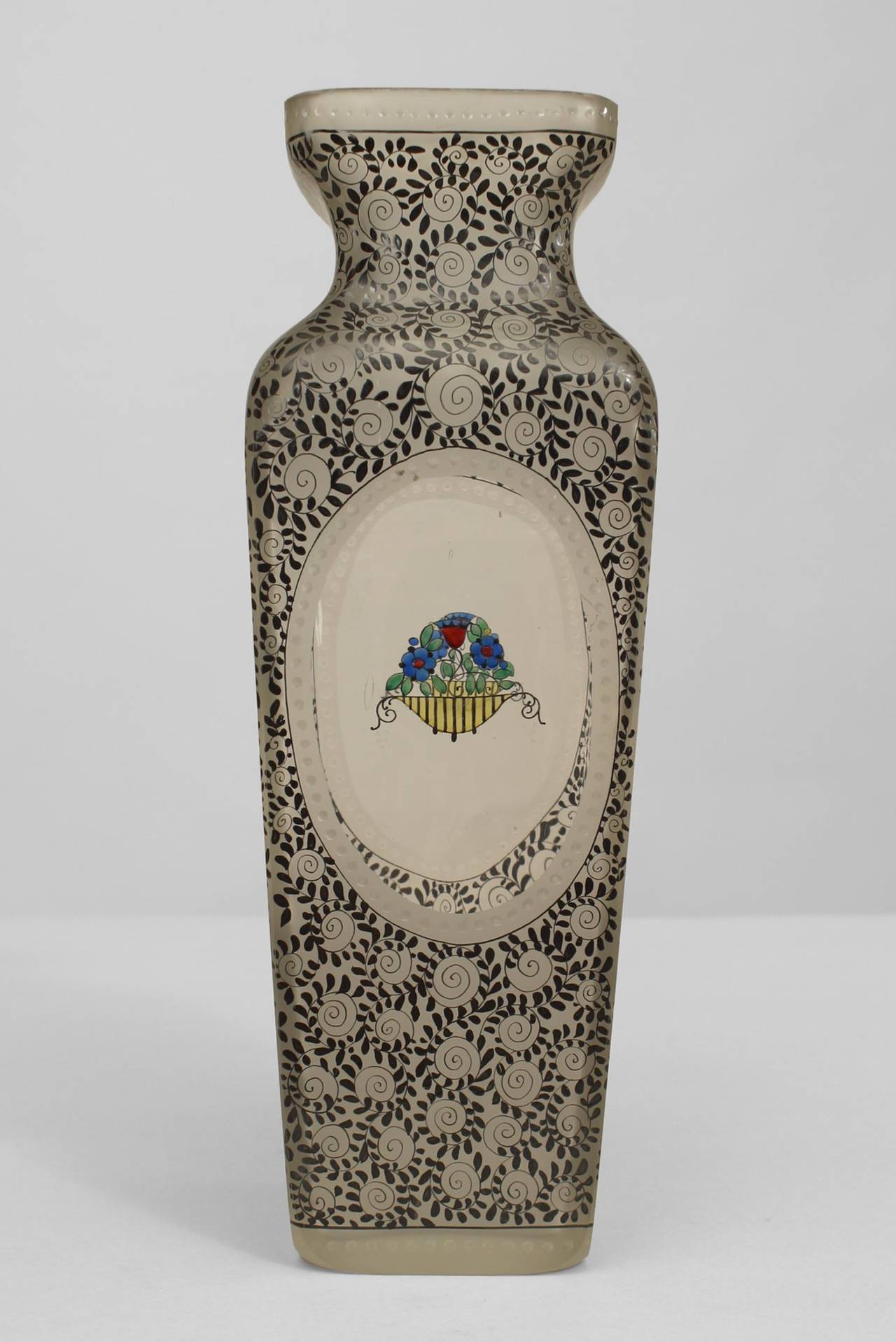
Austrian (Bohemia) Secessionist tapered square glass vase with black scroll & leaf design & oval panels with colored urn & flowers (att: Urban Janke & Ludwig Heinrich Jungnickel.
Glass
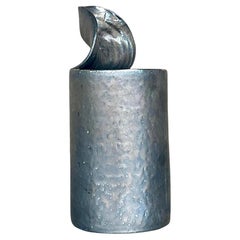
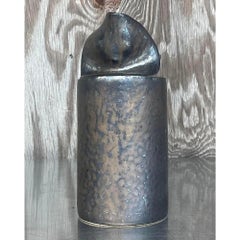
Late 20th Century Vintage Boho Studio Pottery Open Can Vase
Located in West Palm Beach, FL
A fabulous vintage Signed studio pottery vase. A charming composition of an open tin can, but in a rich brown.
Pottery
Ceramic Vase Signed Turn-Teplitz, Attributed to Paul Dachsel, Austria, c. 1900
By Paul Dachsel
Located in Buenos Aires, Buenos Aires
Ceramic vase signed Turn-Teplitz. Attributed to Paul Dachsel, Austria, circa 1900.
Ceramic
Beginning of the Hunt - Bronze Maasai Warrior Sculpture
Located in Pretoria, Gauteng
This bronze sculpture captures a Maasai warrior in a moment of stillness and anticipation — poised at the very start of the hunt. I was inspired by the elegant silhouettes of tribal ...
Bronze
Bronze Sculpture "Fallen Angel" on Wood Bas, France, 1940s
Located in Los Angeles, CA
Bronze sculpture "Fallen Angel" on wood base. France, 1940s.
Bronze
$3,600Sale Price|20% Off
Expressionist Bronze Sculpture, France, 1930s With Adjustable Tripod
Located in Los Angeles, CA
Beautiful and unique Expressionist bronze sculpture, on marble base. France, 1930s.
Bronze