Questions & Answers
Our trusted network of 1stDibs sellers answer common questions
What is the difference between a canvas and a lithograph?
1 Answer
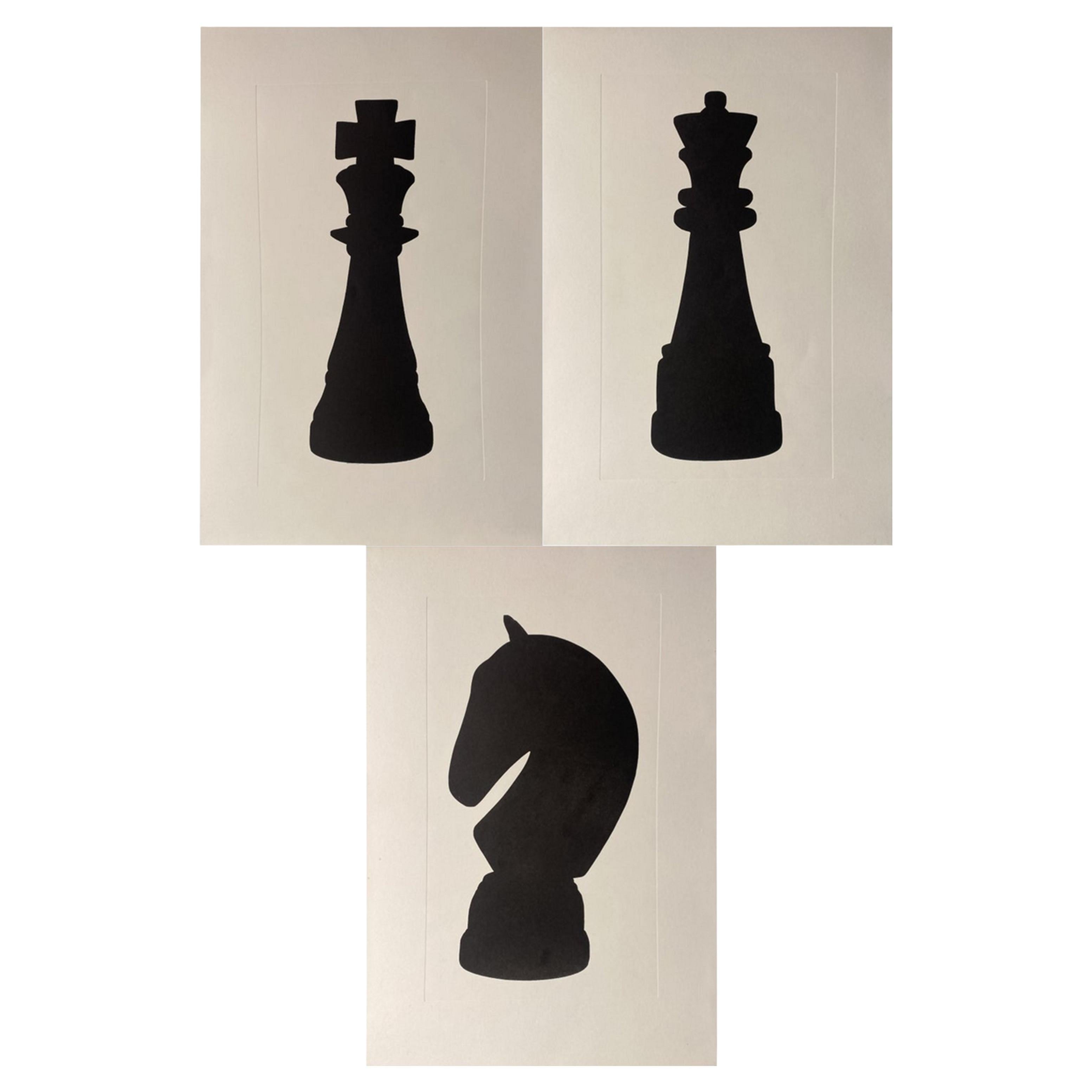
The difference between a canvas and a lithograph is format. A canvas is a piece of art that displays a painting or a print. It can be outfitted with hardware and hung directly on a wall. A lithograph is a type of print produced by applying ink to a stone and then transferring an image onto paper. Usually, you need to frame a lithograph prior to mounting it on a wall. On 1stDibs, find a large selection of wall art.
1stDibs ExpertAugust 26, 2024
Related Questions
- What is the difference between a lithograph and a lithograph print?1 Answer
- What is the difference between a lithograph and an original?1 Answer
- What is the difference between a print and a lithograph?1 Answer
- What is the difference between a lithograph and a serigraph?1 Answer
- What is the difference between a lithograph and a Seriolithograph?1 Answer
Shop for Wall Decorations on 1stDibs
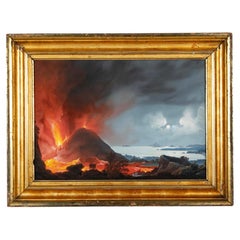
Italian Grand Tour Gouache of Mount Vesuvius Erupting at Night, Circa 1872
Located in Stamford, CT
Italian Grand Tour gouache of Mount Vesuvius erupting at night with a full moon over the Bay of Naples. In the original gilt wood frame. This is a very fine and large example of this...
Category
Antique 19th Century Italian Grand Tour Paintings
Materials
Giltwood, Paper
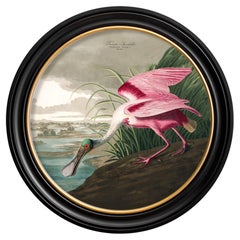
Roseate Spoonbill Print from Audubon's Birds of America C1838 Round Frame, New
Located in Lincoln, Lincolnshire
This is a digitally remastered print of a Roseate Spoonbill referenced from an Audubon Birds of America hand coloured print, originally from the 1800's
Prints of this style were ori...
Category
Antique Early 19th Century British American Colonial Prints
Materials
Glass, Wood, Paper
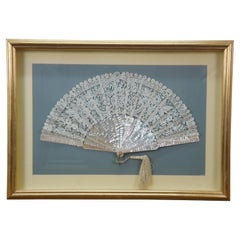
Antique Victorian Mother of Pearl Lace Folding Fan Shadow Box Display 28"
Located in Dayton, OH
Antique Victorian Mother of Pearl floral lace folding hand fan in shadow box display.
Dimensions:
28" x 2" x 20" (Width x Depth x Height)
Category
Antique Late 19th Century Chinoiserie Decorative Art
Materials
Mother-of-Pearl
$297 Sale Price
30% Off
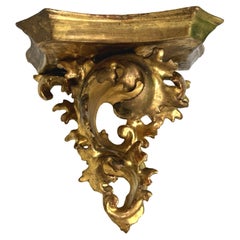
Italian Gilt Wood Wall Shelf, Hand Carved Rococo Style, 1950s
Located in Nuernberg, DE
Offered here is an exceptional Italian gilt wood wall shelf or wall console from the 1950s. Expertly hand carved from wood and finished with rich gold plating, this piece displays el...
Category
Vintage 1950s Italian Rococo Wall Brackets
Materials
Wood
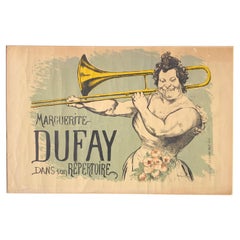
Marguerite Dufay - Vintage lithographic Art Nouveau poster by Louis Anquetin
Located in East Quogue, NY
Vintage limited edition lithographic reproduction poster of "Marguerite Dufay" by 19th Century French artist Louis Anquestin (1861-1932).
Published in 1968 by The Sunday Times (Lond...
Category
Antique Late 19th Century French Art Nouveau Posters
Materials
Paper
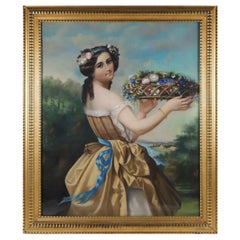
"Lovely Maiden Holding a Flower Basket" Pastel Painting by George Gardner Fish
Located in Nashua, NH
George Gardner Fish (Nantucket 1822-1906)
Pastel on Paper of "A Lovely Lady Holding a Flower Basket"
C.mid 19th C, to third quarter of 19th C.
George Gardner Fish was a Nantucket po...
Category
Antique Mid-19th Century American Other Paintings
Materials
Canvas, Wood, Paint