Late 17th Century Paintings

132 Results
to
46
20
6
29
24
58
Overall Width
to
Overall Height
to
2,060
6,567
43,483
122,210
774
721
1,318
1,732
1,701
2,431
3,037
3,569
3,342
3,318
1,047
43
1
1
68
67
2
103
62
39
38
23
15
11
10
9
4
3
3
3
3
2
2
2
2
2
2
136
134
78
78
10
1
1
1
1
1
112
8
128
9
Period: Late 17th Century
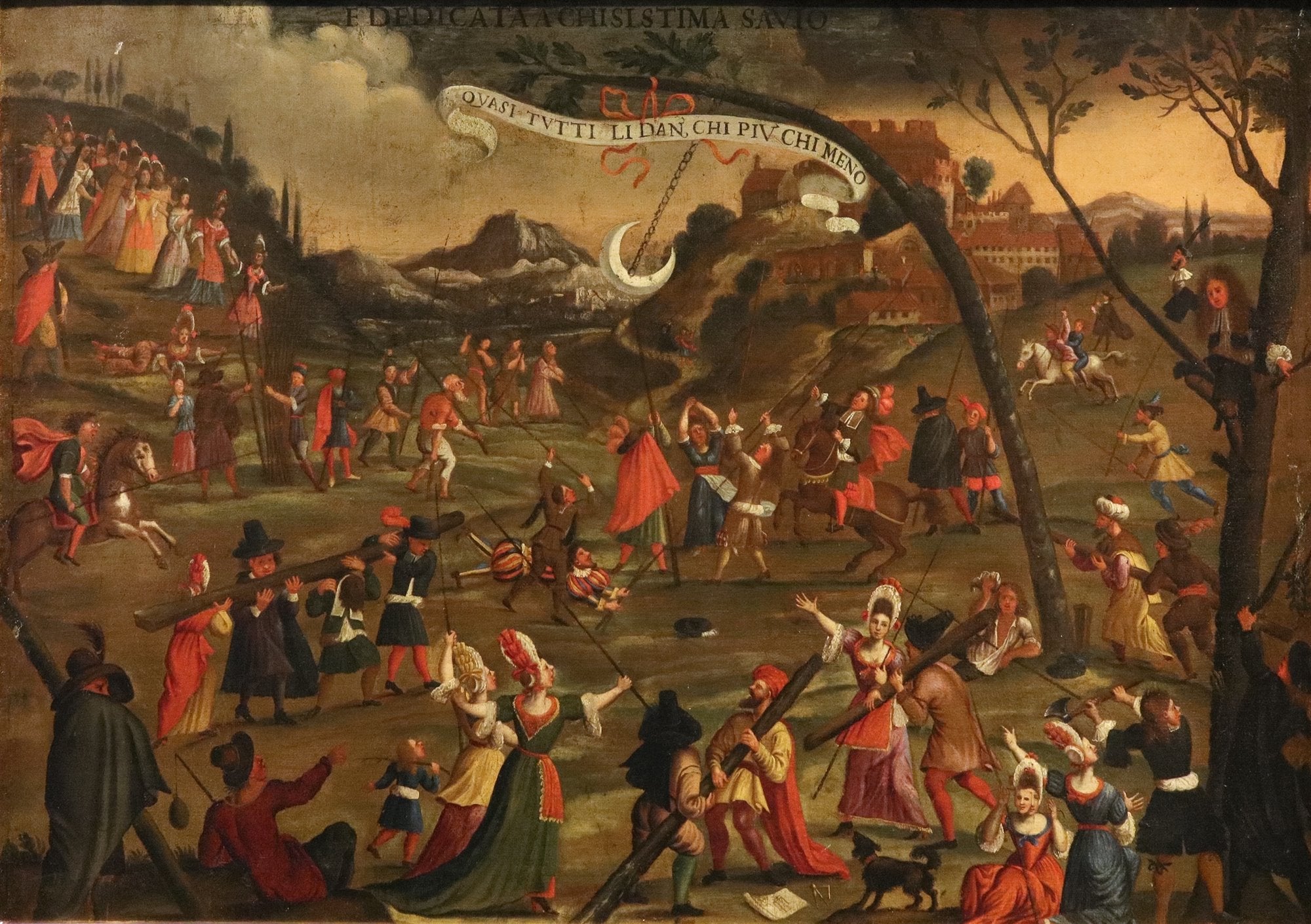
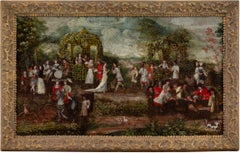
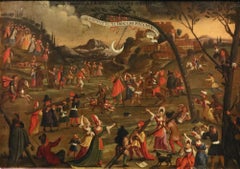
Late 17th-Century Flemish School A Garden Of Love: Extended Fan Leaf

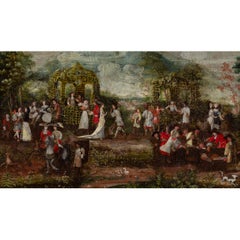
Late 17th-Century Flemish School A Garden Of Love: Extended Fan Leaf

Located in Cheltenham, GB

This charming late 17th-century Flemish painting was once a fan before being laid on canvas, extended and cherished. It's filled with tiny episodes of courtship, leisure and fashiona...

Category

Baroque Late 17th Century Paintings

Materials

Canvas, Oil, Laid Paper

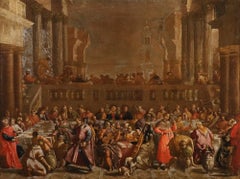
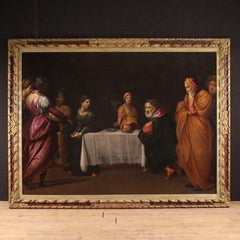
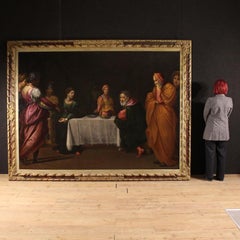
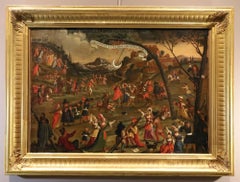
Wedding At Cana Veronese 17/18th Century Oil on canvas Old master

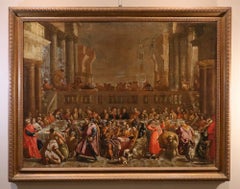
Wedding At Cana Veronese 17/18th Century Oil on canvas Old master

Located in Riva del Garda, IT

Paolo Caliari, known as Il Veronese (Verona, 1528 – Venice, 1588) Follower The Wedding at Cana oil on canvas 96 x 127 cm. - Framed: 114 x 145 cm. The painting, which depicts ...

Category

Old Masters Late 17th Century Paintings

Materials

Oil

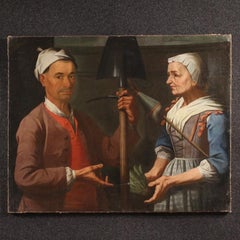
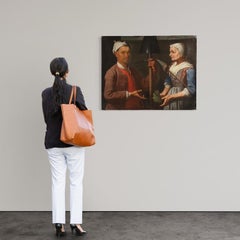
17th-Century Oil-on-Canvas Antique Genre Scene Italian Painting, 1670

17th-Century Oil-on-Canvas Antique Genre Scene Italian Painting, 1670

Located in Vicoforte, IT

An important Italian painting from the second half of the 17th century. This oil-on-canvas painting, of remarkable artistic quality, depicts a peasant couple with tools. The painting...

Category

Late 17th Century Paintings

Materials

Canvas, Oil

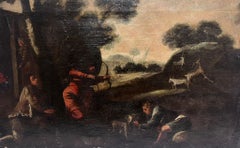
17th Century Baroque Old Master Oil Painting Stag Hunting Party in Landscape

17th Century Baroque Old Master Oil Painting Stag Hunting Party in Landscape

By Philipp Peter Roos (Rosa di Tivoli)

Located in Cirencester, Gloucestershire

The Hunting Party German/ Italian School circle of Philipp Peter Roos (German 1655-1706) oil on canvas, unframed 19 x 31 inches provenance: private collection, France condition: good...

Category

Baroque Late 17th Century Paintings

Materials

Oil, Canvas

17th Century Oil on Canvas Italian Antique Painting Herod's Feast, 1670

17th Century Oil on Canvas Italian Antique Painting Herod's Feast, 1670

Located in Vicoforte, IT

Great 17th-century Italian painting. Oil on canvas, monumental in scale, artwork depicting Herod's banquet with Salome and the head of Saint John the Baptist. The intense and theatri...

Category

Late 17th Century Paintings

Materials

Canvas, Oil

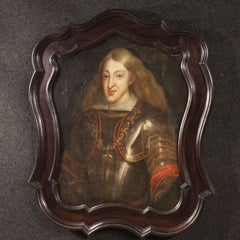
17th-century portrait of Charles II of Spain, oil on canvas, 1670

17th-century portrait of Charles II of Spain, oil on canvas, 1670

Located in Vicoforte, IT

A refined Spanish portrait from the second half of the 17th century. This oil-on-canvas painting depicts King Charles II of Spain, wearing ceremonial armor and the collar of the Orde...

Category

Other Art Style Late 17th Century Paintings

Materials

Oil

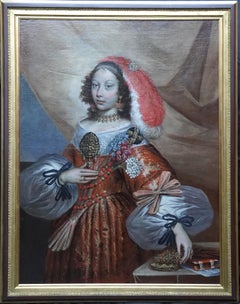
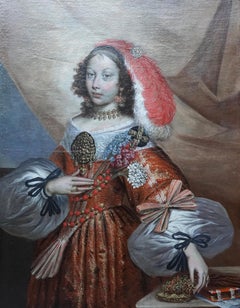
Portrait of a Spanish Noble Lady - 17th Century Old Master art oil painting

Portrait of a Spanish Noble Lady - 17th Century Old Master art oil painting

Located in Hagley, England

This stunning, large portrait oil painting is attributed to Spanish Old Master Claudio Coello who is considered the last great Spanish painter of the 17th century. It has formerly been the property of Lady Beatrice...

Category

Old Masters Late 17th Century Paintings

Materials

Oil Crayon

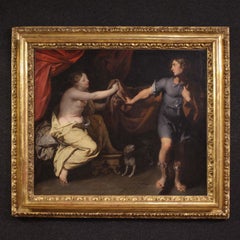
17th-century French oil-on-canvas painting of Joseph and Potiphar's Wife, 1670

17th-century French oil-on-canvas painting of Joseph and Potiphar's Wife, 1670

Located in Vicoforte, IT

An important 17th-century French painting. Oil on canvas depicting Joseph and Potiphar's Wife, a powerful episode from the Book of Genesis. The scene depicts the climax of the biblic...

Category

Late 17th Century Paintings

Materials

Oil

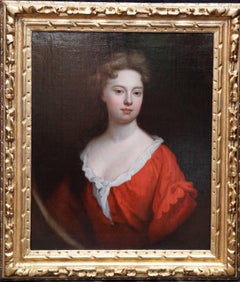
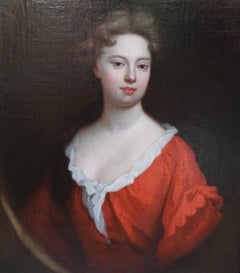
Portrait of Lady in red Dress - British Old Master art female oil painting

Portrait of Lady in red Dress - British Old Master art female oil painting

By Michael Dahl

Located in Hagley, England

This superb British Old Master portrait oil painting is attributed to circle of noted artist Michael Dahl. Although born in Sweden, Dahl lived and worked most of his life in England ...

Category

Old Masters Late 17th Century Paintings

Materials

Oil

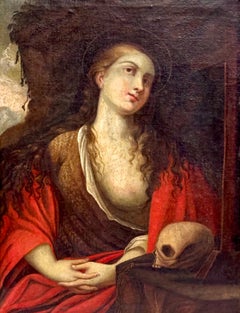
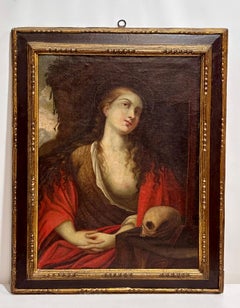
Penitent Mary Magdalene: Baroque Oil on Canvas, Late 17th Century

Penitent Mary Magdalene: Baroque Oil on Canvas, Late 17th Century

Located in Sant Celoni, ES

Spanish or Italian School of the 18th century. "Penitent Mary Magdalene." Oil on canvas. Dimensions: 97 x 76 cm; 76 x 57 cm (frame). The figure of Mary Magdalene appears in a red tu...

Category

Late 17th Century Paintings

Materials

Oil

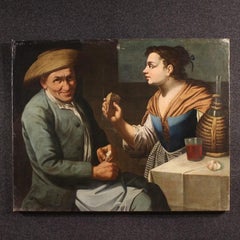
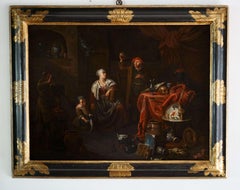
17th-Century Oil on Canvas Italian Antique Painting: Interior Scene, 1670

17th-Century Oil on Canvas Italian Antique Painting: Interior Scene, 1670

Located in Vicoforte, IT

A splendid Italian painting from the second half of the 17th century. This oil-on-canvas painting, of remarkable pictorial quality, depicts a genre scene set inside an inn. The paint...

Category

Late 17th Century Paintings

Materials

Canvas, Oil

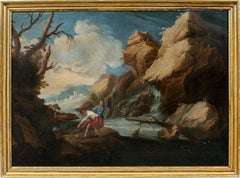
Baroque Italian painter - 17th century landscape painting - Fishermen

Baroque Italian painter - 17th century landscape painting - Fishermen

Located in Varmo, IT

Bartolomeo Pedon (Venice 1665 - Venice 1732), attributed to - River landscape with fishermen. 93.5 x 127.5 cm (unframed) - 102 x 137 cm (framed). Oil on canvas, in a gilded wooden ...

Category

Rococo Late 17th Century Paintings

Materials

Canvas, Oil

Armenti in front of the old waterfall in Tivoli Oil on Canvas with Frame

Armenti in front of the old waterfall in Tivoli Oil on Canvas with Frame

By Philipp Peter Roos (Rosa di Tivoli)

Located in Pistoia, IT

Philipp Peter Roos, known as Rosa da Tivoli (Sankt Goar, August 30, 1657 - Rome, January 17, 1706) Armenti in front of Tivoli's old waterfall Joining our collection is a beautiful...

Category

Old Masters Late 17th Century Paintings

Materials

Canvas, Oil

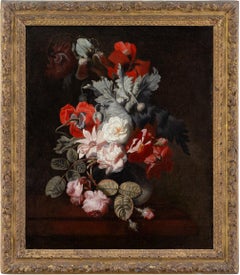
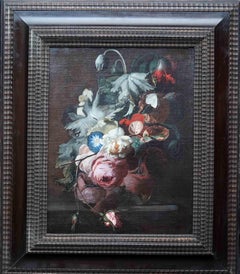
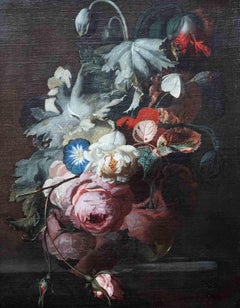
Still Life With Flowers, Late 17th-Century Dutch Painting

Still Life With Flowers, Late 17th-Century Dutch Painting

By Simon Pietersz Verelst 1

Located in Cheltenham, GB

This late 17th-century still life painting, attributed to Dutch artist Simon Pietersz Verelst (1644-1710/1717) presents an arrangement of flowers gathered within a vase. At its cent...

Category

Dutch School Late 17th Century Paintings

Materials

Oil, Canvas

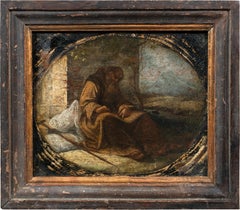
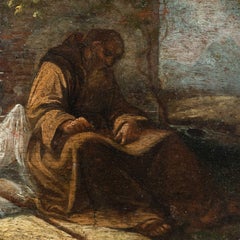
Baroque Italian painter - 17/18th century figure painting - Franciscan friar (ht

Baroque Italian painter - 17/18th century figure painting - Franciscan friar (ht

Located in Varmo, IT

Italian painter (17th–18th century) - Seated Franciscan friar writing (preparatory sketch). 14 x 16.5 cm (without frame) - 19 x 21.5 cm (with frame). Oil on panel, in wooden frame ...

Category

Baroque Late 17th Century Paintings

Materials

Oil, Panel

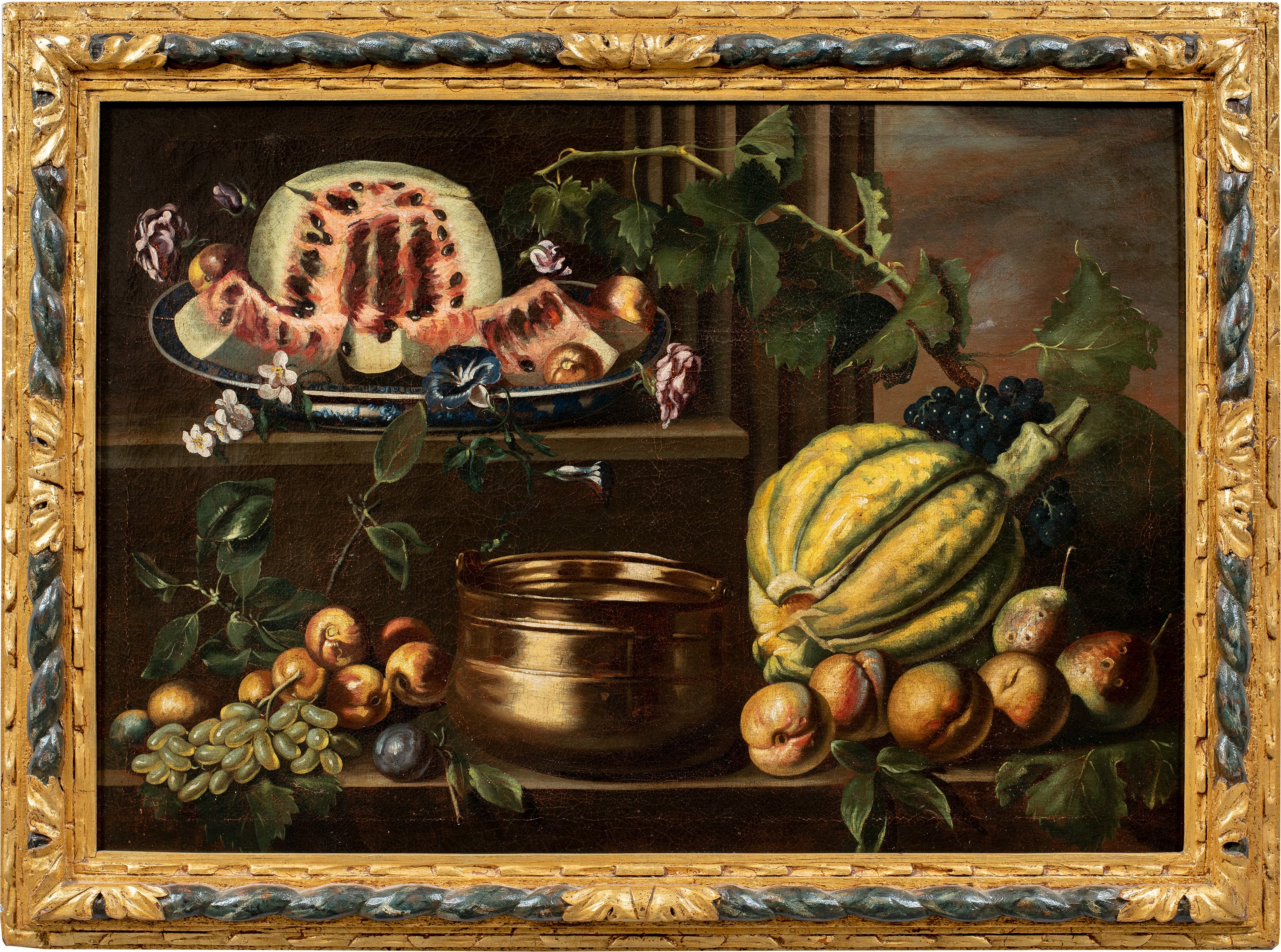
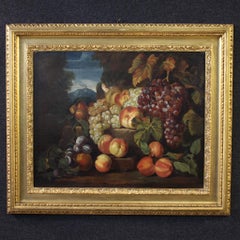
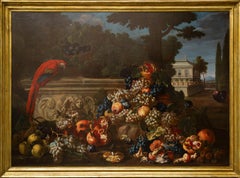
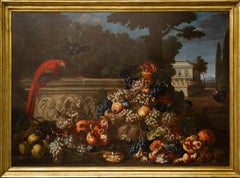
17th-Century Italian Oil-on-Canvas Still Life Painting Featuring Fruits, 1670

17th-Century Italian Oil-on-Canvas Still Life Painting Featuring Fruits, 1670

Located in Vicoforte, IT

Large 17th-century Italian painting. This oil-on-canvas painting depicts a rich composition of fruit arranged on stone steps against a sweeping landscape. The artist constructs the s...

Category

Late 17th Century Paintings

Materials

Canvas, Oil

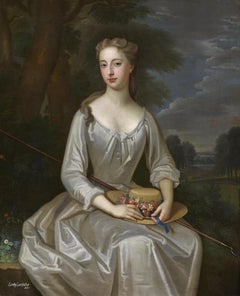
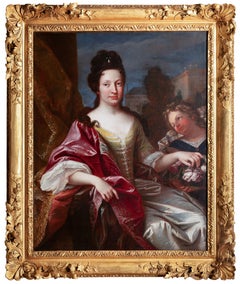
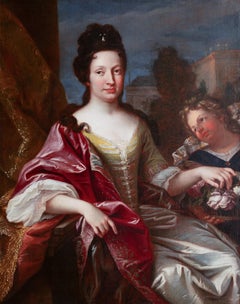
Portrait of Lady Lempster

Portrait of Lady Lempster

Located in London, GB

Adriana Verelst Portrait of Lady Lempster 1683-1769 Oil on canvas, unsigned Image size: 49 ½ x 40 ⅓ inches Contemporary-style gilt frame The sitter is identified as Lady Sophia Osborne, Baroness Lempster (Leominster) (1661 - 1746), the daughter of Thomas Osborne, First Duke of Leeds, and Lady Bridget Bertie. Her first marriage was to Donogh O’Brien, Lord Ibracken in 1679, who passed away in 1682. She then married William Fermor, First Baron Leominster, in 1691, gaining her the title Baroness Leominster. She and William had five children, including Thomas Fermor, First Earl of Pomfret. The portrait is dated 1685, indicating that this identification was added after the creation of the portrait. During the early 18th century a highly romanticised view of country life reached its peak. Many members of the nobility, particularly women, chose to have their portraits painted in shepherdess costume, a break from the conventional norms of formal portraiture. This style developed from 17th century Roman pastoral landscapes by artists like Claude Lorrain and Dutch three-quarter length portraits of shepherds and shepherdesses. These works aimed to evoke themes of Arcadia, poetic escape and landed virtue, with their subjects depicted wearing fashionable and expensive clothing, inconsistent with actual farm work. A knowledge of Latin and Greek pastoral poetry signified education and refinement, desirable qualities for a woman to possess. Life in the country was perceived as peaceful, contemplative and free of hardships, and to be painted in this pastoral style was to create a tangible expression of power and wealth, creating tension between the aristocratic fantasy and the reality of rural life. Lady Lempster has opted for such a depiction. She is shown seated, wearing a white silk gown, head tilted slightly to one side and with a shepherd’s crook and wicker hat adorned with flowers in her lap. She sits on a bench, in front of a large tree, an expansive view visible on the right behind her. So ingrained was this style that the crook and hat alone would be enough to suggest Arcadia to the viewer. There is an interesting contrast between the female sitter and the woman artist who painted her. The shepherdess costume was used predominantly in portraits of women sitters, with the aim of expressing virtues such as purity and appropriate education rather than a distinct, individual personality. Portraits of men however, depicted sitters in settings, costume and surrounded by objects that signified their profession and accomplishments. Adriana Verelst was a woman with a career of her own, able to support herself and defying expectations of the time, the conformity of Lady Lempster’s portrait emphasising Verelst’s own unconformity. Adriana Verelst Adriana Verelst (c. 1683–1769) was an English portrait artist, and daughter of the portrait painter Herman Verelst. Her exact date and place of birth are unknown, though her parents were from Vienna. Verelst is a prime example of how women artists were often misrepresented or even erased from the cannon of art history. There have been questions surrounding her biography with the view that her sister, Maria Verelst and fellow portrait artist, did not exist and could be Adriana Verelst herself. Contemporary evidence of Adriana’s birth, marriage, career and death exist, however, she has not been included in later art histories. In contrast, there is no contemporary documentary evidence for the existence of Maria Verelst, though she is named in later publications. The name Maria Verelst first appeared in Matthew Bryan’s Dictionary of 1816 and it has been argued that his use of the name was a misinterpretation of ‘M’ being an abbreviation for Maria rather than ‘Mademoiselle’. The date of birth and location in Antwerp was given by J.B. Descamps in 1753, though there is no archival evidence of a birth or baptism for Maria in Antwerp at this time. In 1762, Horace Walpole made the link between Maria and Herman Verelst, an Anglo-Dutch painter, as the father of the artist. As Herman had fled from the siege of Vienna in 1683, biographers resonated that with a birth date of 1680, Maria must have been born in Vienna. Biographers also stated that Maria was trained by her uncle, Simon Verelst, a renown painter of flowers and still lifes. The first reference to 1744 as the date of Maria’s death was in 1859 in Mrs. Ellet’s Women Artists in all Ages and Countries, though no source is given for this date. It has been argued that Maria Verelst is in fact Adriana, claiming that earlier biographies used ‘M. Verelst’ as Mademoiselle in reference to Mademoiselle Adriana Verelst. If these were in fact two separate women, they would have been sisters. Maira’s grandfather, Pieter Hermansz Verelst...

Category

Late 17th Century Paintings

Materials

Canvas, Oil

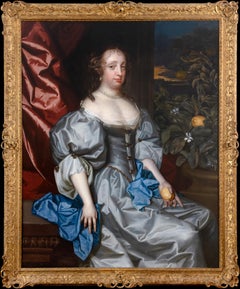
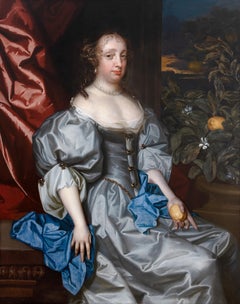
Portrait of a Lady holding a lemon, c. 1665-75

Portrait of a Lady holding a lemon, c. 1665-75

By Jacob Huysmans

Located in Edinburgh, Scotland

Jacob Huysmans (Antwerp 1633-1696 London) Portrait of a Lady holding a lemon, c. 1665-75 Three-quarter-length, wearing extensive jewellery, within an architectural interior Formerly ...

Category

Old Masters Late 17th Century Paintings

Materials

Oil

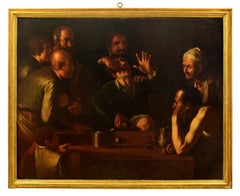
The Tooth-Puller (Il Cavadenti) - Oil on Canvas by Follower of Caravaggio

The Tooth-Puller (Il Cavadenti) - Oil on Canvas by Follower of Caravaggio

By Follower of Caravaggio (Michelangelo Merisi)

Located in Roma, IT

The Tooth-Puller is a superb original oil painting on canvas, realized by an anonymous artist, a follower of Caravaggio, in the first half of the X...

Category

Baroque Late 17th Century Paintings

Materials

Canvas, Oil

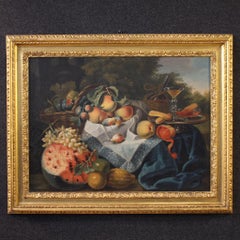
17th Century Oil on Canvas Italian Antique Painting Still Life with Fruits, 1670

17th Century Oil on Canvas Italian Antique Painting Still Life with Fruits, 1670

Located in Vicoforte, IT

An important 17th-century Italian painting. This oil on canvas artwork depicts a large still life with fruit, of remarkable pictorial quality. Immersed in a splendid landscape, we fi...

Category

Late 17th Century Paintings

Materials

Canvas, Oil

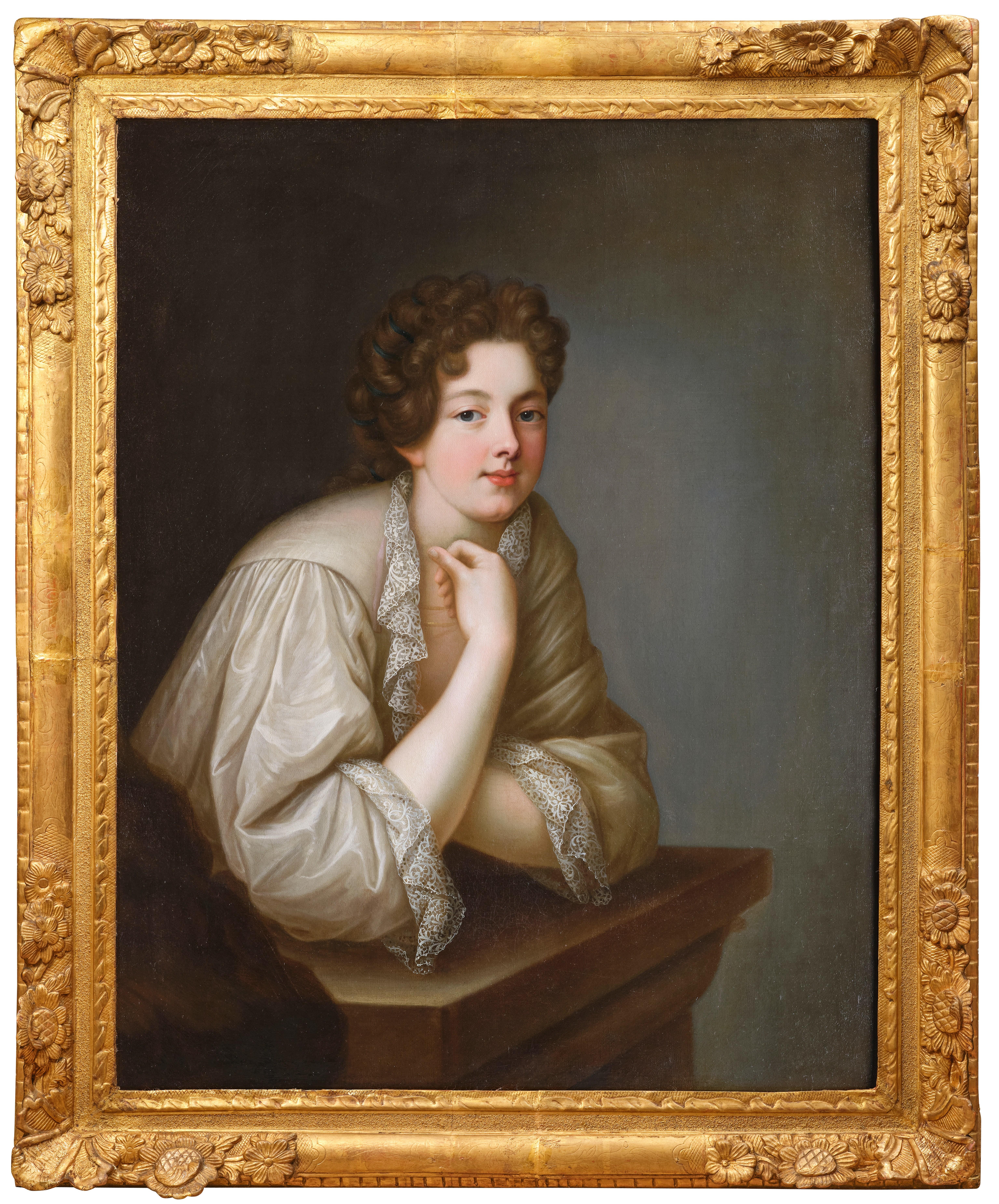
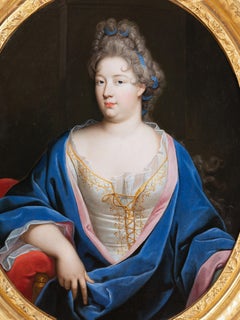
Portrait of a Duchess of Humières, French late 17th century, circle of J.F. Voet

Portrait of a Duchess of Humières, French late 17th century, circle of J.F. Voet

Located in PARIS, FR

Portrait of Anne-Louise-Julie de Crevant, Duchess of Humières French School, late 17th century, circa 1685 (unsigned) Circle of Jacob Ferdinand Voet (Antwerp 1639 – Paris 1689) Oil ...

Category

Old Masters Late 17th Century Paintings

Materials

Canvas, Oil

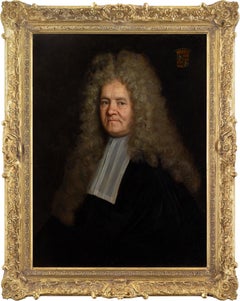
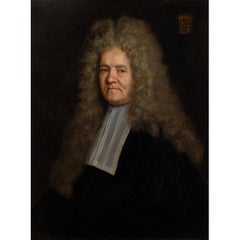
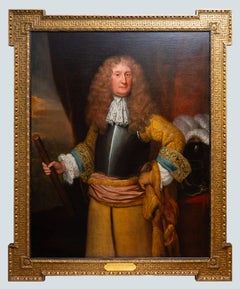
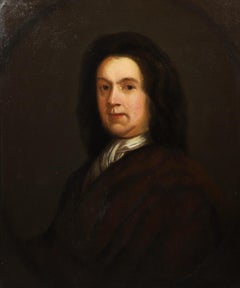
Late 17th-Century English School, Portrait Of Robert Bedford, Yorkshire

Late 17th-Century English School, Portrait Of Robert Bedford, Yorkshire

Located in Cheltenham, GB

This late 17th-century English oil painting depicts Robert Bedford of Crow Nest, Dewsbury, Yorkshire, a man who appears to embody a fascinating moment in English social history - whe...

Category

French School Late 17th Century Paintings

Materials

Canvas, Oil

Fine 17th Century German Old Master Oil Painting Figures Rocky Gorge Landscape

Fine 17th Century German Old Master Oil Painting Figures Rocky Gorge Landscape

Located in Cirencester, Gloucestershire

Figures in Rocky Outcrop Circle of Philipp Peter Roos (German, 1657–1706) 17th century, unsigned oil on linen canvas, unframed canvas: 29 x 34.5 inches Provenance: private collectio...

Category

Baroque Late 17th Century Paintings

Materials

Oil

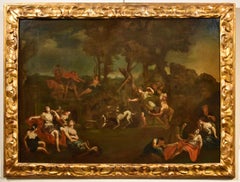
Diana Boullogne Mythological Paint Oil on canvas old master 17/18th Century

Diana Boullogne Mythological Paint Oil on canvas old master 17/18th Century

Located in Riva del Garda, IT

Bon Boullogne (Paris, 1649 - Paris, 1717) workshop of Episodes from the myth of Diana oil painting on canvas Dimensions: 84 x 114 cm. with antique frame 100 x 132 cm. The beautiful painting proposed shows a series of episodes taken from the myth of the divinity Diana, the Roman divinity of hunting, forests and wild animals, masterfully captured in this valuable painting, which shows a luxuriant wood, a favorite place of the divinity, as a theater of his adventures. The composition opens, on the left, with a sort of presentation of the divinity, portrayed as an attractive young girl, surrounded by her faithful Nymphs, one of whom holds her quiver with arrows, and by one of her beloved dogs. hunting her. The 'story' continues in the central part where we can see the divinity during a wild boar hunt...

Category

Old Masters Late 17th Century Paintings

Materials

Oil

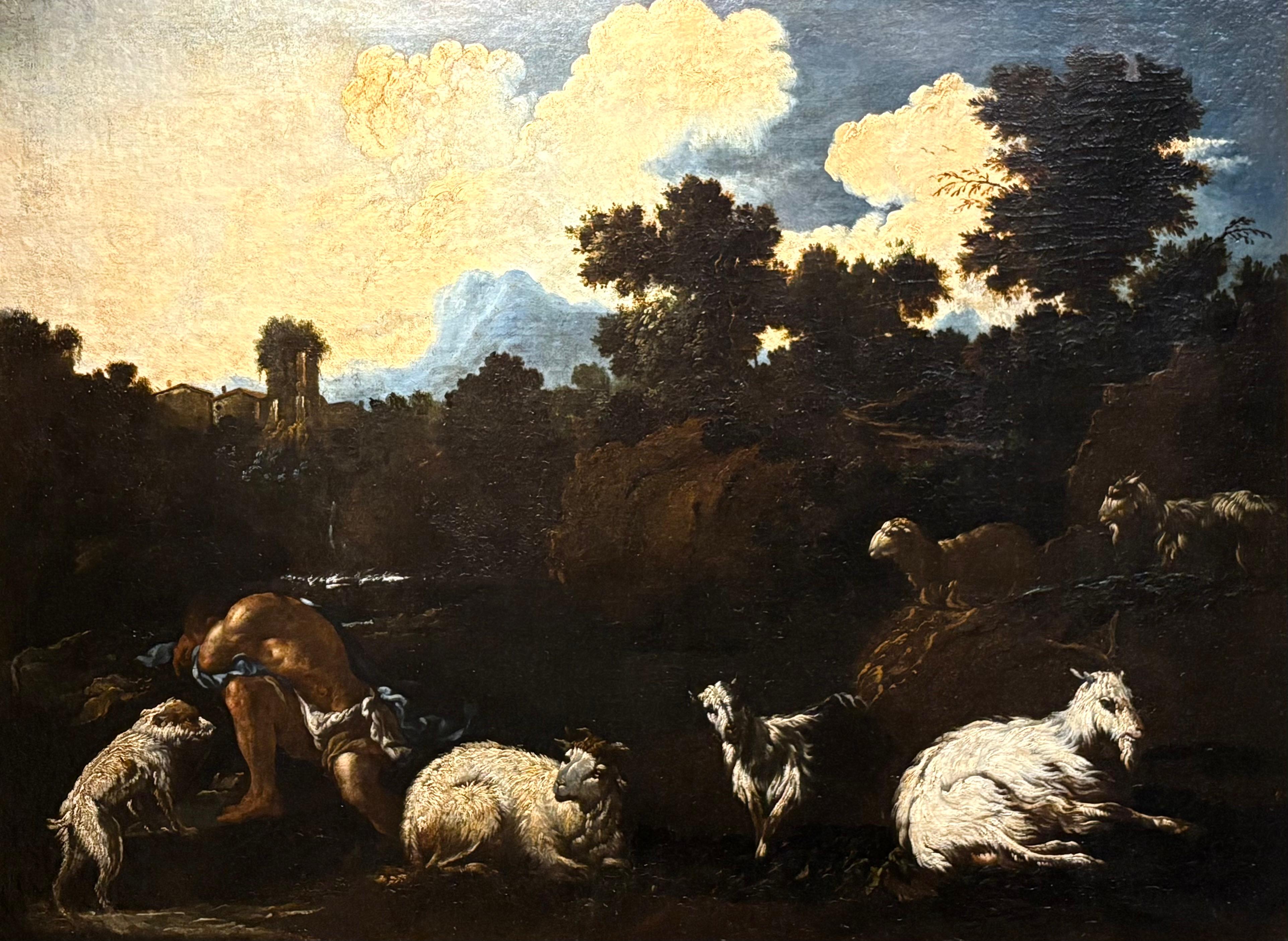
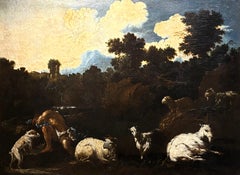
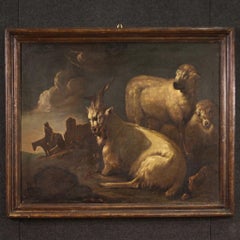
17th Century Oil on Canvas Italian Antique Painting Landscape with Goats, 1680

17th Century Oil on Canvas Italian Antique Painting Landscape with Goats, 1680

By Philipp Peter Roos (Rosa di Tivoli)

Located in Vicoforte, IT

Antique Italian painting from the second half of the 17th century. Oil on canvas artwork depicting a splendid bucolic landscape with animals and a shepherd, of great pictorial qualit...

Category

Late 17th Century Paintings

Materials

Canvas, Oil

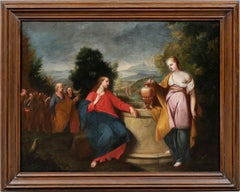
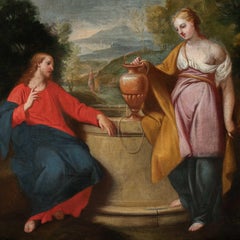
Gregorio Lazzarini (Venetian master) - 17th Christ and Samaritan at Well

Gregorio Lazzarini (Venetian master) - 17th Christ and Samaritan at Well

Located in Varmo, IT

Gregorio Lazzarini (Venice 1655 - Villabona Veronese 1730) - Christ and the Samaritan Woman at the Well. 82.5 x 108 cm (without frame) - 103 x 128 cm (with frame). Oil on canvas, i...

Category

Baroque Late 17th Century Paintings

Materials

Canvas, Oil

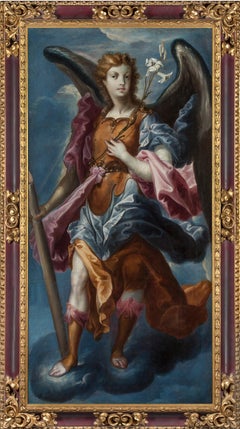
The Archangel Gabriel

The Archangel Gabriel

By Cristobal de Villalpando

Located in New York, NY

Provenance: Private Collection, Cranston, Rhode Island (by the 1950s?); by family descent until sold at: Bill Spicer Auction, North Kingstown, Rhode Island, 26 January 2011; where a...

Category

Old Masters Late 17th Century Paintings

Materials

Canvas, Oil

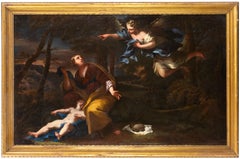
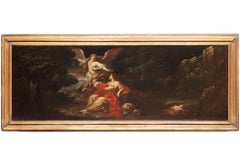
Agar and the Angel Oil Painting, Baroque Style, Late 17th Century

Agar and the Angel Oil Painting, Baroque Style, Late 17th Century

Located in Roma, IT

Oil on canvas realized in Italy ih the late 17th Century. The painting depicts the episode from Genesis (21, 9-21) in which the servant Hagar, together woth her little son Ishmael b...

Category

Baroque Late 17th Century Paintings

Materials

Oil

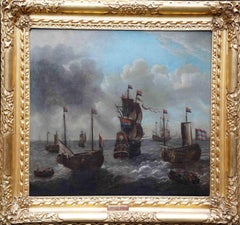
Ships Heading to Sea - Dutch 17th century Old Master marine art oil painting

Ships Heading to Sea - Dutch 17th century Old Master marine art oil painting

Located in Hagley, England

This fantastic Dutch Old Master marine oil painting is by noted Dutch marine artist Abraham Storck. Painted circa 1670 the composition is a number of ships heading out to sea, their sails billowing and banners and flags blowing in the wind. The sea is also choppy and clouds race over head. It is an ambitious, busy nautical scene and Storck has perfectly captured the energy and movement of the ships and smaller vessels. This is an excellent example of a 17th century Dutch Old Master oil painting. Provenance: Part of a private collection of Flemish & European paintings. Koller Auctions in Switzerland in 2011. Bonhams 2020. Condition. Oil on canvas, 25 inches by 24 inches and in good condition. Frame. Housed in an ornate 23 carat gilt carved Lely period frame with name plate, 32 inches by 31 inches and in excellent condition. Abraham Storck (1644-1708) was a Dutch painter, who enjoyed a reputation for his marine paintings, topographical views and Italianate harbour scenes. Storck was also an outstanding draughtsman. Storck was baptized in the Noorderkerk, a Protestant church in the Jordaan. His father was the painter Jan Jansz Sturck (or Johannes Storck) (1603-1673), from Wesel; his mother was Teuntje (Apolonia) Jacobs. The couple married in 1628. Storck had two brothers, who were also painters using the name Sturckenburch until c. 1688 after which they started calling themselves Storck or Sturck. It is likely they were all trained with their father in the family workshop and joined the local Guild of Saint Luke, otherwise it was impossible to sell any painting. Circa 1666 Storck established his workshop producing naval, harbor scenes as well as landscape paintings and city scapes. In 1670 he traveled with his brother Jacob and worked in Germany. In 1694, at age 49, he married the widow Neeltje Pieters van Meyservelt. At the end of his life he lived on Kattenburg near the harbour. Storck's marine and river scenes were influenced by the two Willem van de Veldes (the elder and the younger), Ludolf Bakhuizen...

Category

Old Masters Late 17th Century Paintings

Materials

Oil

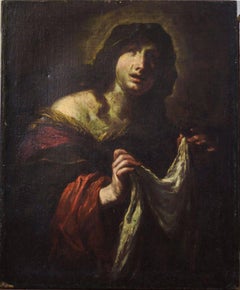
Saint Veronica Oil Painting, Late 17th Century, Unframed Artwork

Saint Veronica Oil Painting, Late 17th Century, Unframed Artwork

By (After) Simone Pignoni

Located in Roma, IT

18th c. Italian school Santa Veronica, after Simone Pignoni. Period copy by an unknown hand of the original oil painting by Pignoni. The original Pignoni painting was conserved in the Church of S. Eusebio in Cegliolo (Cortona) and now in the permanent collection of the Musée Fabre in Montpellier, France. In the Musée des Beaux-Arts of Marseille, there is another period copy by an unknown hand, considered of lesser quality than the current example. Simone Pignoni (Florence, 1611-1698), one of the most important exponents of the Florentine School, was characterized by a soft touch. His formation with Francesco Furini...

Category

Old Masters Late 17th Century Paintings

Materials

Canvas, Oil

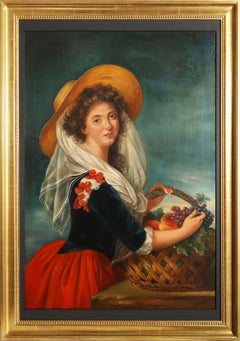
Marie Gabrielle de Gramont, Rococo Oil Painting after Vigée Le Brun

Marie Gabrielle de Gramont, Rococo Oil Painting after Vigée Le Brun

By Élisabeth Vigée Le Brun

Located in Long Island City, NY

Alessandro Maffei, After Elisabeth Louise Vigee Le Brun, Italian - Portrait of Marie Gabrielle de Gramont, Medium: Oil on Canvas, signed lower right, Size: 39.25 x 27.25 in. (99.7 ...

Category

Rococo Late 17th Century Paintings

Materials

Oil

17th Century Oil on Marble South American Nobleman Portrait Painting, 1680

17th Century Oil on Marble South American Nobleman Portrait Painting, 1680

Located in Vicoforte, IT

A rare South American painting from the second half of the 17th century. This oil on marble portrait depicts a noble gentleman belonging to colonial high society, following the canon...

Category

Late 17th Century Paintings

Materials

Marble

Italian School Panoramic Harbor Capriccio with Figures and Ships 17th century

Italian School Panoramic Harbor Capriccio with Figures and Ships 17th century

Located in GB

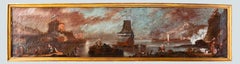
A highly atmospheric panoramic harbor capriccio painted in the Venetian tradition of the late 17th century, depicting an imagined Mediterranean port animated by sailing vessels, fish...

Category

Baroque Late 17th Century Paintings

Materials

Canvas, Oil

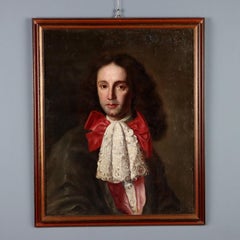
Painting Male Portrait in the Style of Jakob Ferdinand Voet late 1600s early 1700s

Painting Male Portrait in the Style of Jakob Ferdinand Voet late 1600s early 1700s

Located in Milan, IT

Oil on Canvas. L'opera riprende i modi diffusi in tutta Europa da Jakob Ferdinand Voet, pittore fiammingo affermatosi soprattutto come ritrattista, che ebbe ampio seguito sia negli a...

Category

Other Art Style Late 17th Century Paintings

Materials

Oil

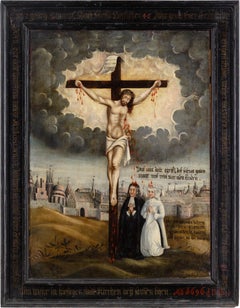
Late 17th-Century Hessian School, Crucifixion With Donors, Lutheran Painting

Late 17th-Century Hessian School, Crucifixion With Donors, Lutheran Painting

Located in Cheltenham, GB

This late 17th-century German oil painting depicts the Crucifixion of Christ with kneeling donors, conceived as a complete memorial ensemble within its original inscribed frame. At...

Category

Late 17th Century Paintings

Materials

Canvas, Oil

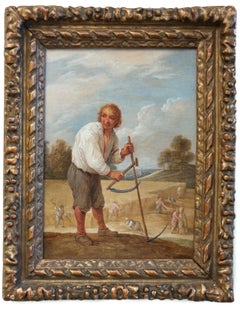
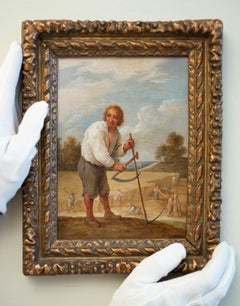
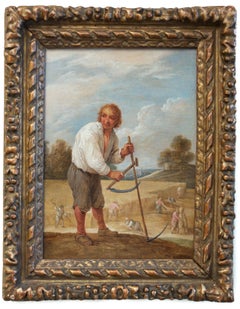
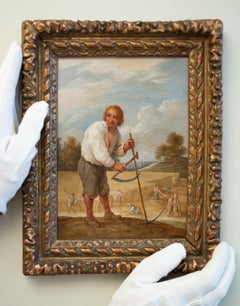
Peasants in a Cornfield (Boer in het veld) by David Teniers the Younger

Peasants in a Cornfield (Boer in het veld) by David Teniers the Younger

By David Teniers the Younger

Located in Stockholm, SE

Remembering the magic of everyday life moments in the art of David Teniers: The art of David Teniers the Younger (1610–1690) coincided with the heyday of the Flemish Baroque and cap...

Category

Old Masters Late 17th Century Paintings

Materials

Canvas, Oil

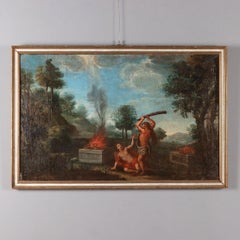
Cain and Abel Oil Painting, Italian, Late 17th Century, Framed

Cain and Abel Oil Painting, Italian, Late 17th Century, Framed

Located in Milan, IT

Oil on Canvas. Northern-Italian school of the 17th-18th centuries. The widely known biblical scene of the quarrel between the two brothers, sons of Adam and Eve, which later results ...

Category

Other Art Style Late 17th Century Paintings

Materials

Oil

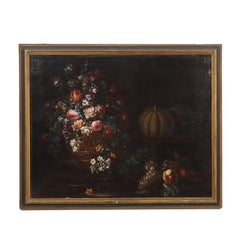
Still Life with Flowers, Fruit and Pumpkins, XVIIth - XVIIIth century

Still Life with Flowers, Fruit and Pumpkins, XVIIth - XVIIIth century

Located in Milan, IT

Oil painting on canvas. Lombard school of the late 17th-early 18th century. The rich composition offers a large bouquet of colorful flowers in an embossed vase, next to two large pumpkins and mixed fruit (grapes and peaches...

Category

Other Art Style Late 17th Century Paintings

Materials

Oil

Peasants in a Cornfield (Boer in het veld) by David Teniers the Younger

Peasants in a Cornfield (Boer in het veld) by David Teniers the Younger

By David Teniers the Younger

Located in Stockholm, SE

Remembering the magic of everyday life moments in the art of David Teniers: The art of David Teniers the Younger (1610–1690) coincided with the heyday of the Flemish Baroque and captured a great variety of motifs of his time. In this painting of a seemingly simple peasant scene lies keys to understanding both the imaginative mind of Teniers as well as why this time period produced some of the most iconic works in all of art history.  As indicated by the name, Teniers was more or less born into his profession. As the son of David Teniers the elder, himself a painter who studied under Rubens, the younger David received training in art from a very young age and had no less than three brothers who also became painters. Because of his father’s frequent financial failures that even at times saw him imprisoned, David the younger helped to rescue the family from ruin through painting copies of old masters. Essentially, the young Teniers was confronted with painting as both a passion and creative expression as well as a necessity during difficult times, an experience that would shape much of his capacity and sensitivity in his coming life. Despite the hardships, the talent and determination of Teniers was recognized and quickly expanded his possibilities. He had already spent time in France and possibly also England when he was hired by his father’s former teacher Rubens to help with a prestigious commission with mythological paintings, now considered lost, for Philip IV the king Spain. In 1644–54 Teniers was appointed dean of the Antwerp Guild of Saint Luke, manifesting his esteemed position within the artistic community. A few years afterwards he took an important step when relocating to Brussels, where Teniers yet again found new career opportunities that would prove to be very successful. As the keeper of the collections of Archduke Leopold Wilhelm, a role similar to what we now refer to as an art advisor, Teniers purchased hundreds of important artworks that manifested the prominent status of the Archduke’s collection while at the same time providing an unusual access to inspiration and knowledge for Teniers himself. Since he kept on painting during the same time, his creative scope must have seemed almost bewildering in the great variety of images and stories that he surrounded himself with.  Regardless of how glamorous and culturally stimulating the career of Teniers was, he was as open to the charm and existential importance of everyday life as he was to works of great masters and luxurious collectibles. In his impressive repertoire of genres with everything from exquisite royal portraits, interiors, landscapes and history paintings he always added something new and inventive, highlighting the possibilities of art and importance of an experimental and intuitive mind. It is difficult to single out one aspect or genre to summarize his legacy, since it lies much more in the broad virtuosity across many motifs, although he is particularly remembered for farm scenes and meticulously depicted interiors where other paintings and artworks are captured with an astonishing precision. However, the fact that he is still today one of the most known and celebrated names of the Dutch Golden Age is a proof to the magic of his work, which continues to spark dialogue and wonder in the contemporary viewer of his works. The farm boy in the field in this painting, which likely dates to the mature part of his career, is a wonderful entry into the mind of Teniers. In the tightly cropped motif, we see him standing right in the middle of the busy harvest when men, women and everyone capable were sent out in the field to collect the crop that formed the very core of their diet and survival. In the background we see a fresh blue sky interspersed with skillfully painted clouds, some trees reaching their autumnal colours and in the far distance the glimpse of a small church and village. The presence of a church in a landscape, so typical of Dutch art, served both a symbolic and visual function as a representation of faith while at the same time defining scale and distance. In the field, the work is in full action with the farmers spread out in various positions, all in the midst of hard and sweaty labour. While they are portrayed as having nothing else than the work on their mind, our farm boy seems to have his attention directed elsewhere. Standing there with his white, half open shirt, flowy curls and strong, sturdy body; his gaze is directed away, out of the picture and the scythes in his hands. He looks almost smirking, expressed with tremendous subtlety in the slight smile of his lips and big eyes, being just in the middle of losing focus on the work. What is it that steals his attention? What has he seen, or realized, or felt – to break him free of the arduous task of harvesting, if but for a moment? Here starts the wondering and the questions that are the hallmark of a great piece of art. Instead of explicitly locking in the motif in overly clear symbolism Teniers has chosen an open ended, subtle yet striking moment for us to consider. While it of course can be related to numerous other farm scene depictions of this time, and clever usages of gazes and real-life scenes to underscore various moral or symbolic meanings, the painting can be much more of a contemplation than an explanation or illustration. The ordinary nature and understated yet emotionally textured composition of the motif gives greater space for our own reactions and thoughts. Has he seen a pretty farm girl just passing by? Is he fed up with the farm life, joyously dreaming away for a minute, imagining another future? Or is he simply in need of distraction, looking away and ready for anything that can steal his attention? One quality that never seem to have escaped Teniers was that of curiosity. During all of his career he constantly investigated, expanded and experimented with not only the style and technique of painting, but with the vision of art itself. Being credited with more or less introducing farm motifs for a broader audience not only tells us of his ability to understand the demand for different motifs, but the sensitivity to transform seemingly ordinary parts of life into deep aesthetic experiences, far beyond their expected reach. The farm boy in this painting is, of course, exactly that. But with the help of one smirk the entire picture is charged with a different energy, awakening many contrasts and relationships between the calm landscape, the hard work and his own breach of effectivity, holding sharp scythes while thinking or seeing something else. It is no wonder Teniers chose to work with farm scenes as a way of investigating these intricate and delicate plays on expectations and surprises, clarity and ambivalence. It invites us to an appreciation of human everyday life that connects us with the people of 17th century...

Category

Old Masters Late 17th Century Paintings
Materials
Canvas, Oil