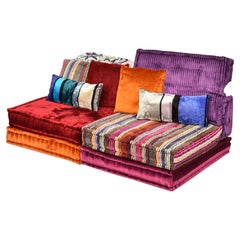
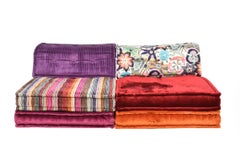
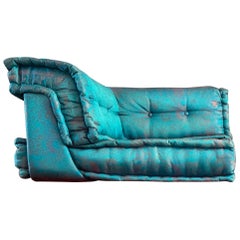
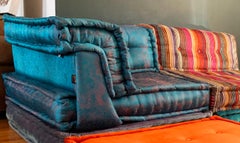
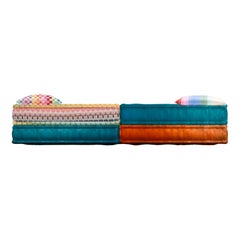
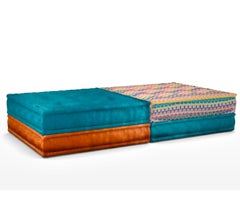
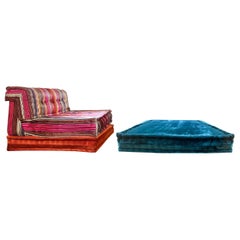
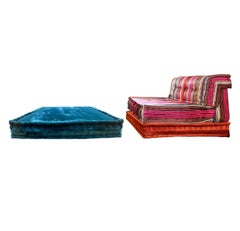
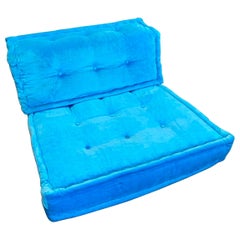
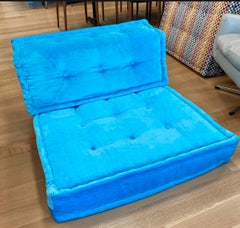
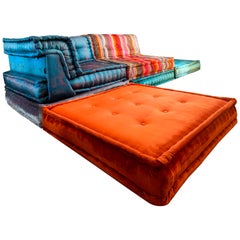
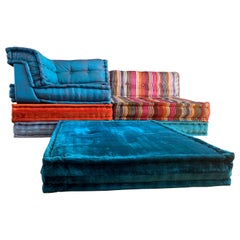
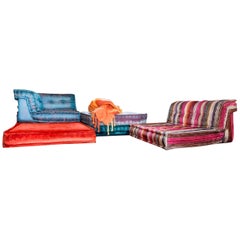
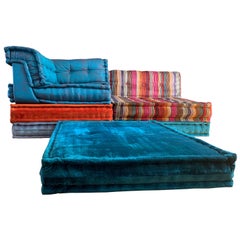
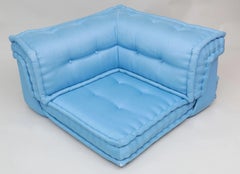
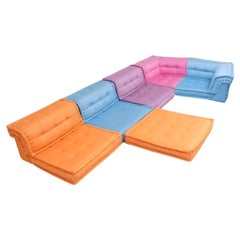
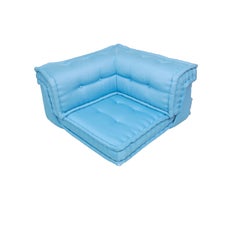
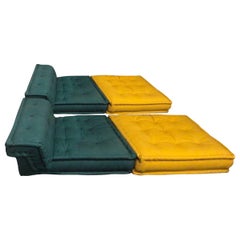
Le Mah Jong Modular For Sale on 1stDibs
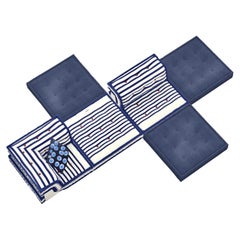
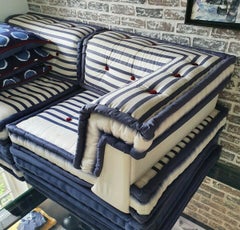
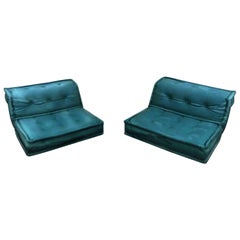
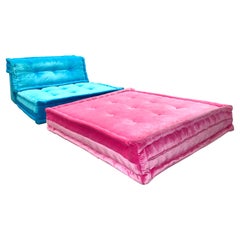
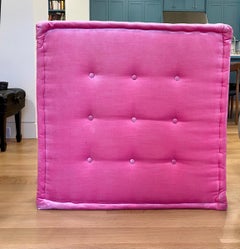
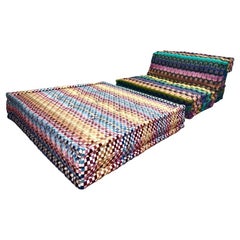
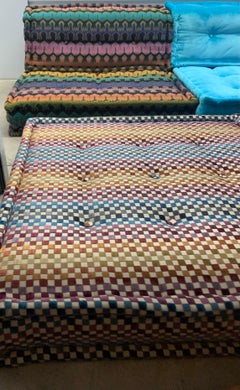
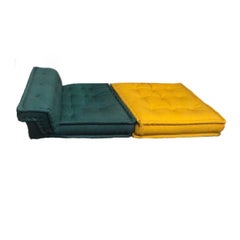
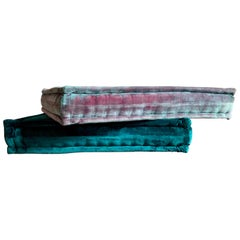
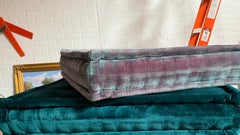
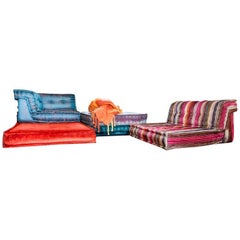
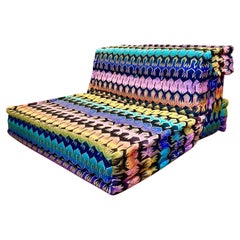
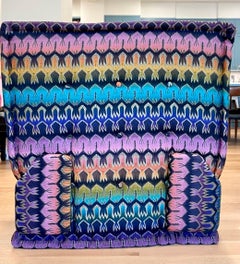
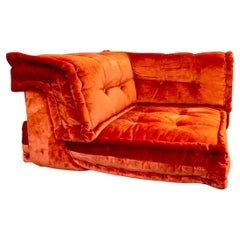
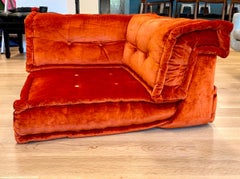
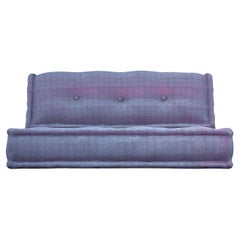
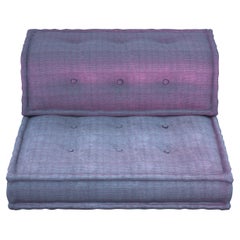
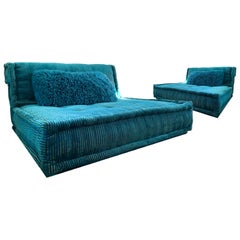
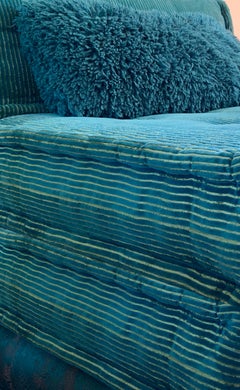
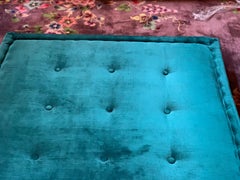
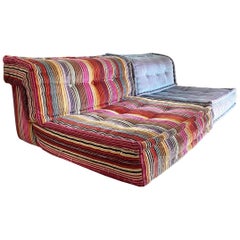
Find many varieties of an authentic le mah jong modular available at 1stDibs. A le mah jong modular — often made from
fabric,
silk and
velvet — can elevate any home. You’ve searched high and low for the perfect le mah jong modular — we have versions that date back to the 20th Century alongside those produced as recently as the 21st Century are available. A le mah jong modular, designed in the
Mid-Century Modern style, is generally a popular piece of furniture.
How Much is a Le Mah Jong Modular?
A le mah jong modular can differ in price owing to various characteristics — the average selling price 1stDibs is $12,320, while the lowest priced sells for $5,400 and the highest can go for as much as $39,040.
Roche Bobois for sale on 1stDibs
In 1974, Roche Bobois opened its first showroom in the United States on Madison Avenue in New York City. The celebrated luxury French furniture brand is now in 50 countries with more than 200 stores.
The Roche Bobois story has origins in 1950, when entrepreneur Jacques Roche converted an old Paris theater into two contemporary furniture boutiques so that his sons could help usher stunning Bauhaus-inspired work out of the shops and into French homes nearby.
At another showroom called Au Beau Bois, also in the French capital city, the Chouchan family was simultaneously selling home furnishings. The families met later, when Philippe and François Roche convened with Patrick and Jean-Claude Chouchan at a furniture exhibition in Copenhagen in 1960 and afterward produced a catalog announcing their partnership.
Minimal and modernist Scandinavian design had gained prominence in the furniture industry by 1960, rendering designers such as Kaare Klint and Poul Henningsen marquee names — and Roche Bobois's principals had taken notice. Following a national advertising campaign in Elle magazine a year later, the Scandinavian furniture that the newly minted Roche Bobois was importing to Paris became a huge success. Early promotional material from the firm likely included the sleek modular wall units crafted in rosewood by Danish furniture maker Poul Cadovius. It didn’t take long for Roche Bobois to shift toward producing its own contemporary furniture line.
When the popularity of cable television took hold in more major American cities during the 1970s, sofas and other seating became integral to contemporary living-room decor. Roche Bobois’s newly launched Les Contemporains series positioned its own sofas front and center, and it also offered plush lounge chairs designed by Mario Bellini.
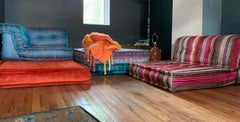
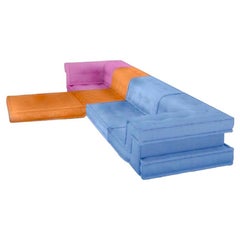
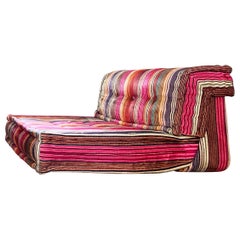
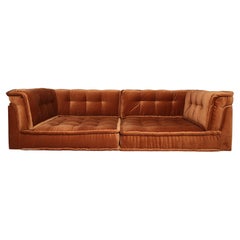
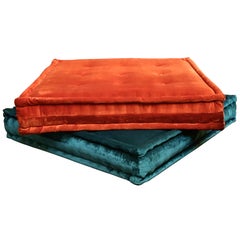
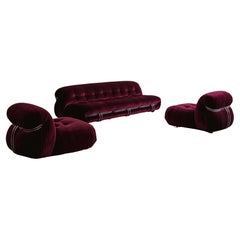
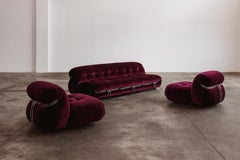
Bold works from the company during the decade included Marc Berthier’s Pop Art–colored tubular metal desks and chairs — the latter covered with braided fabric — as well as one of Roche Bobois’s most enduring and well-known pieces, the Mah Jong sectional sofa created by sculptor, painter and designer Hans Hopfer. Anchored by few central elements, this modular lounge sofa can be combined or stacked, giving the buyer total freedom over its appearance and the ability to maximize comfort.
Since its inception, Roche Bobois has worked with many internationally renowned architects and designers on its collections, among them Paola Navone and Vladimir Kagan. Even fashion designers such as Missoni and Emanuel Ungaro have made contributions to the company’s lineup.
In 2010, Roche Bobois marked its 50-year anniversary by debuting a partnership with French fashion designer Jean Paul Gaultier. A decade later, Roche Bobois teamed up with Portuguese artist Joana Vasconcelos, who designed a collection of organically shaped sofas as well as vibrant, colorful accent pillows and rugs.
Roche Bobois’s offerings over the years have included everything from mid-century modern armchairs to Art Deco case pieces to sculptural outdoor cocktail tables framed in metal wire — shop these classics now on 1stDibs.
A Close Look at Mid-century Modern Furniture
Organically shaped, clean-lined and elegantly simple are three terms that well describe vintage mid-century modern furniture. The style, which emerged primarily in the years following World War II, is characterized by pieces that were conceived and made in an energetic, optimistic spirit by creators who believed that good design was an essential part of good living.
ORIGINS OF MID-CENTURY MODERN FURNITURE DESIGN
CHARACTERISTICS OF MID-CENTURY MODERN FURNITURE DESIGN
MID-CENTURY MODERN FURNITURE DESIGNERS TO KNOW
ICONIC MID-CENTURY MODERN FURNITURE DESIGNS
VINTAGE MID-CENTURY MODERN FURNITURE ON 1STDIBS
The mid-century modern era saw leagues of postwar American architects and designers animated by new ideas and new technology. The lean, functionalist International-style architecture of Le Corbusier and Bauhaus eminences Ludwig Mies van der Rohe and Walter Gropius had been promoted in the United States during the 1930s by Philip Johnson and others. New building techniques, such as “post-and-beam” construction, allowed the International-style schemes to be realized on a small scale in open-plan houses with long walls of glass.
Materials developed for wartime use became available for domestic goods and were incorporated into mid-century modern furniture designs. Charles and Ray Eames and Eero Saarinen, who had experimented extensively with molded plywood, eagerly embraced fiberglass for pieces such as the La Chaise and the Womb chair, respectively.
Architect, writer and designer George Nelson created with his team shades for the Bubble lamp using a new translucent polymer skin and, as design director at Herman Miller, recruited the Eameses, Alexander Girard and others for projects at the legendary Michigan furniture manufacturer.
Harry Bertoia and Isamu Noguchi devised chairs and tables built of wire mesh and wire struts. Materials were repurposed too: The Danish-born designer Jens Risom created a line of chairs using surplus parachute straps for webbed seats and backrests.
The Risom lounge chair was among the first pieces of furniture commissioned and produced by celebrated manufacturer Knoll, a chief influencer in the rise of modern design in the United States, thanks to the work of Florence Knoll, the pioneering architect and designer who made the firm a leader in its field. The seating that Knoll created for office spaces — as well as pieces designed by Florence initially for commercial clients — soon became desirable for the home.
As the demand for casual, uncluttered furnishings grew, more mid-century furniture designers caught the spirit.
Classically oriented creators such as Edward Wormley, house designer for Dunbar Inc., offered such pieces as the sinuous Listen to Me chaise; the British expatriate T.H. Robsjohn-Gibbings switched gears, creating items such as the tiered, biomorphic Mesa table. There were Young Turks such as Paul McCobb, who designed holistic groups of sleek, blond wood furniture, and Milo Baughman, who espoused a West Coast aesthetic in minimalist teak dining tables and lushly upholstered chairs and sofas with angular steel frames.
Generations turn over, and mid-century modern remains arguably the most popular style going. As the collection of vintage mid-century modern chairs, dressers, coffee tables and other furniture for the living room, dining room, bedroom and elsewhere on 1stDibs demonstrates, this period saw one of the most delightful and dramatic flowerings of creativity in design history.
Finding the Right Sectional-sofas for You
An antique, new or vintage sectional sofa is a versatile and practical style of seating that makes for a great addition to your living space.
A traditional sofa is typically a long upholstered seat that features a back and arms and is intended for two or more people, whereas a sectional sofa consists of multiple pieces that can be arranged in several different layouts. While a conventional couch or sofa can definitely seat a fixed number of houseguests, sectional sofas allow for customizing. We all know that maximizing your square footage in a small space can prove difficult, so the modular characteristics of sectional sofas are especially appealing when you’re thinking about design ideas for your modest-sized living room. This furnishing can be arranged in a semicircle, an L-shape or other configuration and will seat more people than a standard sofa will.
When it comes to home decor, the trick is to find a balance between functionality and style. Sectional sofas are available in a wide variety of shapes, sizes, colors and fabric options, so you’re sure to find one that perfectly complements your interiors and needs. But there are several factors to consider when choosing the perfect sectional sofa for your space.
According to Charleston designer Angie Hranowsky, “the most important thing to know when choosing the perfect sofa is its purpose. Is it for conversation or for watching TV and lounging? Then you can determine the right depth and seat height.”
The size of your sectional sofa will depend on how much real estate you’re working with in your living room and exactly how you use the space. If you’re trying to define a common area in your sprawling loft apartment or you’ve got a large family to think about, a large, sleek contemporary sectional or sculptural sectional sofa designed by Milo Baughman, say, could be ideal for comfort as well as a conversation piece, particularly if you intend to entertain with regularity. Think about seat height and depth — high seats, for example, can yield an air of formality that might not be a great fit for your crowd.
For movie nights, holiday parties or the occasional but totally fabulous dinner party, a large sectional sofa means getting multiple uses out of a singular piece of seating. In smaller rooms, it might make sense to position your small sectional sofa against the wall, whereas in a wide-open space, the sofa’s components can occupy the center of the room. Measure accordingly and make sure your doorways can accommodate on delivery day.
Bring comfort and class to your living space with a sectional sofa from the world’s best dealers on 1stDibs. For your mid-century modern-inspired living room, find fun spage-age sectional sofas, chic leather sectional sofas and a range of vintage mid-century sectional sofas designed by the likes of Harvey Probber, Vladimir Kagan and others.