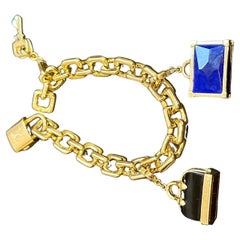
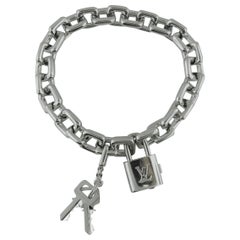
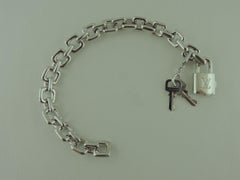
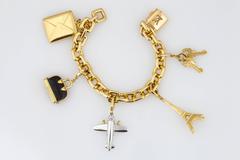
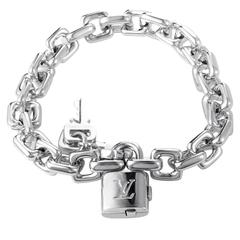
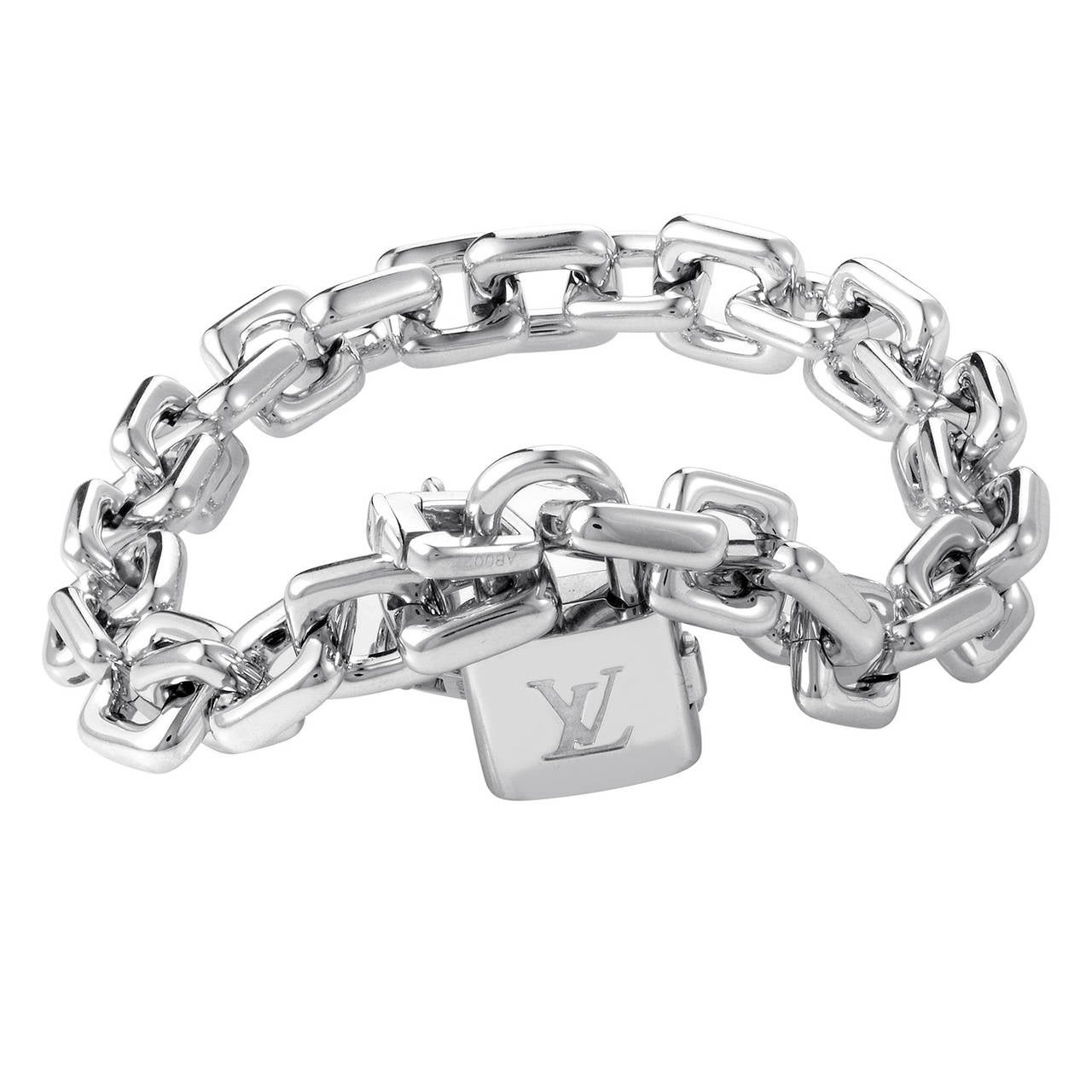
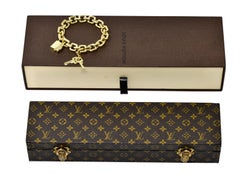
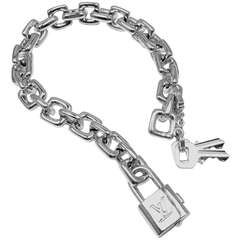
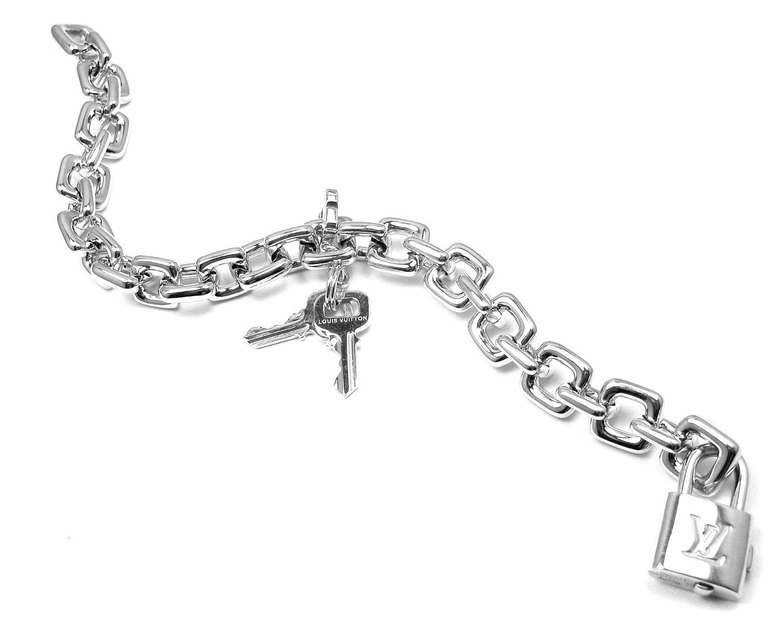
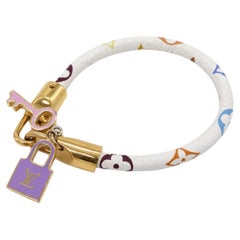
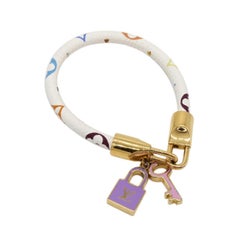
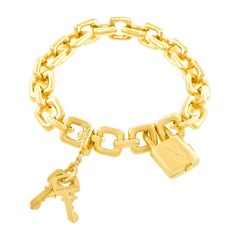
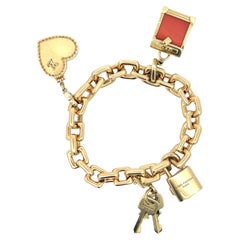
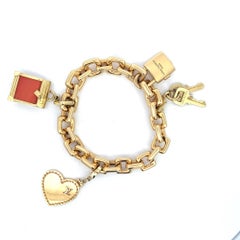
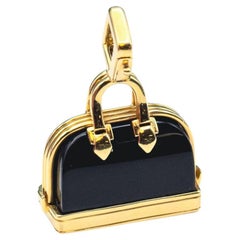
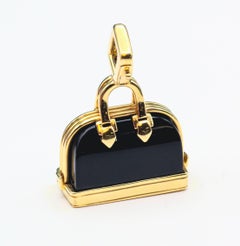
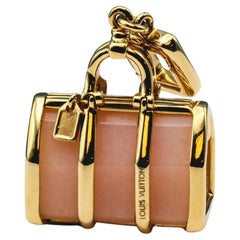
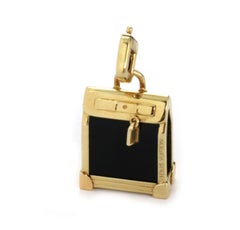
The story behind iconic luxury brand Louis Vuitton — best known for its esteemed handbags, crossbody bags, leather goods, ready-to-wear clothing and more — is one of craft and innovation in the worlds of fashion, jewelry and furniture.
The company’s modest origins can be traced back to when its founder, Louis Vuitton (1821–92), wishing to free himself from the conventional lifestyle in his provincial French city of Anchay as well as a difficult stepmother, left in the early 1830s to make a new life in Paris. The young Vuitton was 13 at the time and would need to travel on foot to get to the capital, which was hundreds of miles away. With stops along the way to make money so that he could forge ahead, the journey took a couple of years, but reward was close at hand.
When he arrived in Paris, Vuitton made a living with his hands. He toiled as a box maker and packer for more than a decade and built relationships with royals and members of the upper class while working for the empress of France, Eugenie de Montijo. In 1854, Vuitton launched his namesake company. The craftsman opened a humble workshop on rue Neuve des Capucines and advertised his services with a small poster that read: “Securely packs the most fragile objects. Specializing in packing fashions.”
Long before his brand would become known globally for its exemplary top-handle bags and stylish totes, Vuitton produced stackable and rectangular trunks. The most common trunks of the era were round, which weren’t ideal for toting and storing. In 1858, Vuitton debuted his lightweight, handcrafted canvas trunks, which were sturdy, rugged and equipped with convenient compartments. Travel’s popularity broadened in the late 19th century, and Vuitton’s trunks could easily be packed into train cars and ships — upright trunks meant hanging wardrobe storage that would allow his clients to transport their sophisticated garments without worry. Demand increased and the company grew. When Louis Vuitton died in 1892, control of the luxury house was passed onto his only son, Georges Vuitton.
In 1914, a Louis Vuitton store opened at 70 Champs-Élysées. The largest travel-goods store in the world at the time, it became the company’s flagship.
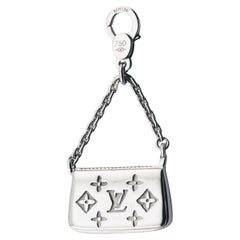
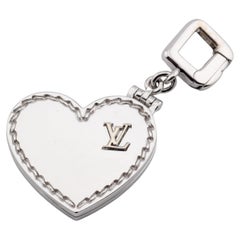
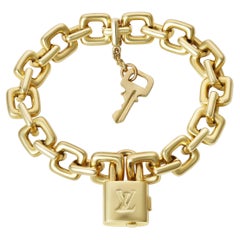
The Louis Vuitton brand embodies all the attributes of luxury, from the craftsmanship, exclusivity and relevance to heritage. It’s only appropriate that it boasts one of the most recognizable insignias — the imaginative interlocking of letters and fleurettes — in the fashion world. The famous LV monogram was first used in 1896 as part of an initiative by Georges to prevent counterfeiting of his coveted new line of travel trunks. It’s one of the earliest examples of fashion branding.
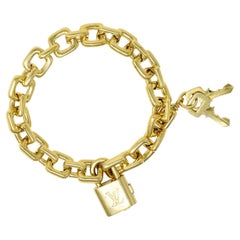
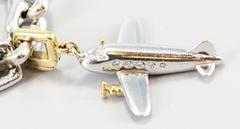
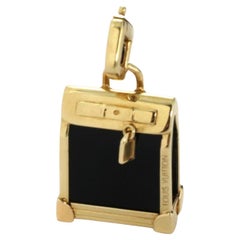
The LV monogram would soon appear on everything from bags and various fashion accessories to alligator-skin champagne cases, from stylish apparel and earrings to teddy bears and airplane models.
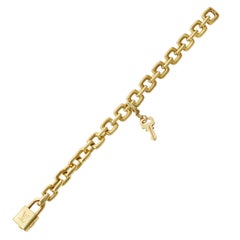
On 1stDibs, the unmistakable insignia can be found on both modern and vintage Louis Vuitton shoulder bags, suitcases, original 19th-century trunks, jackets and more.
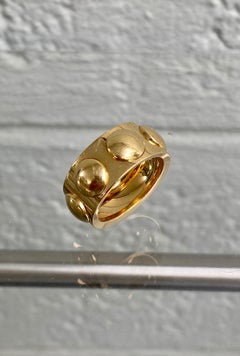
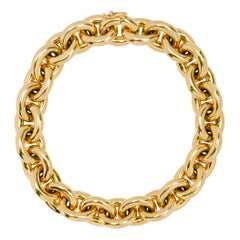
Gold is the feel-good metal, the serotonin of jewelry. Wear vintage and antique gold necklaces, watches, gold bracelets or gold rings and you feel happy, you feel dressed, you feel, well, yourself.
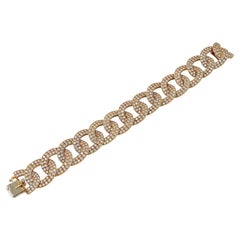
Gold, especially yellow gold, with its rich patina and ancient pedigree going back thousands of years, is the steady standby, the well-mannered metal of choice. Any discussion of this lustrous metal comes down to a basic truth: Gold is elementary, my dear. Gold jewelry that couples the mystique of the metal with superb design and craftsmanship achieves the status of an enduring classic. Many luxury houses have given us some of our most treasured and lasting examples of gold jewelry over the years.
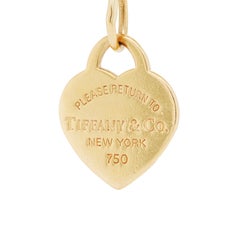
Since its founding, in 1837, Tiffany & Co. has built its reputation on its company jewelry as well as its coterie of boutique designers, which has included Jean Schlumberger, Donald Claflin, Angela Cummings and Elsa Peretti. There are numerous gold Tiffany classics worth citing. Some are accented with gemstones, but all stand out for their design and the workmanship displayed.
For the woman who prefers a minimalist look, the Tiffany & Co. twist bangle (thin, slightly ovoid) is stylishly simple. For Cummings devotees, signature pieces feature hard stone inlay, such as her pairs of gold ear clips inlaid with black jade (a play on the classic Chanel black and tan), or bangles whose design recalls ocean waves, with undulating lines of lapis lazuli and mother-of-pearl. And just about any design by the great Jean Schlumberger is by definition a classic.
Even had he eschewed stones and diamonds, Southern-born David Webb would be hailed for the vast arsenal of heavy gold jewelry he designed. Gold, usually hammered or textured in some manner, defines great David Webb jewelry. The self-taught jeweler made very au courant pieces while drawing inspiration from ancient and out-of-the-way sources — East meets West in the commanding gold necklaces made by Webb in the early 1970s. The same could be said for his endlessly varied gold cuffs.
In Europe, many houses have given us gold jewelry that sets the highest standard for excellence, pieces that were highly sought after when they were made and continue to be so.
Numerous designs from Cartier are homages to gold. There are the classic Trinity rings, necklaces and bracelets — trifectas of yellow, white and rose gold. As a testament to the power of love, consider the endurance of the Cartier Love bracelet.
Aldo Cipullo, Cartier’s top in-house designer from the late 1960s into the early ’70s, made history in 1969 with the Love bracelet. Cipullo frequently said that the Love bracelet was born of a sleepless night contemplating a love affair gone wrong and his realization that “the only remnants he possessed of the romance were memories.” He distilled the urge to keep a loved one close into a slim 18-karat gold bangle.
BVLGARI and its coin jewelry, gemme nummarie, hit the jackpot when the line launched in the 1960s. The line has been perennially popular. BVLGARI coin jewelry features ancient Greek and Roman coins embedded in striking gold mounts, usually hung on thick link necklaces of varying lengths. In the 1970s, BVLGARI introduced the Tubogas line, most often made in yellow gold. The Tubogas watches are classics, and then there is the Serpenti, the house's outstanding snake-themed watches and bracelets.
A collection called Monete that incorporated the gold coins is one of several iconic BVLGARI lines that debuted in the 1970s and ’80s, catering to a new generation of empowered women. Just as designers like Halston and Yves Saint Laurent were popularizing fuss-free ready-to-wear fashion for women on the go, BVLGARI offered jewels to be lived in.
Since Van Cleef & Arpels opened its Place Vendôme doors in 1906, collection after collection of jewelry classics have enchanted the public. As predominantly expressed in a honeycomb of gold, there is the Ludo watch and accessories, circa the 1920s, and the golden Zip necklace, 1951, whose ingenious transformation of the traditional zipper was originally proposed by the Duchess of Windsor. Van Cleef's Alhambra, with its Moroccan motif, was introduced in 1968 and from the start its popularity pivoted on royalty and celebrity status. It remains one of VCA’s most popular and collected styles.
Mention must be made of Buccellati, whose name is synonymous with gold so finely spun that it suggests tapestry. The house’s many gold bracelets, typically embellished with a few or many diamonds, signified taste and distinction and are always in favor on the secondary market. Other important mid-20th-century houses known for their gold-themed jewelry include Hermès and Ilias Lalaounis.
Find a stunning collection of vintage and antique gold jewelry on 1stDibs.
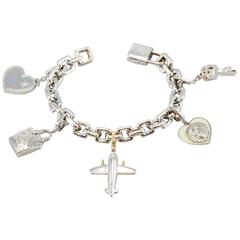
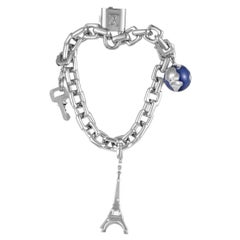
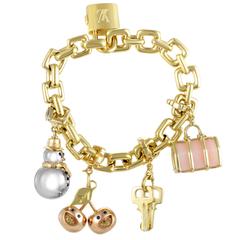
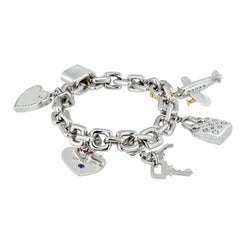
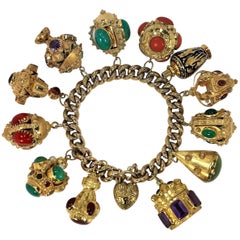
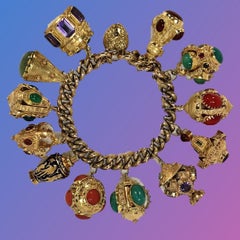
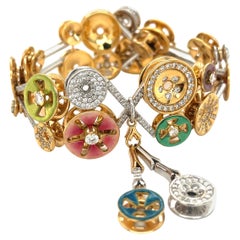
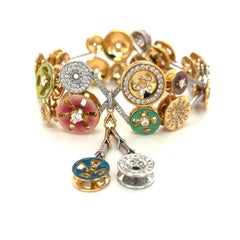
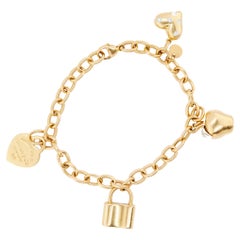
Vintage charm bracelets are a no-brainer when it comes to accessorizing. Modern charm bracelets feature a variety of charms and are made from a range of materials. And just as they did thousands of years ago, each charm on a charm bracelet today holds unique significance for the wearer and tells a piece of their story.
The charm bracelet, as a distinctive and personal finishing touch, has been around for a long time.
An iconic fashion statement, the charm bracelet has changed considerably throughout human history, but it has always been imbued with deep personal meaning. Jewelry in general has held intimate significance for us for thousands of years. Nearly every Egyptian, rich or poor, took jewelry seriously and was buried with some kind of jewels, and, later, jewelry of the Hellenistic era was passed down between generations as family heirlooms.
As children, we played with the antique and vintage bracelets that populated the jewelry boxes in our family homes, hearing them jingle and jangle while we learned the story of each charm. If we were lucky, some of our favorite charm bracelets were passed down to us as keepsakes.
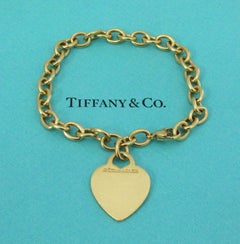
Charm bracelets quickly became an extremely popular piece of jewelry in the 19th century. The Victorian penchant for symbolic jewelry lent itself perfectly to charm bracelets. Queen Victoria popularized charm bracelets among European nobility, as she was incredibly enthusiastic about giving them as gifts. Their popularity continued through her reign and into the 1900s. Tiffany & Co. introduced its iconic charm bracelet in 1889, and, since then, our love for this accessory has only broadened.
On 1stDibs, the collection of vintage charm bracelets for sale includes Cartier charm bracelets, Tiffany charm bracelets and more.