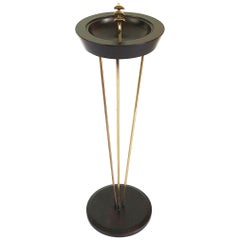
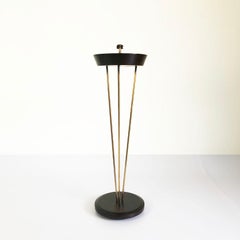
Mexican Midcentury Ashtray on Foot
Located in Mexico City, CDMX
We offer this Mexican midcentury ashtray on foot made in mahogany wood and brass accents, circa
Category
Vintage 1950s Mexican Mid-Century Modern Ashtrays
Materials
Mahogany
Mexican Midcentury Ashtray on Foot
Located in Mexico City, CDMX
We offer this Mexican midcentury ashtray on foot made in mahogany wood and brass accents, circa
Mahogany
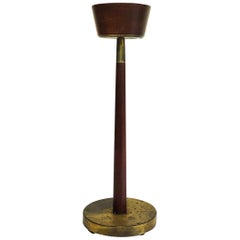
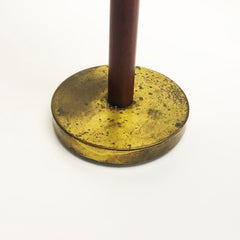
Mexican Midcentury Ashtray on Foot
Located in Mexico City, CDMX
We offer this Mexican midcentury ashtray on foot made in mahogany wood and brass accents, circa
Mahogany
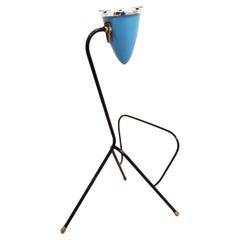
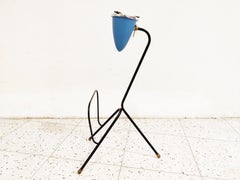
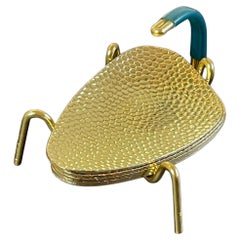
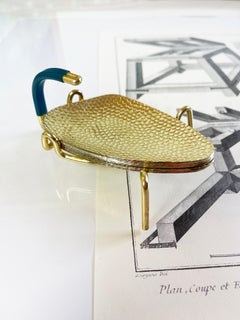
Midcentury Ashtray, 1960s
Located in Leuven, Vlaams Gewest
Atomic midcentury ashtray with magazine holder. Beautifully shaped with brass feet and a blue and
Metal
$95Sale Price|70% Off
H 1.19 in W 5.52 in D 3.55 in
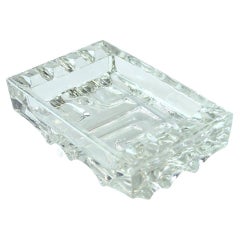
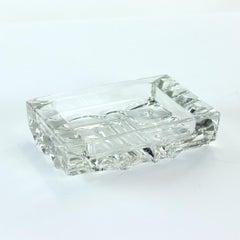
Mid Century Ashtray by Vladislav Urban, Czechoslovakia 1960s
By Urban Glass
Located in Zohor, SK
Beautiful mid-century ashtray produced from pressed glass. Designer is Vladislav Urban who produced
Glass
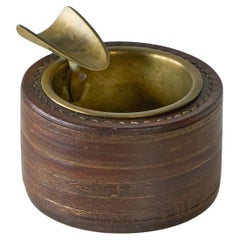
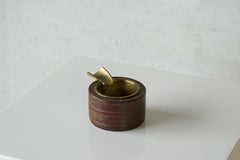
Mid Century Ashtray in Leather and Patinated Brass 1960s
Located in Meer, VAN
Mid Century Ashtray in Leather and Patinated Brass, Europe, 1960s. This is a very nice mid century
Brass
$353
H 1.38 in Dm 4.93 in
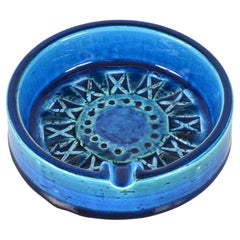
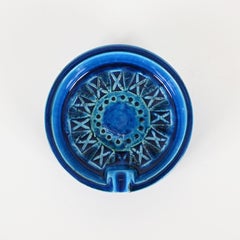
Midcentury Ashtray by Montelupo in Blue "Rimini" Ceramic, Bitossi Italy, 1960s
By Flavia Montelupo, Bitossi
Located in Roma, IT
Original and signed Mid-Century ashtray in a fantastic vibrant blue glazed ceramic (Rimini Blu
Ceramic, Pottery
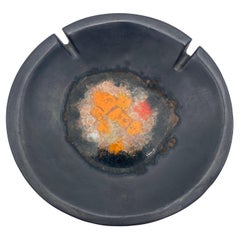
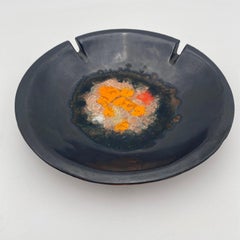
Mid Century Ashtray by Peggy Jean Nagel
Located in San Juan Capistrano, CA
A beautiful mid century ceramic ashtray with glass and a black glaze. The unglazed bottom is signed
Ceramic, Art Glass
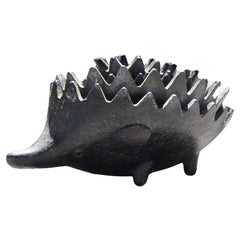
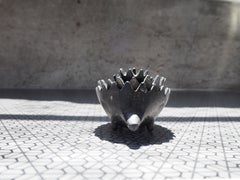
Set of Midcentury Ashtrays, Czechoslovakia 1960s
Located in Praha, CZ
Made from cast iron Set Ashtrays From Czechoslovakia in original condition with scratches and
Glass
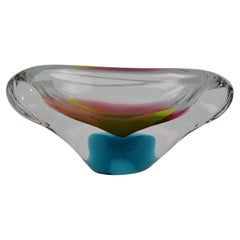
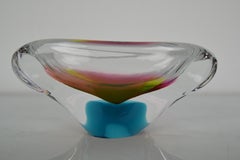
Mid-Century Ashtray by Josef Hospodka, 1950's
By Josef Hospodka
Located in Praha, CZ
Made in Czechoslovakia Made of Metallurgical glass Re-polished Original condition.
Art Glass
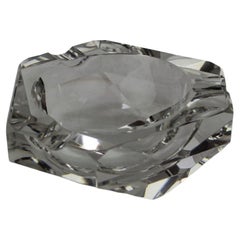

Mid-Century Ashtray - Diamond by Bohemia Glass, 1970's
Located in Praha, CZ
Made in Czechoslovakia Made of Crystal Glass Re-Polished Good Original Condition.
Art Glass
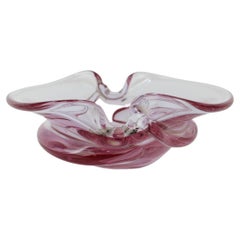
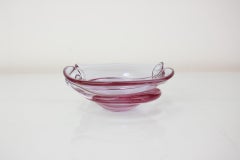
Mid-Century Ashtray by Zelezno Borske Sklo, 1960's
Located in Praha, CZ
- Made in Czechoslovakia - Made of glass - Re-polished - Has some signs use - Good, original condition.
Art Glass
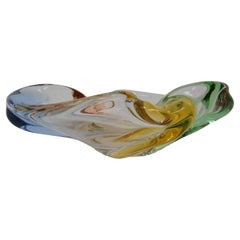
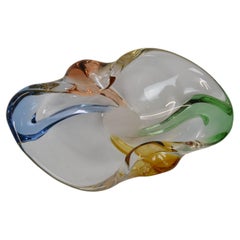
Mid-century Ashtray by Josef Hospodka for Chribska, 1960's.
By Josef Hospodka, Chribska Glassworks
Located in Praha, CZ
Made in Czechoslovakia Made of Blown glass Re-polished Original condition
Blown Glass
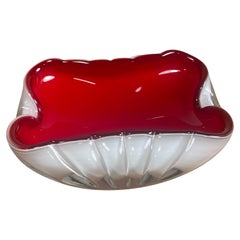
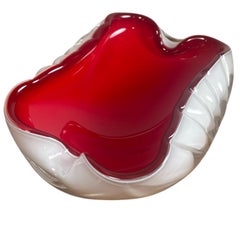
Midcentury Ashtray Murano Glass
Located in Ciudad Autónoma Buenos Aires, AR
Beautiful red and white encapsulated crystal design with a polished flat base. Excellent condition, no chips or cracks, only minor wear.
Art Glass

$1,274
H 18.9 in W 4.73 in D 7.09 in
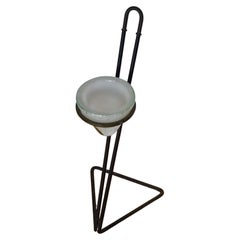
Italian Mid-Century Ashtray in Murano, Steel and Brass, Italy, 1950s
Located in Barcelona, ES
Ashtray made of steel structure and Murano glass, the ring where the glass fits and the top handle
Brass, Steel
$197Sale Price|30% Off
H 2.37 in W 5.32 in D 2.56 in
Mid-Century Ashtray, Scorpion Stand holding Set of 5 trays, German 1960s
Located in Andernach, DE
Funky ashtray set consisting of a wild golden scorpion frame with the tail as handle, which holds 5
Aluminum
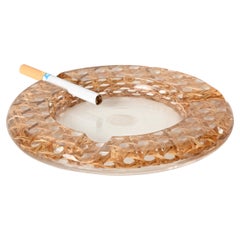
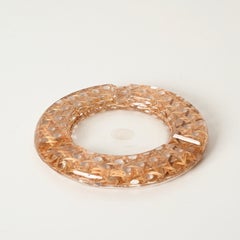
Christian Dior Mid-Century Ashtray in Lucite and Vienna Straw, Italy 1970s
By Christian Dior
Located in Roma, IT
Stunning Mid-Century round ashtray made in clear lucite and enriched inside with Vienna straw. The
Straw, Lucite, Plexiglass
$188Sale Price|58% Off
H 1.97 in W 4.97 in D 5.52 in
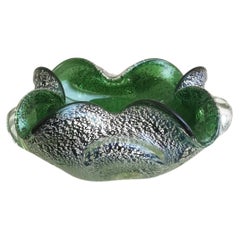
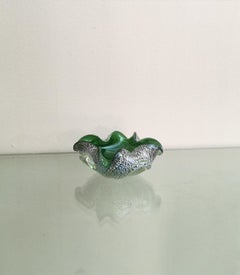
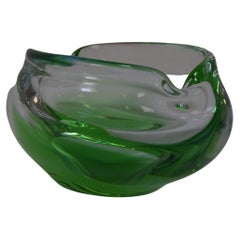
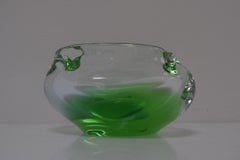
Mid-Century Ashtray Barovier & Toso Murano Glass Bowl Sommerso Green Italy 70s
By Barovier&Toso
Located in Palermo, IT
Ashtray produced in Italy in the 70s attributable to the famous Venetian glassworks Barovier & Toso
Murano Glass
$447
H 1.78 in W 5.01 in D 5.01 in
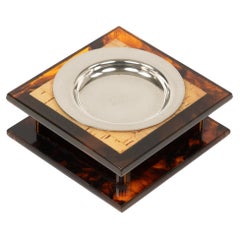
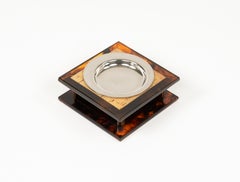
Midcentury Ashtray Faux Tortoiseshell Lucite Christian Dior Style, Italy 1970s
By Christian Dior, Dior Home, Team Guzzini
Located in Rome, IT
Midcentury beautiful squared ashtray in faux tortoiseshell lucite in the style of Christian Dior
Metal
$258
H 2.96 in W 5.32 in D 3.55 in
Midcentury Ashtray from Metallurgical Glass, by Glasswork Novy Bor, 1960s
By Novy Bor Glassworks
Located in Praha, CZ
Made in Czechoslovakia Made of Art Glass Re-polished Good Original condition.
Art Glass
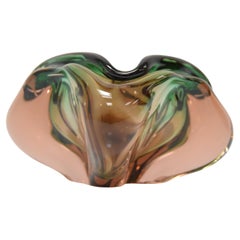
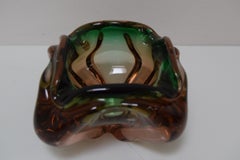
Midcentury Ashtray from Metallurgical Glass, by Glasswork Novy Bor, 1960s
By Novy Bor Glassworks
Located in Praha, CZ
Made in Czechoslovakia Made of Art Glass Re-polished Good Original condition.
Art Glass
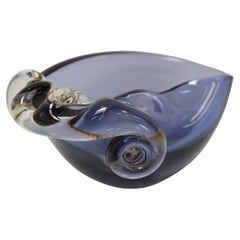
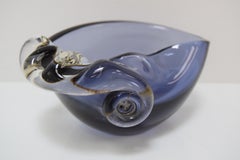
$306
H 3.15 in W 6.3 in D 4.53 in
Midcentury Ashtray from Metallurgical Glass, by Glasswork Novy Bor, 1960s
By Novy Bor Glassworks
Located in Praha, CZ
Made in Czechoslovakia Made of Art Glass Re-polished Good Original condition.
Art Glass
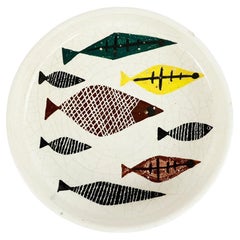
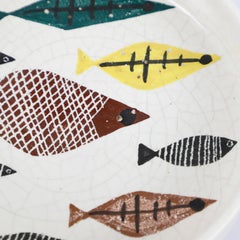
MidCentury Ashtray Made in Ceramic
Located in Mexico City, CDMX
Circa 1960, We offer this MidCentury Mexican Ashtray made in Ceramic by Ceracto, Tlaquepaque
Ceramic
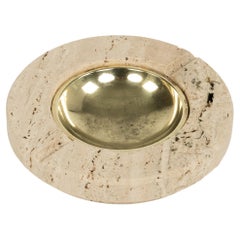
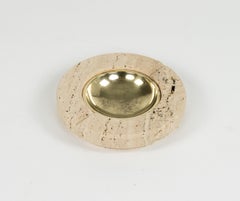
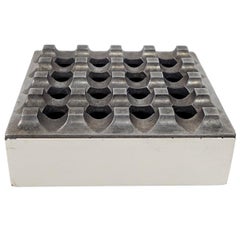
Midcentury Ashtray in Travertine and Brass Fratelli Mannelli Style, Italy 1970s
By Fratelli Mannelli
Located in Rome, IT
Midcentury beautiful round ashtray in travertine and brass in the style of Fratelli Mannelli. Made
Travertine
$881
H 2.37 in W 5.91 in D 5.91 in
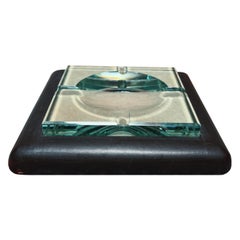
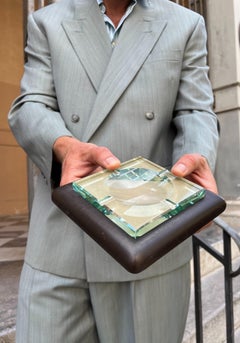
Midcentury Ashtray Ultima15 by Backström & Ljungberg for Diverse Ting in Sweden
By Holger Bäckström & Bo Ljungberg
Located in Doornspijk, NL
Holger Bäckström & Bo Ljungberg are the designers of this iconic Mid-Century Modern ashtray. That
Metal
$693
H 1.19 in W 6.7 in D 6.7 in
Midcentury Ashtray by Fontana Arte Crystal Glass and Leather Italy, 1960s
By Fontana Arte
Located in Palermo, PA
Indulge in the elegance of this exquisite ashtray, crafted in Italy during the prestigious Fontana
Crystal
$706
H 1.97 in W 5.71 in D 5.71 in
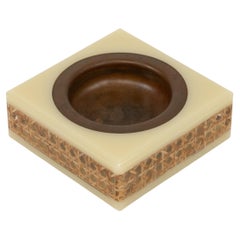
Midcentury Ashtray Acrylic, Rattan and Copper Christian Dior Style, Italy 1970s
By Dior Home, Christian Dior
Located in Rome, IT
Midcentury beautiful squared ashtray or vide-poche in acrylic, rattan and copper in the style of
Metal, Copper
$890
H 2.25 in Dm 9.5 in
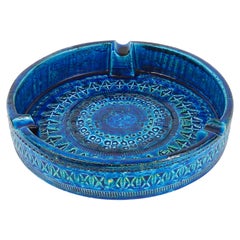
Aldo Londi Bitossi Very Large Round Rimini Blue Glazed Midcentury Ashtray, 1950s
By Bitossi, Aldo Londi
Located in Vienna, AT
A beautiful, decorative midcentury Rimini blue glazed ashtray. Very large, has a diameter of 9 1/2
Ceramic, Stoneware, Terracotta
$647
H 3.15 in W 5.52 in D 5.52 in
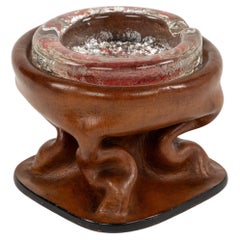
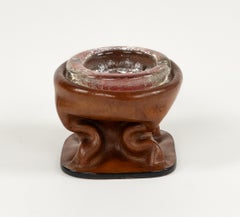
Midcentury Ashtray in Curved Leather and Glass Jacques Adnet Style, Italy 1970
By Jacques Adnet
Located in Rome, IT
Midcentury amazing curved ashtray in brown leather and glass in the style of Jacques Adnet. Made
Leather, Glass
$706
H 1.58 in W 5.91 in D 5.91 in
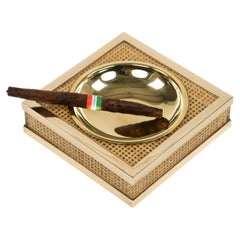
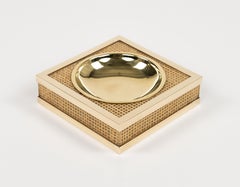
Midcentury Ashtray in Lucite, Wicker and Brass Christian Dior Style, Italy 1970s
By Christian Dior
Located in Rome, IT
Midcentury beautiful squared vide-poche or ashtray in lucite, wicker and brass in the style of
Metal, Brass
$882
H 2.56 in W 8.08 in D 8.67 in
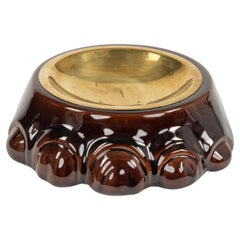
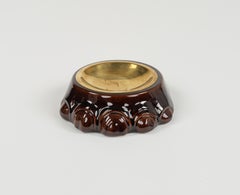
Midcentury Ashtray or Bowl Shape of Elephant Paw by B Ceramiche, Italy 1970s
By B Ceramiche, Tommaso Barbi
Located in Rome, IT
Midcentury beautiful ashtray or bowl shape of elephant paw in brown ceramic e brass by B Ceramiche
Metal, Brass
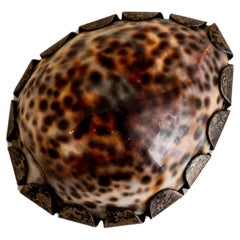
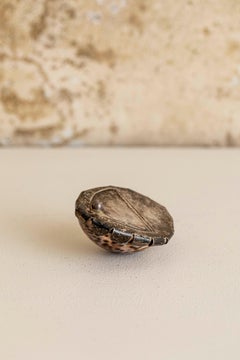
Midcentury ashtray designed by Gabriella Crespi, Italy
By Gabriella Crespi
Located in Piacenza, Italy
Ashtray designed by Gabriella Crespi Shell and brass ashtray by Gabriella Crespi. Recorded by
Brass
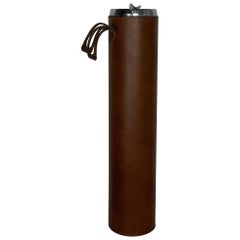
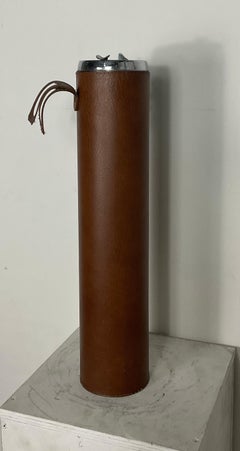
Mid-Century Ashtray in Brown Leather and Brass, 70s
Located in Catania, IT
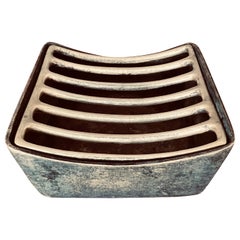
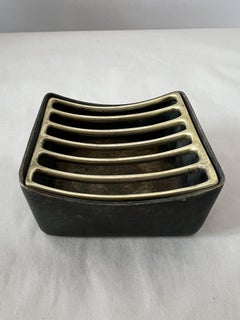
Set of Floor Ashtrays Brown Leather and Brass Mid Century Standing Portable Pair Mid-Century Modern
Metal
$1,000
H 1.5 in W 3.5 in D 3.5 in
Sculptural Werkstätte Hagenauer Modernist Brass Ashtray, Austria, 1950s
By Werkstätte Hagenauer Wien
Located in St.Petersburg, FL
A beautiful midcentury ashtray, executed in the 1950s by Werkstätte Hagenauer, Austria, in very
Brass
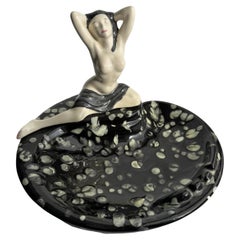
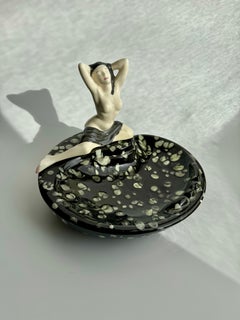
Large Mid-Century Black and White Nude Woman Ceramic Ashtray
Located in Fort Washington, MD
Stunning Mid Century Ashtray with a nude feminine body of a young women sitting on the edge of the
Ceramic, Paint
$775
H 1.5 in W 3.5 in D 3.5 in
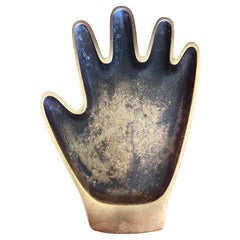
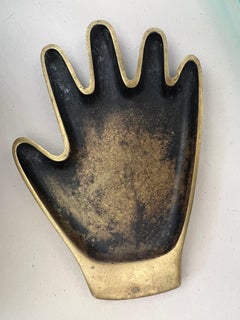
Sculptural Werkstätte Hagenauer Modernist Brass Hand Ashtray, Austria, 1950s
By Werkstätte Hagenauer Wien
Located in St.Petersburg, FL
A beautiful midcentury ashtray, shaped as a hand,executed in the 1950s by Werkstätte Hagenauer
Brass
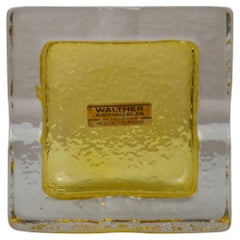
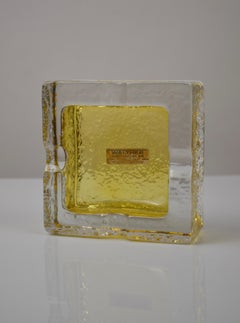
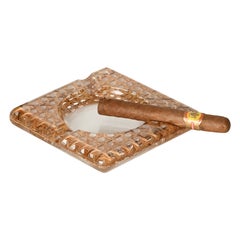
Vintage Crystal Ashtray by Walther Kristallglas, Germany, 1970s
By Walther Glass
Located in Marinha Grande, PT
Elegant mid-century ashtray by Walther Kristallglas, made in Germany, circa 1970s. This square
Crystal
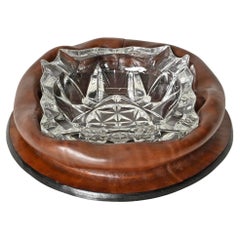
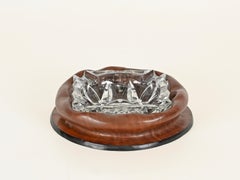
Mid-Century Brown Curved Leather and Cut Crystal Glass Ashtray, Italy 1950s
By Jacques Adnet
Located in Roma, IT
Spectacular Mid-Century ashtray fully made of thick curved brown leather and cut crystal glass
Crystal
$530
H 0.79 in W 5.71 in D 5.71 in
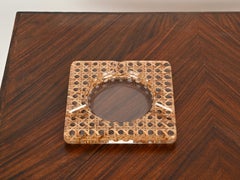
Midcentury Christian Dior Lucite and Vienna Straw Ashtray, Italy 1970s
By Christian Dior
Located in Roma, IT
Delightful Mid-Century ashtray made in clear lucite and Vienna straw. This charming ashtray is
Lucite, Plexiglass, Straw
$1,251Sale Price|45% Off
H 1.25 in W 6.13 in D 5.75 in
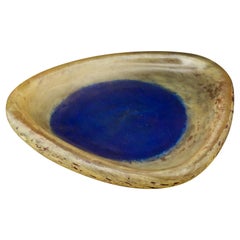
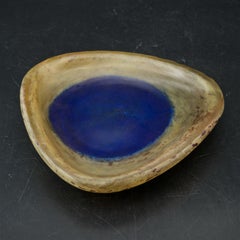
Pate de Verre Daum Art Glass Triangular Dish Midcentury Ashtray Blue Dot, French
By Daum
Located in Hyattsville, MD
Wonderful design, great table prop/decor. Signed on top side, Daum, then the Cross of Lorraine symbol, and Nancy and also Signed on the bottom; Daum Nancy France.
Art Glass
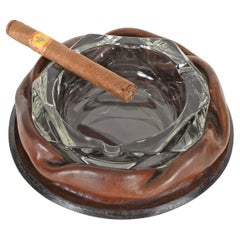
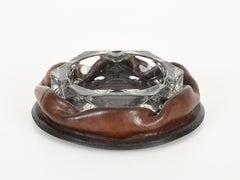
Adnet Brown Curved Leather and Crystal Glass Ashtray, Italy 1950s
By Jacques Adnet
Located in Roma, IT
Marvelous mid-century ashtray in curved brown leather and crystal glass. The design of this
Crystal

$263Sale Price|20% Off
H 0.4 in W 5.32 in D 3.67 in
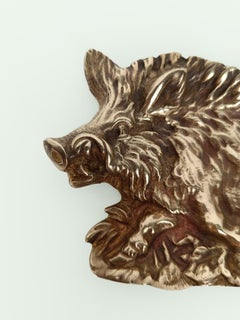
Vintage Brass Ashtray Depicting the Mythological Erymanthian Boar, Italy 1970s
Located in Roma, IT
wall decoration, as you would a nice English plate. The theme of this mid century ashtray is of
Brass
$706
H 1.97 in Dm 7.88 in
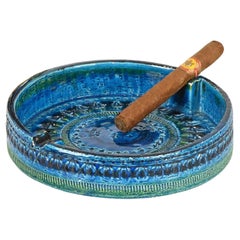
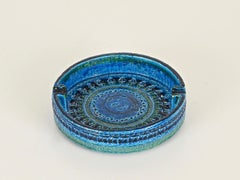
Midcentury "Blue Rimini" Ceramic Ashtray by Aldo Londi for Bitossi, Italy, 1960s
By Aldo Londi, Bitossi
Located in Roma, IT
Gorgeous and very rare large Mid-Century ashtray in Rimini Blu ceramic. This stylish piece was
Ceramic, Pottery
$263Sale Price|20% Off
H 0.4 in W 7.09 in D 3.35 in
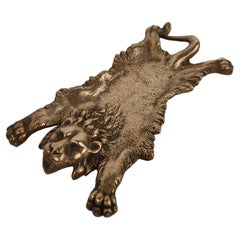
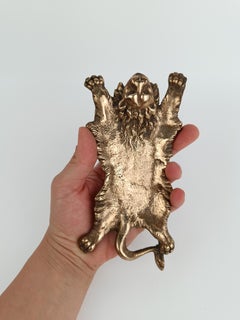
Vintage Brass Ashtray Depicting the Mythological Nemean Lion Skin, Italy 1970s
Located in Roma, IT
wall decoration, as you would a nice English plate. The theme of this mid century ashtray is of
Brass
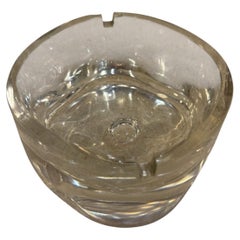
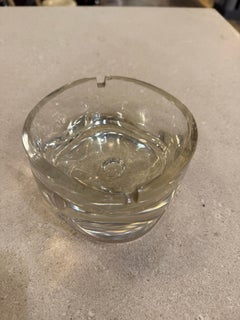
Italian Mid-Century Thick Clear Glass Ashtray, Murano Style, 1960s–1970s
Located in Los Angeles, CA
Sculptural Italian mid-century ashtray crafted in thick, clear glass, likely produced in Murano
Art Glass
$650
H 2.25 in W 7.5 in D 7.5 in
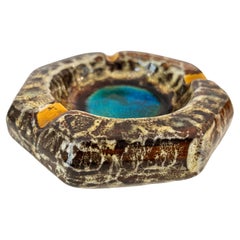
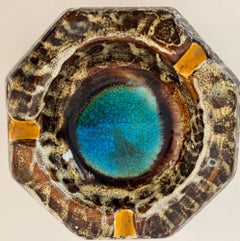
Vallauris Lava Ceramic Cigar Ashtray Marius Giuge Catchall Vide Poche 1960s
By Marius Giuge
Located in Moreno Valley, CA
Mid-Century Modern Vallauris Ashtray Bowl attributed to Marius Giuge, France, 1960s Large Fat Lava
Lava
$1,029
H 3 in Dm 10.24 in
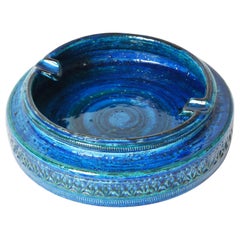
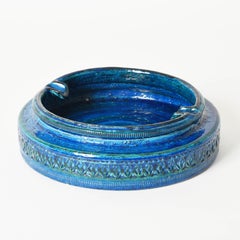
Midcentury Aldo Londi Blue Glazed "Rimini" Ceramic Ashtray, Bitossi Italy, 1960s
By Bitossi, Aldo Londi
Located in Roma, IT
collection is the 1950s-era Rimini Blu (1955-1965), a now-iconic Mid-Century Modern series encompassing over
Pottery, Ceramic
Mid 20th Century MARTINI Ashtray
Located in Greven, DE
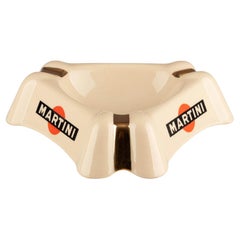
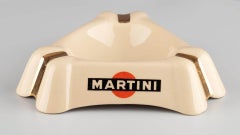
: This three-lobed ashtray exemplifies mid-20th-century promotional ceramics designed for the hospitality
Ceramic
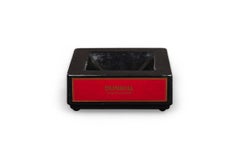
English Mid-Century Black Dunhill Ashtray
Located in Queens, NY
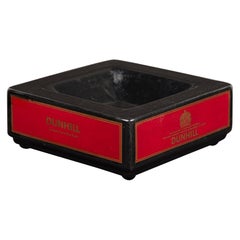
English Mid-Century squared black ceramic ashtray with the DUNHILL cigarette branding on all four
Ash
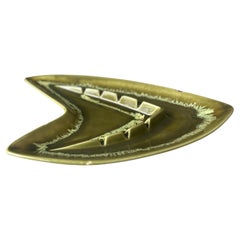
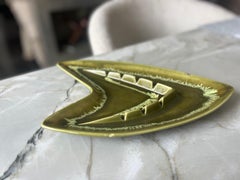
Mid-Century Modern Ashtray
Located in San Pedro Garza Garcia, Nuevo Leon
Mid-Century Modern ashtray, It has some chips, for more photos or video upon request
Ceramic
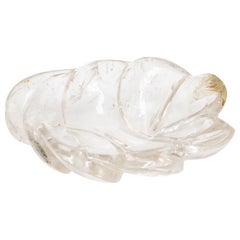
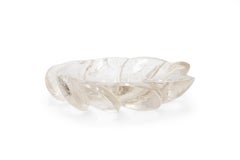
Mid-Century Crystal Leaf Ashtray
Located in Queens, NY
Mid-century Italian rock crystal large ashtray/soap dish with fluted leaf form design.
Crystal
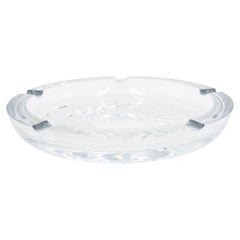
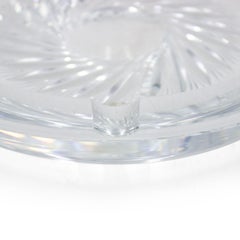
Mid-Century Cut Crystal Ashtray
Located in Queens, NY
Swedish Mid-Century Modern cut crystal round ash tray (signed MATS JONASSON MALERAS).
Crystal
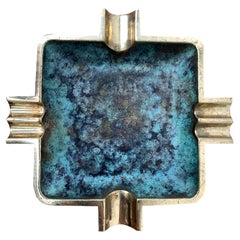
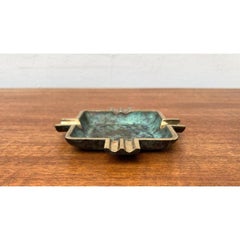
Mid-Century Brass Ashtray, 1950s
Located in Hamburg, DE
Mid-Century Brass Ashtray, 1950s, in Very Good conditions. Designed 1950 to 1959. Additional
Brass
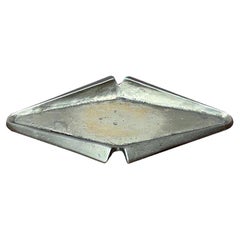
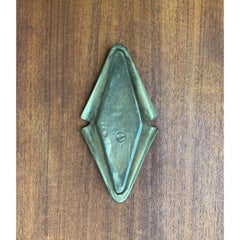
Mid-Century Brass Ashtray, 1960s
Located in Hamburg, DE
Mid-Century Brass Ashtray, in Very Good conditions. Designed 1960 to 1969 Additional information
Metal
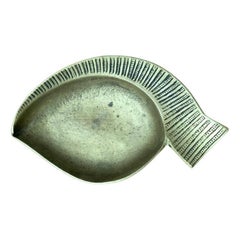
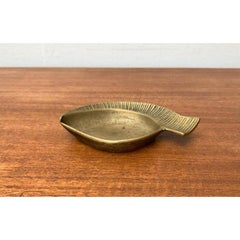
Mid-Century Bronze Ashtray, 1950s
Located in Hamburg, DE
Mid-Century Bronze Ashtray, 1950s, in Very Good conditions. Designed 1950 to 1959 Additional
Bronze
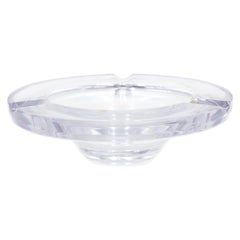
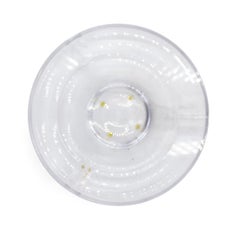
Mid-Century Crystal Cigar Ashtray
Located in Queens, NY
Mid-Century modern (Scandinavian) 1950s round crystal cigar ashtray. (signed: KOSTA)
Crystal
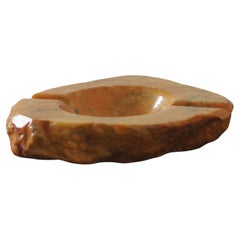
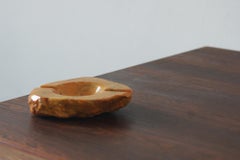
Mid-Century Italian Ashtray, 1960s
Located in KUTNO, PL
quarried for centuries. With its subtle milky color and natural, delicate patterns, alabaster ashtrays are
Alabaster
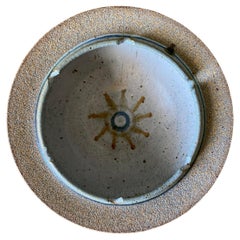
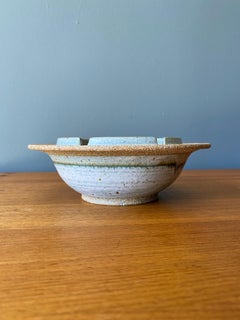
Signed Mid Century Ceramic Ashtray
By David Cressey
Located in San Juan Capistrano, CA
Signed mid century ceramic ashtray, Circa 1965.
Ceramic
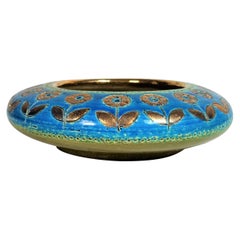
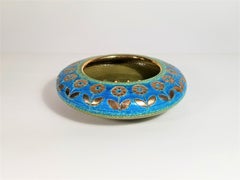
Rosenthal Netter Italian Midcentury Ashtray, 1964
By Rosenthal Netter
Located in New York, NY
Midcentury 1960s Rosenthal Netter hand painted and glazed ceramic pottery. Blue and green with gold accents. Signed and marked. Dated 1964. Made in Italy. Excellent condition.
Ceramic, Pottery
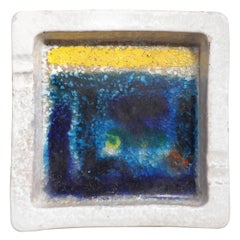
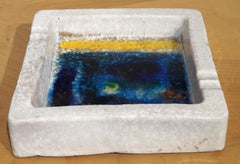
Guido Gambone Ashtray for De Bijenkorf, Midcentury
By Guido Gambone
Located in Charlevoix, MI
A stunning midcentury ashtray by Guido Gambone made in the 1950s for 'De Bijenkorf', an upscale
Ceramic
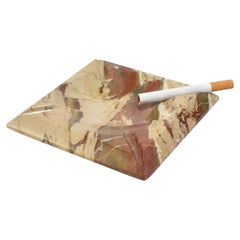
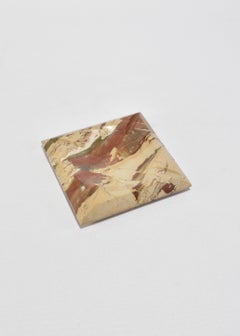
Square Marble Ashtray
Located in Richmond, VA
Striking mid-century ashtray carved from richly veined multicolor marble. Four sharply faceted
Marble
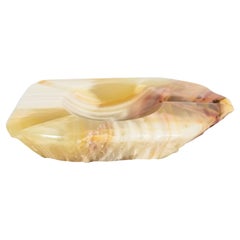
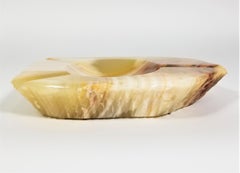
Onyx Ashtray Mid Century
Located in New York, NY
Mid century solid onyx ashtray. Excellent condition.
Onyx
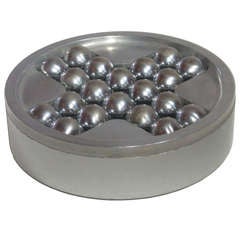
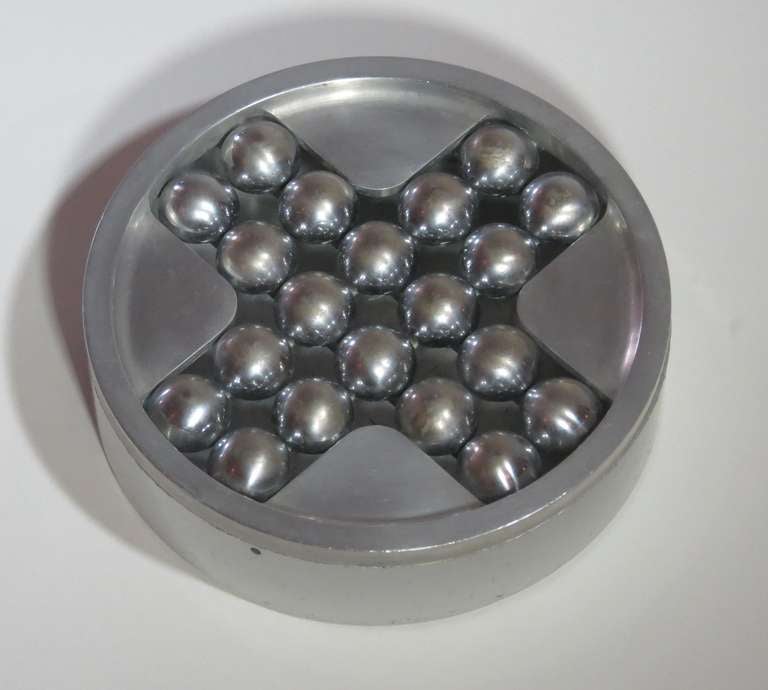
George Ciancimino Mid-Century Modern Studio Ashtray
By George Ciancimino
Located in Coral Gables, FL
film "Diamonds are Forever". A simple object like an ashtray is made into a 20th century sculptural
Stainless Steel, Aluminum
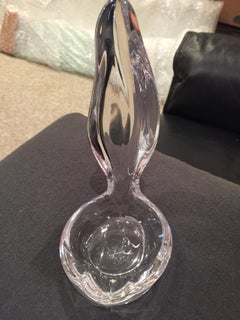
Mid-century Crystal Steuben decorative bowl or ashtray
By Steuben Glass
Located in Chicago, IL
Steuben Crystal ashtray marked and stamped beautiful detail perfect condition.
Crystal
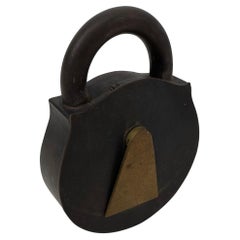

Carl Auböck II, Rare Mid-Century Modern Ashtray Paperweight Object
By Werkstätte Carl Auböck
Located in Vienna, AT
Carl Auböck II. Rare Mid-Century Modern ashtray paperweight object, Austria 1950s.
Brass
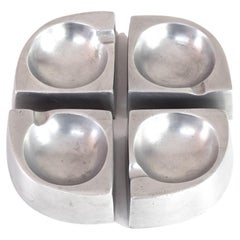
Unavailable
H 0.99 in W 4.73 in D 4.73 in
Mid Century Scandinavian Modern Handcrafted Aluminum Four Piece Ashtray, 1960
Located in Escalona, Toledo
Set of four small ashtrays that together make up a sculptural handcrafted piece of aluminum made in
Aluminum
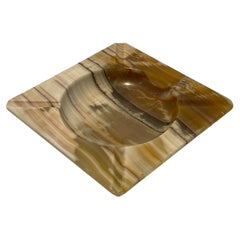
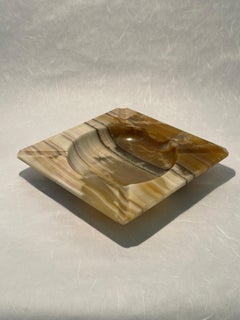
20th Century XL Geometrical Onyx Ashtray
Located in Miami, FL
20th Century XL Geometrical Onyx Ashtray with a very mid century shape and body but most
Onyx, Marble
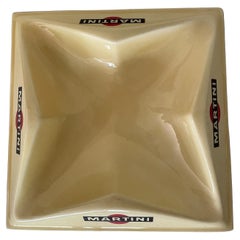
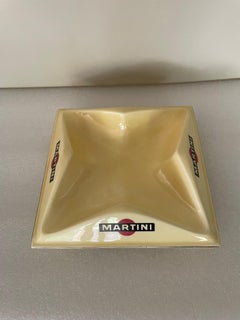
Martini Ashtray
Located in Nivelles, BE
Martini ashtray that can be used as a pocket emptier, made in France by Proceram, good size.
Faience
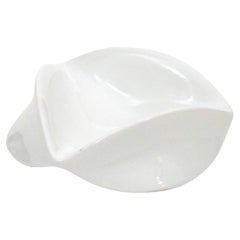
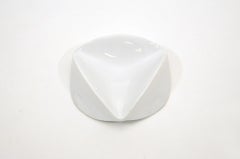
Laveno Ashtray, 1950s
By Antonia Campi
Located in Roma, Lazio
The tray emptier produced by Laveno Verbano has a clean but at the same time dynamic shape. The item has a couple of very small chips highlighted in the photos.The object can be att...
Ceramic
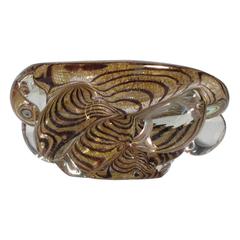
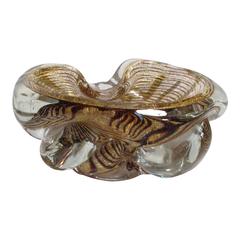
Midcentury Murano Ashtray
Located in New York, NY
A Midcentury Murano gold and clear glass ashtray.
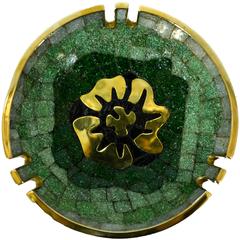
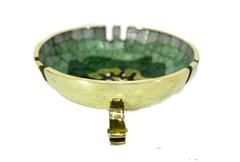
Salvador Teran Ashtray
By Salvador Teran
Located in Mexico City, MX
Salvador Teran Ashtray
Stone, Bronze
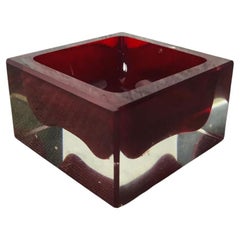
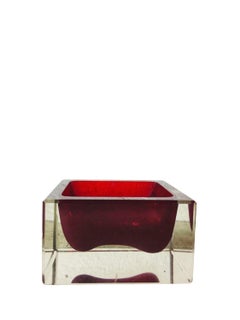
Murano Glass Sommerso Ashtray
Located in Budapest, HU
Vintage, mid-century modern Murano glass ashtray in ruby and clear colors from the 1970s. Its
Art Glass
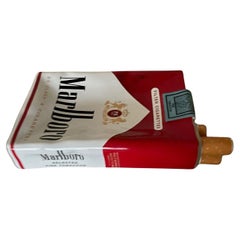
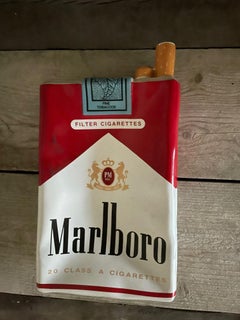
Malboro advertising bar ashtray
Located in Nivelles, BE
Malboro advertising bar ashtray. This one is very large, it was placed on the bars for customers
Ceramic
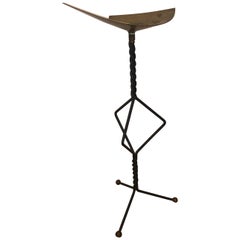
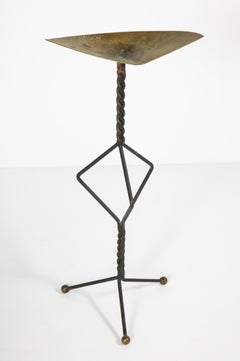
Mathieu Mategot Kite Ashtray
By Bernard Mathieu
Located in Newburgh, NY
Wrought iron and brass kite ashtray.
Brass, Wrought Iron
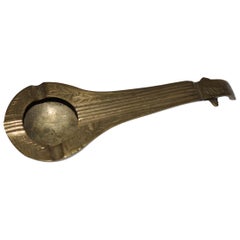
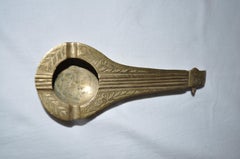
Vintage Brass Ashtray
Located in Lábatlan, HU
Vintage item from the 1970s Materials: brass, solid brass Measures: Length (Depth) 2.36 in Width 6.69 in Height 0.79 in.
Brass


Midcentury Rupert Deese Stoneware Ashtray or Decorative Dish
By Rupert J. Deese
Located in Sacramento, CA
Mid-Century Modern triangular ashtray or decorative dish by Rupert Deese. Underside has a tag that
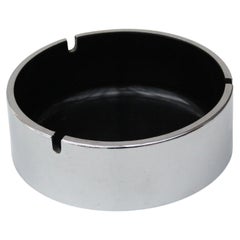
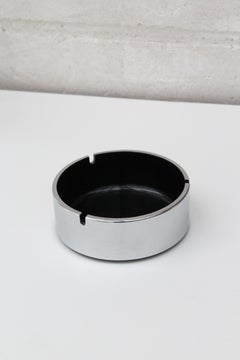
Isamu Kenmuchi Ashtray, 1950
By Isamu Kenmochi
Located in Paris, IDF
of the ashtray is minimalist, reflecting the principles of modernism while also embracing the
Laminate
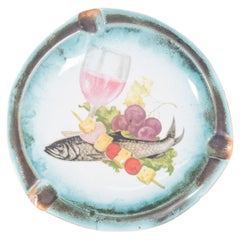
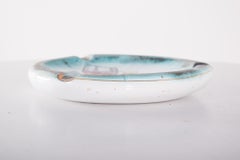
Round Ceramic Ashtray Polychrome Decoration
Located in Lisboa, Lisboa
Round ceramic ashtray. Polychrome decoration with a blue-green background, with a detailed central
Pottery
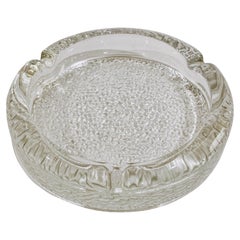
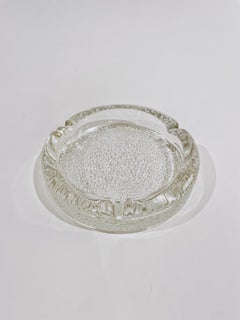
1970s Textured Chunky Glass Ashtray
By Libbey Glass Co.
Located in Miami, FL
1970s Clear Textured Chunky Glass Ashtray! Could be used as a catchall, too.
Glass
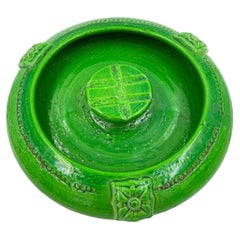
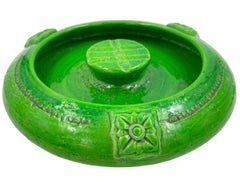
Aldo Londi for Bitossi Ashtray
By Bitossi, Aldo Londi
Located in Bastrop, TX
Green ashtray by Aldo Londi for Bitossi. Handcrafted in Italy with hand-carved geometric designs
Ceramic
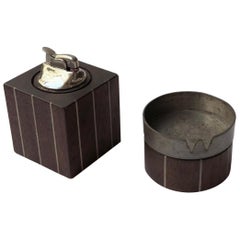
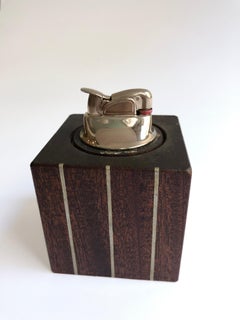
Paul Evans Ashtray Set
By Paul Evans
Located in Georges Mills, NH
Paul Evans smoking set constructed from cuban mahogany and inlayed pewter, with removable pewter cap. Inset petwer plug in base reads 'Designers Inc Paul Evans'.
Mahogany
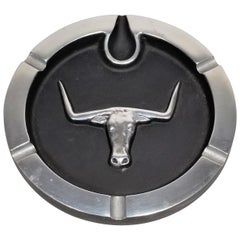
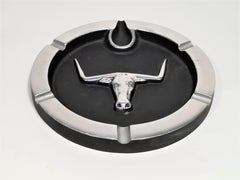
Longhorn Steer Pewter Ashtray Midcentury
Located in New York, NY
Dated 1977 longhorn steer ashtray. Pewter and steel / iron. Made in USA.
Steel, Pewter
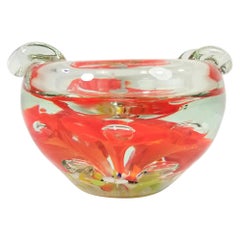
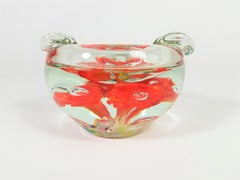
Murano Ashtray Art Glass Midcentury
Located in New York, NY
1960s midcentury Murano ashtray. Art glass multicolored blown glass. Solid piece with substantial
Art Glass
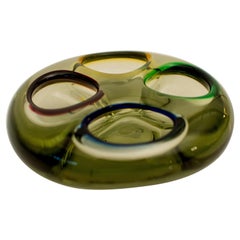
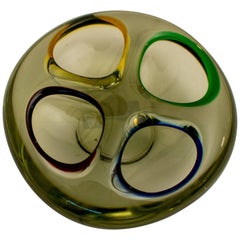
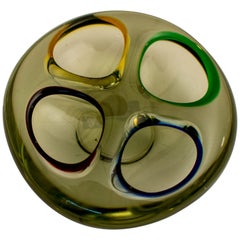
Murano Italian Green Glass Ashtray
Located in Porto, PT
Green Murano ashtray.
Murano Glass
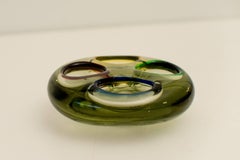
Murano Italian Green Glass Ashtray
Located in Porto, PT
Green Murano ashtray.
Murano Glass

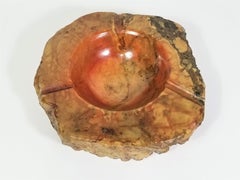
Italian Alabaster Ashtray Made in Italy
Located in New York, NY
Italian mid century 1960s 1970s genuine alabaster ashtray. Heavy substantial weight. Made in Italy
Alabaster
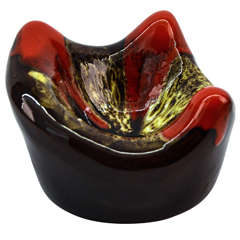
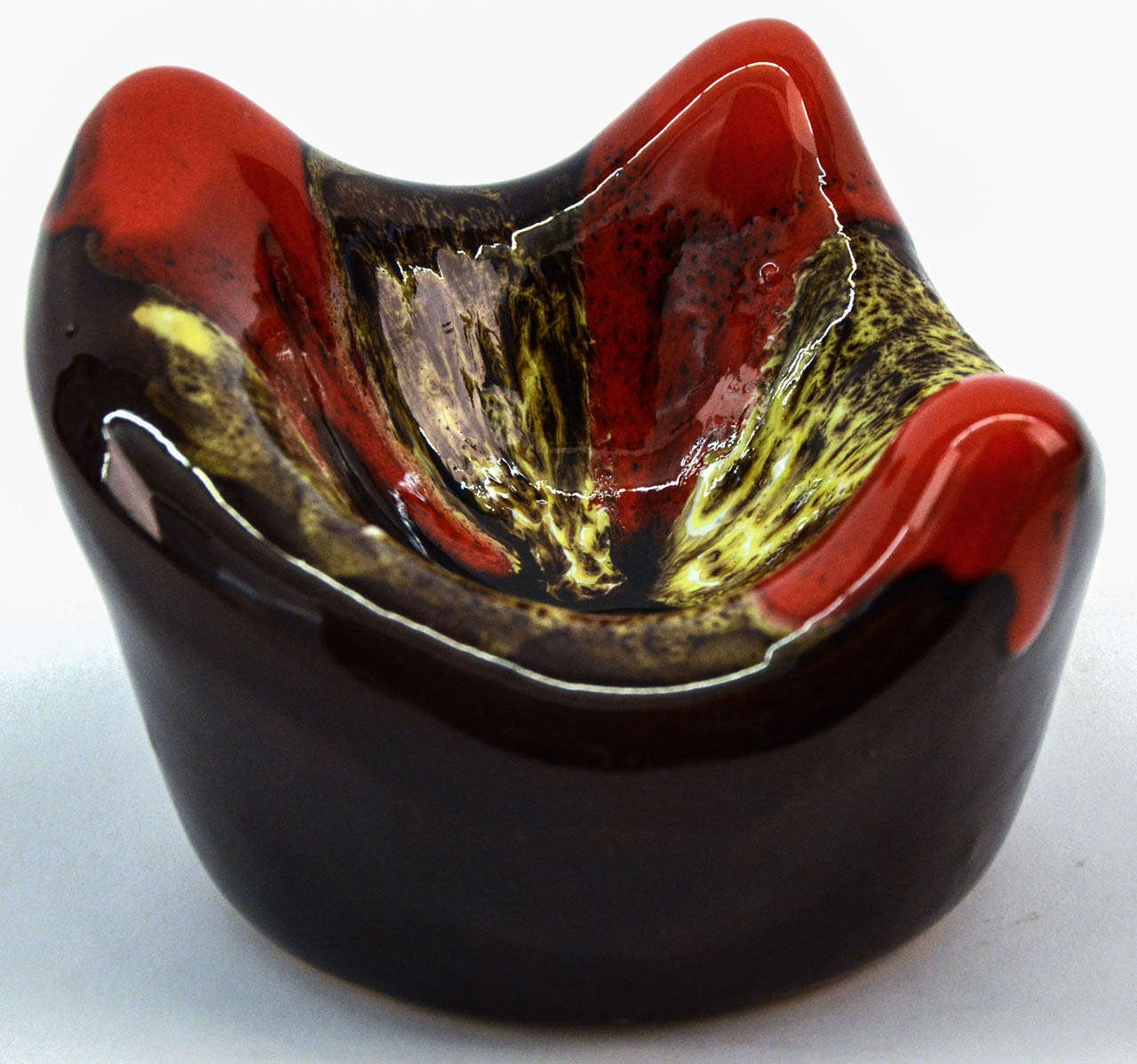
Vallauris Pottery Ceramic Colorful Ashtray
By Vallauris
Located in London, GB
A fine example of colourful pottery ceramic ashtray from the French ceramic manufacturer Vallauris.
Ceramic, Pottery
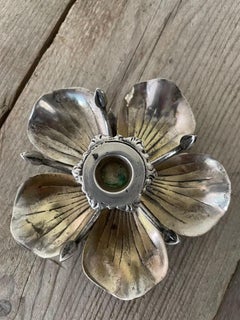
Flower ashtray and candleholder by Gucci
By Gucci
Located in Nivelles, BE
Flower ashtray and candle-holder attributed to Gucci in silver-plated metal. This one is original
Silver Plate

Blenko Ashtray 1960s Midcentury Brutalist Glass
By Blenko Glass
Located in New York, NY
1960s midcentury Blenko clear glass ashtray. Brutalist texture and design. Still retains original
Art Glass
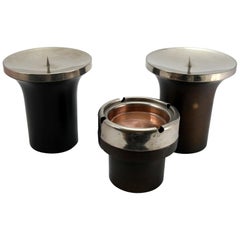
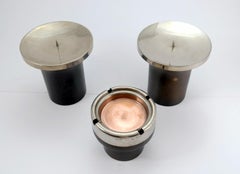
Rare Chrome Candleholders and Ashtray Set
Located in Budapest, HU
This rare brass and chrome plated set features an ashtray and two candleholders- it has a TESCO
Brass, Chrome
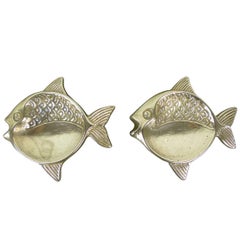
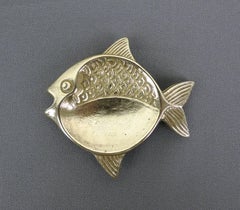
Pair of Brass Ashtrays, Germany, 1950s
Located in Berlin, DE
Set of two small brass ashtrays in the shape of a fish. They were made in the 1950s in Germany
Brass
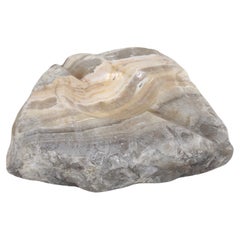

Raw Edge Stone Zebra Calcite Ashtray
Located in Hawthorne, CA
Stone ashtray made from zebra calcite limestone. Grey and yellow muted earth tones with a clear
Stone, Limestone
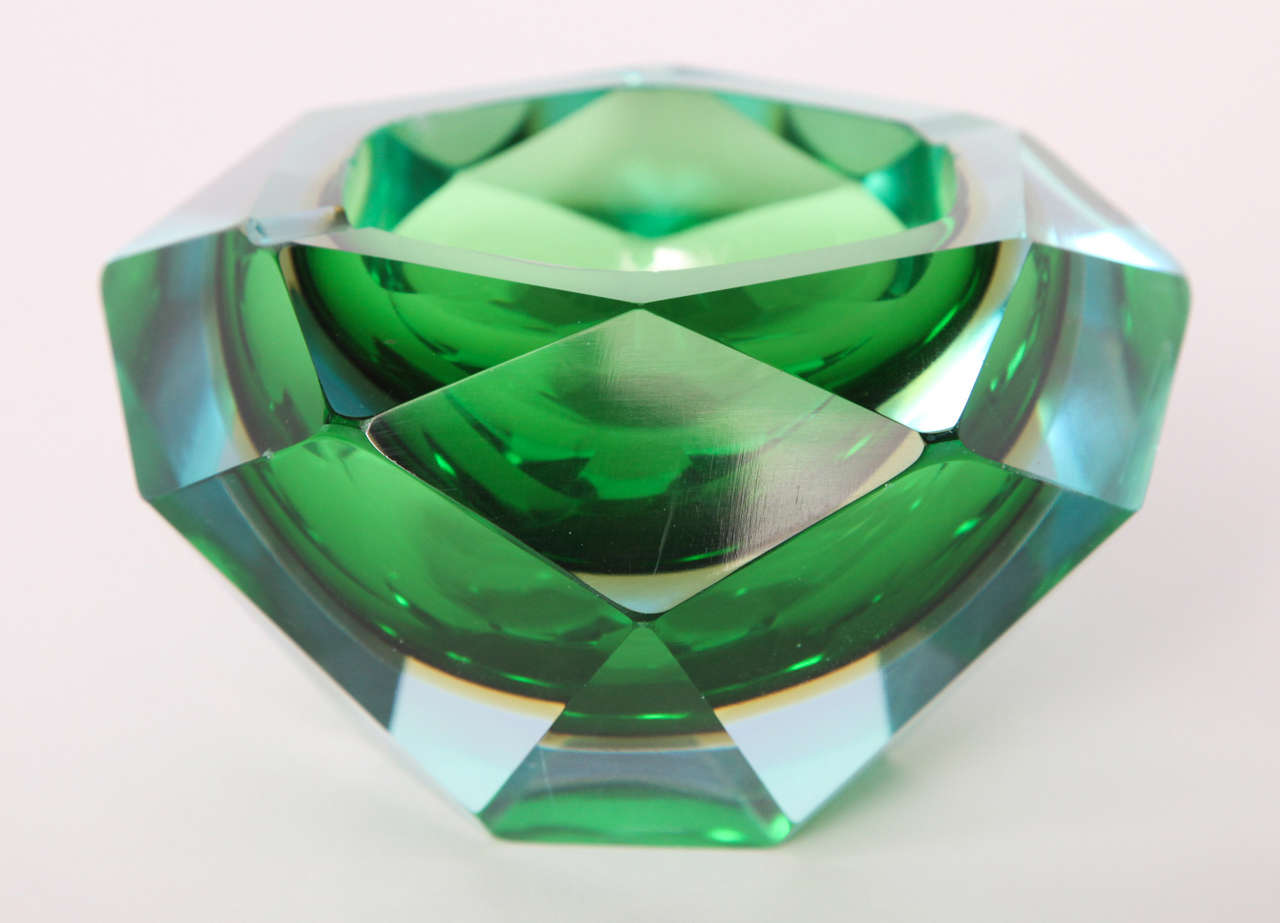
Jewel-like Murano Faceted Glass Ashtray
By Murano Glass Sommerso
Located in Brooklyn, NY
Dazzling green, Murano faceted glass ashtray with three divots on the rim to rest your cigarette
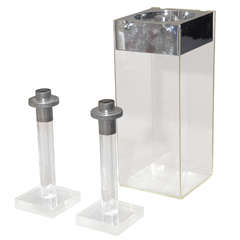
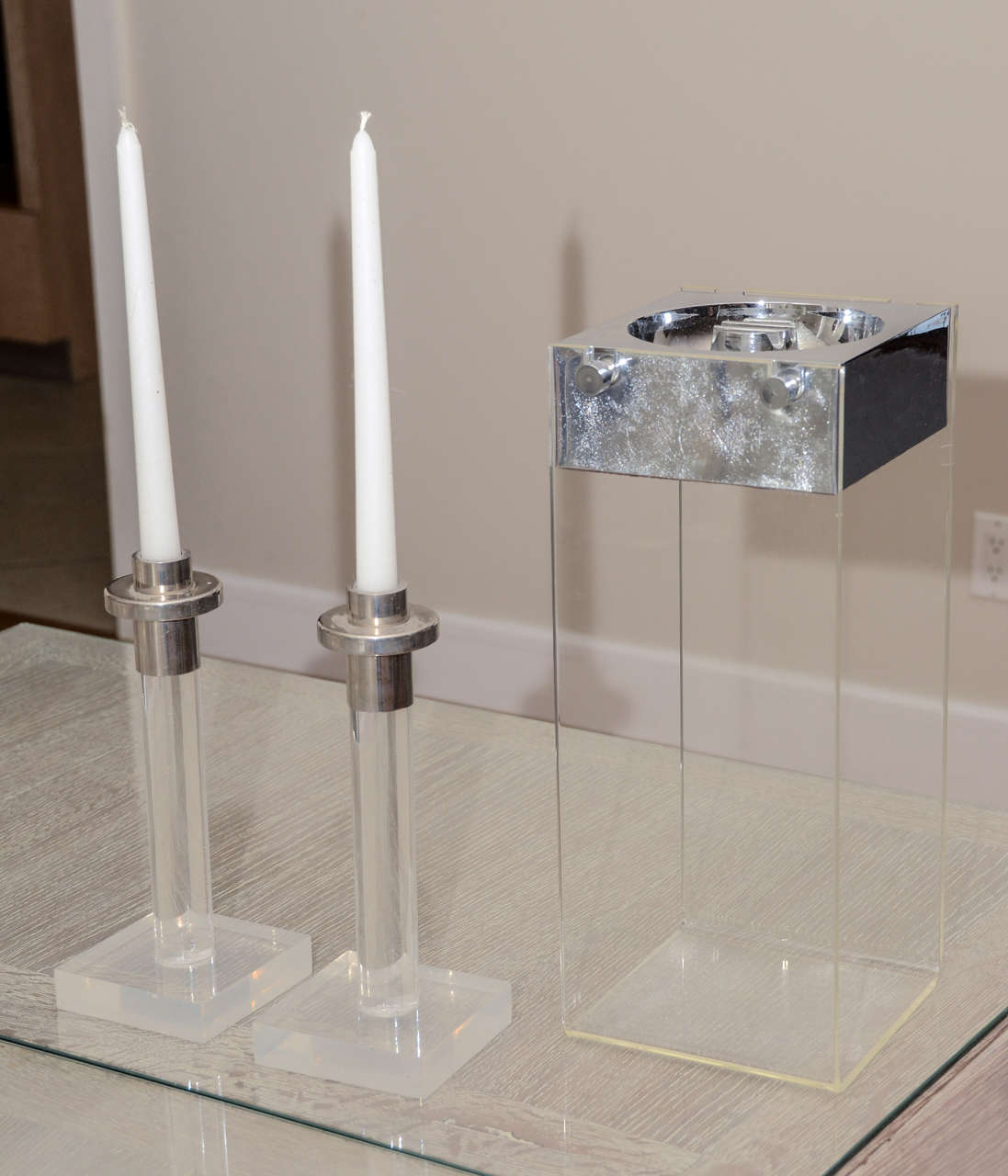
Lucite Standing Ashtray & Pair of Candlesticks
Located in Southampton, NY
Standing ashtray with removable metal tray on lucite frame. Also pair of lucite/metal
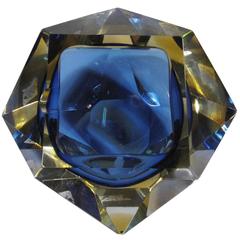
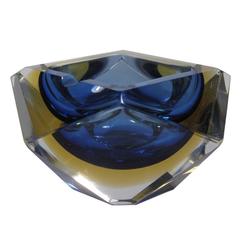
Stunning Murano Ashtray Bowl by Mandruzzato
By Alessandro Mandruzzato
Located in New York, NY
A multifaceted Sommerso Murano bowl/ashtray by Mandruzzato. Layers of blue and yellow are encased


Set of Four Fratelli Toso Ashtrays
By Fratelli Toso
Located in Barcelona, ES
Set of four ashtrays with different forms by Fratelli Toso, Murano, Italy, 1950s. Handblown glass
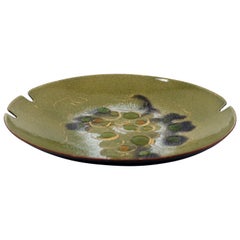
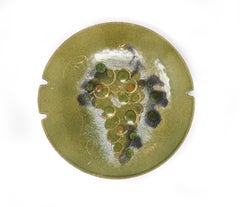
Midcentury Sascha Brastoff Enamel on Copper Ashtray
By Sascha Brastoff
Located in Brooklyn, NY
A fantastic example of California artist Sascha Brastoff’s Mid-Century Modern enamel on copper work
Copper, Enamel
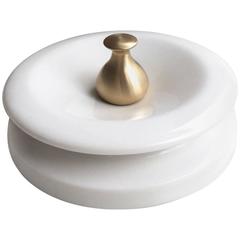
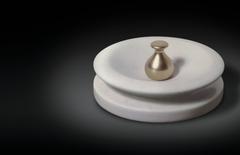
Pestello Ashtray by Corrado Corradi Dell’Acqua
By Corrado Corradi Dell'acqua
Located in Munich, Bavaria
Carrara marble ashtray with solid brass pestle. Re-edition of this beautiful ashtray where the
Marble, Brass
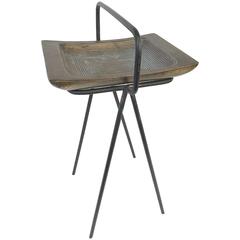
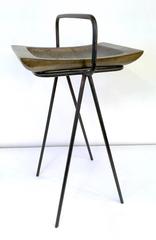
Smoking Stand and Ashtray by Ben Siebel
By Ben Seibel
Located in New York, NY
A striking modernist smoking stand by artist Ben Seibel. A sculptural ashtray of composite metals
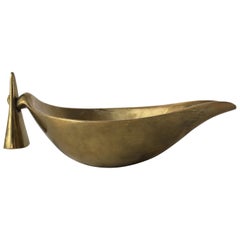
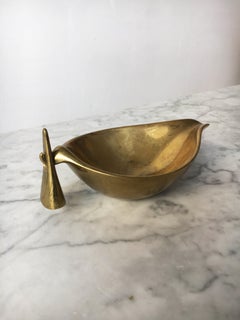
Carl Auböck Ashtray and Snuffer, Austria, 1950s
By Werkstätte Carl Auböck
Located in Vienna, Vienna
A vintage ashtray with a snuffer, no. 3515. Designed 1947 by Carl Auböck. Very good vintage
Brass
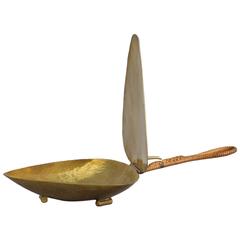
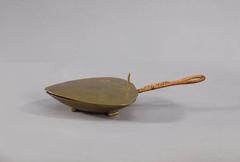
Charming Ashtray with Woven Grip, Vienna, 1950
Located in Vienna, Vienna
Ashtray, Vienna, 1950. Woven grip, hammered brass.
Brass
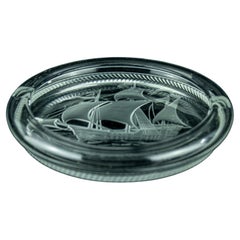
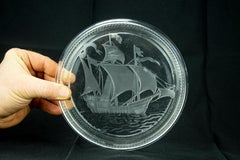
Lalique Crystal Cigar Ashtray Motif of Boat
By René Lalique
Located in Schaerbeek, BE
This Lalique cigar ashtray is not only a luxurious and functional accessory but also a collectible
Crystal
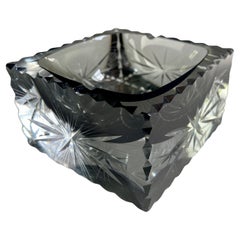
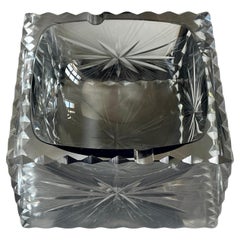
1960s vintage smocked gray cut crystal ashtray.
Located in Caprino Veronese, VR
1960s vintage smocked gray cut crystal ashtray with beautiful detail, zoom on photos. Square base
Crystal
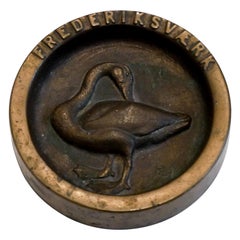
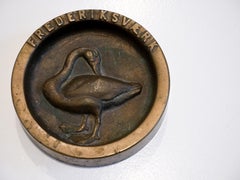
Ashtray / Jewelry Bowl "Fredriksværk" Bronze, Denmark, 1950s
Located in Helsingborg, Skåne
Ashtray "Fredriksværk" bronze, Denmark, 1950s Signed HL. Free shipping.
Bronze
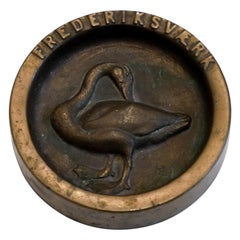
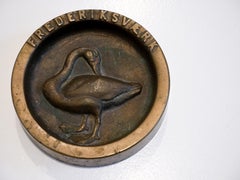
Ashtray / Jewelry Bowl "Fredriksværk" Bronze Denmark, 1950s
Located in Helsingborg, Skåne
Ashtray " Fredriksværk " bronze, Denmark, 1950s Signed HL. Free shipping.
Bronze
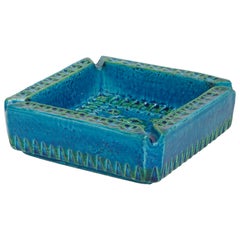
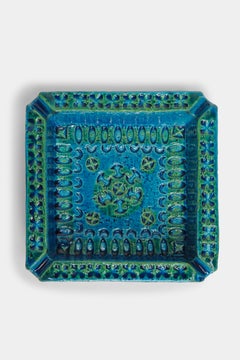
Rimini Blu Aldo Londi Bitossi Ashtray, 1970s
By Aldo Londi, Bitossi
Located in Basel, CH
Beautiful blue and green coloured ashtray from the production series Rimini Blu by Aldo Londi. The
Ceramic
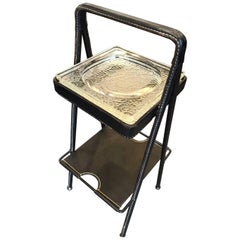
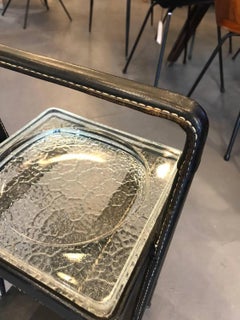
Beautiful Mathieu Mategot Leather Ashtray, circa 1960
By Mathieu Matégot
Located in Megeve, FR
Beautiful Mathieu Mategot leather ashtray, circa 1960. Measure: Upper top size 21cm x 24cm lower
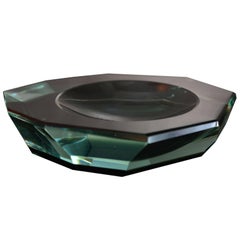
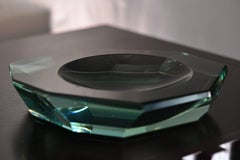
Glass Ashtray by Fontana Arte, Italy, 1950s
By Fontana Arte
Located in Roma, IT
Ashtray realized by the Italian manufacturer Fontana Arte in the 1950s. The design is attributed to
Glass
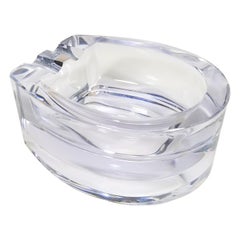
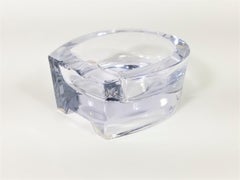
French Crystal Horseshoe Shaped Ashtray Made in France
Located in New York, NY
1970s 1980s French Crystal Ashtray in the design of a Horseshoe. Heavy Sturdy Weight. Still Retains
Crystal
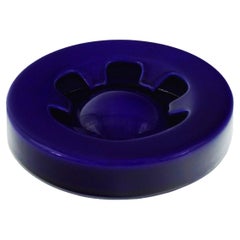
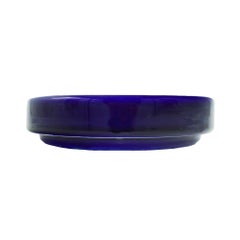
Blue Ceramic Ashtray - Angelo Mangiarotti for Fratelli Brambilla
By Angelo Mangiarotti
Located in PARIS, FR
Ceramic ashtray glazed indigo blue with two parts that fit into each other.
Ceramic
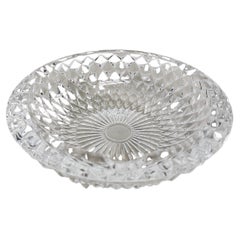
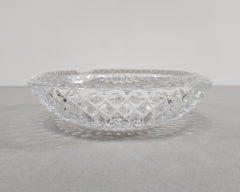
Vintage Round Studded Glass Ashtray Catchall Dish 60s
Located in Hawthorne, CA
Vintage crystal ashtray circa 1960 with studded design that cascades down exterior. Three cigar
Crystal
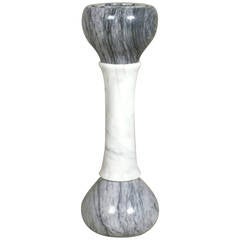
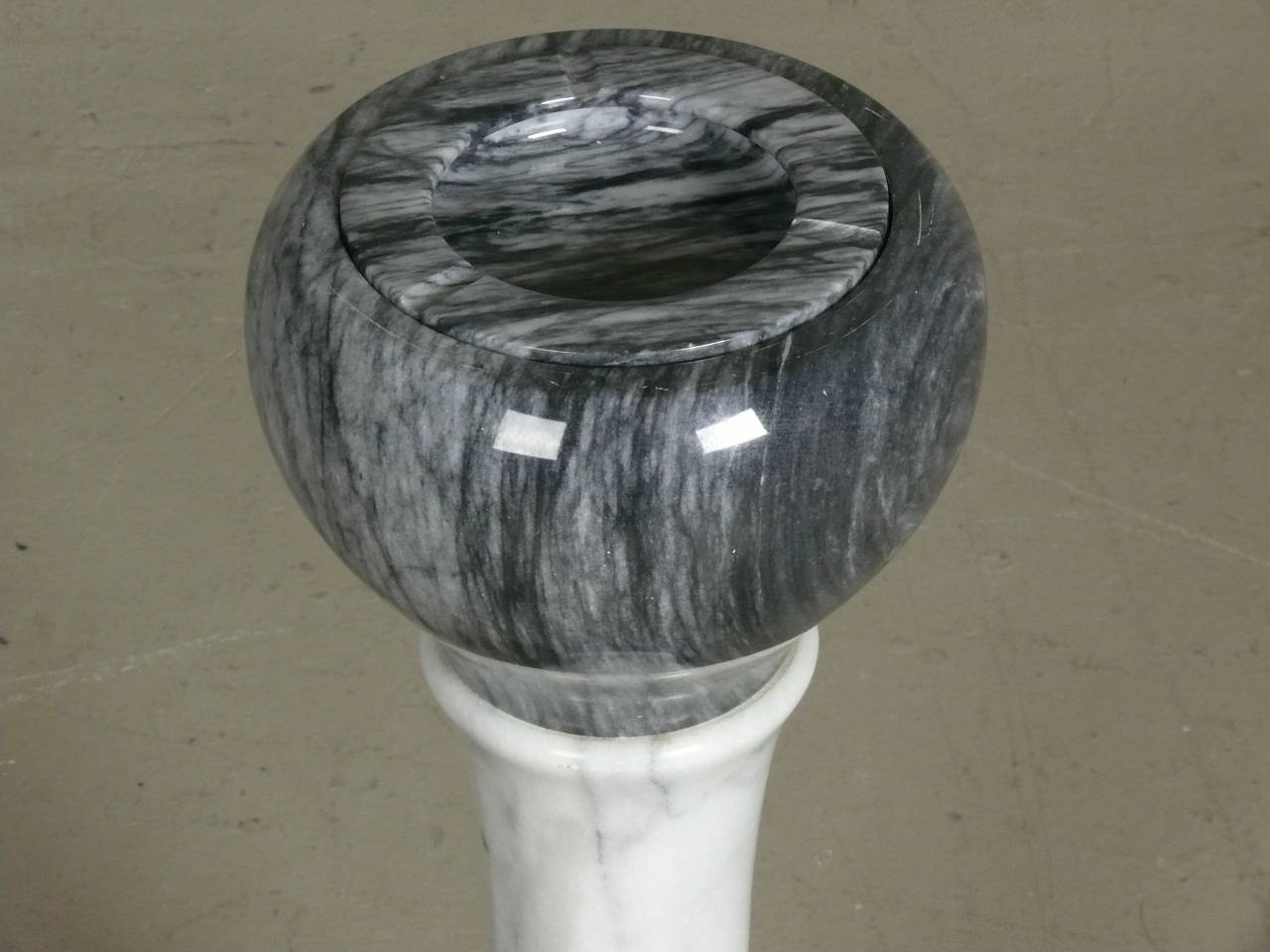
Marble Ashtray Stand by Angelo Mangiarotti for Knoll
By Angelo Mangiarotti
Located in Atlanta, GA
Rare c.1968 sculptural marble ashtray stand with removable ashtray (then could be used as a plant
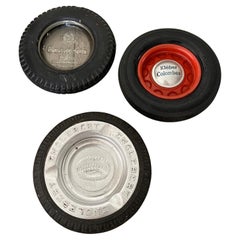
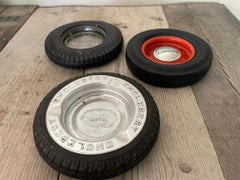
Set of 3 tyre ashtrays by Goodrich, Kleber and Englebert
Located in Nivelles, BE
This is a set of three Goodrich, Kleber and Englebert tyre ashtrays. These ashtrays were given to
Glass, Rubber
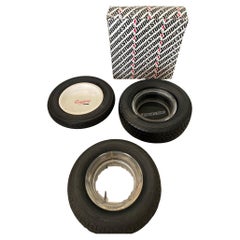
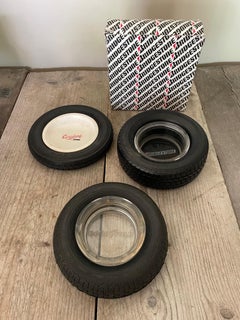
Set of 3 Googyear, Bridgestone and Carideng tyre ashtrays
Located in Nivelles, BE
This set of three ashtrays features the brands Goodyear, Bridgestone and Cariden. These promotional
Glass, Rubber
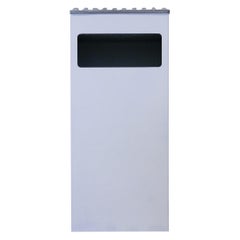
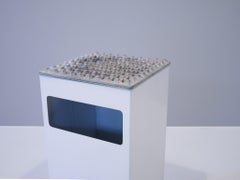
Beck & Jung Model Ultima 30 Ashtray / Waste Bin
By Beck & Jung
Located in Helsingborg, Skåne
Beck and Jung ashtray / waste bin Ultima 30 designed by Holger Bäckström & Bo Ljungberg, Sweden
Aluminum
$1,883 / set
H 21.66 in W 24.02 in D 35.83 in
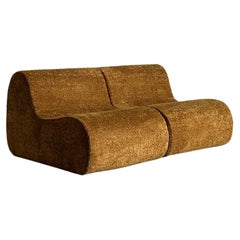
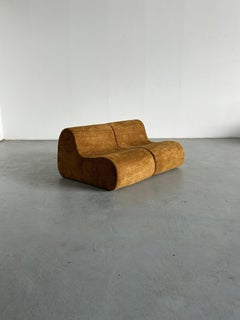
Pair of Italian Mid-Century-Modern Lounge Chairs in Ochre Boucle, 1970s Italy
Located in Zagreb, HR
Pair of Vintage Italian Mid-Century Modern lounge chairs or club chairs. Modules can be used as a modular sofa or modular seating set. Beautiful and unique shape. A 1970 design and p...
Bouclé, Foam, Wood
$912 / item
H 11.03 in W 5.91 in D 33.86 in
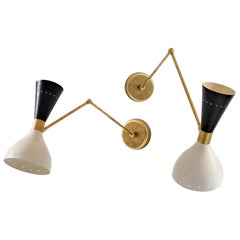
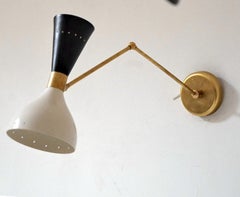
Pair of Articulated Sconce Mid-Century Modern Solid Brass Black and White
By Stilnovo, Arredoluce, Gino Sarfatti
Located in Tavarnelle val di Pesa, Florence
This exquisite sconce is a nod to the timeless pieces crafted by mid-century modern Italian studios Arteluce and Stilnovo in the 1950s, but with a unique and distinctive design that ...
Metal, Aluminum, Brass
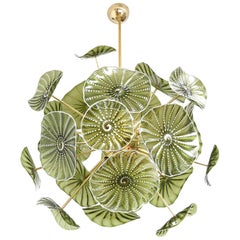
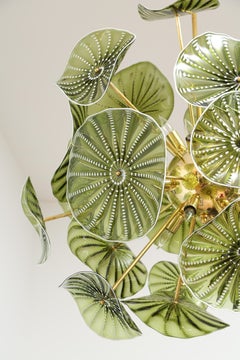
Murano Hand Blown Chartreuse Green Glass Chandelier, in stock
Located in Miami, FL
Murano hand blown studio glass chandelier, in stock All different shaped chartreuse green discs with white details, rigadin technique Brass plated structure with 24 exposed brass reg...
Brass
$1,650 / item
H 16.1 in Dm 11.5 in
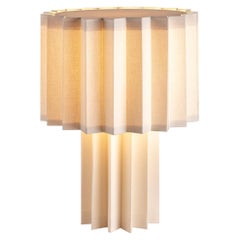
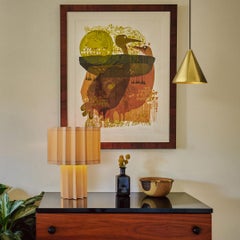
'Plissé White Edition' Pleated Textile Table Lamp by Folkform for Örsjö
By Örsjö Industri AB
Located in Glendale, CA
'Plissé White Edition' pleated textile table lamp by Folkform for Örsjö. This unique table lamp was awarded “Lighting of the Year 2022” by Residence Magazine Sweden, who called it “...
Textile
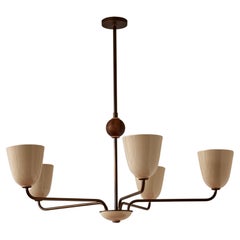
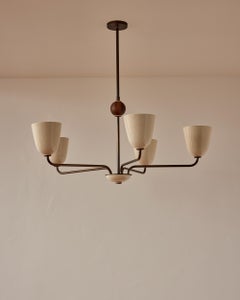
Glossy Cream Ceramic Chandelier in Antique Brass 5-Arm 42.5" DIA
By Lostine
Located in Philadelphia, PA
Five antique brass patina arms curve up from a ceramic cluster dish to five tall stoneware ceramic shades in a glossy glaze with a subtle off-white hue. With a fixed black walnut orb...
Brass
$6,238 / set
H 24.01 in Dm 13.78 in
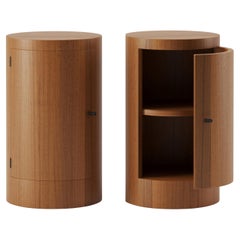
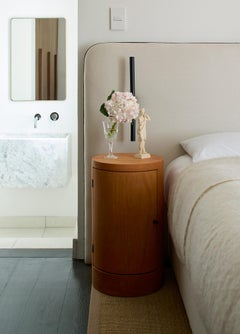
Pair of Constant Night Stands in Iroko Wood by Master Studio for Lemon
By Lemon
Located in Amsterdam, NL
Neatly proportioned with exceptional detailing, the constant nightstand is your perfect bedside partner. In our furniture making, the IDEA is to create special pieces that you can bu...
Hardwood
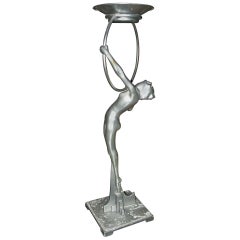
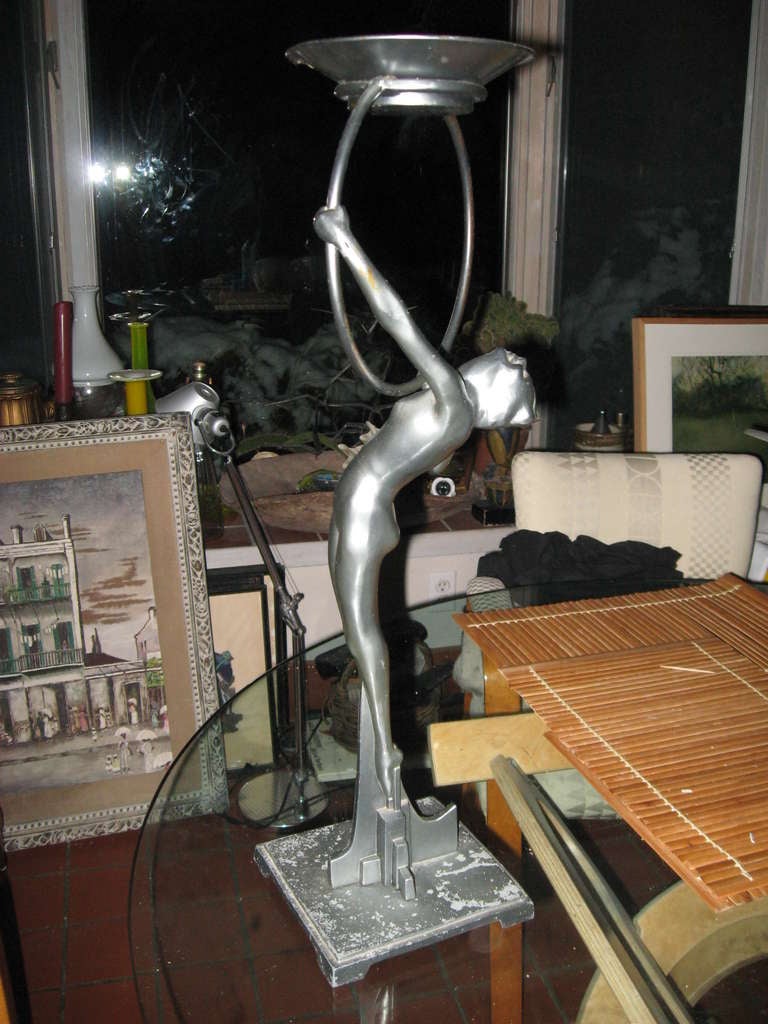
Art Deco Frankart Ash Tray
Located in Water Mill, NY
Art Deco Frankart ash tray or plant holder. Signed. Very good. Unrestored condition.
Metal
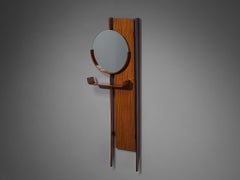
$4,950
H 69.69 in W 24.22 in D 5.91 in
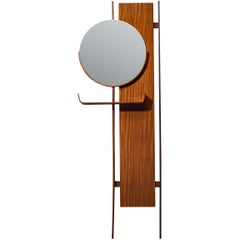
Italian Mid-Century Modern Wall-Mounted Mirror with Shelf in Teak
Located in Waalwijk, NL
Wall-mounted mirror with shelf, teak, mirrored glass, Italy, 1950s An exemplar of mid-century modern design, this sleek, wall-mounted mirror epitomizes finesse and the inimitable ch...
Mirror, Teak
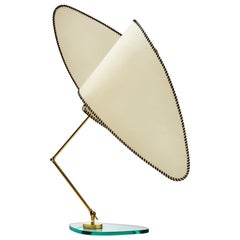
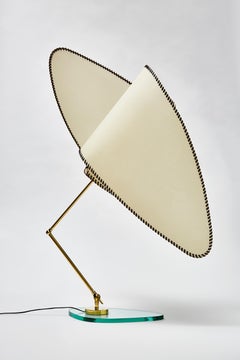
$7,604 / item
H 39.38 in W 9.85 in D 31.5 in
Parchment, Brass and Glass Table Lamp by Diego Mardegan for Glustin Luminaires
By Diego Mardegan
Located in Saint-Ouen, IDF
Ventola table lamp by the artist Diego Mardegan exclusively for Glustin Luminaires. Beautiful two ways shade made of a brass structure, parchemin paper and waxed fabric hold by an...
Brass
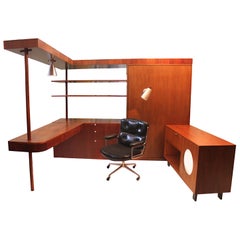
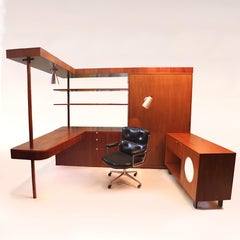
$14,000Sale Price|60% Off
H 79.5 in W 84 in D 108.5 in
Vintage 1949 Mid-Century Modern Custom L-Shaped Office Desk by George Nelson
By Herman Miller, George Nelson
Located in Lafayette, IN
This remarkable piece is a one-off desk/wardrobe/bar/bookcase/storage cabinet custom-designed by George Nelson in 1949 to match his Basic Cabinet Series (BCS) for Herman Miller. The ...
Aluminum
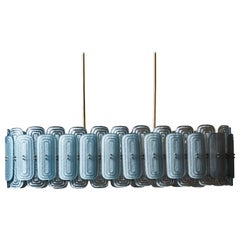
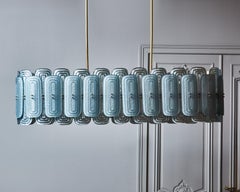
Teal Murano Glass Long Chandelier
Located in Saint-Ouen, IDF
Horizontal brass chandelier covered with layers of grooved teal Murano glass panels.
Brass
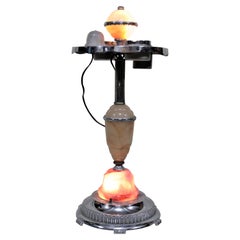
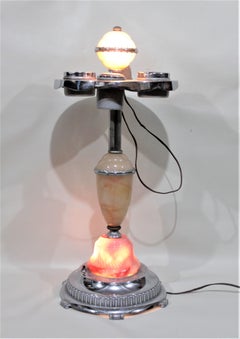
Art Deco Chrome Lighted Smoker's Stand or Ashtray with Electric Lighter
Located in Hamilton, Ontario
This Art Deco styled lighted smoker's stand is unsigned but presumed to have been made in the United States in the 1950s. The stand features a light at the top and base made of swirl...
Metal
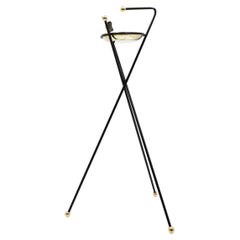
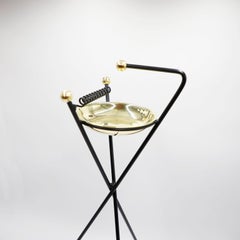
Atomic Age Ashtray on Foot
Located in Mexico City, CDMX
We offer this rare Atomic age ashtray on foot made of steel and brass accents, circa 1960.
Steel
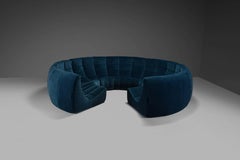
$22,953
H 27.56 in Dm 118.12 in
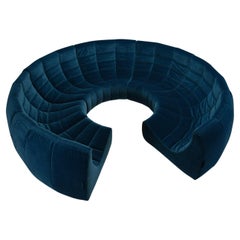
Rare and Exceptional 'Gilda' Circle Sofa in Velvet by Michel Ducaroy, 1972
By Ligne Roset, Michel Ducaroy
Located in Echt, NL
Very rare extra large 'Gilda' circle sofa in excellent condition. Designed by Michel Ducaroy in 1972. The sofa is manufactured by 'Roset' the company name of Ligne Roset prior to 1...
Metal
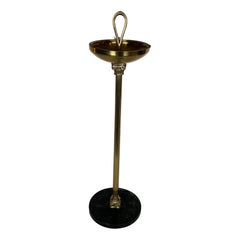
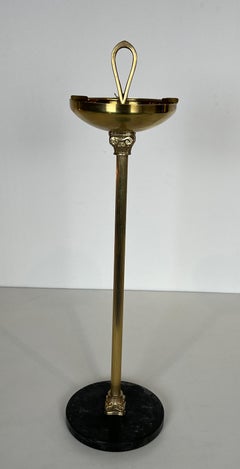
$2,059
H 25.4 in W 6.5 in D 6.5 in
Neoclassical Style Bronze and Brass Ashtray on a Circular Black Marble Base
By Maison Jansen
Located in Marcq-en-Barœul, Hauts-de-France
This nice neoclassical style ashtray is made of bronze and brass on a circular black marble base. This is a French work in the style of Maison Jansen. Circa 1940
Marble, Brass, Bronze
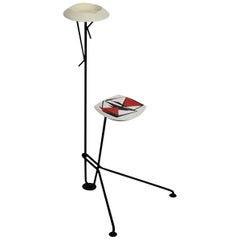
$10,005
H 25.2 in W 13 in D 12.6 in
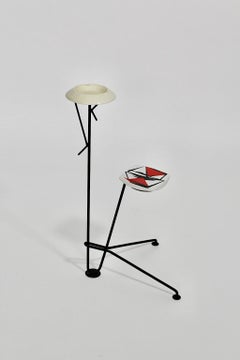
Mid-Century Modern Metal Ceramic Standing Ashtray Michel Buffet Attributed
By Michel Buffet
Located in Vienna, AT
Mid-Century Modern vintage metal ceramic standing ashtray, which was designed by Michel Buffet attributed, 1950s, France. This ashtray captivates through its minimalistic language o...
Metal
Organically shaped, clean-lined and elegantly simple are three terms that well describe vintage mid-century modern furniture. The style, which emerged primarily in the years following World War II, is characterized by pieces that were conceived and made in an energetic, optimistic spirit by creators who believed that good design was an essential part of good living.
ORIGINS OF MID-CENTURY MODERN FURNITURE DESIGN
CHARACTERISTICS OF MID-CENTURY MODERN FURNITURE DESIGN
MID-CENTURY MODERN FURNITURE DESIGNERS TO KNOW
ICONIC MID-CENTURY MODERN FURNITURE DESIGNS
VINTAGE MID-CENTURY MODERN FURNITURE ON 1STDIBS
The mid-century modern era saw leagues of postwar American architects and designers animated by new ideas and new technology. The lean, functionalist International-style architecture of Le Corbusier and Bauhaus eminences Ludwig Mies van der Rohe and Walter Gropius had been promoted in the United States during the 1930s by Philip Johnson and others. New building techniques, such as “post-and-beam” construction, allowed the International-style schemes to be realized on a small scale in open-plan houses with long walls of glass.
Materials developed for wartime use became available for domestic goods and were incorporated into mid-century modern furniture designs. Charles and Ray Eames and Eero Saarinen, who had experimented extensively with molded plywood, eagerly embraced fiberglass for pieces such as the La Chaise and the Womb chair, respectively.
Architect, writer and designer George Nelson created with his team shades for the Bubble lamp using a new translucent polymer skin and, as design director at Herman Miller, recruited the Eameses, Alexander Girard and others for projects at the legendary Michigan furniture manufacturer.
Harry Bertoia and Isamu Noguchi devised chairs and tables built of wire mesh and wire struts. Materials were repurposed too: The Danish-born designer Jens Risom created a line of chairs using surplus parachute straps for webbed seats and backrests.
The Risom lounge chair was among the first pieces of furniture commissioned and produced by celebrated manufacturer Knoll, a chief influencer in the rise of modern design in the United States, thanks to the work of Florence Knoll, the pioneering architect and designer who made the firm a leader in its field. The seating that Knoll created for office spaces — as well as pieces designed by Florence initially for commercial clients — soon became desirable for the home.
As the demand for casual, uncluttered furnishings grew, more mid-century furniture designers caught the spirit.
Classically oriented creators such as Edward Wormley, house designer for Dunbar Inc., offered such pieces as the sinuous Listen to Me chaise; the British expatriate T.H. Robsjohn-Gibbings switched gears, creating items such as the tiered, biomorphic Mesa table. There were Young Turks such as Paul McCobb, who designed holistic groups of sleek, blond wood furniture, and Milo Baughman, who espoused a West Coast aesthetic in minimalist teak dining tables and lushly upholstered chairs and sofas with angular steel frames.
Generations turn over, and mid-century modern remains arguably the most popular style going. As the collection of vintage mid-century modern chairs, dressers, coffee tables and other furniture for the living room, dining room, bedroom and elsewhere on 1stDibs demonstrates, this period saw one of the most delightful and dramatic flowerings of creativity in design history.
Your dining room table is a place where stories are shared and personalities shine — why not treat yourself and your guests to the finest antique and vintage glass, silver, ceramics and serveware for your meals?
Just like the people who sit around your table, your serveware has its own stories and will help you create new memories with your friends and loved ones. From ceramic pottery to glass vases, set your table with serving pieces that add even more personality, color and texture to your dining experience.
Invite serveware from around the world to join your table settings. For special occasions, dress up your plates with a striking Imari charger from 19th-century Japan or incorporate Richard Ginori’s Italian porcelain plates into your dining experience. Celebrate the English ritual of afternoon tea with a Japanese tea set and an antique Victorian kettle. No matter how big or small your dining area is, there is room for the stories of many cultures and varied histories, and there are plenty of ways to add pizzazz to your meals.
Add different textures and colors to your table with dinner plates and pitchers of ceramic and silver or a porcelain lidded tureen, a serving dish with side handles that is often used for soups. Although porcelain and ceramic are both made in a kiln, porcelain is made with more refined clay and is more durable than ceramic because it is denser. The latter is ideal for statement pieces — your tall mid-century modern ceramic vase is a guaranteed conversation starter. And while your earthenware or stoneware is maybe better suited to everyday lunches as opposed to the fine bone china you’ve reserved for a holiday meal, handcrafted studio pottery coffee mugs can still be a rich expression of your personal style.
“My motto is ‘Have fun with it,’” says author and celebrated hostess Stephanie Booth Shafran. “It’s yin and yang, high and low, Crate & Barrel with Christofle silver. I like to mix it up — sometimes in the dining room, sometimes on the kitchen banquette, sometimes in the loggia. It transports your guests and makes them feel more comfortable and relaxed.”
Introduce elegance at supper with silver, such as a platter from celebrated Massachusetts silversmith manufacturer Reed and Barton or a regal copper-finish flatware set designed by International Silver Company, another New England company that was incorporated in Meriden, Connecticut, in 1898. By then, Meriden had already earned the nickname “Silver City” for its position as a major hub of silver manufacturing.
At the bar, try a vintage wine cooler to keep bottles cool before serving or an Art Deco decanter and whiskey set for after-dinner drinks — there are many possibilities and no wrong answers for tableware, barware and serveware. Explore an expansive collection of antique and vintage glass, ceramics, silver and serveware today on 1stDibs.
Smoking might have fallen out of fashion, but these ashtrays have enduring design appeal.
The Finnish talent created nature-inspired pieces, from furniture to jewelry, with phenomenal staying power.