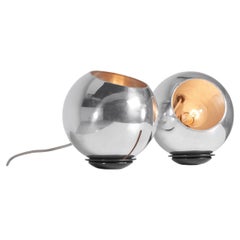
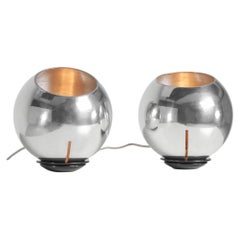
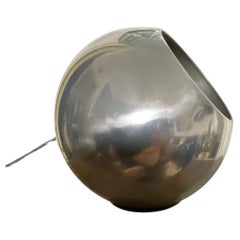
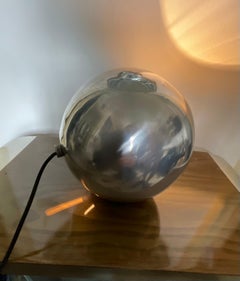
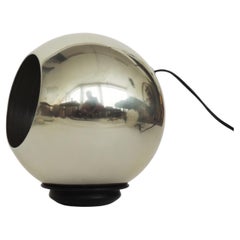
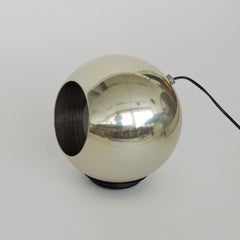
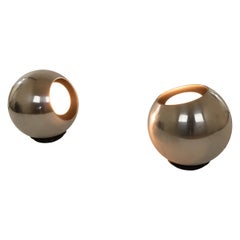
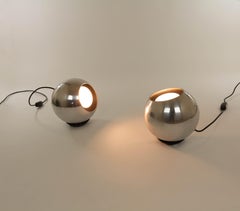
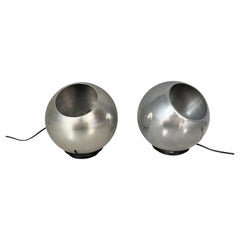
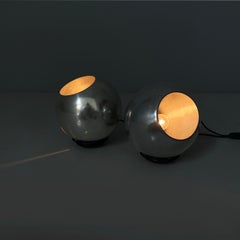
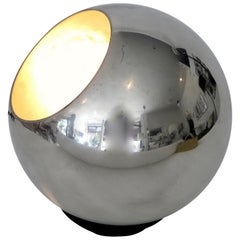
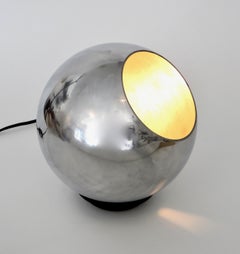
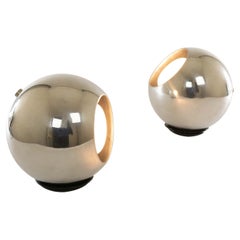
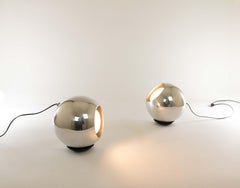
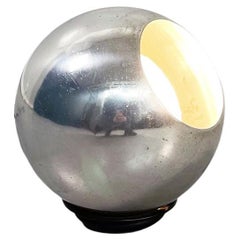
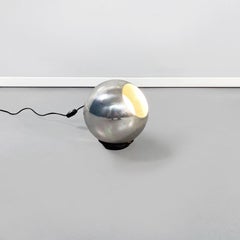
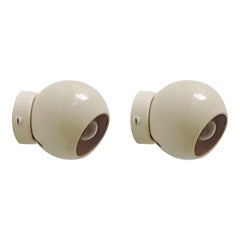
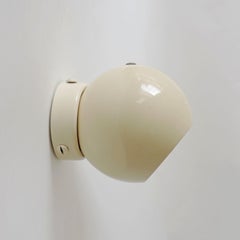
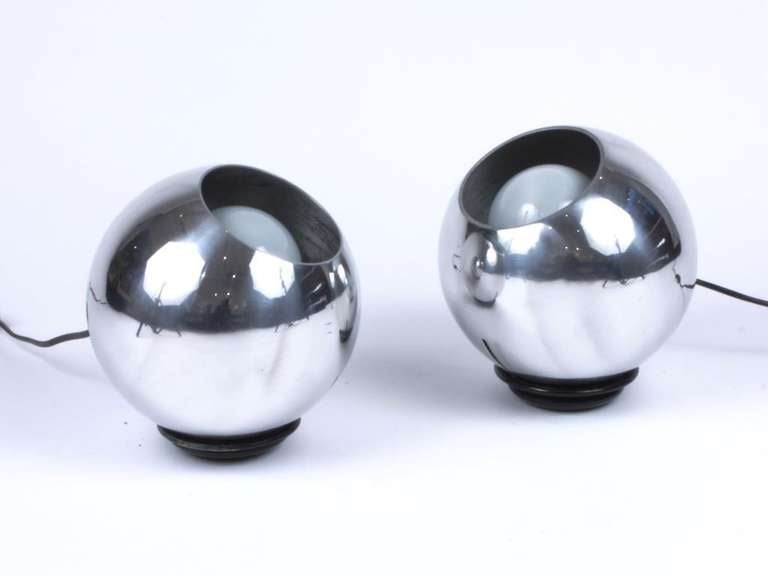
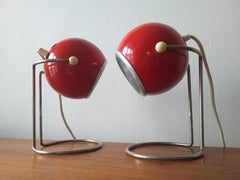
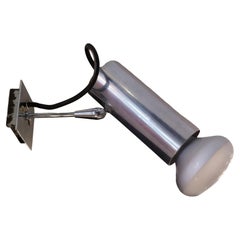
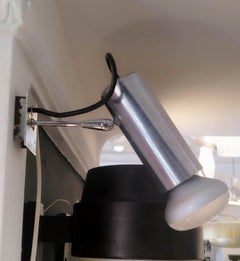
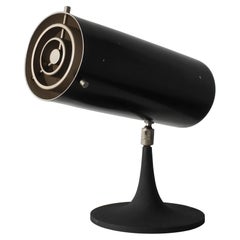
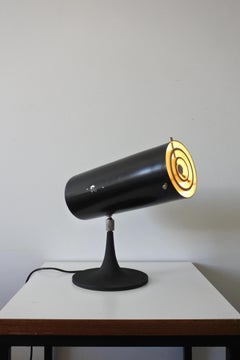
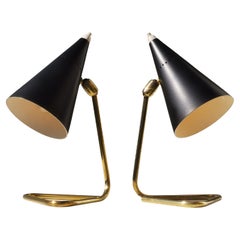
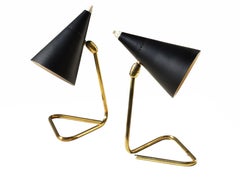
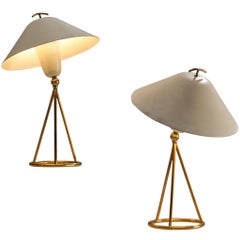
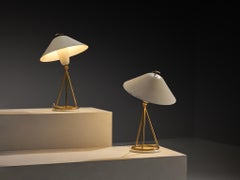
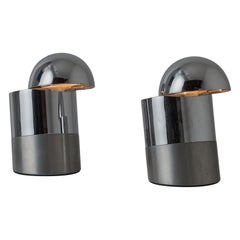
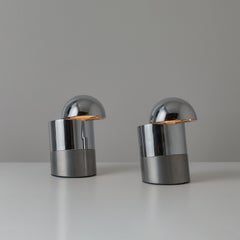
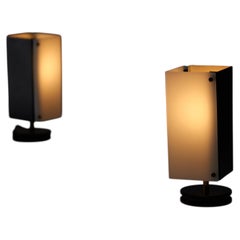
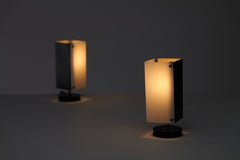
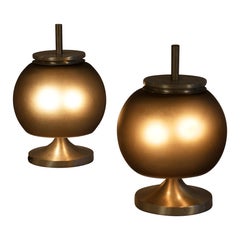
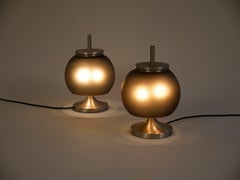
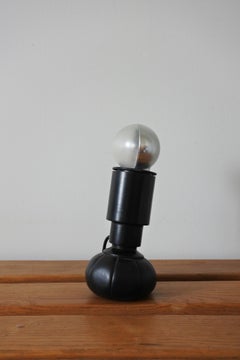
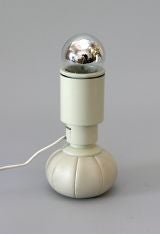
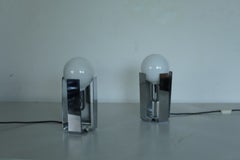
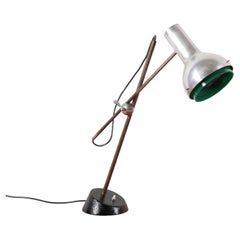
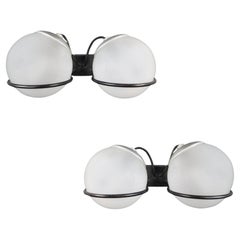
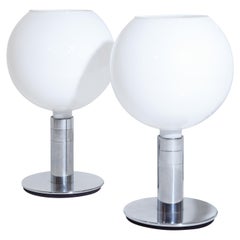
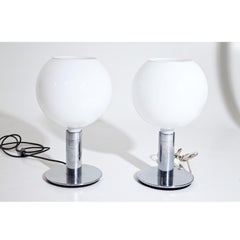
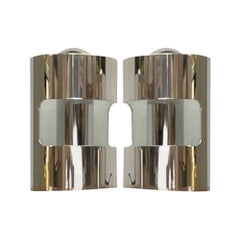
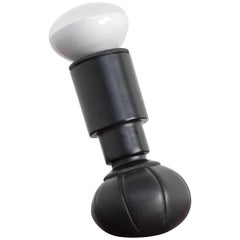
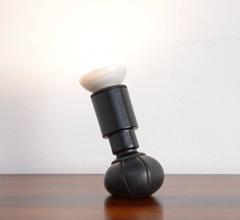
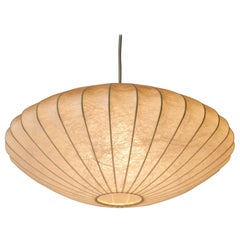
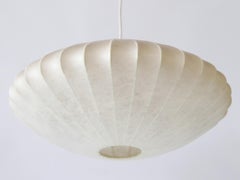
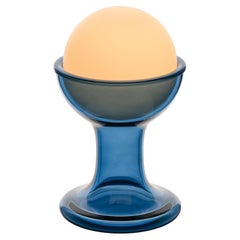
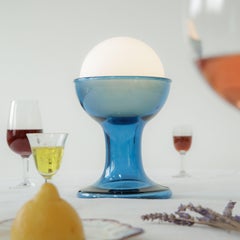
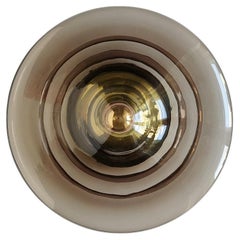
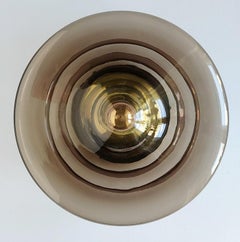
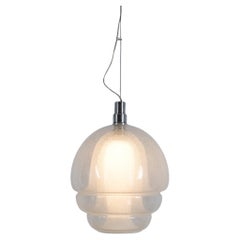
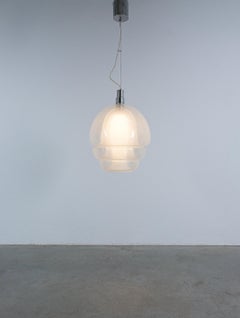
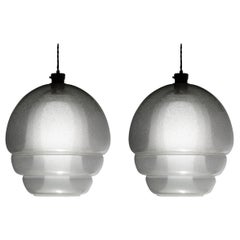
That a spiky, futuristic chandelier named “Sputnik,” which was highly suggestive of the Soviet satellite of the same name, designed by an Italian engineer could predate the space age and the satellite’s launch by a few decades is the stuff of legend. But in 1939, Venetian-born Gino Sarfatti channeled his obsession with light and expert engineering skills into a design so bold it predicted the future. He would go on to design around 700 lighting products in his lifetime — each table lamp, wall light, pendant and chandelier superb and unorthodox in shape.
Sarfatti’s singular focus on creating opulent lighting designs that were rational in their use of resources makes him one of the most innovative lighting designers in history. He was studying to be an aeronautical engineer at the University of Genoa when his family’s financial troubles led him to drop out and move to Milan to help. During this time, he built a lamp for a friend using a coffee machine’s electric components and a glass vase. This exercise sparked his fascination with lighting, and he went on to found Arteluce in 1939. What followed was a period of working with skilled artisans and tinkering with materials instead of sketching. The self-taught designer soon established himself as a creator of provocative, sculptural luxury lighting. Through the company, he collaborated with some of the 20th century’s most influential designers, such as Vittoriano Viganò, who worked on Arteluce lighting between 1946 and 1960. In the 1950s and ’70s, Franco Albini, Franca Helg, Ico Parisi and Massimo Vignelli all contributed designs.
Sarfatti used resources mindfully and injected functionality into everything he designed. His light fixtures were lightweight, easy to take apart and reassemble and could be affordably repaired. This marriage of utilitarianism and glamour lent Sarfatti’s designs a clean, minimal yet arresting splendor, based on their graphical forms and construction.
After World War II, Sarfatti embraced new wiring technologies and materials like plexiglass, such as his 1972 project with Carlo Mollino that filled the Teatro Regio in Turin with hundreds of plexiglass pipes. In 1973, Sarfatti sold Arteluce to FLOS. His foresight, invention and fearlessness as a designer are revered to this day.
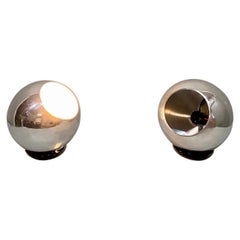
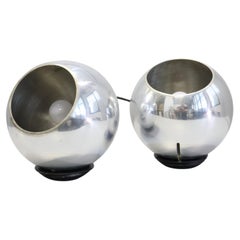
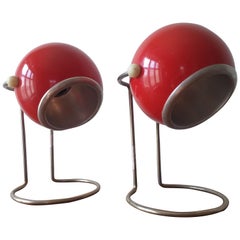
Find a collection of vintage Gino Sarfatti lighting now on 1stDibs.
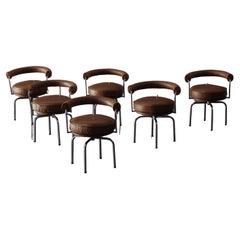
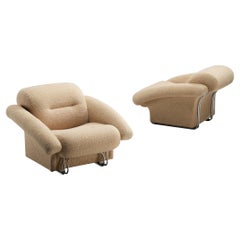
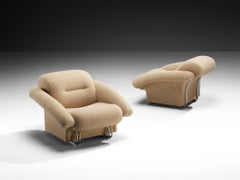
Organically shaped, clean-lined and elegantly simple are three terms that well describe vintage mid-century modern furniture. The style, which emerged primarily in the years following World War II, is characterized by pieces that were conceived and made in an energetic, optimistic spirit by creators who believed that good design was an essential part of good living.
ORIGINS OF MID-CENTURY MODERN FURNITURE DESIGN
CHARACTERISTICS OF MID-CENTURY MODERN FURNITURE DESIGN
MID-CENTURY MODERN FURNITURE DESIGNERS TO KNOW
ICONIC MID-CENTURY MODERN FURNITURE DESIGNS
VINTAGE MID-CENTURY MODERN FURNITURE ON 1STDIBS
The mid-century modern era saw leagues of postwar American architects and designers animated by new ideas and new technology. The lean, functionalist International-style architecture of Le Corbusier and Bauhaus eminences Ludwig Mies van der Rohe and Walter Gropius had been promoted in the United States during the 1930s by Philip Johnson and others. New building techniques, such as “post-and-beam” construction, allowed the International-style schemes to be realized on a small scale in open-plan houses with long walls of glass.
Materials developed for wartime use became available for domestic goods and were incorporated into mid-century modern furniture designs. Charles and Ray Eames and Eero Saarinen, who had experimented extensively with molded plywood, eagerly embraced fiberglass for pieces such as the La Chaise and the Womb chair, respectively.
Architect, writer and designer George Nelson created with his team shades for the Bubble lamp using a new translucent polymer skin and, as design director at Herman Miller, recruited the Eameses, Alexander Girard and others for projects at the legendary Michigan furniture manufacturer.
Harry Bertoia and Isamu Noguchi devised chairs and tables built of wire mesh and wire struts. Materials were repurposed too: The Danish-born designer Jens Risom created a line of chairs using surplus parachute straps for webbed seats and backrests.
The Risom lounge chair was among the first pieces of furniture commissioned and produced by celebrated manufacturer Knoll, a chief influencer in the rise of modern design in the United States, thanks to the work of Florence Knoll, the pioneering architect and designer who made the firm a leader in its field. The seating that Knoll created for office spaces — as well as pieces designed by Florence initially for commercial clients — soon became desirable for the home.
As the demand for casual, uncluttered furnishings grew, more mid-century furniture designers caught the spirit.
Classically oriented creators such as Edward Wormley, house designer for Dunbar Inc., offered such pieces as the sinuous Listen to Me chaise; the British expatriate T.H. Robsjohn-Gibbings switched gears, creating items such as the tiered, biomorphic Mesa table. There were Young Turks such as Paul McCobb, who designed holistic groups of sleek, blond wood furniture, and Milo Baughman, who espoused a West Coast aesthetic in minimalist teak dining tables and lushly upholstered chairs and sofas with angular steel frames.
Generations turn over, and mid-century modern remains arguably the most popular style going. As the collection of vintage mid-century modern chairs, dressers, coffee tables and other furniture for the living room, dining room, bedroom and elsewhere on 1stDibs demonstrates, this period saw one of the most delightful and dramatic flowerings of creativity in design history.
Antique table lamps became a category of their own once electricity moved light off the wall and onto furniture. The form split quickly: task-driven designs like the Anglepoise on one side, decorative ceramic and glass on the other.
Styles to Know
Base material shapes the light as much as the shade does: ceramic and glass diffuse a softer glow, while brass and metal read more directional. Layer the look with a mid-century modern floor lamp for ambient light, or set a pair on a mid-century modern nightstand for a bedroom.
How to Choose the Right Vintage Table Lamp
Buying individually rather than as a pair allows more flexibility when mixing eras across a room. For those shopping by name rather than by shape, the history of the Anglepoise lamp is worth a read. Each piece comes from a vetted 1stDibs seller, with era, designer and condition detailed, and the 1stDibs Promise stands behind every purchase.