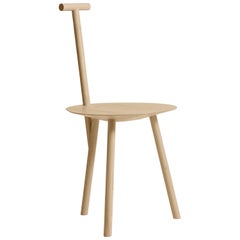
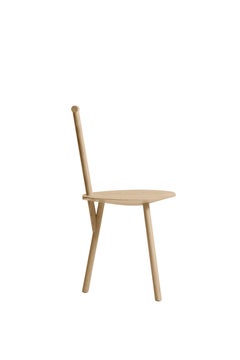
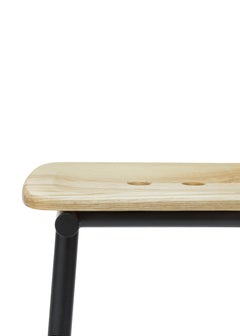
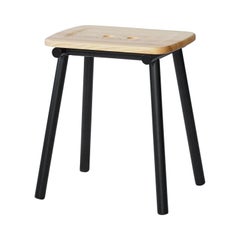
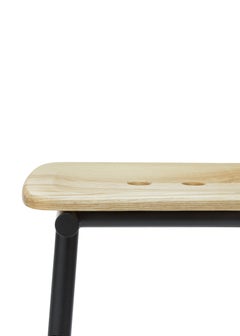
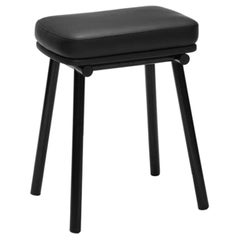
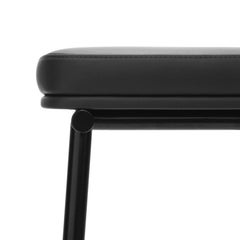
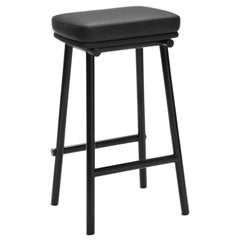
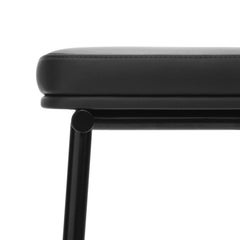
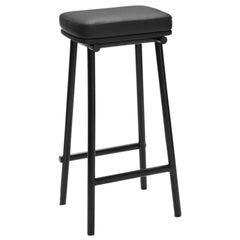
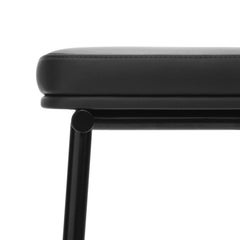
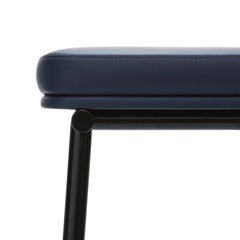
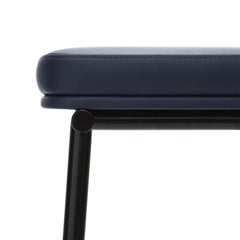
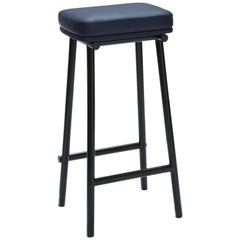
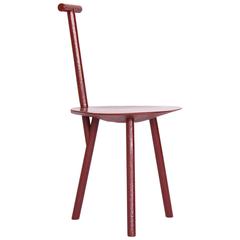
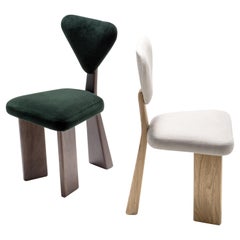
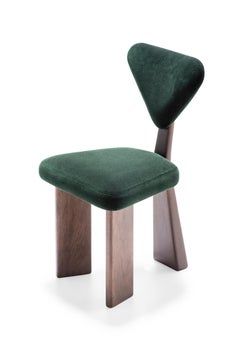
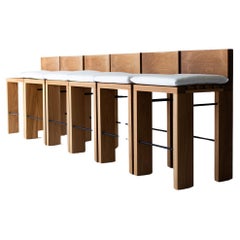
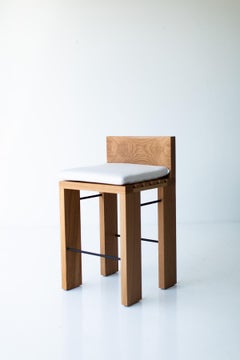
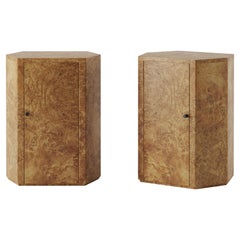
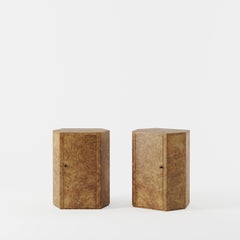
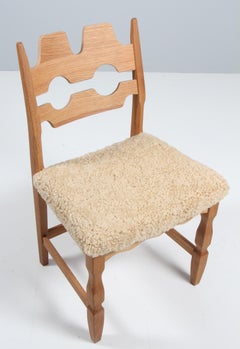
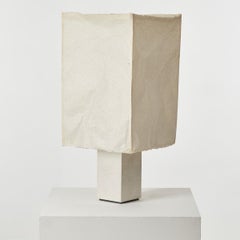
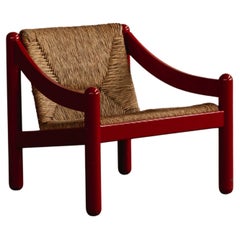
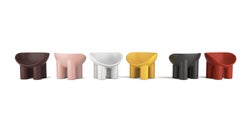
With a vast inventory of beautiful furniture at 1stDibs, we’ve got just the toogood spade chair you’re looking for. Frequently made of
metal,
steel and
wood, every toogood spade chair was constructed with great care. When you’re browsing for the right toogood spade chair, those designed in
modern styles are of considerable interest.
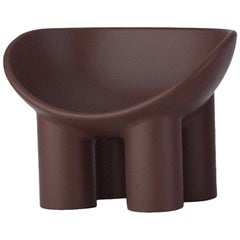
Faye Toogood’s name is practically synonymous with her Roly Poly chair. With its chubby legs and bowl-like seat, the now-iconic piece epitomized the trend toward chunky forms that defined avant-garde furniture design in the 2010s. But the visionary British artist’s contributions go far beyond the chair and its similarly robust companion pieces, in disciplines ranging from textiles and ceramics to fashion and home interiors.
“I design holistically, with an overall vision across fashion, furniture and interiors,” she tells 1stDibs. “Furniture is something I return to over and over again and is a very strong part of this vision. I am interested in humans and the way they live — the spaces they inhabit, the clothes they wear, the objects they surround themselves with.”
After a childhood spent running free in the English countryside with nature as her playground, Toogood studied art history at Bristol University rather than attend art school. Her design approach is underpinned by contrast and understandably informed by art history, particularly the mid-20th-century modernism of such British artists as Barbara Hepworth and Alfred Wallis. “For me, it is about playing around with references and our associations, be that with materials or the precious and the raw, the masculine and the feminine,” she explains. “I’m able to use those contrasts to create friction.”
Toogood has exhibited at Phillips and the Victoria & Albert Museum in London, the Triennale in Milan and D Museum in Seoul. In addition, her works are in the permanent collections of institutions worldwide, including the Philadelphia Museum of Art; Dallas Museum of Art; Denver Art Museum; High Museum of Art, in Atlanta; Corning Museum of Glass, in New York; the National Gallery of Victoria, in Melbourne; and the Fabergé Museum in St. Petersburg.
Shop furniture designs from Faye Toogood today on 1stDibs.
The late 19th and early 20th centuries saw sweeping social change and major scientific advances — both of which contributed to a new aesthetic: modernism. Rejecting the rigidity of Victorian artistic conventions, modernists sought a new means of expression. References to the natural world and ornate classical embellishments gave way to the sleek simplicity of the Machine Age. Architect Philip Johnson characterized the hallmarks of modernism as “machine-like simplicity, smoothness or surface [and] avoidance of ornament.”
Early practitioners of modernist design include the De Stijl (“The Style”) group, founded in the Netherlands in 1917, and the Bauhaus School, founded two years later in Germany.
Followers of both groups produced sleek, spare designs — many of which became icons of daily life in the 20th century. The modernists rejected both natural and historical references and relied primarily on industrial materials such as metal, glass, plywood, and, later, plastics. While Bauhaus principals Marcel Breuer and Ludwig Mies van der Rohe created furniture from mass-produced, chrome-plated steel, American visionaries like Charles and Ray Eames worked in materials as novel as molded plywood and fiberglass. Today, Breuer’s Wassily chair, Mies van der Rohe’s Barcelona chair — crafted with his romantic partner, designer Lilly Reich — and the Eames lounge chair are emblems of progressive design and vintage originals are prized cornerstones of collections.
It’s difficult to overstate the influence that modernism continues to wield over designers and architects — and equally difficult to overstate how revolutionary it was when it first appeared a century ago. But because modernist furniture designs are so simple, they can blend in seamlessly with just about any type of décor. Don’t overlook them.
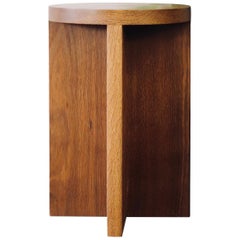
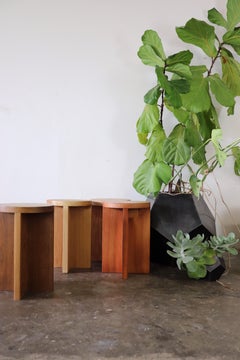
Stools are versatile and a necessary addition to any living room, kitchen area or elsewhere in your home. A sofa or reliable lounge chair might nab all the credit, comfort-wise, but don’t discount the roles that good antique, new and vintage stools can play.
“Stools are jewels and statements in a space, and they can also be investment pieces,” says New York City designer Amy Lau, who adds that these seats provide an excellent choice for setting an interior’s general tone.
Stools, which are among the oldest forms of wooden furnishings, may also serve as decorative pieces, even if we’re talking about a stool that is far less sculptural than the gracefully curving molded plywood shells that make up Sōri Yanagi’s provocative Butterfly stool.
Fawn Galli, a New York interior designer, uses her stools in the same way you would use a throw pillow. “I normally buy several styles and move them around the home where needed,” she says.
Stools are smaller pieces of seating as compared to armchairs or dining chairs and can add depth as well as functionality to a space that you’ve set aside for entertaining. For a splash of color, consider the Stool 60, a pioneering work of bentwood by Finnish architect and furniture maker Alvar Aalto. It’s manufactured by Artek and comes in a variety of colored seats and finishes.
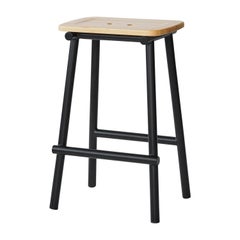
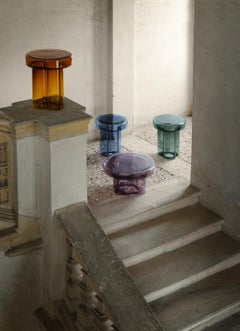
Barstools that date back to the 1970s are now more ubiquitous in kitchens. Vintage barstools have seen renewed interest, be they a meld of chrome and leather or transparent plastic, such as the Lucite and stainless-steel counter stool variety from Indiana-born furniture designer Charles Hollis Jones, who is renowned for his acrylic works. A cluster of barstools — perhaps a set of four brushed-aluminum counter stools by Emeco or Tubby Tube stools by Faye Toogood — can encourage merriment in the kitchen. If you’ve got the room for family and friends to congregate and enjoy cocktails where the cooking is done, consider matching your stools with a tall table.
Whether you need counter stools, drafting stools or another kind, explore an extensive range of antique, new and vintage stools on 1stDibs.