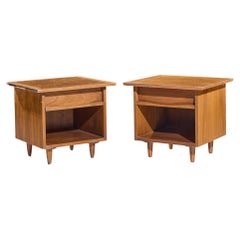
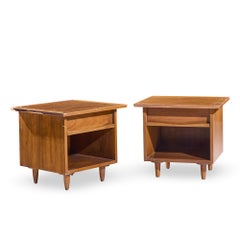
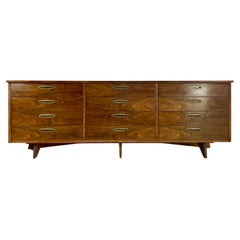
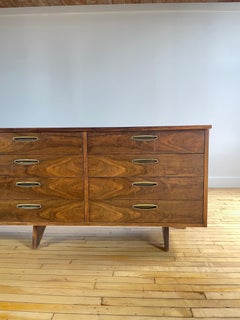
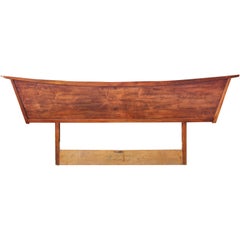
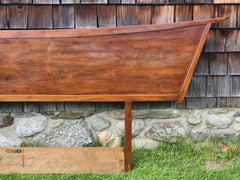
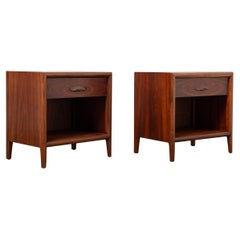
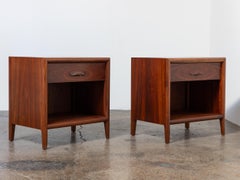
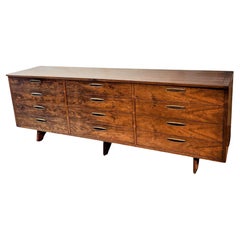
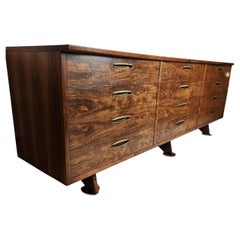
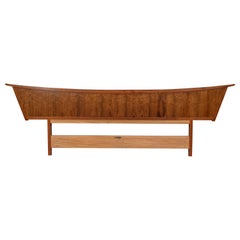
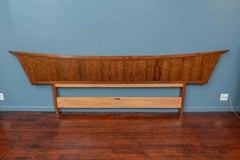
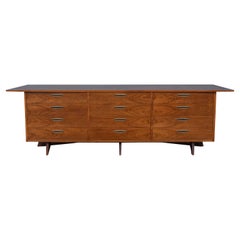
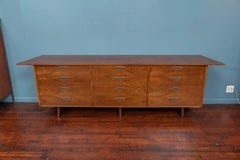
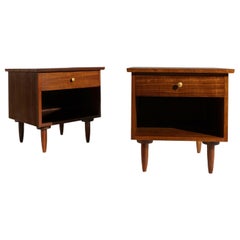
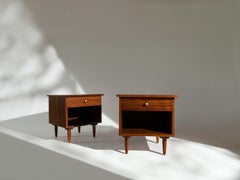
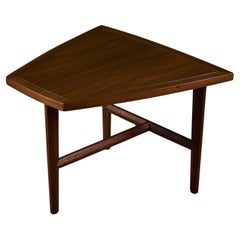
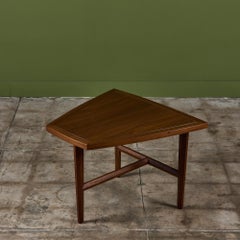
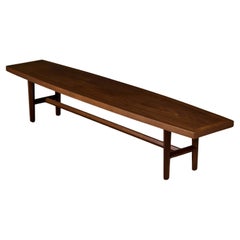
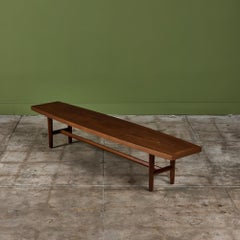
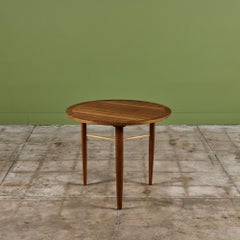
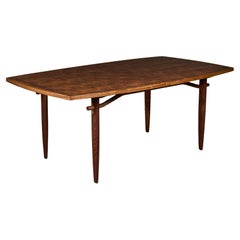
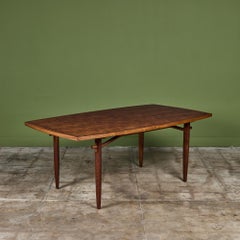
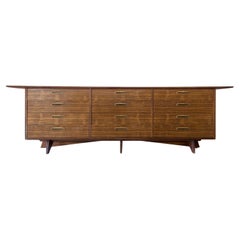
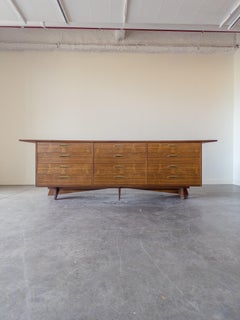
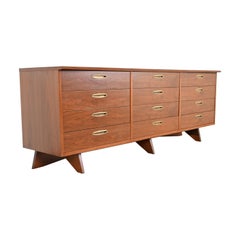
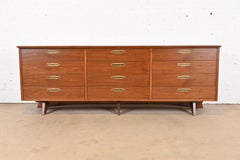
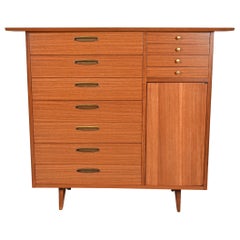
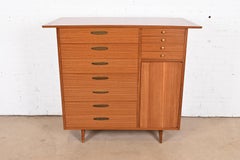
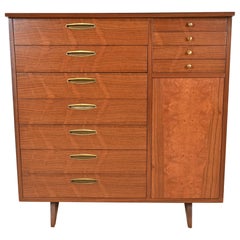
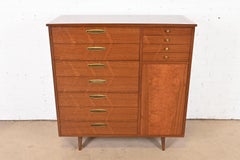
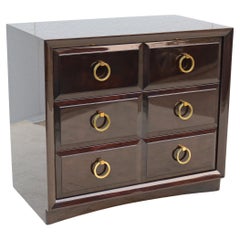
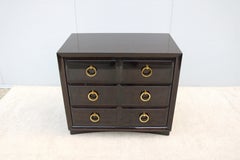
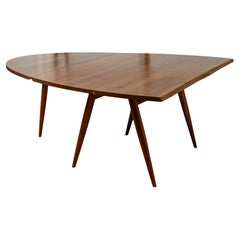
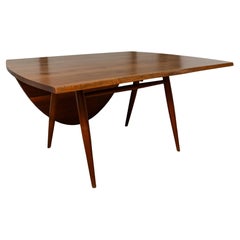
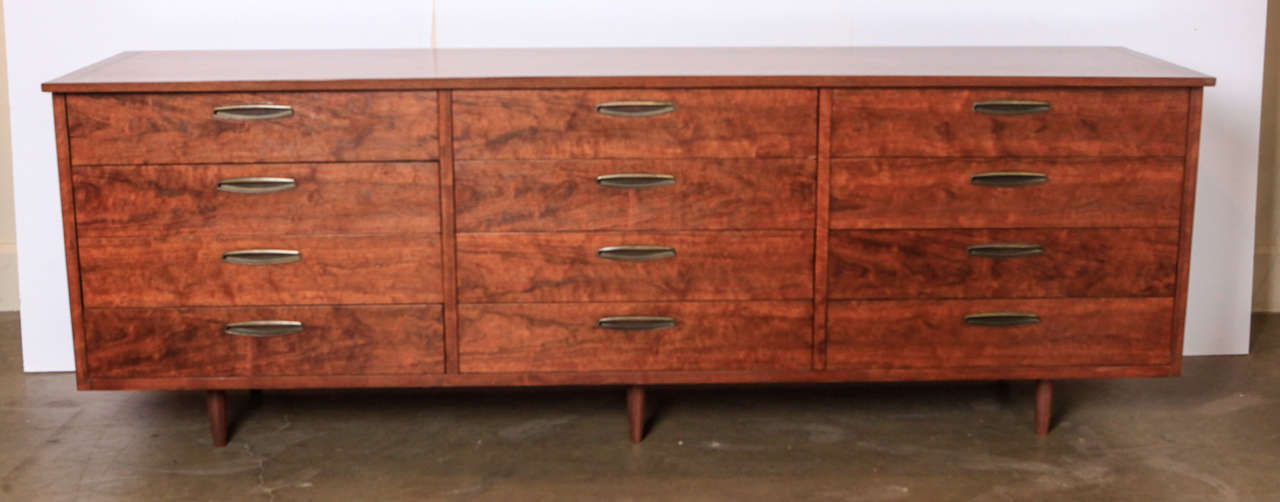
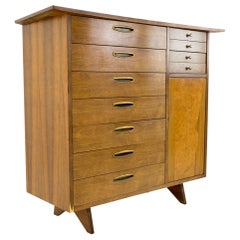
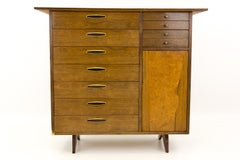
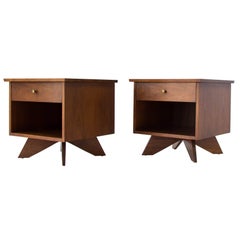
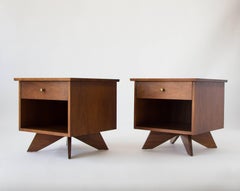
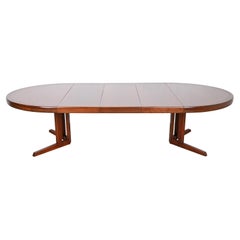
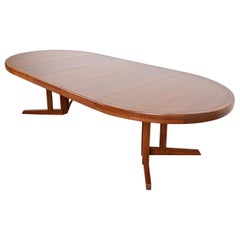
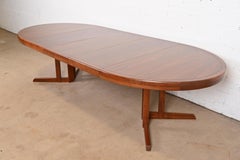
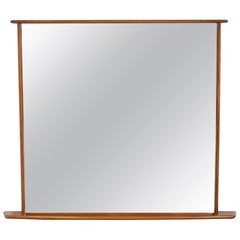
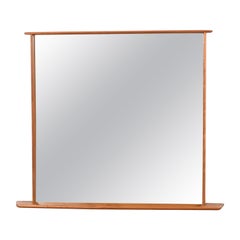
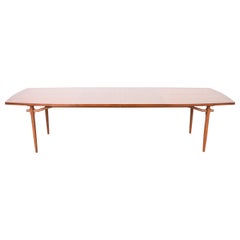
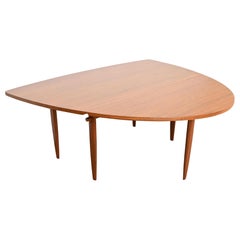
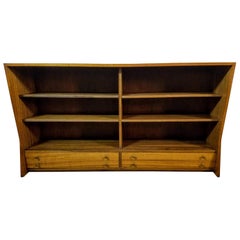
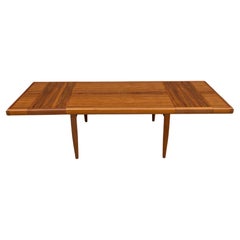
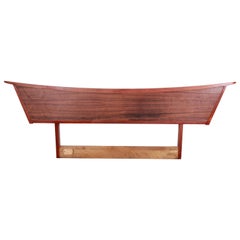
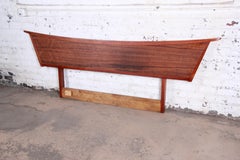
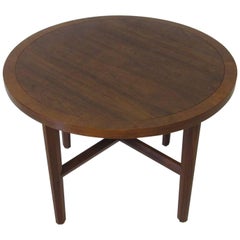
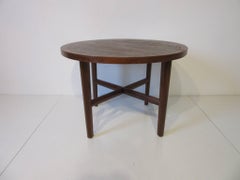
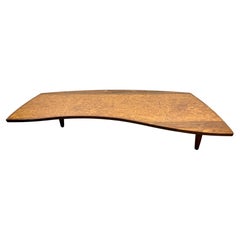
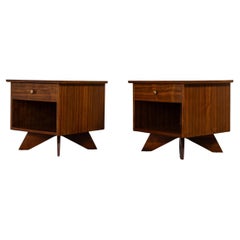
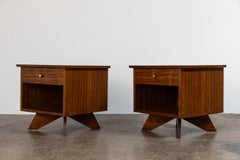
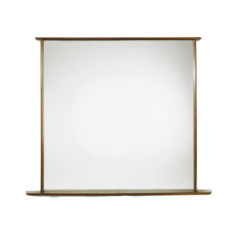
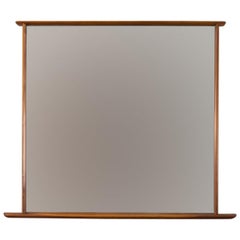
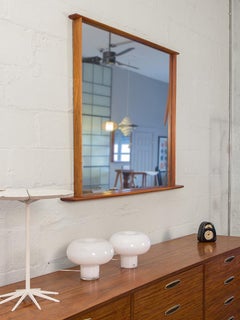
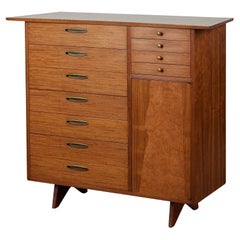
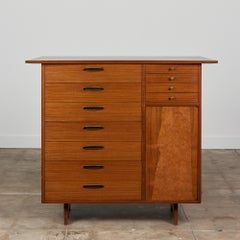
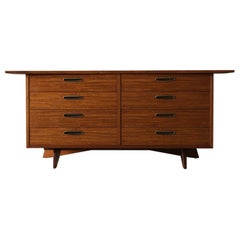
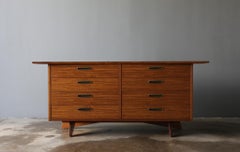
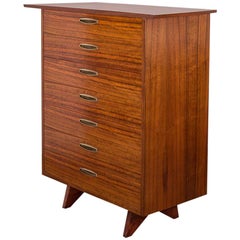
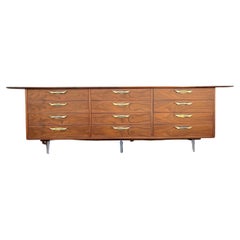
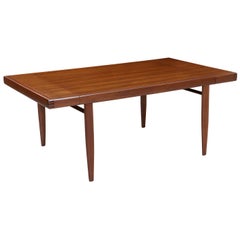
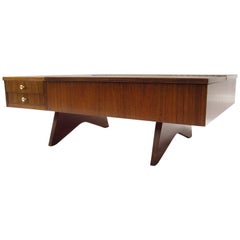
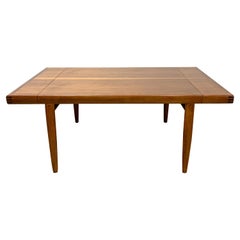
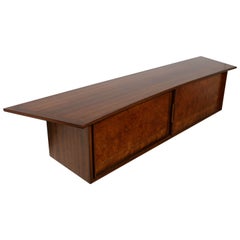
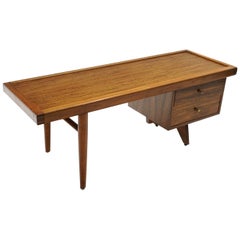
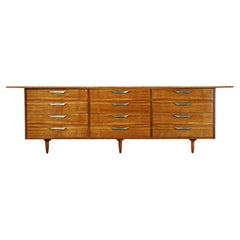
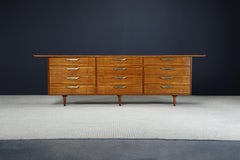
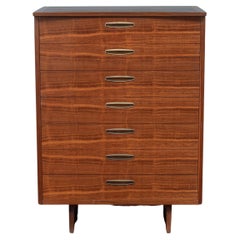
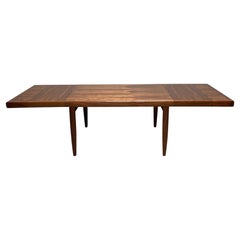
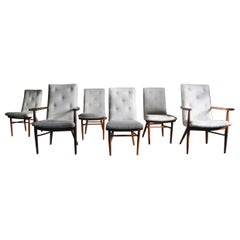
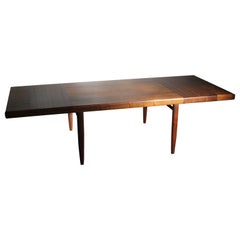
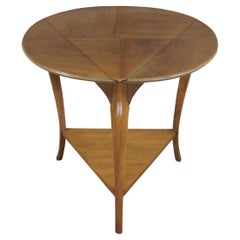
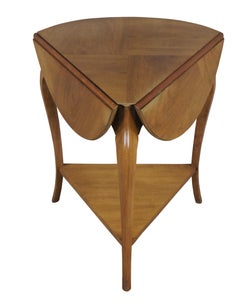
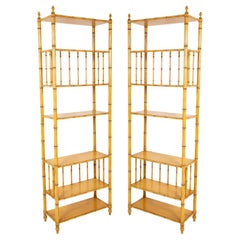
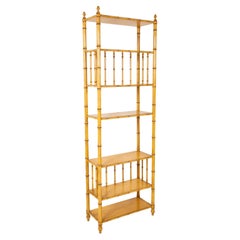
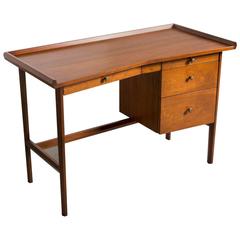
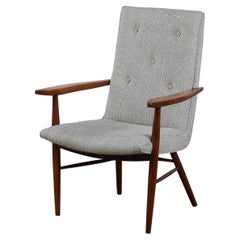
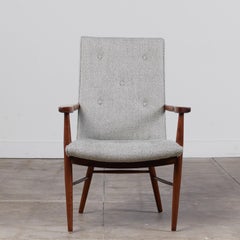
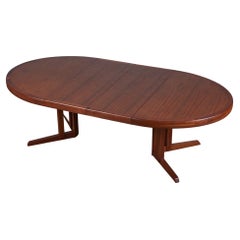
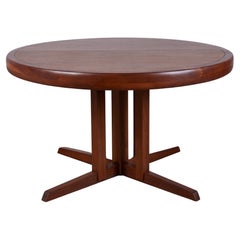
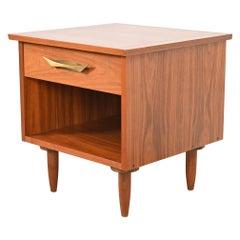
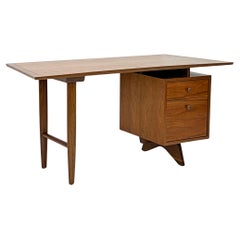
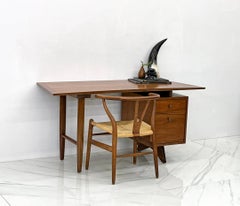
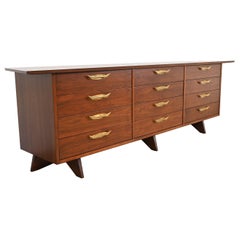
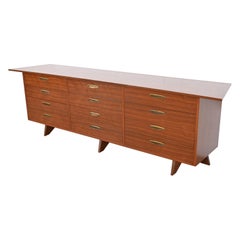
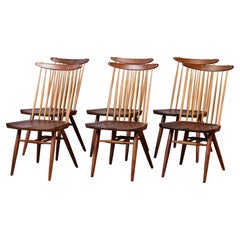
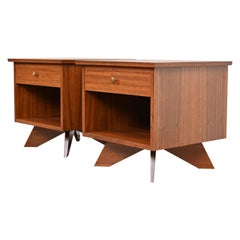
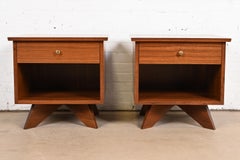
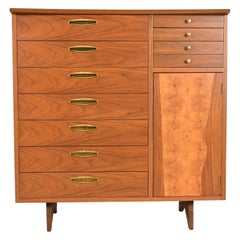
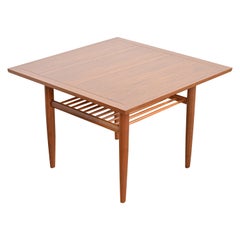
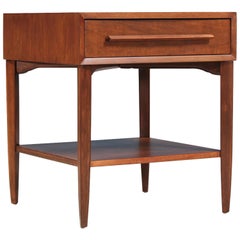
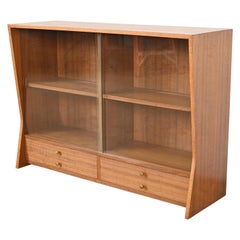
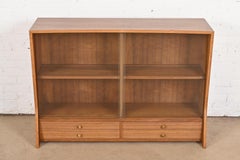
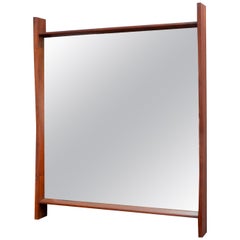
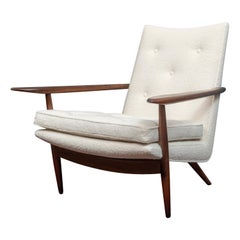
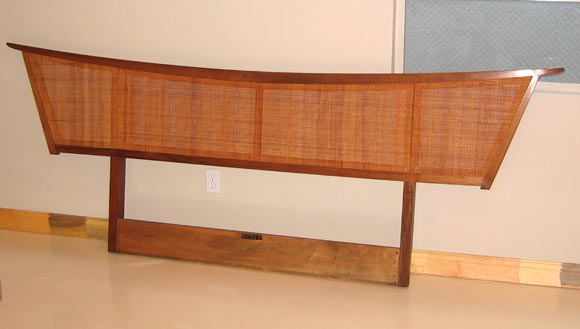
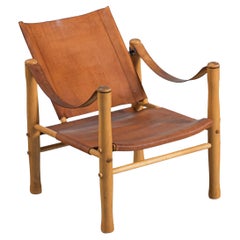
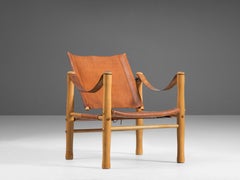
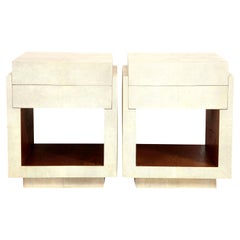
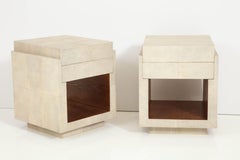
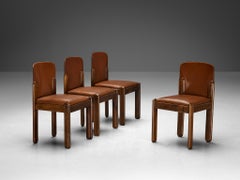
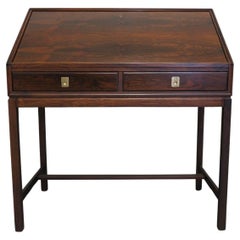
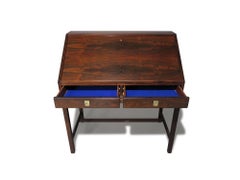
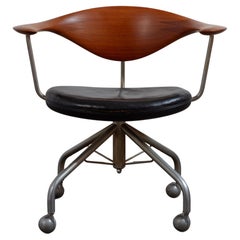
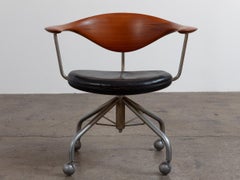
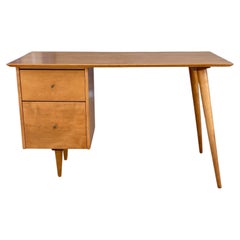
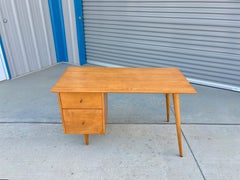
An assortment of widdicomb origins is available at 1stDibs. Frequently made of
wood,
walnut and
metal, all widdicomb origins available were constructed with great care. Widdicomb origins have been produced for many years, with earlier versions available from the 20th Century and newer variations made as recently as the 20th Century.
Mid-Century Modern widdicomb origins are consistently popular styles.
Prices for widdicomb origins can differ depending upon size, time period and other attributes — at 1stDibs, widdicomb origins begin at $1,400 and can go as high as $25,000, while the average can fetch as much as $9,000.
A master woodworker and M.I.T.-trained architect, George Nakashima was the leading light of the American Studio furniture movement. Along with Wharton Esherick, Sam Maloof and Wendell Castle, Nakashima was an artisan who disdained industrial methods and materials in favor of a personal, craft-based approach to the design of chairs, coffee tables and other pieces. What sets Nakashima apart is the poetic style of his work, his reverence for wood and the belief that his furniture could evince — as he put it in the title of his 1981 memoir — The Soul of a Tree.
Born in Spokane, Washington, to Japanese immigrants, Nakashima traveled widely after college, working and studying in Paris, Japan and India, and at every stop he absorbed both modernist and traditional design influences.
The turning point in Nakashima’s career development came in the United States in 1942, when he was placed in an internment camp for Asian-Americans in Idaho. There, Nakashima met a master woodcarver who tutored him in Japanese crafting techniques. A former employer won Nakashima’s release and brought him to bucolic New Hope, Pennsylvania, where Nakashima set up a studio and worked for the rest of his life. (Master craftsperson Mira Nakashima keeps her father’s legacy alive at the George Nakashima Studio in New Hope today. She has been the artistic director of George Nakashima Woodworkers since her father's death, in 1990.)
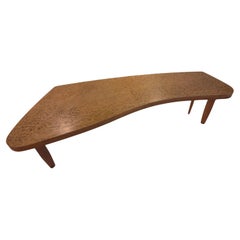
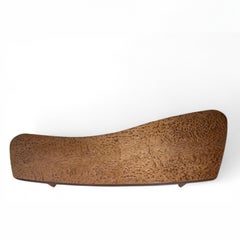
Nakashima’s singular aesthetic is best captured in his custom-made tables and benches — pieces that show off the grain, burls and whorls in a plank of wood. He left the “free edge,” or natural contour, of the slab un-planed, and reinforced fissures in the wood with “butterfly” joints.
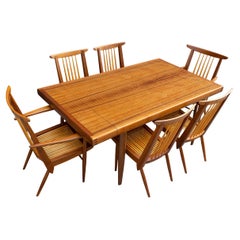
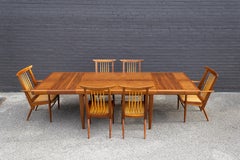
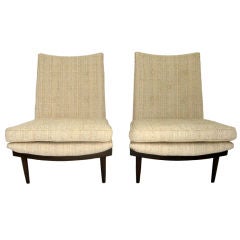
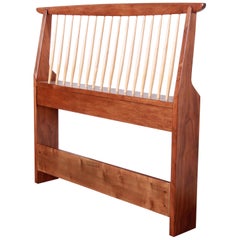
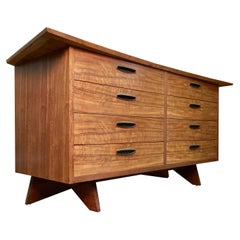
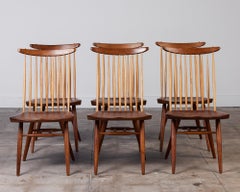
Almost all Nakashima seating pieces have smooth, milled edges. Nakashima also contracted with large-scale manufacturers to produce carefully supervised editions of his designs. Knoll has offered his Straight chair — a modern take on the spindle-backed Windsor chair — since 1946; the now-defunct firm Widdicomb-Mueller, the result of a merger between Widdicomb and Mueller Furniture, issued the Shaker-inspired Origins collection in the 1950s.
Nelson Rockefeller in 1973 gave Nakashima his single largest commission: a 200-piece suite for his suburban New York estate. Today, Nakashima furniture is collected by both the staid and the fashionable: his work sits in the collections of the Philadelphia Museum of Art, New York’s Metropolitan Museum of Art and the Smithsonian Institution, as well as in the homes of Steven Spielberg, Brad Pitt, Diane von Furstenberg and the late Steve Jobs.
Find vintage George Nakashima furniture for sale on 1stDibs.
Organically shaped, clean-lined and elegantly simple are three terms that well describe vintage mid-century modern furniture. The style, which emerged primarily in the years following World War II, is characterized by pieces that were conceived and made in an energetic, optimistic spirit by creators who believed that good design was an essential part of good living.
ORIGINS OF MID-CENTURY MODERN FURNITURE DESIGN
CHARACTERISTICS OF MID-CENTURY MODERN FURNITURE DESIGN
MID-CENTURY MODERN FURNITURE DESIGNERS TO KNOW
ICONIC MID-CENTURY MODERN FURNITURE DESIGNS
VINTAGE MID-CENTURY MODERN FURNITURE ON 1STDIBS
The mid-century modern era saw leagues of postwar American architects and designers animated by new ideas and new technology. The lean, functionalist International-style architecture of Le Corbusier and Bauhaus eminences Ludwig Mies van der Rohe and Walter Gropius had been promoted in the United States during the 1930s by Philip Johnson and others. New building techniques, such as “post-and-beam” construction, allowed the International-style schemes to be realized on a small scale in open-plan houses with long walls of glass.
Materials developed for wartime use became available for domestic goods and were incorporated into mid-century modern furniture designs. Charles and Ray Eames and Eero Saarinen, who had experimented extensively with molded plywood, eagerly embraced fiberglass for pieces such as the La Chaise and the Womb chair, respectively.
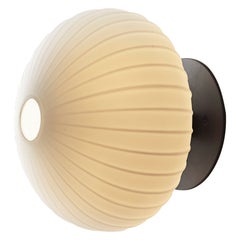
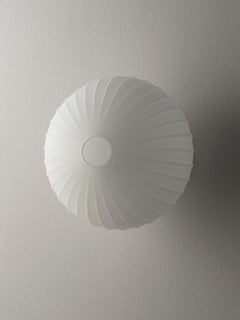
Architect, writer and designer George Nelson created with his team shades for the Bubble lamp using a new translucent polymer skin and, as design director at Herman Miller, recruited the Eameses, Alexander Girard and others for projects at the legendary Michigan furniture manufacturer.
Harry Bertoia and Isamu Noguchi devised chairs and tables built of wire mesh and wire struts. Materials were repurposed too: The Danish-born designer Jens Risom created a line of chairs using surplus parachute straps for webbed seats and backrests.
The Risom lounge chair was among the first pieces of furniture commissioned and produced by celebrated manufacturer Knoll, a chief influencer in the rise of modern design in the United States, thanks to the work of Florence Knoll, the pioneering architect and designer who made the firm a leader in its field. The seating that Knoll created for office spaces — as well as pieces designed by Florence initially for commercial clients — soon became desirable for the home.
As the demand for casual, uncluttered furnishings grew, more mid-century furniture designers caught the spirit.
Classically oriented creators such as Edward Wormley, house designer for Dunbar Inc., offered such pieces as the sinuous Listen to Me chaise; the British expatriate T.H. Robsjohn-Gibbings switched gears, creating items such as the tiered, biomorphic Mesa table. There were Young Turks such as Paul McCobb, who designed holistic groups of sleek, blond wood furniture, and Milo Baughman, who espoused a West Coast aesthetic in minimalist teak dining tables and lushly upholstered chairs and sofas with angular steel frames.
Generations turn over, and mid-century modern remains arguably the most popular style going. As the collection of vintage mid-century modern chairs, dressers, coffee tables and other furniture for the living room, dining room, bedroom and elsewhere on 1stDibs demonstrates, this period saw one of the most delightful and dramatic flowerings of creativity in design history.