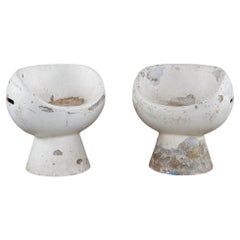
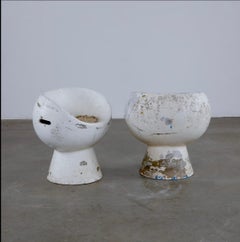
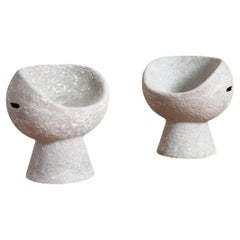
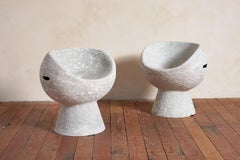
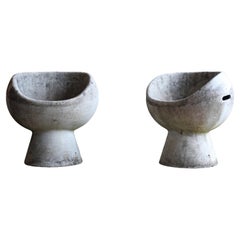
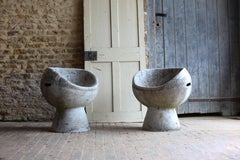
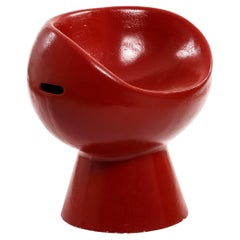
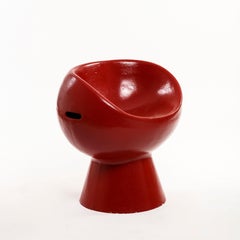
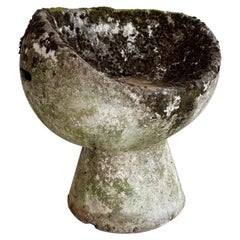
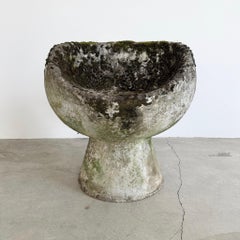
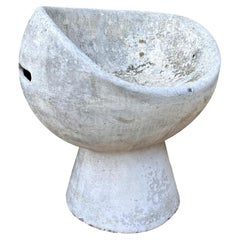
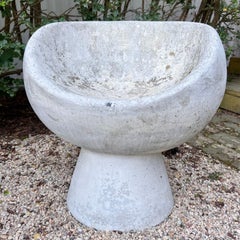
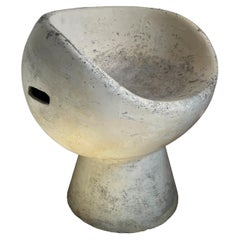
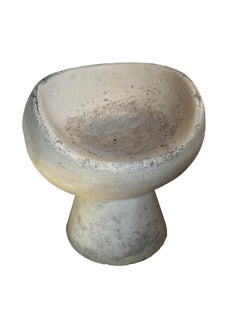
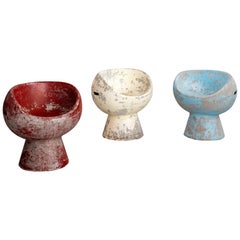
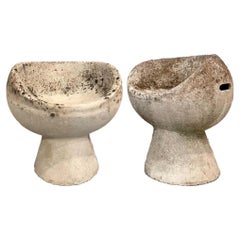
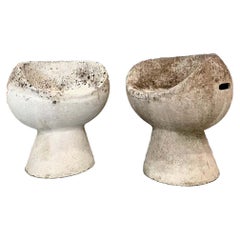
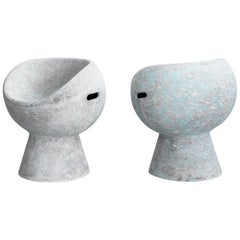
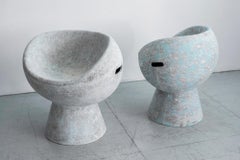
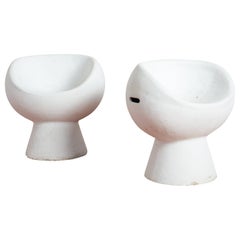
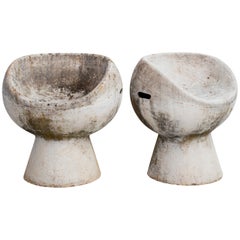
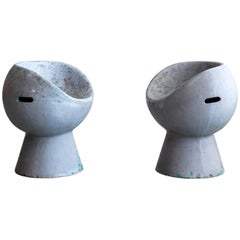
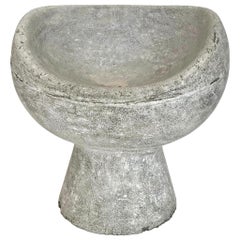
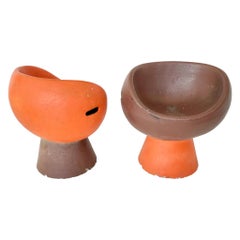
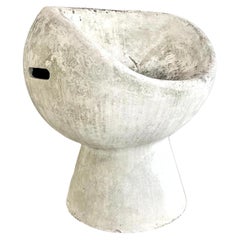
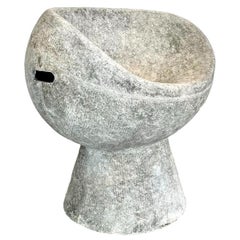
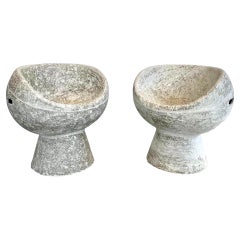
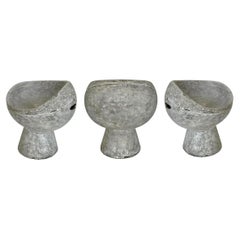
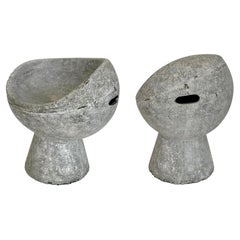
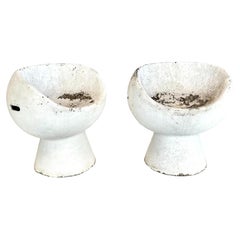
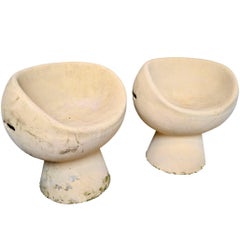
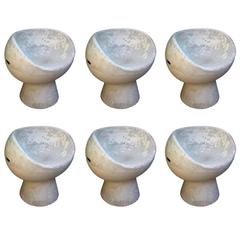
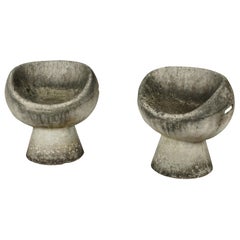
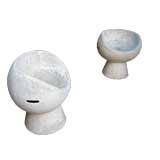
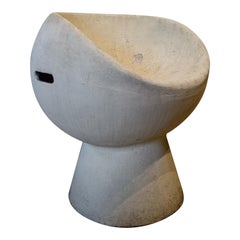
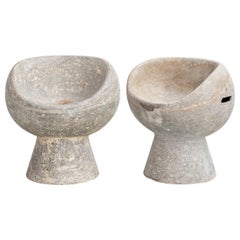
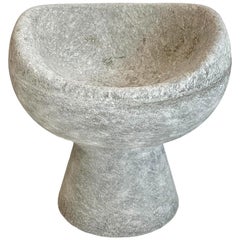
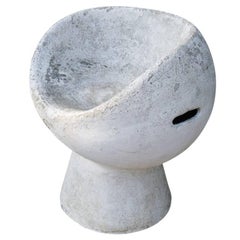
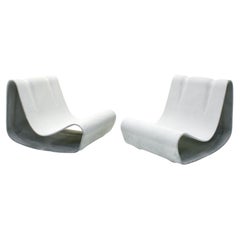
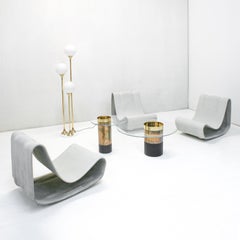
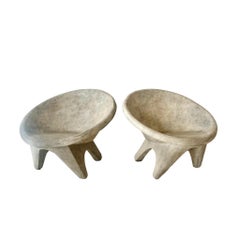
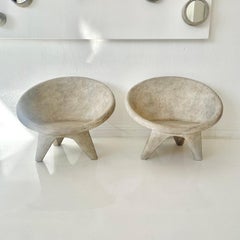
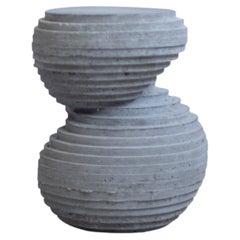
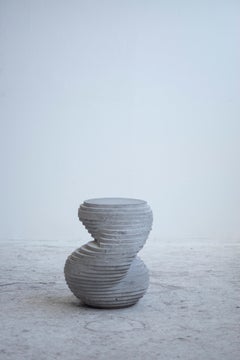
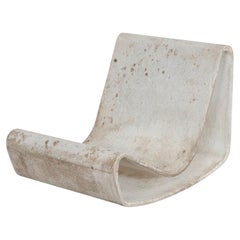
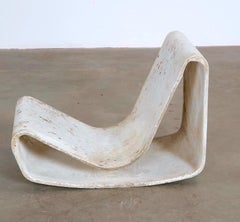
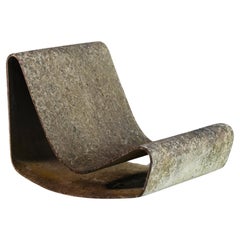
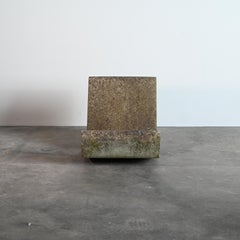
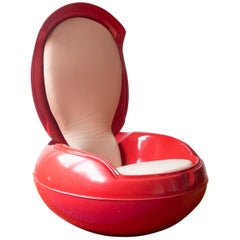
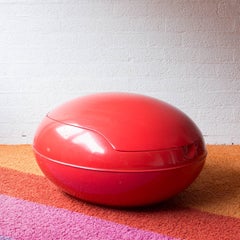
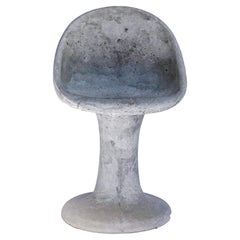
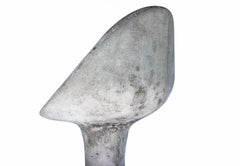
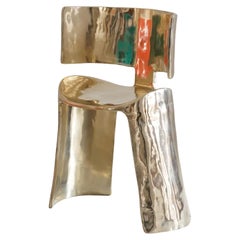
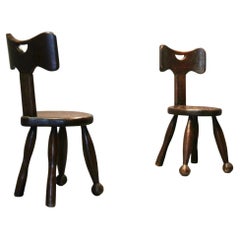
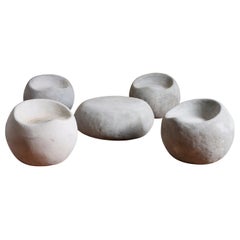
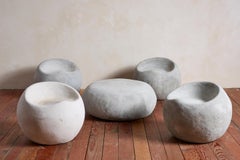
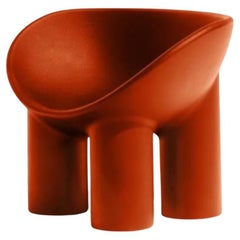
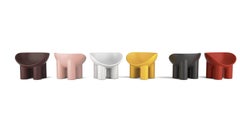
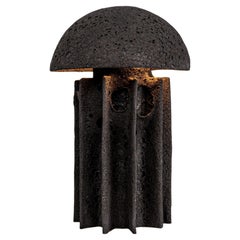
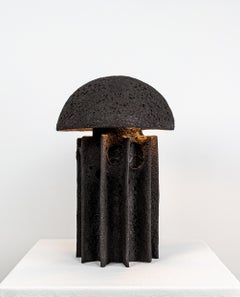
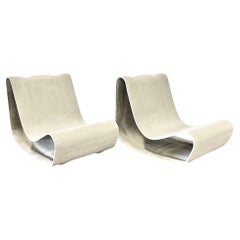
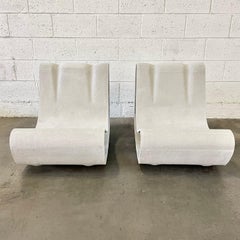
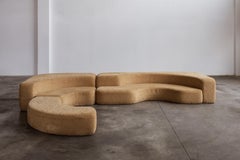
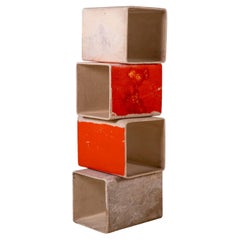
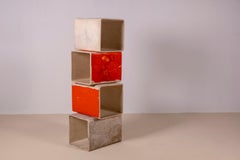
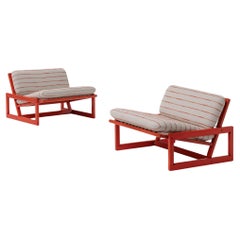
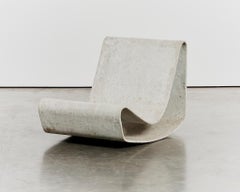
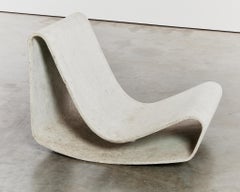
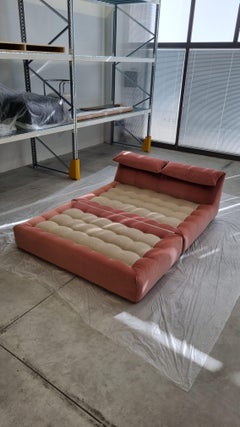
Find a variety of willy guhl pod chairs available on 1stDibs. The range of distinct willy guhl pod chairs — often made from
stone,
cast stone and
cement — can elevate any home. Willy guhl pod chairs have been made for many years, and versions that date back to the 20th Century alongside those produced as recently as the 20th Century.
Mid-Century Modern willy guhl pod chairs are consistently popular styles. There have been many well-made willy guhl pod chairs over the years, but those made by
Willy Guhl are often thought to be among the most beautiful.
Prices for willy guhl pod chairs can differ depending upon size, time period and other attributes — at 1stDibs, willy guhl pod chairs begin at $5,500 and can go as high as $35,000, while the average can fetch as much as $12,500.
Decades prior to the mass popularity of neo-industrial cement floors and furniture taking shape, there was Willy Guhl. The Swiss creative is considered one of the first “industrial” designers in his home country. He pioneered a rugged, organic style of modern furniture and decor — stylish planters, shapely seating and lots more — that remains widely coveted by many today.
Guhl was born in 1915 in Stein am Rhein and worked as a carpenter before beginning studies at the Zurich School of Applied Arts (known today as the Zurich University of the Arts), where he would go on to teach for nearly 40 years.
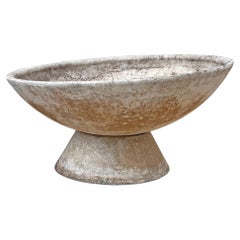
While Guhl is well-known for his range of provocative garden elements as well as his patio and outdoor furniture, today’s legion of mid-century modern enthusiasts are likely familiar with the designer’s iconic Loop chair (introduced in 1954). For this sculptural seat and other furnishings, Guhl tended toward industrial materials, which he bent and shaped into organic forms for a striking juxtaposition. Much of his work is crafted from either concrete or Eternit, a mixture of cement and asbestos developed by the Belgian company Etex, which, in the 1950s, commissioned Guhl and his students at the School of Applied Arts to conceive planters in the material. The resulting vessels — some hourglass-shaped, some in the form of handkerchiefs, all suitable for indoors or exteriors — remain some of Guhl’s most collectible pieces.
Guhl’s affiliation with the Swiss “neo-functional” movement centered on the idea of simplifying design without sacrificing form. According to Guhl, his mission was “achieving the most with the minimum of effort.”
In addition to his work as a designer, Guhl left his mark on subsequent creatives through his 39-year tenure at his alma mater, where he was instructor to the likes of Robert Haussmann, Kurt Thut and Bruno Rey. Modern-day shoppers at IKEA owe Guhl a debt of gratitude too. He was an early advocate of flat-pack furniture, championing its ability to make good design more widely accessible.
At its core, though, Guhl’s work was inherently human-centric: “At the center of my efforts, I put people and their living requirements,” he once said. “My products must be useful to people.” Guhl died in 2004 at the age of 89.
Find a range of vintage Willy Guhl furniture and decorative objects on 1stDibs.
Chairs are an indispensable component of your home and office. Can you imagine your life without the vintage, new or antique chairs you love?
With the exception of rocking chairs, the majority of the seating in our homes today — Windsor chairs, chaise longues, wingback chairs — originated in either England or France. Art Nouveau chairs, the style of which also originated in those regions, embraced the inherent magnificence of the natural world with decorative flourishes and refined designs that blended both curved and geometric contour lines. While craftsmanship and styles have evolved in the past century, chairs have had a singular significance in our lives, no matter what your favorite chair looks like.
“The chair is the piece of furniture that is closest to human beings,” said Hans Wegner. The revered Danish cabinetmaker and furniture designer was prolific, having designed nearly 500 chairs over the course of his lifetime. His beloved designs include the Wishbone chair, the wingback Papa Bear chair and many more.
Other designers of Scandinavian modernist chairs introduced new dynamics to this staple with sculptural flowing lines, curvaceous shapes and efficient functionality. The Paimio armchair, Swan chair and Panton chair are vintage works of Finnish and Danish seating that left an indelible mark on the history of good furniture design.
“What works good is better than what looks good, because what works good lasts,” said Ray Eames.
Visionary polymaths Ray and Charles Eames experimented with bent plywood and fiberglass with the goal of producing affordable furniture for a mass market. Like other celebrated mid-century modern furniture designers of elegant low-profile furnishings — among them Ludwig Mies van der Rohe and Finn Juhl — the Eameses considered ergonomic support, durability and cost, all of which should be top of mind when shopping for the perfect chair. The mid-century years yielded many popular chairs.
The Eameses introduced numerous icons for manufacturer Herman Miller, such as the Eames lounge chair and ottoman, molded plywood dining chairs the DCM and DCW (which can be artfully mismatched around your dining table) and a wealth of other treasured pieces for the home and office.
A good chair anchors us to a place and can become an object of timeless appeal. Take a seat and browse the rich variety of vintage, new and antique chairs on 1stDibs today.