Tri-State Area - Prints and Multiples

to
3,822
4,253
2,602
5,715
3,634
2,079
Overall Width
to
Overall Height
to
3,350
2,724
2,509
1,864
956
438
252
243
210
192
192
183
179
14
218
152
143
127
120
141
435
12,950
4,931
64
114
239
253
323
394
1,405
3,904
3,502
1,647
104
10,476
6,426
1,178
6,560
3,596
2,088
2,078
1,911
1,697
1,186
1,083
891
801
773
694
631
618
591
563
510
448
431
424
6,156
3,835
2,510
2,360
2,017
2,407
8,721
18,476
50,767
36,744
Item Ships From: Tri-State Area
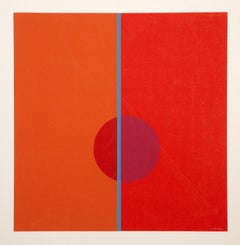
Laser II, Geometric Abstract Screenprint by Murray Zucker
By Murray Zucker
Located in Long Island City, NY
Artist: Murray Zucker, American (1920 - ) Title: Laser II Year: circa 1970 Medium: Screenprint, signed, titled and numbered in pencil Edition: 30/175 Image: 24 x 23.5 inches Paper S...
Category

1970s Abstract Geometric Tri-State Area - Prints and Multiples

Materials

Screen

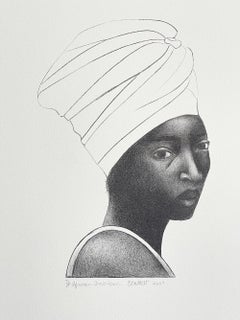
AFRICAN AMERICAN WOMAN(Turban), Hand Drawn Lithograph, Black Female Portrait
By Elizabeth Catlett
Located in Union City, NJ
AFRICAN AMERICAN WOMAN is an original hand drawn, limited edition lithograph by the renowned African American woman artist Elizabeth Catl...
Category

Early 2000s Contemporary Tri-State Area - Prints and Multiples

Materials

Lithograph

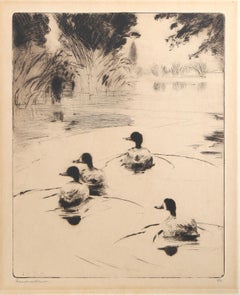
Ducks at Play, Signed Modern Etching Mounted to Board by Frank Weston Benson
By Frank Weston Benson
Located in Long Island City, NY
Ducks at Play Frank Weston Benson, American (1862–1951) Date: 1940 Etching mounted to board, signed and dated in pencil Image Size: 10 x 8 inches Size: 12 x 10 in. (30.48 x 25.4 cm)
Category

1940s Modern Tri-State Area - Prints and Multiples

Materials

Etching

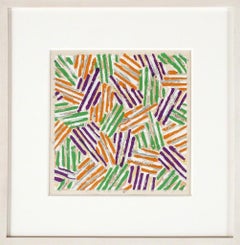
Cross Hatch (Untitled ULAE S.13), Abstract Screenprint by Jasper Johns
By Jasper Johns
Located in Long Island City, NY
This work is from the edition of 3000 printed by Simca Print Artists, Inc., New York and published by Brooke Alexander Editions, New York as a catalog cover for Jasper Johns Screenpr...
Category

1970s Abstract Expressionist Tri-State Area - Prints and Multiples

Materials

Screen

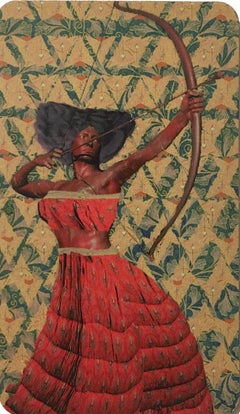
Sagittarius, zodiac digital collage print, surreal, astrology, metallic edge
By Deming King Harriman
Located in Jersey City, NJ
Sagittarius, 2018, digital collage print, surreal figurative, astrology, astrological sign, metallic gold edge, on glossy heavy card stock with pink art deco design on reverse.
Category

2010s Contemporary Tri-State Area - Prints and Multiples

Materials

Digital

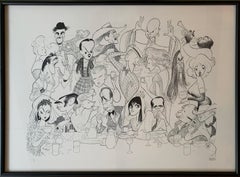
There's No Biz Like Show Biz, Pop Art Lithograph by Al Hirschfeld
By Albert Al Hirschfeld
Located in Long Island City, NY
Al Hirschfeld, American (1903 - 2003) - There's No Biz Like Show Biz, Year: 1989, Medium: Lithograph, signed and numbered in pencil, Edition: 27/175, Size: 30 x 21 in. (76.2 x 53...
Category

1980s Pop Art Tri-State Area - Prints and Multiples

Materials

Lithograph

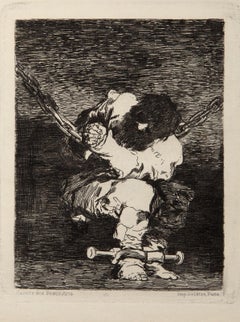
The Custody is as Barbarous as The Crime, Etching by Francisco de Goya
By Francisco Goya
Located in Long Island City, NY
Francisco de Goya, Spanish (1746 - 1828) - The Custody is as Barbarous as The Crime, Year: circa 1810, Medium: Etching and burin on cream laid paper, Image Size: 3.75 x 3 inches, Si...
Category

1810s Surrealist Tri-State Area - Prints and Multiples

Materials

Etching

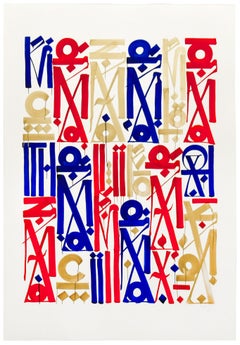
Braddock Tiles Print
By RETNA
Located in Englishtown, NJ
Gorgeous Retna Braddock Tiles Print. Created by Retna in his distinctive style combining calligraphy, hieroglyphics and graffiti in gorgeous vibrant colors. Limited edition of 250. ...
Category

21st Century and Contemporary Contemporary Tri-State Area - Prints and Multiples

Materials

Archival Paper, Digital

Braddock Tiles Print
$3,375 Sale Price
25% Off
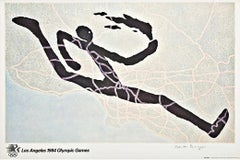
Los Angeles Olympic Games 1984 (hand signed with official Olympic Committee COA)
By Martin Puryear
Located in New York, NY
Martin Puryear Los Angeles Olympic Games 1984, 1982 Offset Lithograph on Parsons Diploma Parchment Paper Hand signed on the front with COA, Edition of 750 (though only approximately 200-250 remain) 21 × 34 1/2 inches Unframed This limited edition, pencil signed offset lithograph was published in a limited edition of 750, and printed as one of the fifteen Official Fine Art Olympic Posters for the 1984 Olympic Games in Los Angeles. A statement released by the 1984 Olympic committee explains the set as follows - "The posters commissioned for the 1984 Olympics contain an enlightened selection of the best American artists with special emphasis on those who work in Southern California...As the Games develop, transpire and pass into memory, these fifteen posters contain the images, forms and symbols that will represent the 1984 Olympics in the museums, galleries, homes and the minds of people all over the world.” Printed and Published by Knapp Communications Corporation and includes Certificate of Authenticity from the publisher. This work is NOT to be confused with the ubiquitous plate signed poster of the same image, which was printed on different paper in an open edition.) In 1982, the Olympic Committee commissioned 15 artists to create posters for the 1984 Games in Los Angeles. Hockney designed this offset lithograph depicting Olympic swimming...
Category

1980s Contemporary Tri-State Area - Prints and Multiples

Materials

Parchment Paper, Lithograph, Offset

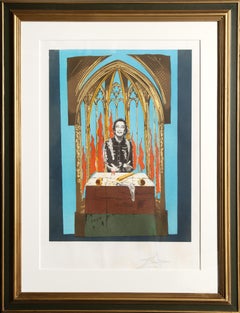
Dali’s Inferno, Signed Surrealist Lithograph by Salvador Dali
By Salvador Dalí­
Located in Long Island City, NY
Dali’s Inferno by Salvador Dali, Spanish (1904–1989) Portfolio: Dali's Inferno Date: 1978 Lithograph on Arches, signed and numbered in pencil Edition of 2...
Category

1970s Surrealist Tri-State Area - Prints and Multiples

Materials

Lithograph

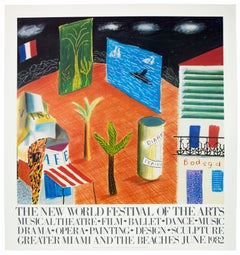
Vintage David Hockney Poster Miami New World Festival of Arts 1982 palm trees
By David Hockney
Located in New York, NY
This vintage David Hockney poster features whimsical imagery and rich, bright color. Palm trees, boats in the ocean, a cafe, and a bodega with an elaborate iron-wrought balcony sit a...
Category

1980s Realist Tri-State Area - Prints and Multiples

Materials

Lithograph

Ed Ruscha, GOD signed and numbered print limited edition of 50 in artist's frame
By Ed Ruscha
Located in New York, NY
Ed Ruscha GOD, 2010 Digital Light Jet Print in Artist-Designed Frame Edition 48/50 Hand-signed by artist, Signed, numbered and dated 48/50 by Ed Ruscha in black marker on the back P...
Category

2010s Pop Art Tri-State Area - Prints and Multiples

Materials

Felt Pen, Inkjet

Mid 1960s abstraction color field silkscreen signed/N Framed famed Indian artist
By Natvar Bhavsar
Located in New York, NY
Natvar Bhavsar Untitled mid 1960s abstraction, 1967 Silkscreen Pencil signed, dated and numbered 10/30 by Natvar Bhavsar on the front Frame included: Elegantly framed in a museum qua...
Category

1960s Color-Field Tri-State Area - Prints and Multiples

Materials

Screen

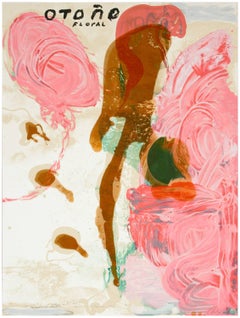
Julian Schnabel 'Otono Floral' (Sexual Spring-like Winter)
By Julian Schnabel
Located in New York, NY
Otono Floral 1995 Hand-painted, 15-color silkscreen with poured resin 40 x 30 inches (102 x 76 cm) Edition of 80 "Sexual Spring-like Winter" is a large painterly work, created with ...
Category

1990s Neo-Expressionist Tri-State Area - Prints and Multiples

Materials

Screen

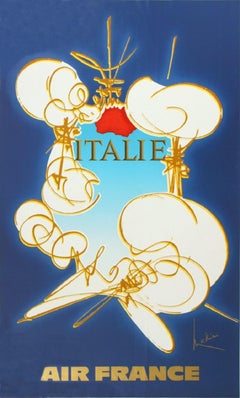
1971 After Georges Mathieu 'Air France: Italie' Contemporary France
By Georges Mathieu
Located in Brooklyn, NY
Paper Size: 39.25 x 23.5 inches ( 99.695 x 59.69 cm ) Image Size: 39.25 x 23.5 inches ( 99.695 x 59.69 cm ) Framed: No Condition: D: Heavy signs of wear, Torn, Damaged. SOLD AS IS...
Category

1970s Tri-State Area - Prints and Multiples

Materials

Offset

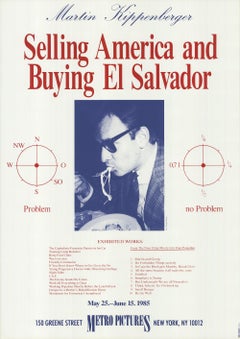
1985 Martin Kippenberger 'Selling America and Buying El Salvador' Offset Print
By Martin Kippenberger
Located in Brooklyn, NY
Paper Size: 33.75 x 24 inches ( 85.725 x 60.96 cm )?Image Size: 13 x 9 inches ( 33.02 x 22.86 cm )?Framed: No?Condition: A-: Near Mint, very light signs of handling??Additional Details: Original exhibition poster for Martin Kippenberger...
Category

1980s Contemporary Tri-State Area - Prints and Multiples

Materials

Offset

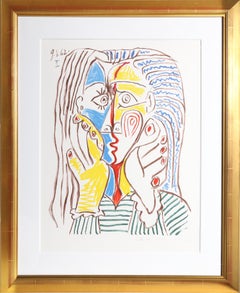
Visage, Cubist Portrait Lithograph after Pablo Picasso
By Pablo Picasso
Located in Long Island City, NY
Grabbing the faces of one another, the two women in this Pablo Picasso print tenderly kiss one another. Seen in profile view from the position of the viewer, the scene is loving albe...
Category

1980s Cubist Tri-State Area - Prints and Multiples

Materials

Lithograph

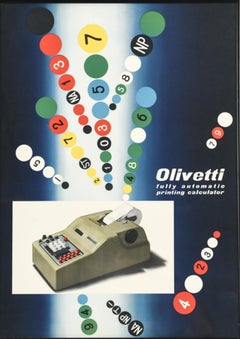
Rare mid century modern Olivetti Fully Automatic Printing Calculator poster, '50
By Giovanni Pintori
Located in New York, NY
Giovanni Pintori Olivetti (Fully Automatic Printing Calculator), 1951 Offset lithograph poster Framed: held in original vintage metal frame Evocati...
Category

Mid-20th Century Modern Tri-State Area - Prints and Multiples

Materials

Offset, Lithograph

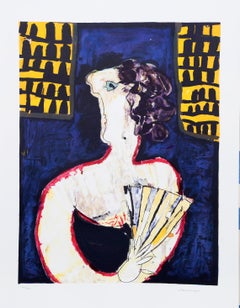
Woman with Fan, Art Brut Lithograph by Slavko Kopac
Located in Long Island City, NY
Slavko Kopac was born in Croation in 1913. He was one of the founding members and curators of Art Brut (Compagnie de L'Art Brut). 1948, Compagnie de L'Art Brut is founded by Slavko K...
Category

1980s Cubist Tri-State Area - Prints and Multiples

Materials

Lithograph

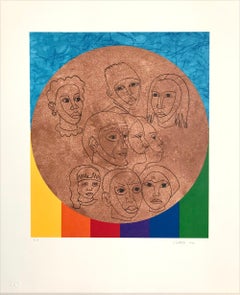
ALL THE PEOPLE Signed Lithograph, For My People-Margaret Walker, Rainbow Faces
By Elizabeth Catlett
Located in Union City, NJ
ALL THE PEOPLE is an original hand drawn limited edition lithograph by the highly acclaimed African-American woman artist Elizabeth Catlett, master printmaker and sculptor best known...
Category

1990s Contemporary Tri-State Area - Prints and Multiples

Materials

Lithograph

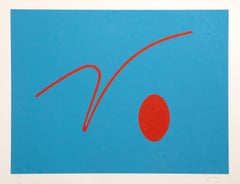
Bouncing Ball, Minimalist Screenprint by Murray Zucker
By Murray Zucker
Located in Long Island City, NY
Artist: Murray Zucker, American (1920 - ) Title: Bouncing Ball Year: circa 1970 Medium: Screenprint, signed, titled and numbered in pencil Edition: 9/20 Image: 18 x 24 inches Paper ...
Category

1970s Abstract Geometric Tri-State Area - Prints and Multiples

Materials

Screen

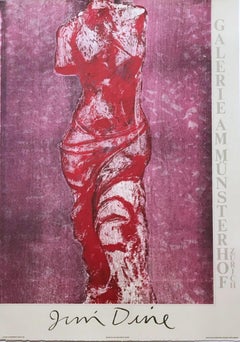
Jim Dine European museum print on lithographic paper Limited Edition of 300
By Jim Dine
Located in New York, NY
Jim Dine, 1985 Color Lithograph on wove paper with deckled edges 38 1/2 × 27 1/2 inches Edition of 300 Unframed Signed in plate, unnumbered; bears museum copyright on the lower front...
Category

1980s Pop Art Tri-State Area - Prints and Multiples

Materials

Lithograph, Offset

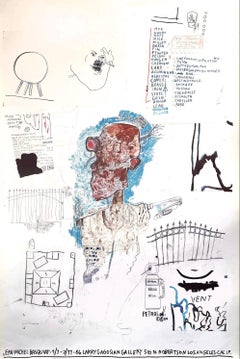
Jean-Michel Basquiat Gagosian gallery Los Angeles 1986 (exhibition poster)
By Jean-Michel Basquiat
Located in NEW YORK, NY
Jean-Michel Basquiat Gagosian Gallery 1986: Original 1980’s Basquiat exhibition poster, published on the occasion of: Jean-Michel Basquiat at Larry Gagosian Gallery, 510 North Robert...
Category

1980s Pop Art Tri-State Area - Prints and Multiples

Materials

Paper

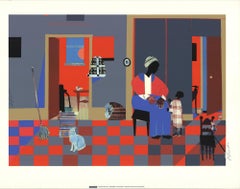
BEARDEN Early Carolina Morning Serigraph African American Art
By Romare Bearden
Located in Brooklyn, NY
This reproduction silkscreen poster features Romare Bearden's vibrant work Early Carolina Morning, published by American Vision Gallery Inc. The piece has ...
Category

1990s Contemporary Tri-State Area - Prints and Multiples

Materials

Screen

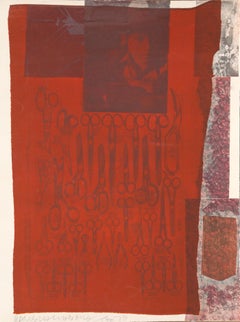
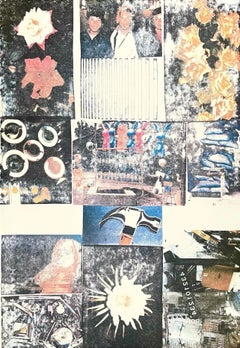
The Most Distant Visible Part of the Sea, Pop Art Silkscreen by Rauschenberg
By Robert Rauschenberg
Located in Long Island City, NY
Artist: Robert Rauschenberg, American (1925 - 2008) Title: The Most Distant Visible Part of the Sea Year: 1979 Medium: Lithograph and Screenprint, Signed and numbered in pencil Editi...
Category

1970s Contemporary Tri-State Area - Prints and Multiples

Materials

Lithograph, Screen

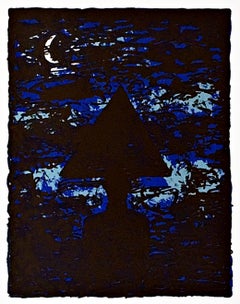
Untitled abstraction, woodcut, Signed/N, Art Against AIDS, British Pop pioneer
By Derek Boshier
Located in New York, NY
Derek Boshier Untitled, from the Art Against AIDS Portfolio, 1988 Woodcut on paper with deckled edges Hand signed, numbered 38/50 and dated on lower front with printer's and publishe...
Category

1980s Abstract Tri-State Area - Prints and Multiples

Materials

Woodcut, Pencil

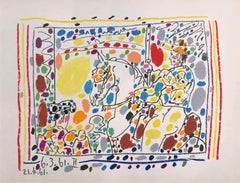
Le Picador II
By Pablo Picasso
Located in New York, NY
This lithograph in 24 colors on Wove paper was created in 1961. Dated twice by the artist within the original lithograph plate, unsigned as issued. Published by Andre Sauret, Monte C...
Category

20th Century Modern Tri-State Area - Prints and Multiples

Materials

Lithograph

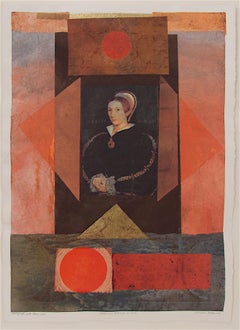
Suzanne Benton_Catherine Howard d. 1542_2003_monoprint, Chine collé_13 x 18 in
By Suzanne Benton
Located in Darien, CT
Suzanne Benton has been a working artist in a wide range of media for more than 60 years, with more than 150 solo exhibitions, 110 group shows, and two retrospectives of her multi-fa...
Category

2010s Feminist Tri-State Area - Prints and Multiples

Materials

Monoprint

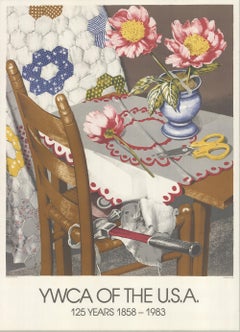
1983 After Sondra Freckelton 'Celebration' Contemporary Lithograph
By Sondra Freckelton
Located in Brooklyn, NY
Paper Size: 34.25 x 25 inches ( 86.995 x 63.5 cm ) Image Size: 28 x 23.5 inches ( 71.12 x 59.69 cm ) Framed: No Condition: A-: Near Mint, very light signs of handling Shippin...
Category

1980s Tri-State Area - Prints and Multiples

Materials

Lithograph

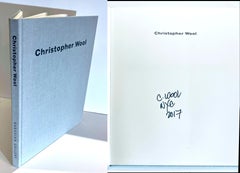
Gagosian Gallery hardback monograph (hand signed by Christopher Wool)
By Christopher Wool
Located in New York, NY
Christopher Wool (hand signed by Christopher Wool), 2006 Cloth hardback monograph (hand signed by Christopher Wool) Hand signed and dated 2017 by Christopher Wool on the half title p...
Category

Early 2000s Minimalist Tri-State Area - Prints and Multiples

Materials

Paper, Ink, Mixed Media, Lithograph, Offset

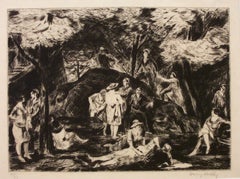
Harry Wickey, Snug Harbor (Riverside Drive, NYC)
By Harry Wickey
Located in New York, NY
The sailors are still in uniform in this post-World War I print of young people meeting at a semi-secluded park setting, Snug Harbor, along Riverside Drive...
Category

1920s Ashcan School Tri-State Area - Prints and Multiples

Materials

Drypoint

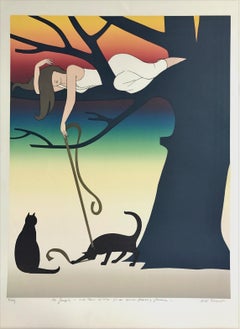
PLAY Signed Lithograph, Young Woman In Tree Playing with Cats, Rainbow Sunset
By Will Barnet
Located in Union City, NJ
PLAY by the American painter and printmaker Will Barnet (born May 25, 1911 - died Nov. 13, 2012) is an original hand drawn lithograph printed using hand lithography techniques on arc...
Category

1970s Contemporary Tri-State Area - Prints and Multiples

Materials

Lithograph

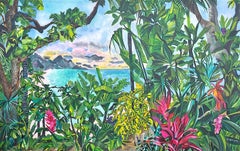
BEYOND EARTHS BEAUTY Signed Lithograph Island Landscape Tropical Plants, Beach
By Eileen Seitz
Located in Union City, NJ
BEYOND EARTHS BEAUTY is an original hand drawn lithograph(not a photo reproduction or digital print) by the American woman artist Eileen Seitz, printed using hand lithography techniques on archival Arches paper 100% acid free. BEYOND EARTHS BEAUTY depicts a lush, brightly colored island landscape bursting with colorful tropical plants...
Category

1980s Contemporary Tri-State Area - Prints and Multiples

Materials

Lithograph

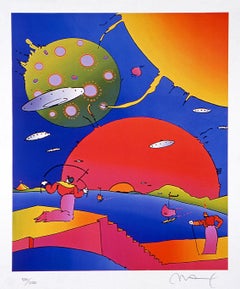
Year 2250 II, Peter Max
By Peter Max
Located in Fairfield, CT
Artist: Peter Max (1937) Title: Year 2250 II Year: 2003 Edition: 500/500, plus proofs Medium: Lithograph on archival paper Size: 15.43 x 13.5 inches Condition: Excellent Inscription:...
Category

Early 2000s Pop Art Tri-State Area - Prints and Multiples

Materials

Lithograph

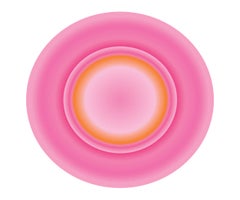
Fuchsia and Orange Circle
By Ruth Adler
Located in New York, NY
ABOUT THIS PIECE: Color is the foundation of my work. My circles start as a mood or idea that eventually evolves into a colored circle. I am curious how different colours interact wh...
Category

2010s Tri-State Area - Prints and Multiples

Materials

Photographic Paper

Walled Off Hotel Boxed Set Assemblage w/original embossed receipt from Bethlehem
By Banksy
Located in New York, NY
Banksy (after) Walled Off Hotel Boxed Set Assemblage, 2018 Mixed Media assemblage: unique piece of concrete/cement wall with framed lithograph. Accompanied by original embossed rece...
Category

2010s Street Art Tri-State Area - Prints and Multiples

Materials

Concrete

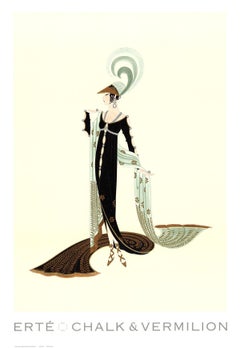
Erte 'Directoire' Art Deco, Vintage
Located in Brooklyn, NY
This elegant reproduction of Erté's Directoire beautifully captures the refined and sophisticated fashion of the Directoire period, a time marked by the transition from the opulence ...
Category

1990s Art Deco Tri-State Area - Prints and Multiples

Materials

Offset

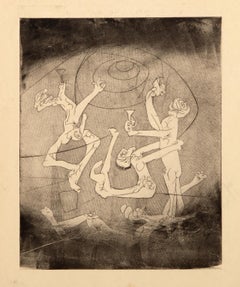
Raising A Glass, Surrealist Etching by Roberto Matta
By Roberto Matta
Located in Long Island City, NY
Roberto Matta, Chilean (1911 - 2002) - Raising A Glass, Year: circa 1943, Medium: Etching, Image Size: 9.75 x 8 inches, Size: 15 x 11.75 in. (38.1 x 29.85 cm), Reference: Unrecorde...
Category

1940s Surrealist Tri-State Area - Prints and Multiples

Materials

Etching

Jean-Michel Basquiat, (1985 monograph, Hand signed and numbered by Basquiat)
By Jean-Michel Basquiat
Located in New York, NY
Jean-Michel Basquiat, 1985 Limited Edition Artist's Book with Offset Lithographs. Hand signed and numbered by Jean-Michel Basquiat Hand signed and numb...
Category

1980s Pop Art Tri-State Area - Prints and Multiples

Materials

Offset, Lithograph

Charms against harms, Robert Rauschenberg
By Robert Rauschenberg
Located in Fairfield, CT
Artist: Robert Rauschenberg (1925-2008) Title: Charms against harms Year: 1993 Medium: Lithograph on wove paper Edition: H.C. 8/15, 100, plus proofs Size: 40.5 x 28 inches Condition:...
Category

1990s Pop Art Tri-State Area - Prints and Multiples

Materials

Lithograph

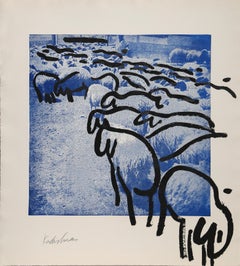
Sheep 7, Conceptual Etching and Screenprint by Menashe Kadishman
By Menashe Kadishman
Located in Long Island City, NY
Artist: Menashe Kadishman, Israeli (1932 - 2015) Title: Sheep 7 Year: 1981 Medium: Screenprint and Etching, signed in pencil Edition: 65, AP 5 Size: 33.5 x 31 in. (85.09 x 78.74 cm)
Category

1980s Conceptual Tri-State Area - Prints and Multiples

Materials

Etching, Screen

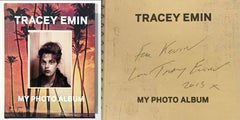
Tracey Emin: My Photo Album (Hand signed, inscribed and dated by Tracey Emin)
By Tracey Emin
Located in New York, NY
Tracey Emin Tracey Emin: My Photo Album (Hand signed, inscribed and dated by Tracey Emin), 2013 Hardback monograph (hand signed, inscribed to Kevin and dated by Tracey Emin) Warmly signed, inscribed and dated by Tracey Emin on the title page 9 × 7 1/4 × 1 inches Warmly signed, inscribed to Kevin and dated by Tracey Emin on the title page Tracey signed this for the present owner at an official book signing in New York back in 2013, so provenance is direct. Publisher's blurb: My Photo Album is a journey through the life of British artist Tracey Emin using photographs from her personal collection. Edited from the albums she has kept from an early age, this visual autobiography contains some amazing images: Tracey sharing a pram as a baby with her twin Paul, her bus-pass photo aged 14, a ‘glamour’ shoot as a semi-naked art...
Category

2010s Contemporary Tri-State Area - Prints and Multiples

Materials

Ink, Mixed Media, Lithograph, Offset

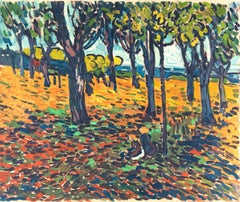
de Vlaminck, Chataigneraie à Chatou, Fauves, Collection Pierre Lévy (after)
By Maurice de Vlaminck
Located in Fairfield, CT
Medium: Lithograph on vélin d'Arches paper Year: 1972 Paper Size: 20 x 26 inches Inscription: Signed in the plate and unnumbered, as issued Notes: From the folio, Fauves, VII, Collec...
Category

1970s Fauvist Tri-State Area - Prints and Multiples

Materials

Lithograph

Maravillas con Variaciones Acrosticas (No 22), Modern Lithograph by Joan Miro
By Joan Miró
Located in Long Island City, NY
Artist: Joan Miro, Spanish (1893 - 1983) Title: Maravillas con Variaciones Acrosticas en el jardin de Miro (Number 22) Year: 1975 Medium: Lithograph, signed in the plate Edition: 150...
Category

1970s Modern Tri-State Area - Prints and Multiples

Materials

Lithograph

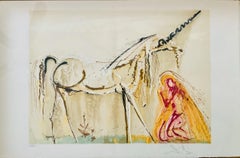
La Licorne (The Unicorn), Surrealist Lithograph by Salvador Dali
By Salvador Dalí­
Located in Long Island City, NY
A woman with flowing gold hair kneels before a unicorn. The horse theme was frequently used by Dali throughout his career. The horse is seen as a symbol of beauty and elegance as wel...
Category

1970s Surrealist Tri-State Area - Prints and Multiples

Materials

Lithograph

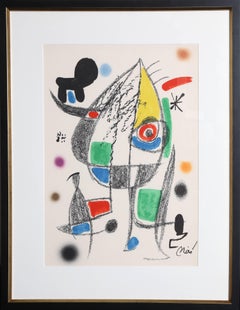
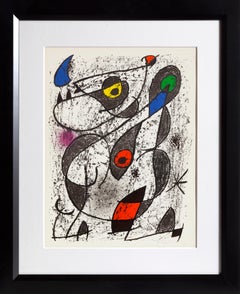
Miro a l'Encre II, Lithograph on Wove Paper from the Indelible Miro
By Joan Miró
Located in Long Island City, NY
Miro a l’Encre II Joan Miro, Spanish (1893–1983) Portfolio: Indelible Miro Date: 1972 Lithograph on Wove Paper Size: 14 x 10 in. (35.56 x 25.4 cm) Frame Size: 21.5 x 18 inches Printe...
Category

1970s Modern Tri-State Area - Prints and Multiples

Materials

Lithograph

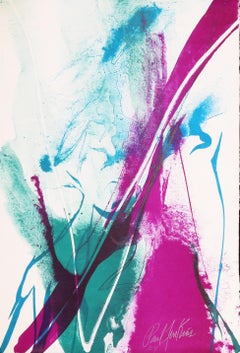
Seeing Voices 1, Abstract Lithograph by Paul Jenkins
By Paul Jenkins
Located in Long Island City, NY
A lithograph from the portfolio "Seeing Voices", a collection that also includes several poems. This abstract piece by Paul Jenkins is signed and numbered on the front of the print i...
Category

1960s Tri-State Area - Prints and Multiples

Materials

Lithograph

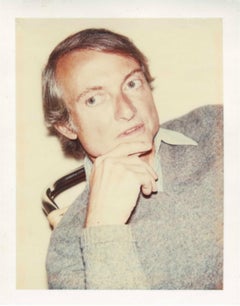
Unique portrait of Roy Lichtenstein, Authenticated by the Andy Warhol Foundation
By Andy Warhol
Located in New York, NY
Andy Warhol Portrait of Roy Lichtenstein, 1975 Polaroid dye-diffusion print Authenticated by the Andy Warhol Foundation for the Visual Arts, bears the Foundation stamp verso Frame included: Framed in white wood frame with UV plexiglass; with die-cut window in the back to show official Warhol Foundation authentication stamp and text Measurements: 9 9/16 x 8 9/16 x 9/16 inches (frame) 3 1/2 x 2 3/4 inches (window) 4.16 x 3.15 inches (Artwork) Authenticated and stamped by the Estate of Andy Warhol/Warhol Foundation for the Visual Arts An impressive piece of Pop Art history! A must-have for fans and collectors of both Andy Warhol and Roy Lichtenstein: This is a unique, authenticated color Polaroid taken by one Pop Art legend, Andy Warhol, of his most formidable contemporary and, in many respects, rival, Roy Lichtenstein. One of only a few portraits Andy Warhol took of Roy Lichtenstein, during one tense photo shoot. Both iconic artists, colleagues and, perhaps lesser known to the public, rivals, would be represented at the time by the renowned Leo Castelli Gallery. The truth is - they were really more rivals than friends. (the rivalry intensified when Warhol, who was working with Walt Disney, discovered that Lichtenstein painted Mickey Mouse before he did!!) Leo Castelli was committed to Roy Lichtenstein, and, it's easy to forget today, wasn't that interested in Warhol as he considered Lichtenstein the greater talent and he could relate better with Roy on a personal level. However, Ivan Karp, who worked at Castelli, was very interested in Warhol, as were some powerful European dealers, as well as many wealthy and influential American and European collectors. That was the start of Warhol's bypassing the traditional gallery model - so that dealers like Castelli could re-discover him after everybody else had. Warhol is known to have taken hundreds of self-portrait polaroid photographs - shoe boxes full - and he took many dozens of images of celebrities like Blondie and Farrah Fawcett. But only a small number of photographic portraits of fellow Pop Art legend Roy Lichtenstein -- each unique,- are known to have appeared on the market over the past half a century - all from the same photo session. This is one of them. There is another Polaroid - from this same (and only) sitting, in the permanent collection of the Getty Museum in California. There really weren't any other collaborations between these two titans, making the resulting portrait from this photo session extraordinary. It is fascinating to study Roy Lichtenstein's face and demeanor in this photograph, in the context of the great sense of competition, but perhaps even greater, albeit uneasy respect, these two larger than life Pop art titans had for each other: Like Leo Castelli, Roy Lichtenstein was Jewish of European descent; whereas Warhol was Catholic and quintessentially American, though also of European (Polish) descent. They were never going to be good friends, but this portrait, perhaps even arranged by Leo Castelli, represents an uneasy acknowledgement there would be room at the top for both of them. Floated, framed with die cut back revealing authentication details, and ready to hang. Measurements: 9 9/16 x 8 9/16 x 9/16 inches (frame) 3 1/2 x 2 3/4 inches (window) 4.16 x 3.15 inches (sheet) Authenticated by the Estate of Andy Warhol/The Andy Warhol Foundation for the Visual Arts. Estate Stamped: Stamped with the Andy Warhol Estate, Warhol Foundation for the Visual Arts stamp, numbered "B 512536P", with the Estate of Andy Warhol stamp and inscribed UP on the reverse. Bears the Warhol Foundation unique inventory number. Roy Lichtenstein Biography Roy Lichtenstein was one of the most influential and innovative artists of the second half of the twentieth century. He is preeminently identified with Pop Art, a movement he helped originate, and his first fully achieved paintings were based on imagery from comic strips and advertisements and rendered in a style mimicking the crude printing processes of newspaper reproduction. These paintings reinvigorated the American art scene and altered the history of modern art. Lichtenstein’s success was matched by his focus and energy, and after his initial triumph in the early 1960s, he went on to create an oeuvre of more than 5,000 paintings, prints, drawings, sculptures, murals and other objects celebrated for their wit and invention. Roy Fox Lichtenstein was born on October 27, 1923, in New York City, the first of two children born to Milton and Beatrice Werner Lichtenstein. Milton Lichtenstein (1893–1946) was a successful real estate broker, and Beatrice Lichtenstein (1896–1991), a homemaker, had trained as a pianist, and she exposed Roy and his sister Rénee to museums, concerts and other aspects of New York culture. Roy showed artistic and musical ability early on: he drew, painted and sculpted as a teenager, and spent many hours in the American Museum of Natural History and the Museum of Modern Art. He played piano and clarinet, and developed an enduring love of jazz, frequenting the nightspots in Midtown to hear it. Lichtenstein attended the Franklin School for Boys, a private junior high and high school, and was graduated in 1940. That summer he studied painting and drawing from the model at the Art Students League of New York with Reginald Marsh. In September he entered Ohio State University (OSU) in Columbus in the College of Education. His early artistic idols were Rembrandt, Daumier and Picasso, and he often said that Guernica (1937; Museo Reina Sofía, Madrid), then on long-term loan to the Museum of Modern Art, was his favorite painting. Even as an undergraduate, Lichtenstein objected to the notion that one set of lines (one person’s drawings) “was considered brilliant, and somebody’s else’s, that may have looked better to you, was considered nothing by almost everyone.”i Lichtenstein’s questioning of accepted canons of taste was encouraged by Hoyt L. Sherman, a teacher whom he maintained was the person who showed him how to see and whose perception-based approach to art shaped his own. In February 1943, Lichtenstein was drafted, and he was sent to Europe in 1945. As part of the infantry, he saw action in France, Belgium and Germany. He made sketches throughout his time in Europe and, after peace was declared there, he intended to study at the Sorbonne. Lichtenstein arrived in Paris in October 1945 and enrolled in classes in French language and civilization, but soon learned that his father was gravely ill. He returned to New York in January 1946, a few weeks before Milton Lichtenstein died. In the spring of that year, Lichtenstein went back to OSU to complete his BFA and in the fall he was invited to join the faculty as an instructor. In June 1949, he married Isabel Wilson Sarisky (1921–80), who worked in a cooperative art gallery in Cleveland where Lichtenstein had exhibited his work. While he was teaching, Lichtenstein worked on his master’s degree, which he received in 1949. During his second stint at OSU, Lichtenstein became closer to Sherman, and began teaching his method on how to organize and unify a composition. Lichtenstein remained appreciative of Sherman’s impact on him. He gave his first son the middle name of “Hoyt,” and in 1994 he donated funds to endow the Hoyt L. Sherman Studio Art Center at OSU. In the late 1940s and early 1950s, Lichtenstein began working in series and his iconography was drawn from printed images. His first sustained theme, intimate paintings and prints in the vein of Paul Klee that poked lyrical fun at medieval knights, castles and maidens, may well have been inspired by a book about the Bayeux Tapestry. Lichtenstein then took an ironic look at nineteenth-century American genre paintings he saw in history books, creating Cubist interpretations of cowboys and Indians spiked with a faux-primitive whimsy. As with his most celebrated Pop paintings of the 1960s, Lichtenstein gravitated toward what he would characterize as the “dumbest” or “worst” visual item he could find and then went on to alter or improve it. In the 1960s, commercial art was considered beneath contempt by the art world; in the early 1950s, with the rise of Abstract Expressionism, nineteenth-century American narrative and genre paintings were at the nadir of their reputation among critics and collectors. Paraphrasing, particularly the paraphrasing of despised images, became a paramount feature of Lichtenstein’s art. Well before finding his signature mode of expression in 1961, Lichtenstein called attention to the artifice of conventions and taste that permeated art and society. What others dismissed as trivial fascinated him as classic and idealized—in his words, “a purely American mythological subject matter.”ii Lichtenstein’s teaching contract at OSU was not renewed for the 1951–52 academic year, and in the autumn of 1951 he and Isabel moved to Cleveland. Isabel Lichtenstein became an interior decorator specializing in modern design, with a clientele drawn from wealthy Cleveland families. Whereas her career blossomed, Lichtenstein did not continue to teach at the university level. He had a series of part-time jobs, including industrial draftsman, furniture designer, window dresser and rendering mechanical dials for an electrical instrument company. In response to these experiences, he introduced quirkily rendered motors, valves and other mechanical elements into his paintings and prints. In 1954, the Lichtensteins’ first son, David, was born; two years later, their second child, Mitchell, followed. Despite the relative lack of interest in his work in Cleveland, Lichtenstein did place his work with New York dealers, which always mattered immensely to him. He had his first solo show at the Carlebach Gallery in New York in 1951, followed by representation with the John Heller Gallery from 1952 to 1957. To reclaim his academic career and get closer to New York, Lichtenstein accepted a position as an assistant professor at the State University of New York at Oswego, in the northern reaches of the state. He was hired to teach industrial design, beginning in September 1957. Oswego turned out to be more geographically and aesthetically isolated than Cleveland ever was, but the move was propitious, for both his art and his career. Lichtenstein broke away from representation to a fully abstract style, applying broad swaths of pigment to the canvas by dragging the paint across its surface with a rag wrapped around his arm. At the same time, Lichtenstein was embedding comic-book characters figures such as Mickey Mouse and Donald Duck in brushy, expressionistic backgrounds. None of the proto-cartoon paintings from this period survive, but several pencil and pastel studies from that time, which he kept, document his intentions. Finally, when he was in Oswego, Lichtenstein met Reginald Neal, the new head of the art department at Douglass College, the women’s college of Rutgers University, in New Brunswick, New Jersey. The school was strengthening and expanding its studio art program, and when Neal needed to add a faculty member to his department, Lichtenstein was invited to apply for the job. Lichtenstein was offered the position of assistant professor, and he began teaching at Douglass in September 1960. At Douglass, Lichtenstein was thrown into a maelstrom of artistic ferment. With New York museums and galleries an hour away, and colleagues Geoffrey Hendricks and Robert Watts at Douglass and Allan Kaprow and George Segal at Rutgers, the environment could not help but galvanize him. In June 1961, Lichtenstein returned to the idea he had fooled around with in Oswego, which was to combine cartoon characters from comic books with abstract backgrounds. But, as Lichtenstein said, “[I]t occurred to me to do it by mimicking the cartoon style without the paint texture, calligraphic line, modulation—all the things involved in expressionism.”iii Most famously, Lichtenstein appropriated the Benday dots, the minute mechanical patterning used in commercial engraving, to convey texture and gradations of color—a stylistic language synonymous with his subject matter. The dots became a trademark device forever identified with Lichtenstein and Pop Art. Lichtenstein may not have calibrated the depth of his breakthrough immediately but he did realize that the flat affect and deadpan presentation of the comic-strip panel blown up and reorganized in the Sherman-inflected way “was just so much more compelling”iv than the gestural abstraction he had been practicing. Among the first extant paintings in this new mode—based on comic strips and illustrations from advertisements—were Popeye and Look Mickey, which were swiftly followed by The Engagement Ring, Girl with Ball and Step-on Can with Leg. Kaprow recognized the energy and radicalism of these canvases and arranged for Lichtenstein to show them to Ivan Karp, director of the Leo Castelli Gallery. Castelli was New York’s leading dealer in contemporary art, and he had staged landmark exhibitions of Jasper Johns and Robert Rauschenberg in 1958 and Frank Stella in 1960. Karp was immediately attracted to Lichtenstein’s paintings, but Castelli was slower to make a decision, partly on account of the paintings’ plebeian roots in commercial art, but also because, unknown to Lichtenstein, two other artists had recently come to his attention—Andy Warhol and James Rosenquist—and Castelli was only ready for one of them. After some deliberation, Castelli chose to represent Lichtenstein, and the first exhibition of the comic-book paintings was held at the gallery from February 10 to March 3, 1962. The show sold out and made Lichtenstein notorious. By the time of Lichtenstein’s second solo exhibition at Castelli in September 1963, his work had been showcased in museums and galleries around the country. He was usually grouped with Johns, Rauschenberg, Warhol, Rosenquist, Segal, Jim Dine, Claes Oldenburg, Robert Indiana and Tom Wesselmann. Taken together, their work was viewed as a slap in the face to Abstract Expressionism and, indeed, the Pop artists shifted attention away from many members of the New York School. With the advent of critical and commercial success, Lichtenstein made significant changes in his life and continued to investigate new possibilities in his art. After separating from his wife, he moved from New Jersey to Manhattan in 1963; in 1964, he resigned from his teaching position at Douglass to concentrate exclusively on his work. The artist also ventured beyond comic book subjects, essaying paintings based on oils by Cézanne, Mondrian and Picasso, as well as still lifes and landscapes. Lichtenstein became a prolific printmaker and expanded into sculpture, which he had not attempted since the mid-1950s, and in both two- and three-dimensional pieces, he employed a host of industrial or “non-art” materials, and designed mass-produced editioned objects that were less expensive than traditional paintings and sculpture. Participating in one such project—the American Supermarket show in 1964 at the Paul Bianchini Gallery, for which he designed a shopping bag—Lichtenstein met Dorothy Herzka (b. 1939), a gallery employee, whom he married in 1968. The late 1960s also saw Lichtenstein’s first museum surveys: in 1967 the Pasadena Art Museum initiated a traveling retrospective, in 1968 the Stedelijk Musem in Amsterdam presented his first European retrospective, and in 1969 he had his first New York retrospective, at the Solomon R. Guggenheim Museum. Wanting to grow, Lichtenstein turned away from the comic book subjects that had brought him prominence. In the late 1960s his work became less narrative and more abstract, as he continued to meditate on the nature of the art enterprise itself. He began to explore and deconstruct the notion of brushstrokes—the building blocks of Western painting. Brushstrokes are conventionally conceived as vehicles of expression, but Lichtenstein made them into a subject. Modern artists have typically maintained that the subject of a painting is painting itself. Lichtenstein took this idea one imaginative step further: a compositional element could serve as the subject matter of a work and make that bromide ring true. The search for new forms and sources was even more emphatic after 1970, when Roy and Dorothy Lichtenstein bought property in Southampton, New York, and made it their primary residence. During the fertile decade of the 1970s, Lichtenstein probed an aspect of perception that had steadily preoccupied him: how easily the unreal is validated as the real because viewers have accepted so many visual conceptions that they don’t analyze what they see. In the Mirror series, he dealt with light and shadow upon glass, and in the Entablature series, he considered the same phenomena by abstracting such Beaux-Art architectural elements as cornices, dentils, capitals and columns. Similarly, Lichtenstein created pioneering painted bronze sculpture that subverted the medium’s conventional three-dimensionality and permanence. The bronze forms were as flat and thin as possible, more related to line than volume, and they portrayed the most fugitive sensations—curls of steam, rays of light and reflections on glass. The steam, the reflections and the shadow were signs for themselves that would immediately be recognized as such by any viewer. Another entire panoply of works produced during the 1970s were complex encounters with Cubism, Futurism, Purism, Surrealism and Expressionism. Lichtenstein expanded his palette beyond red, blue, yellow, black, white and green, and invented and combined forms. He was not merely isolating found images, but juxtaposing, overlapping, fragmenting and recomposing them. In the words of art historian Jack Cowart, Lichtenstein’s virtuosic compositions were “a rich dialogue of forms—all intuitively modified and released from their nominal sources.”v In the early 1980s, which coincided with re-establishing a studio in New York City, Lichtenstein was also at the apex of a busy mural career. In the 1960s and 1970s, he had completed four murals; between 1983 and 1990, he created five. He also completed major commissions for public sculptures in Miami Beach, Columbus, Minneapolis, Paris, Barcelona and Singapore. Lichtenstein created three major series in the 1990s, each emblematic of his ongoing interest in solving pictorial problems. The Interiors, mural-sized canvases inspired by a miniscule advertisement in an Italian telephone...
Category

1970s Pop Art Tri-State Area - Prints and Multiples

Materials

Polaroid

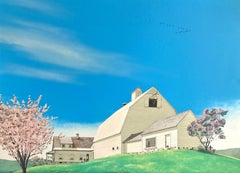
HARBINGER OF SPRING Signed Lithograph, Farm House Landscape Blue Sky White Barn
By Mel Hunter
Located in Union City, NJ
HARBINGER OF SPRING is an original limited edition, hand drawn lithograph(not a photo reproduction or digital print) by the American artist/illustrator Mel Hunter, printed using hand...
Category

1970s Realist Tri-State Area - Prints and Multiples

Materials

Lithograph

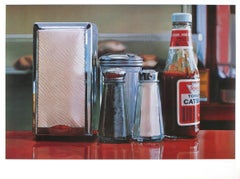
After Ralph Goings 'Color Pick' 1982, First Edition, Vintage
By Ralph Goings
Located in Brooklyn, NY
First edition exhibition poster by Ralph Goings titled Tomato Catsup. Born in 1928, Goings is best known for his highly detailed paintings of diners, hamburger stands, California ban...
Category

1980s Realist Tri-State Area - Prints and Multiples

Materials

Offset

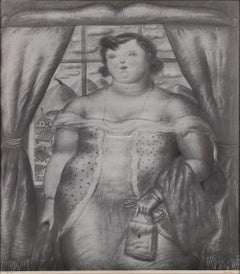
WOMAN WITH A STOLE
By Fernando Botero
Located in New York, NY
A striking example of Fernando Botero's iconic style, "Woman with a Stole" captures the Colombian master’s signature exploration of volume, form, and sensuality. Executed in 1972, th...
Category

21st Century and Contemporary Tri-State Area - Prints and Multiples

Materials

Lithograph

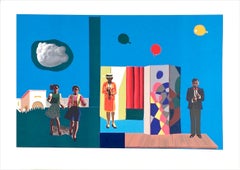
FUGUE Signed Lithograph, Figurative Collage, Musicians, Girls, Balloons
By Hughie Lee-Smith
Located in Union City, NJ
Fugue is an original hand drawn limited edition lithograph by the African American artist Hughie Lee-Smith printed using hand lithography techniques on archival Arches paper, 100% ac...
Category

1990s Contemporary Tri-State Area - Prints and Multiples

Materials

Lithograph

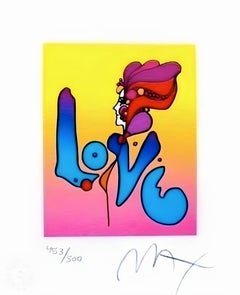
Love I, Peter Max
By Peter Max
Located in Fairfield, CT
Artist: Peter Max (1937) Title: Love I Year: 2001 Edition: 453/500, plus proofs Medium: Lithograph on Lustro Saxony paper Size: 6 x 5 inches Condition: Excellent Inscription: Signed ...
Category

Early 2000s Pop Art Tri-State Area - Prints and Multiples

Materials

Lithograph

Love I, Peter Max
$912 Sale Price
20% Off
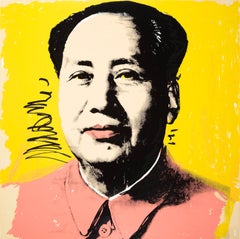
Mao 97 (Feldman/Schellmann II.97), Andy Warhol
By Andy Warhol
Located in Fairfield, CT
Artist: Andy Warhol (1928-1987) Title: Mao 97 Year: 1972 Medium: Silkscreen in colors on Lenox Museum Board Size: 36 x 36 inches Condition: Good Inscription: signed in ball-point pen...
Category

1970s Pop Art Tri-State Area - Prints and Multiples

Materials

Screen

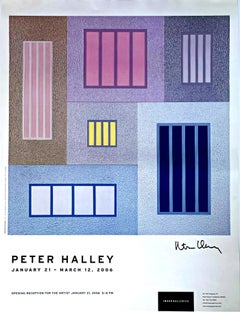
Imago Galleries exhibition poster, Palm Desert, CA (Hand Signed by Peter Halley)
By Peter Halley
Located in New York, NY
Peter Halley Peter Halley, Imago Galleries, Palm Desert, CA (Hand Signed), 2006 Offset lithograph poster (hand signed by Peter Halley) 25 1/2 × 18 1/4 inches Provenance; Acquired directly from the artist Unframed Alpha 137 Gallery is honored to offer this offset lithograph, published on the occasion of legendary American artist Peter Halley's 2006 one-man exhibition at Imago Galleries, Palm Desert, California which the artist hand signed in black marker. Scroll images for a photograph of our director Nadine Witkin with the artist. Below is Peter Halley's official biography. What it doesn't mention is that Andy Warhol famously painted his portrait in 1986! Peter Halley is that legendary. According to Halley, he didn't realize until after Warhol's death that the polaroids Warhol took of him with his famous "big shot" camera were made into an original painting. Warhol's painting of Peter Halley was included in the recent Andy Warhol retrospective "Andy Warhol - from A to B and Back Again" at the Whitney. PETER HALLEY BIOGRAPHY Peter Halley, born 1953, New York City, is an American artist who came to prominence as a central figure of the Neo-Conceptualist movement of the 1980s. His paintings redeploy the language of geometric abstraction to explore the organization of social space in the digital era. Since the 1980s, Halley’s lexicon has included three elements: “prisons” and “cells,” connected by “conduits,” which are used in his paintings to explore the technologically determined space and pathways that regulate daily life. Using fluorescent color and Roll-a-Tex, a commercial paint additive that provides readymade texture, Halley embraces materials that are anti-naturalistic and commercially manufactured. In the mid 1990s Halley pioneered the use of wall-sized digital prints in his site-specific installations. He has executed installations at Museo Nivola, Orani, Sardinia (2021); Greene Naftali, New York (2019); Venice Biennale (2019); Lever House, New York (2018); Schirn Kunsthalle, Frankfurt (2016); Disjecta, Portland (2012); the Gallatin School, New York University, (2008, 2017); the Museum of Modern Art, New York (1997); and the Dallas Museum of Art (1995). In 2005, Halley was also commissioned to create a monumental painting for Terminal D at the Dallas/Fort Worth International Airport, Texas. Halley served as professor and director of the MFA painting program at the Yale School of Art from 2002 to 2011. From 1996 to 2005, Halley published INDEX Magazine, which featured interviews with figures working in a variety of creative fields. Halley is also known for his essays on art and culture, written in the 1980s and 1990s, in which he explores themes from French critical theory and the impact of burgeoning digital technology. His Selected Essays, 1981 – 2001, was published by Edgewise Press, New York, in 2013.Halley’s writings have been translated into Spanish, French, and Italian. A catalogue raisonné, PETER HALLEY: Paintings of the 1980s, was published in 2018 by JRP Ringier. Halley’s work can be found in the collections of the Museum of Modern Art, New York; Whitney Museum of American Art, New York; Solomon R. Guggenheim Museum, New York; Broad Art Foundation, Los Angeles; Museum of Contemporary Art, Los Angeles; San Francisco Museum of Modern Art; Boston Museum of Fine Arts; Dallas Museum of Art; Albright-Knox Art Gallery, Buffalo; Tate Modern, London; Stedelijk Museum, Amsterdam; Sammlung Marx, Berlin; Museo Nacional Centro de Arte Reina Sofia, Madrid; Museum of Contemporary Art, Tokyo; Seoul Museum of Art, among others. More about Peter Halley Peter Halley was born in 1953 in New York. He began his formal training at Phillips Academy in Andover, Massachusetts, from which he graduated in 1971. During that time, Halley read Josef Albers’s Interaction of Color (1981), which would influence him throughout his career. From 1973 to 1974 Halley lived in New Orleans, where he absorbed the vibrant cultural influences of the city, began using commercial materials in his art, and first became acquainted with the writings of earthwork artist Robert Smithson. In 1975 the artist graduated from Yale University, New Haven, with a degree in art history. After Yale, Halley returned to New Orleans, where he received an MFA in painting from the University of New Orleans in 1978. He had his first solo exhibition at the Contemporary Art Center, New Orleans, that same year. In 1978 Halley spent a semester teaching art at the University of Louisiana, Lafayette. He has continued to teach throughout his career. In 1980, Halley moved back to New York and had his first solo exhibition in the city at PS122 Gallery. At this time, Halley was drawn to the pop themes and social issues addressed in New Wave music. Inspired by New York’s intense urban environment, Halley set out to use the language of geometric abstraction to describe the actual geometricized space around him. He also began his iconic use of fluorescent Day-Glo paint. In 1984, Halley started to exhibit with the International With Monument gallery, becoming closely associated with the organization and its artists, who exhibited conceptually rigorous work in a market-savvy, coolly presented space that stood in stark contrast to the bohemian, Neo-Expressionist flair of the East Village art scene at the time. In 1986, an exhibition of four artists from International With Monument at the Sonnabend Gallery in New York heralded the group’s growing success. By the late 1980s, Halley was exhibiting with prominent galleries in the United States and Europe. In 1989, an exhibition of his paintings traveled to the Museum Haus Esters, Krefeld, Germany; Maison de la culture et de la communication de Saint-Étienne, France; and Institute of Contemporary Arts, London. From 1991 to 1992, a retrospective toured Europe, with presentations at the CAPC Musée d’art contemporain de Bordeaux, France; Musée d’art contemporain, Lausanne, Switzerland; Museo nacional centro de arte Reina Sofía, Madrid; and Stedelijk Museum, Amsterdam. In 1992, the Des Moines Art Center hosted his first solo exhibition at a U.S. museum. While developing his visual language, Halley became interested in French post-structuralist writers, including Jean Baudrillard, Guy Debord, Michel Foucault, and Paul Virillio, all of whom shared his concern with the character of social spaces in a post-industrial society. In 1981, he published his first essay “Beat, Minimalism, New Wave, and Robert Smithson” in Arts, a New York–based magazine that would publish eight of his essays before the decade’s end. Halley’s writings became the basis for Neo-Geometric Conceptualism (also known as Neo-Geo), the offshoot of Neo-Conceptualism associated with the work of Ashley Bickerton, Halley, and Jeff Koons. In 1988, the artist’s writings were anthologized in Collected Essays, 1981–1987, and again in 1997 in a second anthology, Recent Essays, 1990–1996. In the mid-1990s, Halley began to produce site-specific installations for museums, galleries, and public spaces. These characteristically brought together a range of imagery and mediums, including paintings, wall-size flowcharts, and digitally generated wallpaper prints. Halley has executed permanent installations at the Dallas/Fort Worth International Airport, Texas, and the Gallatin School of Individualized Study at New York University. In 2011, his installation of digital prints Judgment Day...
Category

Early 2000s Abstract Geometric Tri-State Area - Prints and Multiples

Materials

Offset, Lithograph

Micmac I, Abstract Expressionist Screenprint by Dan Christensen
By Dan Christensen
Located in Long Island City, NY
Dan Christensen, American (1942 - 2007) - Micmac I, Year: circa 1981, Medium: Screenprint, signed, titled and numbered in pencil, Edition: 43/100, Image Size: 38.25 x 27 inches, ...
Category

1980s Abstract Expressionist Tri-State Area - Prints and Multiples

Materials

Screen

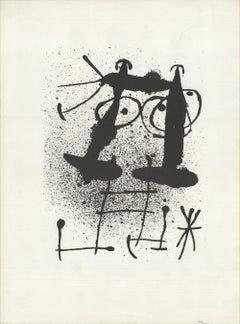
1967 Joan Miro 'Untitled'
By Joan Miró
Located in Brooklyn, NY
Paper Size: 15 x 11 inches ( 38.1 x 27.94 cm ) Image Size: 15 x 11 inches ( 38.1 x 27.94 cm ) Framed: No Condition: A-: Near Mint, very light signs of handling Additional Detai...
Category

1960s Modern Tri-State Area - Prints and Multiples

Materials

Lithograph

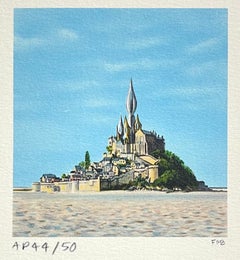
MONT SAINT-MICHEL Signed Mini Lithograph, Iconic Landmark Normandy France
By Fanny Brennan
Located in Union City, NJ
MONT SAINT-MICHEL is a hand drawn, limited edition lithograph by the American surrealist artist Fanny Brennan, created using traditional hand lithography techniques printed on archiv...
Category

1990s Surrealist Tri-State Area - Prints and Multiples

Materials

Lithograph

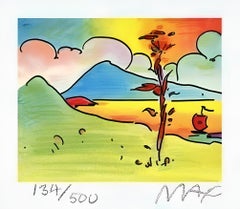
Tree with Sailboat, Peter Max
By Peter Max
Located in Fairfield, CT
Artist: Peter Max (1937) Title: Tree with Sailboat Year: 2000 Edition: 500/500, plus proofs Medium: Lithograph on Lustro Saxony paper Size: 2.75 x 3.125 inches Condition: Excellent I...
Category

Early 2000s Pop Art Tri-State Area - Prints and Multiples

Materials

Lithograph

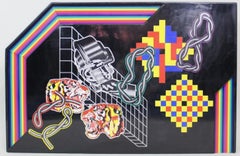
Tiger-Tiger, 3-D Relief of impact-resistant polystyrene, deep-drawn, silkscreen
By Peter Phillips
Located in New York, NY
Peter Phillips Tiger-Tiger, 1968 3-D Relief made of impact-resistant polystyrene, deep-drawn, silkscreened in 8 colors, rear wall made of styrofoam and vacuum form plastic 28 7/10 × ...
Category

1960s Pop Art Tri-State Area - Prints and Multiples

Materials

Plastic, Polystyrene, Mixed Media, Screen

Still Thinking About These?

All Recently Viewed