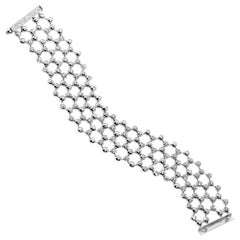
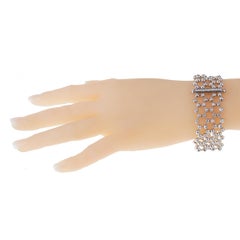
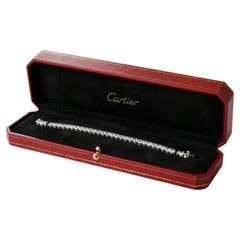
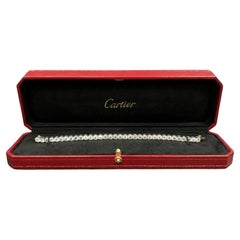
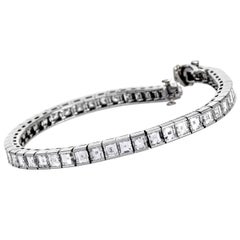
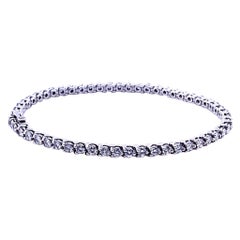
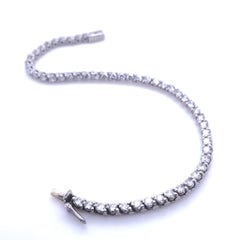
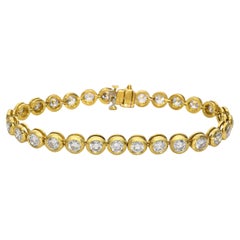
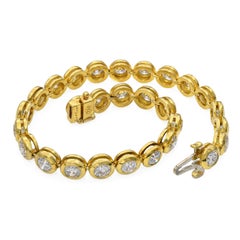
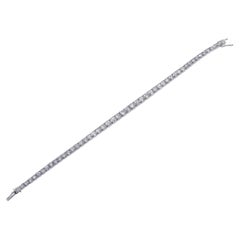
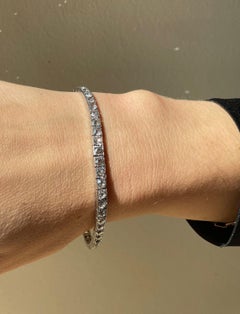
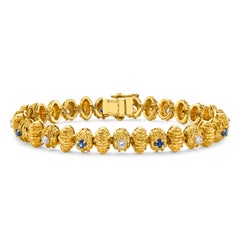
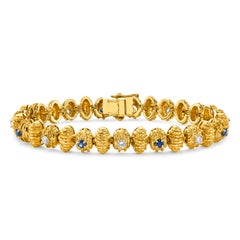
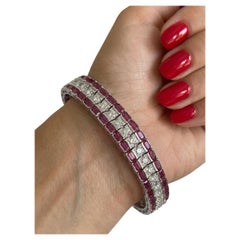
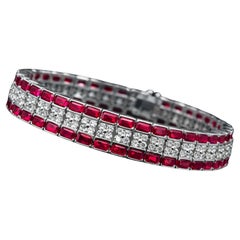
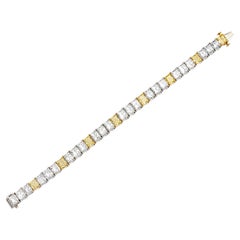
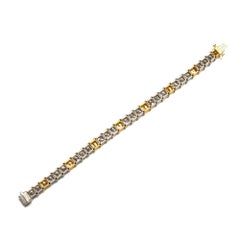
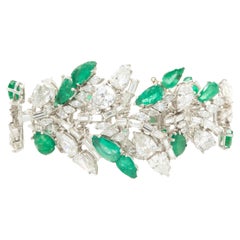
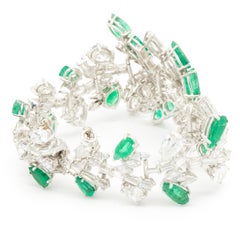
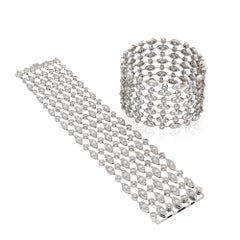
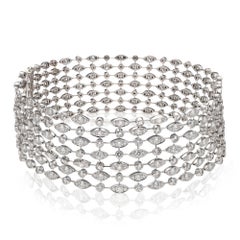
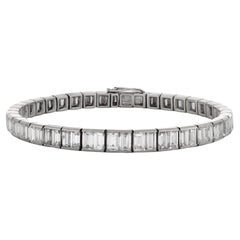
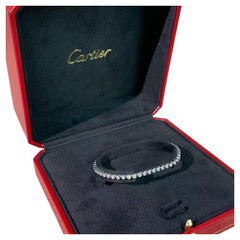
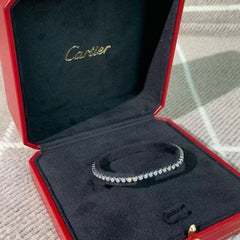
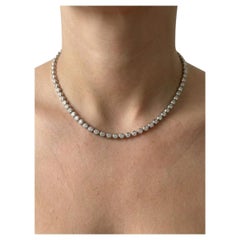
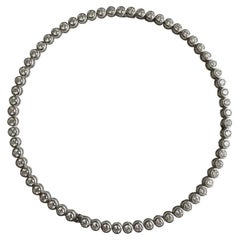
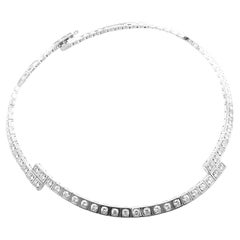
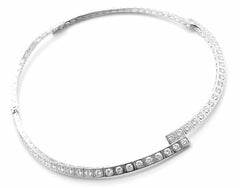
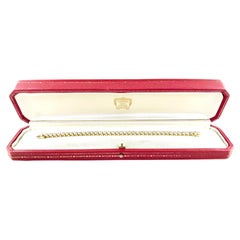
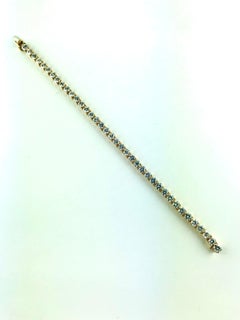
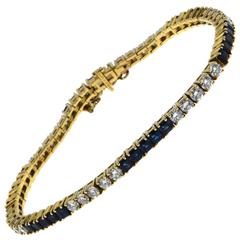
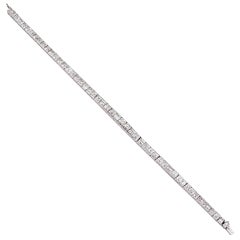
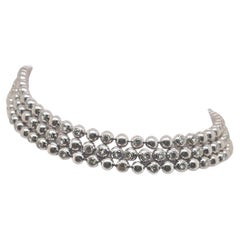
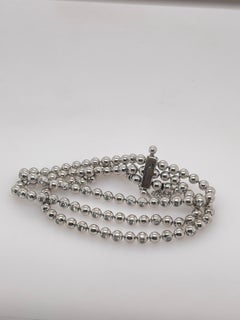
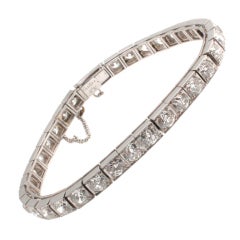
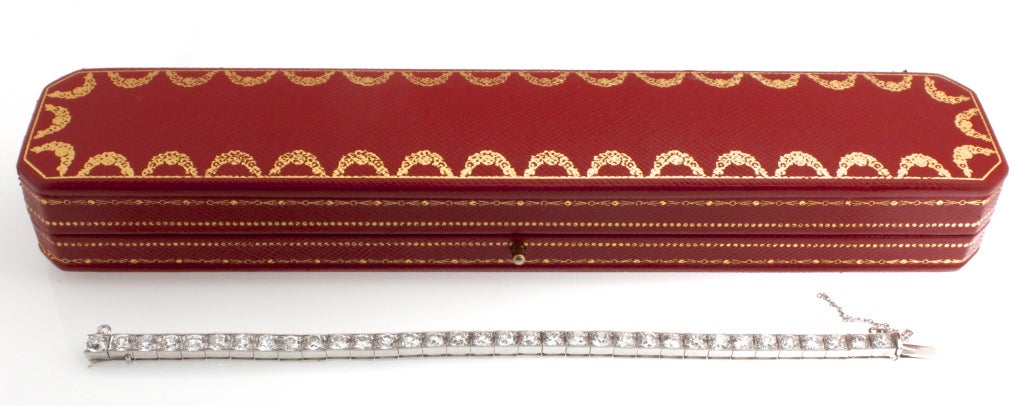
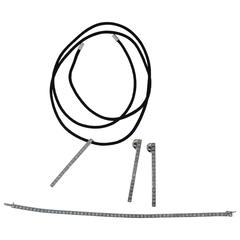
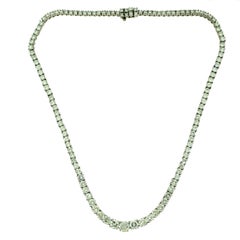
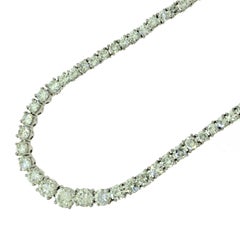
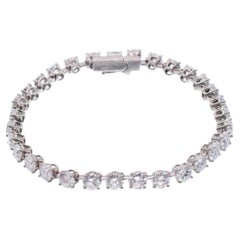
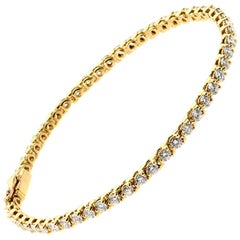
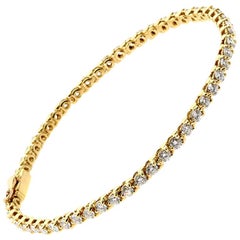
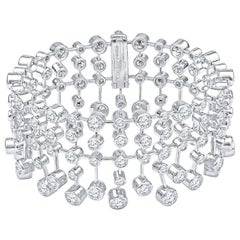
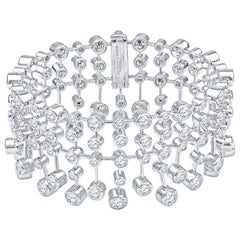
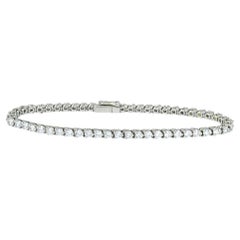
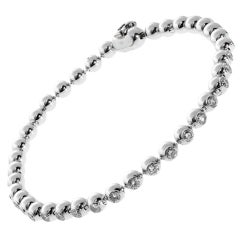
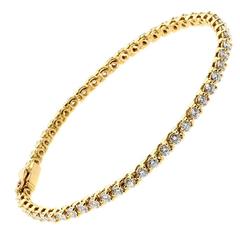
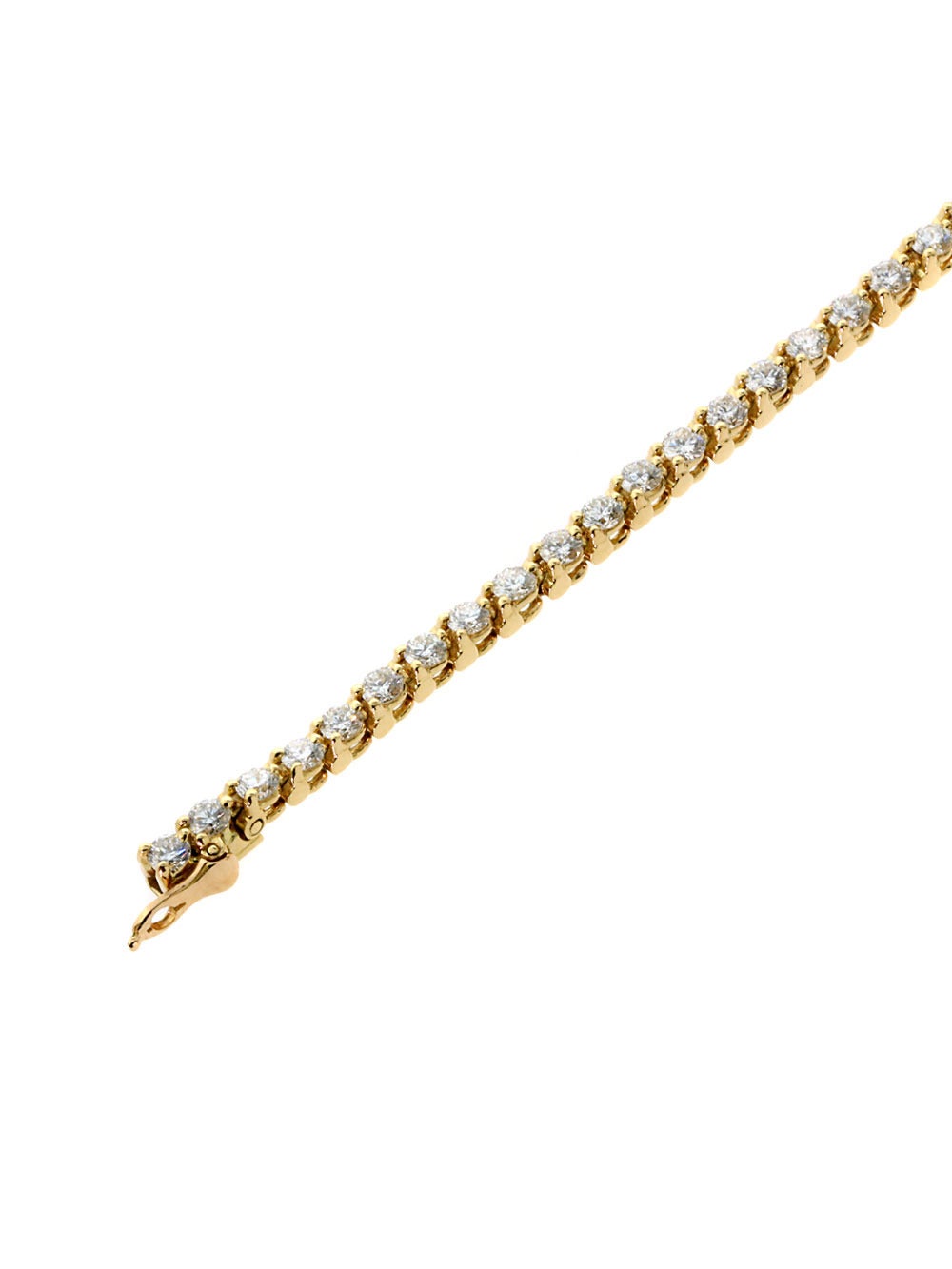
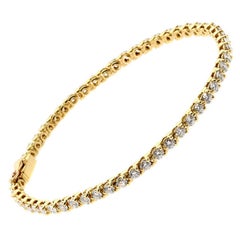
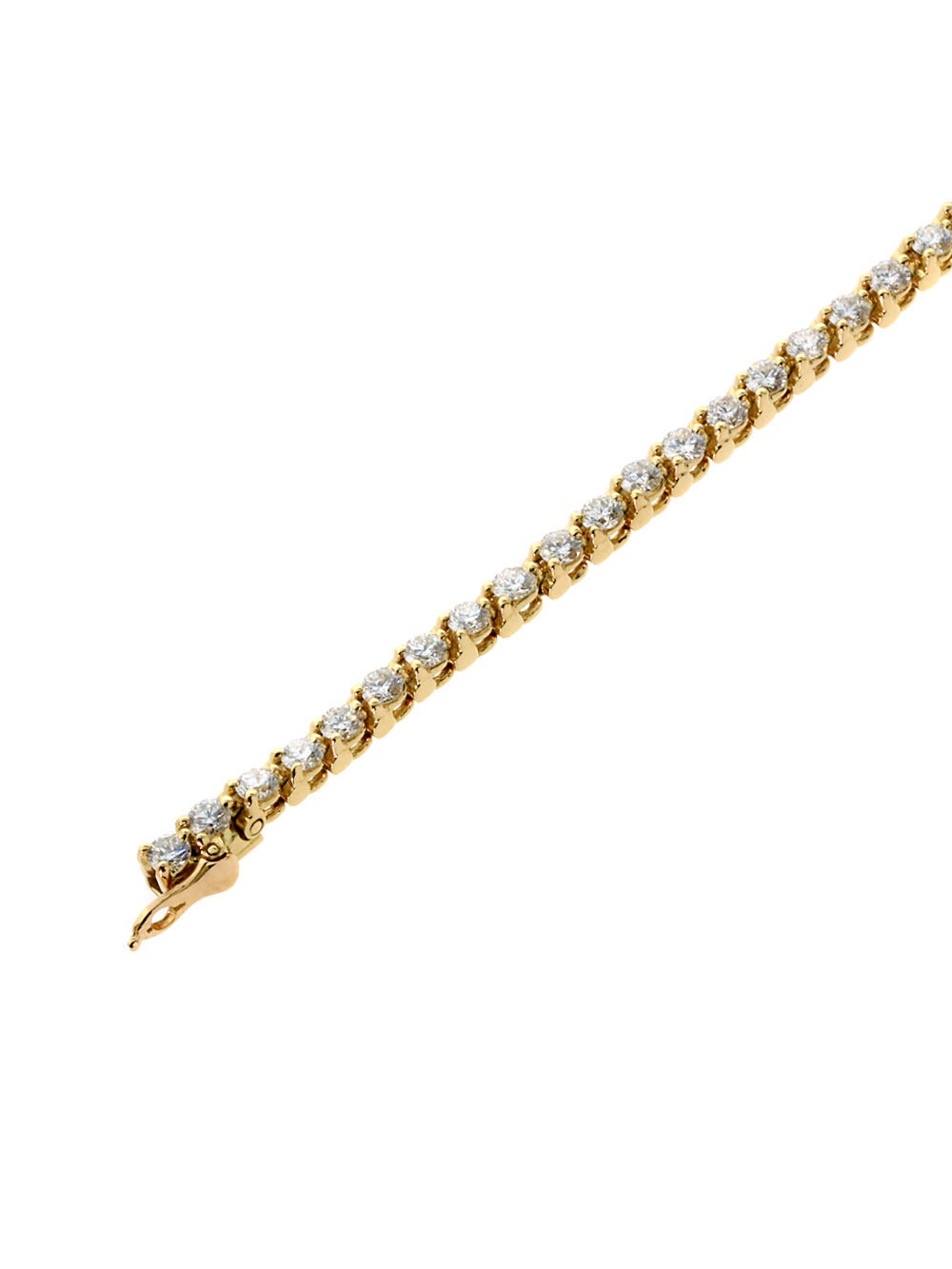
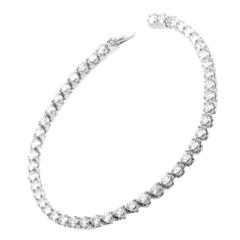
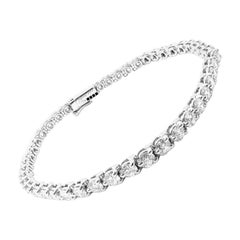
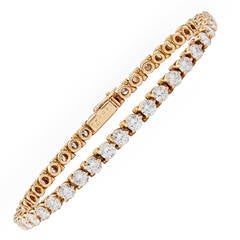
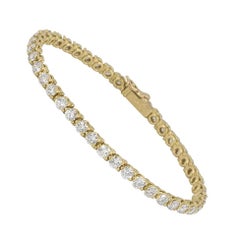
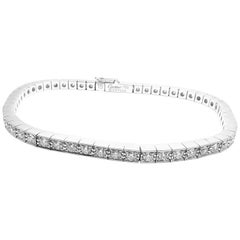
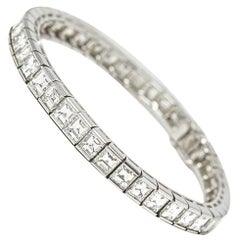
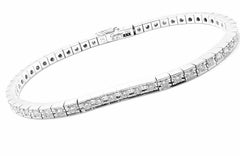
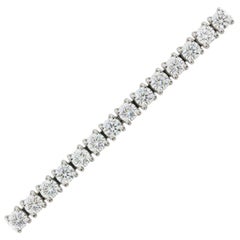
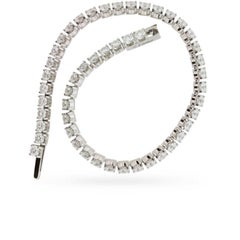
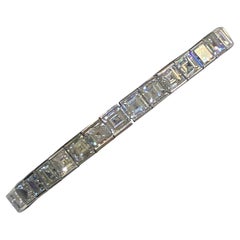
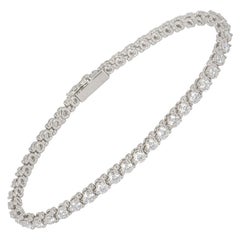
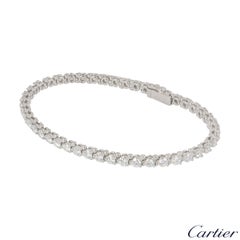
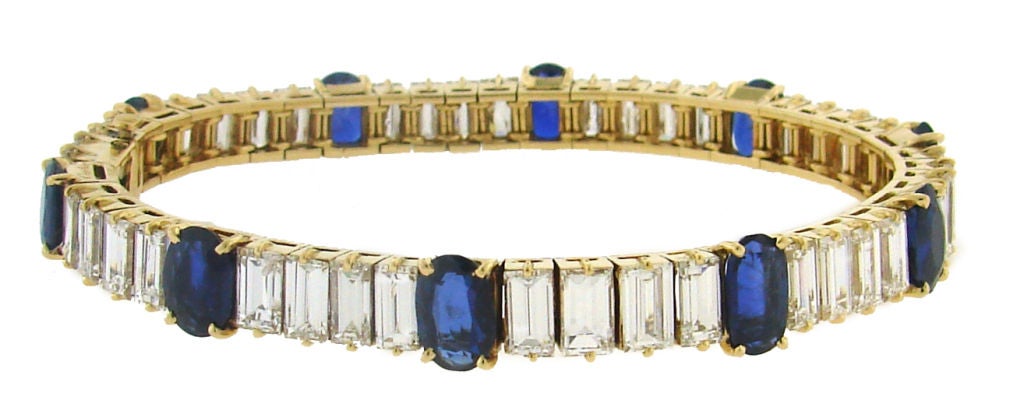
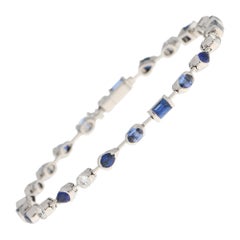
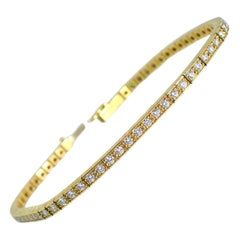
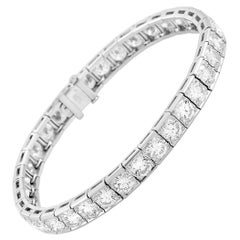
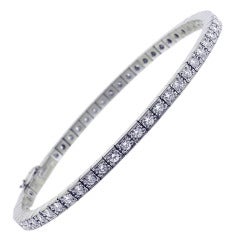
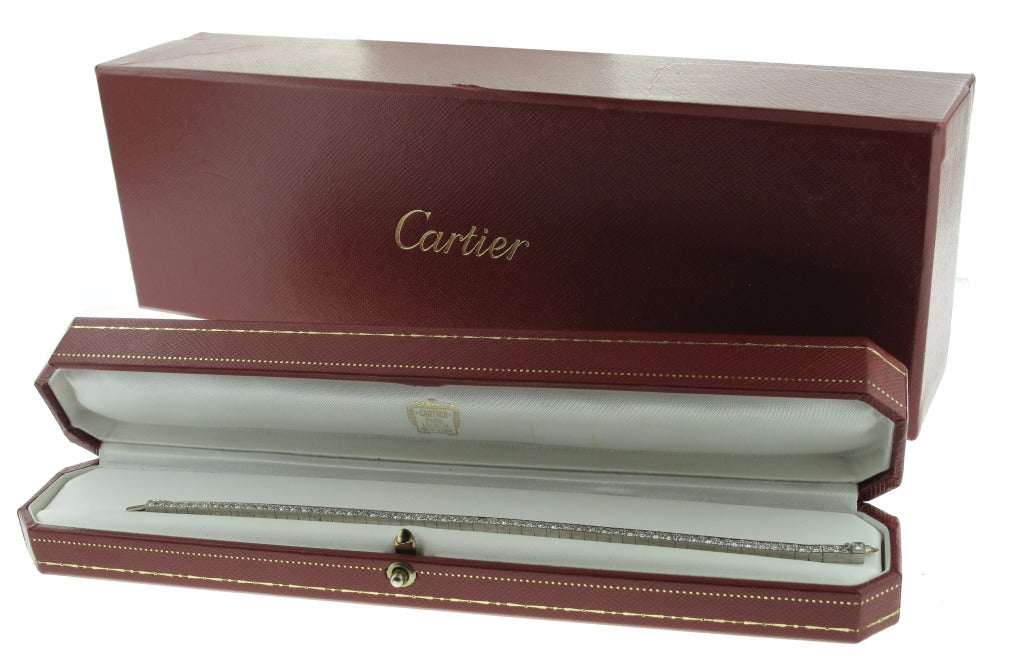
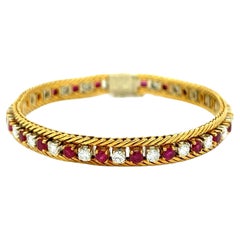
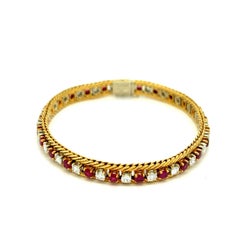
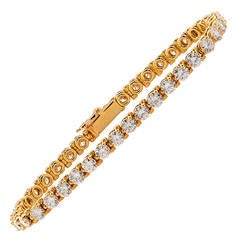
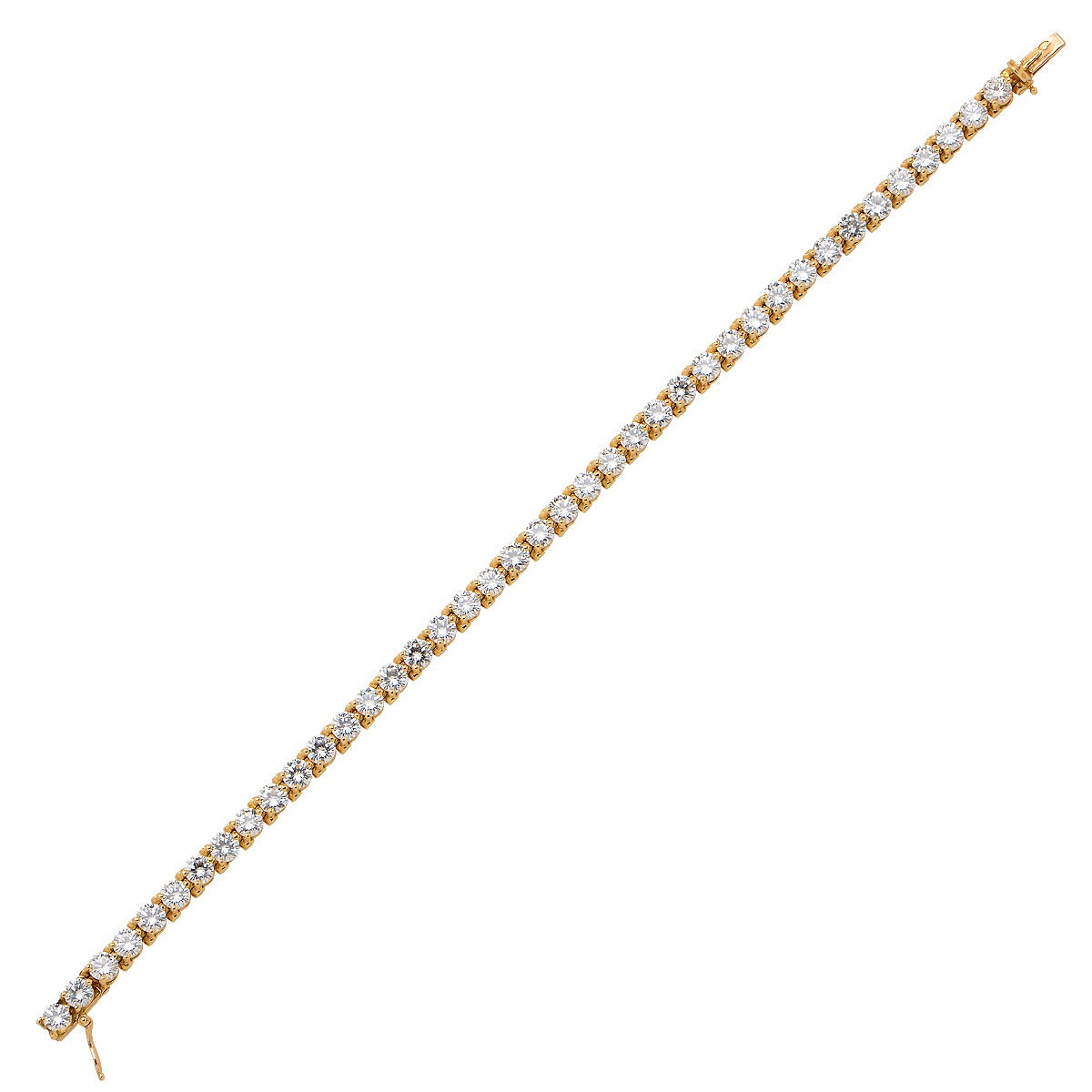
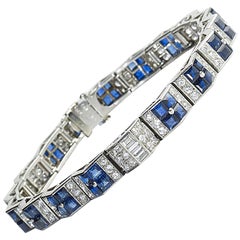
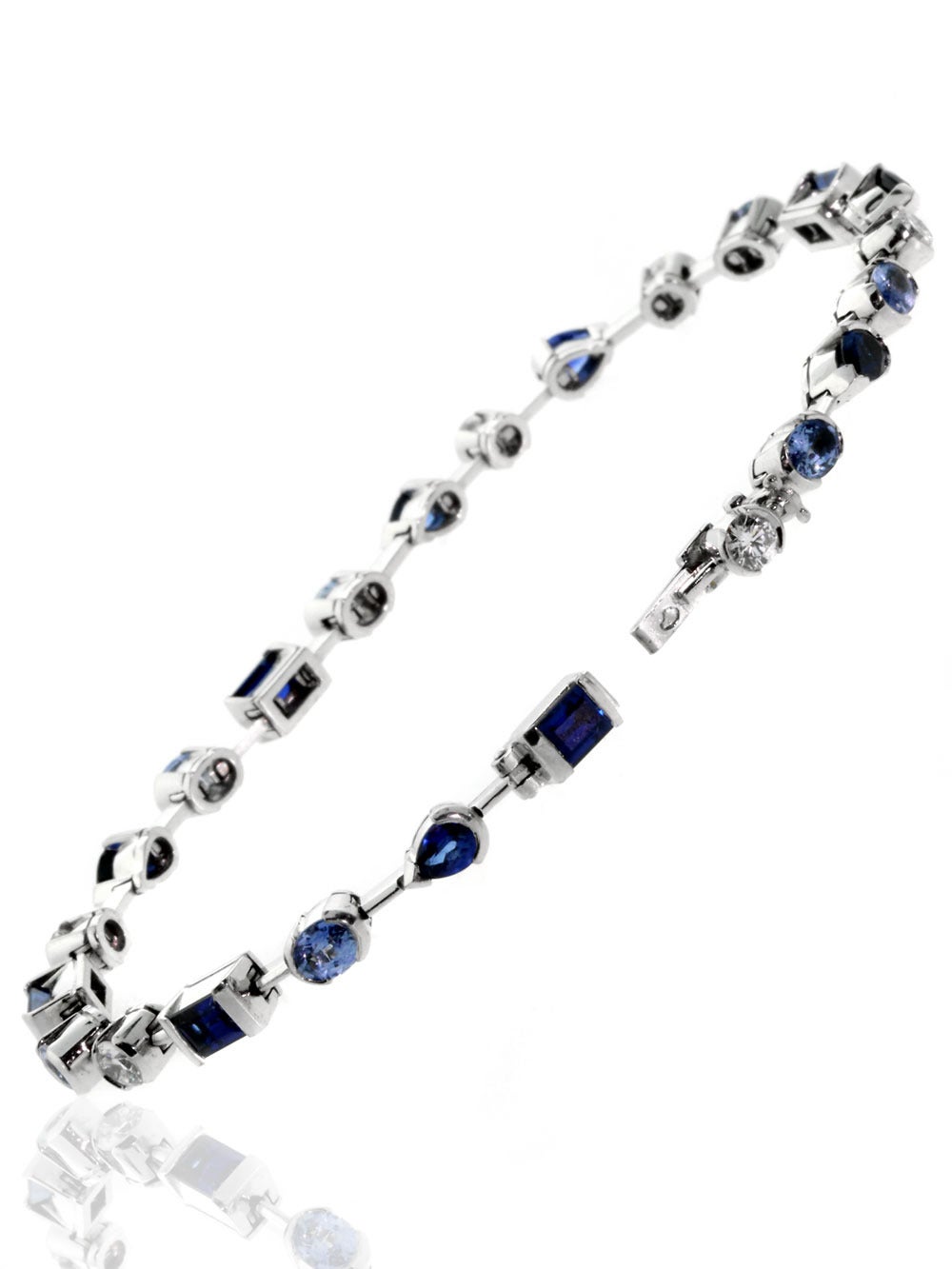
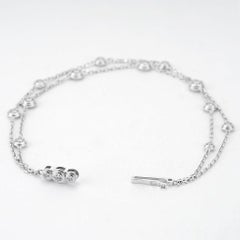
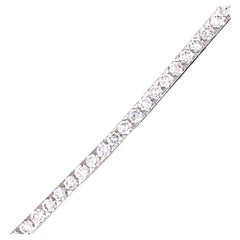
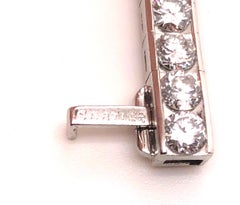
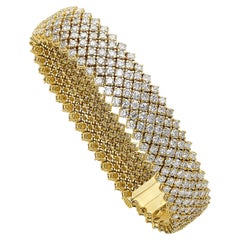
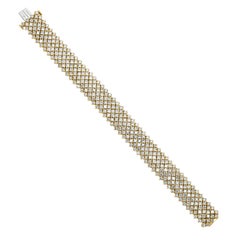
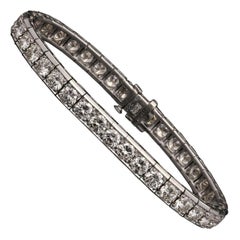
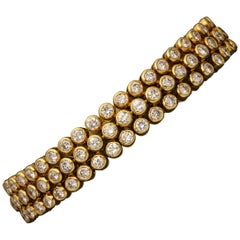
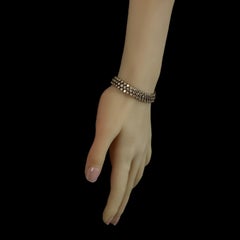
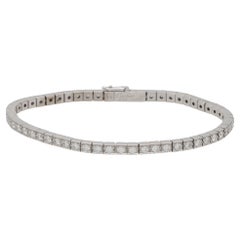
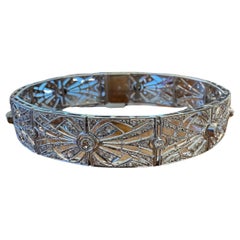
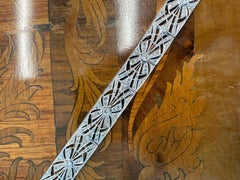
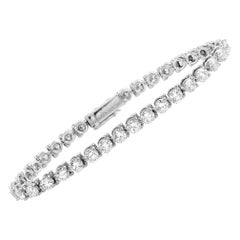
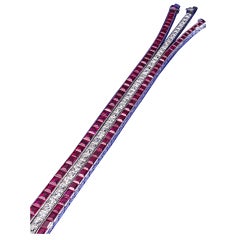
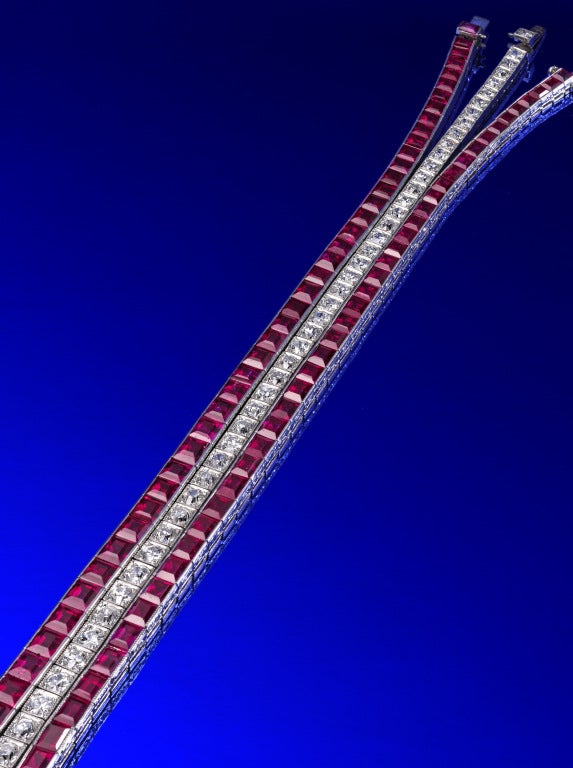
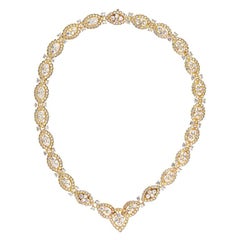
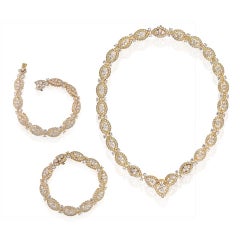
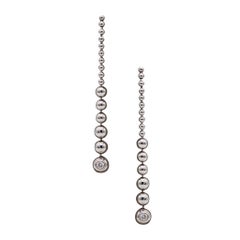
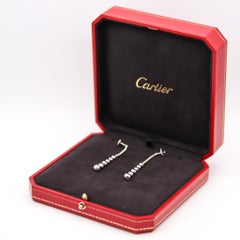
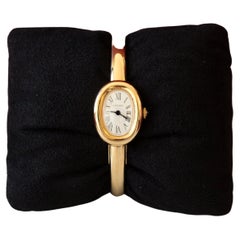
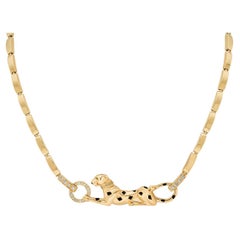
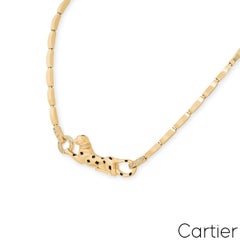
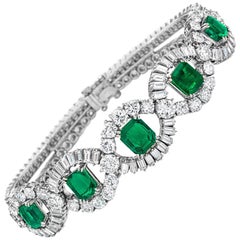
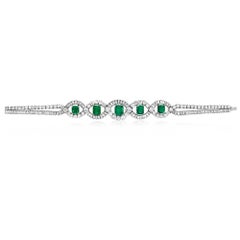
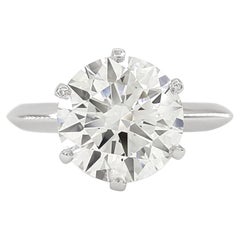
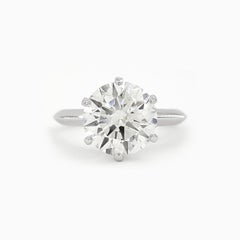
Cartier Diamond Tennis For Sale on 1stDibs
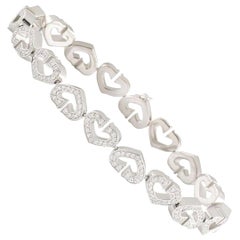
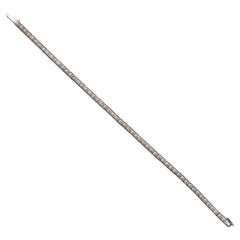
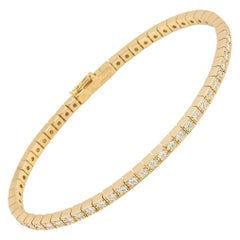
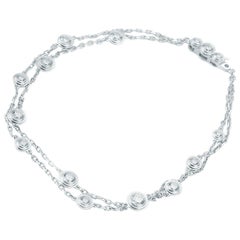
On 1stDibs, there are many options to choose from in our inventory of cartier diamond tennis. These distinct designs — crafted with great care and often made from
Gold,
18k Gold and
Platinum — can elevate any look. Our collection of these items for sale includes 62 vintage editions and 44 modern creations to choose from as well. Our inventory is broad and distinctive, with accessories on offer that were made as long ago as the 20th Century to those produced as recently as the 21st Century. Pieces in our collection of cartier diamond tennis made by
Contemporary jewelers — as well as those associated with
Modern — are very popular. There are many
round cut,
brilliant cut and
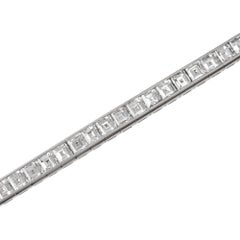
asscher cut cartier diamond tennis for sale. If you’re browsing the variety of cartier diamond tennis for sale, you’ll find that many are available today for
women, but there are still pieces to choose from for
men.
How Much are Cartier Diamond Tennis?
Prices for cartier diamond tennis can differ depending upon size, time period and other attributes — at 1stDibs, these accessories begin at $6,500 and can go as high as $275,000, while cartier diamond tennis, on average, fetch $21,700.
Cartier for sale on 1stDibs
For its extraordinary range of bracelets, watches, rings and other adornments, French luxury house Cartier is undeniably one of the most well known and internationally revered jewelers in the world among clients both existing and aspirational.
Perhaps 1847 was not the ideal time to open a new watchmaking and jewelry business, as the French Revolution was not kind to the aristocracy who could afford such luxuries. Nevertheless, it was the year Louis-François Cartier (1819–1904) — who was born into poverty — founded his eponymous empire, assuming control of the workshop of watchmaker Adolphe Picard, under whom he had previously been employed as an assistant. Of course, in the beginning, it was a relatively modest affair, but by the late 1850s, Cartier had its first royal client, Princess Mathilde Bonaparte, niece of Napoleon Bonaparte, who commissioned the jeweler to design brooches, earrings and other accessories.
Under the leadership of Louis-François’s son, Alfred, who took over in 1874, business boomed. Royalty around the world wore Cartier pieces, including Tsar Nicholas II of Russia, the Maharaja of Patiala and King Edward VII, who had 27 tiaras made by the jewelry house for his coronation in 1902 and issued Cartier a royal warrant in 1904. (Today, the British royal family still dons Cartier pieces; Kate Middleton, Duchess of Cambridge, regularly sports a Ballon Bleu de Cartier watch.)
Cartier’s golden years, however, began when Alfred introduced his three sons, Louis, Pierre and Jacques, to the business. The brothers expanded Cartier globally: Louis reigned in Paris, Pierre in New York and Jacques in London, ensuring their brand’s consistency at their branches across the world. The trio also brought in such talents as Charles Jacqueau and Jeanne Toussaint.
One of Cartier’s earliest major successes was the Santos de Cartier watch — one of the world's first modern wristwatches for men. (Previously, a large number of people were using only pocket watches.) Louis designed the timepiece in 1904 for his friend, popular Brazilian aviator Alberto Santos-Dumont, who wanted to be able to check the time more easily while flying.
Cartier’s other famous timepieces include the Tank watch, which was inspired by the linear form of military tanks during World War I, and the so-called mystery clocks. Invented by watchmaker and magician Jean-Eugène Robert-Houdin and later crafted exclusively for Cartier in the house’s workshop by watchmaker Maurice Couët, the mystery clocks were so named because the integration of glass dials on which the clocks’ hands would seemingly float as well as structures that are hidden away within the base give the illusion that they operate without machinery.
On the jewelry side of the business, Cartier’s internationally renowned offerings include the Tutti Frutti collection, which featured colorful carved gemstones inspired by Jacques’s trip to India and grew in popularity during the Art Deco years; the panthère motif, which has been incorporated into everything from brooches to rings; and the Love bracelet, a minimal, modernist locking bangle inspired by medieval chastity belts that transformed fine jewelry.
While the Cartier family sold the business following the death of Pierre in 1964, the brand continues to innovate today, renewing old hits and creating new masterpieces.
Find contemporary and vintage Cartier watches, engagement rings, necklaces and other accessories on 1stDibs.
The Legacy of Diamond in Jewelry Design
Antique diamond rings, diamond tiaras and dazzling vintage diamond earrings are on the wish lists of every lover of fine jewelry. And diamonds and diamond jewelry are primarily associated with storybook engagements and red-carpet grand entrances — indeed, this ultra-cherished gemstone has a dramatic history on its hands.
From “A Diamond Is Forever” to “Diamonds Are a Girl’s Best Friend,” pop culture has ingrained in our minds that diamonds are the most desired, the most lasting and the most valuable gemstone. But what makes the diamond so special? Each stone — whether it’s rubies, sapphires or another stone — is unique and important in its own right. April babies might claim diamonds for themselves, but just about everyone wants this kind of sparkle in their lives!
There are several factors that set diamonds apart from other stones, and these points are important to our gem education.
Diamonds are minerals. They are made up of almost entirely of carbon (carbon comprises 99.95 percent; the remainder consists of various trace elements). Diamonds are the hardest gemstones, ranking number 10 on the Mohs Hardness Scale. Even its name, diamond, is rooted in the Greek adamas, or unconquerable. The only object that can scratch a diamond is another diamond. Diamonds are formed deep within the earth at very high temperatures (1,652–2,372 degrees Fahrenheit at depths between 90 and 120 miles beneath the earth’s surface) and are carried up by volcanic activity. Diamonds are quite rare, according to the Gemological Institute of America, and only 30 percent of all the diamonds mined in the world are gem quality.
In the 1950s, the Gemological Institute of America developed the 4Cs grading system to classify diamonds: clarity, color, cut and carat weight. Not all diamonds are created equal (there are diamonds, and then there are diamonds). The value of the diamond depends on the clarity (flawless diamonds are very rare but a diamond's value decreases if there are many blemishes or inclusions), color (the less color the higher the grade), cut (how the diamond’s facets catch the light, certain cuts of diamonds show off the stone better than others) and carat weight (the bigger, the better).
When you start shopping for a diamond engagement ring, always prioritize the cut, which plays the largest role in the diamond's beauty (taking the time to clean your diamond ring at least every six months or so plays a role in maintaining said beauty). And on 1stDibs, a range of buying guides can be found for those in the market for antique engagement rings, vintage engagement rings or Art Deco engagement rings.
Shop antique and vintage diamond rings, diamond necklaces and other extraordinary diamond jewelry on 1stDibs.
Finding the Right Tennis-bracelets for You
Vintage tennis bracelets are a no-brainer for those of us who remain unabashedly nostalgic for 1980s or 1990s fashion. And as long as the casual-luxe look is hot — and it is — men's tennis bracelets, diamond tennis bracelets and other versions of these understated accessories will remain on trend.
The term “tennis bracelet” is relatively new. It stems from a tennis match that Chris Evert — the first player to win 1,000 singles matches — played in an early round of the U.S. Open during the late 1970s. A diamond and gold bracelet that the celebrated athlete had been wearing broke, and play was stopped while she scrambled to look for it on the court. At the time, minimalist fine jewelry was the order of the day. While fashion jewelry had undeniable appeal, the ornate diamond confections popular in previous decades were neither suited to the office nor the disco dance floor, and many people sought subtle but sophisticated jewelry designs to wear for both work and play.
Subdued ornament in the manner of Elsa Peretti’s versatile 1970s-era necklaces and bracelets for Tiffany & Co. wowed wearers and garnered media acclaim at the time, and the design of Evert’s straight-line bracelet, the kind that had likely been referred to as an “eternity bracelet” before then, spoke to what was a popular type of jewelry during the era. Demand for versions of Evert’s uncomplicated accessory soared in jewelry boutiques across the United States in the years and decades following the match. The tennis star would eventually earn ninth place on the Tennis Channel’s “100 Greatest of All Time” list.
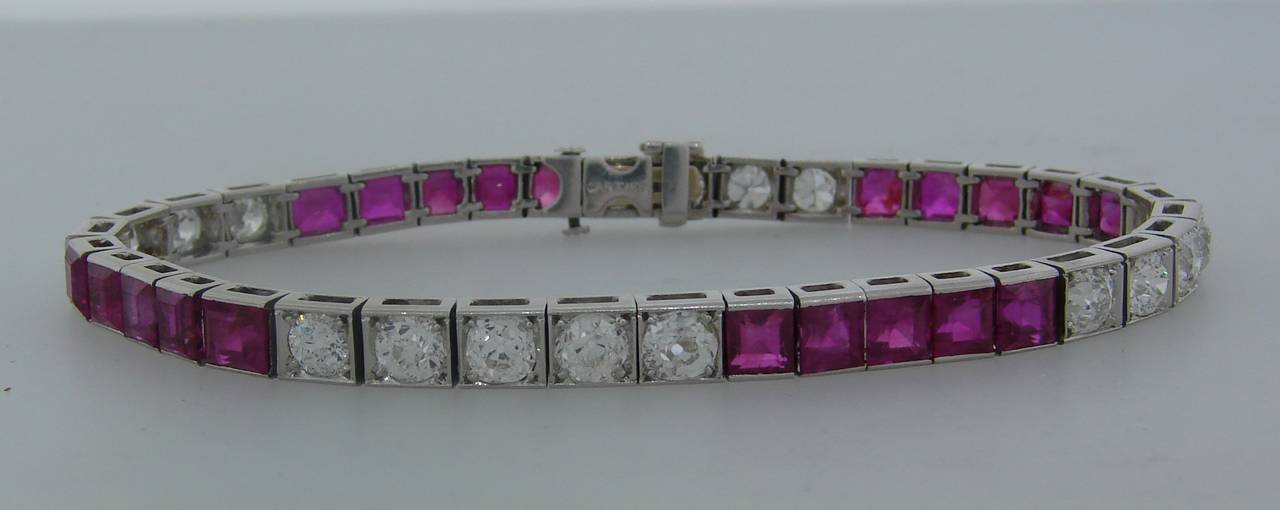
The diamond tennis bracelets worn these days differ little from those crafted during the 1970s, although they’re likely outfitted with sturdier clasps that prevent them from coming apart during extensive tennis matches. Today, there is a wide range of popular unisex tennis bracelets as well as men’s tennis bracelets, although they don't have to be exclusively dotted with diamonds. A vintage Tiffany tennis bracelet, for example, might feature emeralds, rubies or sapphires set in platinum or yellow gold.
Shop Cartier tennis bracelets, diamond tennis bracelets, Harry Winston tennis bracelets and other bracelets to meet every taste on 1stDibs.