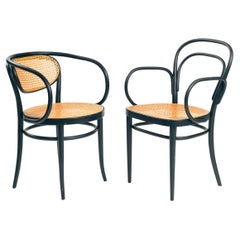
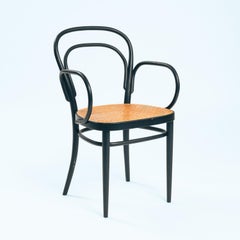
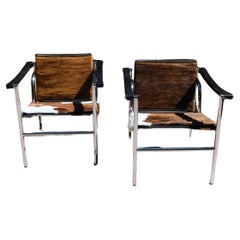
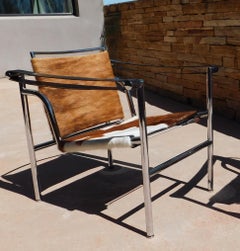
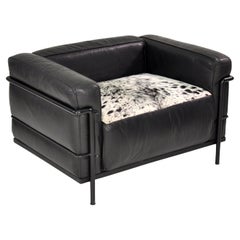
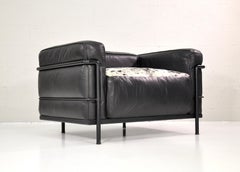
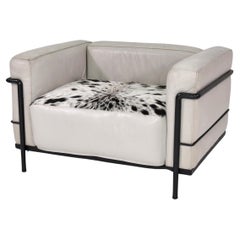
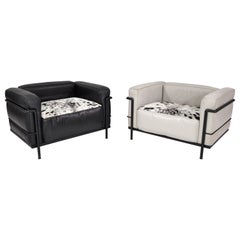
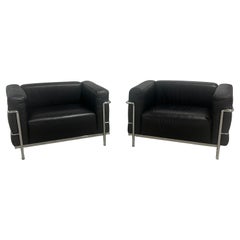
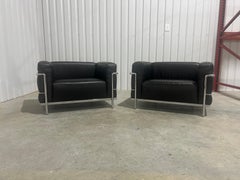
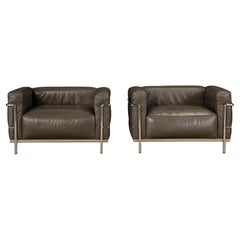
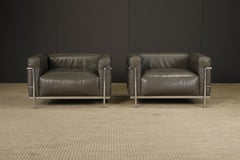
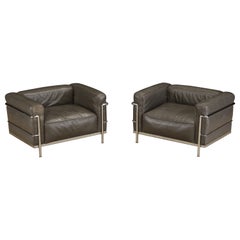
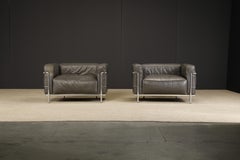
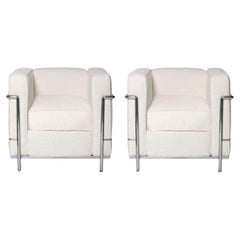
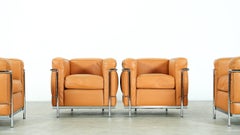
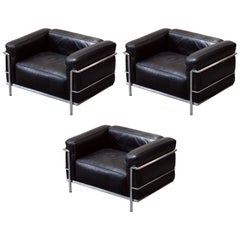
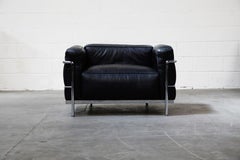
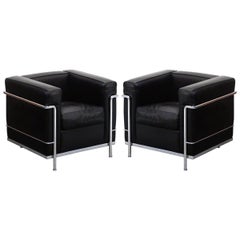
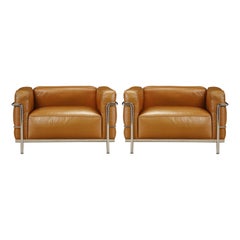
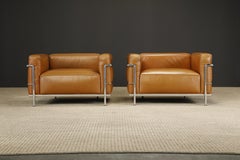
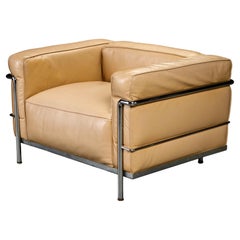
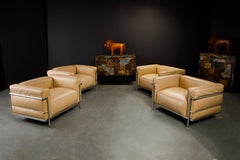
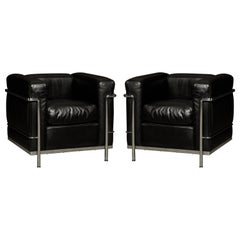
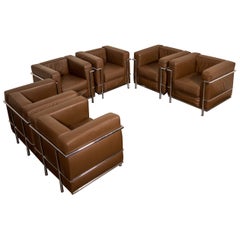
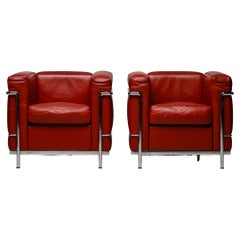
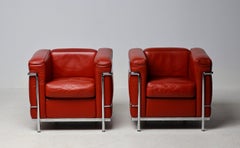
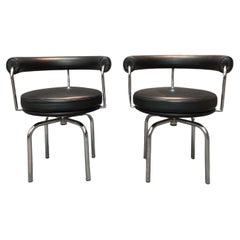
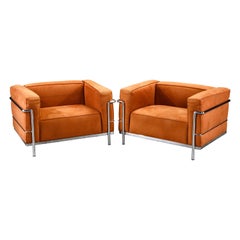
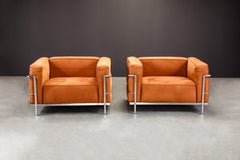
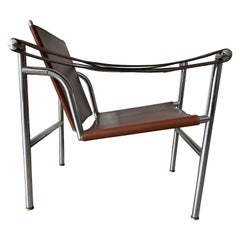
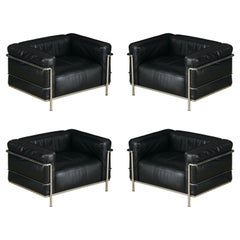
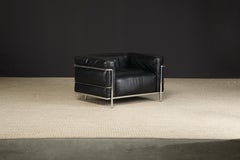
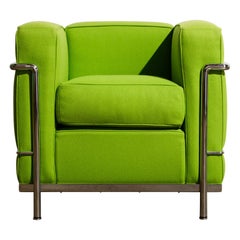
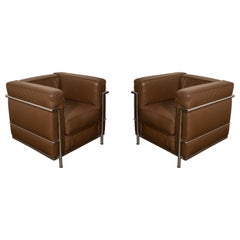
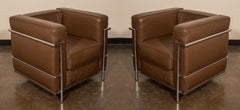
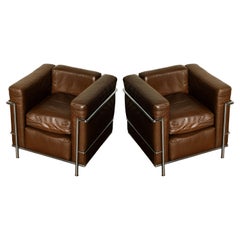
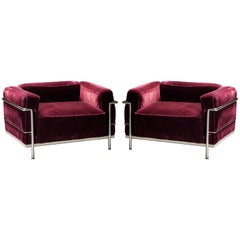
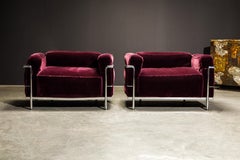
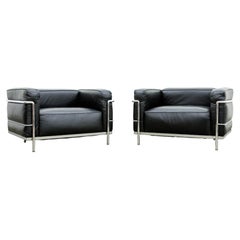
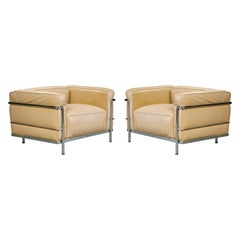
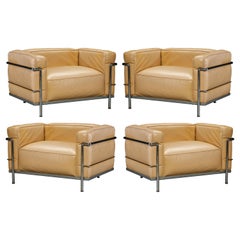
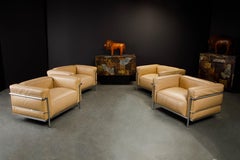
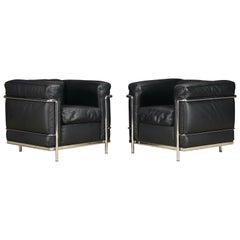
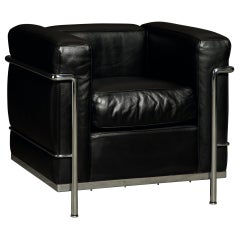
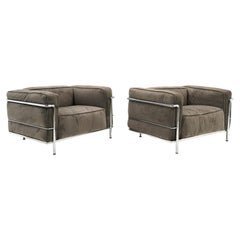
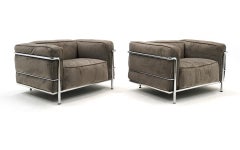
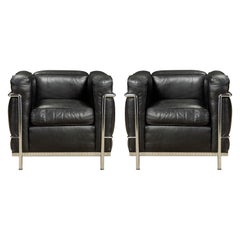
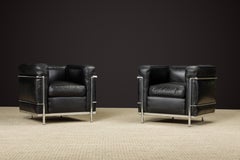
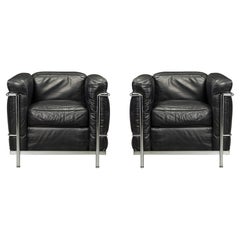
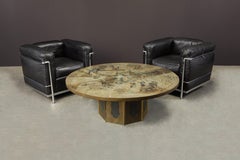
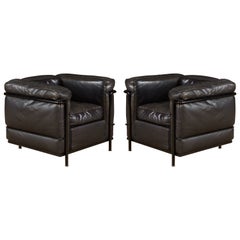
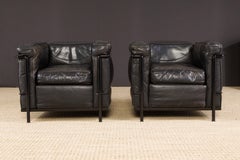
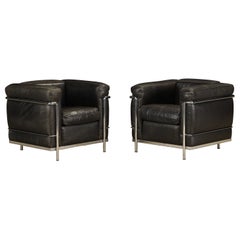
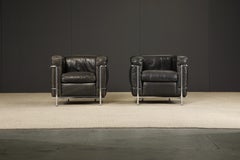
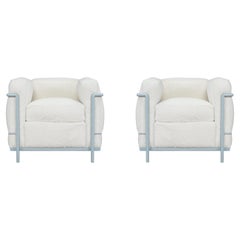
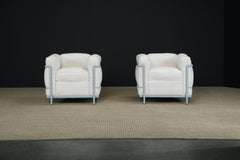
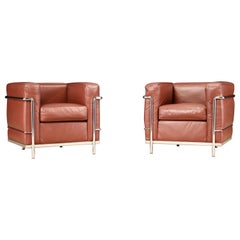
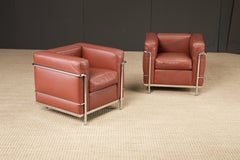
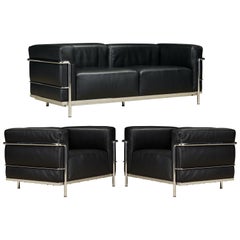
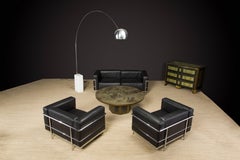
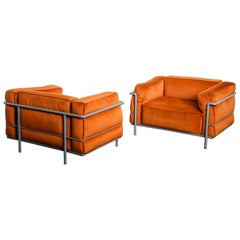
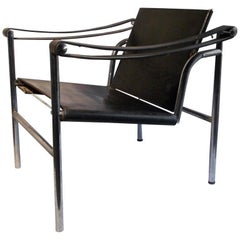
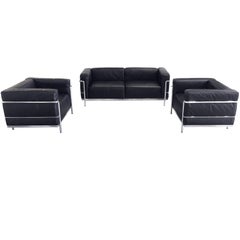
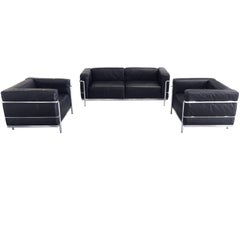
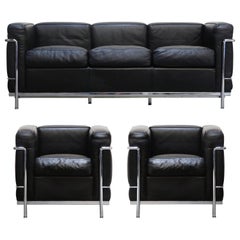
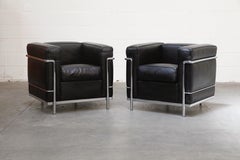
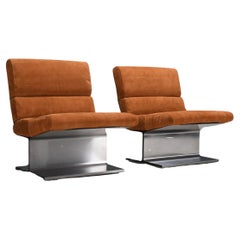
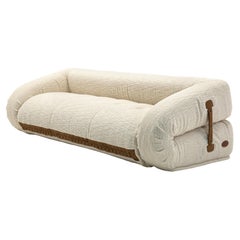
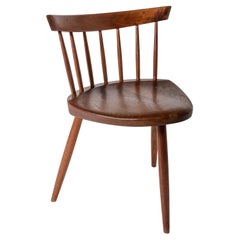
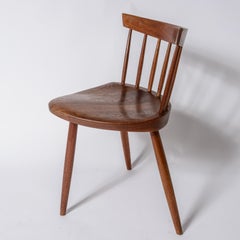
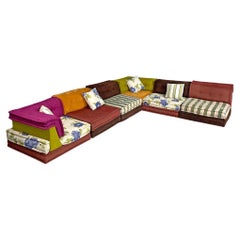
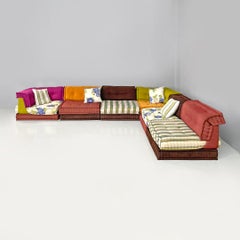
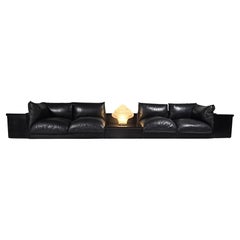
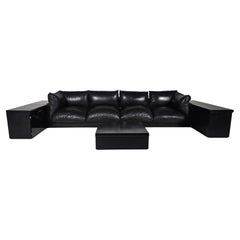
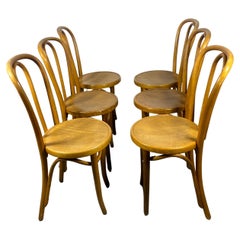
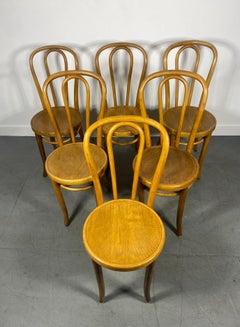
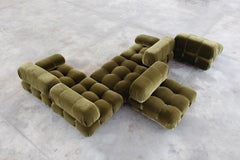
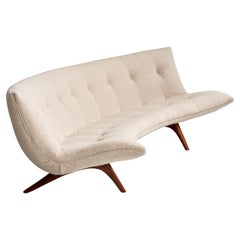
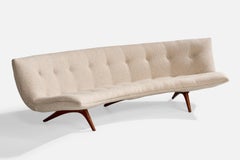
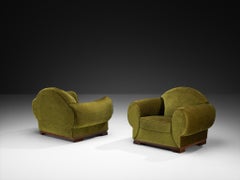
Corbusier Chair Signed For Sale on 1stDibs
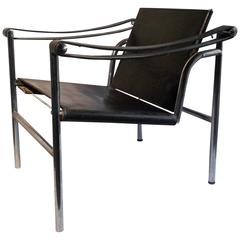
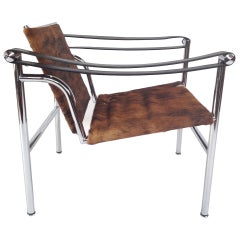
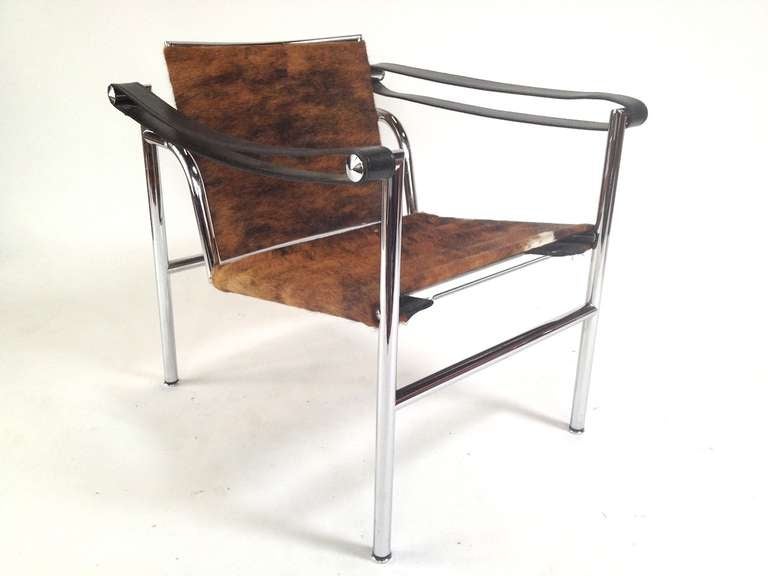
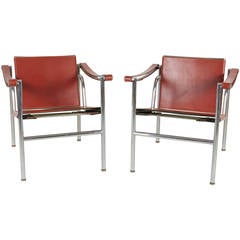
Find many varieties of an authentic corbusier chair signed available at 1stDibs. Frequently made of
metal,
animal skin and
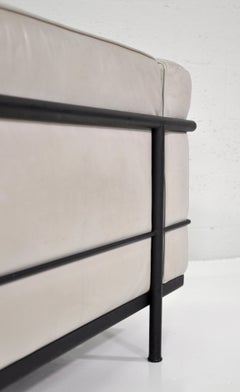
leather, every corbusier chair signed was constructed with great care. Your living room may not be complete without a corbusier chair signed — find older editions for sale from the 20th Century and newer versions made as recently as the 21st Century. Each corbusier chair signed bearing
Mid-Century Modern hallmarks is very popular. You’ll likely find more than one corbusier chair signed that is appealing in its simplicity, but
Le Corbusier,
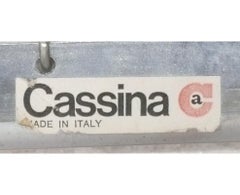
Cassina and
Pierre Jeanneret produced versions that are worth a look.
How Much is a Corbusier Chair Signed?
Prices for a corbusier chair signed start at $1,500 and top out at $22,000 with the average selling for $5,425.
Le Corbusier for sale on 1stDibs
Swiss-born Charles-Édouard Jeanneret, best known by his adopted name Le Corbusier, was a highly influential architect, designer, painter, urban planner and writer whose career spanned almost five decades. His designs for sofas, chairs and other furniture are spare, minimal and efficient but at the same time offer supreme comfort.
A pioneer of progress-minded modern architecture, Le Corbusier sought to impose a rational order on the chaos of the world through design. He rejected the excessive architectural ornament and developed a style that became known as brutalism, creating buildings with elemental geometric forms that were made of industrial materials such as steel and reinforced concrete.
Le Corbusier believed that pure, well-designed spaces could offer a lesson in how little is needed to achieve happiness. To convey this notion, the architect prioritized modern, open interiors and emphasized light, rational designs. His architecture and interiors share a clear sense of space and structural order, underlining the beauty in harmony, proportion and simplicity.
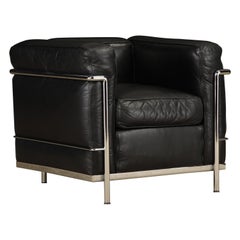
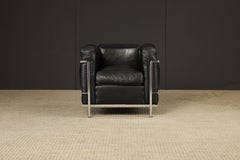
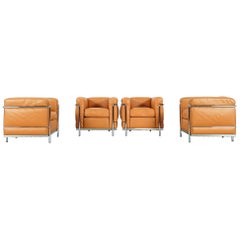
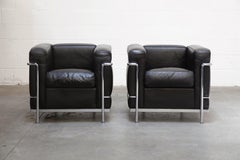
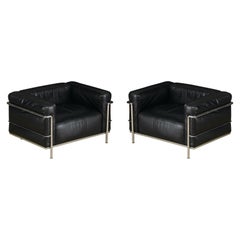
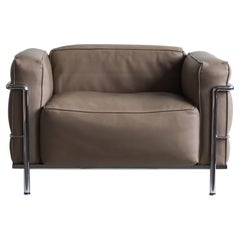
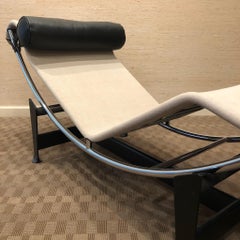
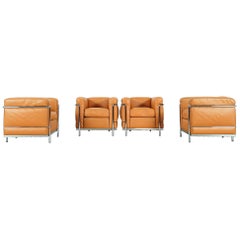
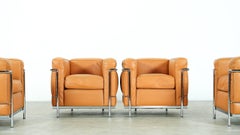
Le Corbusier’s furniture espouses these same ideals. Collaborating with his cousin, Pierre Jeanneret, and trailblazing designer Charlotte Perriand, he devised such iconic pieces as the LC2 Petit Confort armchair and the LC4 chaise longue. Each couples a tubular chrome frame with soft, supple leather upholstery, lending an organic warmth to an industrially made design. In his furniture, Le Corbusier broke new ground in ergonomics.
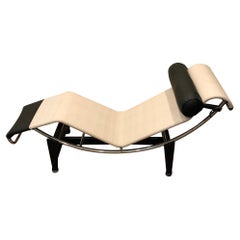
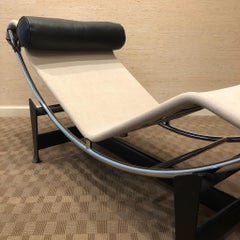
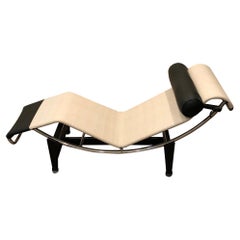
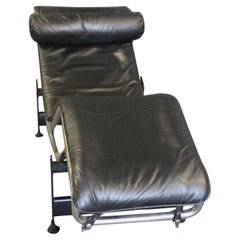
The shape of the LC4 chaise is taken directly from the human form; the classic cowhide upholstery makes the sitter feel weightless; and the piece features an adjustable positioning mechanism to promote total relaxation. Bereft of ornament and prized for its functionality, the LC series created by Le Corbusier, Perriand, and Pierre is currently manufactured by Cassina.
Such planning and intelligence were the hallmarks of Le Corbusier’s career. Whether in his designs for private residences such as the Villa Savoye near Paris, apartment towers like the Unité D'habitation in Marseilles, or in his furniture, he worked toward a style of living that was expansive and flexible. The strength and simplicity of line of Le Corbusier’s sofas, chaise longues and other seating pieces give them a sculptural presence in any décor, yet they are sublimely restful. And as you will see on 1stDibs, Le Corbusier’s furniture reflects a worldly taste: it is at once refined, cosmopolitan and chic.
Find a collection of vintage Le Corbusier furniture for sale on 1stDibs.
A Close Look at Bauhaus Furniture
The Bauhaus was a progressive German art and design school founded by the architect Walter Gropius that operated from 1919 to 1933. Authentic Bauhaus furniture — sofas, dining chairs, tables and more — and the school’s followers married industrial and natural materials in simple, geometric forms. The goal of the Bauhaus was to erase the distinction between art and craft while embracing the use of new technologies and materials.
ORIGINS OF BAUHAUS FURNITURE DESIGN
CHARACTERISTICS OF BAUHAUS FURNITURE DESIGN
- Emphasis on craft
- Simplicity, order, clarity and a prioritization of functionalism
- Incorporation of geometric shapes
- Minimalist and refined, little to no ornamentation
- Use of industrial materials such as tubular chrome, steel and plastic as well as leather, cane and molded plywood in furniture and other products
BAUHAUS FURNITURE DESIGNERS YOU SHOULD KNOW
AUTHENTIC BAUHAUS FURNITURE ON 1STDIBS
The name Bauhaus is derived from the German verb bauen, “to build.” Under the school’s innovative curriculum, students were taught the fine arts, such as painting and sculpture, as well as practical skills like carpentry and metalworking.
The school moved from Weimar in 1925 to the city of Dessau, where it enjoyed its heyday under Gropius, then Hannes Meyer and Ludwig Mies van der Rohe. The period from 1932 to 1933 when it operated in Berlin under Mies was its final chapter. Despite its brief existence, the Bauhaus has had an enduring impact on art and design in the United States and elsewhere, and is regarded by many as the 20th century’s chief crucible of modernism.
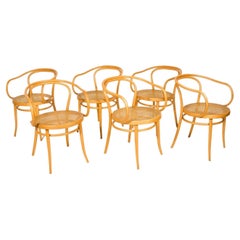
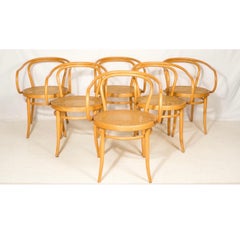
The faculty roster at the Bauhaus reads like a who’s who of modernist creative genius — it included such artists as Paul Klee, Wassily Kandinsky and László Moholy-Nagy along with architects and designers like Mies and Marcel Breuer, who became known for his muscular brutalist-style concrete buildings in the postwar years. In 1925, while he was head of the Bauhaus carpentry workshop, Breuer gave form to his signature innovation: the use of lightweight tubular-steel frames for chairs, side tables and sofas — a technique soon adopted by Mies and others. Breuer’s Cesca chair was the first-ever tubular steel frame chair with a caned seat to be mass produced, while the inspiration for his legendary Wassily chair, a timeless design and part of the collection crafted to furnish the Dessau school, was the bike he rode around campus.
Bauhaus design style reflects the tenets by which these creators worked: simplicity, clarity and function. They disdained superfluous ornament in favor of precise construction. Seating pieces such as side chairs, armchairs or club chairs for example, were made with tubular metal or molded plywood frames, and upholstery was made from leather or cane. Above all, designs in the Bauhaus style offer aesthetic flexibility. They can be the elements of a wholly spare, minimalist space, the quiet foundation of an environment in which color and pattern come from one’s own collection of art and artifacts.
Today, from textiles to typefaces, architecture, furniture and decorative objects for the home, Bauhaus creations continue to have an outsize influence on modern design.
Find a collection of authentic Bauhaus furniture on 1stDibs.
Finding the Right Seating for You
With entire areas of our homes reserved for “sitting rooms,” the value of quality antique and vintage seating cannot be overstated.
Fortunately, the design of side chairs, armchairs and other lounge furniture — since what were, quite literally, the early perches of our ancestors — has evolved considerably.
Among the earliest standard seating furniture were stools. Egyptian stools, for example, designed for one person with no seat back, were x-shaped and typically folded to be tucked away. These rudimentary chairs informed the design of Greek and Roman stools, all of which were a long way from Sori Yanagi's Butterfly stool or Alvar Aalto's Stool 60. In the 18th century and earlier, seats with backs and armrests were largely reserved for high nobility.
The seating of today is more inclusive but the style and placement of chairs can still make a statement. Antique desk chairs and armchairs designed in the style of Louis XV, which eventually included painted furniture and were often made of rare woods, feature prominently curved legs as well as Chinese themes and varied ornaments. Much like the thrones of fairy tales and the regency, elegant lounges crafted in the Louis XV style convey wealth and prestige. In the kitchen, the dining chair placed at the head of the table is typically reserved for the head of the household or a revered guest.
Of course, with luxurious vintage or antique furnishings, every chair can seem like the best seat in the house. Whether your preference is stretching out on a plush sofa, such as the Serpentine, designed by Vladimir Kagan, or cozying up in a vintage wingback chair, there is likely to be a comfy classic or contemporary gem for you on 1stDibs.
With respect to the latest obsessions in design, cane seating has been cropping up everywhere, from sleek armchairs to lounge chairs, while bouclé fabric, a staple of modern furniture design, can be seen in mid-century modern, Scandinavian modern and Hollywood Regency furniture styles.
Admirers of the sophisticated craftsmanship and dark woods frequently associated with mid-century modern seating can find timeless furnishings in our expansive collection of lounge chairs, dining chairs and other items — whether they’re vintage editions or alluring official reproductions of iconic designs from the likes of Hans Wegner or from Charles and Ray Eames. Shop our inventory of Egg chairs, designed in 1958 by Arne Jacobsen, the Florence Knoll lounge chair and more.
No matter your style, the collection of unique chairs, sofas and other seating on 1stDibs is surely worthy of a standing ovation.