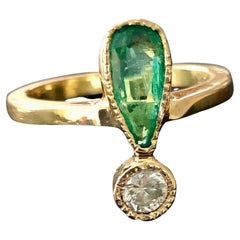
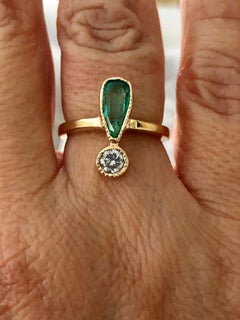
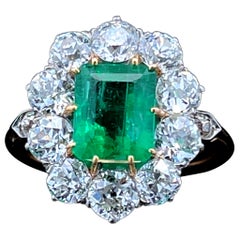
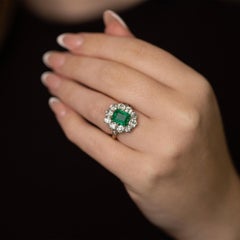
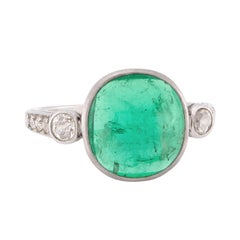
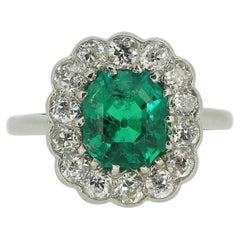
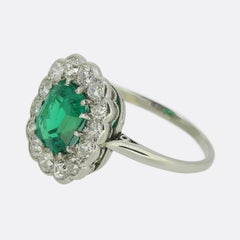
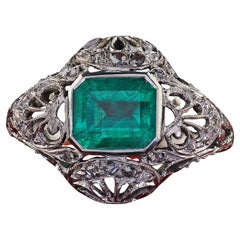
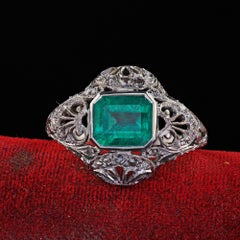
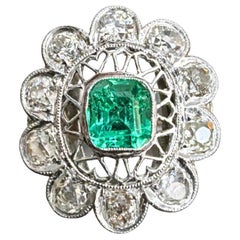
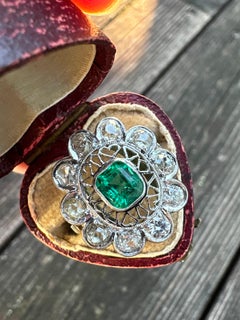
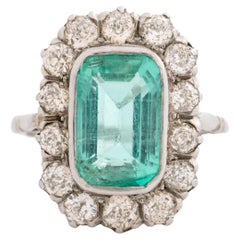
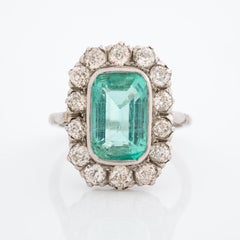
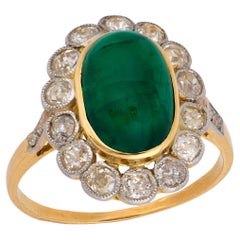
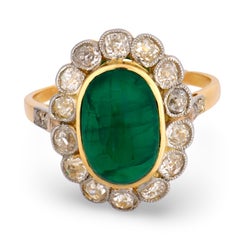
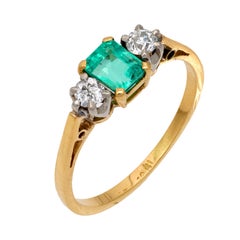
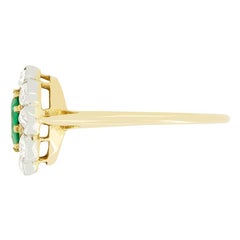
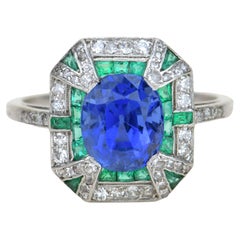
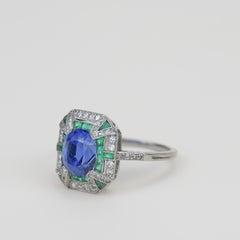
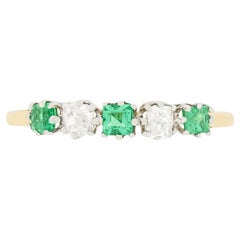
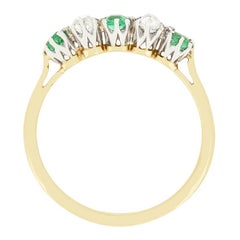
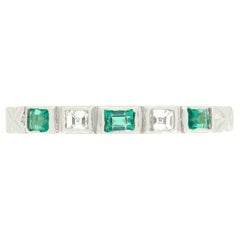
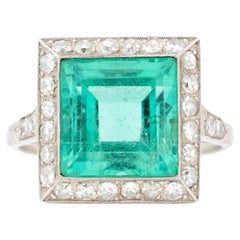
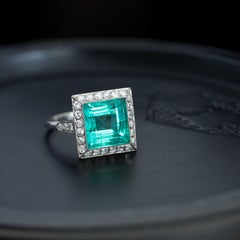
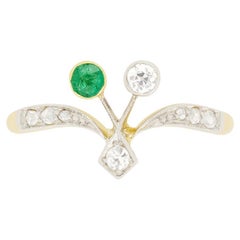
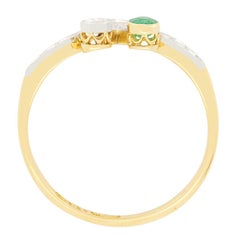
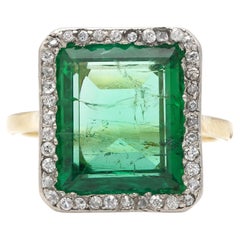
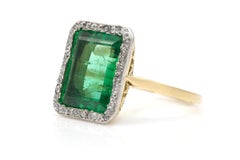
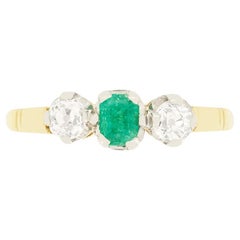
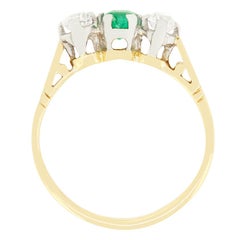
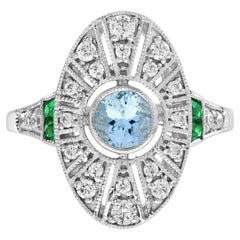
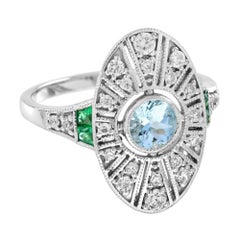
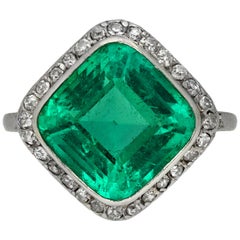
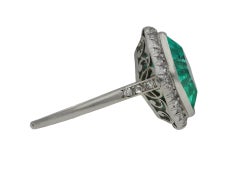
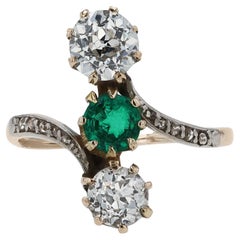
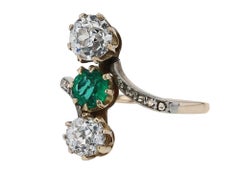
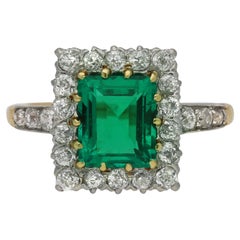
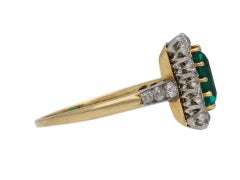
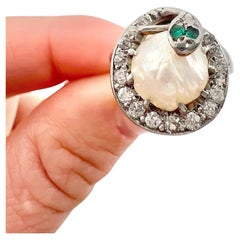
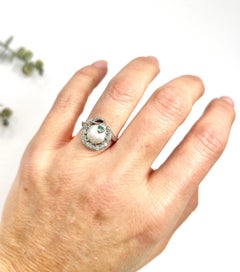
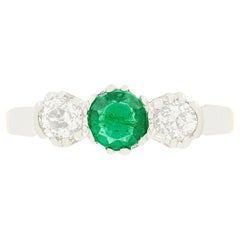
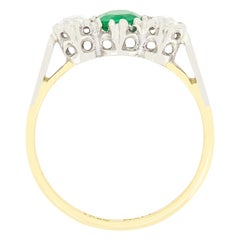
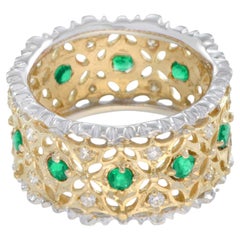
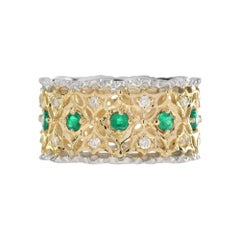
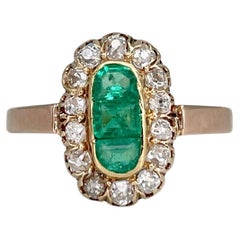
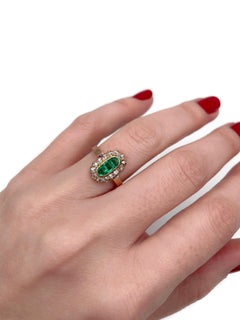
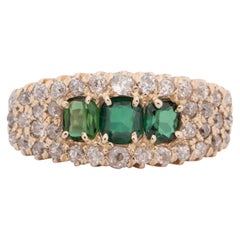
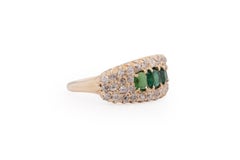
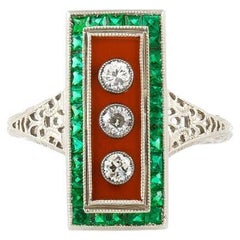
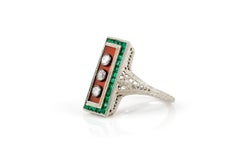
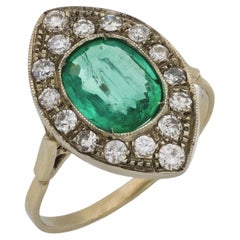
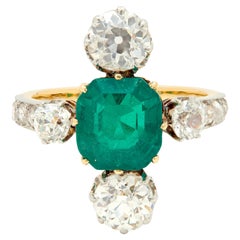
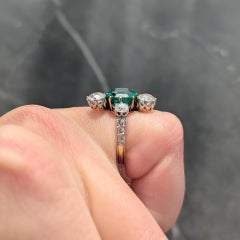
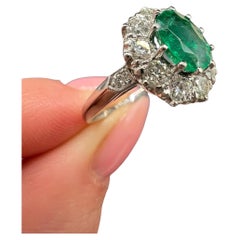
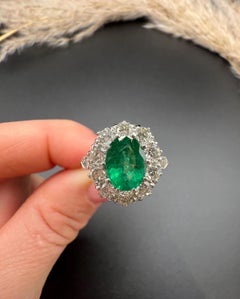
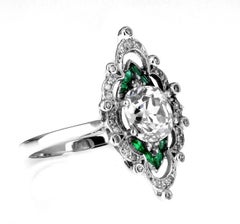
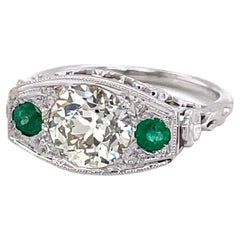
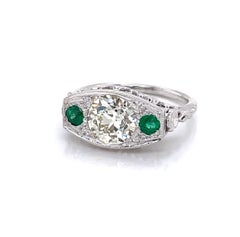
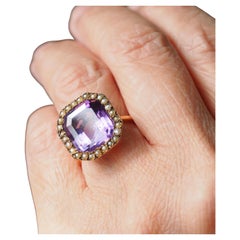
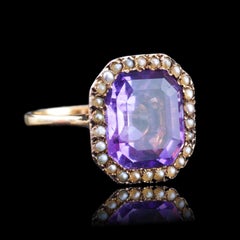
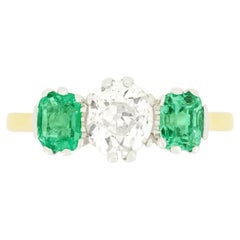
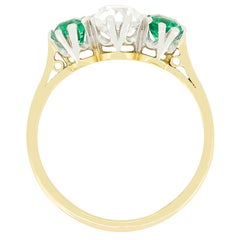
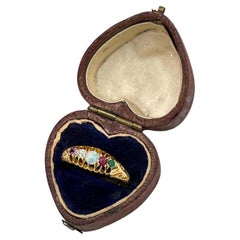
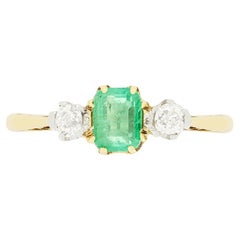
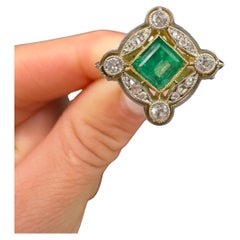
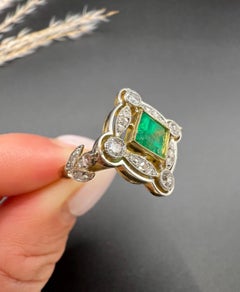
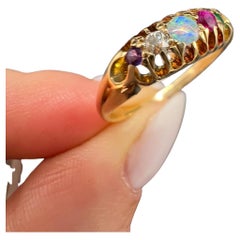
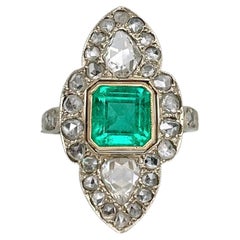
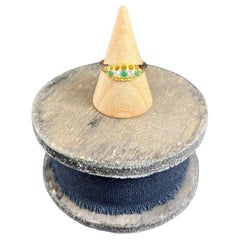
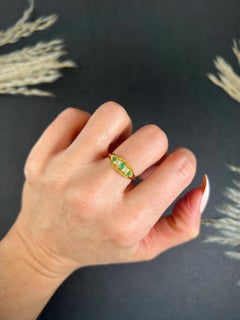
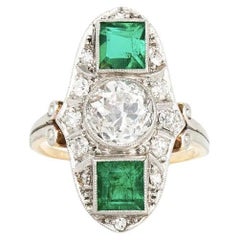
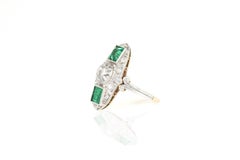
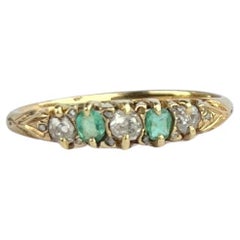
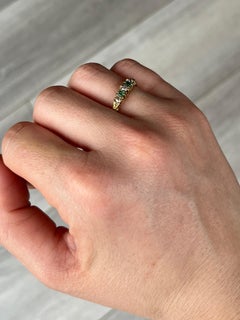
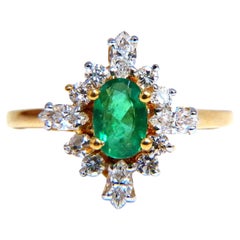
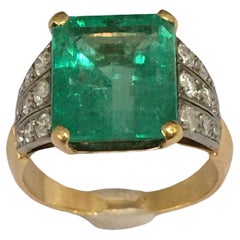
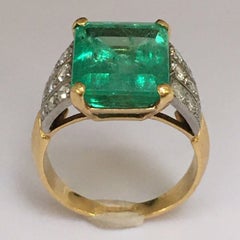
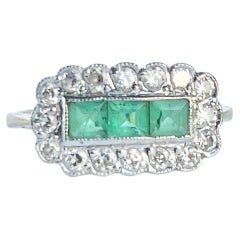
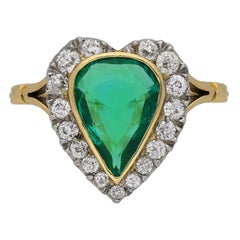
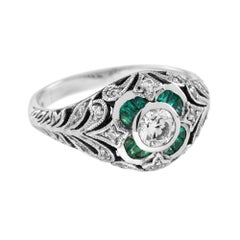
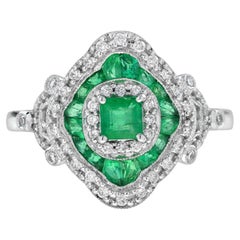
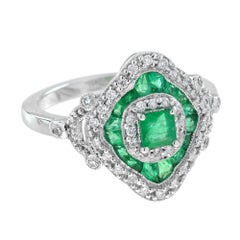
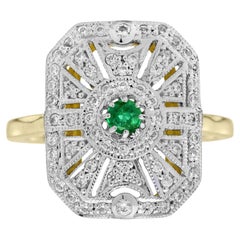
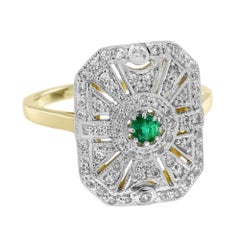
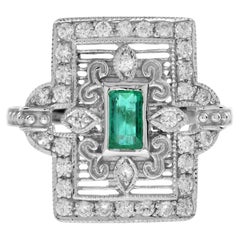
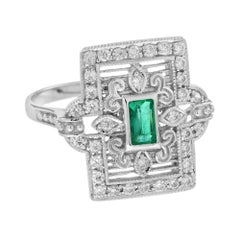
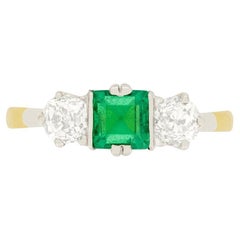
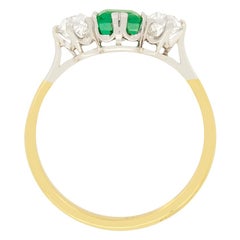
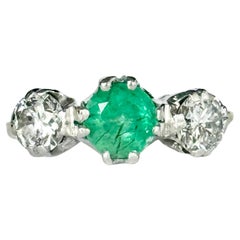
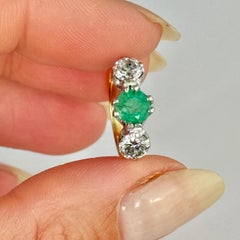
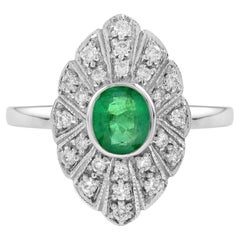
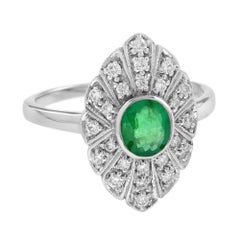
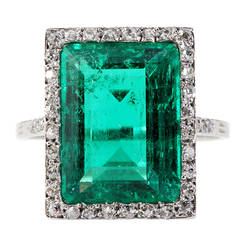
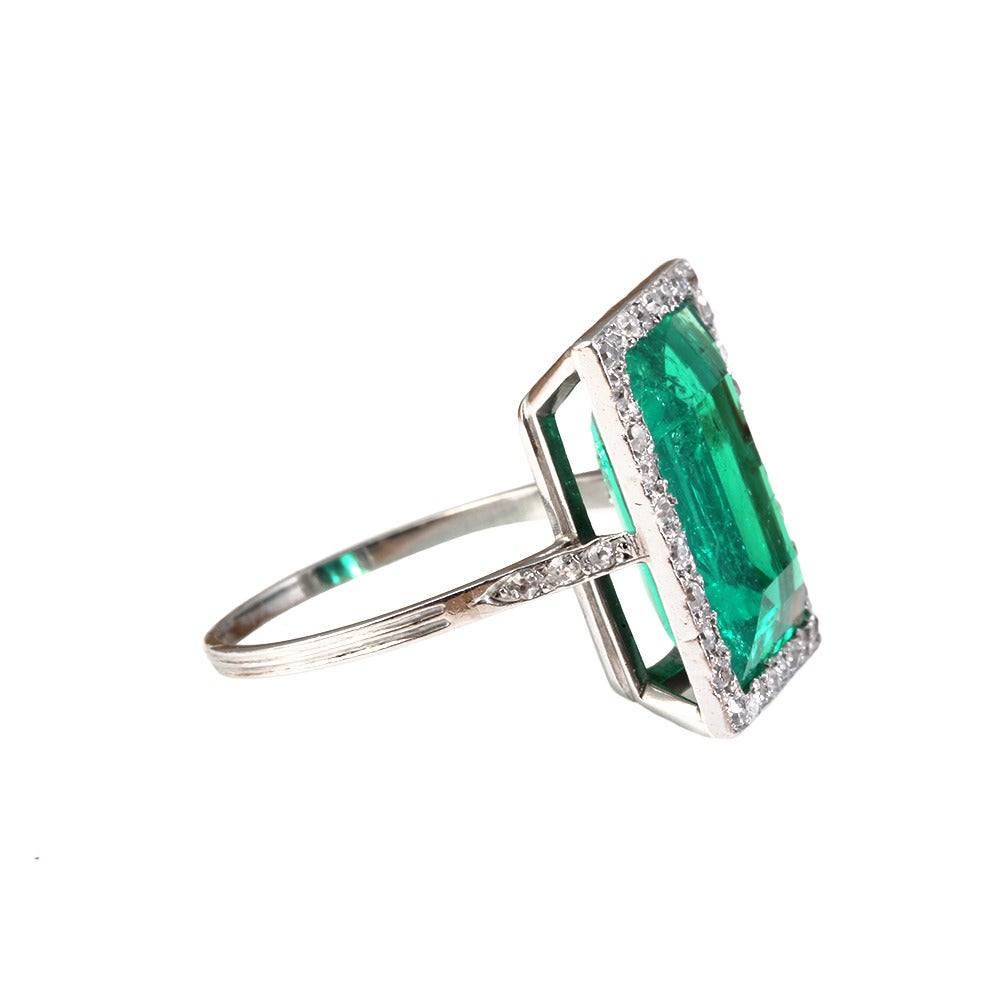
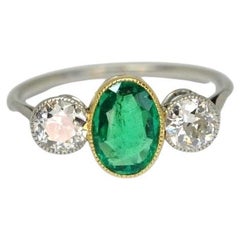
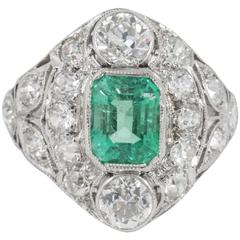
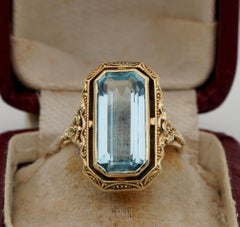
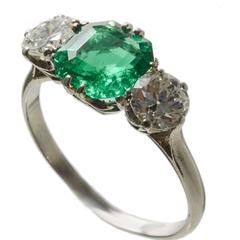
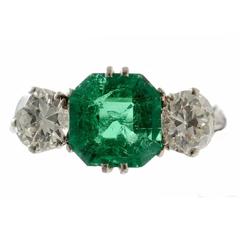
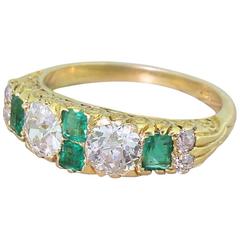
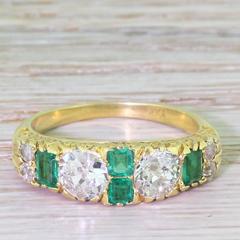
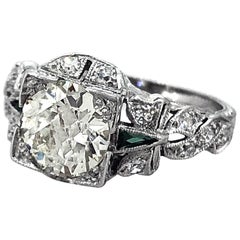
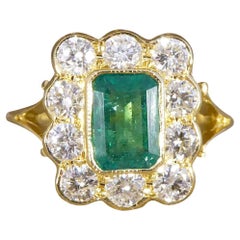
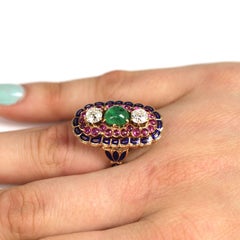
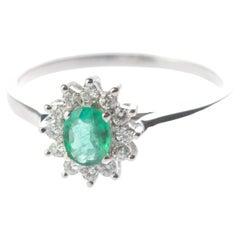
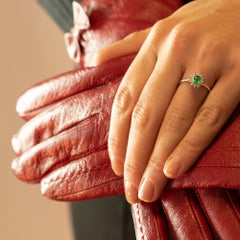
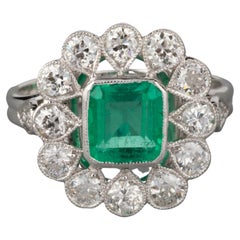
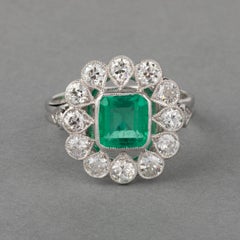
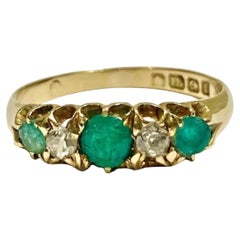
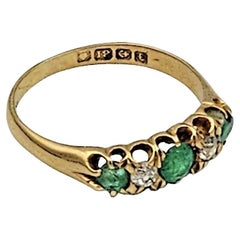
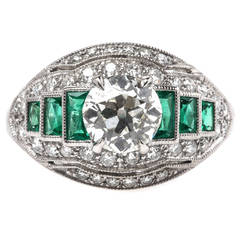
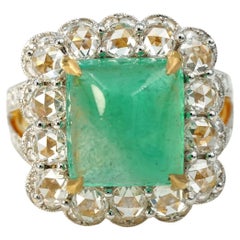
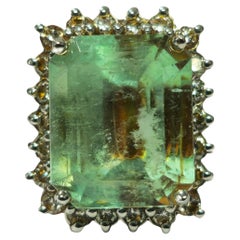
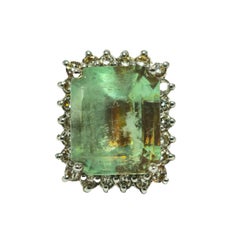
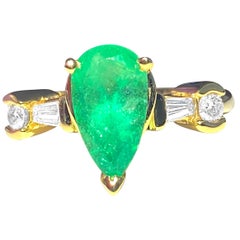
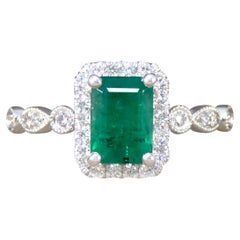
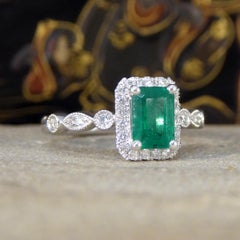
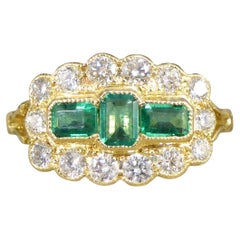
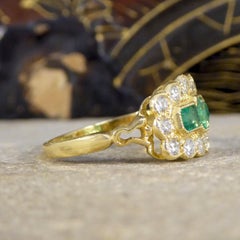
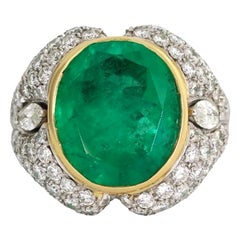
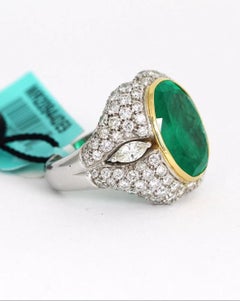
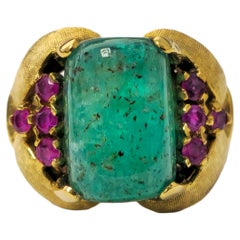
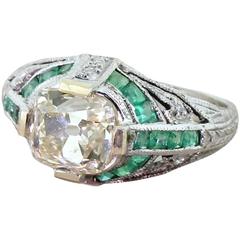
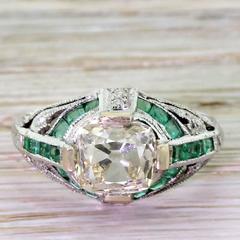
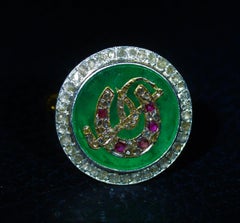
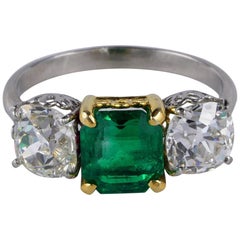
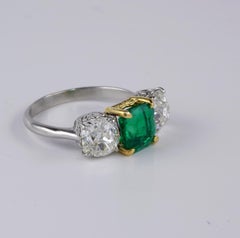
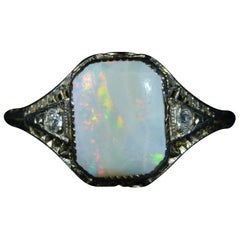
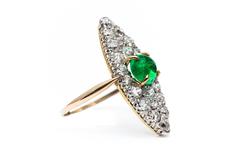
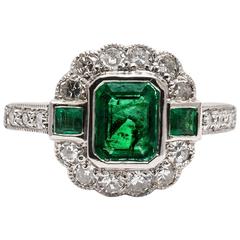
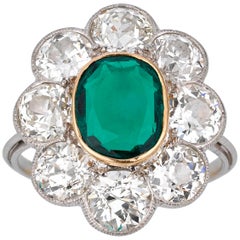
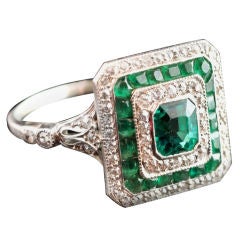
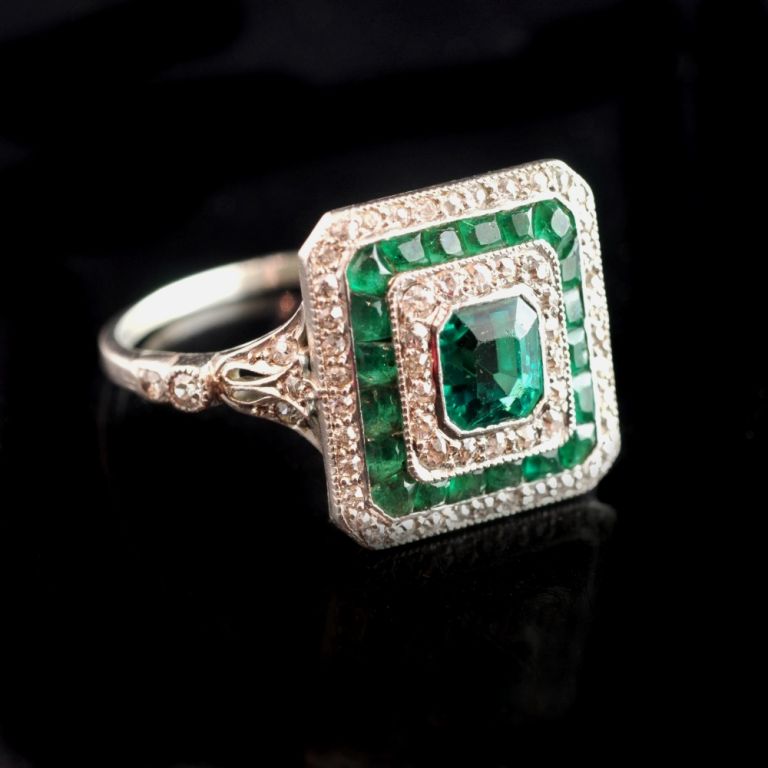
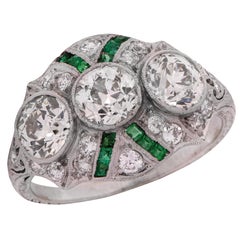
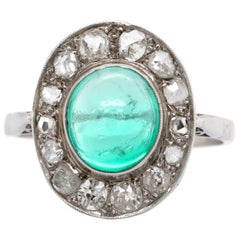
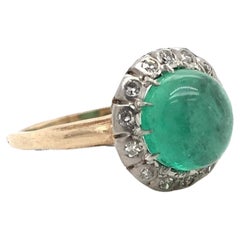
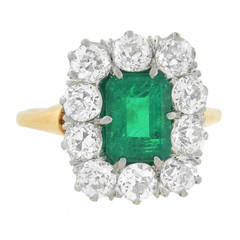
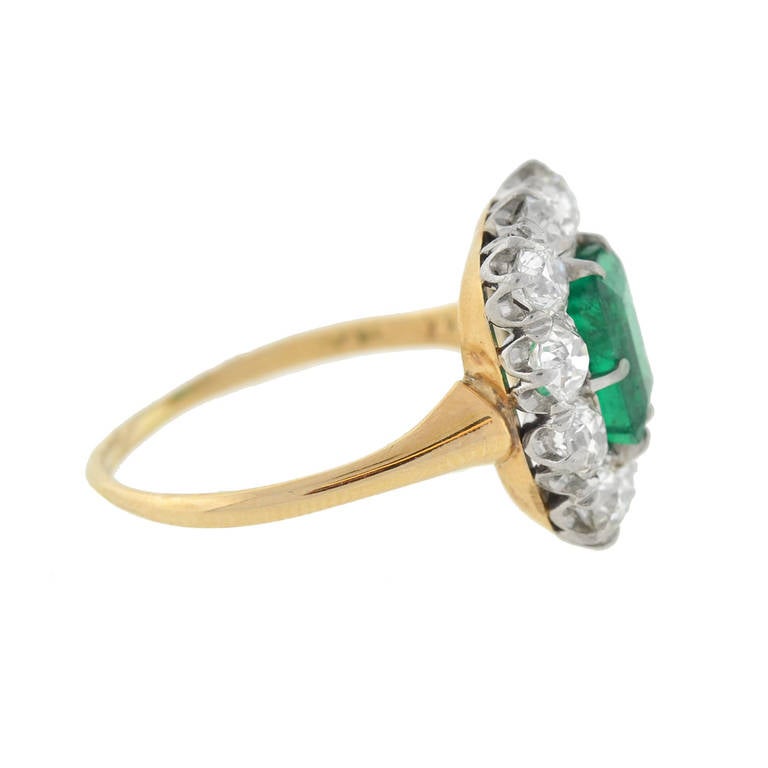
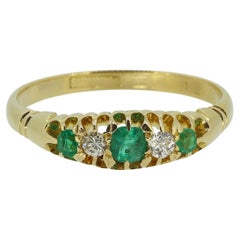
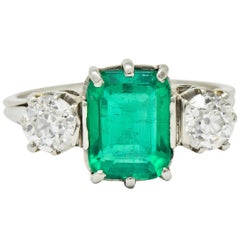
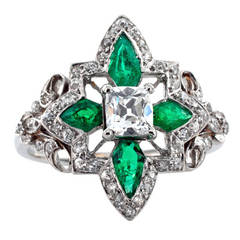
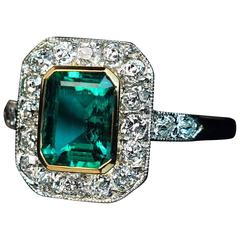
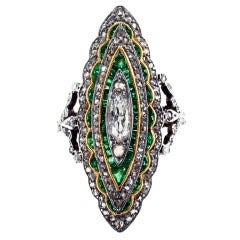
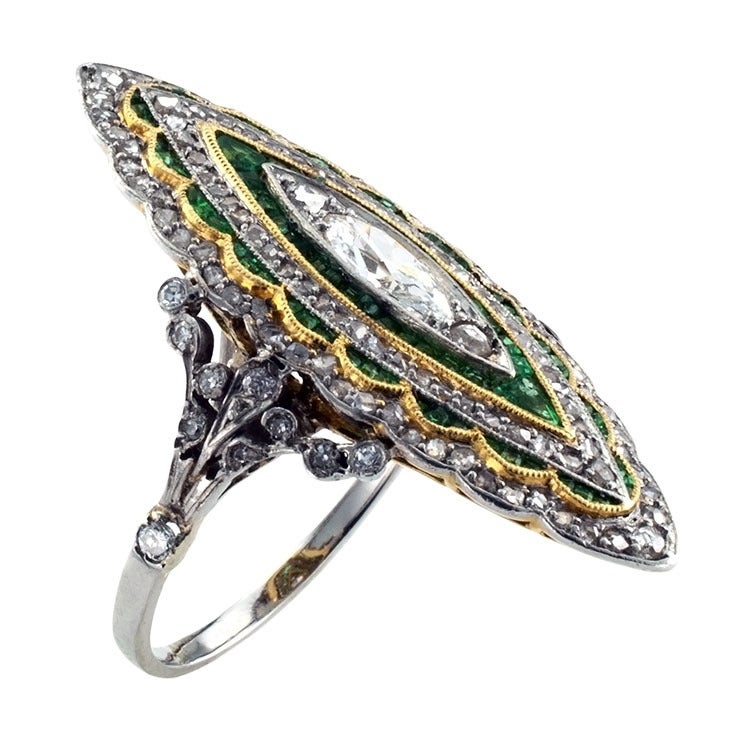
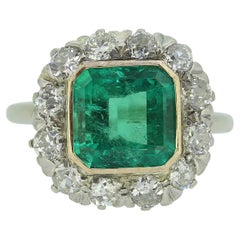
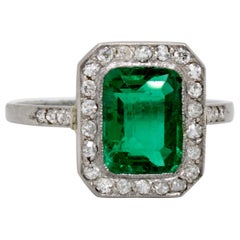
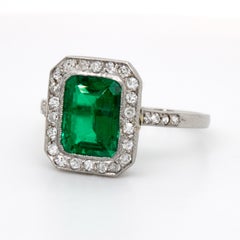
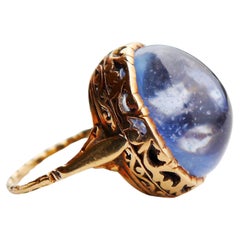
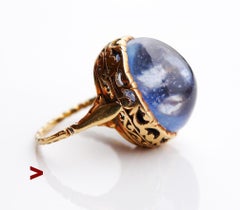
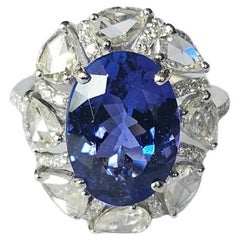
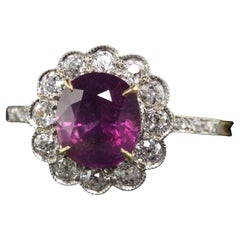
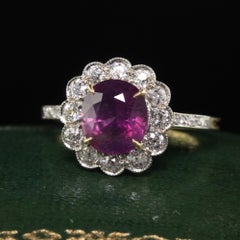
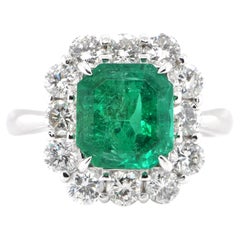
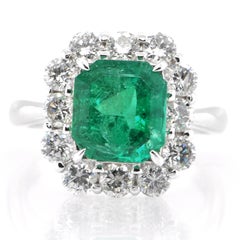
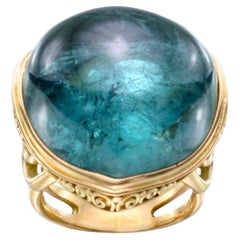
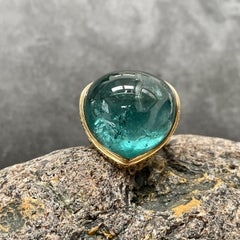
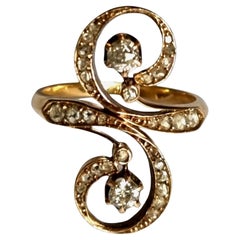
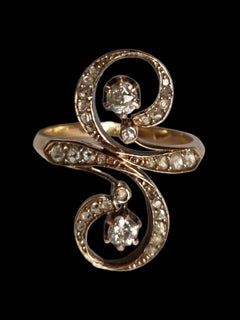
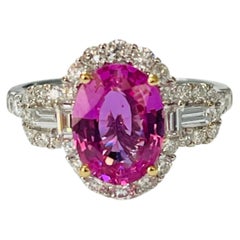
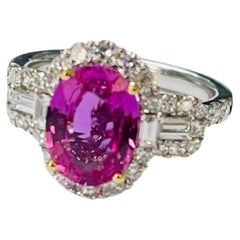
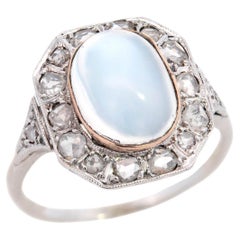
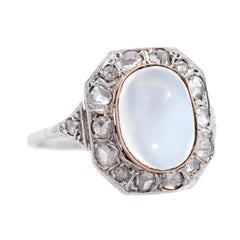
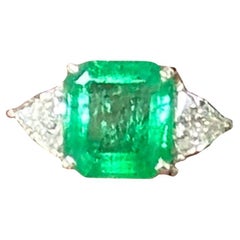
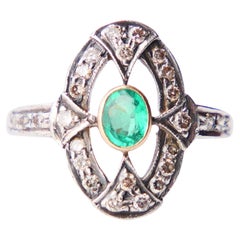
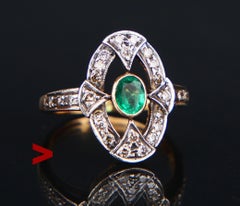
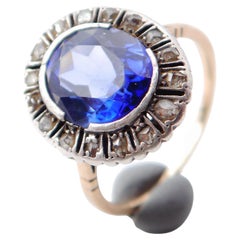
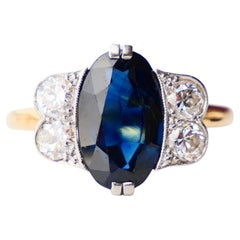
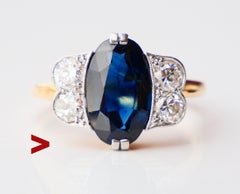
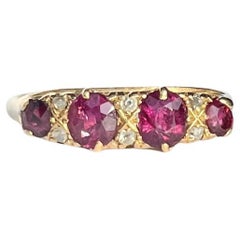
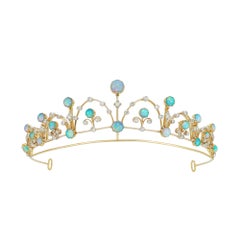
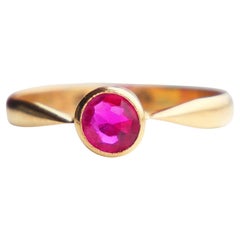
Emerald Edwardian Ring For Sale on 1stDibs
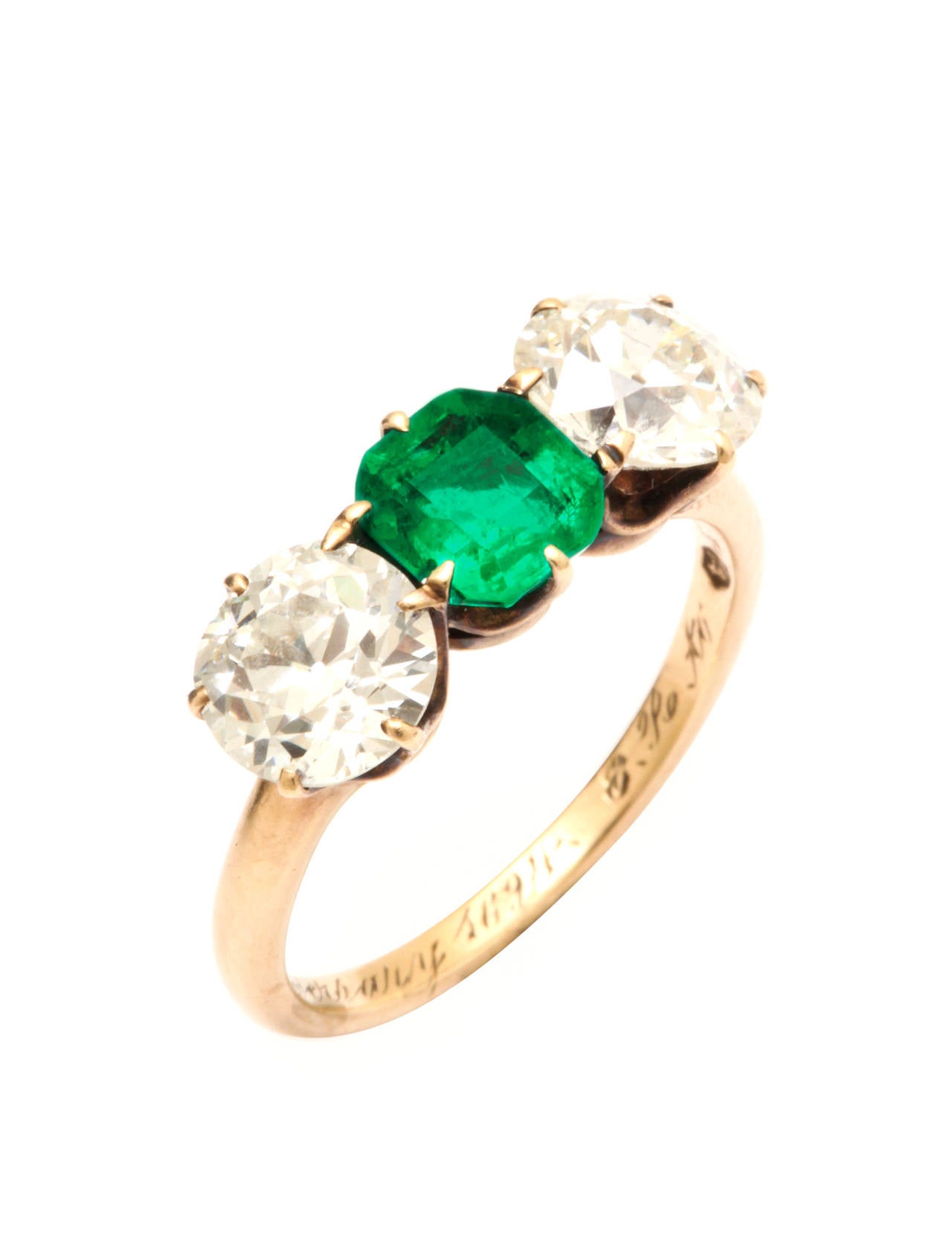
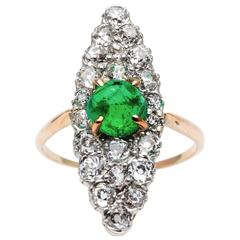
Surely you’ll find the exact emerald edwardian ring you’re seeking on 1stDibs — we’ve got a vast assortment for sale. Each design created in this style — which was crafted with great care and often made from
Gold,
Platinum and
18k Gold — can elevate any look. In our selection of items, you can find a vintage example as well as a contemporary version. Making the right choice when shopping for an emerald edwardian ring may mean carefully reviewing examples of this item dating from different eras — you can find an early iteration of this piece from the 19th Century and a newer version made as recently as the 21st Century, both of which have proven very popular over the years. For this particular piece,
1 Carat and
1.5 Carat are consistently popular carat weights. Creating an emerald edwardian ring has been a part of the legacy of many jewelers, but those produced by
DA Jewellery,
Emeralds Maravellous and
Tiffany & Co. are consistently popular. An emerald edwardian ring can make for a versatile accessory, but a selection from our variety of 171
Diamond versions can add an especially stylish touch. An
emerald cut version of this piece has appeal, but there are also
round cut and
old european cut versions for sale. If you’re browsing our inventory for an emerald edwardian ring, you’ll find that many are available today for
women, but there are still pieces to choose from for unisex and
men.
How Much is a Emerald Edwardian Ring?
Prices for an emerald edwardian ring can differ depending upon size, time period and other attributes — at 1stDibs, these accessories begin at $368 and can go as high as $95,750, while this accessory, on average, fetches $5,079.
A Close Look at Edwardian Jewelry
Antique Edwardian jewelry is named for King Edward VII of Great Britain, who ruled from 1901 until 1910. Classic Edwardian necklaces, engagement rings, earrings and other jewelry are often overshadowed by the more popular style of the era, Art Nouveau, which is a shame. At its best, Edwardian jewelry was all about the exquisite diamond, platinum and pearl creations made by such famous names as Cartier and Boucheron.
Edward introduced incredibly formal Buckingham Palace court presentations, balls and soirées, resulting in a huge demand for diamond jewels starting with his coronation in 1902. Dozens of tiaras and formal jewels in an updated 18th-century style were purchased from French jewelers Boucheron and Chaumet and from Russia’s Fabergé. The court jewelers Asprey, Garrard, Carrington and the newly opened London branch of Cartier were all overwhelmed with orders for sumptuous diamond jewelry to be worn at the king’s elaborate coronation.
During the Edwardian era, pearls were more valuable than diamonds. The pear-shaped pearl La Peregrina, for example, belonged to some of the most fabulous and strongest women in history and bounced among royal courts in Spain, France and Russia for several centuries. So while today the scale and clarity of a diamond ring matters, back then the size and quantity of your pearls was more important a declaration of wealth. And just as Victorian notions of propriety and femininity began to change after Queen Victoria died in 1901, jewelry design also evolved but there was some overlap with late Victorian styles.
Women of the Edwardian period sported bejeweled headpieces like tiaras and bandeaus with feathered aigrettes. Another popular piece of jewelry that is said to have been directly inspired by Queen Alexandra were colliers de chien, or dog collars — today's choker necklaces — which consisted of either a ribbon decorated with a brooch, a gemstone or several strands of pearls strung closely together.
Two major jewelry houses, Cartier and Boucheron, were founded in the mid-1850s, and by the beginning of the 20th century, the wealthy considered them household names. The Cartier brand became even more desirable once the house became the official jewelry supplier to King Edward VII. Cartier took this title seriously and designed some of the most innovative jewelry of its day, since it was willing to experiment with new materials like platinum and because it was mindful of fashion trends. Filigree settings also became popular. This saw-piercing technique was decorative and at the same time created a sense of lightness.
Perhaps even more important than Cartier’s use of platinum was the founding of De Beers Consolidated Mines Limited in 1888. The discovery of new diamond mines made the stone more affordable and prompted the introduction of new gemstone cuts. It is not uncommon to see Edwardian jewels with baguette or briolette diamonds.
Find antique Edwardian rings, bracelets, watches and other jewelry on 1stDibs.
The Legacy of Emerald in Jewelry Design
No one liked emeralds and emerald jewelry more than Elizabeth Taylor (or her alter ego, Cleopatra). Emeralds were first discovered in Egypt around 330 BC. The stone’s name originated from the ancient Greek word for green, “smaragdus.” According to the Gemological Institute of America, “Emeralds from what is now Colombia were part of the plunder when 16th-century Spanish explorers invaded the New World. The Incas had already been using emeralds in their jewelry and religious ceremonies for 500 years. The Spaniards, who treasured gold and silver far more than gems, traded emeralds for precious metals. Their trades opened the eyes of European and Asian royalty to emerald’s majesty.”
There are numerous myths attributed to the emerald’s spiritual powers, like placing an emerald under your tongue will allow you to see the future. But be careful not to swallow the birthstone for May, or that future won’t be so bright!
There are many important (read: large) emeralds in museum collections around the world. The Patricia Emerald, named after the miner’s daughter, is a 632-carat dihexagonal (or 12-sided) crystal that was discovered in Colombia in 1920 and now resides at the American Museum of Natural History in New York. The Smithsonian Museum of Natural History in Washington has in its possession the Hooker Emerald, a 75.47-carat Colombian stone. That emerald had been acquired in the 16th or 17th century by Spanish conquistadores and shipped to Europe. It later belonged to Abdul Hamid II, Sultan of the Ottoman Empire (1876–1909), who wore it on his belt buckle. Purchased at auction by Tiffany & Co. in 1911, the Hooker Emerald was set into a tiara and featured in the New York World’s Fair “House of Jewels” exhibit in 1940. Today, it is part of a brooch, also designed by the jewelry house.
On 1stDibs, find a range of antique and vintage emerald jewelry and watches that includes emerald rings, emerald necklaces and other accessories.
Finding the Right Rings for You
Antique and vintage rings have long held a special place in the hearts of fine jewelry lovers all over the world.
No matter their origin or specific characteristics, rings are timeless, versatile accessories. They’ve carried deep meaning since at least the Middle Ages, when diamond rings symbolized strength and other kinds of rings were worn to signify romantic feelings or to denote an affiliation with a religious order. Rings have also forever been emblematic of eternity.
Over time, rings have frequently taken the form of serpents, which have long been associated with eternal life, health and renewal. Italian luxury jewelry house Bulgari has become famous for its widely loved Serpenti motif, for example, and its Serpenti ring, like the other accessories in the collection, began as an homage to jewelry of the Roman and Hellenistic eras. The serpent is now a popular motif in fine jewelry. Jewelry devotees have long pined for rings adorned with reptiles, thanks to antique Victorian rings — well, specifically, Queen Victoria’s illustrious engagement ring, which took the form of a gold snake set with rubies, diamonds and an emerald (her birthstone). Designs for Victorian-era engagement rings often featured repoussé work and chasing, in which patterns are hammered into the metal.
Engagement rings, which are reliably intimidating to shop for, are still widely recognized as symbols of love and commitment. On 1stDibs, a range of buying guides can be found for those in the market for antique engagement rings, vintage engagement rings or Art Deco engagement rings.
The most collectible antique engagement rings and vintage engagement rings are those from the Victorian, Edwardian and Art Deco eras. Named for the monarchies of the four King Georges, who in succession ruled England starting in 1714 (plus King William’s reign), antique Georgian rings, be they engagement rings or otherwise, are also coveted by collectors. Pearls, along with colored gemstones like garnets, rubies and sapphires, were widely used in Georgian jewelry. The late-1700s paste jewelry was a predecessor to what we now call fashion or costume jewelry.
The Art Nouveau movement (1880–1910) brought with it rings inspired by the natural world. Antique Art Nouveau rings might feature depictions of winged insects and fauna as well as women, who were simultaneously eroticized and romanticized, frequently with long flowing hair. Art Deco jewelry, on the other hand, which originated during the 1920s and ’30s, is by and large “white jewelry.” White metals, primarily platinum, were favored over yellow gold in the design of antique Art Deco rings and other accessories as well as geometric motifs, with women drawn to the era’s dazzling cocktail rings in particular.
Whether you’re hunting down a chunky classic for a Prohibition-themed cocktail party or seeking a clean contemporary design to complement your casual ensemble, find an exquisite collection of antique, new and vintage rings on 1stDibs.