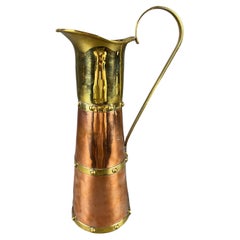
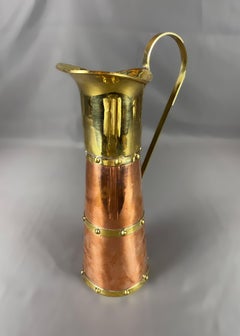
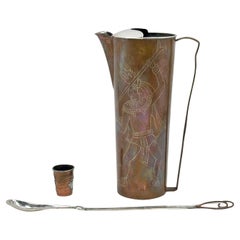
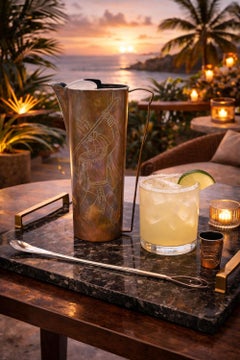
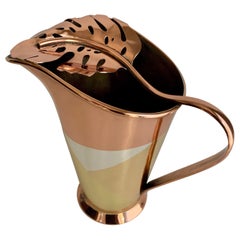
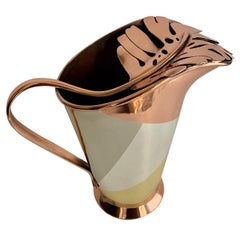
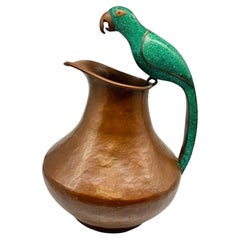
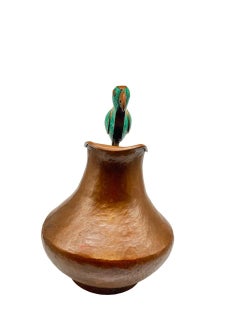
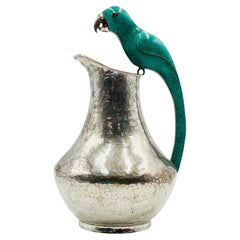
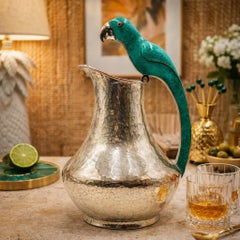
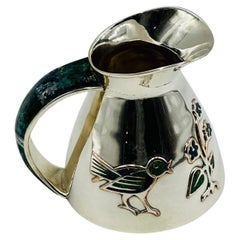
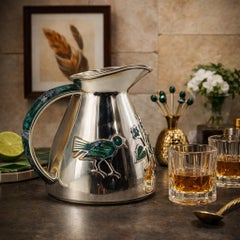
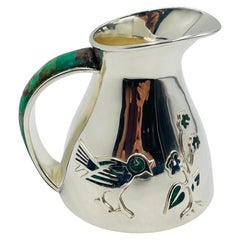
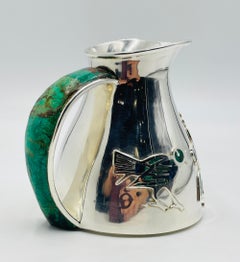
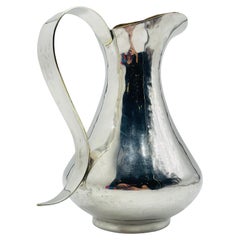
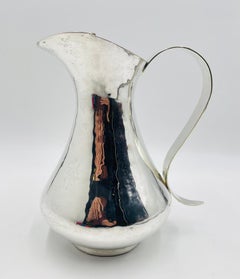
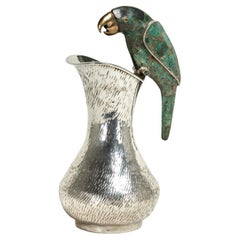
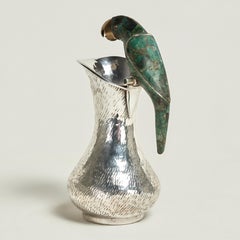
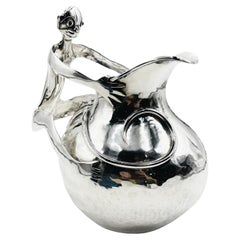
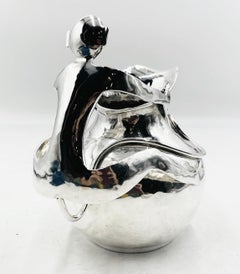
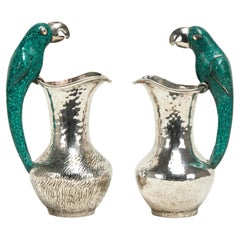
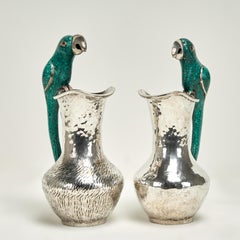
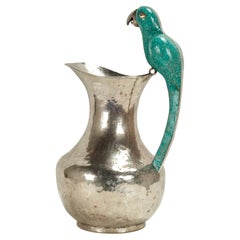
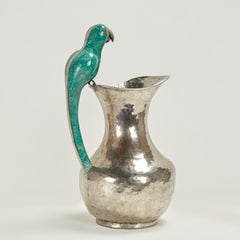
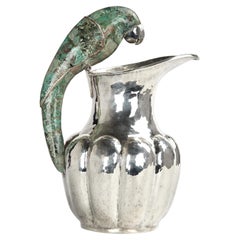
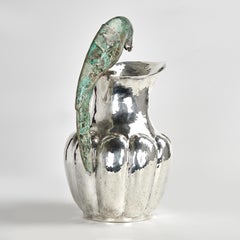
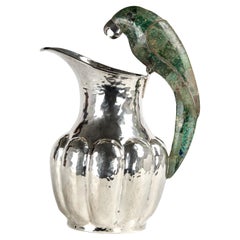
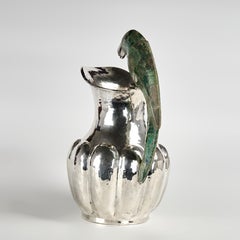
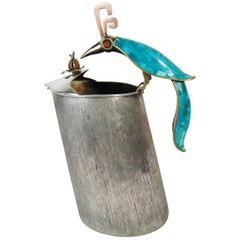
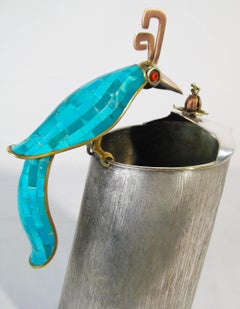
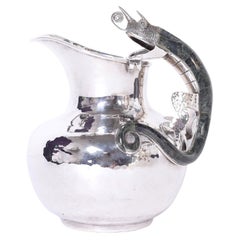
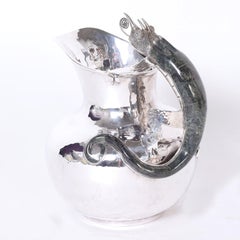
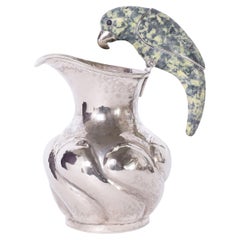
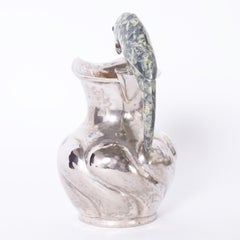
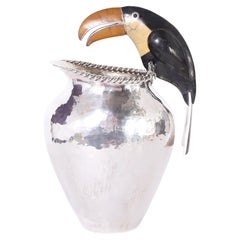
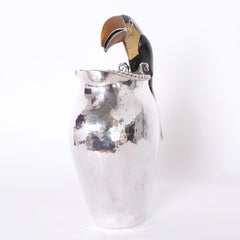
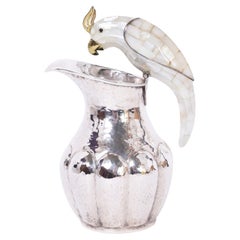
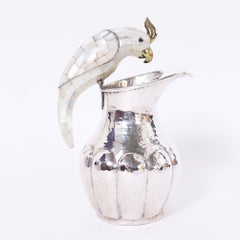
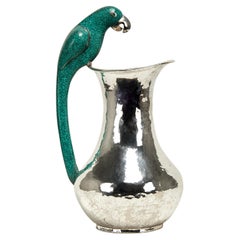
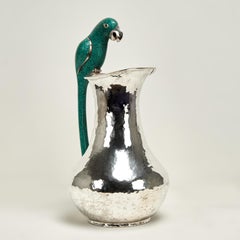
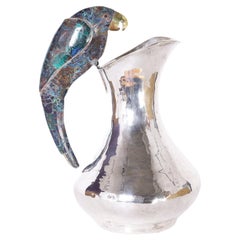
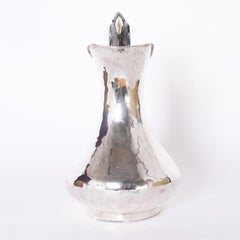
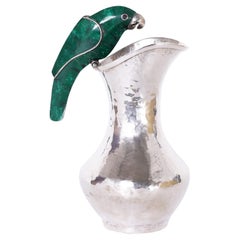
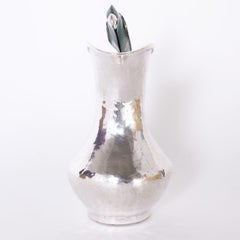
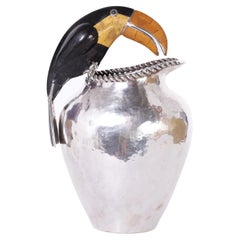
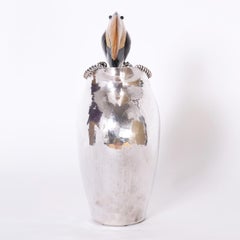
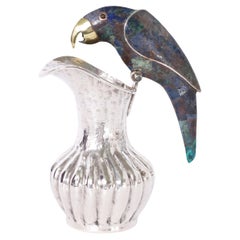
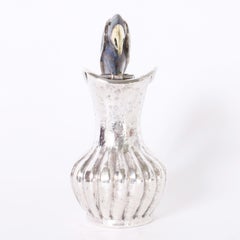
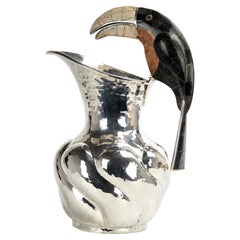
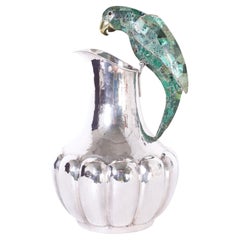
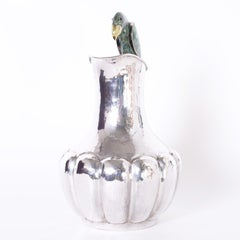
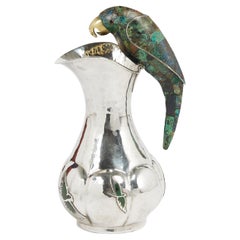
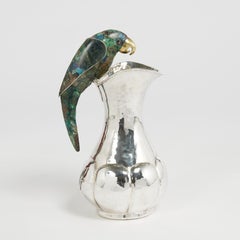
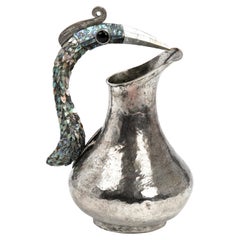
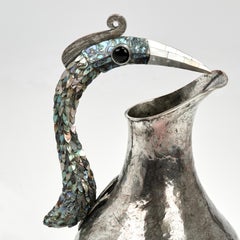
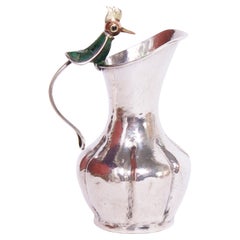
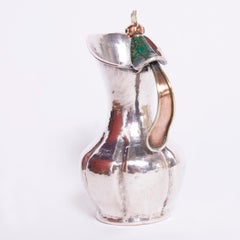
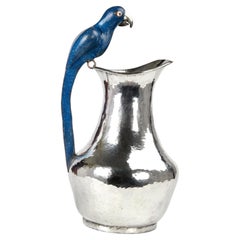
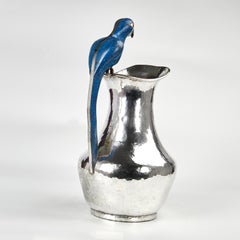
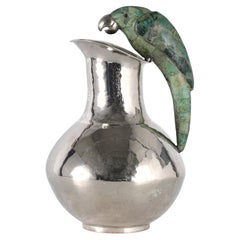
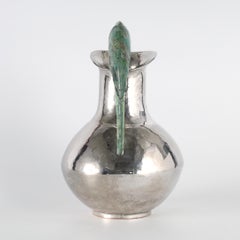
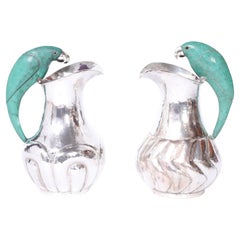
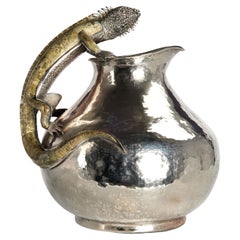
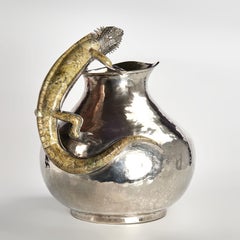
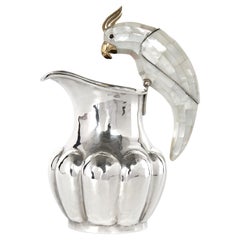
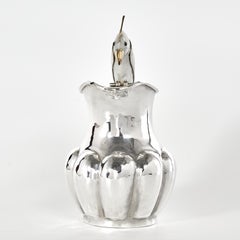
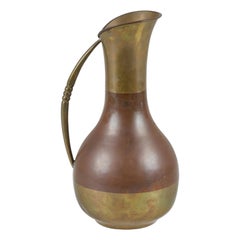
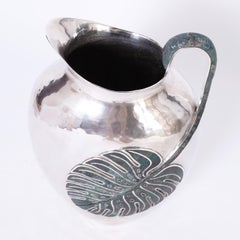
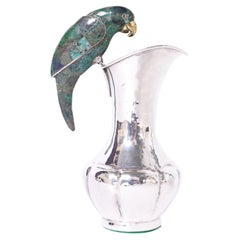
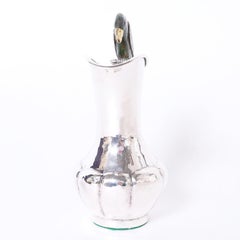
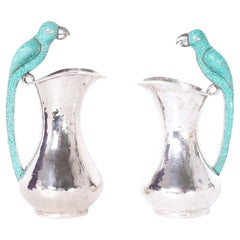
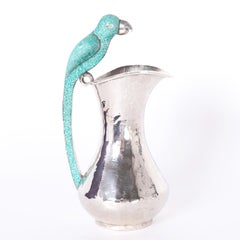
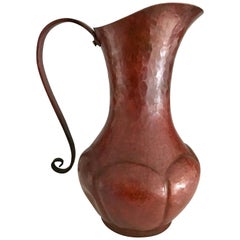
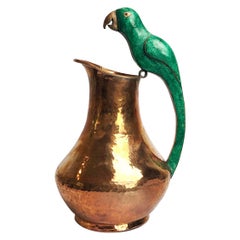
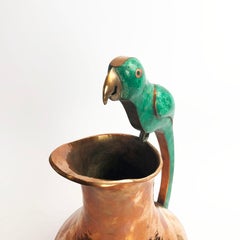
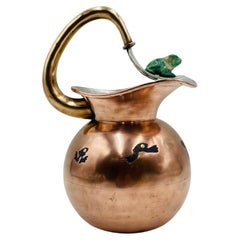
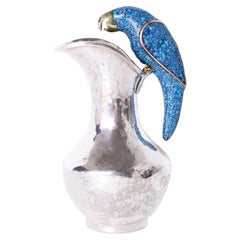
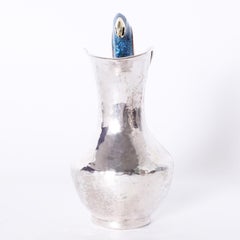
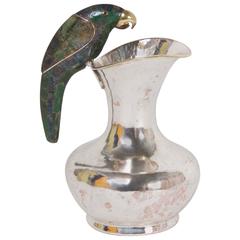
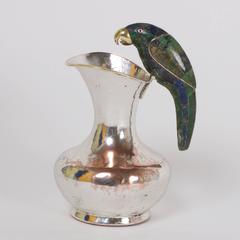
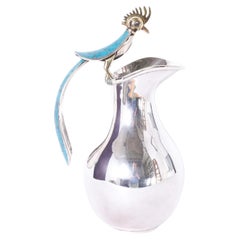
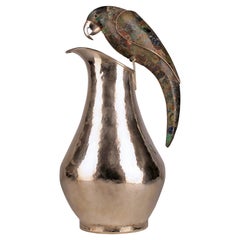
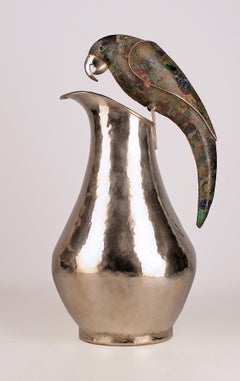
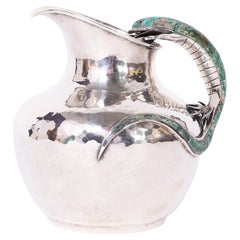
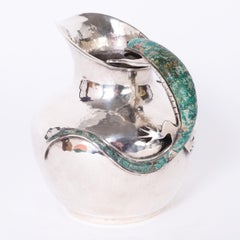
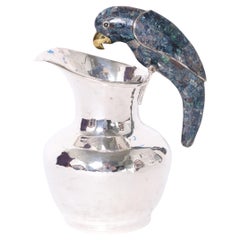
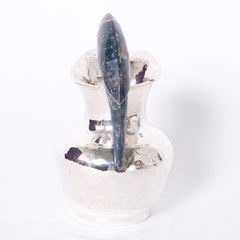
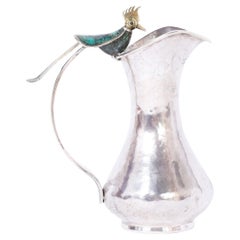
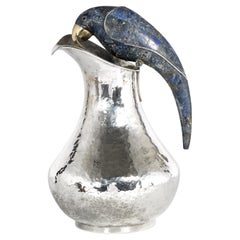
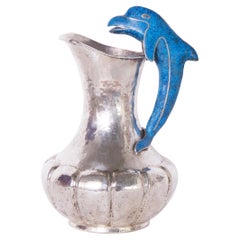
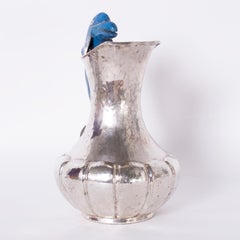
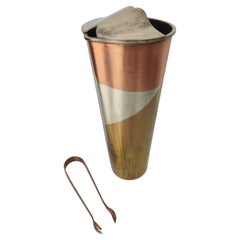
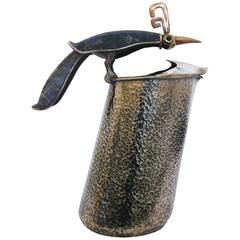
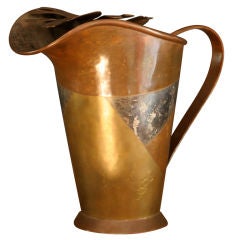
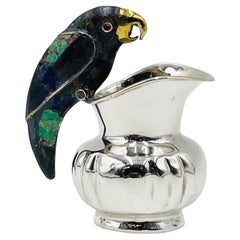
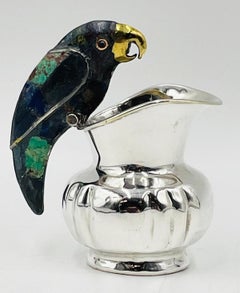
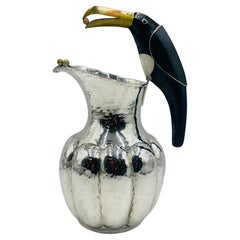
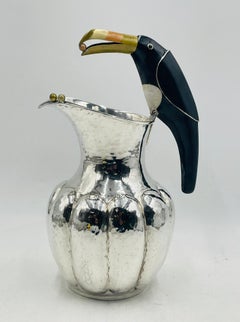
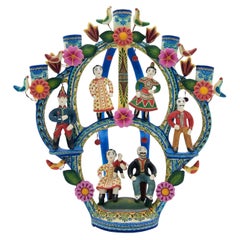
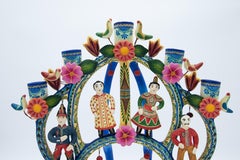
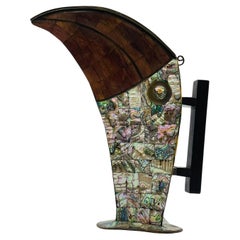
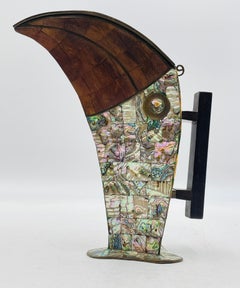
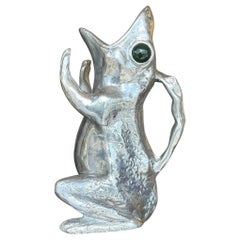
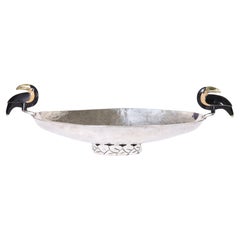
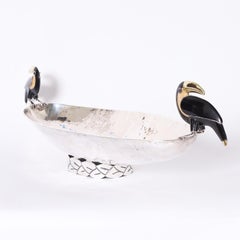
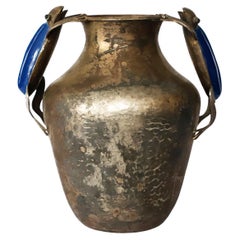
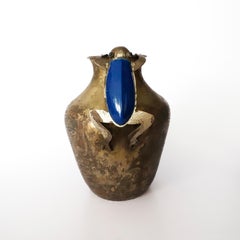
Mexican Copper Pitcher For Sale on 1stDibs
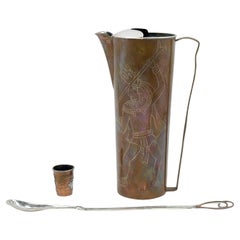
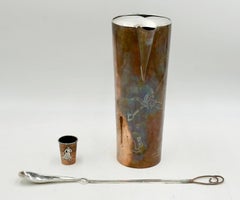
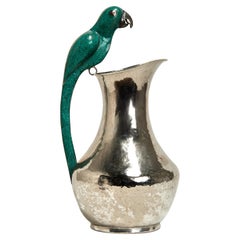
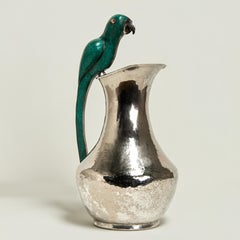
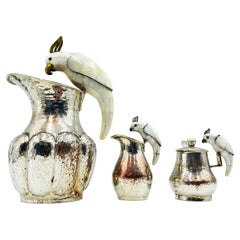
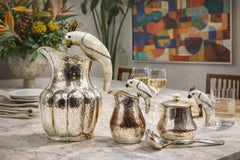
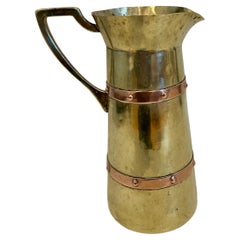
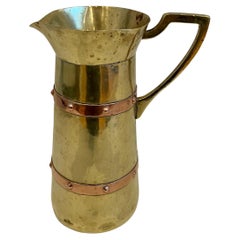
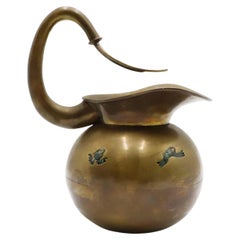
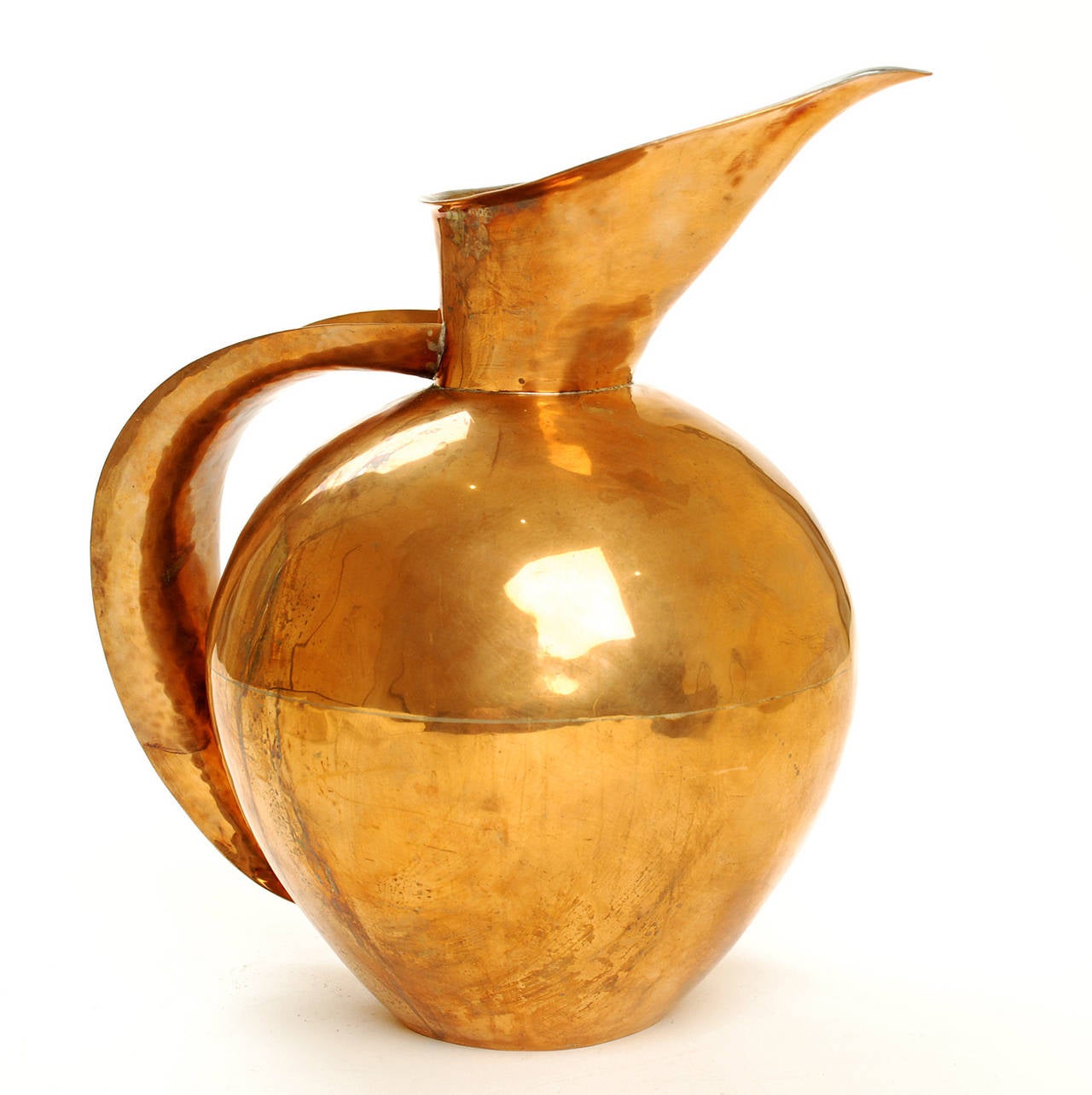
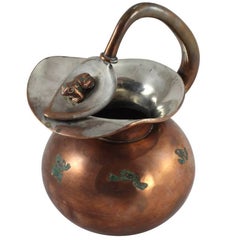
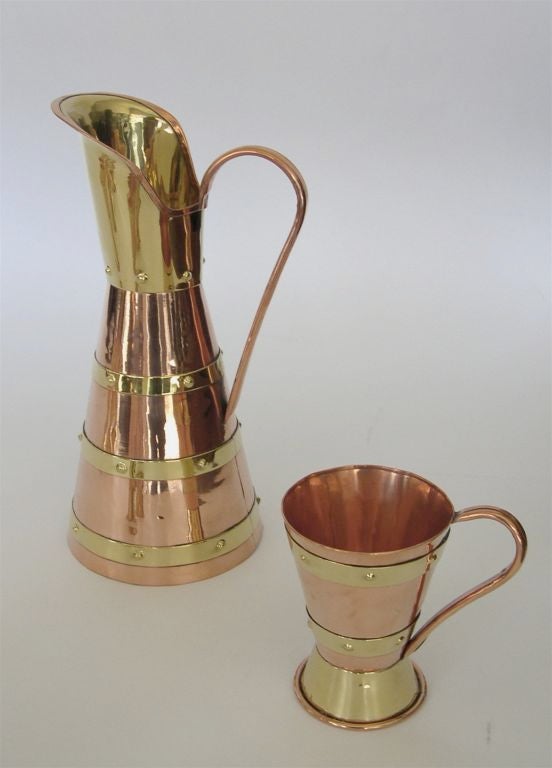
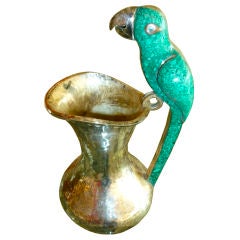
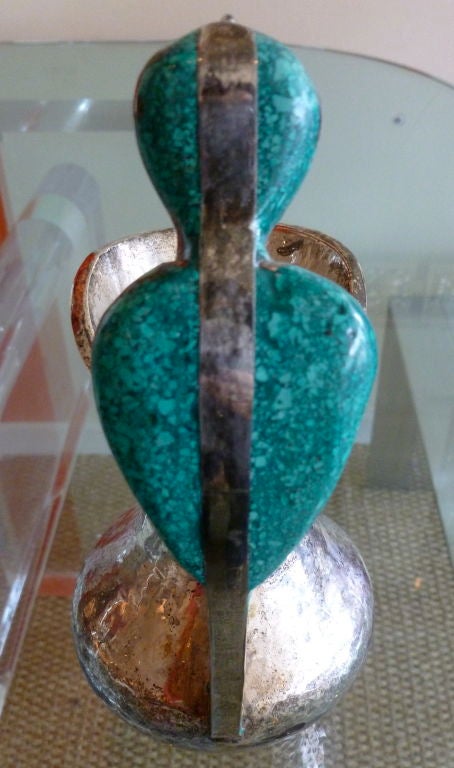
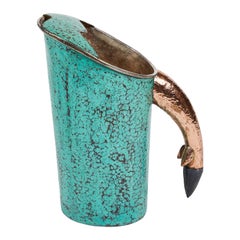
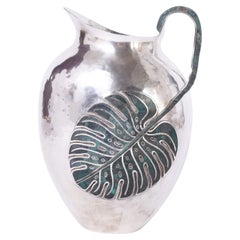
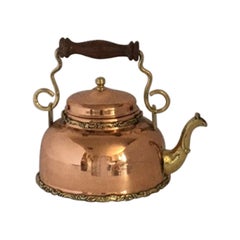
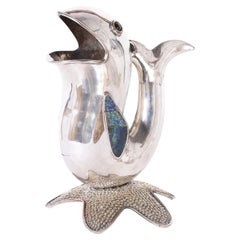
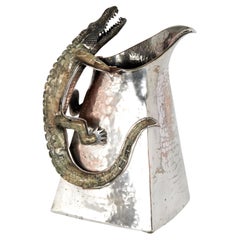
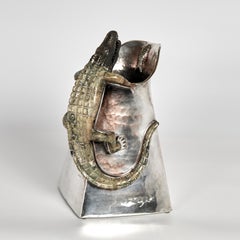
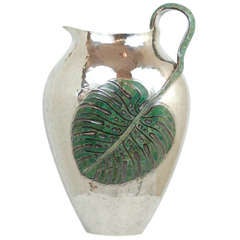
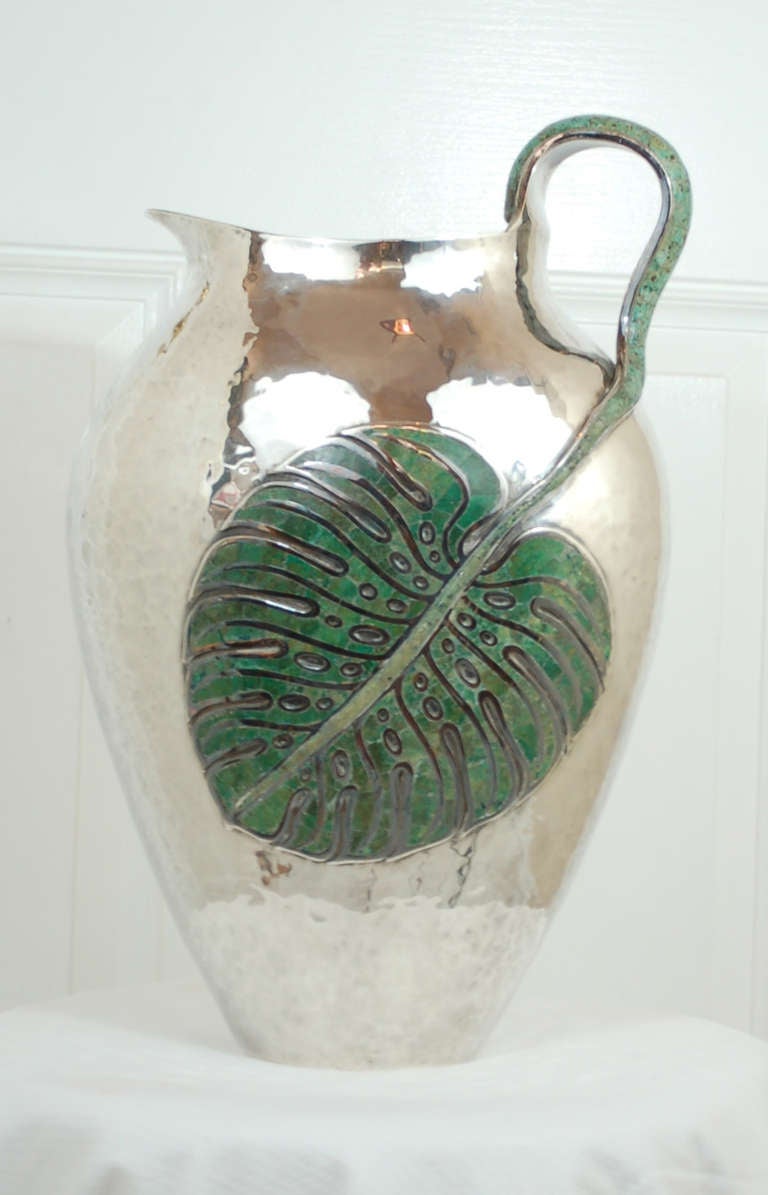
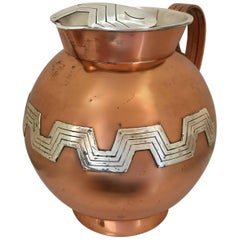
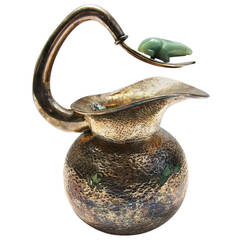
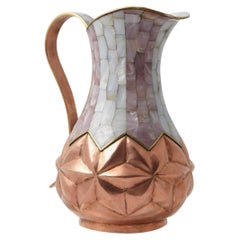
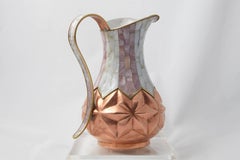
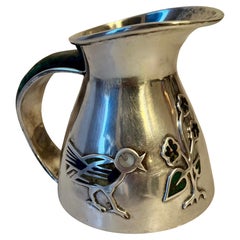
At 1stDibs, there are many versions of the ideal Mexican copper pitcher for your home. A Mexican copper pitcher — often made from
copper,
metal and
brass — can elevate any home. You’ve searched high and low for the perfect Mexican copper pitcher — we have versions that date back to the 20th Century alongside those produced as recently as the 20th Century are available. When you’re browsing for the right Mexican copper pitcher, those designed in
Mid-Century Modern and
Modern styles are of considerable interest. Many designers have produced at least one well-made Mexican copper pitcher over the years, but those crafted by
Los Castillo,
Alfredo Villasana and
Antoñio Pineda are often thought to be among the most beautiful.
How Much is a Mexican Copper Pitcher?
The average selling price for a Mexican copper pitcher at 1stDibs is $1,048, while they’re typically $199 on the low end and $5,500 for the highest priced.
A Close Look at Mid-century Modern Furniture
Organically shaped, clean-lined and elegantly simple are three terms that well describe vintage mid-century modern furniture. The style, which emerged primarily in the years following World War II, is characterized by pieces that were conceived and made in an energetic, optimistic spirit by creators who believed that good design was an essential part of good living.
ORIGINS OF MID-CENTURY MODERN FURNITURE DESIGN
CHARACTERISTICS OF MID-CENTURY MODERN FURNITURE DESIGN
MID-CENTURY MODERN FURNITURE DESIGNERS TO KNOW
ICONIC MID-CENTURY MODERN FURNITURE DESIGNS
VINTAGE MID-CENTURY MODERN FURNITURE ON 1STDIBS
The mid-century modern era saw leagues of postwar American architects and designers animated by new ideas and new technology. The lean, functionalist International-style architecture of Le Corbusier and Bauhaus eminences Ludwig Mies van der Rohe and Walter Gropius had been promoted in the United States during the 1930s by Philip Johnson and others. New building techniques, such as “post-and-beam” construction, allowed the International-style schemes to be realized on a small scale in open-plan houses with long walls of glass.
Materials developed for wartime use became available for domestic goods and were incorporated into mid-century modern furniture designs. Charles and Ray Eames and Eero Saarinen, who had experimented extensively with molded plywood, eagerly embraced fiberglass for pieces such as the La Chaise and the Womb chair, respectively.
Architect, writer and designer George Nelson created with his team shades for the Bubble lamp using a new translucent polymer skin and, as design director at Herman Miller, recruited the Eameses, Alexander Girard and others for projects at the legendary Michigan furniture manufacturer.
Harry Bertoia and Isamu Noguchi devised chairs and tables built of wire mesh and wire struts. Materials were repurposed too: The Danish-born designer Jens Risom created a line of chairs using surplus parachute straps for webbed seats and backrests.
The Risom lounge chair was among the first pieces of furniture commissioned and produced by celebrated manufacturer Knoll, a chief influencer in the rise of modern design in the United States, thanks to the work of Florence Knoll, the pioneering architect and designer who made the firm a leader in its field. The seating that Knoll created for office spaces — as well as pieces designed by Florence initially for commercial clients — soon became desirable for the home.
As the demand for casual, uncluttered furnishings grew, more mid-century furniture designers caught the spirit.
Classically oriented creators such as Edward Wormley, house designer for Dunbar Inc., offered such pieces as the sinuous Listen to Me chaise; the British expatriate T.H. Robsjohn-Gibbings switched gears, creating items such as the tiered, biomorphic Mesa table. There were Young Turks such as Paul McCobb, who designed holistic groups of sleek, blond wood furniture, and Milo Baughman, who espoused a West Coast aesthetic in minimalist teak dining tables and lushly upholstered chairs and sofas with angular steel frames.
Generations turn over, and mid-century modern remains arguably the most popular style going. As the collection of vintage mid-century modern chairs, dressers, coffee tables and other furniture for the living room, dining room, bedroom and elsewhere on 1stDibs demonstrates, this period saw one of the most delightful and dramatic flowerings of creativity in design history.
Materials: Copper Furniture
From cupolas to cookware and fine art to filaments, copper metal has been used in so many ways since prehistoric times. Today, antique, new and vintage copper coffee tables, mirrors, lamps and other furniture and decor can bring a warm metallic flourish to interiors of any kind.
In years spanning 8,700 BC (the time of the first-known copper pendant) until roughly 3,700 BC, it may have been the only metal people knew how to manipulate.
Valuable deposits of copper were first extracted on the Mediterranean island of Cyprus around 4,000 BC — well before Europe’s actual Bronze Age (copper + tin = bronze). Tiny Cyprus is even credited with supplying all of Egypt and the Near East with copper for the production of sophisticated currency, weaponry, jewelry and decorative items.
In the 15th, 16th and 17th centuries, master painters such as Leonardo da Vinci, El Greco, Rembrandt and Jan Brueghel created fine works on copper. (Back then, copper-based pigments, too, were all the rage.) By the late 19th and early 20th centuries, decorative items like bas-relief plaques, trays and jewelry produced during the Art Deco, Arts and Crafts and Art Nouveau periods espoused copper. These became highly valuable and collectible pieces and remain so today.
Copper’s beauty, malleability, conductivity and versatility make it perhaps the most coveted nonprecious metal in existence. In interiors, polished copper begets an understated luxuriousness, and its reflectivity casts bright, golden and earthy warmth seldom realized in brass or bronze. (Just ask Tom Dixon.)
Outdoors, its most celebrated attribute — the verdigris patina it slowly develops from exposure to oxygen and other elements — isn’t the only hue it takes. Architects often refer to shades of copper as russet, ebony, plum and even chocolate brown. And Frank Lloyd Wright, Renzo Piano and Michael Graves have each used copper in their building projects.
Find antique, new and vintage copper furniture and decorative objects on 1stDibs.
Finding the Right Pitchers for You
Perfect for entertaining, a dinner party or a small luncheon, vintage, new and antique pitchers are versatile pieces to keep in any collection.
Whether you’re dining in the great outdoors, freshening up drinks in the living room or making a batch of fresh-squeezed juice for breakfast in the kitchen, a pitcher is a must-have feature of your dining and entertaining set.
Prior to indoor plumbing and the advent of sinks, people paired a pitcher with a wash basin on their bedside stand. Today, an antique washstand might be used as a nightstand or bedside table. These pitchers, along with the washstand, were essential in any bedroom.
Today, in displaying vintage ceramic pitchers on your Welsh kitchen dresser or in a corner cupboard, you’re inviting a pop of color and an alluring texture to mingle with your other serveware. But when entertaining, you’re likely going to put this decorative vessel to work. Some glazed stoneware and metal pitchers are outfitted with hinged lids to provide insulation, while potters and other craft artists at the time might have made complementary glasses or teacups to pair with their pitchers for a complete serving set. Glass and stoneware pitchers are perfect for serving beverages, but if you’re serving from a metal pitcher, you’ll want to ensure that the material is food-grade stainless steel.
For a simple home accent, consider using that wonderfully aging vintage metal pitcher as a vase for your flowers (be sure to use a watertight plastic liner or insert) or as a receptacle to display and organize your cooking utensils. Given the venturesome design sensibility that we associate with mid-century modernism, a mid-century modern pitcher is going to prove a unique and sophisticated decorative touch to any room in your home. While your farmhouse-style interior is practically begging for the earthy tones of a terracotta pitcher, an ironstone pitcher will bring ornate details to your mantel.
Find a collection of new, vintage and antique pitchers today on 1stDibs.