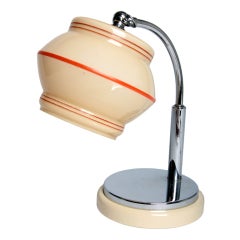
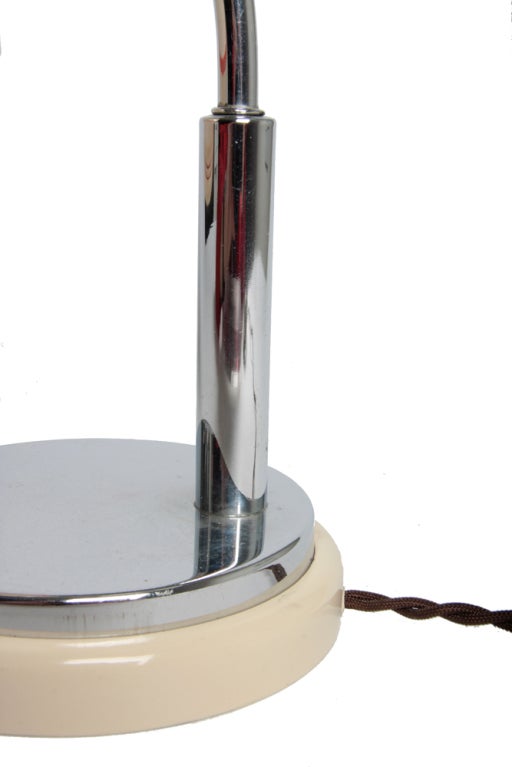
Marianne Brandt "touch" light for Ruppel
By Marianne Brandt
Located in Toronto, Ontario
A beautiful Marianne Brandt "tast-licht" table lamp. Ingenious little lamp that switches on and
Category
Marianne Brandt "touch" light for Ruppel
By Marianne Brandt
Located in Toronto, Ontario
A beautiful Marianne Brandt "tast-licht" table lamp. Ingenious little lamp that switches on and
$1,123Sale Price|20% Off
H 2.76 in W 8.67 in D 5.91 in
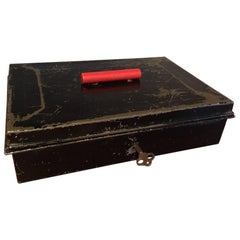
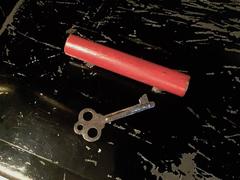
Very Rare Marianne Brandt for Ruppel Box No. 4823
By Marianne Brandt
Located in Munich, DE
Very rare Marianne Brandt for Ruppel box no. 4823. As shown in the 1930 catalog.
Metal
$790
H 7 in W 4 in D 5.5 in
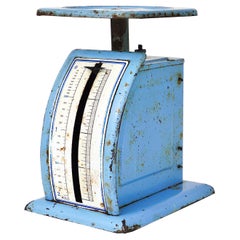
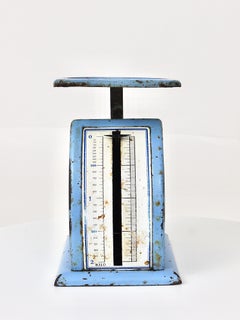
Decorative Blue Marianne Brandt Avantgarde Bauhaus Letter Scale, 1930s, Germany
By Ruppelwerk, Marianne Brandt
Located in Vienna, AT
Brandt, executed by Ruppel Werke, Ruppelwerk in Gotha, Germany. In original and working condition with
Metal, Iron, Sheet Metal
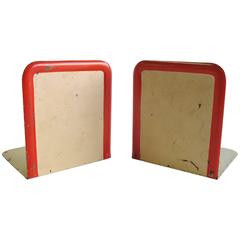
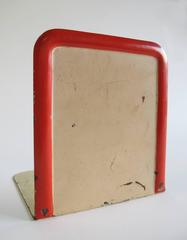
Metal Bookends by Marianne Brand for Ruppel, Germany, 1930s
By Ruppelwerk, Marianne Brandt
Located in Amstelveen, NL
A beautiful original pair of creamy white bookends with red accents designed by Marianne Brandt
Metal
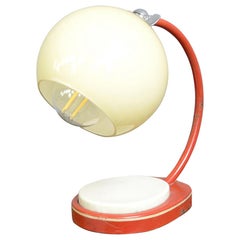
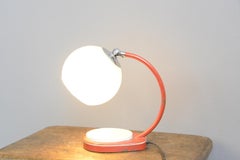
Tastlicht Table Lamp by Marianne Brandt for Ruppel
By Marianne Brandt
Located in Gloucester, GB
Tastlicht table lamp by Marianne Brandt for Ruppel - Original red paint with pinstriping
Steel
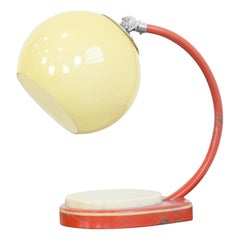
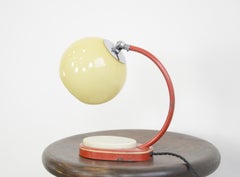
Tastlicht Table Lamp by Marianne Brandt for Ruppel
By Marianne Brandt
Located in Gloucester, GB
Tastlicht table lamp by Marianne Brandt for Ruppel - Original red paint with pinstriping
Steel
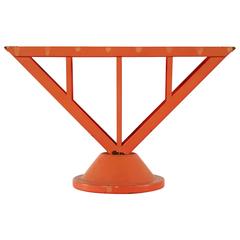
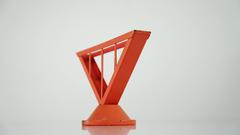
Marianne Brandt Bauhaus Napkin Holder Ruppel / Ruppelwerk, Germany
By Marianne Brandt, Ruppelwerk
Located in Munster, NRW
Ruppel (Ruppelwerk GmbH, Gotha, Germany. Marianne Brandt, one of the most celebrated of the Bauhaus
Metal
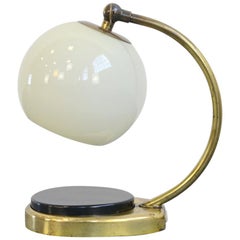

Bauhaus Bedside Lamp by Marianne Brandt, circa 1930s
By Marianne Brandt
Located in Gloucester, GB
Bauhaus bedside lamp by Marianne Brandt, circa 1930s - Brass base and arm - Large bakelite
Brass

Sold
H 9.85 in Dm 4.93 in
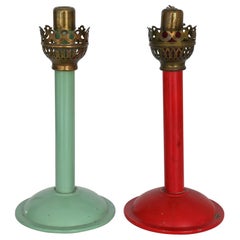
Wind Light or Candleholder by Marianne Brandt for Ruppelwerke Gotha 1930 Bauhaus
By Marianne Brandt
Located in Epfach, DE
Wind light or candleholder by Marianne Brandt for Ruppel Werke 1930 Bauhaus The metal goods
Metal
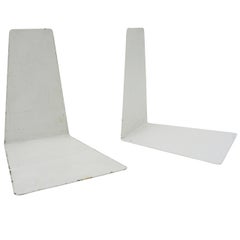
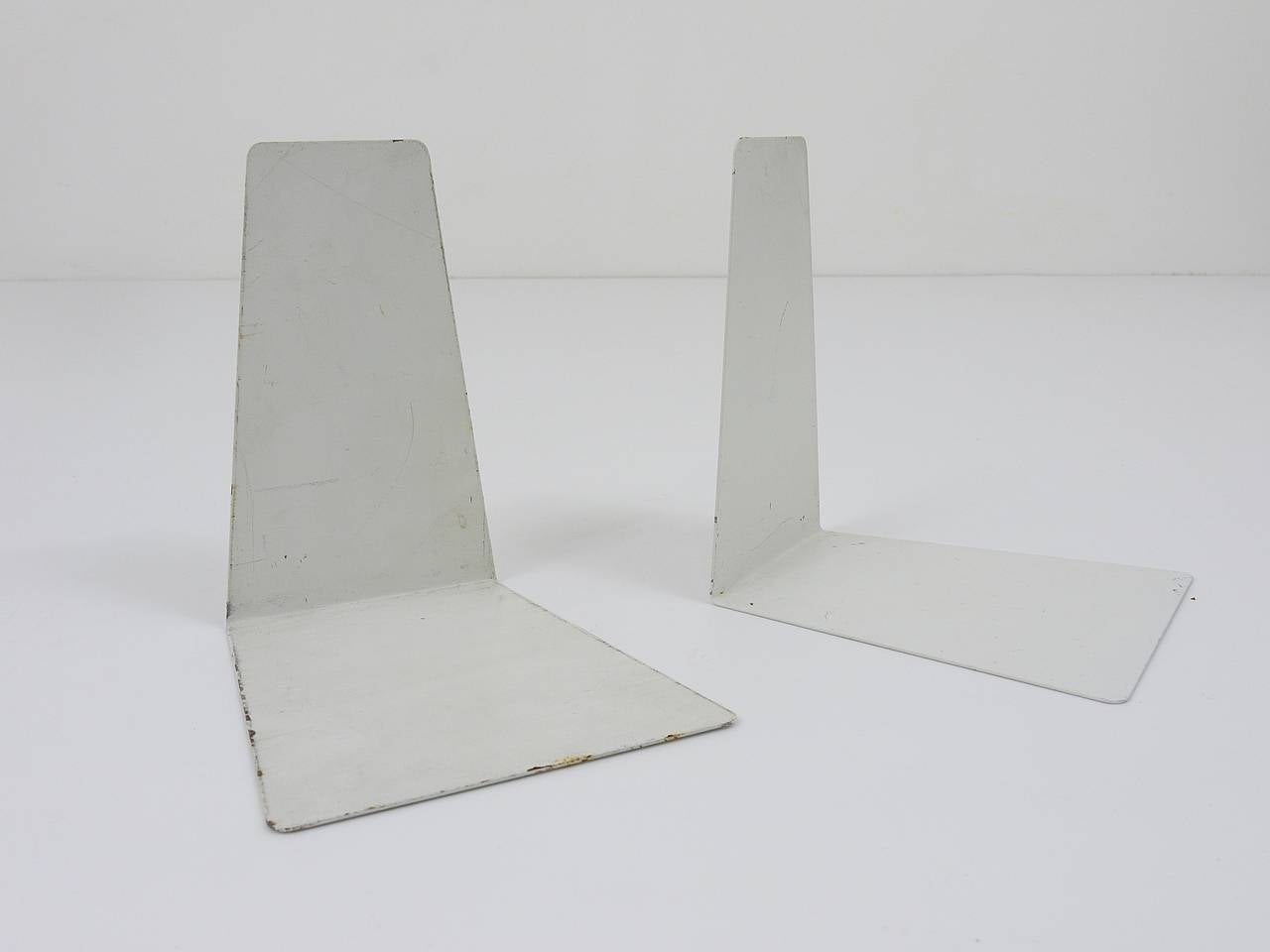
Bauhaus Bookends By Marianne Brandt, Metal, 1930s, Ruppel Germany
By Ruppelwerk, Marianne Brandt
Located in Vienna, AT
Brandt, executed by Ruppel Werke, Gotha, Germany. In good condition, charming size of age. Marked. We
Metal
Sold
H 5.25 in W 8.25 in D 3.5 in
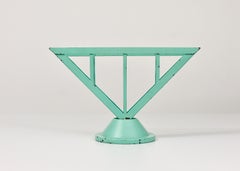
Decorative Green Marianne Brandt Avantgarde Bauhaus Napkin Holder, Ruppel, 1930s
By Ruppelwerk, Marianne Brandt
Located in Vienna, AT
-green. Designed by Marianne Brandt (1893-1983), manufactured by Ruppel Werke, Ruppelwerke in Gotha
Metal, Sheet Metal

Sold
H 5.5 in W 5 in D 4.5 in
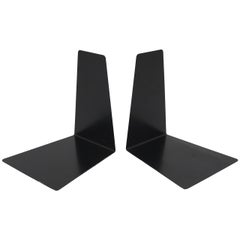
Bauhaus Black Metal Bookends by Marianne Brandt, 1930s for Ruppel, Germany
By Ruppelwerk, Marianne Brandt
Located in Vienna, AT
Brandt, executed by Ruppel Werke, Gotha, Germany. In good condition, charming size of age. Marked. We
Metal
Sold
H 1.58 in W 3.67 in D 3.67 in
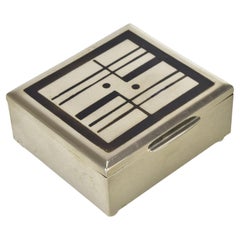
German Bauhaus Jewelry Box with Constructivist Design by Marianne Brandt
By Marianne Brandt, Ruppelwerk
Located in Bad Säckingen, DE
This exceptional German Bauhaus jewelry box, attributed to Marianne Brandt for Ruppel, embodies the
Chrome
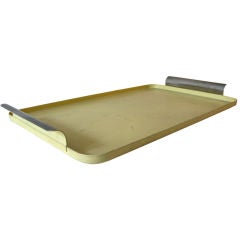
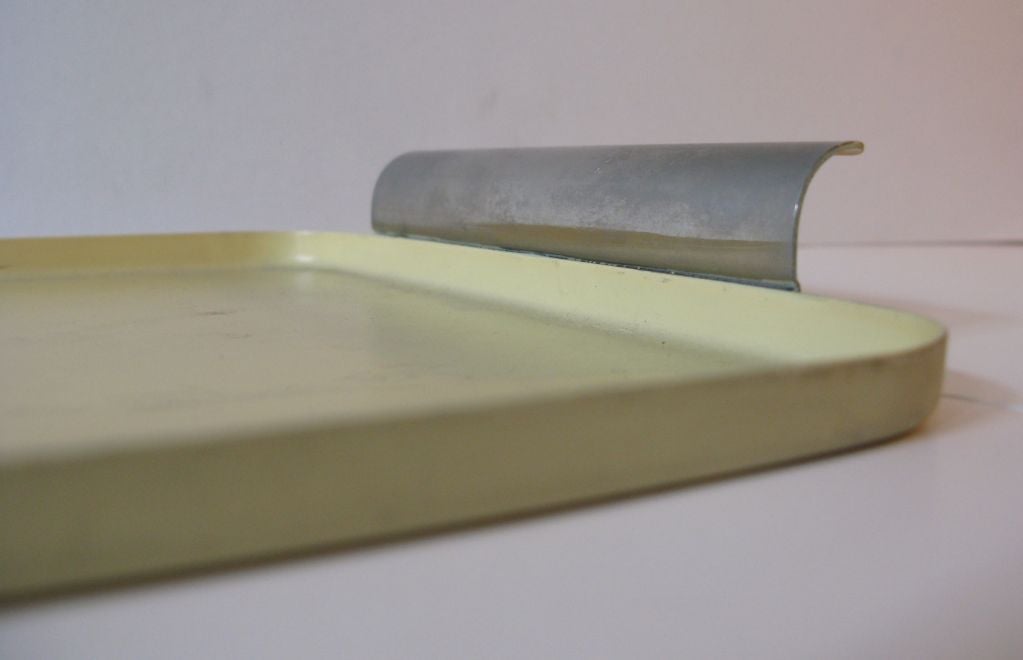
Bauhaus Tray designed by Marianne Brandt for Ruppel
Located in New York, NY
Enameled metal tray with curved chrome-plated handles. A Marianne Brandt design for
Metal

Sold
H 5.5 in W 5 in D 4.5 in
Bauhaus Black Metal Bookends by Marianne Brandt, 1930s for Ruppel, Germany
By Ruppelwerk, Marianne Brandt
Located in Vienna, AT
Brandt, executed by Ruppel Werke, Gotha, Germany.
Metal
Original Large Marianne Brandt for Ruppel Bauhaus Tray
By Marianne Brandt
Located in Dallas, TX
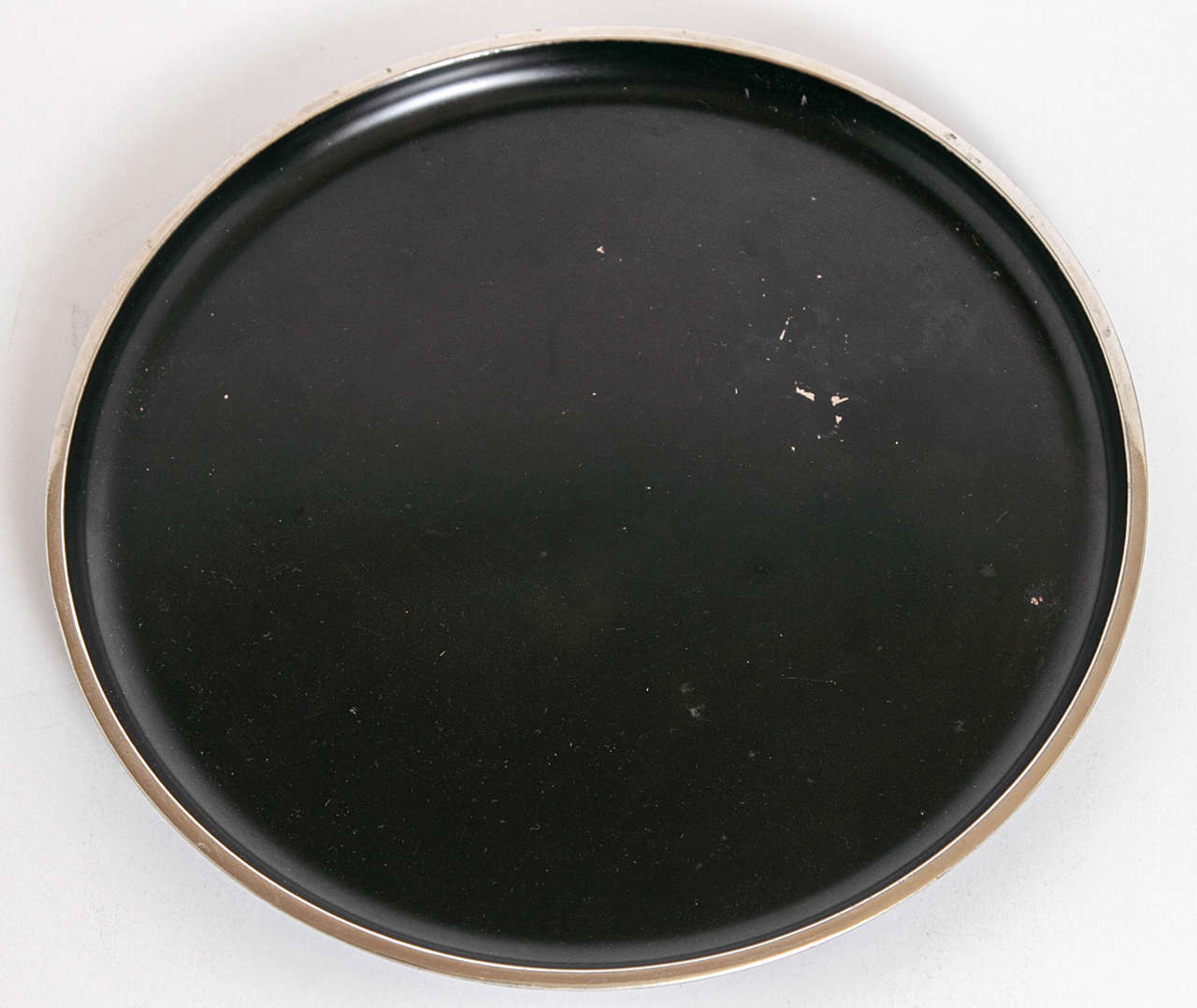
Nice enameled and chromed Brandt tray, with original Ruppel merfach geschützt silver stamp. For
Sold
H 2.76 in Dm 6.7 in
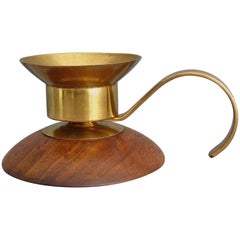
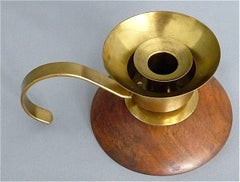
Signed Bauhaus Marianne Brandt Brass Wood Candleholder Light for Ruppel, 1930
By Ruppelwerk, Marianne Brandt
Located in Nierstein am Rhein, DE
Rare authentic brass and wood candleholder light designed by Marianne Brandt, circa 1929-1932 and
Brass

Sold
H 5.5 in W 5 in D 4.5 in
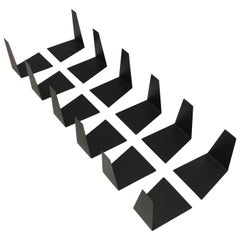
Six Pairs Bauhaus Black Bookends by Marianne Brandt, 1930s for Ruppel, Germany
By Ruppelwerk, Marianne Brandt
Located in Vienna, AT
Marianne Brandt, executed by Ruppel Werke, Gotha, Germany.
Metal
$1,090
H 6.5 in W 6.5 in D 1 in
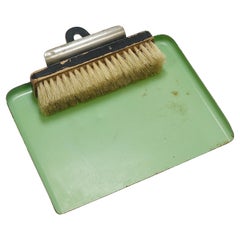
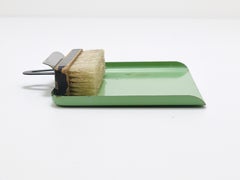
Marianne Brandt Avantgarde Bauhaus „Mignon" Table Brush Dustpan Set, 1930s
By Marianne Brandt, Ruppelwerk
Located in Vienna, AT
An iconic Bauhaus table brush and pan sweeping set from the early 1930s in light-green / pastel jade green. Designed by Marianne Brandt (1893-1983), manufactured by Ruppel Werke, Rup...
Metal, Sheet Metal
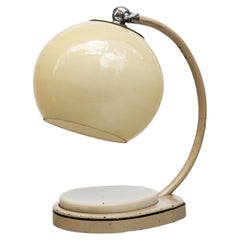
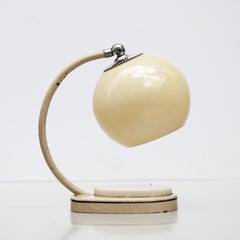
Marianne Brandt Bauhaus Tastlicht Table Lamp, 1932
By Ruppelwerk, Marianne Brandt
Located in Munich, DE
Marianne Brandt Tastlicht’ table light, Germany 1932 Made by Ruppelwerk, Gotha. Sheet metal, varnished white, partially chrome-plated, white plastic, glass shade, eggshell white, ma...
Steel
Marianne Brandt was a German painter, sculptor, photographer and designer who attended the Bauhaus-Universität Weimar. There she became a student of Hungarian modernist theorist and designer László Moholy-Nagy in the metal workshop.
After leaving the Bauhaus, Brandt worked for Walter Adolph Georg Gropius in his Berlin studio. Brandt subsequently became the head of metal design at the Ruppelwerk firm in Gotha, where she remained until losing her job during the ongoing financial Depression in 1932.
After the Second World War, Brandt remained in Germany to help rebuild her family's home, which had been severely damaged in the bombings. She lived out her days in Germany while the Bauhaus was generally reviled as decadent during much of the German Democratic Republic. By the end of her life Brandt had a loyal group of students from her many years as a teacher of design.
Brandt's designs for household objects such as table lamps, ashtrays and teapots are considered the timeless examples of modern industrial design.
Find vintage Marianne Brandt furniture and decorative objects on 1stDibs.
(Biography provided by DADA)
The Bauhaus was a progressive German art and design school founded by the architect Walter Gropius that operated from 1919 to 1933. Authentic Bauhaus furniture — sofas, dining chairs, tables and more — and the school’s followers married industrial and natural materials in simple, geometric forms. The goal of the Bauhaus was to erase the distinction between art and craft while embracing the use of new technologies and materials.
ORIGINS OF BAUHAUS FURNITURE DESIGN
CHARACTERISTICS OF BAUHAUS FURNITURE DESIGN
BAUHAUS FURNITURE DESIGNERS YOU SHOULD KNOW
AUTHENTIC BAUHAUS FURNITURE ON 1STDIBS
The name Bauhaus is derived from the German verb bauen, “to build.” Under the school’s innovative curriculum, students were taught the fine arts, such as painting and sculpture, as well as practical skills like carpentry and metalworking.
The school moved from Weimar in 1925 to the city of Dessau, where it enjoyed its heyday under Gropius, then Hannes Meyer and Ludwig Mies van der Rohe. The period from 1932 to 1933 when it operated in Berlin under Mies was its final chapter. Despite its brief existence, the Bauhaus has had an enduring impact on art and design in the United States and elsewhere, and is regarded by many as the 20th century’s chief crucible of modernism.
The faculty roster at the Bauhaus reads like a who’s who of modernist creative genius — it included such artists as Paul Klee, Wassily Kandinsky and László Moholy-Nagy along with architects and designers like Mies and Marcel Breuer, who became known for his muscular brutalist-style concrete buildings in the postwar years. In 1925, while he was head of the Bauhaus carpentry workshop, Breuer gave form to his signature innovation: the use of lightweight tubular-steel frames for chairs, side tables and sofas — a technique soon adopted by Mies and others. Breuer’s Cesca chair was the first-ever tubular steel frame chair with a caned seat to be mass produced, while the inspiration for his legendary Wassily chair, a timeless design and part of the collection crafted to furnish the Dessau school, was the bike he rode around campus.
Bauhaus design style reflects the tenets by which these creators worked: simplicity, clarity and function. They disdained superfluous ornament in favor of precise construction. Seating pieces such as side chairs, armchairs or club chairs for example, were made with tubular metal or molded plywood frames, and upholstery was made from leather or cane. Above all, designs in the Bauhaus style offer aesthetic flexibility. They can be the elements of a wholly spare, minimalist space, the quiet foundation of an environment in which color and pattern come from one’s own collection of art and artifacts.
Today, from textiles to typefaces, architecture, furniture and decorative objects for the home, Bauhaus creations continue to have an outsize influence on modern design.
Find a collection of authentic Bauhaus furniture on 1stDibs.