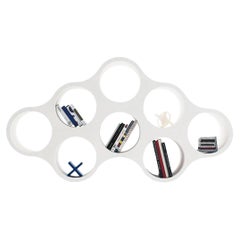
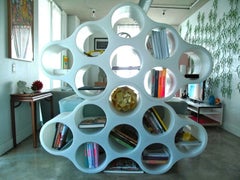
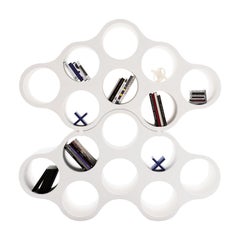
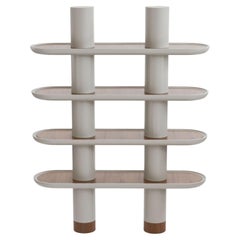
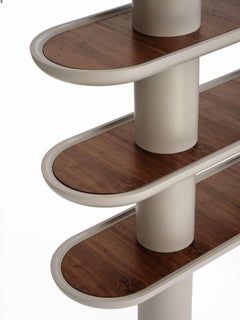
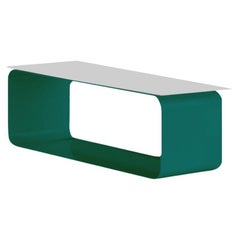
Cappellini for sale on 1stDibs
In 1946, at the start of a postwar boom in Europe, Enrico Cappellini opened the doors to a small furniture studio in the Italian town of Carugo. But it wasn’t until his son joined the company nearly three decades later that Cappellini became a powerhouse fixture on the global design stage. Today Cappellini is one of the world’s foremost manufacturers of innovative chairs, tables and decorative objects.
Giulio Cappellini joined the family company in 1977 and, with his appointment, ushered in a stage of boundary-pushing modernism and prolific creativity at Cappellini. With a dual background in architecture and business management, Giulio was well equipped to steer the brand into both innovative design and economic growth in a rapidly globalizing economy.
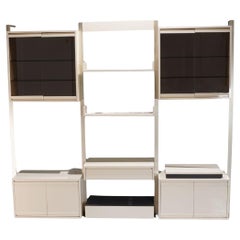
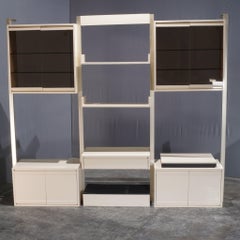
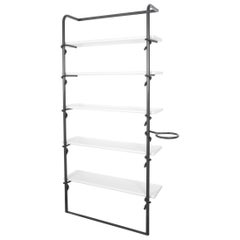
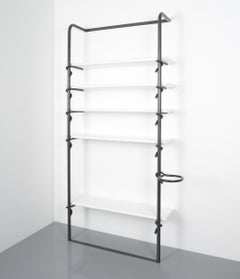
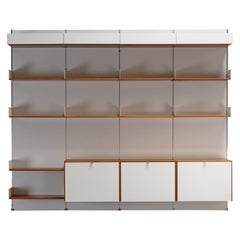
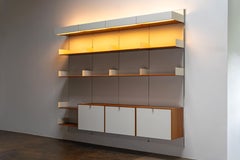
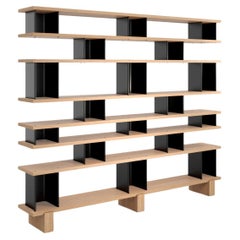
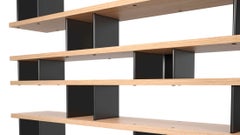
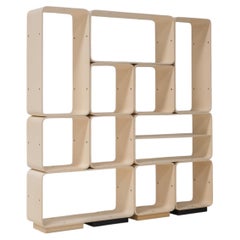
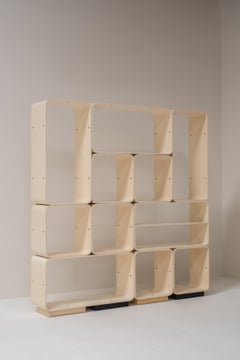
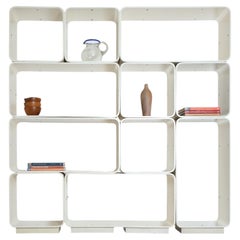
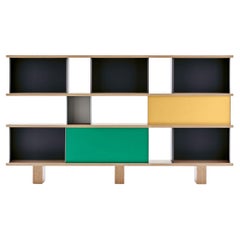
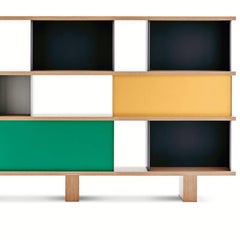
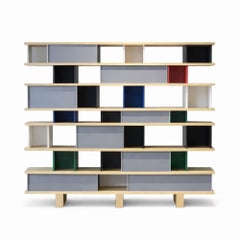
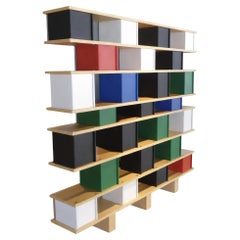
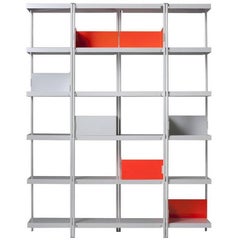
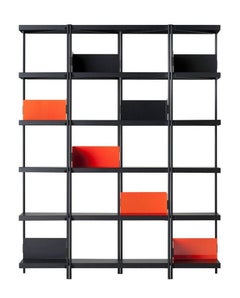
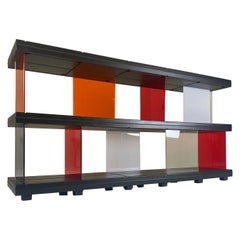
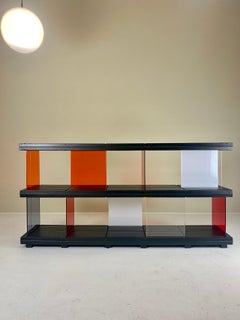
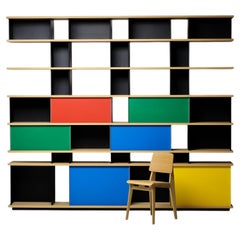
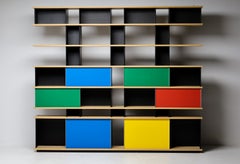
The second-generation leader’s first major success came in 1981, with the launch of Sistemi, a modular, hyperfunctional storage system that would come to symbolize the chic functionality of Cappellini. That was quickly followed by a collaboration with renowned Japanese designer Shiro Kuramata for the Progetti Compiuti collection, a line that brought unexpected playfulness to the simple framework of a black-and-white cabinet and remains an iconic collectible today.
That first collaboration opened the doors to a prolific output of partnerships, with Cappellini tapping such star designers as Jasper Morrison, Marcel Wanders, Tom Dixon, Ronan and Erwan Bouroullec and Nendo for collections over the ensuing decades that spanned a range of materials and styles. Speaking to this range, Marc Newson’s plumply curvaceous 1988 Embryo chair, Jasper Morrison’s slightly arachnoid 1987 Thinking Man’s chair and Tom Dixon’s sculptural 1991 S-chair — each quite stylistically unique — remain some of the company’s most recognizable pieces, with the latter in the permanent collection of the Museum of Modern Art.
Cappellini, now headquartered in Milan, continues to partner with guest designers across furniture, storage and lighting solutions, though many of its 1970s and ’80s designs remain its most coveted today.
Find vintage Cappellini furniture on 1stDibs.
A Close Look at Modern Furniture
The late 19th and early 20th centuries saw sweeping social change and major scientific advances — both of which contributed to a new aesthetic: modernism. Rejecting the rigidity of Victorian artistic conventions, modernists sought a new means of expression. References to the natural world and ornate classical embellishments gave way to the sleek simplicity of the Machine Age. Architect Philip Johnson characterized the hallmarks of modernism as “machine-like simplicity, smoothness or surface [and] avoidance of ornament.”
Early practitioners of modernist design include the De Stijl (“The Style”) group, founded in the Netherlands in 1917, and the Bauhaus School, founded two years later in Germany.
Followers of both groups produced sleek, spare designs — many of which became icons of daily life in the 20th century. The modernists rejected both natural and historical references and relied primarily on industrial materials such as metal, glass, plywood, and, later, plastics. While Bauhaus principals Marcel Breuer and Ludwig Mies van der Rohe created furniture from mass-produced, chrome-plated steel, American visionaries like Charles and Ray Eames worked in materials as novel as molded plywood and fiberglass. Today, Breuer’s Wassily chair, Mies van der Rohe’s Barcelona chair — crafted with his romantic partner, designer Lilly Reich — and the Eames lounge chair are emblems of progressive design and vintage originals are prized cornerstones of collections.
It’s difficult to overstate the influence that modernism continues to wield over designers and architects — and equally difficult to overstate how revolutionary it was when it first appeared a century ago. But because modernist furniture designs are so simple, they can blend in seamlessly with just about any type of décor. Don’t overlook them.
Materials: Plastic Furniture
Arguably the world’s most ubiquitous man-made material, plastic has impacted nearly every industry. In contemporary spaces, new and vintage plastic furniture is quite popular and its use pairs well with a range of design styles.
From the Italian lighting artisans at Fontana Arte to venturesome Scandinavian modernists such as Verner Panton, who created groundbreaking interiors as much as he did seating — see his revolutionary Panton chair — to contemporary multidisciplinary artists like Faye Toogood, furniture designers have been pushing the boundaries of plastic forever.
When The Graduate's Mr. McGuire proclaimed, “There’s a great future in plastics,” it was more than a laugh line. The iconic quote is an allusion both to society’s reliance on and its love affair with plastic. Before the material became an integral part of our lives — used in everything from clothing to storage to beauty and beyond — people relied on earthly elements for manufacturing, a process as time-consuming as it was costly.
Soon after American inventor John Wesley Hyatt created celluloid, which could mimic luxury products like tortoiseshell and ivory, production hit fever pitch, and the floodgates opened for others to explore plastic’s full potential. The material altered the history of design — mid-century modern legends Charles and Ray Eames, Joe Colombo and Eero Saarinen regularly experimented with plastics in the development of tables and chairs, and today plastic furnishings and decorative objects are seen as often indoors as they are outside.
Find vintage plastic lounge chairs, outdoor furniture, lighting and more on 1stDibs.
Finding the Right Cabinets for You
Although traditionally used in the bedroom to store garments that would not be hung in a closet, an antique or vintage cabinet can easily find a purpose in rooms throughout your entire house.
The world's first storage cabinets, reportedly constructed in Renaissance-era Europe, were demonstrative of excellence in carpentry and the work of master carvers. These robust bureaus or sophisticated chests of drawers were typically built from common woods, such as oak or walnut. Although they were fairly uniform in structure and lacked the bright colors of modern-day furniture, case pieces and storage cabinets that date from the 18th century and earlier were often found in the homes of nobility.
Their intricate carvings and various embellishments — adornments made from ivory, ornate lacquer work and, later, glass shelvings — reflect the elegance with which these decorative furnishings were associated. Given its valuable purpose and the beauty of the early furnishings' designs, the storage cabinet is an investment that will never go out of style.
The practical design that defines the earliest storage cabinets has inspired the creation of household must-haves, like minimalist drink trolleys and marble wood bookcases. From hiding outdoor gear in the mudroom to decluttering your kitchen with a tall kitchen pantry cabinet, these versatile furnishings have now become available in enough sizes, styles and colors to accommodate any space. After all, these aren't your run-of-the-mill filing cabinets.
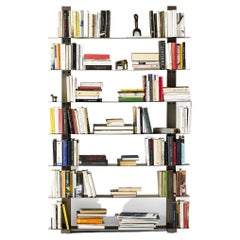
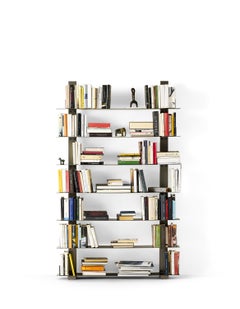
A sophisticated storage cabinet — wood storage cabinets with doors and shelves, for example — can serve as a room divider when necessary, while the right vintage wall unit or floor-to-ceiling cabinetry solutions can seamlessly become part of any space without disrupting the energy of the room. And although you may hide items away in its drawers, bookworms might prefer a storage cabinet with open shelving for displaying favorite books or other media.
One-of-a-kind solutions for the modern consumer abound, but enthusiasts of understated, classical beauty may turn to Baroque-style storage cabinets. Elsewhere, admirers of mid-century modernism looking to make a statement with their case pieces will warm to the dark woods and clean lines of vintage storage cabinets by Paul McCobb, Florence Knoll or Edward Wormley.
Sometimes the best renovation is a reorganization. If you're ready to organize and elevate your space, a luxury storage cabinet is the addition you need.
Find a variety of vintage and antique storage cabinets on 1stDibs, including unique Art Deco storage cabinets, chinoiserie cabinets and more.