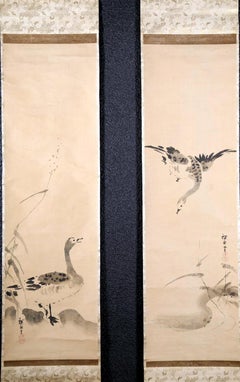
Iwase Hirotaka

1808-1877

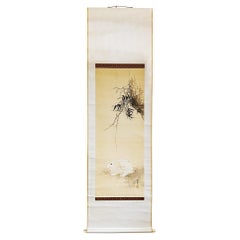
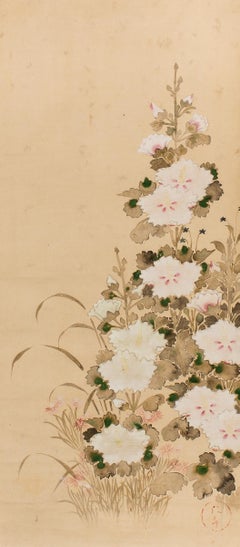
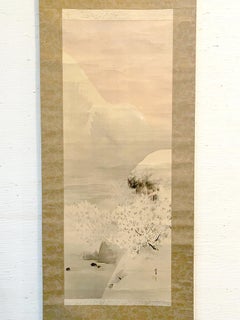
Iwase Hirotaka was originally a Kyoto based Ukiyo-e artist known as Hishikawa Kiyoharu. At the age of 26 or 27, he moved to Wakayama, changed his name, and began studying Yamato-e with Tanaka Totsugen and Ukita Ikkei. Totsugen and Ikkei were leaders of the Fukko Yamato-e school and were connected to a political movement that sought to revive the power of the Emperor. A diverse and accomplished artist, Hirotaka eventually turned to literati painting, which he learned from Tetsuo Somon.

to
1
1
1
1
1
1
1
1
1
1
1
12,318
3,861
2,488
2,227
Creator: Iwase Hirotaka
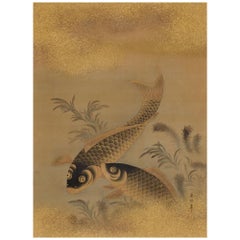
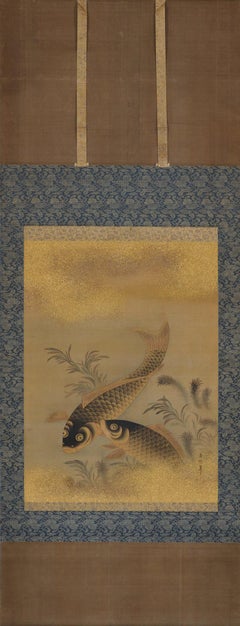
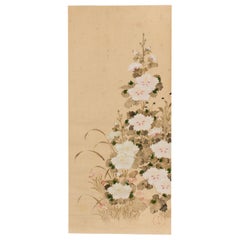
Japanese Painting, Hanging Scroll, Mid 19th Century, Koi and Water Plants
By Iwase Hirotaka
Located in Kyoto, JP
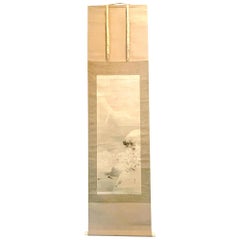
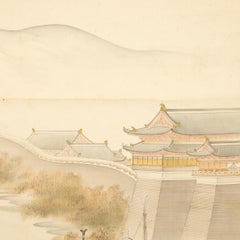
Iwase Hirotaka (1808-1877) Koi and Water Plants Hanging scroll, ink, color, gold wash and gold flecks on silk Inscription: Hirotaka Seal: Ille...
Category

1860s Japanese Edo Antique Iwase Hirotaka

Materials

Silk

Related Items
Chinese Patriarch and Matriarch Ancestral Scroll Painting
Located in Rio Vista, CA
Magnificent Chinese scroll ancestor painting showing patriarch and matriarch of a high ranking status civil official. This unusual scroll depicts the dignitary couple seated below a ...
Category

Early 20th Century Chinese Qing Iwase Hirotaka

Materials

Wood, Paint, Paper

Chinese Patriarch and Matriarch Ancestral Scroll Painting
$2,640 Sale Price
44% Off
H 76 in W 48 in D 1 in
19th Century Japanese Edo Six Panel Kano School Landscape Screen
Located in Rio Vista, CA
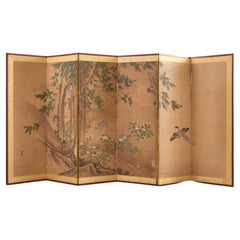
Late Edo period 19th century Japanese six-panel landscape screen featuring a cypress tree over a flowering hibiscus with a pair of hototogisu birds. Kano school painted with ink and ...
Category

19th Century Japanese Edo Antique Iwase Hirotaka

Materials

Silk, Wood, Paper

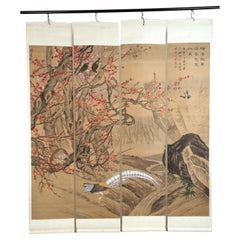
Set of Four Japanese Silk Hanging Scrolls Screens C.1920
Located in London, GB
A stunning set of four Japanese silk mounted vertical hanging scrolls. Dating from C.1920 Taisho Period. The watercolour and ink on silk depicts a larg...
Category

1920s Japanese Japonisme Vintage Iwase Hirotaka

Materials

Silk

Set of Four Japanese Silk Hanging Scrolls Screens C.1920
$5,932 Sale Price / set
20% Off
H 83.27 in W 70.08 in D 0.04 in
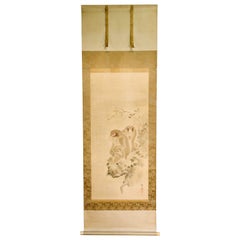
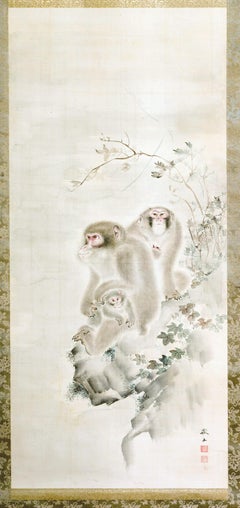
Japanese Silk Scroll Painting of Moneys Edo Period Mori Tetsuzan
Located in Atlanta, GA
A Japanese mounted vertical hanging scroll painting by Mori Tetsuzan (Japanese, 1775-1841) circa 19th century Edo period. The watercolor and ink on silk ...
Category

19th Century Japanese Japonisme Antique Iwase Hirotaka

Materials

Silk, Paper

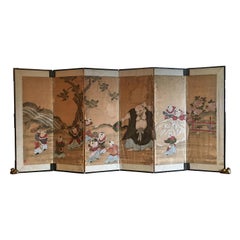
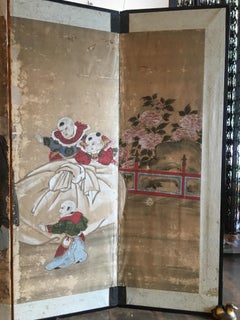
Japanese Six Panel Screen with Hotei, Edo Period, Early 19th Century
Located in Austin, TX
A delightful Japanese six panel painted paper screen featuring the beloved figure Hotei, Edo Period, early 19th century. Hotei, called Budai in China, and known as the Laughing Buddha or Fat Buddha in the West, is considered to be an emanation of Maitreya, the Buddha of the Future. In Japan, he also holds a special place as one of the Seven Lucky Gods, being the god of fortune, and protector of children. He is always portrayed as a mirthful and corpulent man, dressed in loose robes that show off his round belly. He carries a sack with him, said to be filled with treasure. As the protector of children, he is often portrayed with them playing on or around him, as he is here. The children portrayed in this screen are dressed in Chinese style clothing...
Category

Early 19th Century Japanese Edo Antique Iwase Hirotaka

Materials

Silk, Paper

Pair of Antique Japanese Paintings of Karashishi, Edo Period, 18th Century
Located in Prahran, Victoria
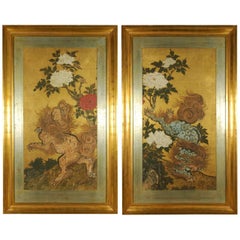
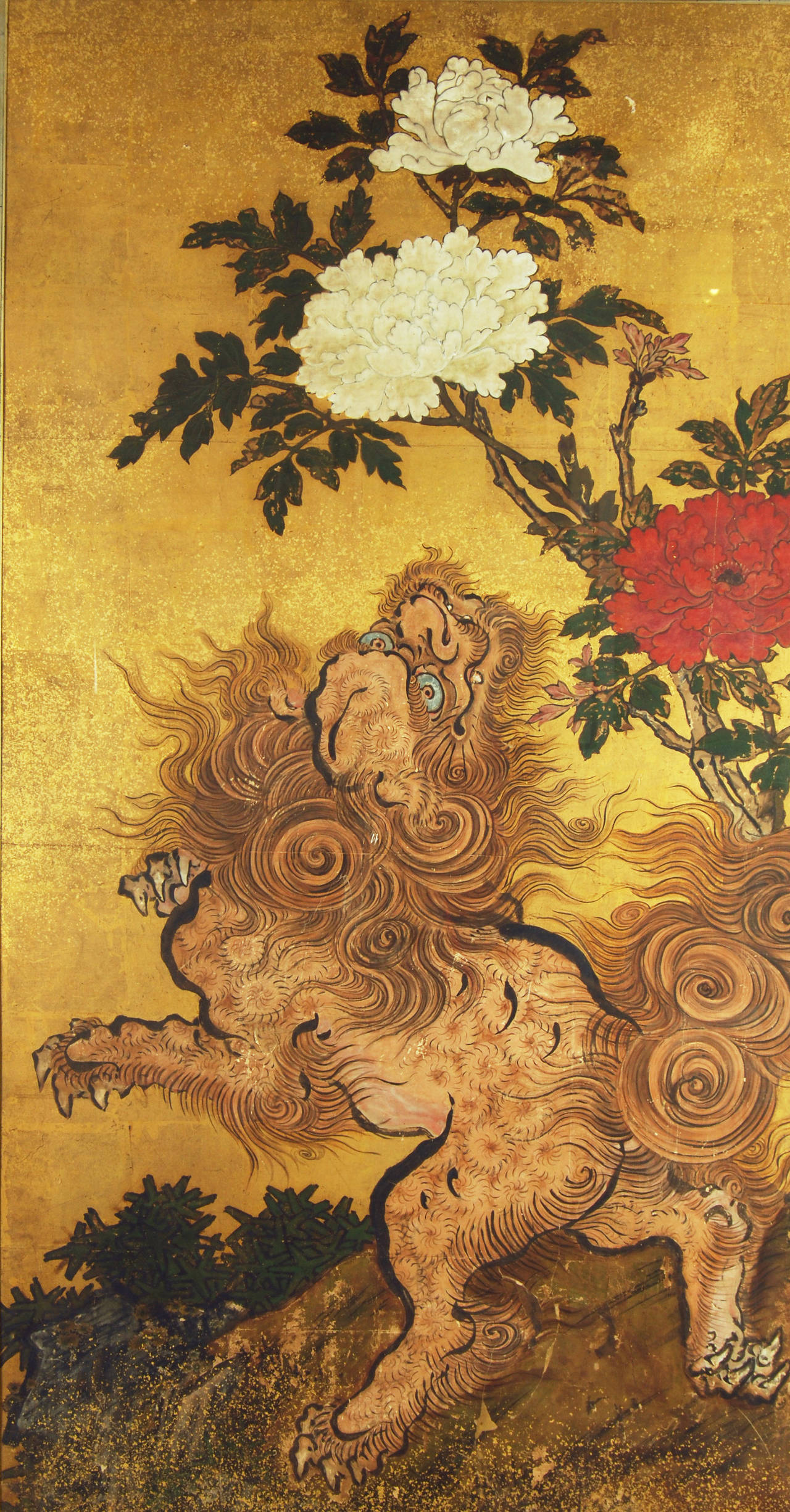
A rare pair of antique Japanese Karashishi paintings in a landscape of rocks and peony flowers on gold leaf ground in fine handmade frames, Edo period, early 18th century. The Karash...
Category

Early 18th Century Japanese Edo Antique Iwase Hirotaka

Materials

Gold Leaf

Japanese Meiji Riverside Scroll Painting, c. 1900
Located in Chicago, IL
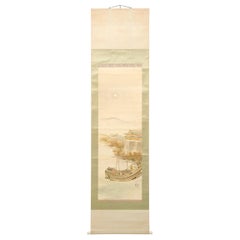
Although western painting was initially embraced during Japan’s Meiji period (1868-1912), artists brought on a revival of traditional painting styles as they sought to create a modern Japanese style with roots in the past. This exquisite hanging scroll demonstrates the preference for soft layering of gray tones with judicious use of color. The landscape is rendered in soft ink washes that subtly distinguish between water, mountain, and sky. The scroll painting...
Category

Early 20th Century Japanese Meiji Iwase Hirotaka

Materials

Paper

Japanese Ink and Wash Scroll Painting by Watanabe Seitei
Located in Atlanta, GA
Watanabe Seitei, also known as Watanabe Shotei (1851–1918), was born in late Edo period. He was one of the earliest Japanese artists who visited and be...
Category

Early 1900s Japanese Japonisme Antique Iwase Hirotaka

Materials

Brocade, Silk, Paper

19th Century Japanese Six Panel Screen: Silver Moon Rising Over Summer Field
Located in Hudson, NY
Japanese Six Panel Screen: Silver Moon Rising Over Summer Field. Rimpa Style painting of a moon rising over summer flowers and grasses, including cockscomb and blue bellflowers. Pa...
Category

Late 19th Century Japanese Meiji Antique Iwase Hirotaka

Materials

Gold Leaf

Japanese Hanging Scroll, Late 19th Century
Located in New York, NY
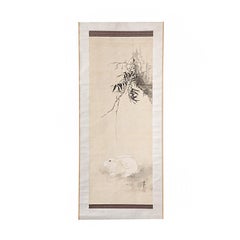
A Japanese hanging scroll or Kakejiku, circa 1890, depicting bamboo grass and a rabbit, framed by top and bottom ribbons of brocade silk. In ...
Category

1890s Japanese Meiji Antique Iwase Hirotaka

Materials

Silk, Paper

Japanese Hanging Scroll, Late 19th Century
$2,624 Sale Price
20% Off
H 74 in W 21.5 in D 1 in
Chinese Qing Dynasty 19th Century Official's Wife Painting on Linen Canvas
Located in Yonkers, NY
A Chinese Qing Dynasty period framed painting from the 19th century of an official's wife with bird-adorned buzi, painted on a linen canvas. Created in the North-Eastern province of Shanxi during the Qing dynasty, this 19th century painting showcases a frontal depiction of an official's wife recognizable thanks to the bird-themed rank badge sitting on an elegant armchair with scrolling arms and carved apron. Wearing a red robe and topped with an ornate headdress, the figure is highlighted with gold foil accents and stands out beautifully on a linen canvas. The print size is 17.5"W x 41.5"H. These paintings traditionally come from Shanxi province which was home to many of the wealthy merchant families associated with the imperial court during the Qing dynasty. Set inside a custom made frame, this 19th century Qing Dynasty official's wife painting...
Category

19th Century Chinese Antique Iwase Hirotaka

Materials

Canvas, Plexiglass, Wood

Chinese Early Qing Dynasty "Water and Land Ritual" Painting, 17th Century
Located in Austin, TX
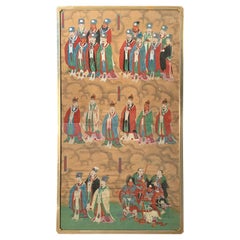
An important Chinese 17th century early Qing Dynasty "Water and Land Ritual" painting, mineral pigment and ink on silk, mounted as a scroll, framed and glazed. The painting depicting groups of heavenly court officials and deities descending from the clouds to participate in the Liberation Rite of Land and Water. The figures all wear full, sumptuous robes, complete with hats indicating their station. The blue, green, red, black and white of the robes decorated with gilt dragon and geometric designs. This painting is interesting in that it incorporates Daosit deities and heavenly officials coming down to participate in the Buddhist rite. There are five distinct groups of figures, each with a small inscribed plaque. Some of the groups are identified as Tian Xian, or Heavenly Immortals. The group at the bottom left are identified as the Sanguan Dadi, or Three Great Emperor-Officials. The Emperor of Heaven is dressed in blue robes with gilt painted dragons. The Emperor of Water wears black robes. The Emperor of Earth wears yellow robes...
Category

17th Century Chinese Qing Antique Iwase Hirotaka

Materials

Silk, Glass, Giltwood, Paint
Iwase Hirotaka furniture for sale on 1stDibs.

Iwase Hirotaka furniture are available for sale on 1stDibs. These distinctive items are frequently made of silk and are designed with extraordinary care. There are many options to choose from in our collection of Iwase Hirotaka furniture, although brown editions of this piece are particularly popular. If you’re looking for additional options, many customers also consider furniture by Utagawa Hiroshige (Ando Hiroshige), Japanese Studio, and Arita. Prices for Iwase Hirotaka furniture can differ depending upon size, time period and other attributes — on 1stDibs, these items begin at $6,500 and can go as high as $6,500, while a piece like these, on average, fetch $6,500.

Recently Viewed

View All