Japonisme Folk Art

JAPONISME STYLE

In the late 19th and early 20th century, France developed an enduring passion for Japanese aesthetics and craftsmanship. Not only did this interpretation of Japanese culture — which became known as Japonisme — infuse fresh energy into French art and design, but it also radically transformed how Europeans, and subsequently the world, would come to understand visual culture. 

Until 1853, Japan had been closely guarded against foreign visitors for over two centuries. However, American Commodore Matthew C. Perry sailed into Japan that year and initiated the first of its treaties with the United States and Europe, thereby opening its borders and giving the West its first-ever look at Japanese design. 

For the next few decades, taken with Japonisme, sophisticated collectors in Paris, New York and elsewhere gorged themselves on lacquered screens, celadon ceramics and netsuke ornaments, along with artworks depicting various aspects of Japanese life. The East Asian country’s influence on Europe, particularly France, contributed to one of the most creatively prosperous periods in history, leaving an imprint on the Impressionist, Art Nouveau and Art Deco movements, and inspiring artists like Edgar Degas, Mary Cassatt, Vincent van Gogh as well as luxury houses such as Louis Vuitton and Hermès. Japonisme emerged at the time when the ornate Renaissance Revival style was the most prominent mode of decorating in Europe, and Japanese aesthetics seemed strikingly modern and elegant in comparison. 

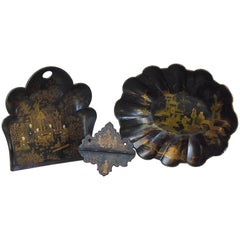
In addition to everyday practical objects from Japan, such as vases, tableware and decorative boxes, Japanese art, especially Japanese woodblock prints by masters of the ukiyo-e school, caught the eye of many artists — particularly those in the Art Nouveau poster community in 1880s Paris. The luscious organic colors associated with traditional Japanese design, motifs like cherry blossoms and carp and the vivid patterns found in woodblock prints, silks and more were adopted and appropriated by painters as well as ceramicists and those working in other fields of the decorative arts. Today, demand for Japanese lacquerware — furniture, trays, writing boxes, screens, incense burners — from the Edo period (1615–1868) and the late 19th century continues to be very strong among collectors.

Find a collection of antique Japonisme furniture and decorative objects on 1stDibs.

to
3
7
5
15
1
2,246
1,009
548
379
284
254
211
101
94
92
48
34
33
18
17
10
8
5
4
11
1
5
5
1
2
2
9
7
4
3
3
12
12
11
1
1
16
16
16
3
3
1
1
Style: Japonisme
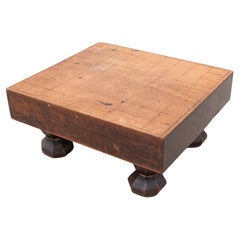
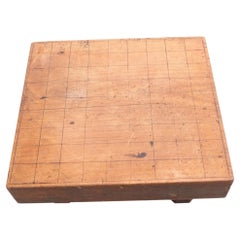
Vintage Japanese Shogi Game Board, Keyaki Wood, Carved Design, 1920s

Vintage Japanese Shogi Game Board, Keyaki Wood, Carved Design, 1920s

Located in Wichita, KS

This authentic Vintage Japanese Shogi Game Board from the 1920s showcases traditional Japanese craftsmanship and timeless design. Carved from a solid block of rare Keyaki wood, the b...

Category

1920s Japanese Vintage Japonisme Folk Art

Materials

Wood

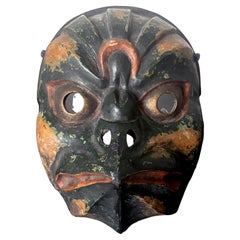
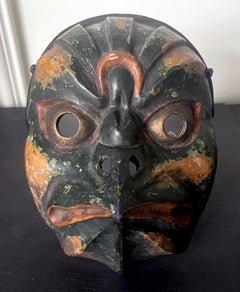
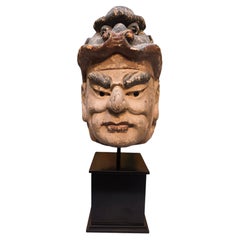
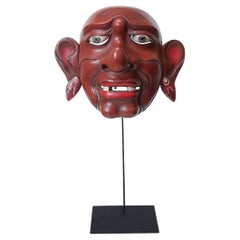
Japanese Wood Bugaku Mask of Korobase Edo Period

Japanese Wood Bugaku Mask of Korobase Edo Period

Located in Atlanta, GA

A striking Japanese carved wood mask with polychrome paint and lacquer surface. This rare mask is dated to the Edo period (first half of 19th century and possibly earlier). The mask ...

Category

19th Century Japanese Antique Japonisme Folk Art

Materials

Wood, Lacquer, Paint

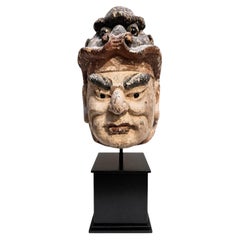
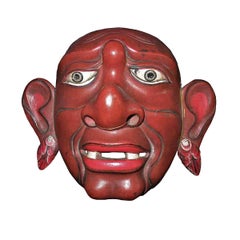
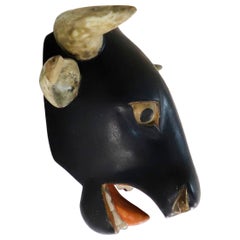
Tête de démon Oni en bois sculpté et polychrome 20éme siècle

Tête de démon Oni en bois sculpté et polychrome 20éme siècle

Located in Bruxelles, BE

Cette sculpture représente une tête de démon Oni issu du folklore japonais. Réalisée en bois polychrome elle offre une superbe patine réhaussée par la puissance des traits. Les sourc...

Category

Early 20th Century Chinese Japonisme Folk Art

Materials

Steel

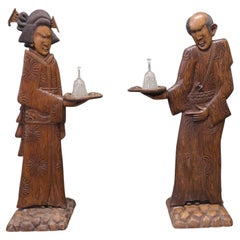
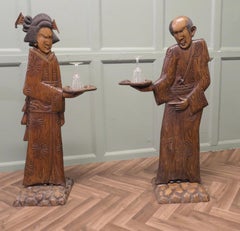
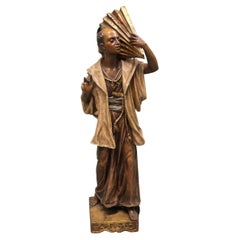
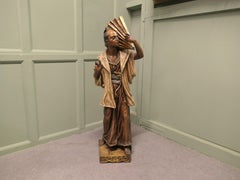
Pair of Tall Carved Japanese Figures, Dumb Waiters or Card Butler Greeters

Pair of Tall Carved Japanese Figures, Dumb Waiters or Card Butler Greeters

Located in Godshill, Isle of Wight

Pair of Tall Carved Japanese Figures, Dumb Waiters or Card Butler A very Beautiful pair of 1920s Dumb waiters, a Geisha and a Samurai, these 2 Card Butlers are hand carved, they ar...

Category

1920s Vintage Japonisme Folk Art

Materials

Fruitwood

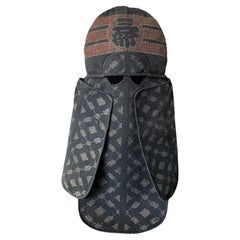
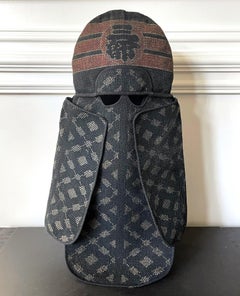
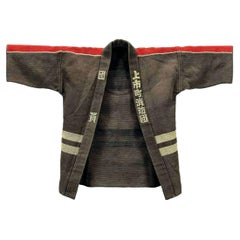
Japanese Fireman Hood with Stencil Inscription Meiji Period

Japanese Fireman Hood with Stencil Inscription Meiji Period

Located in Atlanta, GA

A well-preserved Japanese fireman's hood (known as hikeshi zukin in Japanese) circa 1900s, late Meiji period. Woven with thick cotton with sashiko (co...

Category

Early 1900s Japanese Antique Japonisme Folk Art

Materials

Cotton

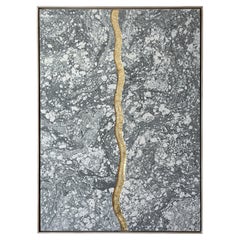
Vintage kimono textile art " Marble Story ~ Healing ~" by ikasu Grey Japan

Vintage kimono textile art " Marble Story ~ Healing ~" by ikasu Grey Japan

By Lena Okamoto, Kimono ikasu

Located in Setagaya City, JP

Certified Kimono Meister work / Certificate of Authenticity included. One-of-a-kind Japanese textile art made from vintage obi fabrics. Sustainable artwork for modern interiors, collectors, boutique hotels, and lovers of Japanese aesthetics. [Size] 73cm x 53cm x 5cm [Materials] silk (outside-layer) , paulownia (wooden frame), gold leaf [Story behind the work] This work uses a vintage kimono fabric with marble pattern, that makes it look like a real piece of marble. The line in the middle symbolizes “kintsugi” - concept of wabi-sabi, which values imperfection, impermanence, and the beauty of aging. It is elegantly framed with paulownia wood originally used for kimono chest-of-drawers, and is filled with storytelling and sense of luxury. I used pieces of kimono that could no longer be used as clothing and kiritansu chest-of-drawers that would normally be discarded to create the ultimate upcycled piece. [Period / Story] The textile was created in around 1960ies. [Explanation and meaning of pattern and colors] Kintsugi (金継ぎ), which translates to "golden joinery" or "golden repair," is a traditional Japanese art form of repairing broken pottery with lacquer mixed with powdered gold, silver, or platinum. I used this tecnique here to "repair" antique kimono by transforming it into art work. Beyond its literal meaning of mending broken ceramics, kintsugi carries profound philosophical and cultural significance in Japanese tradition: ・Embracing Imperfection: Kintsugi celebrates imperfection and impermanence. Rather than disguising or concealing flaws, it highlights them, treating the breakage as part of the object's history. This philosophy encourages acceptance of imperfection as an essential aspect of life, beauty, and human experience. ・Wabi-Sabi Aesthetic: Kintsugi embodies the principles of wabi-sabi, an aesthetic worldview centered on the acceptance of transience and imperfection. Wabi-sabi values simplicity, authenticity, and the beauty of things that are imperfect, impermanent, and incomplete. Kintsugi exemplifies these principles by turning what might be considered flaws into features that enhance the object's beauty and character. ・Resilience and Transformation: The act of repairing broken things with precious metals symbolizes resilience and transformation. Instead of discarding or replacing the broken object, kintsugi honors its history and transforms it into something new and valuable. This reflects broader philosophical themes of overcoming adversity, finding beauty in imperfection, and embracing change. ・Honoring the Past: Kintsugi preserves and honors the history of the object. Rather than erasing or ignoring its past, it acknowledges and celebrates it. This aspect of kintsugi can be seen as a metaphor for honoring our own personal histories, including the challenges and setbacks we have faced, and recognizing how they have shaped us into who we are today. ・Spiritual and Philosophical Symbolism: Kintsugi has spiritual and philosophical implications, reflecting concepts such as the interconnectedness of all things, the cycle of life and death, and the pursuit of harmony and balance. The process of repairing broken objects with precious metals is seen as a metaphor for spiritual growth, enlightenment, and the journey towards wholeness. Overall, kintsugi represents not only a practical technique for repairing ceramics but also a profound philosophical and cultural perspective on life, beauty, and the human experience. It embodies values such as resilience, acceptance, and the transformative power of embracing imperfection. [Characteristics of the fabric] This vintage textile is hand-painted with a traditional painting technique where the colors are added on wet surface, which creates an effect of marble. [About the frame] Kiritansu - chest-of-drawers for kimono, is traditionally made from paulownia wood, a uniquely Japanese material closely tied to the world of kimonos. Paulownia wood is known as the lightest wood in Japan, prased for its natural luster, resistance to moisture, and resilience against cracking. Since ancient times, it has been used in crafting furniture, chests, and musical instruments. During the Edo period, it became customary to store cherished kimonos in paulownia chests...

Category

1960s Japanese Vintage Japonisme Folk Art

Materials

Gold Leaf, Silver Leaf
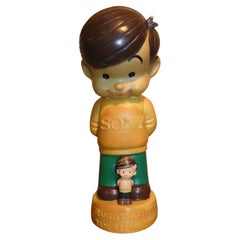
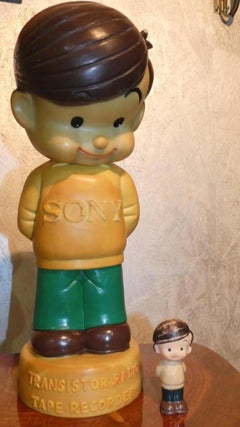
Achan or vintage Sony Boys, set of 2

Achan or vintage Sony Boys, set of 2

By Sony Corporation

Located in modena, Emilia-Romagna

Pair of "Atchan" aka Sony Boy. Figure introduced by Sony in 1956 as a mascot for the launch of the first transistor device, appearing in advertisements for the TR-55. The pair consis...

Category

Mid-20th Century Japanese Japonisme Folk Art

Materials

Plastic

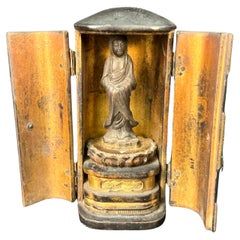
Japanese Zushi Shrine, Hand-Carved Lacquer & Giltwood

Japanese Zushi Shrine, Hand-Carved Lacquer & Giltwood

Located in Bradenton, FL

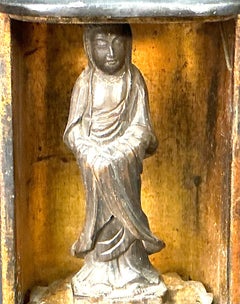
Finely crafted Japanese Zushi (portable Buddhist shrine) that features a delicately carved standing Buddhist figure housed within a black lacquered cabinet with hinged doors. The shr...

Category

19th Century Japanese Antique Japonisme Folk Art

Materials

Metal

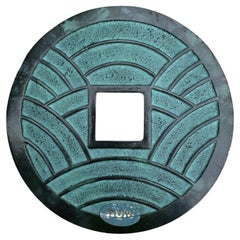
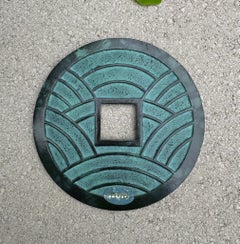
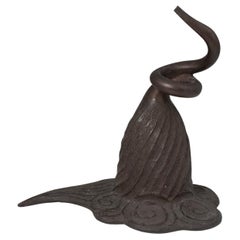
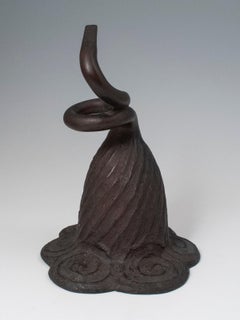
Toyo Iron Kan'ei Tsūhō Coin Sculpture / Trivet, Japan, 20th Century

Toyo Iron Kan'ei Tsūhō Coin Sculpture / Trivet, Japan, 20th Century

By Toyo

Located in San Juan Capistrano, CA

Toyo Iron Kan'ei Tsūhō Coin Sculpture / Trivet, Japan, 20th Century. Retains the original Toyo label.

Category

20th Century Japanese Japonisme Folk Art

Materials

Iron

Plaster Sculpture of a Samurai Warrior The Samurai were a caste of warrior

Plaster Sculpture of a Samurai Warrior The Samurai were a caste of warrior

Located in Godshill, Isle of Wight

Plaster Sculpture of a Samurai Warrior The Samurai were a caste of warrior in Japan for over 7 Centuries, this plaster figure celebrates the Samurai in all his elegant finery He is...

Category

19th Century Antique Japonisme Folk Art

Materials

Plaster

20th Century Abstract Iron Sculpture, Japan

20th Century Abstract Iron Sculpture, Japan

Located in Point Richmond, CA

20th Century Hollow Abstract Iron Sculpture, Japan This heavy hollow iron sculpture by an unknown Japanese metalsmith is a knockout from every angle. It measure 9 inches high by 9 i...

Category

Mid-20th Century Japanese Japonisme Folk Art

Materials

Iron

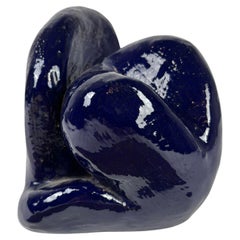
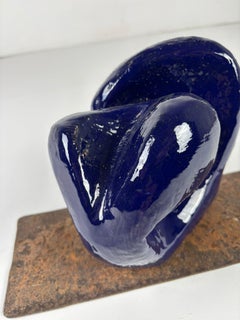
Ceramic sculptural artwork, Raku, “Intimità”, 2003

Ceramic sculptural artwork, Raku, “Intimità”, 2003

Located in Milano, IT

A ceramic sculptural artwork that serves as a unique and refined addition to any sophisticated table within a contemporary interior. Created using the ancient Japanese Raku firing te...

Category

Early 2000s Japonisme Folk Art

Materials

Ceramic

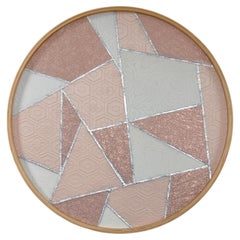
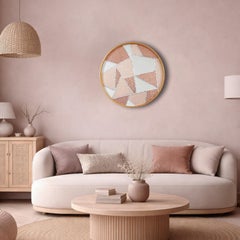
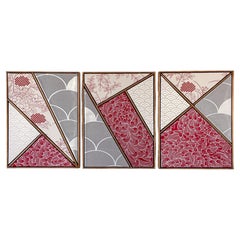
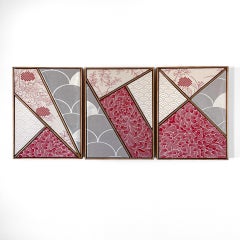
VIntage kimono textile art " Geometry ~ Chrysanthemums ~" by ikasu White Japan

VIntage kimono textile art " Geometry ~ Chrysanthemums ~" by ikasu White Japan

By Kimono ikasu, Lena Okamoto

Located in Setagaya City, JP

Certified Kimono Meister work / Certificate of Authenticity included. One-of-a-kind Japanese textile art made from vintage obi fabrics. Sustainable artwork for modern interiors, col...

Category

1960s Japanese Vintage Japonisme Folk Art

Materials

Silk, Wood, Fabric, Textile, String, Thread, Yarn, Reclaimed Wood

Related Items
19th C Original Painted Game Board

19th C Original Painted Game Board

$956Sale Price|20% Off

H 13.5 in W 14.5 in D 1.5 in

19th C Original Painted Game Board

Located in Los Angeles, CA

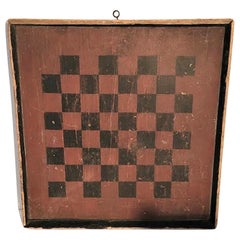
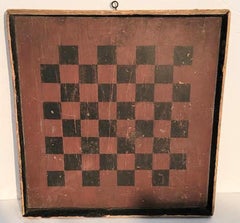
19th C original painted game board. Nice original Salmon and black paint.

Category

19th Century North American Antique Japonisme Folk Art

Materials

Wood

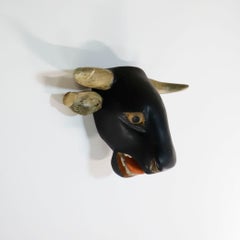
Antique Mexican Demon Mask

Antique Mexican Demon Mask

$350

H 12.6 in W 12.21 in D 7.09 in

Antique Mexican Demon Mask

Located in Mexico City, CDMX

We offer this rare antique Mexican Demon mask in wood, circa 1970. The mask makes a sound when moved.

Category

1970s Mexican Vintage Japonisme Folk Art

Materials

Wood

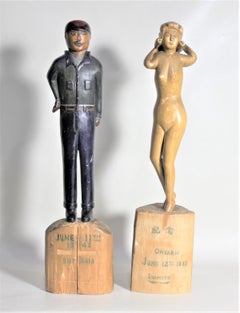
Pair of Canadian Folk Art Carved Japanese Internment Camp Figures or Sculptures

Pair of Canadian Folk Art Carved Japanese Internment Camp Figures or Sculptures

Located in Hamilton, Ontario

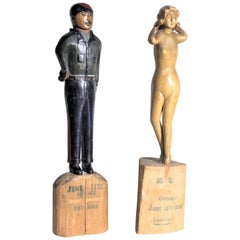
This pair of Folk Art carved figures is believed to have been made by a Japanese immigrant to Canada either while or after being interned by the Canadian government during the Second World War. The male carved figure is hand painted in vibrant colors and the base reads: June 11, 1942" and "Ontario" underneath. The nude female carving...

Category

Mid-20th Century Canadian Japonisme Folk Art

Materials

Softwood

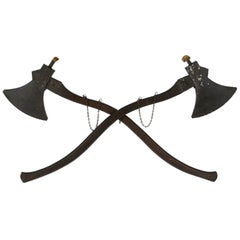
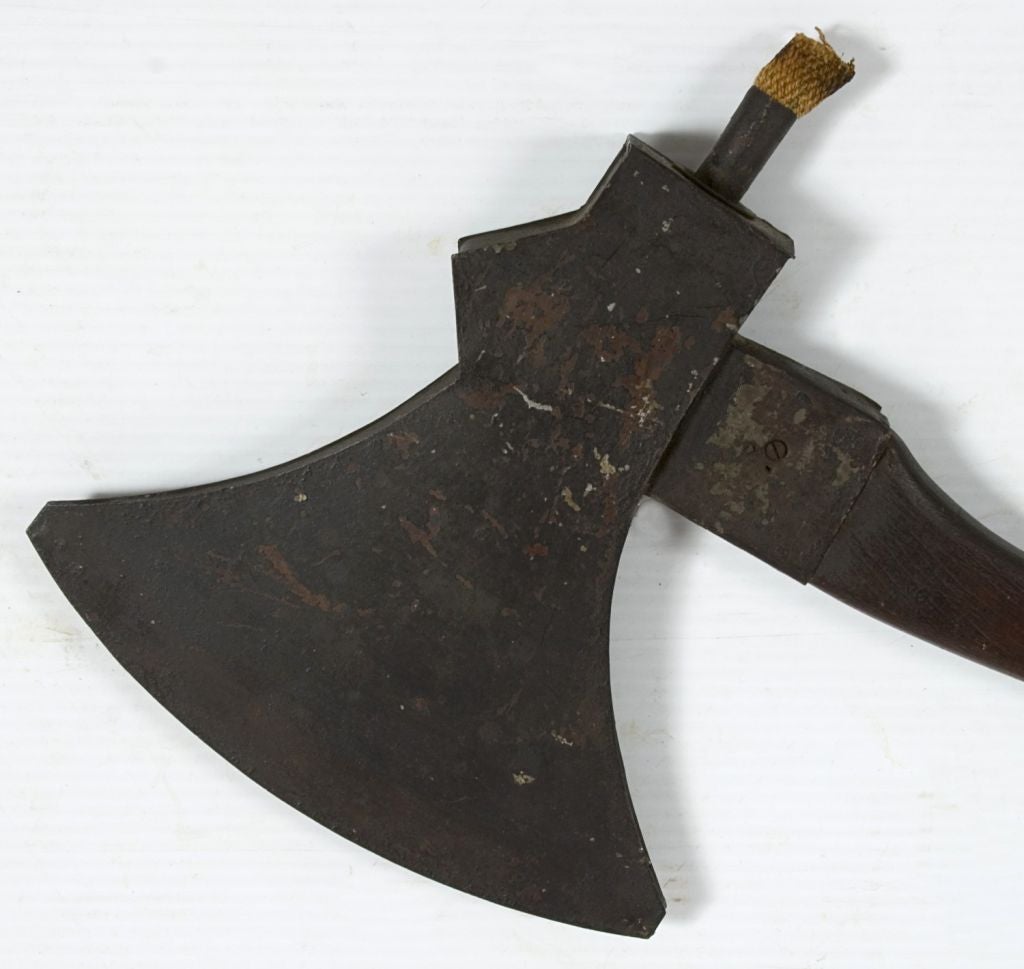
Rare Pair of Fireman's Axe Parade Torches

Rare Pair of Fireman's Axe Parade Torches

$3,500Sale Price|22% Off

H 11 in W 40 in D 1.5 in

Rare Pair of Fireman's Axe Parade Torches

Located in York County, PA

Rare pair of fireman’s axe parade torches, 1860-1880: Pair of fireman’s axe parade torches with traditional wooden axe handles and the heads made o...

Category

20th Century American Japonisme Folk Art

Antique Carved Wood Mask

Antique Carved Wood Mask

$790

H 15.36 in W 9.85 in D 6.3 in

Antique Carved Wood Mask

Located in Vienna, AT

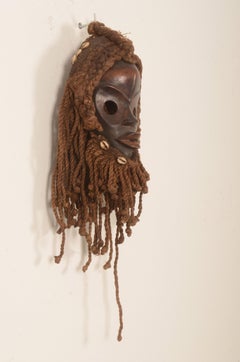
Carved Wood Mask, African Art

Category

20th Century Beninese Japonisme Folk Art

Materials

Hardwood

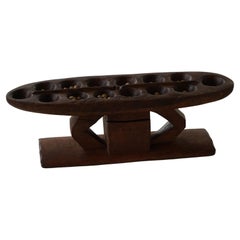
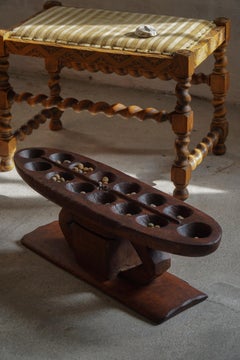
Decorative Hand-Carved Wooden Mancala Game Board, African, Mid-20th Century

Decorative Hand-Carved Wooden Mancala Game Board, African, Mid-20th Century

Located in Odense, DK

A hand-carved wooden mancala game board showcasing a sculptural and well-balanced form. The top features a series of carved wells used for traditional counting games, while the base ...

Category

Mid-20th Century Japonisme Folk Art

Materials

Wood

Vintage Carved Wood Mask, African Folk Art 20th Century

Vintage Carved Wood Mask, African Folk Art 20th Century

Located in Bochum, NRW

A hand carved wood wall mask, vintage from the 20th Century. African Folk Art. Handmade and carved from a single piece of exotic wood, in a manner specific to traditional African ar...

Category

1970s African Vintage Japonisme Folk Art

Materials

Wood

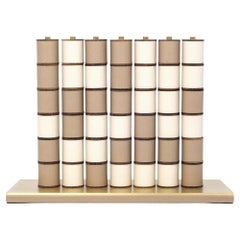
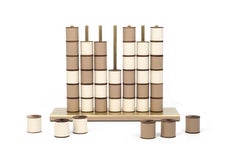
21st Century Board Game Leather and Walnut Wood Connect Four Handmade in Italy

21st Century Board Game Leather and Walnut Wood Connect Four Handmade in Italy

By Pinetti

Located in Bagnatica, Lombardia

One-of-a-kind set ready for your enjoyment. Pinetti Connect 4 is something exclusive. Forty two wooden pieces covered in a bicolour soft leather that neatly fit on satin brass bars. Four in a row...

Category

2010s Italian Japonisme Folk Art

Materials

Brass

African Senufo Korhogo Large Mid-Century Folk Art Mud Cloth Textile Painting

African Senufo Korhogo Large Mid-Century Folk Art Mud Cloth Textile Painting

Located in Studio City, CA

A fantastic, wonderfully designed African tribal art Korhogo Textile painting by the Senufo people of Korhogo, Ivory Coast. Korhogo textile painting (This type of cloth painting c...

Category

Mid-20th Century Ivorian Japonisme Folk Art

Materials

Textile, Cotton, Paint

Matched pair of 19th century hand carved wax figures

Matched pair of 19th century hand carved wax figures

Located in London, GB

Matched pair of 19th century hand carved wax figures A rare example in the form of a matched pair of mid 19th century hand crafted wax figures, hand painted detail and stamped at th...

Category

1850s French Antique Japonisme Folk Art

Materials

Natural Fiber

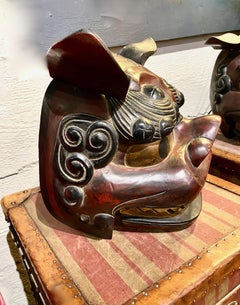
Japanese Asian Wood Shi Shi Shishi Mai Lion Dance Gashira Noh Mask Sculpture

Japanese Asian Wood Shi Shi Shishi Mai Lion Dance Gashira Noh Mask Sculpture

Located in Studio City, CA

A wonderful, beautifully crafted Japanese festival Shishi Lion Dance (Shishi Mai) mask (Gashira). The shishi mask represents a mythical lion that prote...

Category

Mid-20th Century Japanese Japonisme Folk Art

Materials

Wood, Lacquer, Paint

Previously Available Items
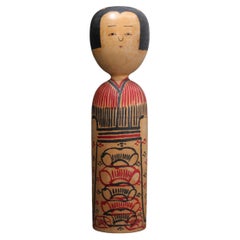
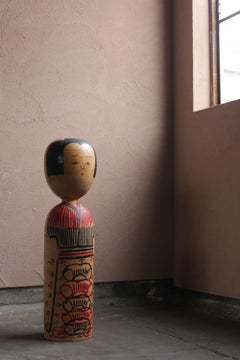
Large Kokeshi by Kyutaro Ogura

Large Kokeshi by Kyutaro Ogura

Sold

H 35.44 in Dm 9.06 in

Large Kokeshi by Kyutaro Ogura

Located in Sammu-shi, Chiba

Vintage Large "Kokeshi" by Kyutaro Ogura. This large size is very rare. With signature. Kyutaro Ogura (Ogura Kyutaro: 1906-1998) Master: Hisashiro Ogur...

Category

1980s Japanese Vintage Japonisme Folk Art

Materials

Maple

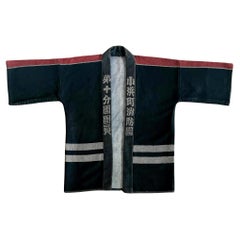
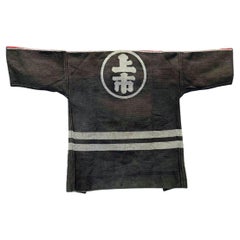
Japanese Fireman's Coat Hikishi-Banten Showa Period

Japanese Fireman's Coat Hikishi-Banten Showa Period

Located in Atlanta, GA

A vintage Japanese Fireman's jacket (known as Hikeshi-Banten in Japanese) woven with heavy cotton and decorated with stencil resist dye circa 1920-30s...

Category

1920s Japanese Vintage Japonisme Folk Art

Materials

Cotton

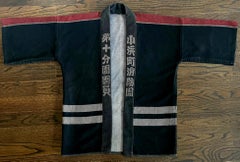
Japanese Fireman's Coat Hikeshi-Banten Showa Period

Japanese Fireman's Coat Hikeshi-Banten Showa Period

Located in Atlanta, GA

A vintage Japanese Fireman's Jacket (known as hikeshi-banten in Japanese) woven with heavy cotton and decorated with stencil resist dye circa 1920s Sh...

Category

1920s Japanese Vintage Japonisme Folk Art

Materials

Cotton

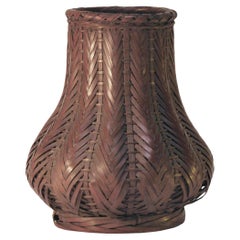
Japanese Woven Bamboo Ikebana Flower Basket

Japanese Woven Bamboo Ikebana Flower Basket

Located in Ottawa, Ontario

JAPANESE WOVEN BAMBOO IKEBANA FLOWER BASKET Early 20th century. Shaped as a baluster vase with a twelve lobed strips of bamboo woven in...

Category

Mid-20th Century Japanese Japonisme Folk Art

Materials

Bamboo

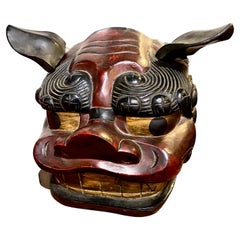
Japanese Large Noh Lion Mask

Japanese Large Noh Lion Mask

Sold

H 3 in W 15 in D 8 in

Japanese Large Noh Lion Mask

Located in Pasadena, CA

This is a superb example of a large Japanese Noh mask in the form of a Guardian Lion. The mask dates to the early 20th century. The mask is signed by...

Category

Early 20th Century Japanese Japonisme Folk Art

Materials

Wood, Lacquer

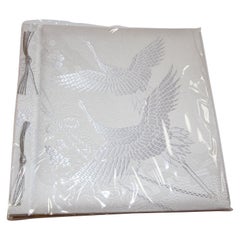
Japanese Kokuyo White Silk Embroidery Vintage Wedding Photo Album

Japanese Kokuyo White Silk Embroidery Vintage Wedding Photo Album

Located in Moreno Valley, CA

Japanese Kokuyo white and silver silk embroidery photo album. Beautiful rich red silk fabric with flying white cranes Absolutely beautiful vintage wedding day album by Japanese company "Kokuyo". Front and back are covered with a woven silk blend fabric with silver highlights. Same fabric as the Japanese wedding kimonos...

Category

Late 20th Century Japanese Japonisme Folk Art

Materials

Silk

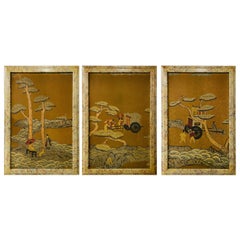
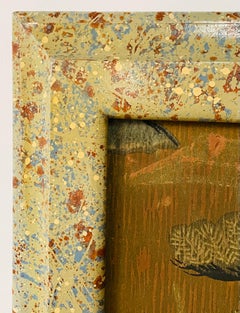
Framed Block Printed Asian Japanese Bonsai Tree Wood Panels, Set of 3

Framed Block Printed Asian Japanese Bonsai Tree Wood Panels, Set of 3

Located in Plainview, NY

Large framed set of three Asian Japanese or Chinoiserie block prainted panels featuring fine details of a large Bonsai Japanese tree. Each panel displays a different angle of the sce...

Category

Early 20th Century Japonisme Folk Art

Materials

Wood

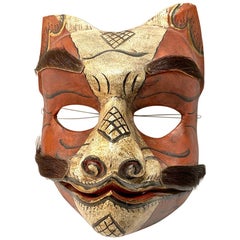
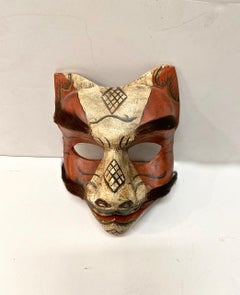
Noh Fox Mask, Early 20th Century

Noh Fox Mask, Early 20th Century

Sold

H 9 in W 6 in D 5 in

Noh Fox Mask, Early 20th Century

Located in Pasadena, CA

This is a wonderfully expressive and articulated fox mask. The mask dates to the first half of the 20th century and is in overall good condition. The fox's ja...

Category

Mid-20th Century Japanese Japonisme Folk Art

Materials

Wood

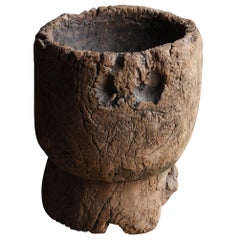
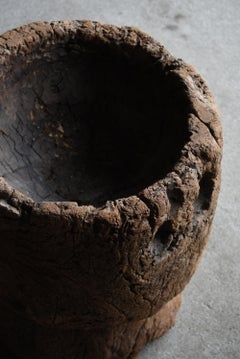
1800s-1900s Japanese Wooden Mortar Antique Wooden Bowl Wabisabi

1800s-1900s Japanese Wooden Mortar Antique Wooden Bowl Wabisabi

Located in Sammu-shi, Chiba

This is an old Japanese mortar. It is an item for kneading mochi. The era is from the Meiji era to the Taisho era. It keeps a wonderful texture. It i...

Category

Early 19th Century Japanese Antique Japonisme Folk Art

Materials

Wood

Japonisme folk art for sale on 1stDibs.

Find a broad range of unique Japonisme folk art for sale on 1stDibs. Many of these items were first offered in the Late 20th Century, but contemporary artisans have continued to produce works inspired by this style. If you’re looking to add vintage folk art created in this style to your space, the works available on 1stDibs include folk art, asian art and furniture, more furniture and collectibles and other home furnishings, frequently crafted with cotton, fabric and other materials. If you’re shopping for used Japonisme folk art made in a specific country, there are Asia, East Asia, and Japan pieces for sale on 1stDibs. It’s true that these talented designers have at times inspired knockoffs, but our experienced specialists have partnered with only top vetted sellers to offer authentic pieces that come with a buyer protection guarantee. Prices for folk art differ depending upon multiple factors, including designer, materials, construction methods, condition and provenance. On 1stDibs, the price for these items starts at $100 and tops out at $6,800 while the average work can sell for $1,300.