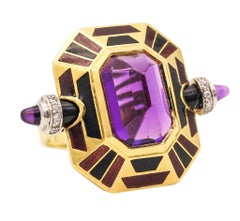
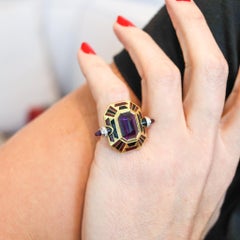
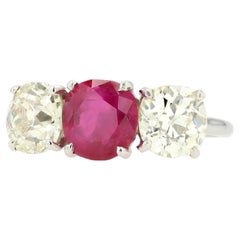
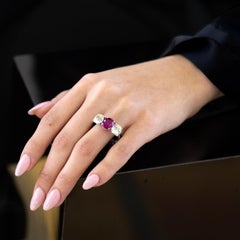
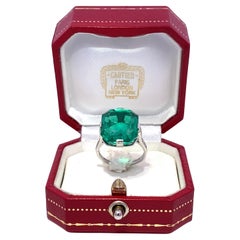
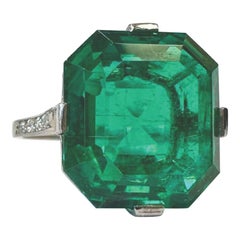
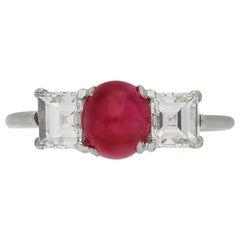
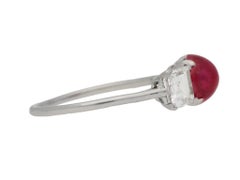
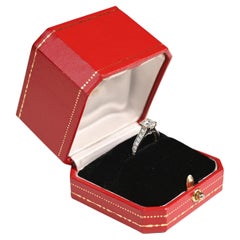
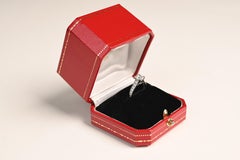
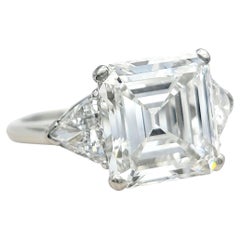
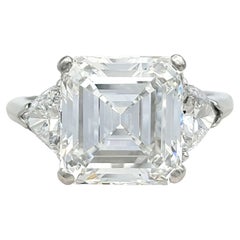
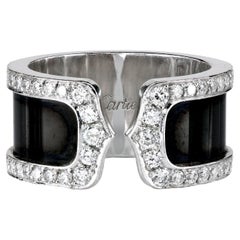
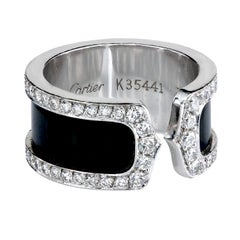
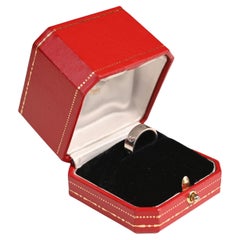
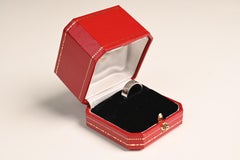
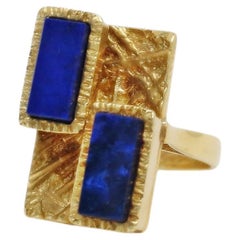
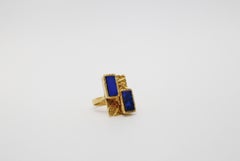
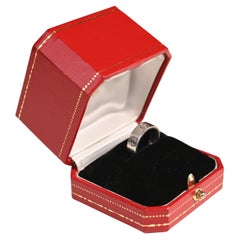
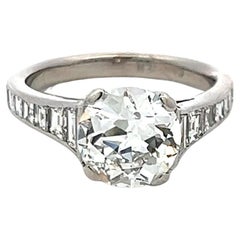
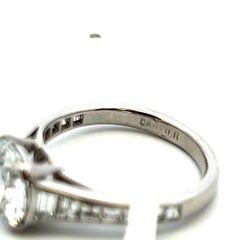
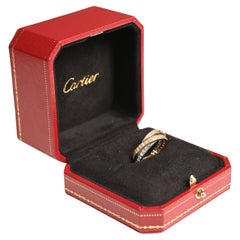
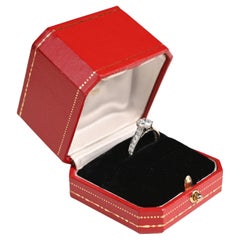
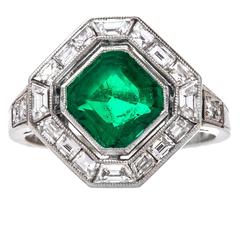
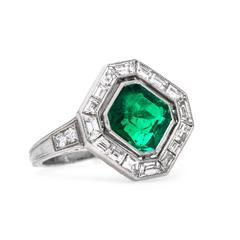
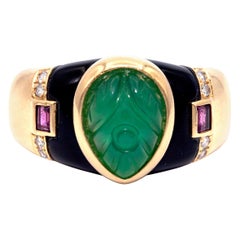
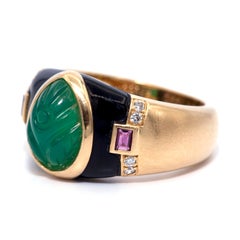
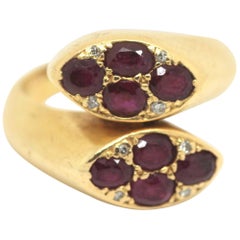
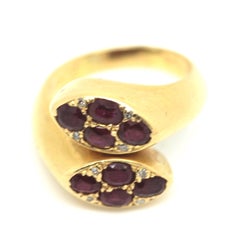
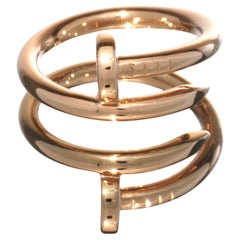
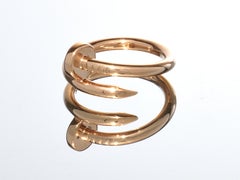
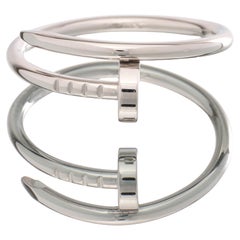
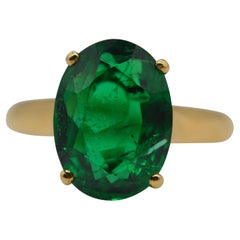
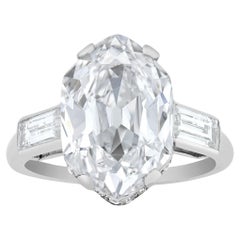
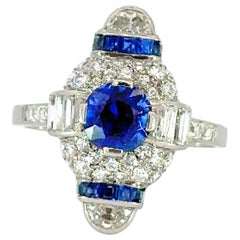
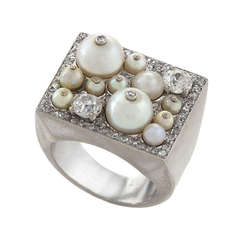
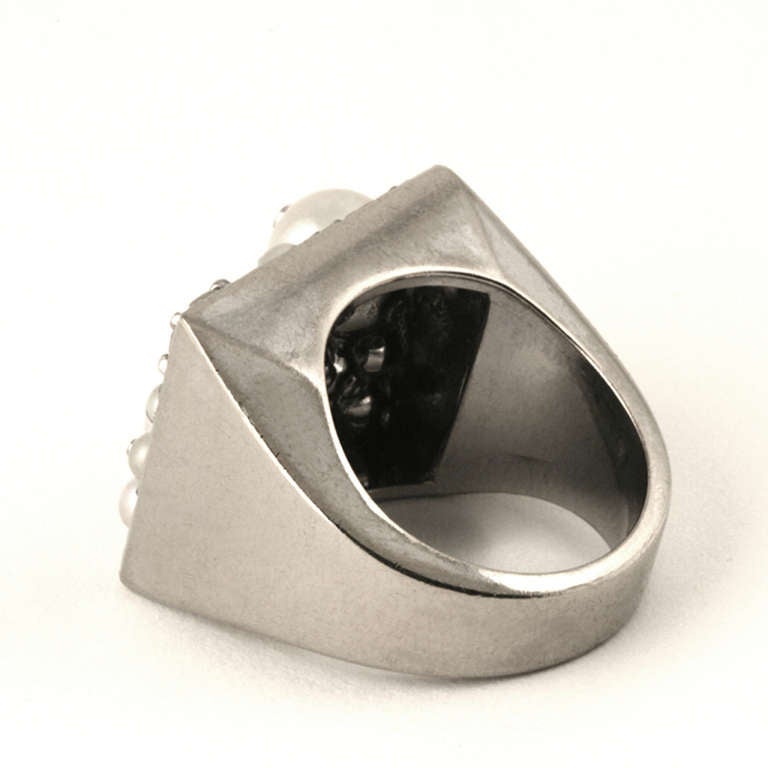
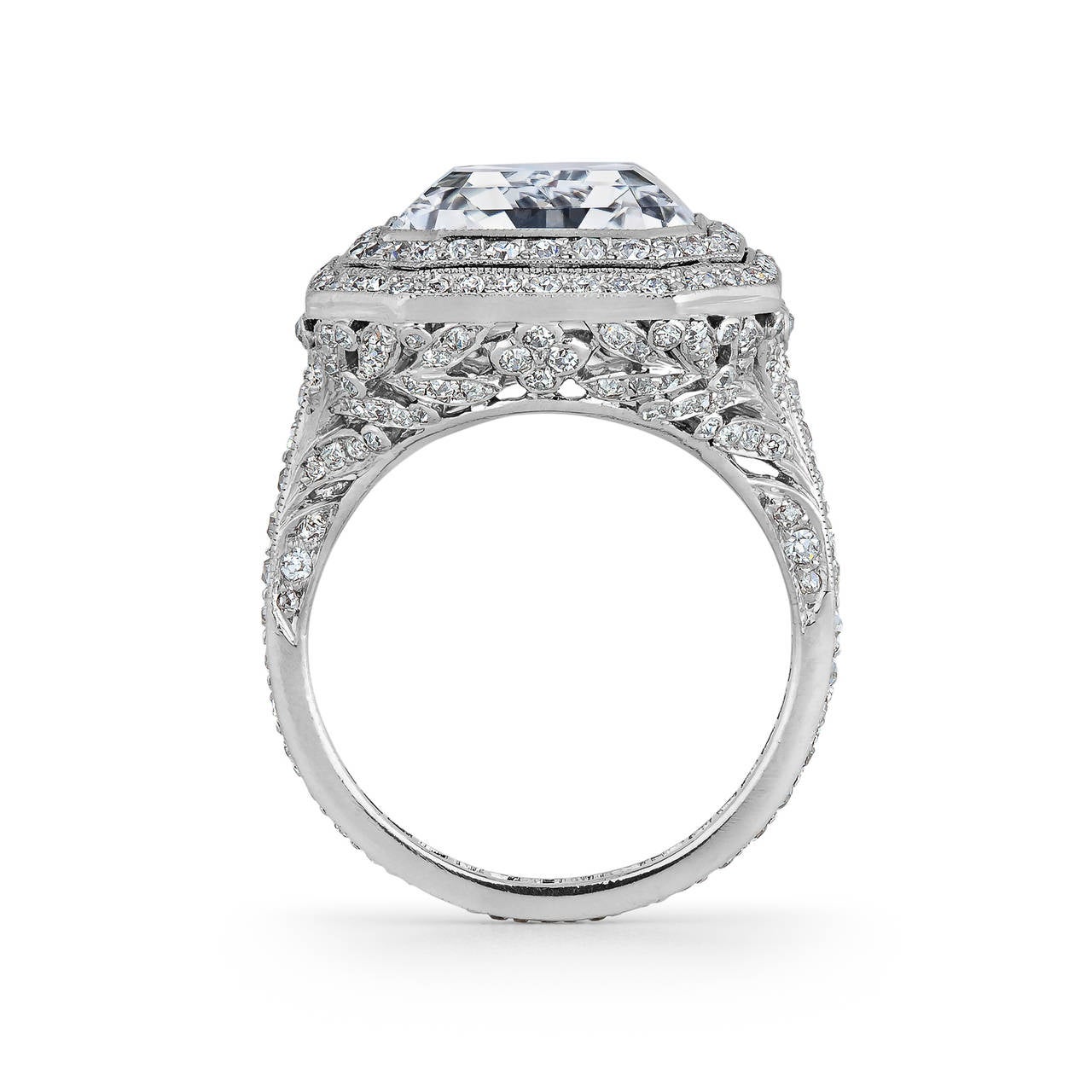
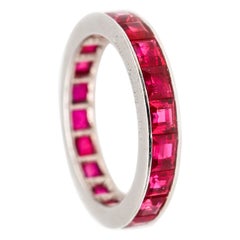
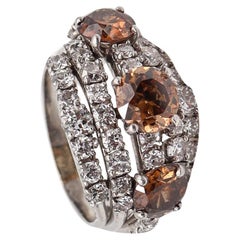
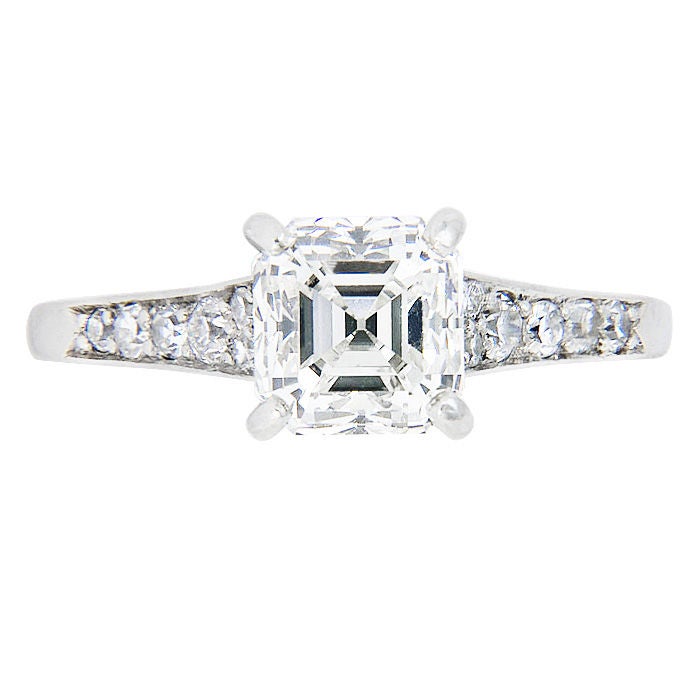
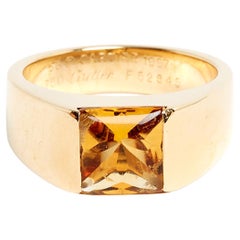
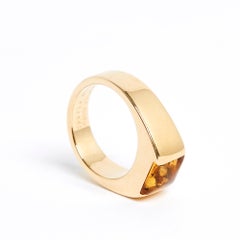
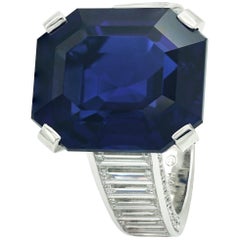
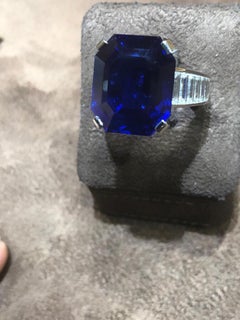
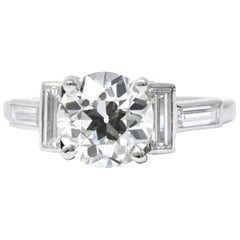
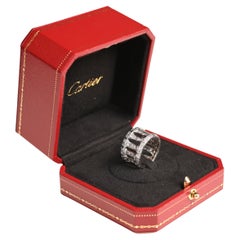
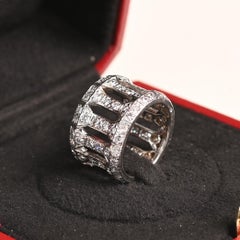
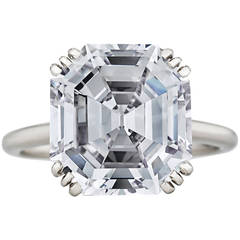
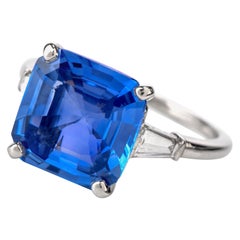
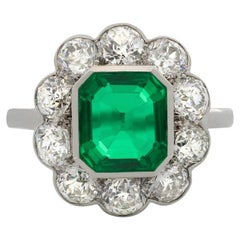
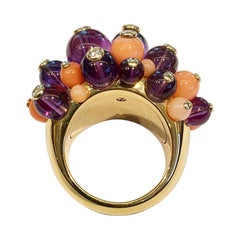
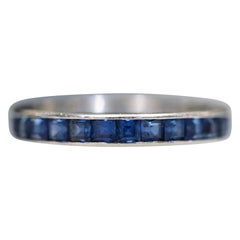
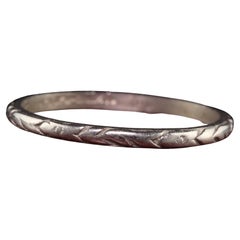
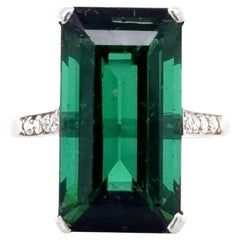
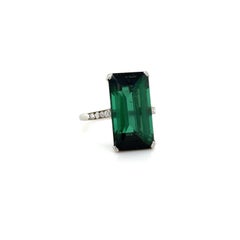
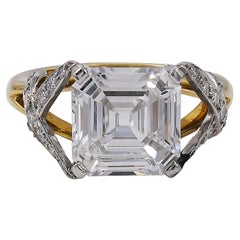
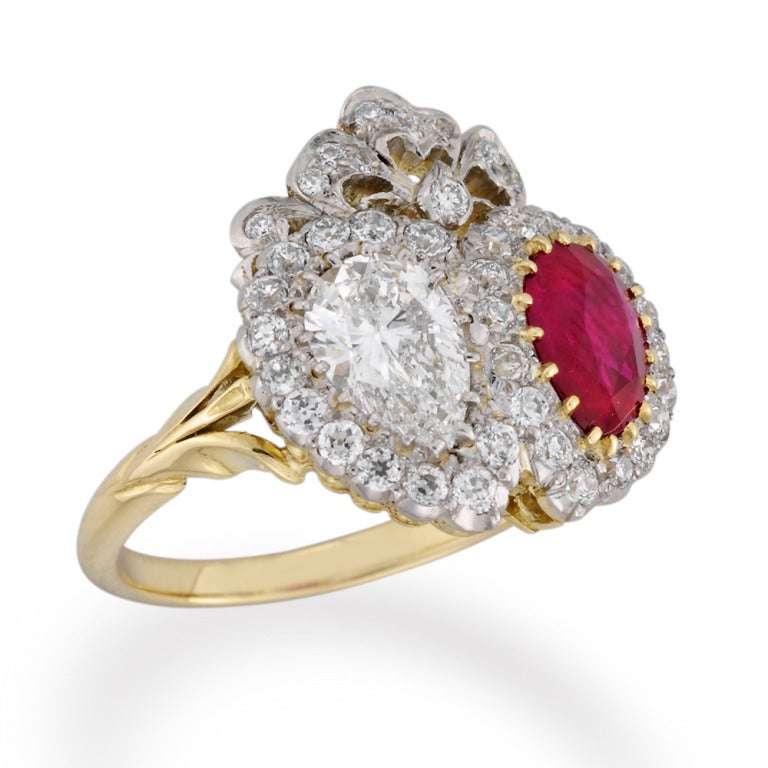
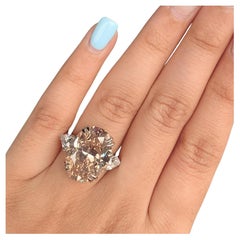
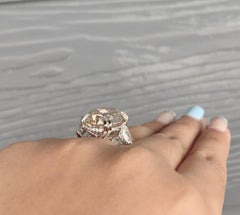
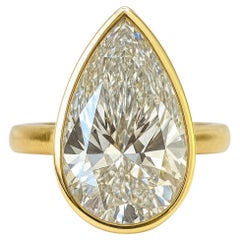
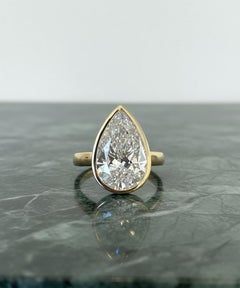
Cartier Art Deco Ring For Sale on 1stDibs
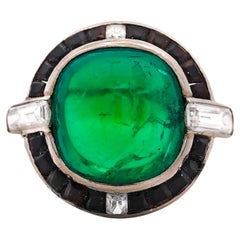
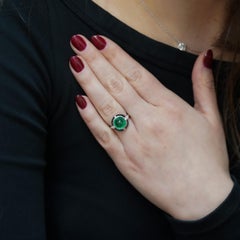
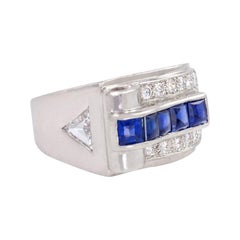
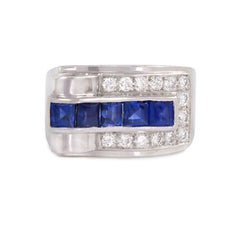
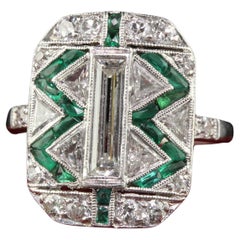
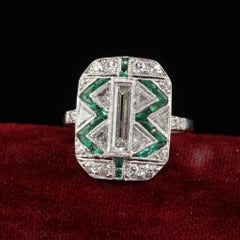
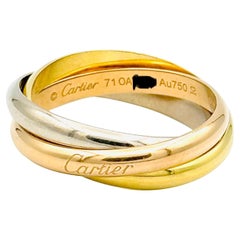
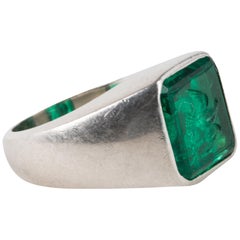
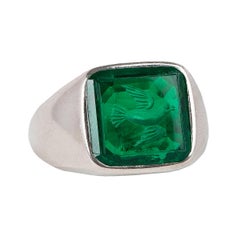
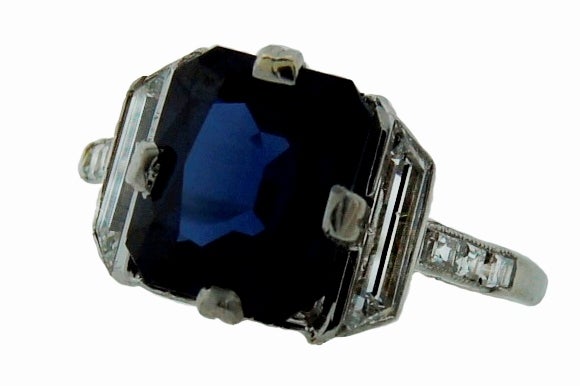
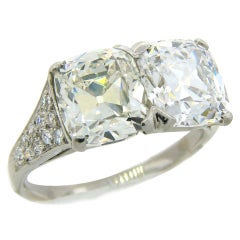
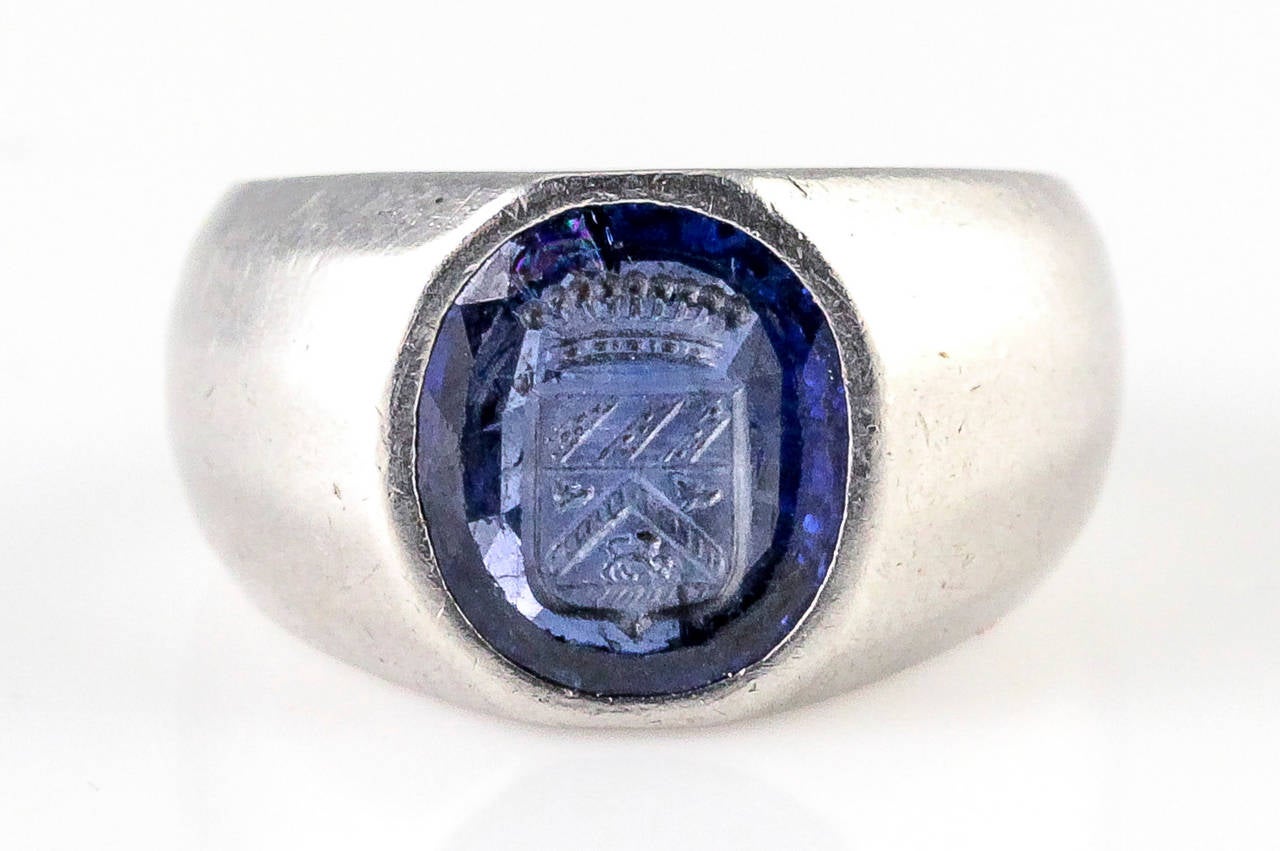
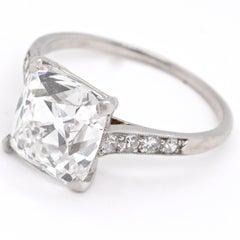
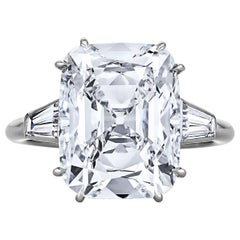
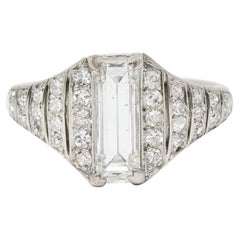
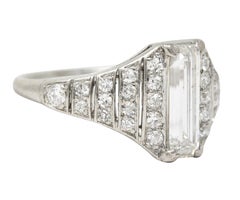
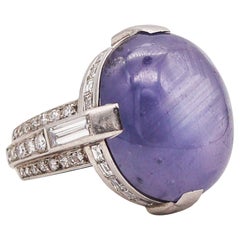
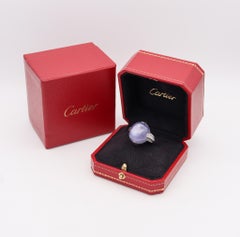
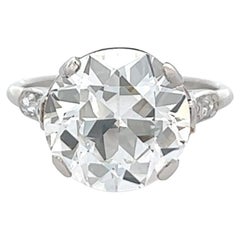
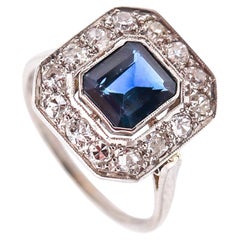
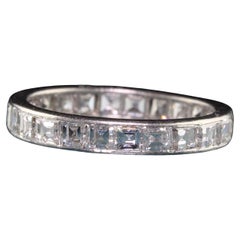
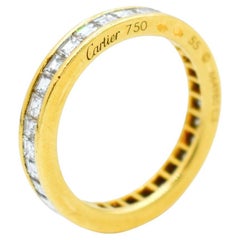
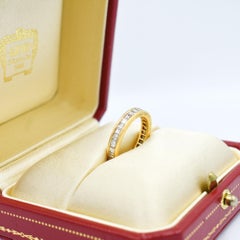
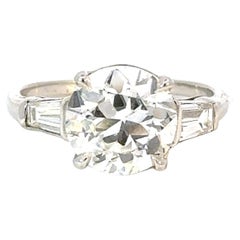
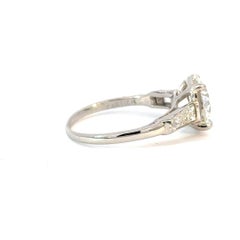
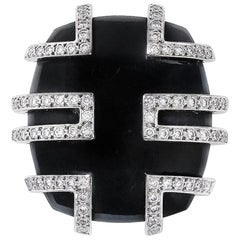
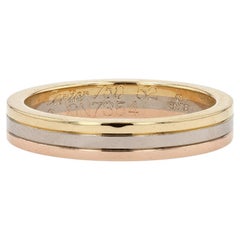
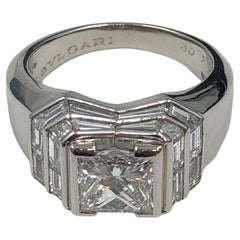
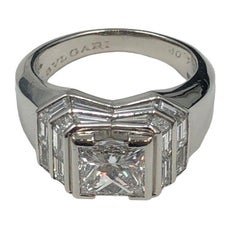
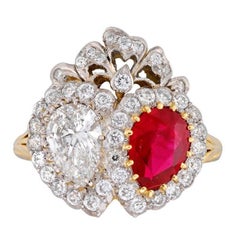
On 1stDibs, you can find the most appropriate cartier art deco ring for your needs in our varied inventory. Each design created in this style — which was crafted with great care and often made from
Platinum,
Gold and
18k Gold — can elevate any look. You can easily find a 78 antique edition and 6 modern creations to choose from as well. Making the right choice when shopping for a cartier art deco ring may mean carefully reviewing examples of this item dating from different eras — you can find an early iteration of this piece from the 20th Century and a newer version made as recently as the 21st Century, both of which have proven very popular over the years. For this particular accessory, there are many different carat weights to choose from, but
3 Carat and
3.5 Carat versions are of considerable interest. A cartier art deco ring can be a stylish choice for most occasions, but
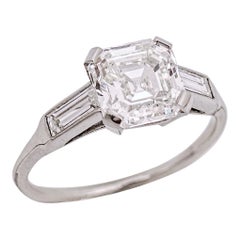
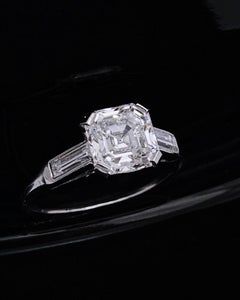
Diamond rings, from our inventory of 34, can add a particularly distinctive touch to your look, day or night. See these pages for a
cushion cut iteration of this accessory, while there are also
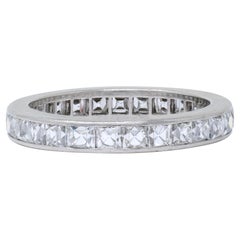
french cut cut and
round cut cut versions available here, too. There aren’t many items for
men if you’re seeking a cartier art deco ring, as most of the options available are for
women and unisex.
How Much is a Cartier Art Deco Ring?
On average, a cartier art deco ring at 1stDibs sells for $18,298, while they’re typically $850 on the low end and $785,000 for the highest priced versions of this item.
Cartier for sale on 1stDibs
For its extraordinary range of bracelets, watches, rings and other adornments, French luxury house Cartier is undeniably one of the most well known and internationally revered jewelers in the world among clients both existing and aspirational.
Perhaps 1847 was not the ideal time to open a new watchmaking and jewelry business, as the French Revolution was not kind to the aristocracy who could afford such luxuries. Nevertheless, it was the year Louis-François Cartier (1819–1904) — who was born into poverty — founded his eponymous empire, assuming control of the workshop of watchmaker Adolphe Picard, under whom he had previously been employed as an assistant. Of course, in the beginning, it was a relatively modest affair, but by the late 1850s, Cartier had its first royal client, Princess Mathilde Bonaparte, niece of Napoleon Bonaparte, who commissioned the jeweler to design brooches, earrings and other accessories.
Under the leadership of Louis-François’s son, Alfred, who took over in 1874, business boomed. Royalty around the world wore Cartier pieces, including Tsar Nicholas II of Russia, the Maharaja of Patiala and King Edward VII, who had 27 tiaras made by the jewelry house for his coronation in 1902 and issued Cartier a royal warrant in 1904. (Today, the British royal family still dons Cartier pieces; Kate Middleton, Duchess of Cambridge, regularly sports a Ballon Bleu de Cartier watch.)
Cartier’s golden years, however, began when Alfred introduced his three sons, Louis, Pierre and Jacques, to the business. The brothers expanded Cartier globally: Louis reigned in Paris, Pierre in New York and Jacques in London, ensuring their brand’s consistency at their branches across the world. The trio also brought in such talents as Charles Jacqueau and Jeanne Toussaint.
One of Cartier’s earliest major successes was the Santos de Cartier watch — one of the world's first modern wristwatches for men. (Previously, a large number of people were using only pocket watches.) Louis designed the timepiece in 1904 for his friend, popular Brazilian aviator Alberto Santos-Dumont, who wanted to be able to check the time more easily while flying.
Cartier’s other famous timepieces include the Tank watch, which was inspired by the linear form of military tanks during World War I, and the so-called mystery clocks. Invented by watchmaker and magician Jean-Eugène Robert-Houdin and later crafted exclusively for Cartier in the house’s workshop by watchmaker Maurice Couët, the mystery clocks were so named because the integration of glass dials on which the clocks’ hands would seemingly float as well as structures that are hidden away within the base give the illusion that they operate without machinery.
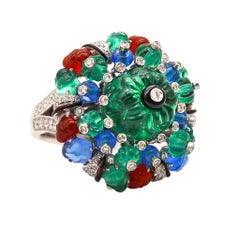
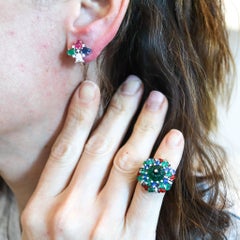
On the jewelry side of the business, Cartier’s internationally renowned offerings include the Tutti Frutti collection, which featured colorful carved gemstones inspired by Jacques’s trip to India and grew in popularity during the Art Deco years; the panthère motif, which has been incorporated into everything from brooches to rings; and the Love bracelet, a minimal, modernist locking bangle inspired by medieval chastity belts that transformed fine jewelry.
While the Cartier family sold the business following the death of Pierre in 1964, the brand continues to innovate today, renewing old hits and creating new masterpieces.
Find contemporary and vintage Cartier watches, engagement rings, necklaces and other accessories on 1stDibs.
A Close Look at Art Deco Jewelry
Fascination with the Jazz Age is endless, and even today jewelry designers continue to be inspired by authentic Art Deco jewelry and watches.
The Art Deco period, encompassing the 1920s and ’30s, ushered in a very distinct look in the design of jewelry. There were many influences on the jewelry of the era that actually began to take shape prior to the 1920s. In 1909, Serge Diaghilev brought the Ballet Russes to Paris, and women went wild for the company’s exotic and vibrant costumes It’s no wonder, then, that jade, lapis lazuli, coral, turquoise and other bright gemstones became all the rage. There already existed a fascination with the East, particularly China and Japan, and motifs consisting of fans and masks started to show up in Art Deco jewelry.
However, the event that had the greatest influence on Deco was the excavation of the tomb of King Tut in 1922. When the world saw what was hidden in Tut’s burial chamber, it sent just about everyone into a frenzy. Pierre Cartier wrote in 1923 that “the discovery of the tomb will bring some sweeping changes in fashion jewelry.” And he couldn’t have been more right. “Egyptomania” left an indelible mark on all of the major jewelry houses, from Cartier to Van Cleef & Arpels, Boucheron and Georges Fouquet. (Cartier created some of the most iconic jewelry designs that defined this era.)
While a lot of Art Deco jewelry was black and white — the black coming from the use of onyx or black enamel and the white from rock crystal and diamonds — there is plenty of color in jewelry of the era. A perfect accent to diamonds in platinum settings were blue sapphires, emeralds and rubies, and these stones were also used in combination with each other.
Many designers employed coral, jade and lapis lazuli, too. In fact, some of the most important avant-garde jewelers of the period, like Jean Després and Jean Fouquet (son of Georges), would combine white gold with ebony and malachite for a jolt of color.
A lot of the jewelry produced during this time nodded to current fashion trends, and women often accessorized their accessories. The cloche hat was often accented with geometric diamond brooches or double-clip brooches. Backless evening dresses looked fabulous with sautoir necklaces, and long pearl necklaces that ended with tassels, popular during the Edwardian period, were favored by women everywhere, including Coco Chanel.
Find unique Art Deco necklaces, earrings, bracelets and other jewelry on 1stDibs.
Finding the Right Rings for You
Antique and vintage rings have long held a special place in the hearts of fine jewelry lovers all over the world.
No matter their origin or specific characteristics, rings are timeless, versatile accessories. They’ve carried deep meaning since at least the Middle Ages, when diamond rings symbolized strength and other kinds of rings were worn to signify romantic feelings or to denote an affiliation with a religious order. Rings have also forever been emblematic of eternity.
Over time, rings have frequently taken the form of serpents, which have long been associated with eternal life, health and renewal. Italian luxury jewelry house Bulgari has become famous for its widely loved Serpenti motif, for example, and its Serpenti ring, like the other accessories in the collection, began as an homage to jewelry of the Roman and Hellenistic eras. The serpent is now a popular motif in fine jewelry. Jewelry devotees have long pined for rings adorned with reptiles, thanks to antique Victorian rings — well, specifically, Queen Victoria’s illustrious engagement ring, which took the form of a gold snake set with rubies, diamonds and an emerald (her birthstone). Designs for Victorian-era engagement rings often featured repoussé work and chasing, in which patterns are hammered into the metal.
Engagement rings, which are reliably intimidating to shop for, are still widely recognized as symbols of love and commitment. On 1stDibs, a range of buying guides can be found for those in the market for antique engagement rings, vintage engagement rings or Art Deco engagement rings.
The most collectible antique engagement rings and vintage engagement rings are those from the Victorian, Edwardian and Art Deco eras. Named for the monarchies of the four King Georges, who in succession ruled England starting in 1714 (plus King William’s reign), antique Georgian rings, be they engagement rings or otherwise, are also coveted by collectors. Pearls, along with colored gemstones like garnets, rubies and sapphires, were widely used in Georgian jewelry. The late-1700s paste jewelry was a predecessor to what we now call fashion or costume jewelry.
The Art Nouveau movement (1880–1910) brought with it rings inspired by the natural world. Antique Art Nouveau rings might feature depictions of winged insects and fauna as well as women, who were simultaneously eroticized and romanticized, frequently with long flowing hair. Art Deco jewelry, on the other hand, which originated during the 1920s and ’30s, is by and large “white jewelry.” White metals, primarily platinum, were favored over yellow gold in the design of antique Art Deco rings and other accessories as well as geometric motifs, with women drawn to the era’s dazzling cocktail rings in particular.
Whether you’re hunting down a chunky classic for a Prohibition-themed cocktail party or seeking a clean contemporary design to complement your casual ensemble, find an exquisite collection of antique, new and vintage rings on 1stDibs.