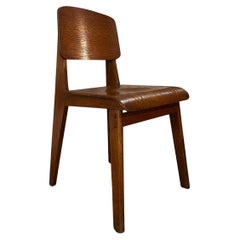
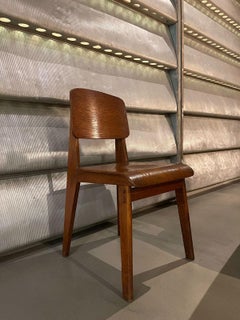
Jean Prouvé ‘Tout Bois’ Chair
Located in New York, NY
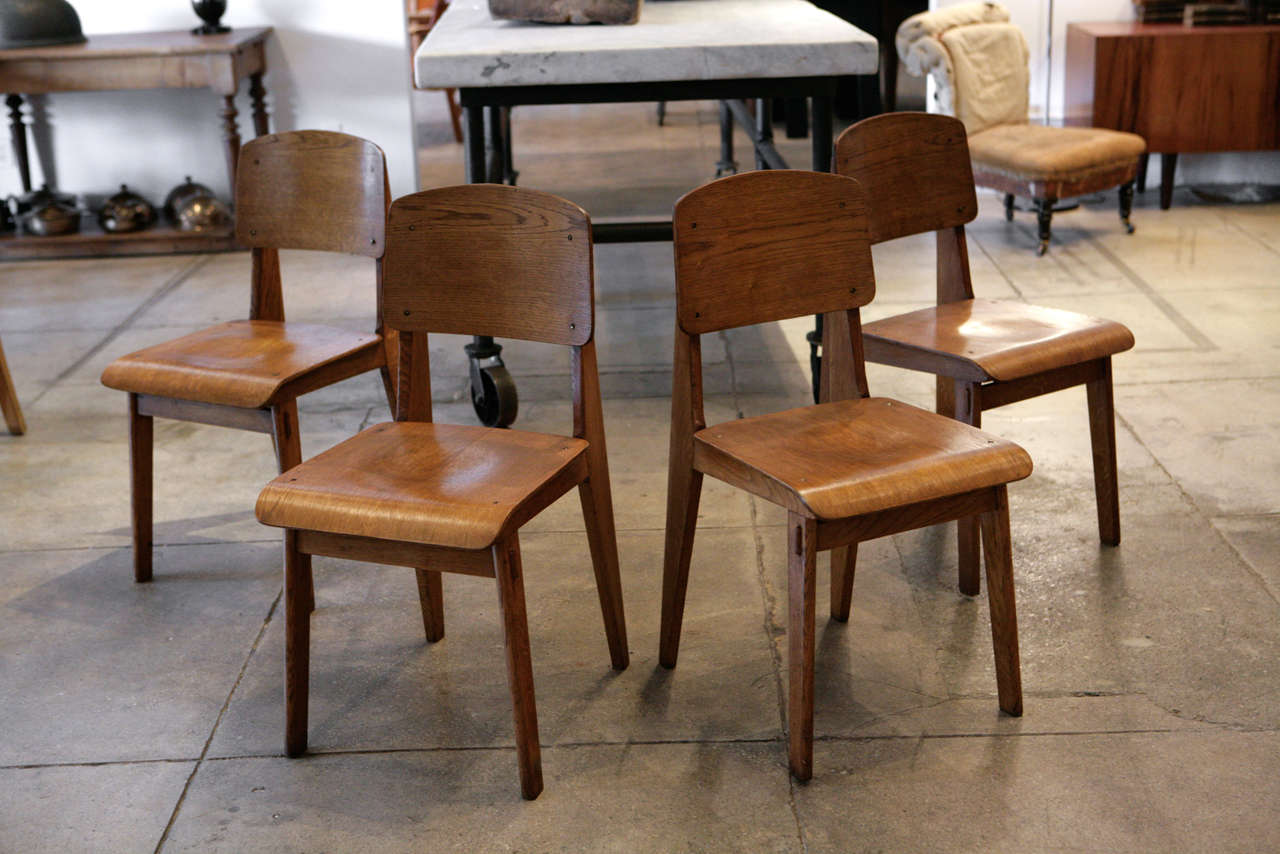
Jean Prouvé (1901–1984) designed the Tout Bois Chair in 1941 during World War II, when metal was scarce in France.
Category
Vintage 1940s Chairs
Materials
Wood
Jean Prouvé ‘Tout Bois’ Chair
Located in New York, NY
Jean Prouvé (1901–1984) designed the Tout Bois Chair in 1941 during World War II, when metal was scarce in France.
Wood
$17,360Sale Price / set|20% Off
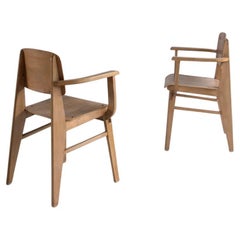
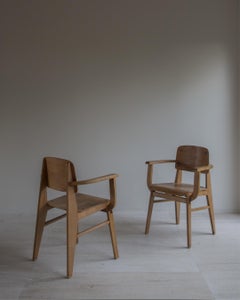
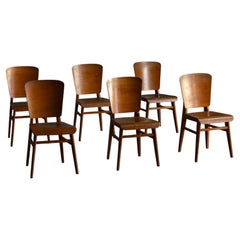
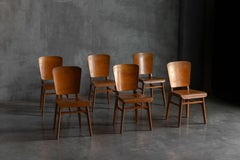
Attributed to Jean Prouvé - Tout Bois - Wooden Armchair - France circa 1950s
By Jean Prouvé
Located in Hasselt, VLI
Overall dimensions: Depth: +/- 43 cm Width: +/- 53 cm Height: +/- 81 cm Jean Prouvé's "Tout Bois" chair was an all-wood version of his famous steel "Standard Chair."
Wood, Bentwood, Plywood
$5,000 / item
'Tout Bois' Chairs by Jean Prouvé, France, 1941
By Jean Prouvé
Located in Antwerp, BE
Designed in 1941 by pioneering French designer and engineer Jean Prouvé, these rare "Tout Bois" chairs stand as a compelling testament to wartime ingenuity and refined industrial thi...
Wood
Jean Prouvé Chaise mod. Standard dite "Tout Bois", France 1941
By Jean Prouvé
Located in Hønefoss, 30
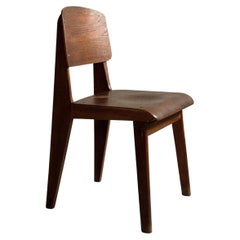
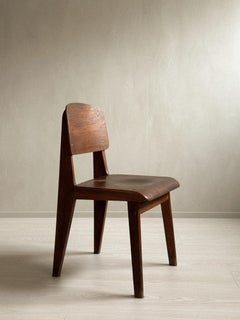
Jean PROUVÉ (1901 -1984) - Chaise standard dite "Tout Bois" SOLID WOOD AND PLYWOOD "TOUT BOIS" CHAIR BY JEAN PROUVE - 1941 H : 82 cm W: 41 cm D: 52 cm Bibliographie : "Jean Prouv...
Oak, Plywood
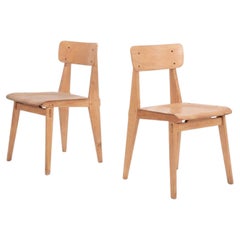
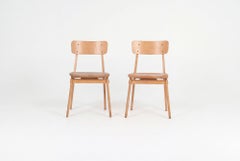
Jean Prouvé, Rare Pair of Chaise Standard Tout Bois, France, 1940's
By Jean Prouvé
Located in Chicago, IL
Jean Prouvé, Rare Pair of Chaise Standard Tout Bois, France, 1940's Wood with steel fasteners.
Wood
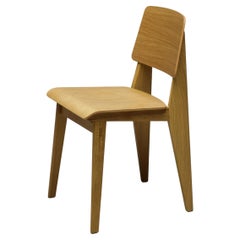
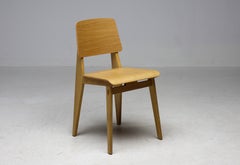
Jean Prouvé for Vitra Chaise Tout Bois Natural Oak Icon of Raw Elegance
By Jean Prouvé
Located in Dronten, NL
There is no ornament on a Prouvé. Only structure, honesty, and purpose. The Chaise Tout Bois – or "all-wood chair" – is Jean Prouvé at his most elemental.
Oak
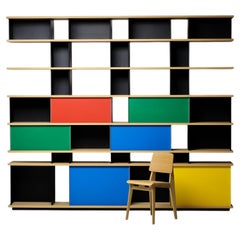
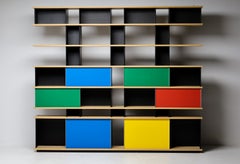
Cassina "Nuage" Shelving Unit by Charlotte Perriand — Numbered Edition No. 695
By Charlotte Perriand, Cassina
Located in Dronten, NL
The piece is professionally packed and ready to ship. The Jean Prouvé Chaise Tout Bois is photographed for size reference only and not included, it is available separately.
Aluminum
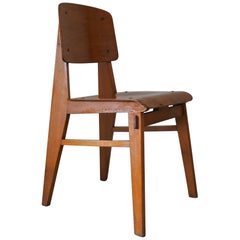
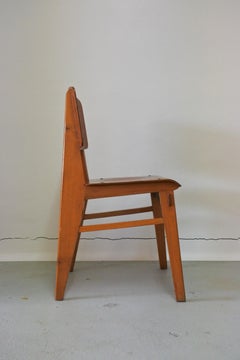
Jean Prouvé "Tout Bois" Chair, France, circa 1941
By Jean Prouvé
Located in La Teste-de-Buch, Nouvelle-Aquitaine
"Tout Bois" by Jean Prouvé, circa 1941 Solid wood and plywood.
Wood, Plywood
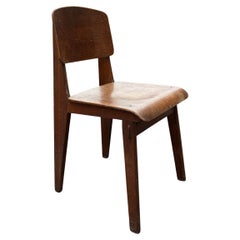
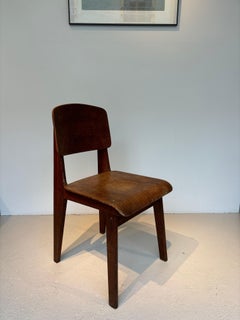
Scarce « tout bois » chair by Jean Prouvé
By Jean Prouvé
Located in SAINT-OUEN-SUR-SEINE, FR
Rare chaise tout bois de Jean Prouvé pour le centre d’études nucléaires du commissariat à l’énergie atomique de Saclay.
Oak
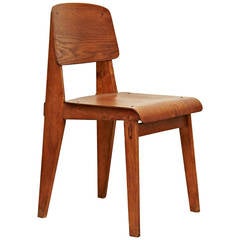
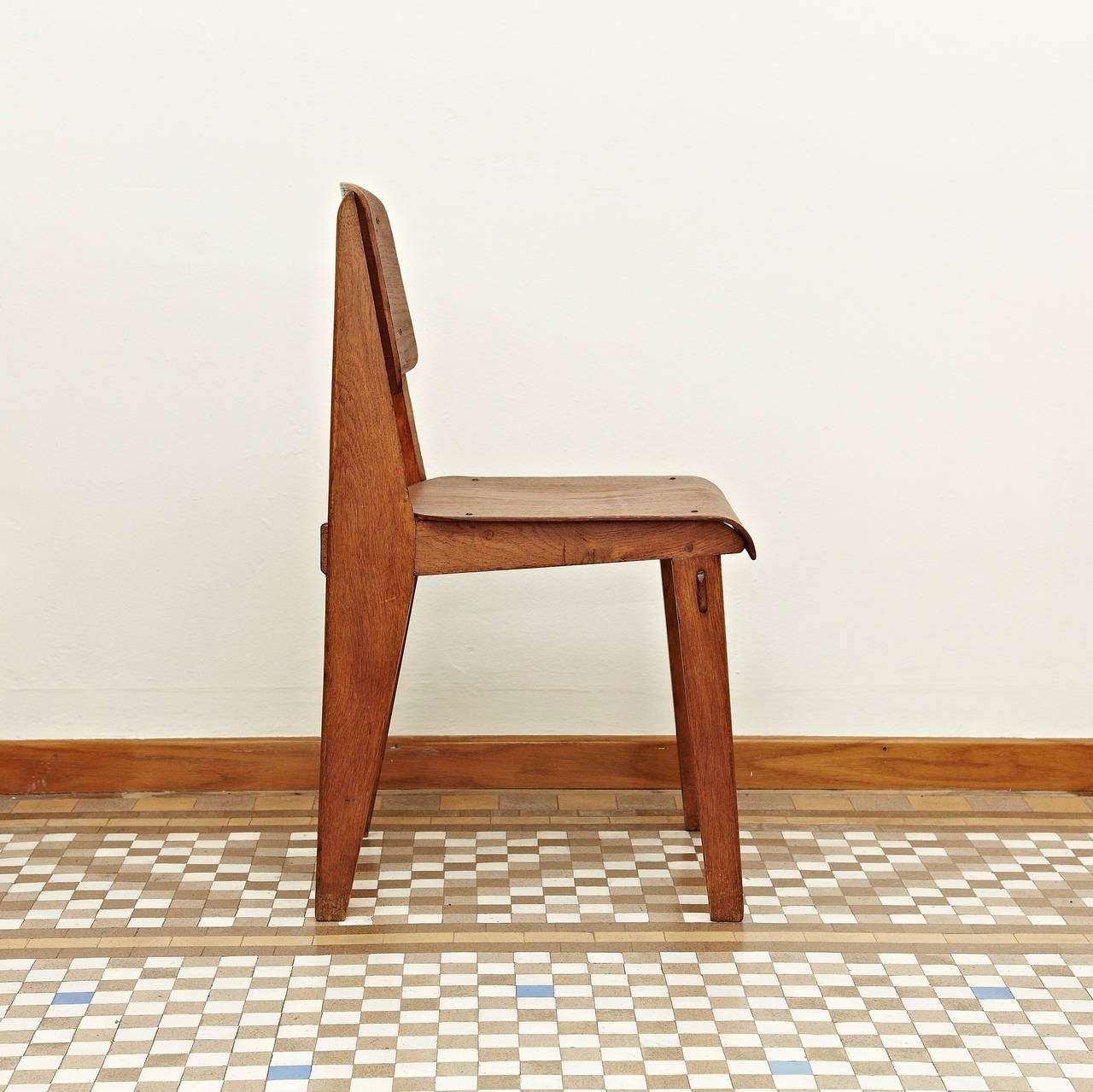
Jean Prouvé Standard Chair "Tout Bois", 1941
By Jean Prouvé
Located in Barcelona, Barcelona
Standard Chair model "Tout Bois" designed by Jean Prouvé in 1941. Manufactured by Ateliers Prouvé (France).
Wood
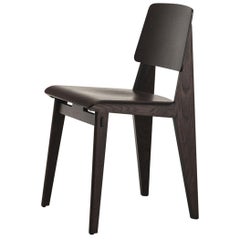
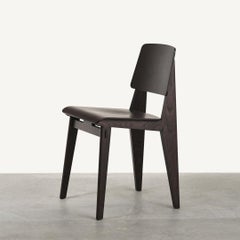
Jean Prouvé Dark-Stained Oak Chaise Tout Bois Chair by Vitra
By Jean Prouvé, Vitra
Located in Barcelona, Barcelona
Chaise Tout Bois is the only chair by the French 'constructeur' and designer Jean Prouvé that is made entirely out of wood.
Oak
Sold
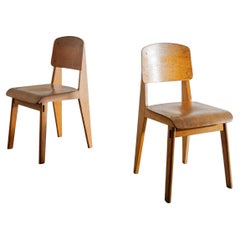
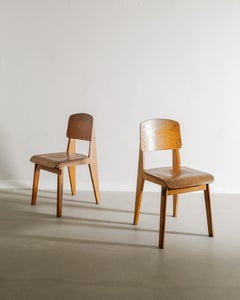
H 31.89 in W 15.75 in D 18.9 in
Pair of French Mid Century Tout Bois Wooden Dining Chairs by Jean Prouvé, 1940s
By Jean Prouvé
Located in Stockholm, SE
Rare pair of French mid century wooden "Tout Bois" dining chairs in stained ash and molded plywood seats and backrests by Jean Prouvé produced by Ateliers Jean Prouvé in France, 1940s.
Ash
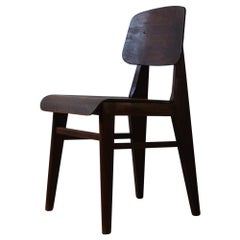

Jean Prouvé, Tout Bois Chair, 1941
By Jean Prouvé
Located in Perpignan, FR
Jean Prouvé, Tout Bois chair, circa 1941 of the establishments Vauconsant de Saint Nicolas de Port.
Plywood
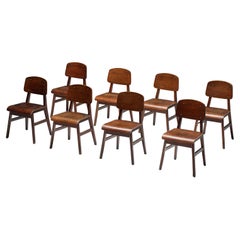
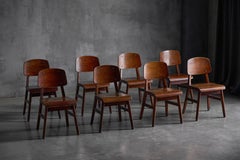
Rare Chair "Tout Bois" Attributed to Jean Prouvé, France, 1941
By Jean Prouvé
Located in Antwerp, BE
Scarce and highly significant variants of the all-wood chairs attributed to Jean Prouvé, these 1941 models were crafted by Vauconsant in Saint Nicolas de Port during a time of materi...
Wood
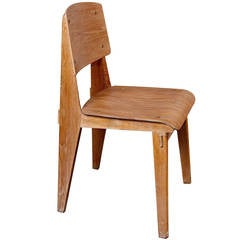
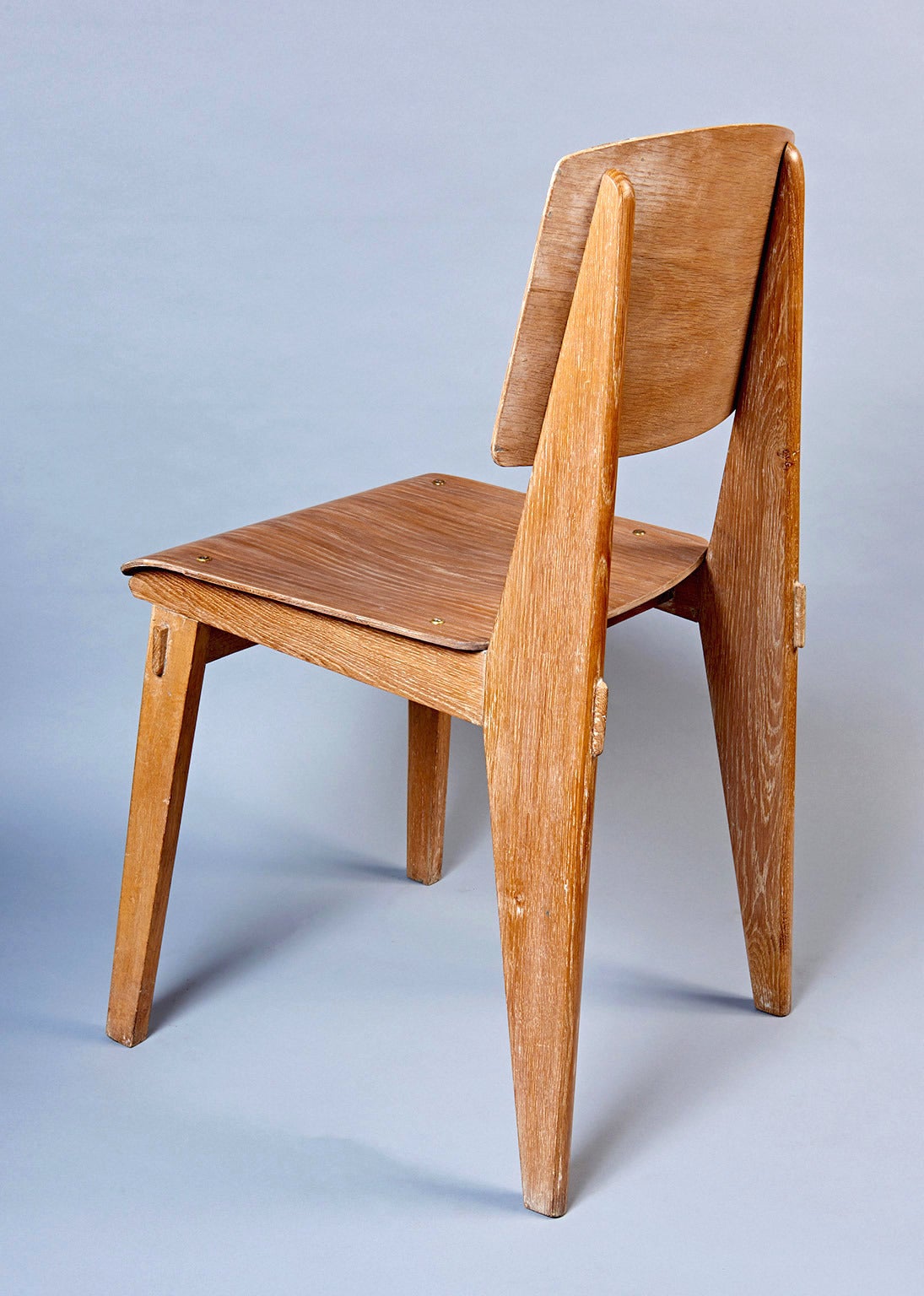
Standard Chair "Tout Bois" by Jean Prouvé
By Jean Prouvé
Located in Los Angeles, CA
Jean Prouvé's "Tout Bois" chair was an all-wood version of his famous steel "Standard Chair."
Oak
Chaise "Tout Bois " Jean Prouvé
By Jean Prouvé
Located in PARIS, FR
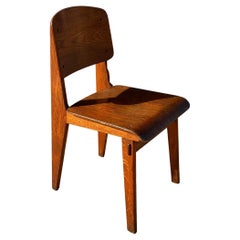
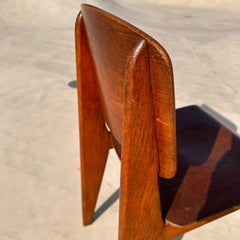
Chaise standard de Jean Prouvé, dite "Tout Bois", circa 1953 Structure en chêne massif, assise et dossier en placage de chêne thermoformé.
Wood
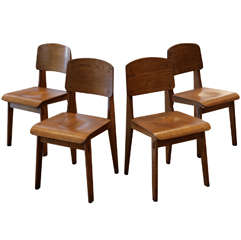
Jean Prouve, Set of 4 'Chaise Tout en Bois' Chairs, ca. 1941
By Jean Prouvé
Located in Los Angeles, CA
a set of four 'tout bois' chairs in oak & oak-veneered plywood.
Oak

Jean Prouvé, Set of Four "Tout Bois" Chairs, 1941
By Jean Prouvé
Located in New York, NY
Rare set of four "Tout Bois" standard chairs by Jean Prouve, designed in 1941.
Oak
With entire areas of our homes reserved for “sitting rooms,” the value of quality antique and vintage seating cannot be overstated.
Fortunately, the design of side chairs, armchairs and other lounge furniture — since what were, quite literally, the early perches of our ancestors — has evolved considerably.
Among the earliest standard seating furniture were stools. Egyptian stools, for example, designed for one person with no seat back, were x-shaped and typically folded to be tucked away. These rudimentary chairs informed the design of Greek and Roman stools, all of which were a long way from Sori Yanagi's Butterfly stool or Alvar Aalto's Stool 60. In the 18th century and earlier, seats with backs and armrests were largely reserved for high nobility.
The seating of today is more inclusive but the style and placement of chairs can still make a statement. Antique desk chairs and armchairs designed in the style of Louis XV, which eventually included painted furniture and were often made of rare woods, feature prominently curved legs as well as Chinese themes and varied ornaments. Much like the thrones of fairy tales and the regency, elegant lounges crafted in the Louis XV style convey wealth and prestige. In the kitchen, the dining chair placed at the head of the table is typically reserved for the head of the household or a revered guest.
Of course, with luxurious vintage or antique furnishings, every chair can seem like the best seat in the house. Whether your preference is stretching out on a plush sofa, such as the Serpentine, designed by Vladimir Kagan, or cozying up in a vintage wingback chair, there is likely to be a comfy classic or contemporary gem for you on 1stDibs.
With respect to the latest obsessions in design, cane seating has been cropping up everywhere, from sleek armchairs to lounge chairs, while bouclé fabric, a staple of modern furniture design, can be seen in mid-century modern, Scandinavian modern and Hollywood Regency furniture styles.
Admirers of the sophisticated craftsmanship and dark woods frequently associated with mid-century modern seating can find timeless furnishings in our expansive collection of lounge chairs, dining chairs and other items — whether they’re vintage editions or alluring official reproductions of iconic designs from the likes of Hans Wegner or from Charles and Ray Eames. Shop our inventory of Egg chairs, designed in 1958 by Arne Jacobsen, the Florence Knoll lounge chair and more.
No matter your style, the collection of unique chairs, sofas and other seating on 1stDibs is surely worthy of a standing ovation.