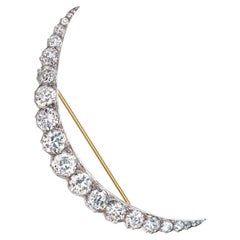
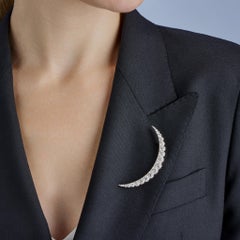
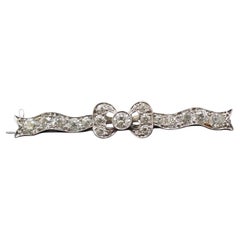
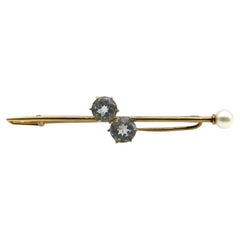
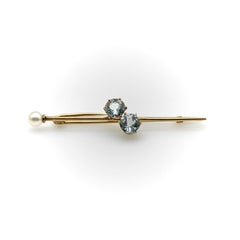
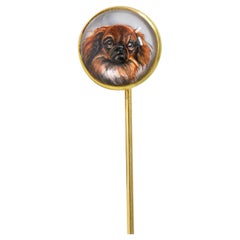
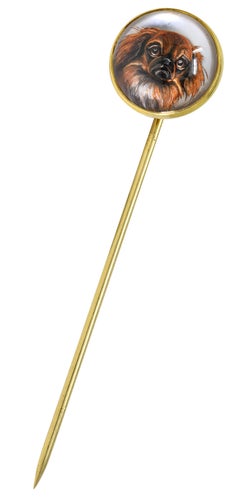
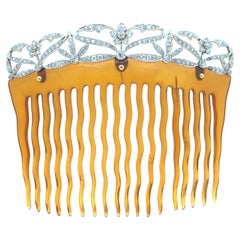
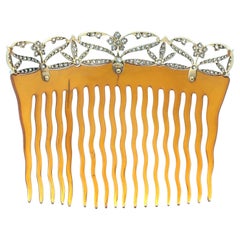
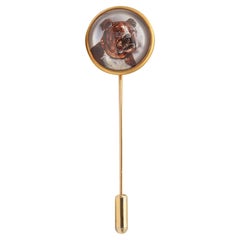
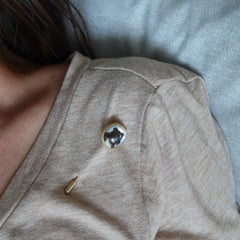
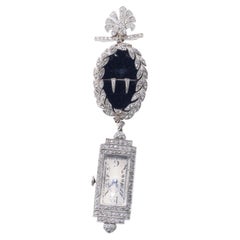
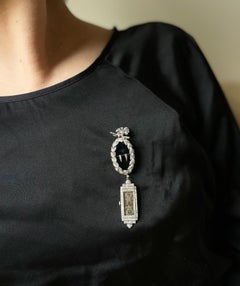
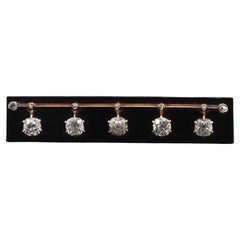
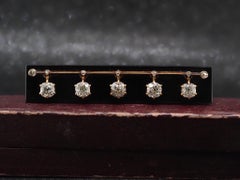
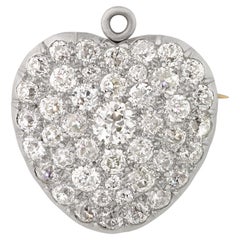
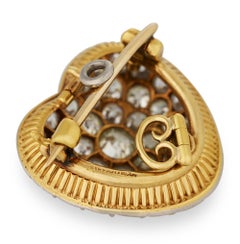
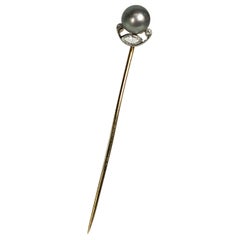
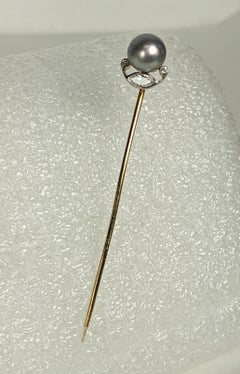
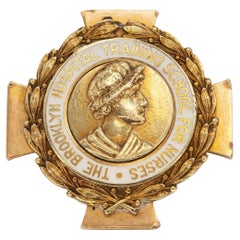
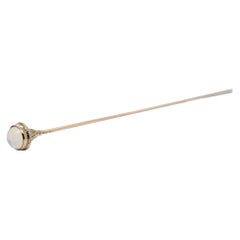
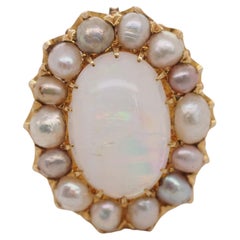
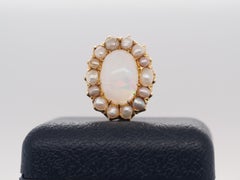
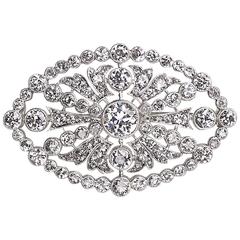
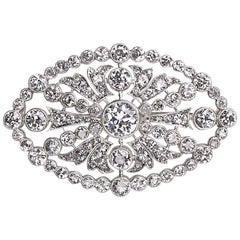
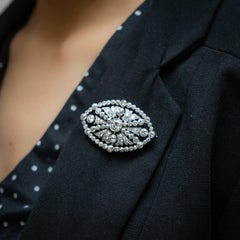
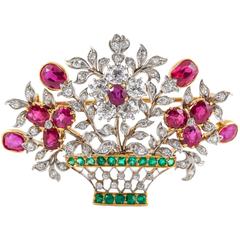
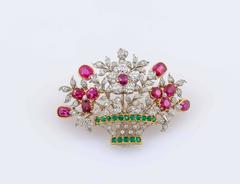
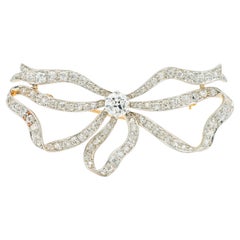
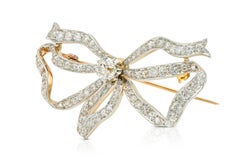
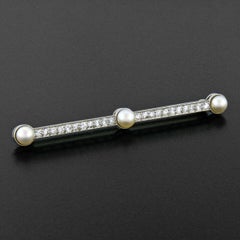
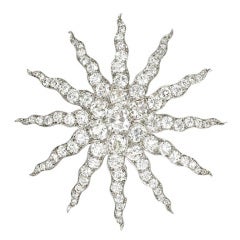
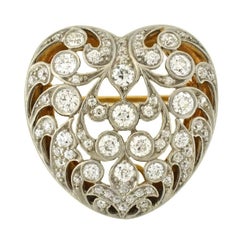
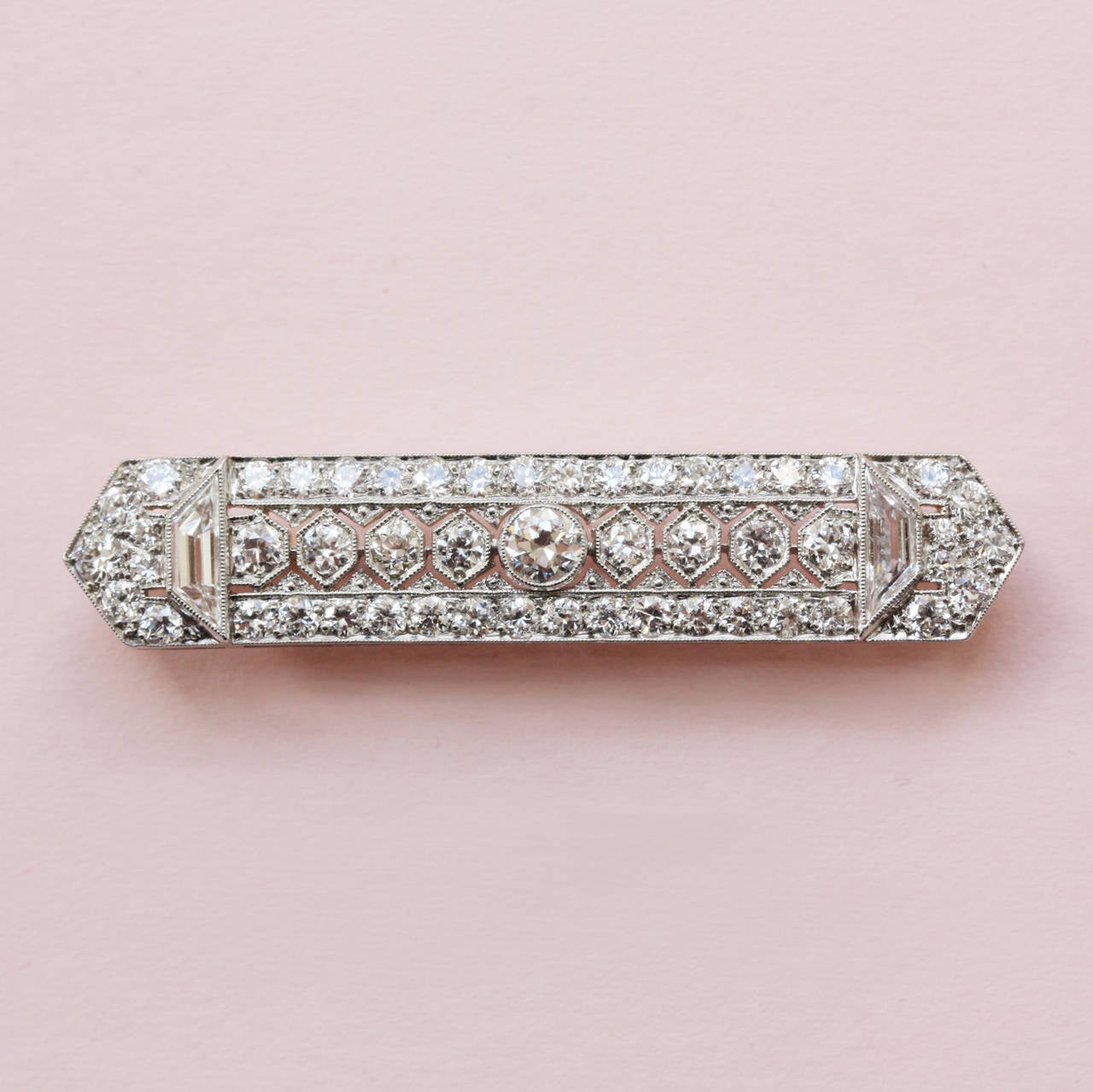
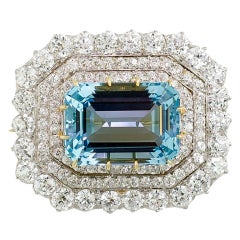
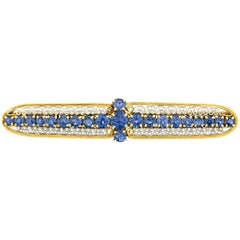
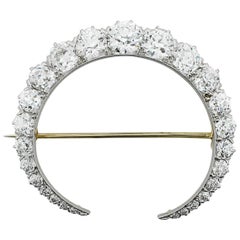
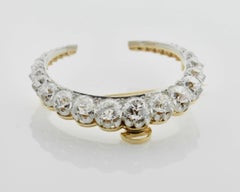
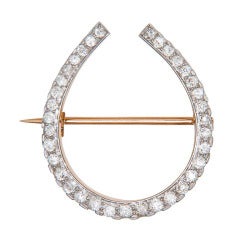
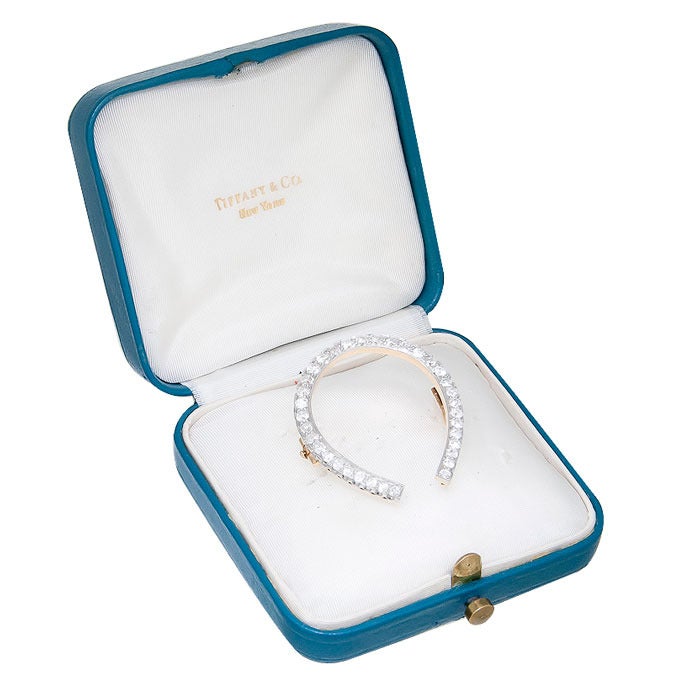
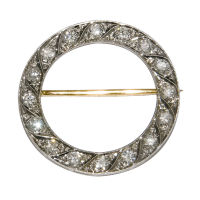
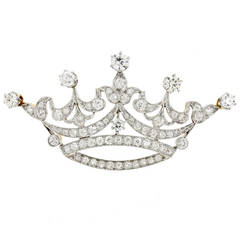
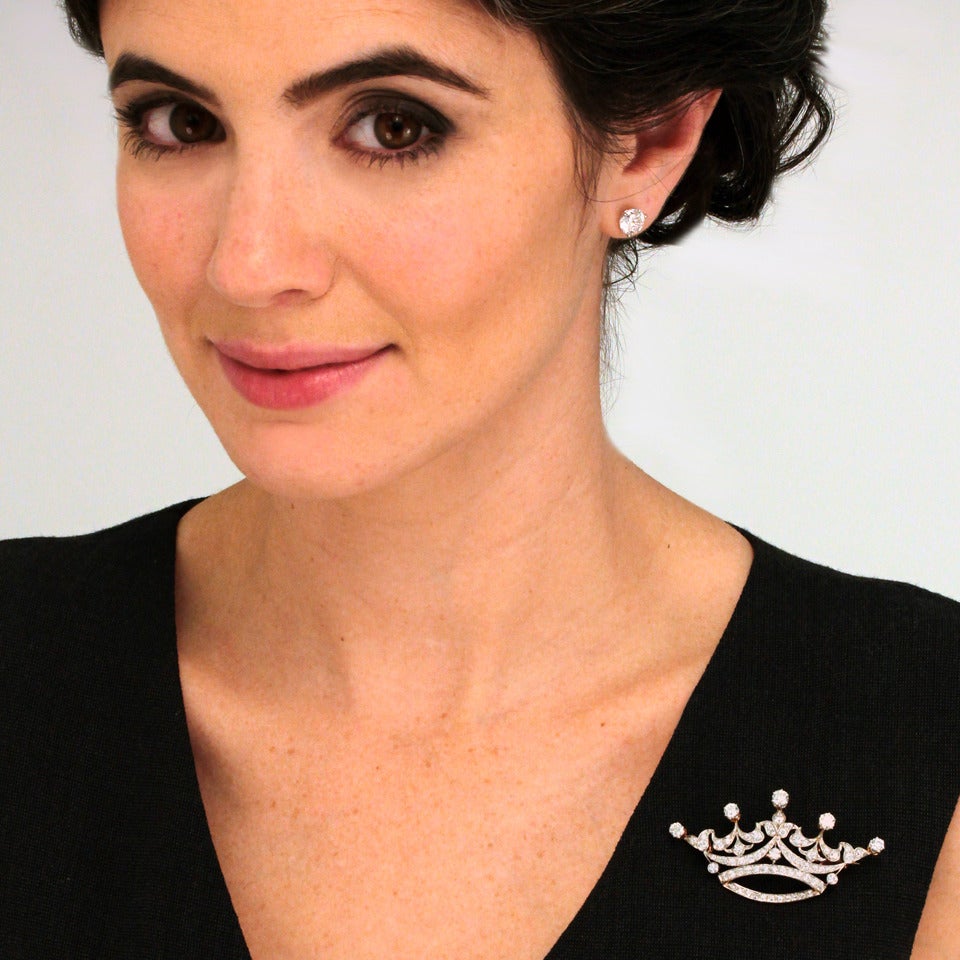
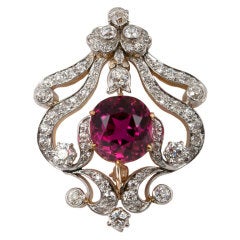
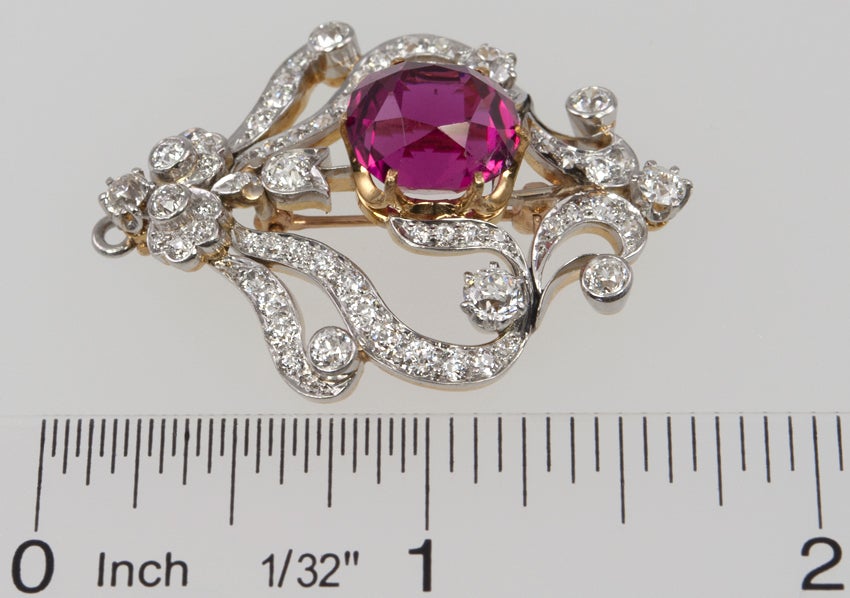
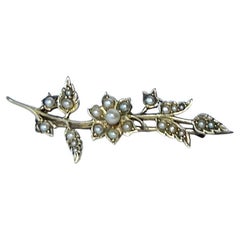
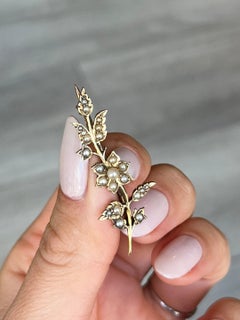
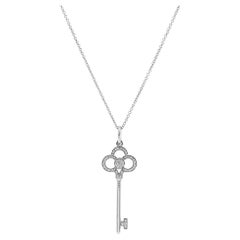
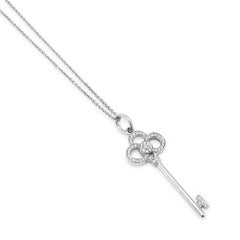
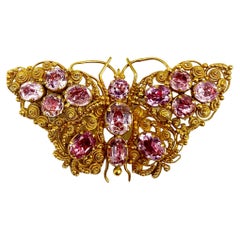
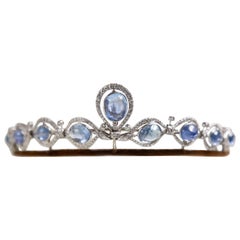
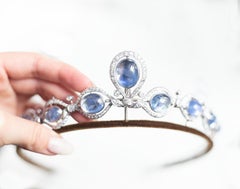
Edwardian Tiffany Brooch For Sale on 1stDibs
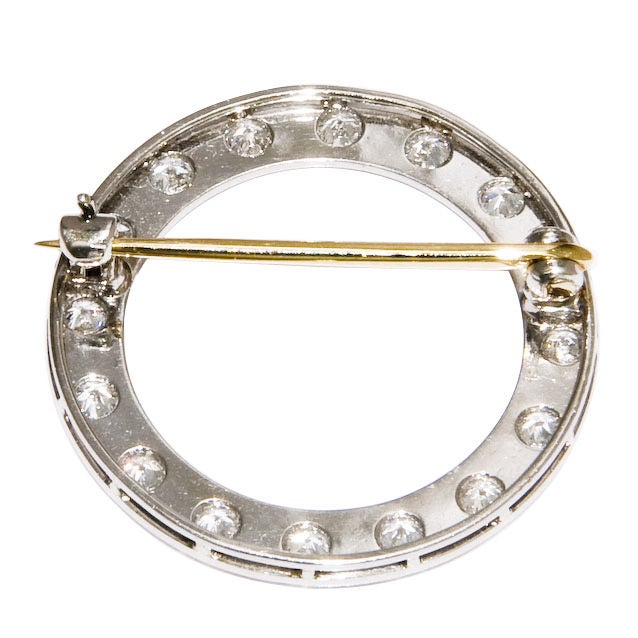
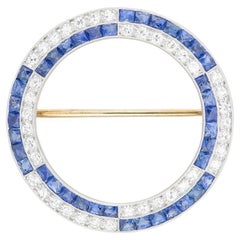
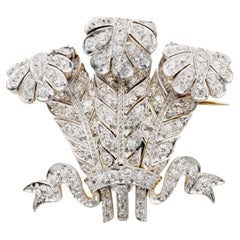
Surely you’ll find the exact edwardian tiffany brooch you’re seeking on 1stDibs — we’ve got a vast assortment for sale. Frequently made of
Platinum,
Gold and
18k Gold, this item was constructed with great care. For this particular piece, are consistently popular carat weights. While most can agree that any edwardian tiffany brooch from our collection can easily elevate most outfits, but the choice of a
Diamond version from the 24 available is guaranteed to add a special touch to your ensemble. Today, if you’re looking for an
old european cut version of this piece and are unable to find the perfect match, our selection also includes
old mine cut and
round cut alternatives. There aren’t many items for
men if you’re seeking a edwardian tiffany brooch, as most of the options available are for
women and unisex.
How Much is a Edwardian Tiffany Brooch?
The price for a edwardian tiffany brooch starts at $750 and tops out at $66,000 with these brooches, on average, selling for $10,500.
Tiffany & Co. for sale on 1stDibs
Tiffany & Co. is one of the most prominent purveyors of luxury goods in the United States, and has long been an important arbiter of style in the design of diamond engagement rings. A young Franklin Delano Roosevelt proposed to his future wife, Eleanor, with a Tiffany ring in 1904. Vanderbilts, Whitneys, Astors and members of the Russian imperial family all wore Tiffany & Co. jewelry. And Jacqueline Kennedy Onassis preferred Tiffany china for state dinners at the White House.
Although synonymous with luxury today, the firm started out rather modestly. Charles Lewis Tiffany and John B. Young founded it in Connecticut as a “stationery and fancy goods emporium” in 1837, at a time when European imports still dominated the nascent American luxury market. In 1853, Charles Tiffany — who in 1845 had launched the company’s famed catalog, the Blue Book, and with it, the firm’s signature robin’s-egg blue, which he chose for the cover — shifted the focus to fine jewelry.
In 1868, Tiffany & Co. gained international recognition when it became the first U.S. firm to win an award for excellence in silverware at the Exposition Universelle in Paris. From then on, it belonged to the pantheon of American luxury brands.
At the start of the Gilded Age, in 1870, Tiffany & Co. opened its flagship store, described as a "palace of jewels" by the New York Times, at 15 Union Square West in Manhattan. Throughout this period, its designs for silver tableware, ceremonial silver, flatware and jewelry were highly sought-after indicators of status and taste. They also won the firm numerous accolades, including the grand prize for silverware at the Paris Exposition of 1878. Among the firm’s glittering creations from this time are masterworks of Art Nouveau jewelry, such as this delicate aquamarine necklace and this lavish plique-à-jour peridot and gold necklace, both circa 1900.
When Charles Lewis Tiffany died, in 1902, his son Louis Comfort Tiffany became the firm’s design director. Under his leadership, the Tiffany silver studio was a de facto design school for apprentice silversmiths, who worked alongside head artisan Edward C. Moore. The firm produced distinctive objects inspired by Japanese art and design, North American plants and flowers, and Native American patterns and crafts, adding aesthetic diversity to Tiffany & Co.’s distinguished repertoire.
Tiffany is also closely associated with diamonds, even lending its name to one particularly rare and exceptional yellow stone. The firm bought the Tiffany diamond in its raw state from the Kimberley mines of South Africa in 1878. Cut to create a 128.54-carat gem with an unprecedented 82 facets, it is one of the most spectacular examples of a yellow diamond in the world.
In a broader sense, Tiffany & Co. helped put diamonds on the map in 1886 by introducing the American marketplace to the solitaire diamond design, which is still among the most popular engagement-ring styles. The trademark Tiffany® Setting raises the stone above the band on six prongs, allowing its facets to catch the light. A lovely recent example is this circa-2000 platinum engagement ring. Displaying a different design and aesthetic (but equally chic) is this exquisite diamond and ruby ring from the 1930s.
Find Tiffany & Co. jewelry, serveware and decorative objects for sale on 1stDibs.
A Close Look at Edwardian Jewelry
Antique Edwardian jewelry is named for King Edward VII of Great Britain, who ruled from 1901 until 1910. Classic Edwardian necklaces, engagement rings, earrings and other jewelry are often overshadowed by the more popular style of the era, Art Nouveau, which is a shame. At its best, Edwardian jewelry was all about the exquisite diamond, platinum and pearl creations made by such famous names as Cartier and Boucheron.
Edward introduced incredibly formal Buckingham Palace court presentations, balls and soirées, resulting in a huge demand for diamond jewels starting with his coronation in 1902. Dozens of tiaras and formal jewels in an updated 18th-century style were purchased from French jewelers Boucheron and Chaumet and from Russia’s Fabergé. The court jewelers Asprey, Garrard, Carrington and the newly opened London branch of Cartier were all overwhelmed with orders for sumptuous diamond jewelry to be worn at the king’s elaborate coronation.
During the Edwardian era, pearls were more valuable than diamonds. The pear-shaped pearl La Peregrina, for example, belonged to some of the most fabulous and strongest women in history and bounced among royal courts in Spain, France and Russia for several centuries. So while today the scale and clarity of a diamond ring matters, back then the size and quantity of your pearls was more important a declaration of wealth. And just as Victorian notions of propriety and femininity began to change after Queen Victoria died in 1901, jewelry design also evolved but there was some overlap with late Victorian styles.
Women of the Edwardian period sported bejeweled headpieces like tiaras and bandeaus with feathered aigrettes. Another popular piece of jewelry that is said to have been directly inspired by Queen Alexandra were colliers de chien, or dog collars — today's choker necklaces — which consisted of either a ribbon decorated with a brooch, a gemstone or several strands of pearls strung closely together.
Two major jewelry houses, Cartier and Boucheron, were founded in the mid-1850s, and by the beginning of the 20th century, the wealthy considered them household names. The Cartier brand became even more desirable once the house became the official jewelry supplier to King Edward VII. Cartier took this title seriously and designed some of the most innovative jewelry of its day, since it was willing to experiment with new materials like platinum and because it was mindful of fashion trends. Filigree settings also became popular. This saw-piercing technique was decorative and at the same time created a sense of lightness.
Perhaps even more important than Cartier’s use of platinum was the founding of De Beers Consolidated Mines Limited in 1888. The discovery of new diamond mines made the stone more affordable and prompted the introduction of new gemstone cuts. It is not uncommon to see Edwardian jewels with baguette or briolette diamonds.
Find antique Edwardian rings, bracelets, watches and other jewelry on 1stDibs.
Finding the Right Brooches for You
Vintage brooches, which refer to decorative jewelry traditionally pinned to garments and used to fasten pieces of clothing together where needed, have seen increasing popularity in recent years.
While jewelry trends come and go, brooches are indeed back on the radar thanks to fashion houses like Gucci, Versace, Dior and Saint Laurent, all of which feature fun pinnable designs in their current collections. Whether a dazzlingly naturalistic Art Nouveau dragonfly, a whimsical David Webb animal, a gem-studded bloom or a streamlined abstract design, these jewels add color and sparkle to your look and a spring to your step.
Given their long history, brooches have expectedly taken on a variety of different shapes and forms over time, with jewelers turning to assorted methods of ornamentation for these accessories, including enameling and the integration of pearls and gemstones. Cameo brooches that originated during the Victorian age are characterized by a shell carved in raised relief that feature portraits of a woman’s profile, while 19th-century micromosaic brooches, comprising innumerable individually placed glass fragments, sometimes feature miniature depictions of a pastoral scene in daily Roman life.
At one time, brooches were symbols of wealth, made primarily from the finest metals and showcasing exquisite precious gemstones. Today, these jewels are inclusive and universal, and you don’t have to travel very far to find an admirer of brooches. They can be richly geometric in form, such as the ornate diamond pins dating from the Art Deco era, or designer-specific, such as the celebrated naturalistic works created by Tiffany & Co., the milk glass and gold confections crafted by Trifari or handmade vintage Chanel brooches of silk or laminated sheer fabric. Chanel, of course, has never abandoned this style, producing gorgeously baroque CC examples since the 1980s.
Brooches are versatile and adaptable. These decorative accessories can be worn in your hair, on hats, scarves and on the lower point of V-neck clothing. Pin a dazzling brooch to the lapel of your blazer-and-tee combo or add a cluster of smaller pins to your overcoat. And while brooches have their place in “mourning jewelry,” in that a mourning brooch is representative of your connection to a lost loved one, they’re widely seen as romantic and symbolic of love, so much so that a hardcore brooch enthusiast might advocate for brooches to be worn over the heart.
Today, find a wide variety of antique and vintage brooches for sale on 1stDibs, including gold brooches, sapphire brooches and more.