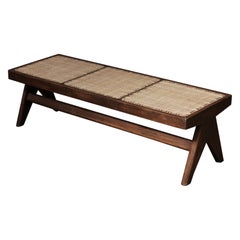
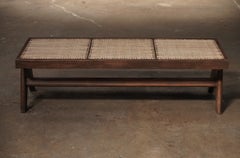
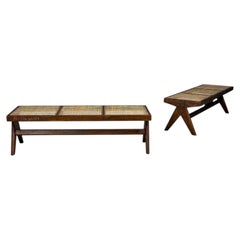
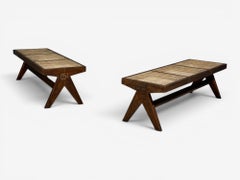
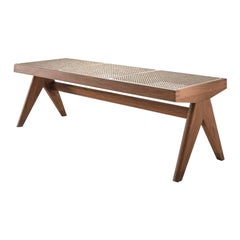
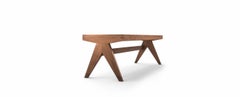
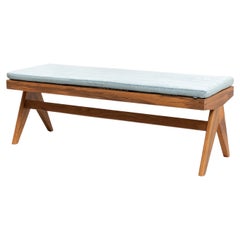
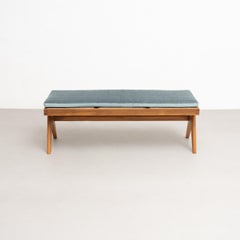
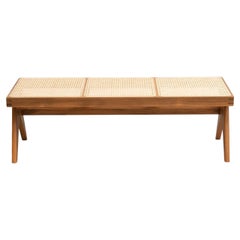
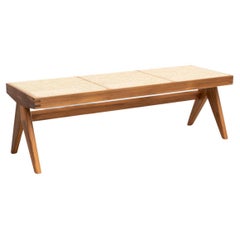
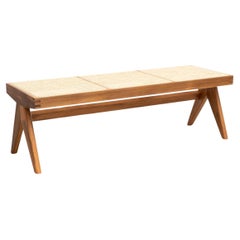
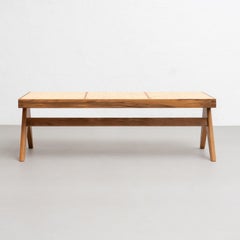
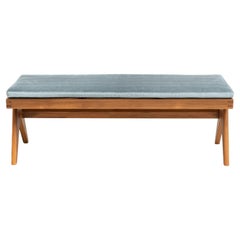
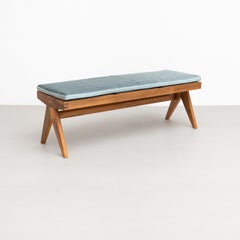
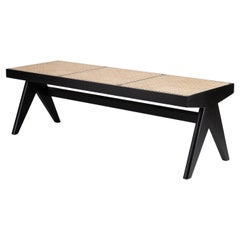
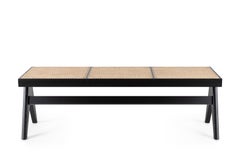
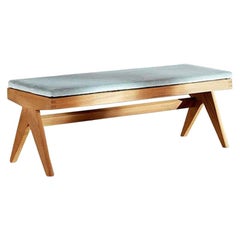
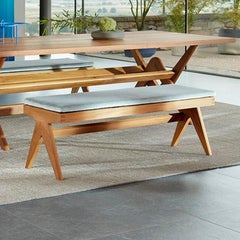
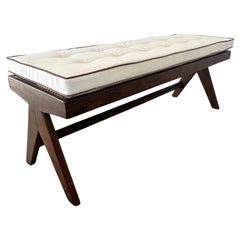
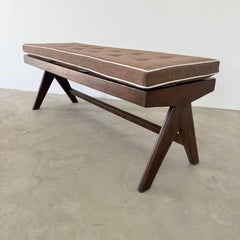
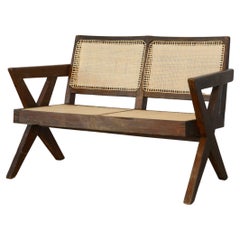
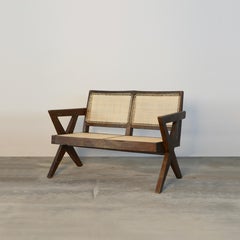
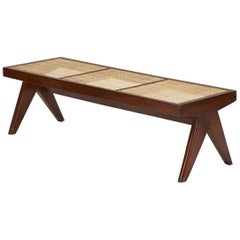
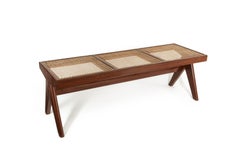
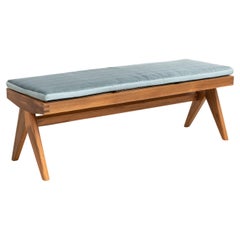
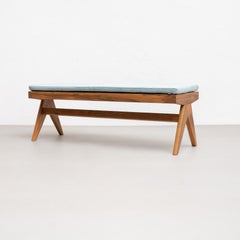
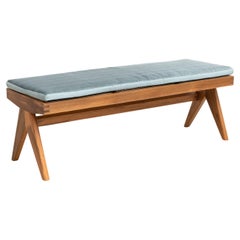
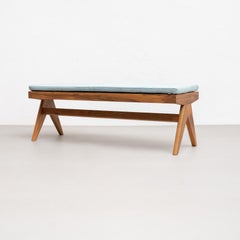
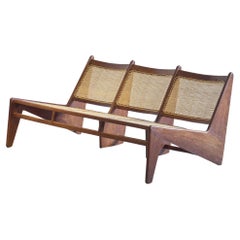
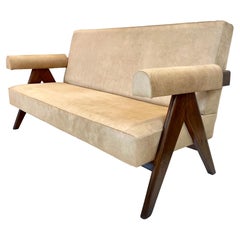
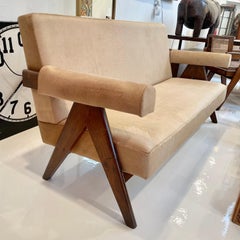
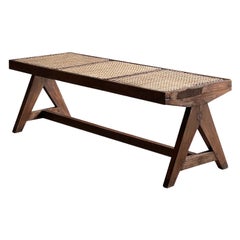
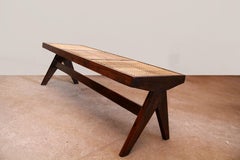
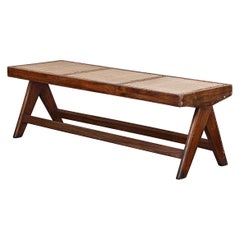
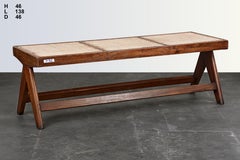
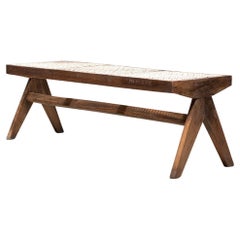
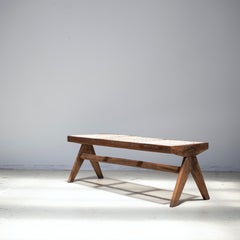
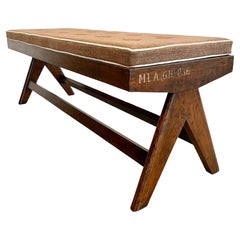
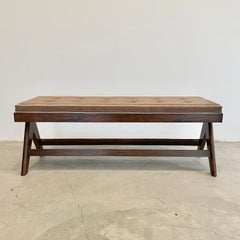
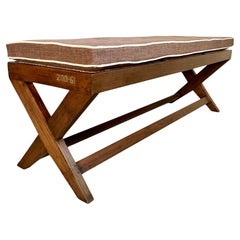
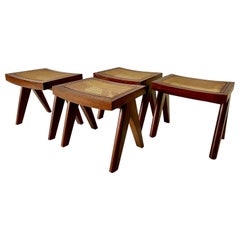
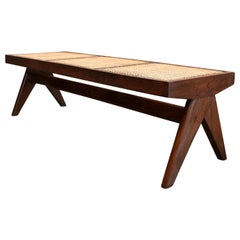
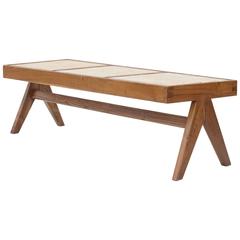
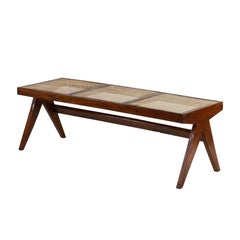
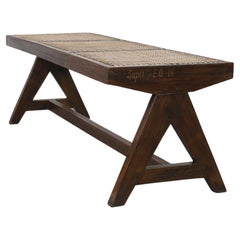
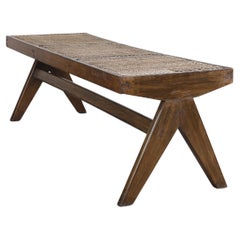
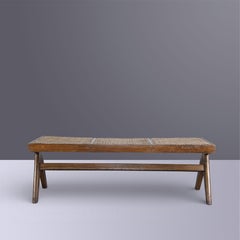
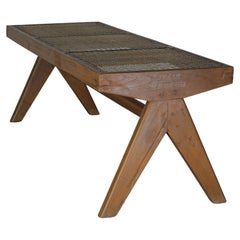
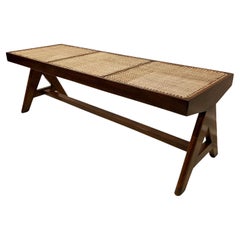
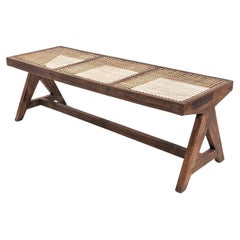
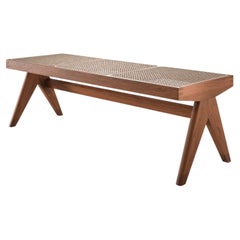
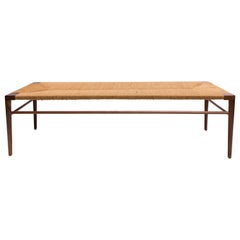
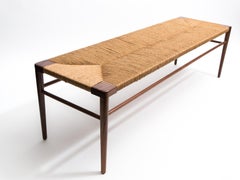
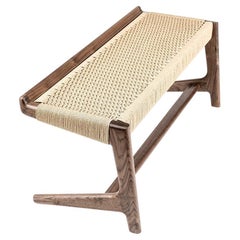
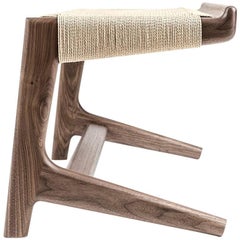
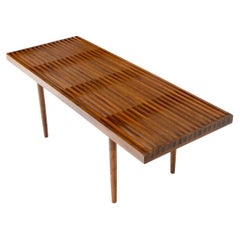
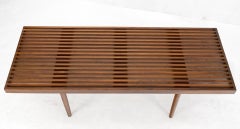
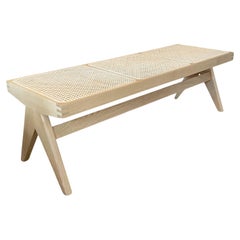
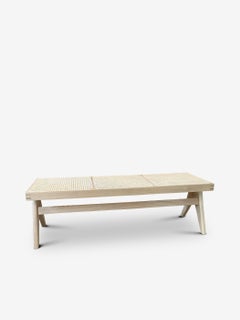
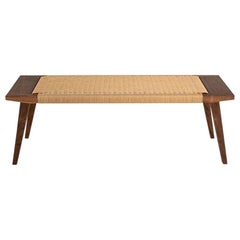
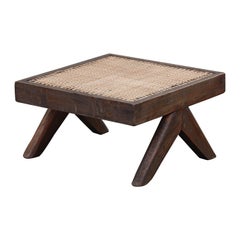
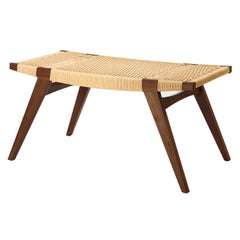
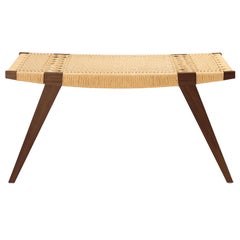
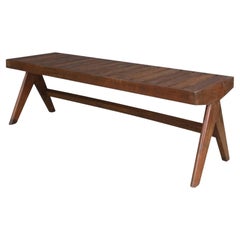
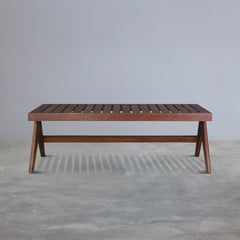
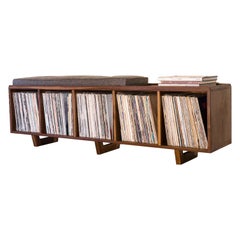
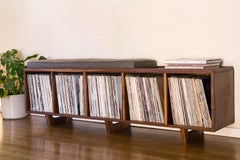
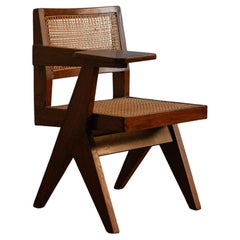
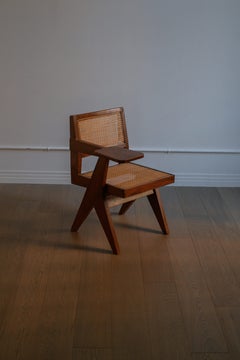
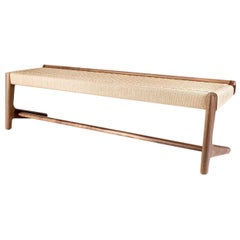
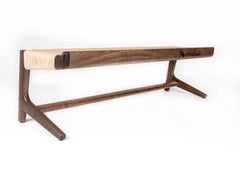
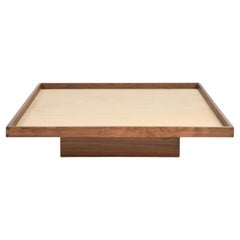
Jeanneret Cane Bench For Sale on 1stDibs
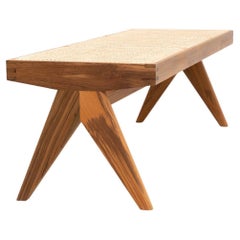
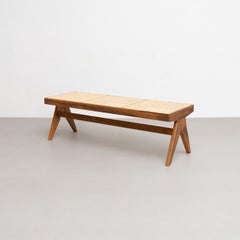
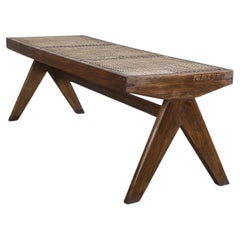
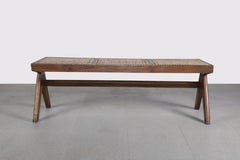
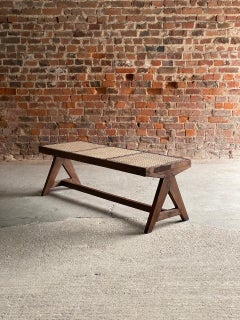
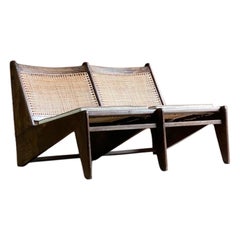
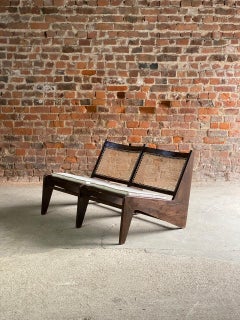
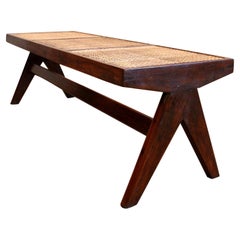
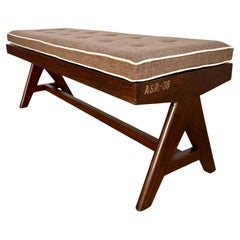
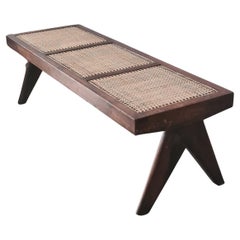
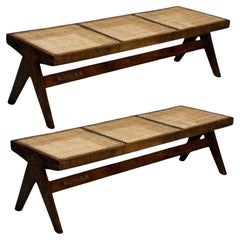
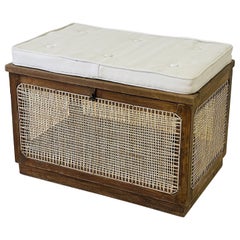
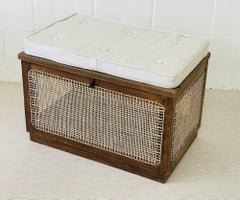
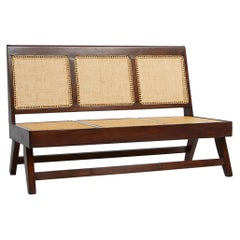
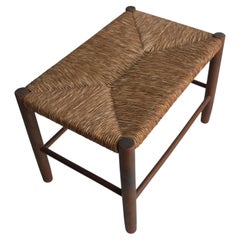
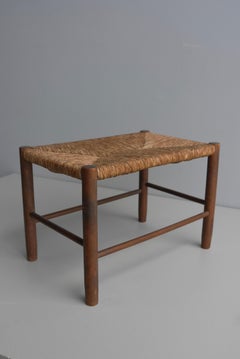
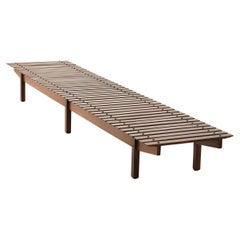
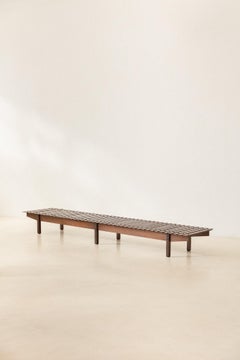
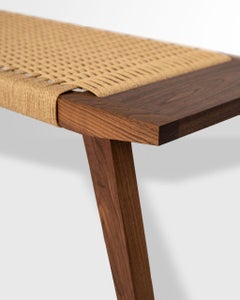
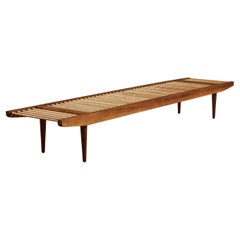
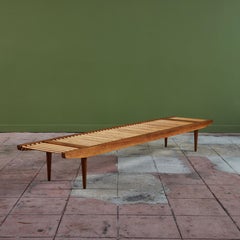
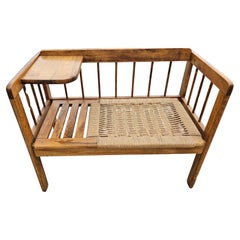
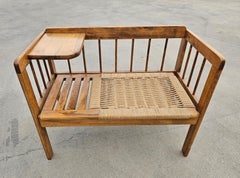
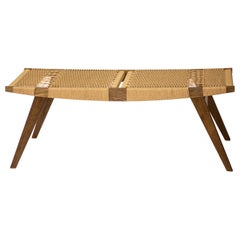
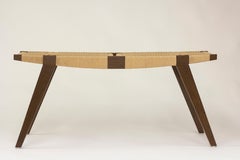
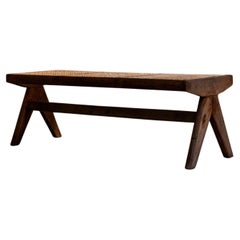
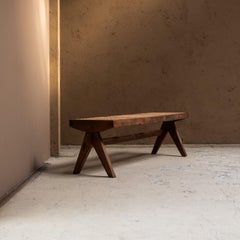
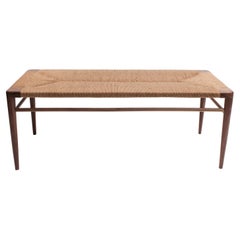
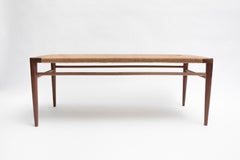
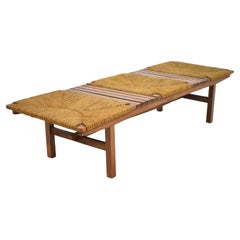
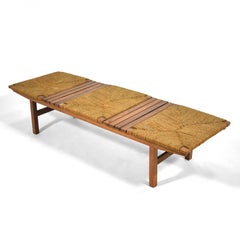
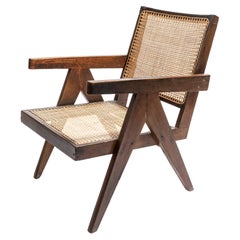
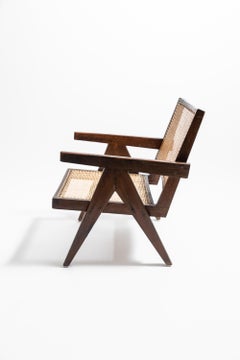
At 1stDibs, there are many versions of the ideal jeanneret cane bench for your home. Each jeanneret cane bench for sale was constructed with extraordinary care, often using
cane,
natural fiber and
wood. There are 9 variations of the antique or vintage jeanneret cane bench you’re looking for, while we also have 2 modern editions of this piece to choose from as well. There are many kinds of the jeanneret cane bench you’re looking for, from those produced as long ago as the 20th Century to those made as recently as the 21st Century. A jeanneret cane bench, designed in the
Mid-Century Modern style, is generally a popular piece of furniture.
How Much is a Jeanneret Cane Bench?
A jeanneret cane bench can differ in price owing to various characteristics — the average selling price 1stDibs is $18,900, while the lowest priced sells for $8,086 and the highest can go for as much as $50,847.
Pierre Jeanneret for sale on 1stDibs
If his famed cousin and longtime colleague Charles-Édouard Jeanneret — better known as Le Corbusier — was the visionary, then Pierre Jeanneret was the member of the architecture and design team who got things done. In recent years, Jeanneret has emerged from Le Corbusier’s shadow, as collectors have discovered his simple and striking chairs, benches, coffee tables and other furniture creations.
Jeanneret studied at the École des Beaux-Arts in Geneva and after he graduated in 1921 he became a partner in Le Corbusier’s office in Paris. The pair collaborated on numerous residential projects, most notably the Villa Savoye, the iconic modernist house in suburban Paris completed in 1931.
Jeanneret also worked with the great Charlotte Perriand on the Grand Modele line of tubular metal furnishings that was a sensation at the annual Salon d’Automne design expo in 1929. A rift developed between Jeanneret and his cousin during World War II, as the former joined the French resistance, while Le Corbusier cooperated with the occupying authorities in Vichy. The two did not work together again until 1950, when Le Corbusier persuaded Jeanneret to help execute the master plan for the new city of Chandigarh in Punjab, India. Jeanneret lived and worked there until the final years of his life.
A hallmark of Jeanneret’s furniture designs is his great sensitivity to materials. In contrast to the tubular-steel chairs produced by Marcel Breuer and other members of the Bauhaus, the chromed metal pieces designed by Jeanneret and Perriand — including such as the now-classic LC4 chaise longue and the Grand Confort lounge chair — have a sensuous, relaxed and welcoming look. Conversely, while Jeanneret uses essentially geometric forms for his wooden seating pieces, they exude warmth by nature of the material.
One of Jeanneret’s first manufactured designs in wood is the Model 92 Scissors chair, licensed by Hans and Florence Knoll when they were touring postwar France. But Jeanneret’s finest work in furniture was done in Chandigarh, and these are the pieces that have earned him recent renown.
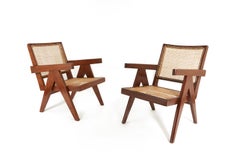
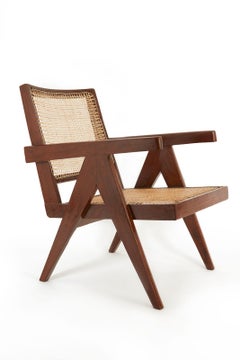
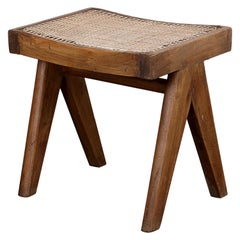
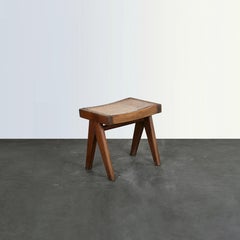
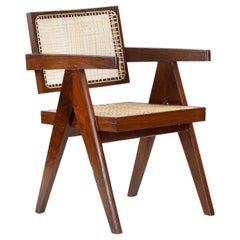
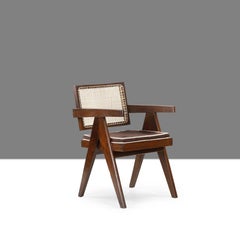
Crafted of teak, the Chandigarh designs range from low-slung lounge chairs and armchairs with cane seats to desks and tables, most with Jeanneret’s signature drafting compass-shaped legs. Many such pieces on the market today are refurbished, having been found by dealers languishing in scrapyards in India in the late 1990s. Chandigarh is now taking better care of its modernist heritage, making available Jeanneret works all the rarer.
Find authentic vintage Pierre Jeanneret chairs, case pieces, tables and other furniture today on 1stDibs.
A Close Look at Mid-century Modern Furniture
Organically shaped, clean-lined and elegantly simple are three terms that well describe vintage mid-century modern furniture. The style, which emerged primarily in the years following World War II, is characterized by pieces that were conceived and made in an energetic, optimistic spirit by creators who believed that good design was an essential part of good living.
ORIGINS OF MID-CENTURY MODERN FURNITURE DESIGN
CHARACTERISTICS OF MID-CENTURY MODERN FURNITURE DESIGN
MID-CENTURY MODERN FURNITURE DESIGNERS TO KNOW
ICONIC MID-CENTURY MODERN FURNITURE DESIGNS
VINTAGE MID-CENTURY MODERN FURNITURE ON 1STDIBS
The mid-century modern era saw leagues of postwar American architects and designers animated by new ideas and new technology. The lean, functionalist International-style architecture of Le Corbusier and Bauhaus eminences Ludwig Mies van der Rohe and Walter Gropius had been promoted in the United States during the 1930s by Philip Johnson and others. New building techniques, such as “post-and-beam” construction, allowed the International-style schemes to be realized on a small scale in open-plan houses with long walls of glass.
Materials developed for wartime use became available for domestic goods and were incorporated into mid-century modern furniture designs. Charles and Ray Eames and Eero Saarinen, who had experimented extensively with molded plywood, eagerly embraced fiberglass for pieces such as the La Chaise and the Womb chair, respectively.
Architect, writer and designer George Nelson created with his team shades for the Bubble lamp using a new translucent polymer skin and, as design director at Herman Miller, recruited the Eameses, Alexander Girard and others for projects at the legendary Michigan furniture manufacturer.
Harry Bertoia and Isamu Noguchi devised chairs and tables built of wire mesh and wire struts. Materials were repurposed too: The Danish-born designer Jens Risom created a line of chairs using surplus parachute straps for webbed seats and backrests.
The Risom lounge chair was among the first pieces of furniture commissioned and produced by celebrated manufacturer Knoll, a chief influencer in the rise of modern design in the United States, thanks to the work of Florence Knoll, the pioneering architect and designer who made the firm a leader in its field. The seating that Knoll created for office spaces — as well as pieces designed by Florence initially for commercial clients — soon became desirable for the home.
As the demand for casual, uncluttered furnishings grew, more mid-century furniture designers caught the spirit.
Classically oriented creators such as Edward Wormley, house designer for Dunbar Inc., offered such pieces as the sinuous Listen to Me chaise; the British expatriate T.H. Robsjohn-Gibbings switched gears, creating items such as the tiered, biomorphic Mesa table. There were Young Turks such as Paul McCobb, who designed holistic groups of sleek, blond wood furniture, and Milo Baughman, who espoused a West Coast aesthetic in minimalist teak dining tables and lushly upholstered chairs and sofas with angular steel frames.
Generations turn over, and mid-century modern remains arguably the most popular style going. As the collection of vintage mid-century modern chairs, dressers, coffee tables and other furniture for the living room, dining room, bedroom and elsewhere on 1stDibs demonstrates, this period saw one of the most delightful and dramatic flowerings of creativity in design history.
Finding the Right Benches for You
Don’t underestimate a good bench — antique and vintage benches are storage pieces, stylish accents and statement-making additional seating.
Today, benches are a great option to maximize seating in your house and outdoor space. The perfect option to create a warm, welcoming atmosphere in foyers and entryways, benches can also transform dining areas, making it possible to host a hungry family with limited space. Whether you’re sprucing up your entertaining with upholstered Empire-style benches or adding more options to a dining room that’s seen a farmhouse makeover, this humble furnishing has only become more versatile over the years. Designers have recognized the demand for a good bench, crafting the convenient seating alternative from a range of materials, including wood, iron and even concrete.
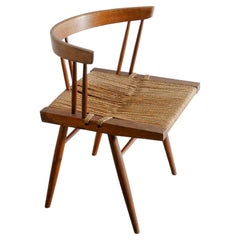
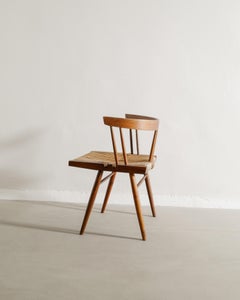
Mid-century modern benches from George Nakashima, Charlotte Perriand and the pared-down Platform bench by George Nelson for Herman Miller are classics of innovation, but maybe you’re looking for an unconventional design approach to your home's seating. Opt for something totally outside the box — an antique pine church-pew bench paired with a vintage wool throw and stationed under the mounted coatrack in your mudroom is a distinctive touch.
For your outdoor oasis, a wrought-iron patio bench is the obvious choice but not the only option. An enclosed back patio would do well to inherit a rattan bench with cushions, but it can be susceptible to weathering and should be covered or moved indoors when not in use.
Whatever your seating arrangement needs are, find vintage, new and antique benches for every space on 1stDibs.