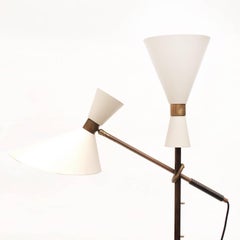
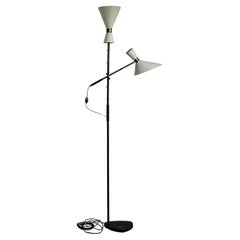
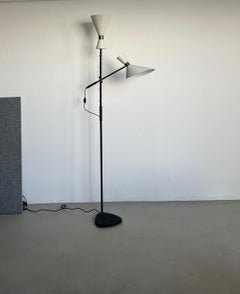
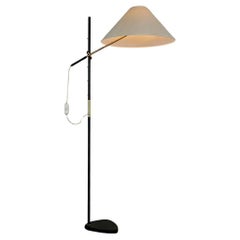
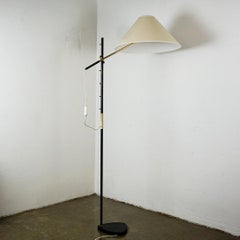
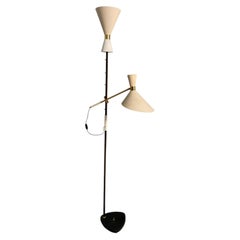
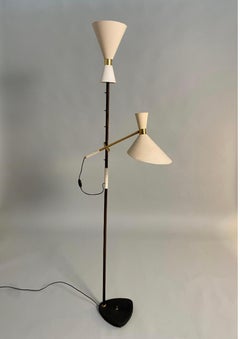
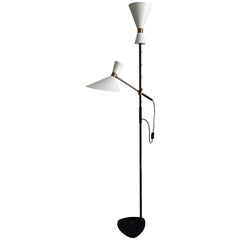
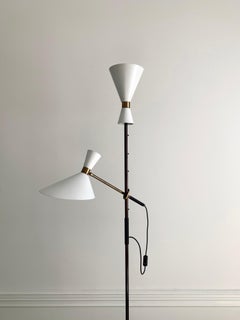
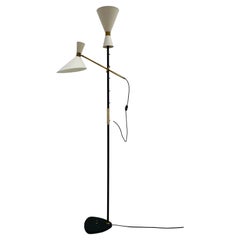
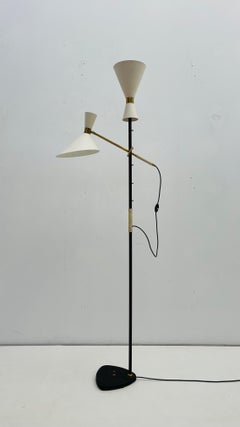
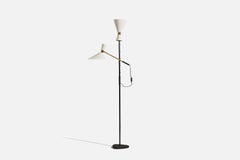
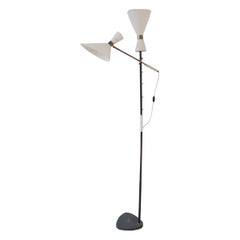
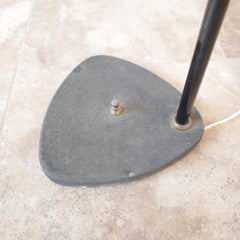
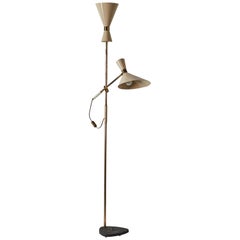
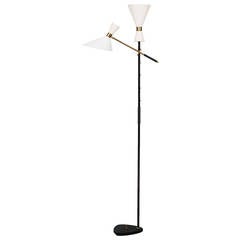
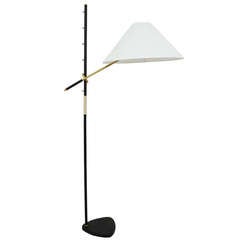
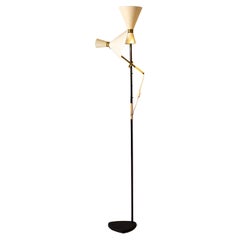
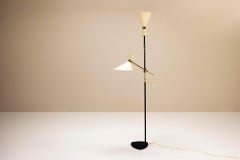
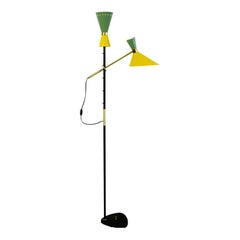
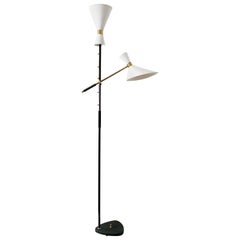
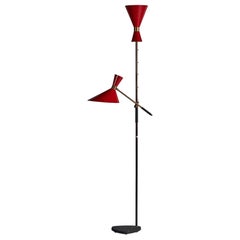
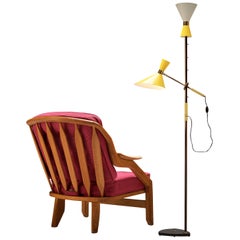
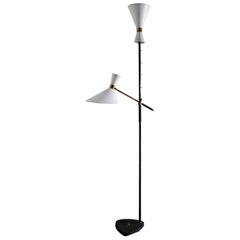
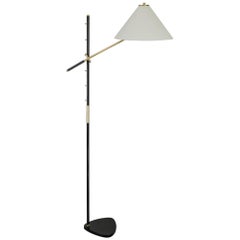
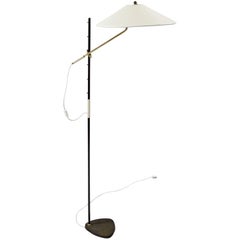
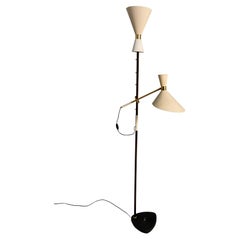
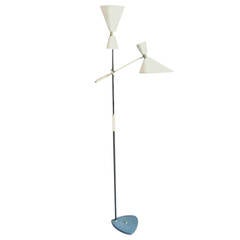
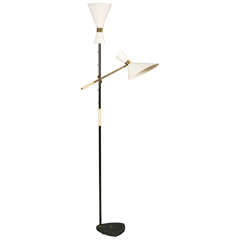
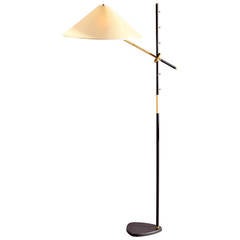
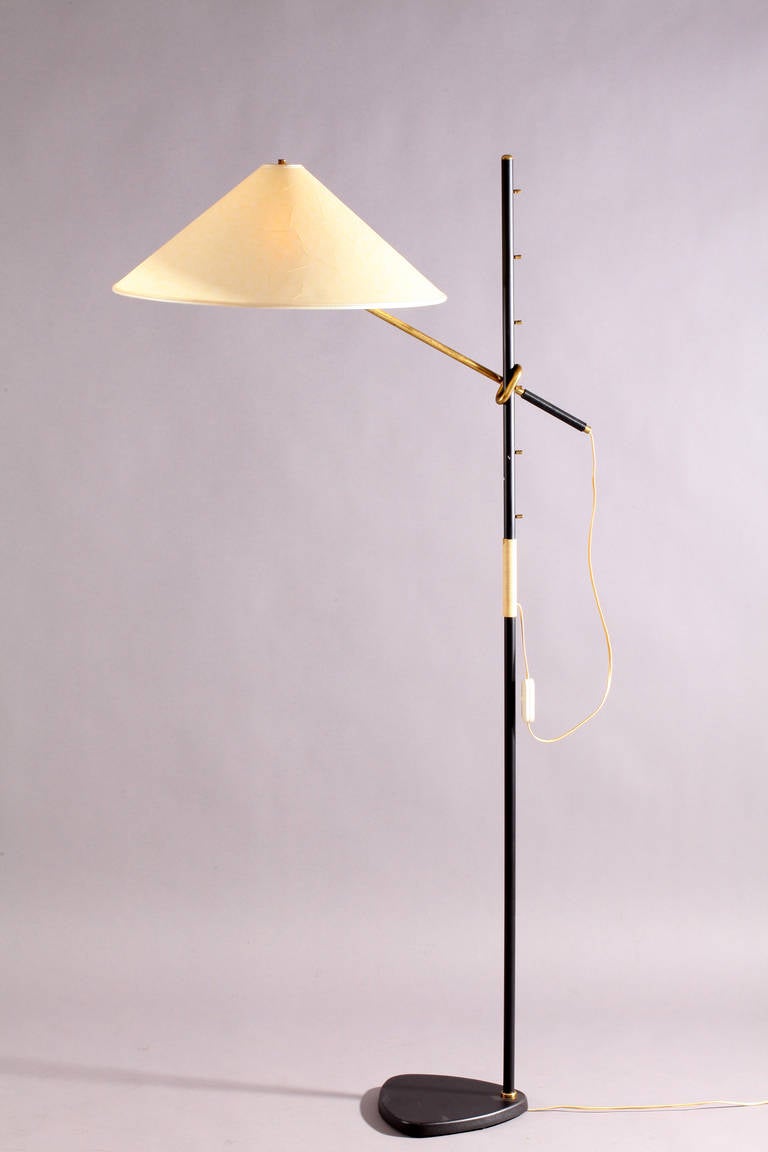
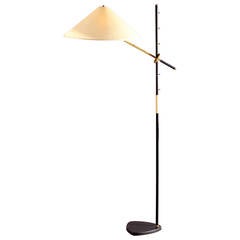
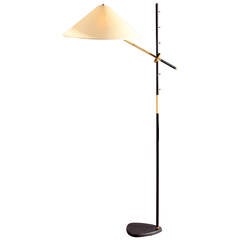
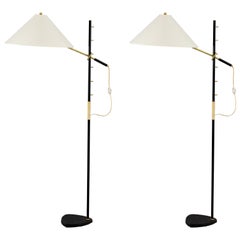
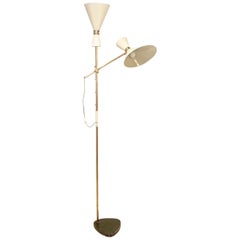
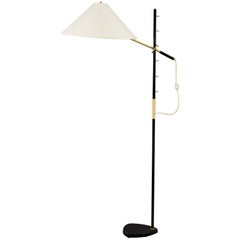
Kalmar Pelikan For Sale on 1stDibs
Find many varieties of an authentic kalmar pelikan available at 1stDibs. Frequently made of
metal,
brass and
fabric, every kalmar pelikan was constructed with great care. There are many kinds of the kalmar pelikan you’re looking for, from those produced as long ago as the 20th Century to those made as recently as the 20th Century. Each kalmar pelikan bearing
Mid-Century Modern hallmarks is very popular.
How Much is a Kalmar Pelikan?
Prices for a kalmar pelikan can differ depending upon size, time period and other attributes — at 1stDibs, they begin at $1,965 and can go as high as $10,440, while the average can fetch as much as $5,800.
J.T. Kalmar for sale on 1stDibs
In 1881, Julius August Kalmar founded Kalmar, a Viennese company that produced handcrafted objects of cast bronze. Kalmar developed a fine reputation and exhibited internationally often, but it was Kalmar’s son, Julius Theodor (J.T.) Kalmar, who took over in 1913 and made the company shine with its modernist lighting.
Having studied at the Birmingham School of Art and Design and under the Austrian architect Josef Hoffmann at the Vienna School of Applied Arts, J.T. was deeply inspired by the shift to modernity taking place in Europe and sought to work with the leading architects and designers of his time, including Austrian Werkbund architects Josef Frank and Oskar Wlach as well as Ernst Plischke, Clemens Holzmeister and Oswald Haerdtl. Similar to the Wiener Werkstätte cooperative cofounded by Hoffmann that prized materials, form and function, Kalmar viewed his company’s lighting fixtures as “quite humble things” meant to “fit in and serve their purpose of functionally illuminating spaces without glare.”
In 1925, Kalmar began selling in Haus und Garten, the forward-looking decor shop founded by Frank and Wlach. By 1931, a close partnership with the Austrian Werkbund association of architects, artists and craftsmen allowed the company to realize its vision of early 20th-century modernity — a distinctly Viennese pairing of traditional workmanship with contemporary technology. These collaborations included chandeliers and other fixtures using traditional materials such as glass, bronze and brass while focusing on function over ornamentation. As the company grew, so too did the scope of its projects, and soon Kalmar was installing extravagant chandeliers for the Vienna State Opera, the Burgtheater, Vienna stock exchange and other sites.
Under the guidance of Rudolf Calice, J.T. Kalmar’s son-in-law, the 1960s saw Kalmar’s popularity grow, thanks in part to the success of more decorative pieces like the ice-glass fixtures created with Austrian sculptor Karl Gruber. Thomas Calice, the great-grandson of Kalmar’s founder, led the company in the 1990s and its expansion to international lighting projects while shifting away from serial production. In 2009, Thomas’s son August Chalice established Kalmar Werkstätten to produce fixtures that reference the Kalmar archives but also feature updates on the iconic designs. Kalmar continues to produce bespoke fixtures while also working on custom lighting projects around the world, from cruise ships to the Burj Khalifa.
On 1stDibs, find a collection of vintage J.T. Kalmar lighting that includes chandeliers, wall lights, floor lamps and other fixtures.
A Close Look at Mid-century Modern Furniture
Organically shaped, clean-lined and elegantly simple are three terms that well describe vintage mid-century modern furniture. The style, which emerged primarily in the years following World War II, is characterized by pieces that were conceived and made in an energetic, optimistic spirit by creators who believed that good design was an essential part of good living.
ORIGINS OF MID-CENTURY MODERN FURNITURE DESIGN
CHARACTERISTICS OF MID-CENTURY MODERN FURNITURE DESIGN
MID-CENTURY MODERN FURNITURE DESIGNERS TO KNOW
ICONIC MID-CENTURY MODERN FURNITURE DESIGNS
VINTAGE MID-CENTURY MODERN FURNITURE ON 1STDIBS
The mid-century modern era saw leagues of postwar American architects and designers animated by new ideas and new technology. The lean, functionalist International-style architecture of Le Corbusier and Bauhaus eminences Ludwig Mies van der Rohe and Walter Gropius had been promoted in the United States during the 1930s by Philip Johnson and others. New building techniques, such as “post-and-beam” construction, allowed the International-style schemes to be realized on a small scale in open-plan houses with long walls of glass.
Materials developed for wartime use became available for domestic goods and were incorporated into mid-century modern furniture designs. Charles and Ray Eames and Eero Saarinen, who had experimented extensively with molded plywood, eagerly embraced fiberglass for pieces such as the La Chaise and the Womb chair, respectively.
Architect, writer and designer George Nelson created with his team shades for the Bubble lamp using a new translucent polymer skin and, as design director at Herman Miller, recruited the Eameses, Alexander Girard and others for projects at the legendary Michigan furniture manufacturer.
Harry Bertoia and Isamu Noguchi devised chairs and tables built of wire mesh and wire struts. Materials were repurposed too: The Danish-born designer Jens Risom created a line of chairs using surplus parachute straps for webbed seats and backrests.
The Risom lounge chair was among the first pieces of furniture commissioned and produced by celebrated manufacturer Knoll, a chief influencer in the rise of modern design in the United States, thanks to the work of Florence Knoll, the pioneering architect and designer who made the firm a leader in its field. The seating that Knoll created for office spaces — as well as pieces designed by Florence initially for commercial clients — soon became desirable for the home.
As the demand for casual, uncluttered furnishings grew, more mid-century furniture designers caught the spirit.
Classically oriented creators such as Edward Wormley, house designer for Dunbar Inc., offered such pieces as the sinuous Listen to Me chaise; the British expatriate T.H. Robsjohn-Gibbings switched gears, creating items such as the tiered, biomorphic Mesa table. There were Young Turks such as Paul McCobb, who designed holistic groups of sleek, blond wood furniture, and Milo Baughman, who espoused a West Coast aesthetic in minimalist teak dining tables and lushly upholstered chairs and sofas with angular steel frames.
Generations turn over, and mid-century modern remains arguably the most popular style going. As the collection of vintage mid-century modern chairs, dressers, coffee tables and other furniture for the living room, dining room, bedroom and elsewhere on 1stDibs demonstrates, this period saw one of the most delightful and dramatic flowerings of creativity in design history.
Finding the Right Floor-lamps for You
The modern floor lamp is an evolution of torchères — tall floor candelabras that originated in France as a revolutionary development in lighting homes toward the end of the 17th century. Owing to the advent of electricity and the introduction of new materials as a part of lighting design, floor lamps have taken on new forms and configurations over the years.
In the early 1920s, Art Deco lighting artisans worked with dark woods and modern metals, introducing unique designs that still inspire the look of modern floor lamps developed by contemporary firms such as Luxxu.
Popular mid-century floor lamps include everything from the enchanting fixtures by the Italian lighting artisans at Stilnovo to the distinctly functional Grasshopper floor lamp created by Scandinavian design pioneer Greta Magnusson-Grossman to the Paracarro floor lamp by the Venetian master glass workers at Mazzega. Among the more celebrated names in mid-century lighting design are Milanese innovators Achille and Pier Giacomo Castiglioni, who, along with their eldest brother, Livio, worked for their own firm as architects and designers. While Livio departed the practice in 1952, Achille and Pier Giacomo would go on to design the Arco floor lamp, the Toio floor lamp and more for legendary lighting brands such as FLOS.
Today’s upscale interiors frequently integrate the otherworldly custom lighting solutions created by a wealth of contemporary firms and designers such as Spain’s Masquespacio, whose Wink floor lamps integrate gold as well as fabric fringes.
Visual artists and industrial designers have a penchant for floor lamps, possibly because they’re so often a clever marriage of design and the functions of lighting. A good floor lamp can change the mood of any room while adding a touch of elegance to your entire space. Find yours now on 1stDibs.