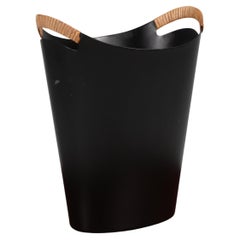
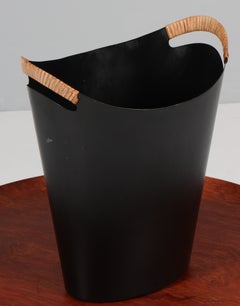
Finn Juhl & Grethe Kornerup-Bang, Paperbin
By Finn Juhl
Located in Esbjerg, DK
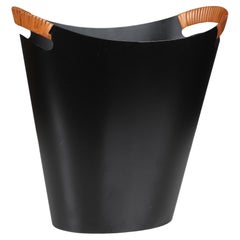
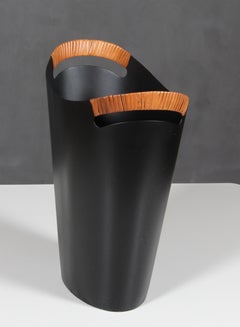
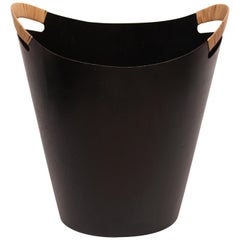
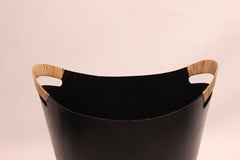
Finn Juhl & Grethe Kornerup-Bang paperbin in laquered steel. Handles with cane.
Category
Vintage 1960s Danish Scandinavian Modern Decorative Baskets
Materials
Steel
Finn Juhl & Grethe Kornerup-Bang, Paperbin
By Finn Juhl
Located in Esbjerg, DK
Finn Juhl & Grethe Kornerup-Bang paperbin in laquered steel. Handles with cane.
Steel
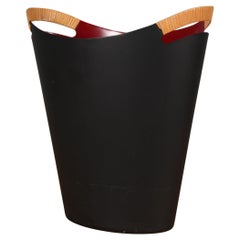
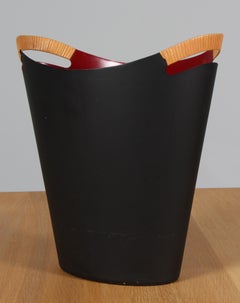
Finn Juhl & Grethe Kornerup-Bang, Paperbin
By Finn Juhl
Located in Esbjerg, DK
Finn Juhl & Grethe Kornerup-Bang paperbin in laquered steel. Handles with cane.
Steel
Finn Juhl & Grethe Kornerup-Bang, Paperbin
By Finn Juhl
Located in Esbjerg, DK
Finn Juhl & Grethe Kornerup-Bang paperbin in laquered steel. Handles with cane.
Steel
Finn Juhl & Grethe Kornerup-Bang, Paperbin
By Finn Juhl
Located in Esbjerg, DK
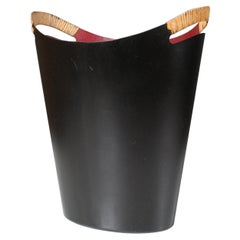
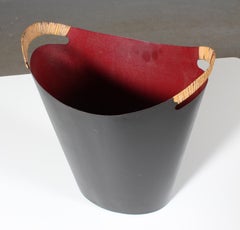
Finn Juhl & Grethe Kornerup-Bang paperbin in laquered steel. Handles with cane.
Steel
Sold
H 13 in W 11.82 in D 8.27 in
Paper Bucket in Black Metal with Papercord by Finn Juhl and Grethe Kornerup-Bang
By Finn Juhl, Torben Orskov
Located in Lejre, DK
Paper bucket in black metal with papercord by Finn Juhl and Grethe Kornerup-Bang from the 1950s and manufactured by Torben Ørskov.
Metal
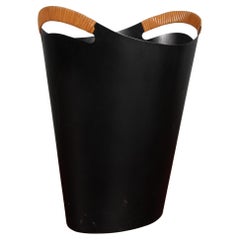
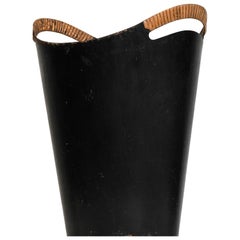
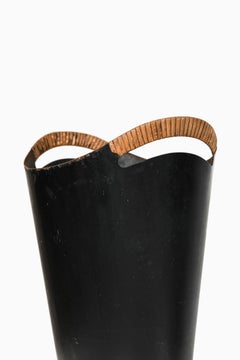
Finn Juhl & Grethe Kornerup-Bang, Paperbin
By Finn Juhl
Located in Esbjerg, DK
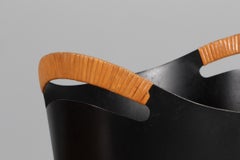
Finn Juhl & Grethe Kornerup-Bang paperbin in laquered steel. Handles with cane.
Steel
Sold
H 13.39 in W 11.42 in D 8.27 in
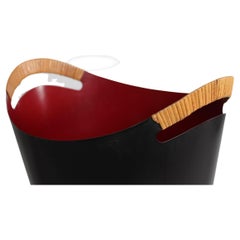
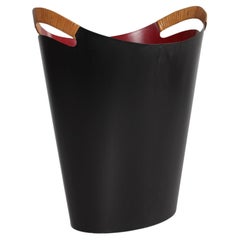
Finn Juhl & Grete Kornerup Bang Waste Bin Produced by Torben Orskov in Denmark
By Finn Juhl, Grete Kornerup Bang
Located in Limhamn, Skåne län
Rare waste bin designed by Finn Juhl & Grete Kornerup Bang. Produced by Torben Orskov in Denmark.
Metal
Sold
H 13.39 in W 11.03 in D 8.47 in
Danish Paper Basket by Grethe Kornerup-Bang + Torben Ørskov, Metal + Cane, 1960s
By Finn Juhl, Torben Orskov, Grete Kornerup Bang
Located in Silkeborg, Silkeborg
Danish vintage waste paper bin designed by Grete Kornerup-Bang and manufactured by Torben Ørskov. This bin is made of metal with black and oxblood red lacquer which is rare to find.
Metal
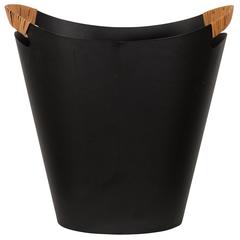

Wastepaper Bin designed by Grete Kornerup Bang
By Torben Orskov, Grete Kornerup Bang
Located in Copenhagen, DK
Black metal wastepaper basket with cane covered handles. Manufactured by Torben Ørskov & Co.
Metal
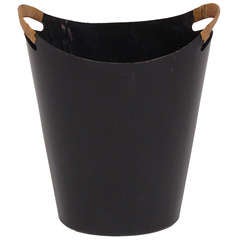

Waste Bin by Finn Juhl and Grete Kornerup Bang
By Torben Orskov, Finn Juhl, Grete Kornerup Bang
Located in Hudson, NY
Black metal trash can, with rattan handles, designed in collaboration with Finn Juhl and Grete Bang, made by Torben Orskov.
$950
H 17.5 in W 15.5 in D 8.75 in
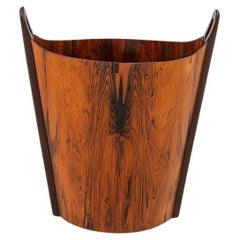
1963 Rosewood Waste Basket by Einar Barnes for P.S. Heggen, Made in Norway
By Einar Barnes , P.S. Heggen
Located in Philadelphia, PA
This is a Brazilian Rosewood Wastebasket, designed by Einar Barnes for P.S. Heggen in around 1963. This piece dates to around the same time. It features a facade and an interior that...
Wood, Rosewood
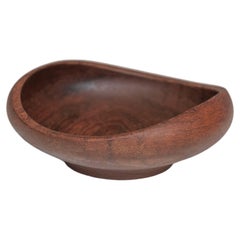
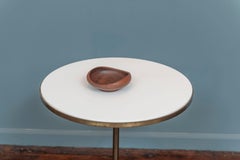
Finn Juhl for Kay Bojesen Teak Bowl
By Finn Juhl
Located in San Francisco, CA
Danish modern teak bowl designed by Finn Juhl for Kay Bojesen, Denmark. Turned from a single piece of teak wood into an organic modern shape. Polished and clean, with original patina...
Teak
$800
H 17 in W 15 in D 9 in
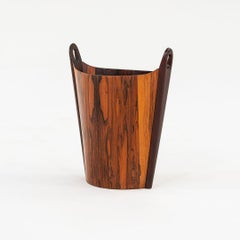
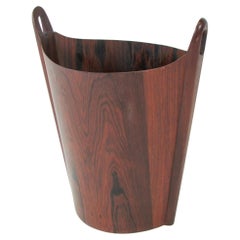
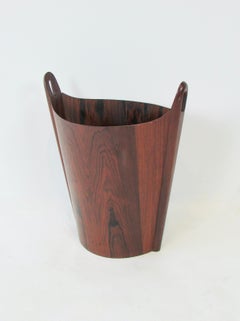
Einar Barnes for P.S. Heggen Scandinavian Modern Rosewood Trash Can Wastebasket
By Einar Barnes , P.S. Heggen
Located in Ferndale, MI
Beautifully grained rosewood trash can. Designed in Norway by Einar Barnes for P.S. Hegen.
Wood
$3,875
H 11.25 in Dm 7.88 in
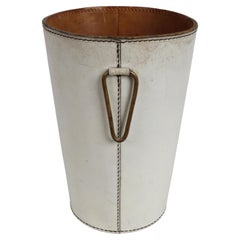
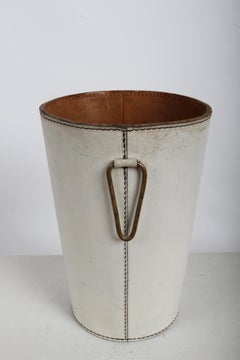
1950s Carl Auböck Stamped Austrian Leather & Brass Loop Handle Wastepaper Basket
By Werkstätte Carl Auböck
Located in St. Louis, MO
An exceptional, rare, and highly collectible Mid-Century Modern wastepaper basket, designed by the master of Austrian "tactile modernism," Carl Auböck II (1900–1957), and hand-crafte...
Bronze
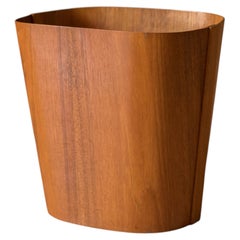
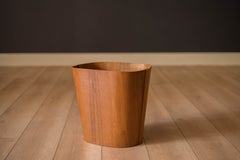
Mid Century Modern Teak Waste Basket by Beni Mobler
By Beni Møbler 1
Located in San Jose, CA
Vintage waste paper bin in teak by Beni Mobler, Denmark circa 1960s. This functional decor piece features a unique wide shape and natural wood grain variations. The perfect accessory...
Teak
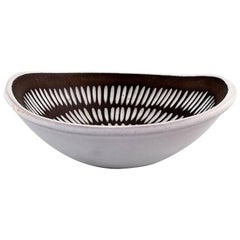
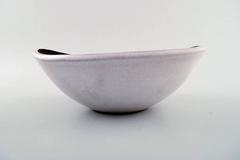
Ingrid Atterberg Bowl for Upsala Ekeby of Sweden
Located in København, Copenhagen
Ingrid Atterberg bowl for Upsala Ekeby of Sweden. Produced between 1953-1958, it is from the Negro Series. matte brown glazed finish inside with incised cut design in concentr...
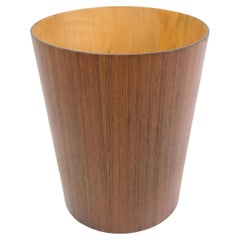
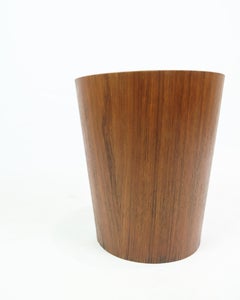
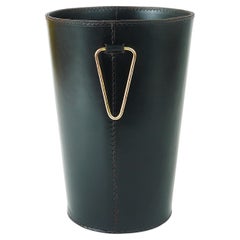
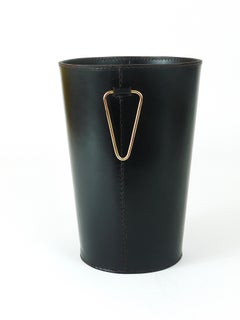
Paper basket In Teak Designed By Servex, Made in Sweden From 1960s
By Servex 1
Located in Lejre, DK
The teak waste bin of Swedish design from Servex, produced around the 1960s, represents a beautiful union of functionality and style within Scandinavian design. This wastebasket is a...
Teak
$2,400
H 11.5 in Dm 8 in
Mid-Century Carl Auböck Black Leather & Brass Wastepaper Basket, Austria, 1950s
By Werkstätte Carl Auböck
Located in Vienna, AT
A beautiful and elegant, vintage Mid-Century Modern paper basket / paper bin from the 1950s. Designed an executed by Werkstätte Carl Aubock, Vienna / Austria. Handmade and hand-sewn ...
Brass
Stunning Mid-Century Modern Planter in the Style of Finn Juhl
By Finn Juhl
Located in Miami, FL
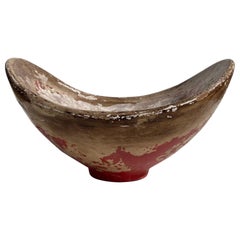
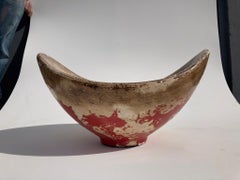
Stunning Mid-Century Modern Planter in the style of Finn Juhl. Terracotta with paint finish. Needs to be restored or used in current condition. We can help.
Terracotta
$220Sale Price|20% Off
H 4 in W 6 in D 5.5 in
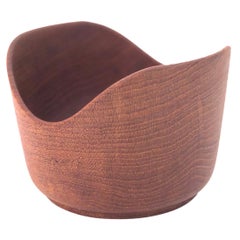
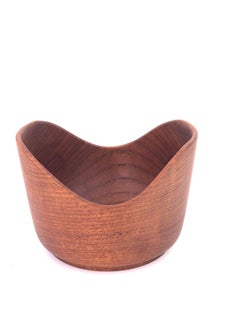
Danish Modern Solid Teak Hand Turned Bowl by Kesa Denmark
By Finn Juhl
Located in San Diego, CA
A beautiful solid teak handcrafted bowl, circa 1950s in solid teak in the style of Finn Juhl, manufactured by Kesa Denmark we have cleaned and oiled this piece its in great condition.
Teak
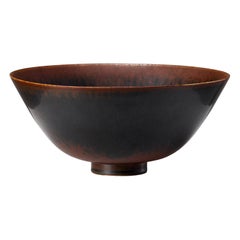
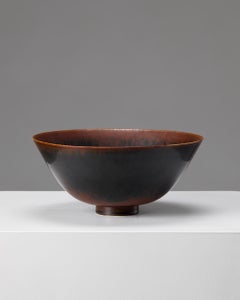
Bowl designed by Carl-Harry Stålhane for Rörstrand, Sweden, 1951
By Carl-Harry Stålhane, Rörstrand
Located in Stockholm, SE
A stoneware bowl designed by Carl-Harry Stålhane for Rörstrand in Sweden in 1951, with a wide flaring body raised on a small foot. The surface is finished in a dark glaze, moving bet...
Stoneware
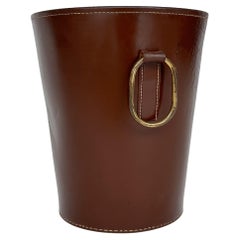
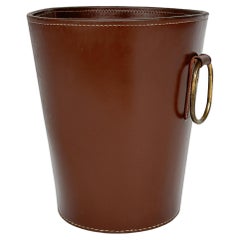
Illums Bolighus Paper Waste Basket Leather Brass Denmark 1950s Paper Bin
By Illums Bolighus, Werkstätte Carl Auböck
Located in Basel, BS
Rare paper basket in thick, stitched leather witz a solid brass handle, designed by Illums Bolighus in Copenhagen, made in Denmark in the 1950s to early 1960s. These paper waste bas...
Brass
$1,748
H 15.36 in Dm 7.68 in
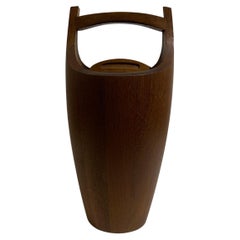
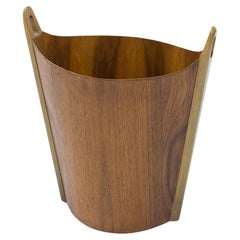
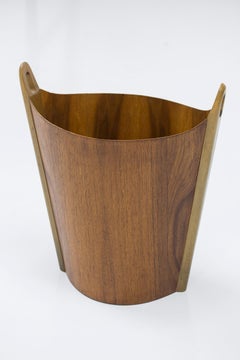
Mid-20th Century Modern Scandinavian Dansk Teak Ice Bucket by Jens Quistgaard
By Jens Quistgaard
Located in Beirut, LB
Dansk is one of the most celebrated makers of midcentury table and kitchenware. Their teaks and enamels are in designs that endure the decades make Dansk items highly sought after an...
Wood, Teak
$1,282
H 17.33 in W 15.36 in D 8.67 in
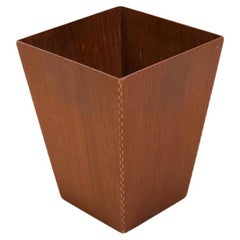
Wastepaper bin in teak by Einar Barnes, PS Heggen, Norway, 1960s
By P.S. Heggen, Einar Barnes
Located in Hägersten, SE
Wastepaper bin designed by Einar Barnes. Produced in Norway by PS Heggen during the 1950s. Made from laminated teak and beech wood. Very good vintage condition with age related wear ...
Beech, Teak
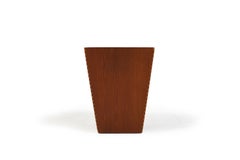
Danish Waste Paper Basket in Teak 1950s
Located in Handewitt, DE
Danish vintage waste paper basket in teak. Denmark, 1950s. Corner edges with inlaid work in birch wood.
Birch, Teak
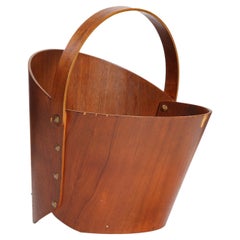
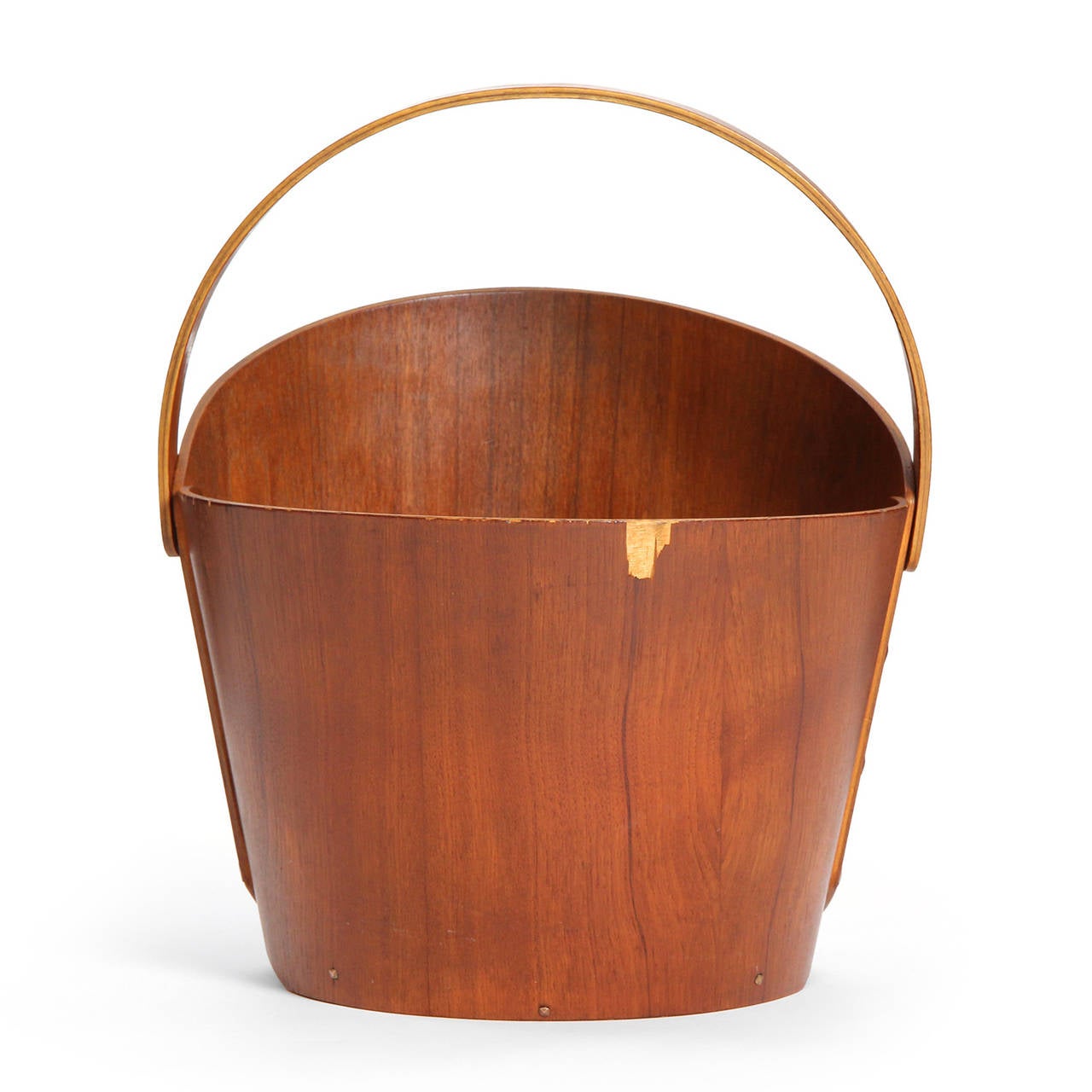
Teak Peridiocals Basket from Denmark
Located in Sagaponack, NY
A well scaled and unusual periodicals basket having an adjustable bronze riveted looping handle and finely crafted of molded teak plywood.
Teak
Along with Hans Wegner, Arne Jacobsen and Børge Mogensen, Finn Juhl was one of the great masters of mid-20th-century Danish design. Juhl was the first among that group to have his work promoted overseas, bringing the character of the nation’s furnishings — and the inherent principles of grace, craftsmanship and utility on which they were based — to an international audience.
A stylistic maverick, Juhl embraced expressive, free-flowing shapes in chair, credenzas and sofa designs much earlier than his colleagues, yet even his quietest pieces incorporate supple, curving forms that are at once elegant and ergonomic.
As a young man, Juhl hoped to become an art historian, but his father steered him into a more practical course of study in architecture. He began designing furniture in the late 1930s, a discipline in which, despite his education, Juhl was self-taught, and quite proud of the fact.
Juhl’s earliest works, designed in the late 1930s, are perhaps his most idiosyncratic. The influence of modern art is clear in his 1939 Pelican chair: an almost Surrealist take on the classic wing chair. Critics reviled the piece, however; one said it looked like a "tired walrus." Juhl had tempered his creativity by 1945, when the workshop of Danish cabinetmaker Niels Vodder began to issue his designs. Yet Juhl’s now-classic NV 45 armchair still demonstrates panache, with a seat that floats above the chair’s teak frame.
Juhl first exhibited his work in the United States in 1950, championed by Edgar Kaufmann Jr., an influential design critic and scion of America’s most prominent family of modern architecture and design patrons. (Kaufmann’s father commissioned Frank Lloyd Wright’s design of the house “Fallingwater.”)
Juhl quickly won a following for such signature designs as the supremely comfortable Chieftan lounge chair, the Judas table — a piece ornamented with stylish inlaid silver plaquettes — and the biomorphic Baker sofa. After an article authored by Kaufmann on Juhl and his work appeared in the U.S.-based magazine Interiors in 1948, he began receiving American commissions.
Kaufmann commissioned Juhl to create the exhibition design for, and contribute pieces to, the 1951 edition of the Good Design shows he organized for MoMA and Chicago’s Merchandise Mart. Baker Furniture asked Juhl to design for the firm, and he produced a collection of chairs, tables and cabinets, and, later, the 1957 sofa.
Scandinavian modernist seating, such as the chairs and sofas Juhl created for Baker, became immensely popular in postwar America, as the seeds of the Scandinavian style that Juhl sowed took root and spread in the United States. Juhl and his work featured prominently in the landmark show “Design from Scandinavia,” which opened in 1954 at the Virginia Museum of Fine Arts and traveled to 24 museums in the U.S. and Canada; over three years, it was seen by more than a million people.
Juhl’s furniture — as well as his ceramics, tableware and accessories — has an air of relaxed sophistication and elegance that is unique in the realm of mid-century design.
Find vintage Finn Juhl armchairs, coffee tables, desks and other furniture for sale on 1stDibs.
Scandinavian modernism is perhaps the warmest and most organic iteration of modernist design. The work of the designers associated with vintage Scandinavian modern furniture was founded on centuries-old beliefs in both quality craftsmanship and the ideal that beauty should enhance even the humblest accessories of daily life.
ORIGINS OF SCANDINAVIAN MODERN FURNITURE DESIGN
CHARACTERISTICS OF SCANDINAVIAN MODERN FURNITURE DESIGN
SCANDINAVIAN MODERN FURNITURE DESIGNERS TO KNOW
ICONIC SCANDINAVIAN MODERN FURNITURE DESIGNS
VINTAGE SCANDINAVIAN MODERN FURNITURE ON 1STDIBS
The gentle, organic contours that are typical of Scandinavian design appear in the furnishings and decor created by Danish, Finnish and Swedish designers not as a stylistic gesture, but rather as a practical, ergonomic — and, as importantly, elegant — response to the human form.
Each nation produced exceptional talents in all areas of the applied arts, yet each had its forté. Sweden was home to Greta Magnusson Grossman and Bruno Mathsson — creators of the classic Grasshopper lighting series and Berlin daybed, respectively — but the country excelled most notably at ceramics. In the 1920s at the great Gustavsberg porcelain manufactory, Wilhelm Kåge introduced pieces in the Scandinavian style based on influences from folklore to Cubism; his skills were passed on to his versatile and inspired pupils Berndt Friberg and Stig Lindberg.
Likewise, Finland produced a truly ingenious Scandinavian modern furniture designer in the architect Alvar Aalto, a master at melding function and artistic form in works like the Paimio chair, created in collaboration with his first wife, Aino. Yet Finnish glassware was pre-eminent, crafted in expressive, sculptural designs by Tapio Wirkkala and Timo Sarpaneva.
The Danes excelled at chairs. Hans Wegner and Arne Jacobsen were exemplars of the country’s facility with wood, particularly teak.
Wegner created such iconic pieces as the Round chair and the Wishbone chair; Jacobsen — while the revolutionary architect and furniture innovator produced the best-selling plywood Ant chair — designed two classic upholstered pieces of the 1950s: the Swan chair and Egg chair. The list of great Danes could go on and on, including Finn Juhl, a stylistic maverick and maker of the bold Chieftain chair; Poul Kjaerholm, with his lean metal-and-rattan aesthetic; and Verner Panton, who introduced a vibrant Pop note into international design.
Today, decades after their heyday, the prolific, ever-evolving Scandinavian modernists continue to amaze and delight, and interior designers all over the world use their pieces to bring warmth to any given space.
On 1stDibs, you will note both instantly recognizable vintage Scandinavian modern chairs, sofas, rugs and tables — those that have earned iconic status over time — and many new discoveries.
Every time you move into a house or an apartment — or endeavor to refresh the home you’ve lived in for years — life for that space begins anew. The right home accent, be it the simple placement of a decorative bowl on a shelf or a ceramic vase for fresh flowers, can transform an area from drab to spectacular. But with so many materials and items to choose from, it’s easy to get lost in the process. The key to styling with antique and vintage decorative objects is to work toward making a happy home that best reflects your personal style.
Ceramics are a versatile addition to any home. If you’ve amassed an assortment of functional pottery over the years, think of your mugs and salad bowls as decorative objects, ideal for displaying in a glass cabinet. Vintage ceramic serveware can pop along white open shelving in your dining area, while large stoneware pitchers paired with woven baskets or quilts in an open cupboard can introduce a rustic farmhouse-style element to your den.
Translucent decorative boxes or bowls made of an acrylic plastic called Lucite — a game changer in furniture that’s easy to clean and lasts long — are modern accents that are neutral enough to dress up a coffee table or desktop without cluttering it. If you’re showcasing pieces from the past, a vintage jewelry box for displaying your treasures can spark conversation: Where is the jewelry box from? Is there a story behind it?
Abstract sculptures or an antique vessel for your home library can draw attention to your book collection and add narrative charm to the most appropriate of corners. There’s more than one way to style your bookcases, and decorative objects add a provocative dynamic. “I love magnifying glasses,” says Alex Assouline, global vice president of luxury publisher Assouline, of adding one’s cherished objects to a home library. “They are both useful and decorative. Objects really elevate libraries and can also make them more personal.”
To help with personalizing your space and truly making it your own, find an extraordinary collection of decorative objects on 1stDibs.