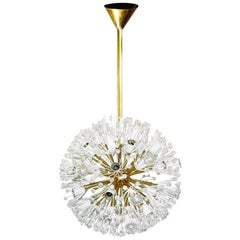
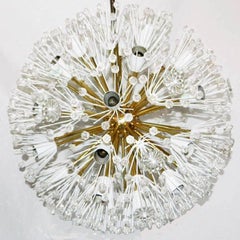
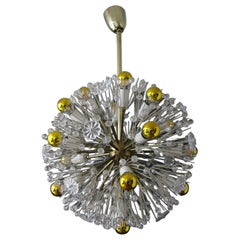
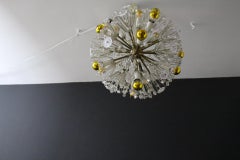
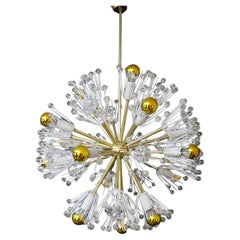
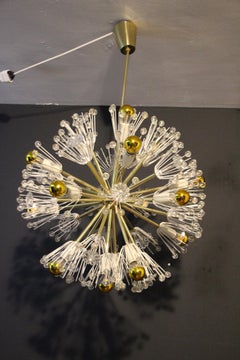
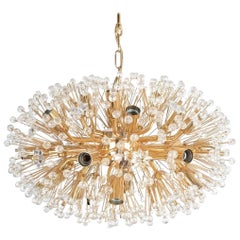
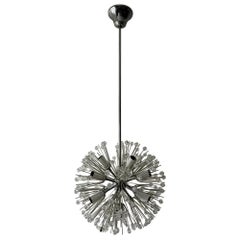
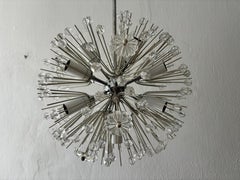
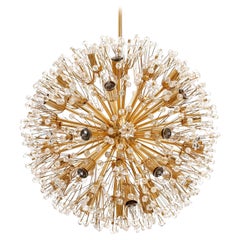
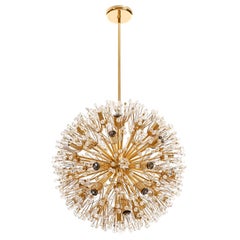
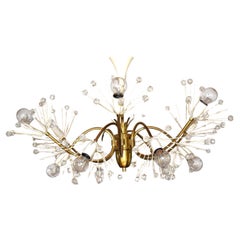
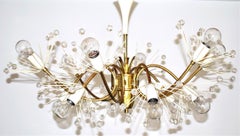
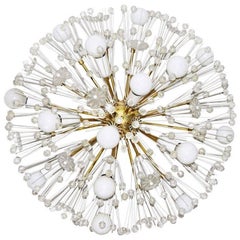
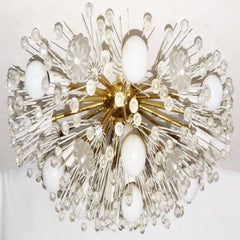
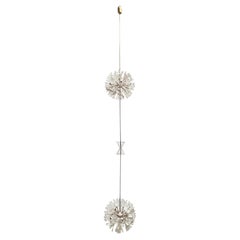
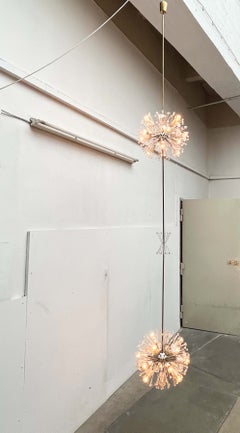
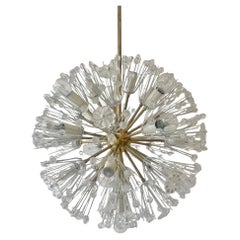
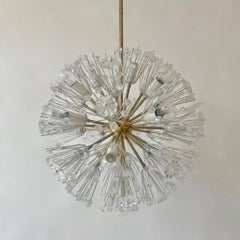
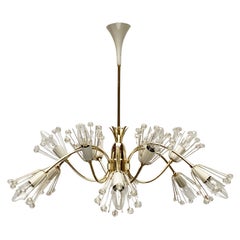
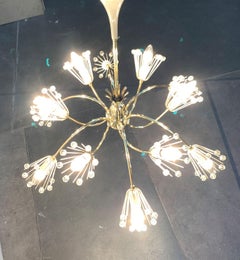
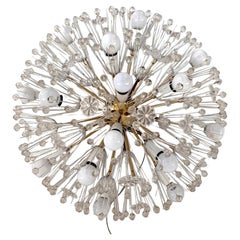
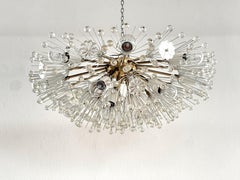
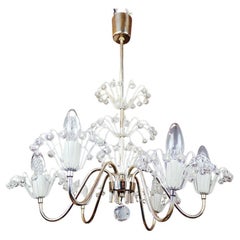
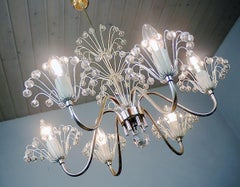
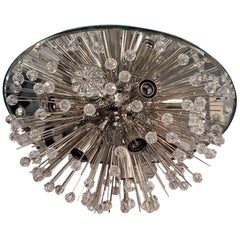
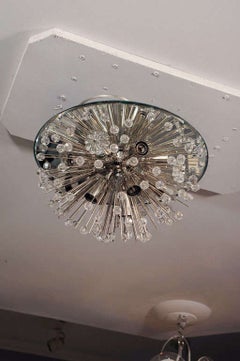
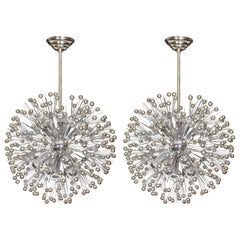
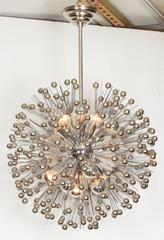
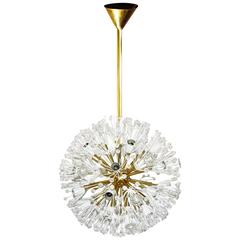
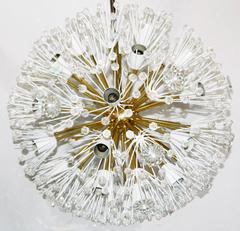
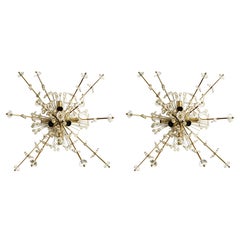
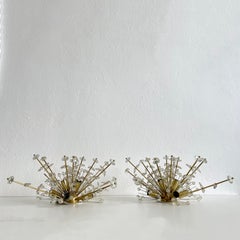
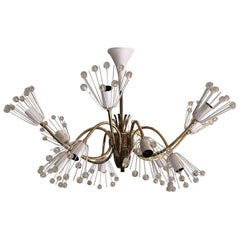
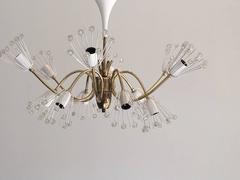
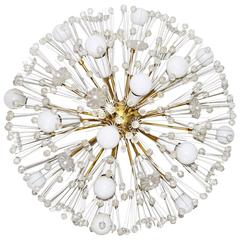
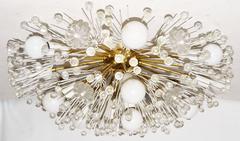
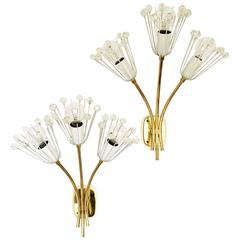
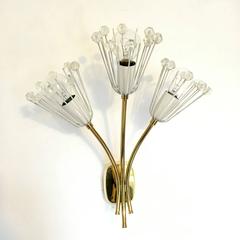
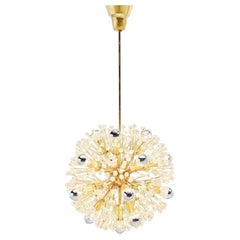
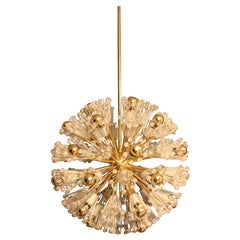
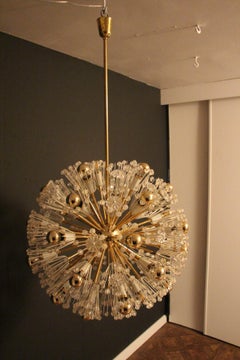
Emil Stejnar Snowflake For Sale on 1stDibs
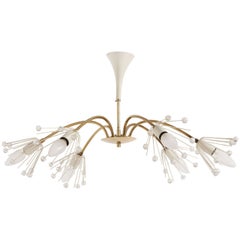
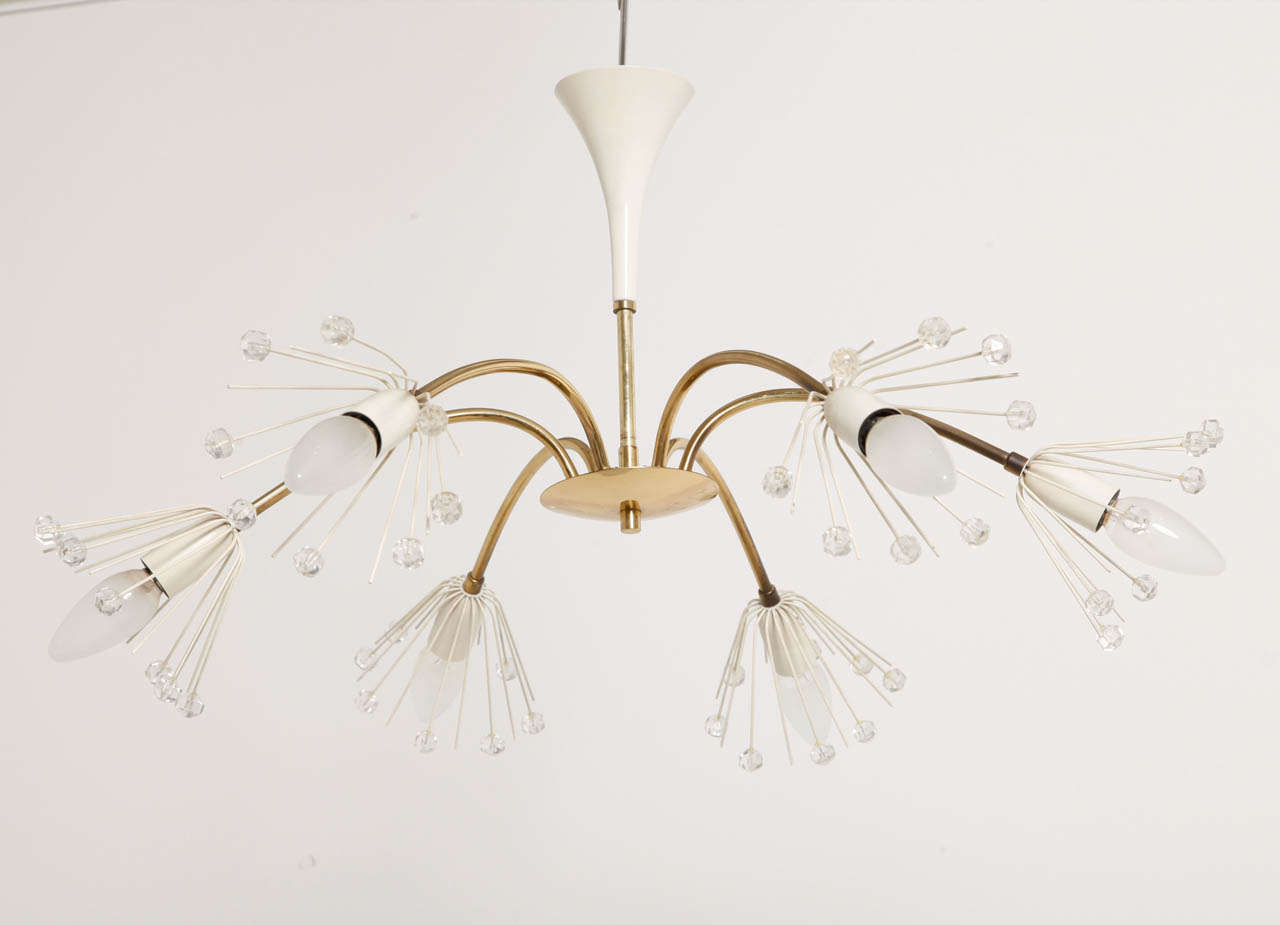
Find many varieties of an authentic emil stejnar snowflake available at 1stDibs. Frequently made of
metal,
brass and
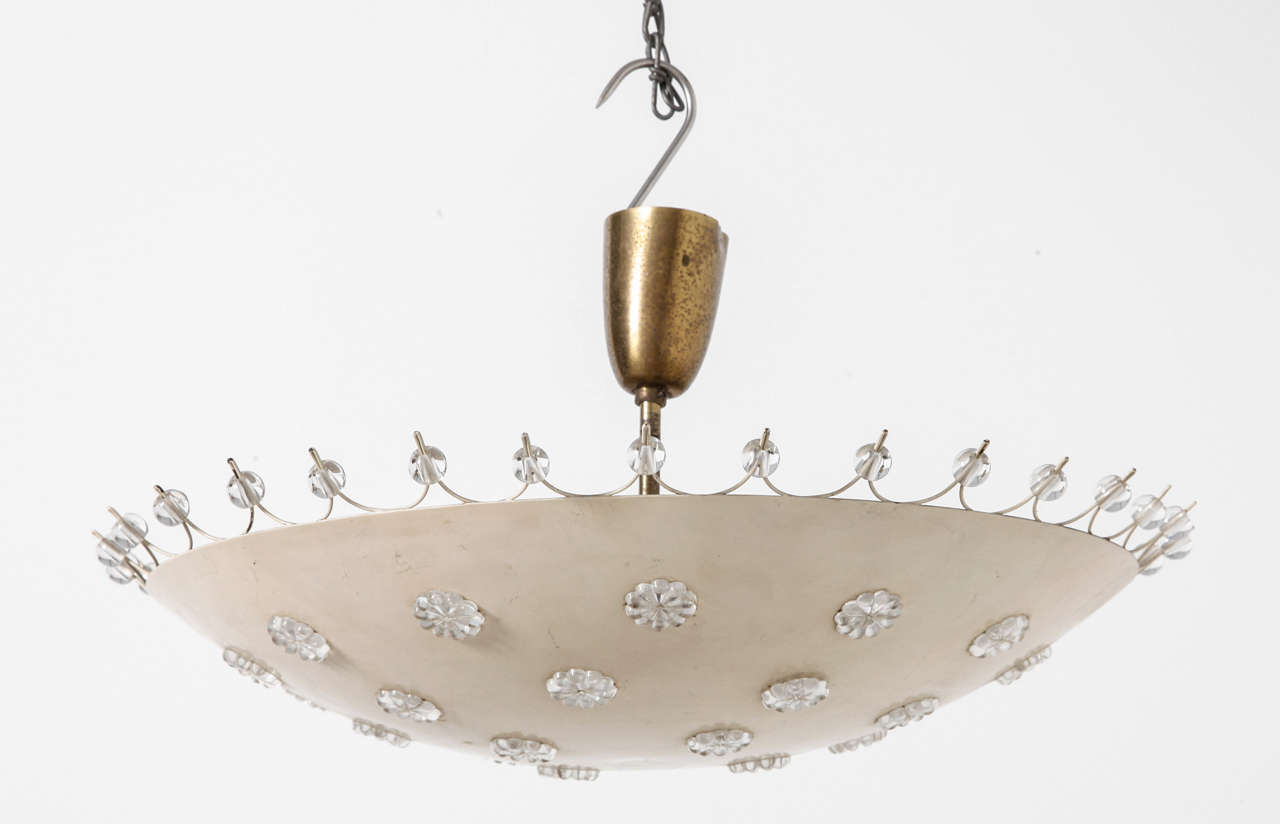
crystal, every emil stejnar snowflake was constructed with great care. Find 30 options for an antique or vintage emil stejnar snowflake now, or shop our selection of 1 modern versions for a more contemporary example of this long-cherished piece. Whether you’re looking for an older or newer emil stejnar snowflake, there are earlier versions available from the 20th Century and newer variations made as recently as the 21st Century. A emil stejnar snowflake made by
Mid-Century Modern designers — as well as those associated with
Hollywood Regency — is very popular. A well-made emil stejnar snowflake has long been a part of the offerings for many furniture designers and manufacturers, but those produced by
Emil Stejnar and
Rupert Nikoll are consistently popular.
How Much is a Emil Stejnar Snowflake?
Prices for a emil stejnar snowflake start at $826 and top out at $12,500 with the average selling for $3,800.
Emil Stejnar for sale on 1stDibs
It’s not often that one résumé can include hermetic magician, astrologer, gold and silversmith and lighting designer. It’s fair to say that Austrian Emil Stejnar may be the only one to claim all of the skills above.
The clamor for mid-century modern design has been at a fever pitch since, well, pretty much the mid-twentieth century. And while many of the era’s furniture makers have gained recognition over time, many designers remain obscure. Emil Stejnar is one such designer.
Born in Vienna in 1939, Stejnar trained in goldsmithing and silversmithing and opened a jewelry workshop in Sweden. Eventually, he began to translate his metal skills to light fixtures.
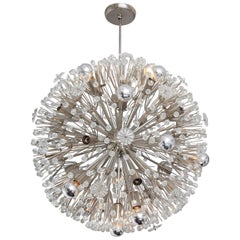
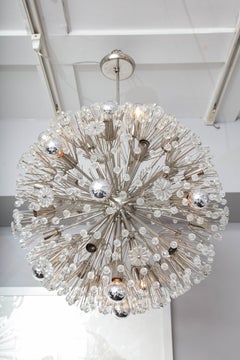
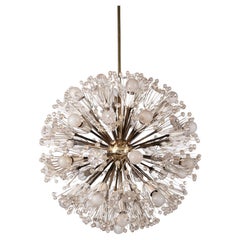
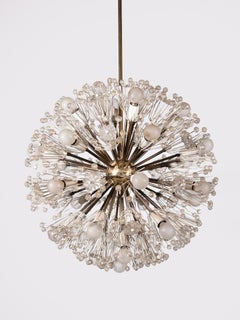
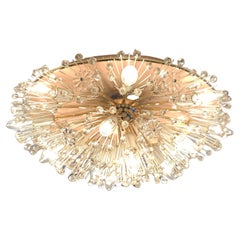
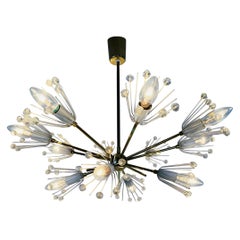
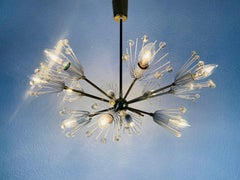
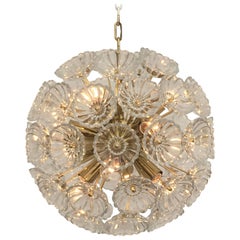
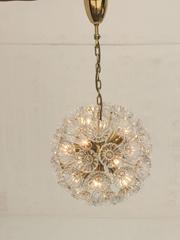
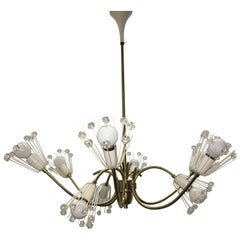
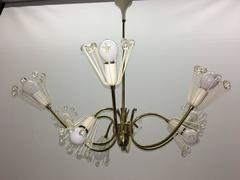
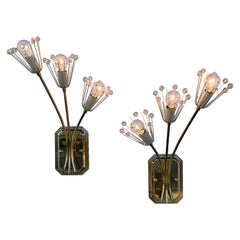
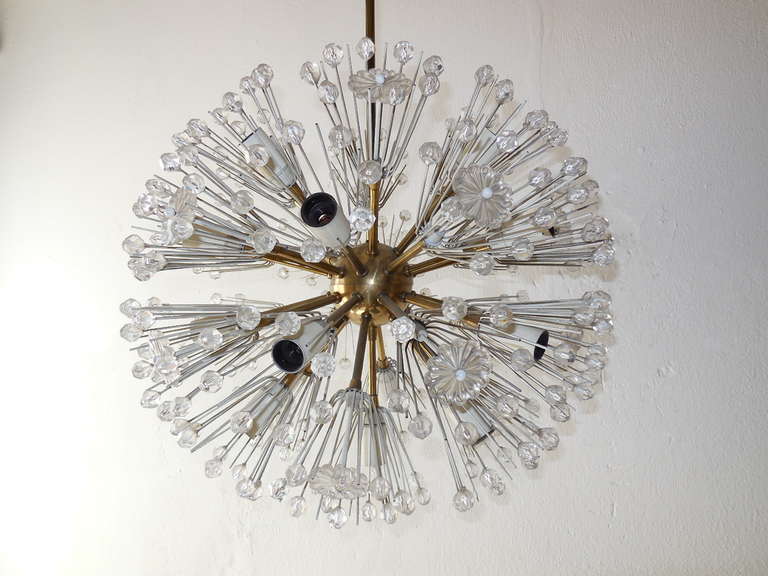
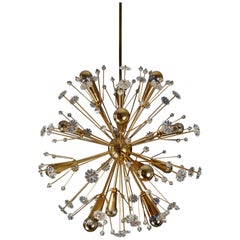
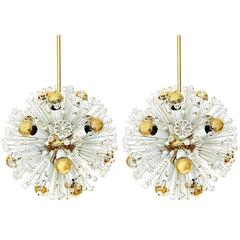
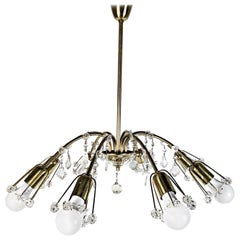
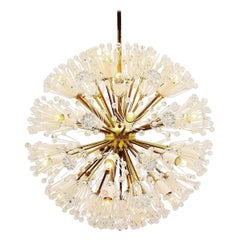
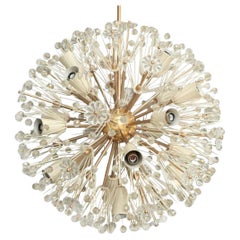
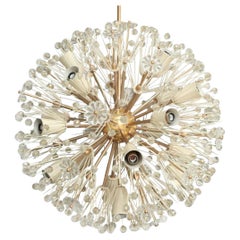
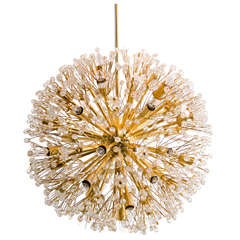
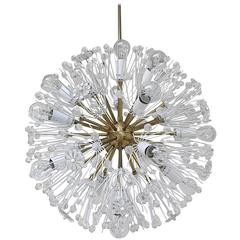
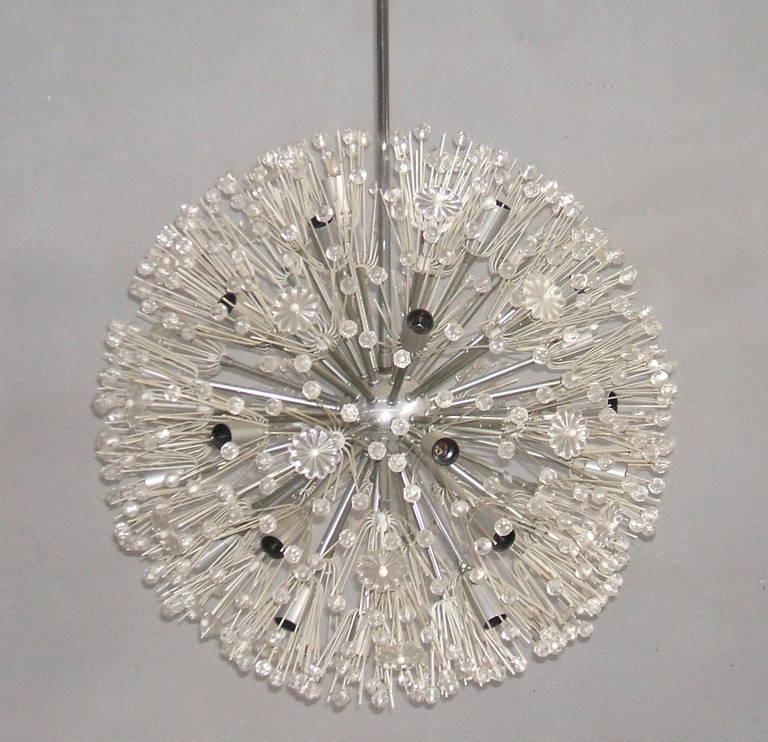
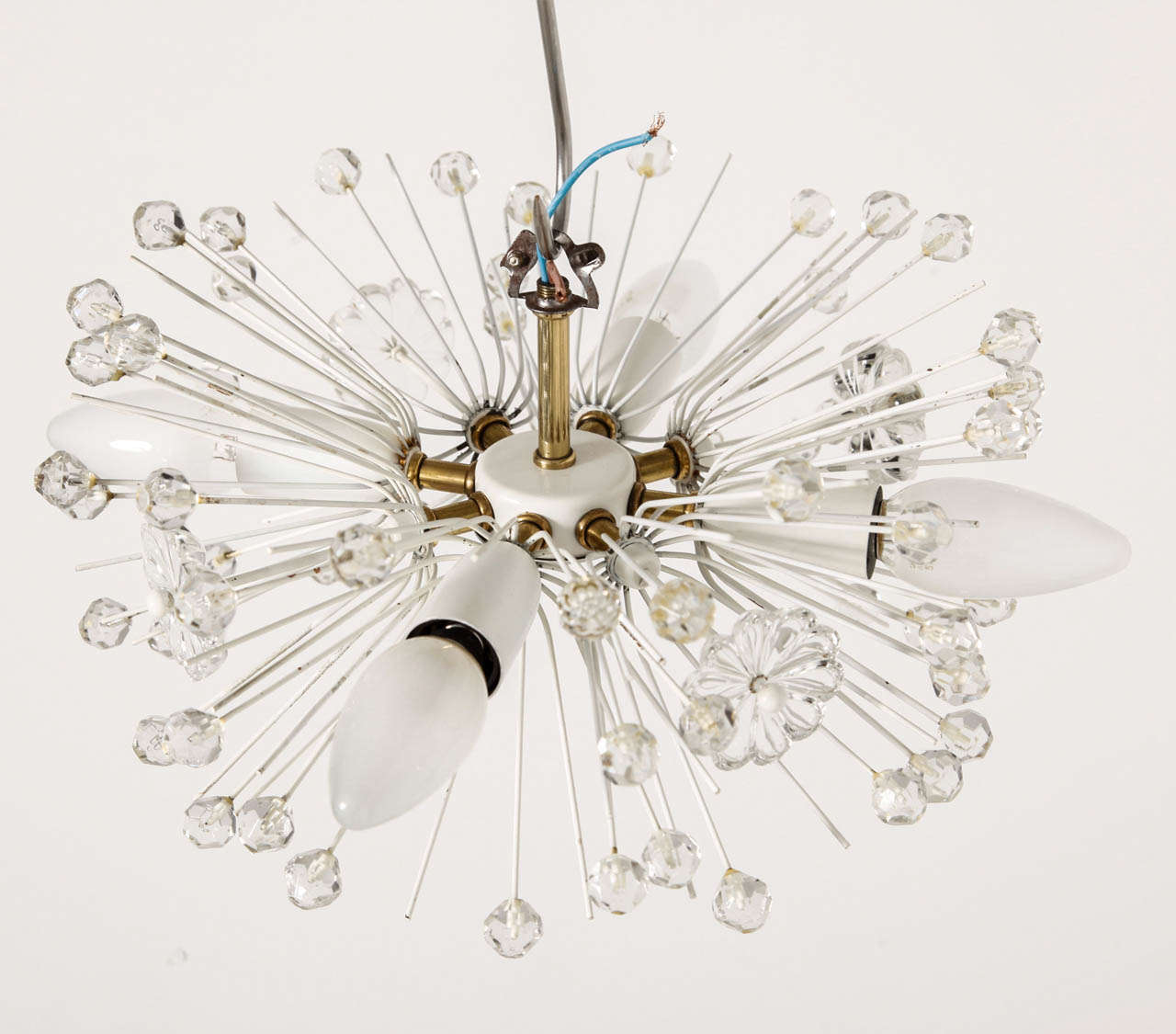
Vintage Emil Stejnar chandeliers and mirrors are practically jewelry themselves, featuring materials like 24-carat gold-plated brass and Austrian crystals. He had a penchant for symmetrical, rounded forms, often emulating starbursts, snowflakes or floral blossoms in his designs.
Stejnar found a partner in Austrian manufacturer Rupert Nikoll, which made an extensive amount of the designer’s astonishingly precious pieces. In fact, the biggest claim to glory for the brand, which was established in Vienna in the early 1900s, owes to Stejnar’s work.
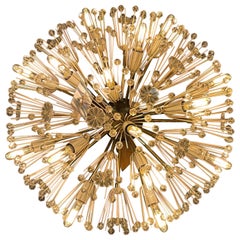
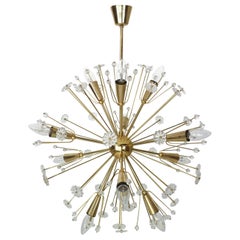
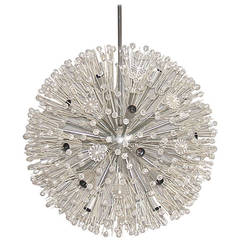
While it seems that any lighting fixture having a starburst shape and numerous bulbs on the ends was dubbed “Sputnik” in the Cold War era, one of Rupert Nikoll’s most famous designs is the Sputnik pendant lamp, created in the 1960s by Stejnar.
With several lighted spokes extending out in every direction, forming a shape similar to a dandelion puff, Stejnar's Sputnik pendant lamp earned the nickname “Pusteblume,” or “Dandelion” in English. Many imitators have replicated the Sputnik design, but the originals are highly valued by interior designers and collectors of Space Age design.
Find vintage Emil Stejnar chandeliers, wall lights, floor lamps and other furniture on 1stDibs.
A Close Look at Mid-century Modern Furniture
Organically shaped, clean-lined and elegantly simple are three terms that well describe vintage mid-century modern furniture. The style, which emerged primarily in the years following World War II, is characterized by pieces that were conceived and made in an energetic, optimistic spirit by creators who believed that good design was an essential part of good living.
ORIGINS OF MID-CENTURY MODERN FURNITURE DESIGN
CHARACTERISTICS OF MID-CENTURY MODERN FURNITURE DESIGN
MID-CENTURY MODERN FURNITURE DESIGNERS TO KNOW
ICONIC MID-CENTURY MODERN FURNITURE DESIGNS
VINTAGE MID-CENTURY MODERN FURNITURE ON 1STDIBS
The mid-century modern era saw leagues of postwar American architects and designers animated by new ideas and new technology. The lean, functionalist International-style architecture of Le Corbusier and Bauhaus eminences Ludwig Mies van der Rohe and Walter Gropius had been promoted in the United States during the 1930s by Philip Johnson and others. New building techniques, such as “post-and-beam” construction, allowed the International-style schemes to be realized on a small scale in open-plan houses with long walls of glass.
Materials developed for wartime use became available for domestic goods and were incorporated into mid-century modern furniture designs. Charles and Ray Eames and Eero Saarinen, who had experimented extensively with molded plywood, eagerly embraced fiberglass for pieces such as the La Chaise and the Womb chair, respectively.
Architect, writer and designer George Nelson created with his team shades for the Bubble lamp using a new translucent polymer skin and, as design director at Herman Miller, recruited the Eameses, Alexander Girard and others for projects at the legendary Michigan furniture manufacturer.
Harry Bertoia and Isamu Noguchi devised chairs and tables built of wire mesh and wire struts. Materials were repurposed too: The Danish-born designer Jens Risom created a line of chairs using surplus parachute straps for webbed seats and backrests.
The Risom lounge chair was among the first pieces of furniture commissioned and produced by celebrated manufacturer Knoll, a chief influencer in the rise of modern design in the United States, thanks to the work of Florence Knoll, the pioneering architect and designer who made the firm a leader in its field. The seating that Knoll created for office spaces — as well as pieces designed by Florence initially for commercial clients — soon became desirable for the home.
As the demand for casual, uncluttered furnishings grew, more mid-century furniture designers caught the spirit.
Classically oriented creators such as Edward Wormley, house designer for Dunbar Inc., offered such pieces as the sinuous Listen to Me chaise; the British expatriate T.H. Robsjohn-Gibbings switched gears, creating items such as the tiered, biomorphic Mesa table. There were Young Turks such as Paul McCobb, who designed holistic groups of sleek, blond wood furniture, and Milo Baughman, who espoused a West Coast aesthetic in minimalist teak dining tables and lushly upholstered chairs and sofas with angular steel frames.
Generations turn over, and mid-century modern remains arguably the most popular style going. As the collection of vintage mid-century modern chairs, dressers, coffee tables and other furniture for the living room, dining room, bedroom and elsewhere on 1stDibs demonstrates, this period saw one of the most delightful and dramatic flowerings of creativity in design history.
Finding the Right Chandeliers-pendant-lights for You
Chandeliers — simple in form, inspired by candelabras and originally made of wood or iron — first made an appearance in early churches. For those wealthy enough to afford them for their homes in the medieval period, a chandelier's suspended lights likely exuded imminent danger, as lit candles served as the light source for fixtures of the era. Things have thankfully changed since then, and antique chandeliers and pendant lights are popular in many interiors today.
While gas lighting during the late 18th century represented an upgrade for chandeliers — and gas lamps would long inspire Danish architect and pioneering modernist lighting designer Poul Henningsen — it would eventually be replaced with the familiar electric lighting of today.
The key difference between a pendant light and a chandelier is that a pendant incorporates only a single bulb into its design. Don’t mistake this for simplicity, however. An Art Deco–styled homage to Sputnik from Murano glass artisans Giovanni Dalla Fina, with handcrafted decorative elements supported by a chrome frame, is just one stunning example of the elaborate engineering that can be incorporated into every component of a chandelier. (Note: there is more than one lighting fixture that shares its name with the iconic mid-century-era satellite — see Gino Sarfatti’s design too.)
Chandeliers have evolved over time, but their classic elegance has remained unchanged.
Not only will the right chandelier prove impressive in a given room, but it can also offer a certain sense of practicality. These fixtures can easily illuminate an entire space, while their elevated position prevents them from creating glare or straining one’s eyes.
Certain materials, like glass, can complement naturally lit settings without stealing the show. Brass, on the other hand, can introduce an alluring, warm glow. While LEDs have earned a bad reputation for their perceived harsh bluish lights and a loss of brightness over their life span, the right design choices can help harness their lighting potential and create the perfect mood. A careful approach to lighting can transform your room into a peaceful and cozy nook, ideal for napping, reading or working.
For midsize spaces, a wall light or sconce can pull the room together and get the lighting job done. Perforated steel rings underneath five bands of handspun aluminum support a rich diffusion of light within Alvar Aalto's Beehive pendant light, but if you’re looking to brighten a more modest room, perhaps a minimalist solution is what you’re after. The mid-century modern furniture designer Charlotte Perriand devised her CP-1 wall lamps in the 1960s, in which a repositioning of sheet-metal plates can redirect light as needed.
The versatility and variability of these lighting staples mean that, when it comes to finding something like the perfect chandelier, you’ll never be left hanging. From the natural world-inspired designs of the Art Nouveau era to the classic beauty of Paul Ferrante's fixtures, there is a style for every room.
With designs for pendant lights and chandeliers across eras, colors and materials, you’ll never run out of options to explore on 1stDibs — shop a collection today that includes antique Art Deco chandeliers, Stilnovo chandeliers, Baccarat chandeliers and more.