Scandinavian modernism is perhaps the warmest and most organic iteration of modernist design. The work of the designers associated with vintage Scandinavian modern furniture was founded on centuries-old beliefs in both quality craftsmanship and the ideal that beauty should enhance even the humblest accessories of daily life.
ORIGINS OF SCANDINAVIAN MODERN FURNITURE DESIGN
CHARACTERISTICS OF SCANDINAVIAN MODERN FURNITURE DESIGN
- Bold, clean lines and simple, sturdy symmetries
- Use of natural materials — native woods such as pine, ash and beech
- Open, airy spaces
- Promotion of functionality
- Emphasis on craftsmanship; rooted in cabinetry profession and traditional construction techniques
- Minimal ornamentation (little to no embellishment)
- A neutral or light color palette owing to prominence of light woods
SCANDINAVIAN MODERN FURNITURE DESIGNERS TO KNOW
ICONIC SCANDINAVIAN MODERN FURNITURE DESIGNS
VINTAGE SCANDINAVIAN MODERN FURNITURE ON 1STDIBS
The gentle, organic contours that are typical of Scandinavian design appear in the furnishings and decor created by Danish, Finnish and Swedish designers not as a stylistic gesture, but rather as a practical, ergonomic — and, as importantly, elegant — response to the human form.
Each nation produced exceptional talents in all areas of the applied arts, yet each had its forté. Sweden was home to Greta Magnusson Grossman and Bruno Mathsson — creators of the classic Grasshopper lighting series and Berlin daybed, respectively — but the country excelled most notably at ceramics. In the 1920s at the great Gustavsberg porcelain manufactory, Wilhelm Kåge introduced pieces in the Scandinavian style based on influences from folklore to Cubism; his skills were passed on to his versatile and inspired pupils Berndt Friberg and Stig Lindberg.
Likewise, Finland produced a truly ingenious Scandinavian modern furniture designer in the architect Alvar Aalto, a master at melding function and artistic form in works like the Paimio chair, created in collaboration with his first wife, Aino. Yet Finnish glassware was pre-eminent, crafted in expressive, sculptural designs by Tapio Wirkkala and Timo Sarpaneva.
The Danes excelled at chairs. Hans Wegner and Arne Jacobsen were exemplars of the country’s facility with wood, particularly teak.
Wegner created such iconic pieces as the Round chair and the Wishbone chair; Jacobsen — while the revolutionary architect and furniture innovator produced the best-selling plywood Ant chair — designed two classic upholstered pieces of the 1950s: the Swan chair and Egg chair. The list of great Danes could go on and on, including Finn Juhl, a stylistic maverick and maker of the bold Chieftain chair; Poul Kjaerholm, with his lean metal-and-rattan aesthetic; and Verner Panton, who introduced a vibrant Pop note into international design.
Today, decades after their heyday, the prolific, ever-evolving Scandinavian modernists continue to amaze and delight, and interior designers all over the world use their pieces to bring warmth to any given space.
On 1stDibs, you will note both instantly recognizable vintage Scandinavian modern chairs, sofas, rugs and tables — those that have earned iconic status over time — and many new discoveries.
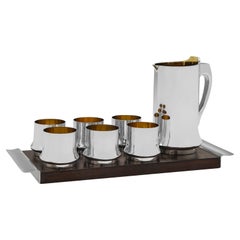
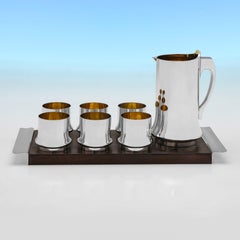
Perfect for entertaining, a dinner party or a small luncheon, vintage, new and antique pitchers are versatile pieces to keep in any collection.
Whether you’re dining in the great outdoors, freshening up drinks in the living room or making a batch of fresh-squeezed juice for breakfast in the kitchen, a pitcher is a must-have feature of your dining and entertaining set.
Prior to indoor plumbing and the advent of sinks, people paired a pitcher with a wash basin on their bedside stand. Today, an antique washstand might be used as a nightstand or bedside table. These pitchers, along with the washstand, were essential in any bedroom.
Today, in displaying vintage ceramic pitchers on your Welsh kitchen dresser or in a corner cupboard, you’re inviting a pop of color and an alluring texture to mingle with your other serveware. But when entertaining, you’re likely going to put this decorative vessel to work. Some glazed stoneware and metal pitchers are outfitted with hinged lids to provide insulation, while potters and other craft artists at the time might have made complementary glasses or teacups to pair with their pitchers for a complete serving set. Glass and stoneware pitchers are perfect for serving beverages, but if you’re serving from a metal pitcher, you’ll want to ensure that the material is food-grade stainless steel.
For a simple home accent, consider using that wonderfully aging vintage metal pitcher as a vase for your flowers (be sure to use a watertight plastic liner or insert) or as a receptacle to display and organize your cooking utensils. Given the venturesome design sensibility that we associate with mid-century modernism, a mid-century modern pitcher is going to prove a unique and sophisticated decorative touch to any room in your home. While your farmhouse-style interior is practically begging for the earthy tones of a terracotta pitcher, an ironstone pitcher will bring ornate details to your mantel.
Find a collection of new, vintage and antique pitchers today on 1stDibs.