Helen Frankenthaler Prints and Multiples
While Helen Frankenthaler remains best known for bold, expressive “soak-stain” paintings such as Mountains and Sea (1952), she has been recognized for her innovative prints, too. The Abstract Expressionist artist worked across diverse media for decades, with forays into woodcutting, drawing and printmaking that also pushed boundaries.
In the early 1950s, when Frankenthaler first poured turpentine-thinned paint onto raw canvas, the lifelong New Yorker blazed a trail that many of her male contemporaries would follow. Her process, which came to be known as Color Field painting, was described as “the bridge between Pollock and what is possible” by the artist Morris Louis, an early adopter of the technique. But Frankenthaler also experimented widely with printmaking.
Off White Square, a highlight of “As in Nature,” a 2017 solo exhibition of Frankenthaler’s works at Clark Art Institute, in Massachusetts, is a dramatic picture from 1973 that’s more than 21 feet long. The smallest print in “No Rules” — a series that brings together 17 of the roughly 25 woodcut prints that the artist executed between 1973 and 2009 — measures 20 by 24 inches.
This pair of works reveals Frankenthaler’s innate gift for handling different scales, making paintings and works on paper that are compelling whether they are super-sized or intimate. In some ways, this was the magic ingredient in the work of this artist, who was one of the few women to garner the critical acclaim given to such male Ab-Ex counterparts as Willem de Kooning and Robert Motherwell.
In the 1970s, Tatyana Grosman, of Universal Limited Art Editions, invited Frankenthaler, then in her mid-40s, to make her first woodcut. The artist approached the time-consuming process unconventionally. Her mantra became “Ignore the rules.”
Rethinking the properties of wood, paper and even the inks, Frankenthaler introduced qualities of transparency that were new to the printmaking medium. Her colors became diaphanous layers. The six prints that comprise “Tales of Genji” (1998) and “Madame Butterfly” (2000) are remarkable examples of this feat.
Early on, Frankenthaler did not carve into the wood. Instead, she applied ink to the ends of multiple blocks. Because she did not want negative spaces to appear between her colors, each individual element was printed separately rather than being joined to the others in a jigsaw-like configuration. The artist also incorporated the wood grain as a formal quality, enlivening its natural character by roughing it up a bit with all sorts of scrapers, including sandpaper, dental tools and even a cheese scraper.
Eventually, Frankenthaler began making her own unique paper pulp for her prints. As for her colors, when she was unhappy with the tones of a few in early test prints, she began laying down a layer of white ink to enliven the pigments that would be applied next.
Frankenthaler made four woodcuts during the 1970s and just two more during the ’80s. The resulting oeuvre was worth the wait. Referencing Japan and Japanese woodblock prints, which grew out of 17th-century developments in printing and book publishing, Frankenthaler called her first woodcut East and Beyond. By the time she made her last woodcut, in 2009, she’d created off-kilter compositions, astonishing color arrangements and meandering lines evocative of her paintings.
Find Helen Frankenthaler prints for sale on 1stDibs.
1960s Abstract Expressionist Helen Frankenthaler Prints and Multiples
Screen
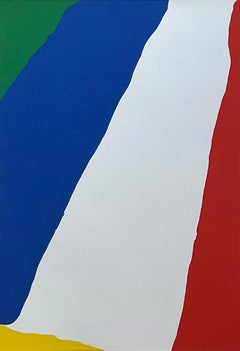
1960s Abstract Expressionist Helen Frankenthaler Prints and Multiples
Lithograph
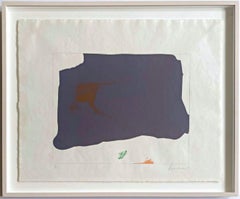
1990s Abstract Helen Frankenthaler Prints and Multiples
Handmade Paper, Screen
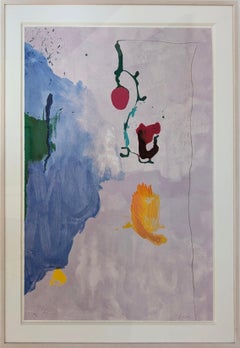

Early 2000s Abstract Expressionist Helen Frankenthaler Prints and Multiples
Screen, Color
1970s Abstract Expressionist Helen Frankenthaler Prints and Multiples
Handmade Paper, Lithograph
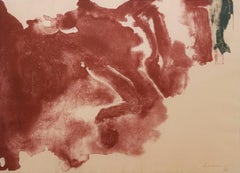
Late 20th Century Abstract Expressionist Helen Frankenthaler Prints and Multiples
Monotype
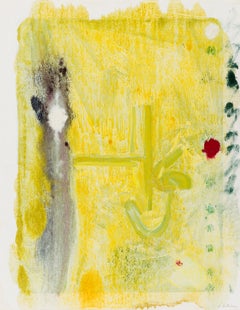
2010s Abstract Expressionist Helen Frankenthaler Prints and Multiples
Porcelain, Screen, Cardboard, Mixed Media
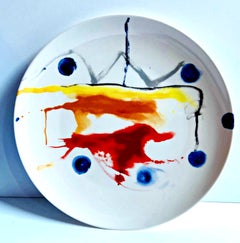
Late 20th Century Helen Frankenthaler Prints and Multiples
Ink, Handmade Paper
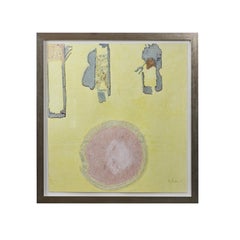
Early 2000s Abstract Expressionist Helen Frankenthaler Prints and Multiples
Screen
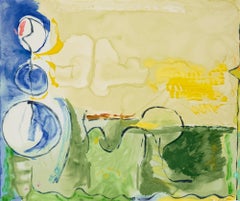
Late 20th Century Abstract Helen Frankenthaler Prints and Multiples
Offset, Screen
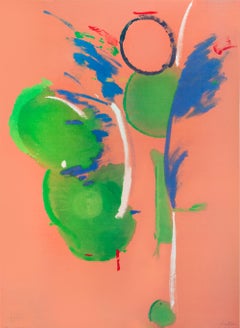
1980s Abstract Expressionist Helen Frankenthaler Prints and Multiples
Color, Etching, Aquatint
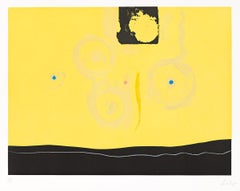
1980s Abstract Expressionist Helen Frankenthaler Prints and Multiples
Mixed Media
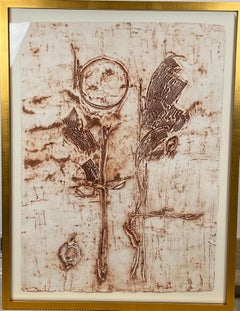
1960s Abstract Expressionist Helen Frankenthaler Prints and Multiples
Screen
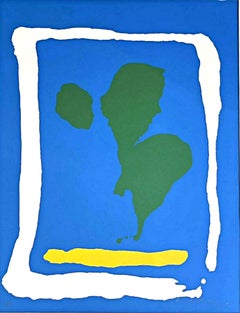
1980s Abstract Expressionist Helen Frankenthaler Prints and Multiples
Drypoint, Etching, Lithograph
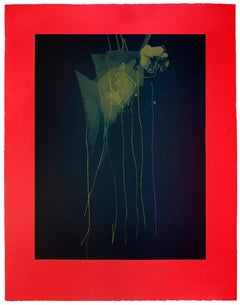
1980s Abstract Expressionist Helen Frankenthaler Prints and Multiples
Drypoint, Etching, Aquatint
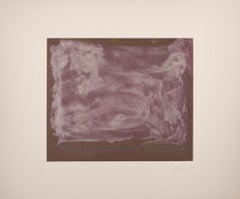
21st Century and Contemporary Abstract Helen Frankenthaler Prints and Multiples
Lithograph
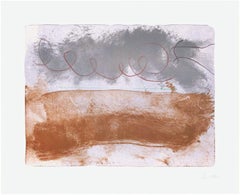
21st Century and Contemporary Abstract Helen Frankenthaler Prints and Multiples
Etching, Aquatint
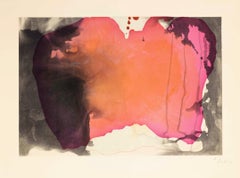
1980s Helen Frankenthaler Prints and Multiples
Color, Lithograph
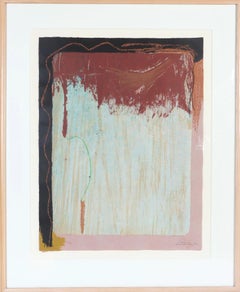
21st Century and Contemporary Abstract Expressionist Helen Frankenthaler Prints and Multiples
Screen
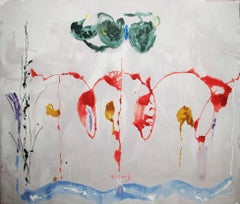
2010s Abstract Helen Frankenthaler Prints and Multiples
Encaustic, Archival Paper, Rice Paper, Washi Paper
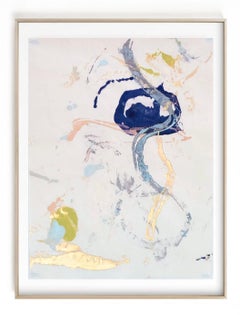
1980s Abstract Geometric Helen Frankenthaler Prints and Multiples
Silk, Screen
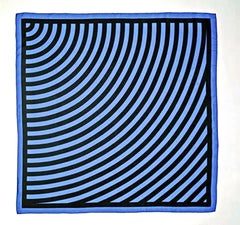
1980s Abstract Expressionist Helen Frankenthaler Prints and Multiples
Engraving, Handmade Paper, Intaglio
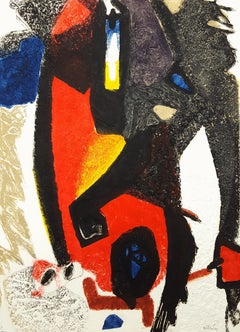
Late 20th Century Abstract Expressionist Helen Frankenthaler Prints and Multiples
Lithograph
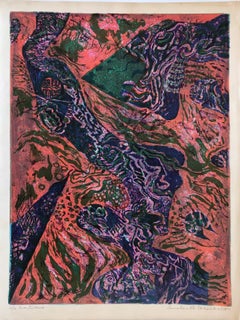
1980s Abstract Expressionist Helen Frankenthaler Prints and Multiples
Handmade Paper, Color, Lithograph
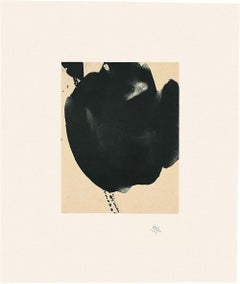
1980s Abstract Expressionist Helen Frankenthaler Prints and Multiples
Gold Leaf
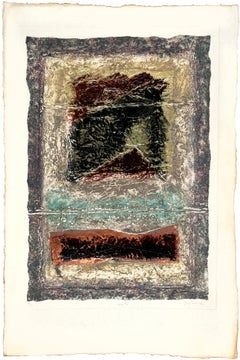
Late 20th Century Abstract Expressionist Helen Frankenthaler Prints and Multiples
Lithograph, Screen
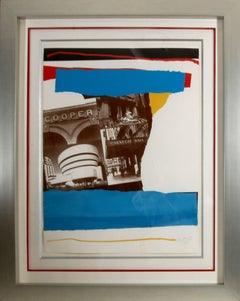
1980s Abstract Expressionist Helen Frankenthaler Prints and Multiples
Handmade Paper, Lithograph
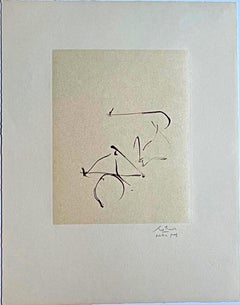
1990s Abstract Expressionist Helen Frankenthaler Prints and Multiples
Paper, Monotype
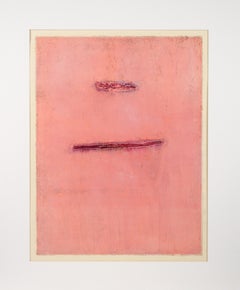
1980s Abstract Expressionist Helen Frankenthaler Prints and Multiples
Rice Paper, Lithograph
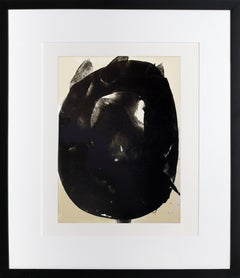
Mid-20th Century Abstract Expressionist Helen Frankenthaler Prints and Multiples
Lithograph
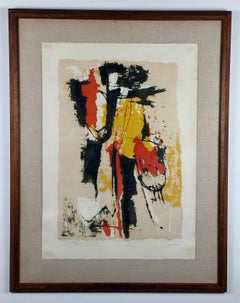
1980s Abstract Expressionist Helen Frankenthaler Prints and Multiples
Rice Paper, Lithograph
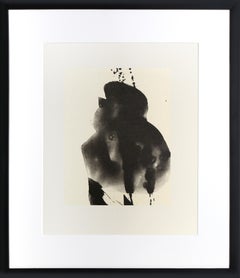
1980s Abstract Expressionist Helen Frankenthaler Prints and Multiples
Lithograph
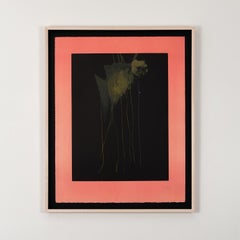
1980s Abstract Expressionist Helen Frankenthaler Prints and Multiples
Screen
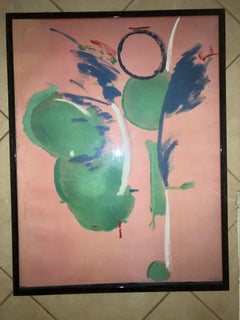
1970s Abstract Expressionist Helen Frankenthaler Prints and Multiples
Woodcut
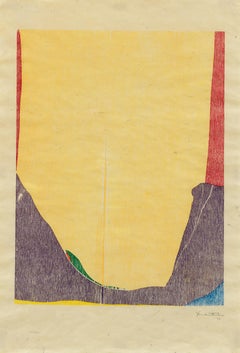
Early 2000s Abstract Expressionist Helen Frankenthaler Prints and Multiples
Screen
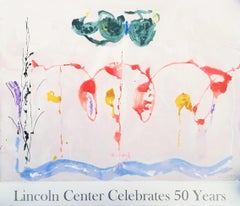
2010s Helen Frankenthaler Prints and Multiples
Wood, Paper
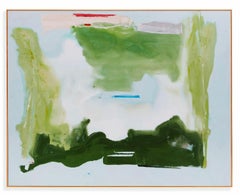
2010s Helen Frankenthaler Prints and Multiples
Wood, Paper
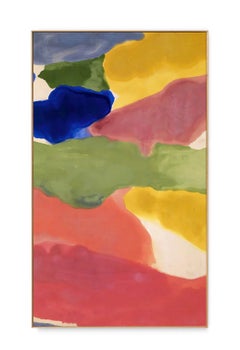
1960s Modern Helen Frankenthaler Prints and Multiples
Screen
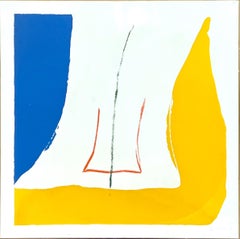
1980s Post-War Helen Frankenthaler Prints and Multiples
Drypoint, Aquatint
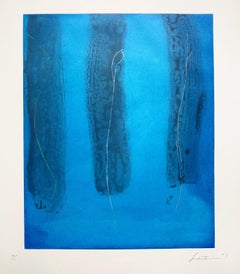
1970s Post-War Helen Frankenthaler Prints and Multiples
Monoprint
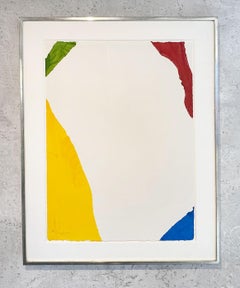
1960s Abstract Expressionist Helen Frankenthaler Prints and Multiples
Screen
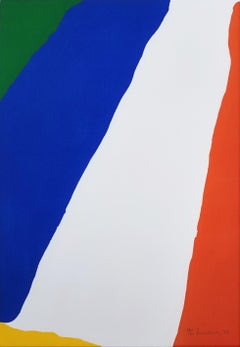
1970s Abstract Expressionist Helen Frankenthaler Prints and Multiples
Lithograph
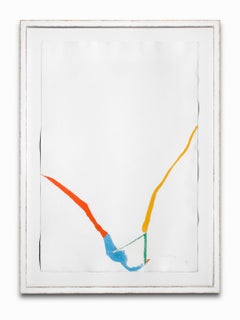
1980s Abstract Expressionist Helen Frankenthaler Prints and Multiples
Color, Lithograph, Stencil
Helen Frankenthaler prints and multiples for sale on 1stDibs.
Artists Similar to Helen Frankenthaler
- 1stDibs ExpertMarch 22, 2022Helen Frankenthaler was known for her Abstract-expressionist art. She became well known for her 1952 painting Mountains and Sea. It was the first time she employed the soak-stain painting technique that would become a hallmark of her later work. You'll find a variety of Helen Frankenthaler art on 1stDibs.
- 1stDibs ExpertApril 5, 2022Helen Frankenthaler mostly did paintings. The American artist's work reflects the characteristics of Abstract Expressionism. Mountains and Sea, Snow Pines, Aerie and Grey Fireworks are among her most famous paintings. You can find a range of Helen Frankenthaler art on 1stDibs.
- 1stDibs ExpertFebruary 1, 2024You can see Helen Frankenthaler paintings in a few places. Her works are part of the permanent collections at the Museum of Modern Art in New York, the San Francisco Museum of Modern Art in California and the Chrysler Museum of Art in Norfolk, Virginia. In addition, the artist's paintings are often part of exhibitions around the world. Check the official website of the Helen Frankenthaler Foundation for upcoming dates and locations. On 1stDibs, find a collection of Helen Frankenthaler art.
- 1stDibs ExpertApril 5, 2022Helen Frankenthaler is an American abstract expressionist painter that was known for inventing a technique referred to as soak-stain. Soak staining is a process using thinned paint and raw canvas, similar to painting fabric. Shop a range of Helen Frankenthaler work on 1stDibs.