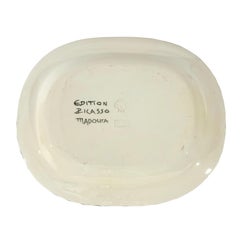
1950s Sculptures

to
25
118
22
17
1
7
Overall Width
to
Overall Height
to
223
743
4,075
17,242
104
46
117
127
69
377
374
552
542
82
78
18
14
4
3
3
3
51
34
27
26
22
21
21
19
13
13
13
10
10
9
8
8
8
5
5
5
95
44
29
24
18
73
14
8
2
2
92
69
Period: 1950s
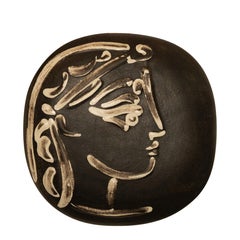
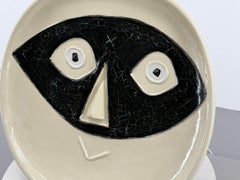
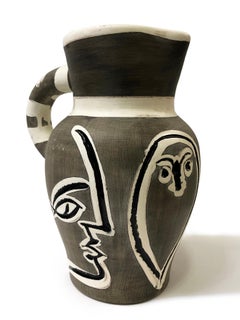
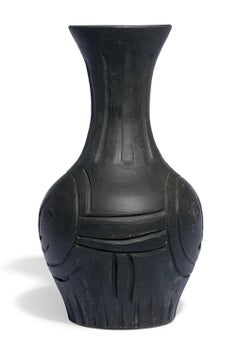
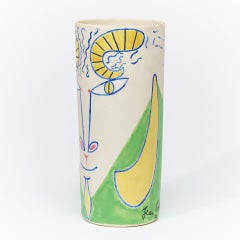
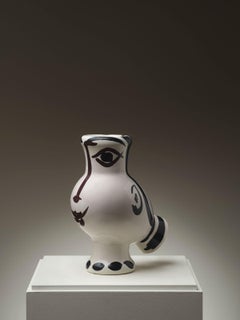
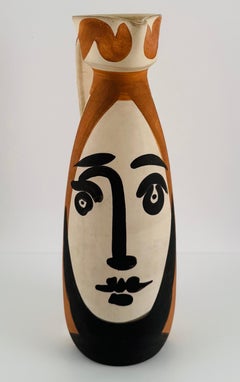
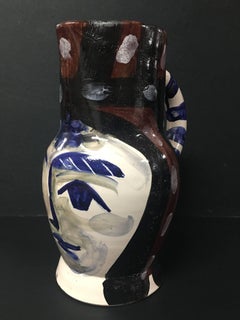
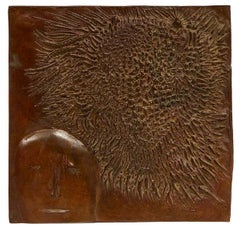
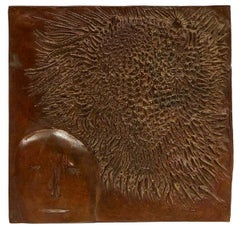
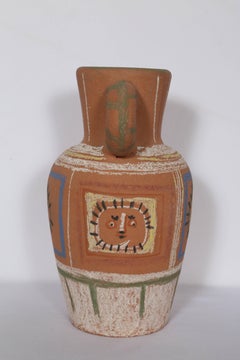
Visage (A.R. 288)
Visage (A.R. 288)

Visage (A.R. 288)

By Pablo Picasso

Located in Östermalm, Stockholms län

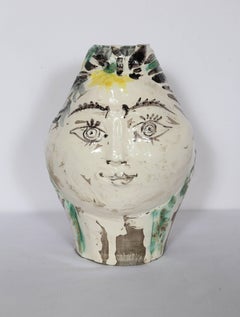
Visage (A.R. 288), 1955 White earthenware ceramic pitcher with colored engobe and glaze Edition of 500 Stamped “Picasso” and “Madoura Plein Feu” (underneath) The piece is in excelle...

Category

Modern 1950s Sculptures

Materials

Ceramic

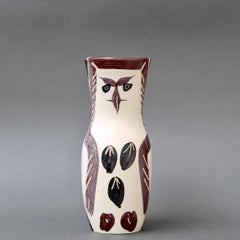
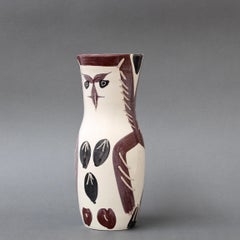
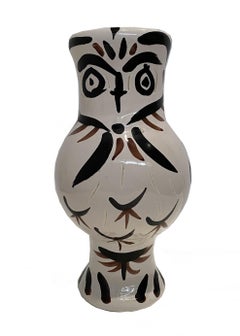
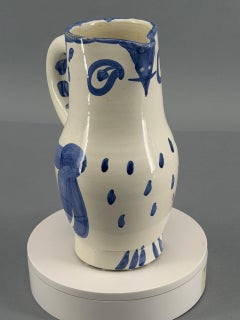
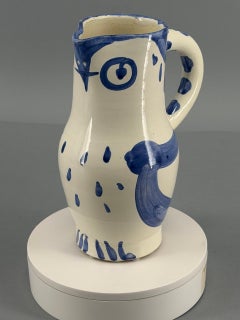
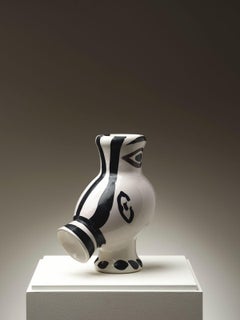
Ceramic Owl Vase (A.R. 135) from the Madoura Pottery by Pablo Picasso

Ceramic Owl Vase (A.R. 135) from the Madoura Pottery by Pablo Picasso

By Pablo Picasso

Located in London, GB

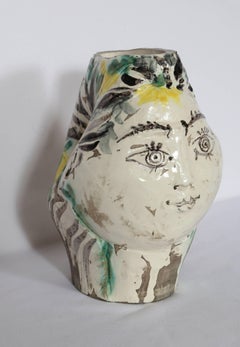
Mid-Century earthenware vase with painted owl decoration, by Pablo Picasso, Vallauris, France (1952). This is a vintage, limited edition earthenware creation, in a run of 500 (Edition Picasso) at the Madoura pottery...

Category

Modern 1950s Sculptures

Materials

Ceramic

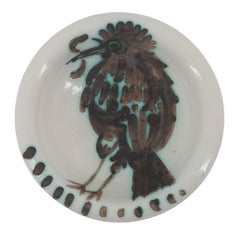
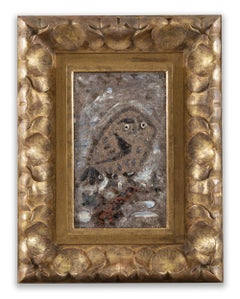
Chouette aux taches (Owl with Spots), 1951

Chouette aux taches (Owl with Spots), 1951

By Pablo Picasso

Located in Palo Alto, CA

Pablo Picasso’s Chouette aux taches (Owl with Spots), 1951 (A.R. 120), beautifully captures the charm, imagination, and innovation that define the artist’s celebrated ceramic works c...

Category

1950s Sculptures

Materials

Enamel

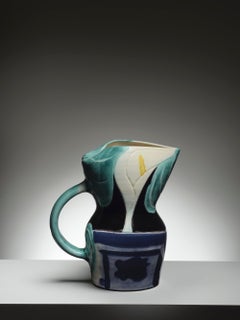
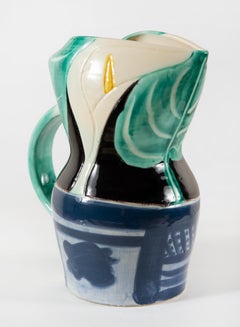
Fleurs
Fleurs

Fleurs

By Pablo Picasso

Located in PARIS, FR

• An authenticated work This work is authenticated by Paloma Ruiz Picasso and Diana Widmaier Ruiz Picasso, who issued a certificate of authenticity on October 7, 2024. • A dated wor...

Category

Modern 1950s Sculptures

Materials

Ceramic

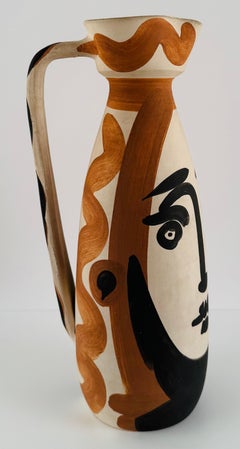
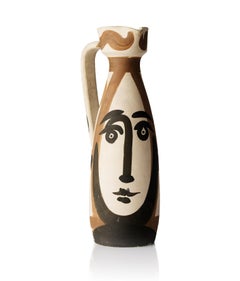
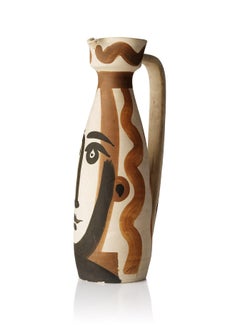
Pablo Picasso, "Face Turned Pitcher, " ceramic

Pablo Picasso, "Face Turned Pitcher, " ceramic

By Pablo Picasso

Located in Chatsworth, CA

This piece is an A.R. turned pitcher created by Pablo Picasso in 1955. It is made with white earthenware clay, decoration in engobes in red and black with glaze inside. It bears the ...

Category

Surrealist 1950s Sculptures

Materials

Clay

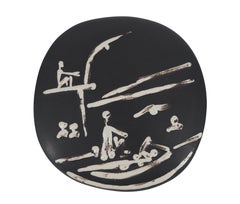
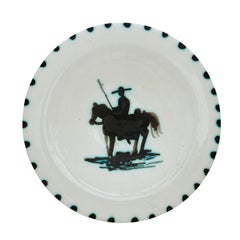
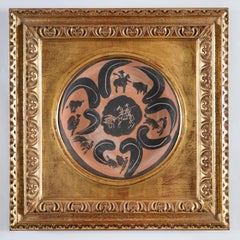
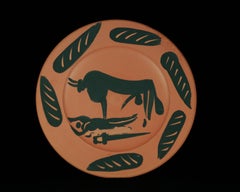
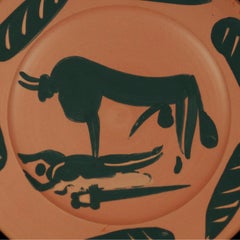
Pablo Picasso, "Tauromachy Scene", ceramic plate

Pablo Picasso, "Tauromachy Scene", ceramic plate

By Pablo Picasso

Located in Chatsworth, CA

This piece is an A.R. turned round plate by Pablo Picasso made in 1957. It is made with red earthenware clay, engobe decoration, and knife engraved in black. It is numbered 279/ 500 ...

Category

Modern 1950s Sculptures

Materials

Ceramic

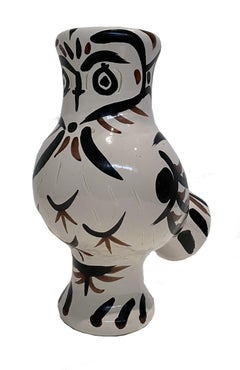
Owl, 1954
Owl, 1954

Owl, 1954

By Pablo Picasso

Located in Palo Alto, CA

Pablo Picasso Hibou, 1954 AR 253 Inspired by one of the most celebrated ceramic works of Pablo Picasso, this striking Hibou vase, 1954 (AR 253), capture...

Category

1950s Sculptures

Materials

Ceramic, Earthenware

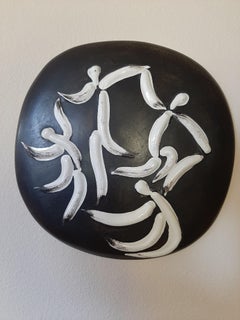
Four Dancers
Four Dancers

Four Dancers

By Pablo Picasso

Located in New York, NY

Partially glazed terre-de-faïence convex wall plaque painted in black and white, 1956. Edition of 450. With the Madoura Plein Feu and Empreinte Originale de Picasso stamps, verso. ...

Category

Cubist 1950s Sculptures

Materials

Clay, Ceramic

Hibou
Hibou

Hibou

By Pablo Picasso

Located in PARIS, FR

• A unique ceramic by Pablo Picasso This work is a unique ceramic by Pablo Picasso, dated on the reverse, reflecting the artist’s direct and personal intervention in the creation of ...

Category

Modern 1950s Sculptures

Materials

Ceramic

Oiseau Posé
Oiseau Posé

Oiseau Posé

By Pablo Picasso

Located in PARIS, FR

• An authenticated work Stamped on the base “Madoura plein feu,” this unique painted and partially glazed ceramic is accompanied by a certificate of authenticity issued by Claude Rui...

Category

Modern 1950s Sculptures

Materials

Ceramic

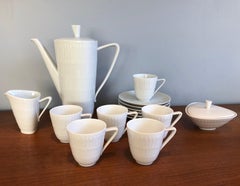
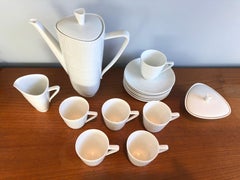
Vintage Midcentury Demitasse Coffee Set Hans Achtziger for Hutschenreuther Selb

Vintage Midcentury Demitasse Coffee Set Hans Achtziger for Hutschenreuther Selb

Located in East Quogue, NY

Pristine decorative white porcelain 'Apart' coffee demitasse set from Hutschenreuther Selb, with 6 cups, 6 saucers, coffee pot, creamer/milk jug, sugar bowl (15 piece set). Germain porcelain maker Hutschenreuther (est.1814) commissioned sculptor Hans Achtziger...

Category

Modern 1950s Sculptures

Materials

Porcelain

Trois Poissons
Trois Poissons

Trois Poissons

By Pablo Picasso

Located in PARIS, FR

An authenticated work Accompanied by a certificate of authenticity issued by Paloma Ruiz-Picasso and Diana Widmaier-Ruiz-Picasso, dated October 17, 2024. A stamped work This unique ...

Category

Modern 1950s Sculptures

Materials

Ceramic

Musicien et Danseur
Musicien et Danseur

Musicien et Danseur

By Pablo Picasso

Located in PARIS, FR

An authenticated work The piece comes with two certificates: one issued by the Picasso Administration (June 25, 2025) and one by the Fondation Beyeler (July 1990). A double-dated wo...

Category

Modern 1950s Sculptures

Materials

Ceramic

Relining Nude (WG6)
Relining Nude (WG6)

Relining Nude (WG6)

By Waylande Gregory

Located in Wilton Manors, FL

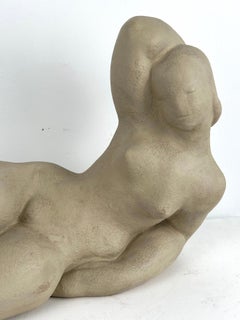
Waylande Gregory (1905-1971). Nude Reclining, ca. 1950's. Painted composite cast from original sculpted in 1930's. Casting sanctioned and approved by the artist during his lifetime in partnership with MPI, Museum Pieces Incorporated. Very few examples were produced and even fewer survive. Waylande Gregory was considered a major American sculptor during the 1930's, although he worked in ceramics, rather than in the more traditional bronze or marble. Exhibiting his ceramic works at such significant American venues for sculpture as the Whitney Museum of American Art in New York City and at the venerable Pennsylvania Academy of the Fine Arts in Philadelphia, he also showed his ceramic sculptures at leading New York City galleries. Gregory was the first modern ceramist to create large scale ceramic sculptures, some measuring more than 70 inches in height. Similar to the technique developed by the ancient Etruscans, he fired his monumental ceramic sculptures only once. Gregory was born in 1905 in Baxter Springs, Kansas and was something of a prodigy. Growing up on a ranch near a Cherokee reservation, Gregory first became interested in ceramics as a child during a native American burial that he had witnessed. He was also musically inclined. In fact, his mother had been a concert pianist and had given her son lessons. At eleven, he was enrolled as a student at the Kansas State Teacher's College, where he studied carpentry and crafts, including ceramics. Gregory's early development as a sculptor was shaped by the encouragement and instruction of Lorado Taft, who was considered both a major American sculptor as well as a leading American sculpture instructor. In fact, Taft's earlier students included such significant sculptors as Bessie Potter Vonnoh and Janet Scudder. But, Taft and his students had primarily worked in bronze or stone, not in clay; and, Gregory's earliest sculptural works were also not in ceramics. In 1924, Gregory moved to Chicago where he caught the attention of Taft. Gregory was invited by Taft to study with him privately for 18 months and to live and work with him at his famed "Midway Studios." The elegant studio was a complex of 13 rooms that overlooked a courtyard. Taft may have been responsible for getting the young man interested in creating large scale sculpture. However, by the 1920's, Taft's brand of academic sculpture was no longer considered progressive. Instead, Gregory was attracted to the latest trends appearing in the United States and Europe. In 1928 he visited Europe with Taft and other students. "Kid Gregory," as he was called, was soon hired by Guy Cowan, the founder of the Cowan Pottery in Cleveland, Ohio, to become the company's only full time employee. From 1928 to 1932, Gregory served as the chief designer and sculptor at the Cowan Pottery. Just as Gregory learned about the process of creating sculpture from Taft, he literally learned about ceramics from Cowan. Cowan was one of the first graduates of Alfred, the New York School of Clayworking and Ceramics. Alfred had one of the first programs in production pottery. Cowan may have known about pottery production, but he had limited sculptural skills, as he was lacking training in sculpture. The focus of the Cowan Pottery would be on limited edition, table top or mantle sculptures. Two of the most successful of these were Gregory's Nautch Dancer, and his Burlesque Dancer. He based both sculptures on the dancing of Gilda Gray, a Ziegfield Follies girl. Gilda Gray was of Polish origin and came to the United States as a child. By 1922, she would become one of the most popular stars in the Follies. After losing her assets in the stock market crash of 1929, she accepted other bookings outside of New York, including Cleveland, which was where Gregory first saw her onstage. She allowed Gregory to make sketches of her performances from the wings of the theatre. She explained to Gregory, "I'm too restless to pose." Gray became noted for her nautch dance, an East Indian folk dance. A nautch is a tight, fitted dress that would curl at the bottom and act like a hoop. This sculpture does not focus on Gray's face at all, but is more of a portrait of her nautch dance. It is very curvilinear, really made of a series of arches that connect in a most feminine way. Gregory created his Burlesque Dancer at about the same time as Nautch Dancer. As with the Nautch Dancer, he focused on the movements of the body rather than on a facial portrait of Gray. Although Gregory never revealed the identity of his model for Burlesque Dancer, a clue to her identity is revealed in the sculpture's earlier title, Shimmy Dance. The dancer who was credited for creating the shimmy dance was also Gilda Gray. According to dance legend, Gray introduced the shimmy when she sang the Star Spangled Banner and forgot some of the lyrics, so, in her embarrassment, started shaking her shoulders and hips but she did not move her legs. Such movement seems to relate to the Burlesque Dancer sculpture, where repeated triangular forms extend from the upper torso and hips. This rapid movement suggests the influence of Italian Futurism, as well as the planar motion of Alexander Archipenko, a sculptor whom Gregory much admired. The Cowan Pottery was a victim of the great depression, and in 1932, Gregory changed careers as a sculptor in the ceramics industry to that of an instructor at the Cranbrook Academy in Bloomfield Hills, Michigan. Cranbrook was perhaps the most prestigious place to study modern design in America. Its faculty included the architect Eliel Saarinen and sculptor Carl Milles. Although Gregory was only at Cranbrook for one and one half years, he created some of his finest works there, including his Kansas Madonna. But, after arriving at Cranbrook, the Gregory's had to face emerging financial pressures. Although Gregory and his wife were provided with complimentary lodgings, all other income had to stem from the sale of artworks and tuition from students that he, himself, had to solicit. Gregory had many people assisting him with production methods at the Cowan Pottery, but now worked largely by himself. And although he still used molds, especially in creating porcelain works, many of his major new sculptures would be unique and sculpted by hand, as is true of Kansas Madonna. The scale of Gregory's works were getting notably larger at Cranbrook than at Cowan. Gregory left the surface of Kansas Madonna totally unglazed. Although some might object to using a religious title to depict a horse nursing its colt, it was considered one of Gregory's most successful works. In fact, it had a whole color page illustration in an article about ceramic sculpture titled, "The Art with the Inferiority Complex," Fortune Magazine, December, 1937. The article notes the sculpture was romantic and expressive and the sculpture was priced at $1,500.00; the most expensive sculpture...

Category

Art Deco 1950s Sculptures
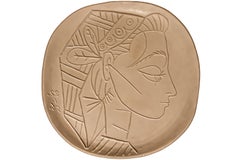
Materials

Plaster

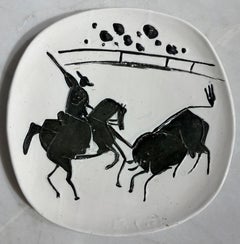
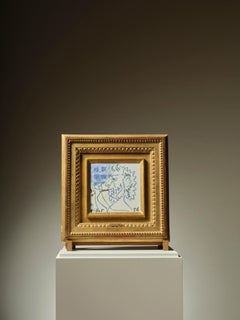
Pablo Picasso " Picador and Bull" Earthenware

Pablo Picasso " Picador and Bull" Earthenware

By Pablo Picasso

Located in Los Angeles, CA

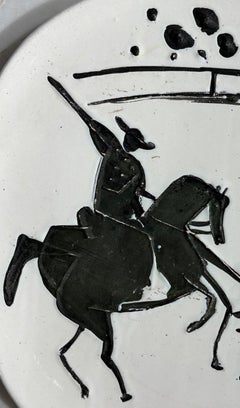
Pablo Picasso 1881-1973 (Spanish) Round-square plate “Picador and bull” Model created on September 25, 1953. Diameter 25 cm Original proof in white earthenware and oxidized pa...

Category

1950s Sculptures
Materials

Enamel

The Dancer - Sculpture by Giacomo Manzù - 1957

The Dancer - Sculpture by Giacomo Manzù - 1957

By Giacomo Manzú

Located in Roma, IT

The Dancer is a sculpture realized by Giacomo Manzù in 1957. Unique piece. Exhibitions:  Manzù. L’Uomo e l’Artista, Palazzo Venezia, Roma 2002-2003 Manzù-Marino. Gli ultimi moderni,...

Category

Modern 1950s Sculptures
Materials

Bronze

Female torso
Female torso

Female torso

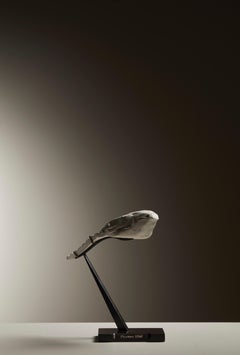
Located in Täby, SE

This female torso represents the young woman's strength and vulnerability. It´s was conceived in the 70ths and is signed with the artists initials on a thumbprint. Gunnar Knut Nilsson, born 1904 in Karlskrona, died 1995 in Versailles in France, was a Swedish sculptor. Gunnar Nilsson studied watercolor painting and modeling at the Technical Vocational School in Karlskrona in 1918-19 and on his own in addition to working as a clerk at Finspångs Metallwerk. His debut exhibition was in Finspång in 1927. With the help of a local fundraiser, and after the encouragement of Carl Eldh, he traveled to Paris in 1928 to study sculpture for, among others, Charles Despiau and Paul Niclausse. In Paris he socialized with Bror Hjorth, whose former studio he also rented, Carl Frisendahl and Alberto Giacometti. He came to belong to "Le groupe des Neuf'' with Paul Cornet...

Category

French School 1950s Sculptures
Materials

Bronze

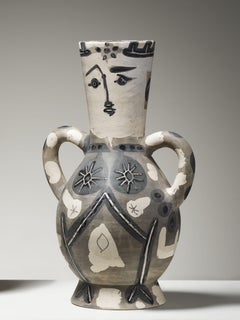
Vase Deux Anses Hautes (A.R. 141)

Vase Deux Anses Hautes (A.R. 141)

By Pablo Picasso

Located in PARIS, FR

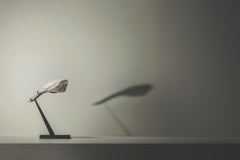
• Picasso began working with ceramics in 1946 at the Madoura workshop in Vallauris, marking the beginning of an important and highly productive chapter in his career. What initially ...

Category

Modern 1950s Sculptures
Materials

Ceramic

Faune à la Diaule
Faune à la Diaule

Faune à la Diaule

By Pablo Picasso

Located in PARIS, FR

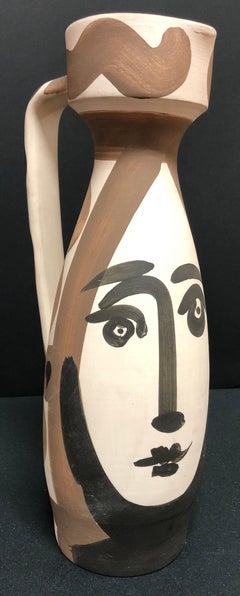
• An authenticated work This work is authenticated by Claude Ruiz Picasso, who issued a certificate of authenticity on January 17, 2019. • A signed and dated work Dated July 11, 195...

Category

Modern 1950s Sculptures
Materials

Ceramic

Profil de Taureau
Profil de Taureau

Profil de Taureau

By Pablo Picasso

Located in PARIS, FR

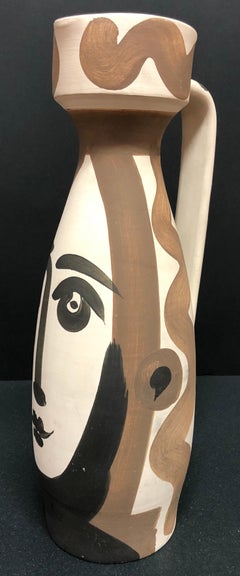
An authenticated work Dated February 23, 1956, this unique painted ceramic with relief decoration is authenticated by Claude Ruiz Picasso (certificate dated February 1, 2021). A dis...

Category

Modern 1950s Sculptures
Materials

Ceramic

Picasso Ceramic, Visage (A.R. 288)

Picasso Ceramic, Visage (A.R. 288)

By Pablo Picasso

Located in Madrid, ES

PABLO PICASSO (1881-1973) "Visage" (A.R. 288) stamped and marked 'Edition Picasso / Madoura Plein Feu / Edition Picasso / Madoura' (underneath) white earthenware ceramic pitcher with...

Category

Modern 1950s Sculptures
Materials

Ceramic

Hibou
Hibou

Hibou

By Pablo Picasso

Located in PARIS, FR

• Signed and certified work This unique ceramic was executed in Vallauris in 1957 and is accompanied by a certificate of authenticity issued by Paloma Ruiz Picasso and Diana Widmaier...

Category

Modern 1950s Sculptures
Materials

Ceramic

Scène de Tauromachie

Scène de Tauromachie

By Pablo Picasso

Located in PARIS, FR

An authenticated work Accompanied by a certificate of authenticity issued by Paloma Ruiz-Picasso and Diana Widmaier-Ruiz-Picasso, dated October 9, 2025. A signed, dated and stamped ...

Category

Modern 1950s Sculptures

Materials

Ceramic

Famille, Têtes Laurées : Quatre Personnages

Famille, Têtes Laurées : Quatre Personnages

By Pablo Picasso

Located in PARIS, FR

• A unique ceramic work by Pablo Picasso Famille, Têtes Laurées : Quatre Personnages is a unique ceramic composition by Pablo Picasso, dated August 8, 1956, with the date inscribed a...

Category

Modern 1950s Sculptures
Materials

Ceramic

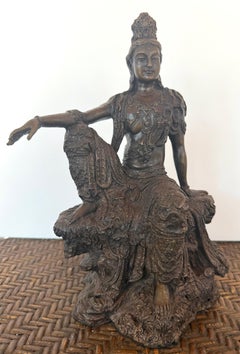
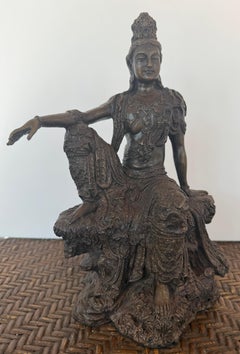
“Quan Yin”
“Quan Yin”

“Quan Yin”

Located in Southampton, NY

Here for your consideration is a vintage bronze statuette from the mid-20th century depicting Quan Yin. Created during the midcentury period, this bronze statuette features the Quan ...

Category

Academic 1950s Sculptures
Materials

Bronze

Chouette Visage de Femme (A.R.144)

Chouette Visage de Femme (A.R.144)

By Pablo Picasso

Located in PARIS, FR

• Picasso began working with ceramics in 1946 at the Madoura workshop in Vallauris, marking the beginning of an important and highly productive chapter in his career. What initially ...

Category

Modern 1950s Sculptures
Materials

Ceramic

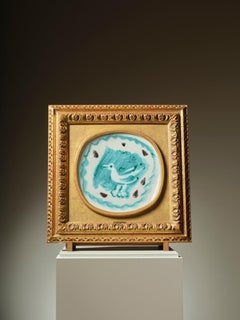
Pablo Picasso, Plate, " Bouquet à la pomme " (Bunch with Apple), 1956 A.R. 307

Pablo Picasso, Plate, " Bouquet à la pomme " (Bunch with Apple), 1956 A.R. 307

By Pablo Picasso

Located in tel aviv, IL

Pablo Picasso (1881–1973) was one of the greatest artists of the 20th century, the founder of Cubism, and one of those who radically transformed the understanding of form, space, and...

Category

Synthetic Cubist 1950s Sculptures
Materials

Earthenware, Underglaze

Vase Deux Anses Hautes (A.R.213)

Vase Deux Anses Hautes (A.R.213)

By Pablo Picasso

Located in PARIS, FR

• Picasso began working with ceramics in 1946 at the Madoura workshop in Vallauris, marking the beginning of an important and highly productive chapter in his career. What initially ...

Category

Modern 1950s Sculptures
Materials

Ceramic

Bouteille Gravée (A.R.249)

Bouteille Gravée (A.R.249)

By Pablo Picasso

Located in PARIS, FR

• Picasso began working with ceramics in 1946 at the Madoura workshop in Vallauris, marking the beginning of an important and highly productive chapter in his career. What initially ...

Category

Modern 1950s Sculptures
Materials

Ceramic

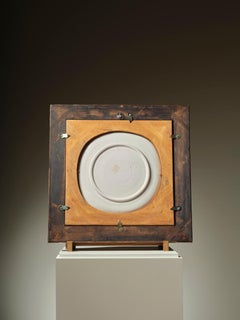
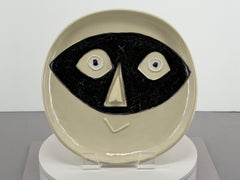
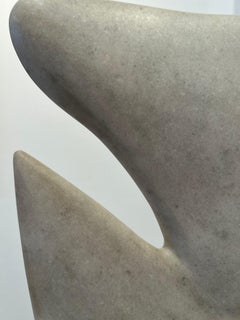
Two Women
Two Women

Robert LohmanTwo Women, 1950

$2,000Sale Price|20% Off

Two Women

By Robert Lohman

Located in Indianapolis, IN

Lohman studied at John Herron Art Institute, and Cranbrook and Yale for graduate work. Assisted Carl Milles at Cranbrook Academy before becoming Director of Fine Arts there from 1947...
Category

Modern 1950s Sculptures
Materials

Wood

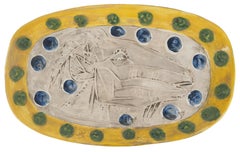
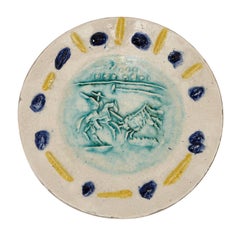
Picasso Ceramic, Mains au poisson (A.R. 214)

Picasso Ceramic, Mains au poisson (A.R. 214)

By Pablo Picasso

Located in Madrid, ES

PABLO PICASSO (1881-1973) "Mains au poisson" (A.R. 214) stamped and numbered “Madoura Plein Feu / Empreinte Originale de Picasso / I. 117 / 150/250' (on the reverse) terracotta plate...

Category

Modern 1950s Sculptures
Materials

Terracotta

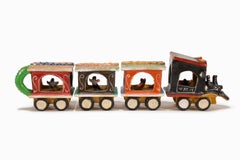
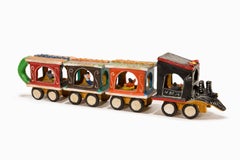
"El Tren" Ceramic, Glaze, Colors, Mexican Folk Art, Four Sections

"El Tren" Ceramic, Glaze, Colors, Mexican Folk Art, Four Sections

Located in Detroit, MI

SALE ONE WEEK ONLY "El Tren" is a whimsical and playful rendition of a train. It is beautifully glazed in various colors. This particular ceramic was from the collection of Jane and Richard Knight’s Estate. Jane Knight was a famous fiber and textile artist. Richard was a photographer who worked for Eliel Saarinen and Alexander Girard. The Knights and Girard became close friends and it was Girard who gifted “Santa Cruz De Las Huertas Jalisco” to the Knights. Alexander Girard left his personal collection to the Museum of International Folk Art, Santa Fe, NM. The Girards eventually amassed a collection of more than 106,000 objects from across the globe. Their 1978 gift of this collection to the Museum of International Folk art quintupled the size of their collection and prompted the construction of a new wing, which opened in 1982 and houses a mere 10% of the Girard Collection in the permanent exhibition Multiple Visions: A Common Bond, which was designed by Alexander Girard himself. This collection includes numerous multiples and is notable for its great breadth, including traditional arts, popular arts, and paper ephemera. “I believe we should preserve this evidence of the past, not as a pattern for sentimental imitation,” Girard once said, “but as nourishment for the creative spirit of the present.” Indeed, folk art was an important inspiration for Girard’s design work. The renowned Candelario Medrano...

Category

Folk Art 1950s Sculptures
Materials

Ceramic, Glaze

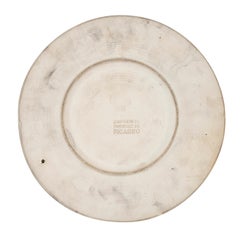
Le Barbu (A.R.217)
Le Barbu (A.R.217)

Le Barbu (A.R.217)

By Pablo Picasso

Located in PARIS, FR

• Picasso began working with ceramics in 1946 at the Madoura workshop in Vallauris, marking the beginning of an important and highly productive chapter in his career. What initially ...

Category

Modern 1950s Sculptures
Materials

Ceramic

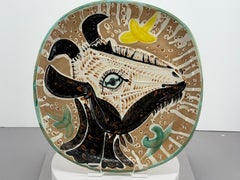
Tête de Chèvre de Profil (A.R.145)

Tête de Chèvre de Profil (A.R.145)

By Pablo Picasso

Located in PARIS, FR

• Picasso began working with ceramics in 1946 at the Madoura workshop in Vallauris, opening an important new chapter in his career. • He created over 3,500 ceramic works, transformi...

Category

Modern 1950s Sculptures
Materials

Ceramic

Read More

At Hosfelt Gallery, Bertoia Masterworks Complement Dynamic Contemporary Art

For nearly three decades, San Francisco–based Todd Hosfelt has curated against the grain — with a show on the legendary modernist Harry Bertoia the latest case in point.

This Weathered-Steel Sculpture Distills a Form of Protest into a Minimalist Monument

Part of Alejandro Vega Beuvrin’s “Barricada” series, the work is a subversive tribute to the street smarts of citizen activists.

How the Chunky, Funky Ceramics of 5 Mid-Century American Artists Balanced Out Slick Modernism

Get to know the innovators behind the pottery countercultural revolution.

Art Brings the Drama in These Intriguing 1stDibs 50 Spaces

The world’s top designers explain how they display art to elicit the natural (and supernatural) energy of home interiors.

Chryssa’s 1962 Neon Sculpture Was Way ahead of the Art-World Curve

By working with lettering, neon and Pop imagery, Chryssa pioneered several postmodern themes at a time when most male artists detested commercial mediums.

How to Spot a Fake KAWS Figure

KAWS art toys have developed an avid audience in recent decades, and as in any robust collectible market, counterfeiters have followed the mania. Of course, you don’t have to worry about that on 1stDibs, where all our sellers are highly vetted.

A Giant Wedding Cake Has Us Looking at Portuguese Tiles in a New Light

At Waddesdon Manor, artist Joana Vasconcelos has installed a three-tiered patisserie inspired by the narrative tile work of her homeland. We take a look at the cake sculpture and how Portuguese tiles have been used in architecture from the 17th century to today.

These Soft Sculptures Are Childhood Imaginary Friends Come to Life
Miami artist and designer Gabriela Noelle’s fantastical creations appeal to the Peter Pan in all of us.