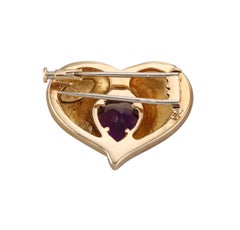
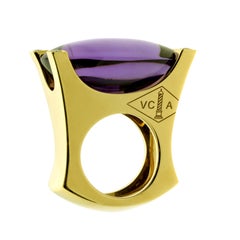
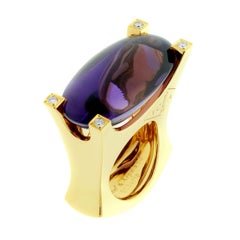
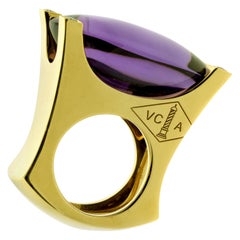
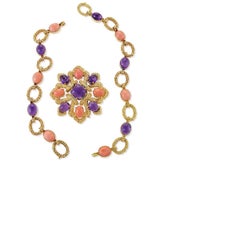
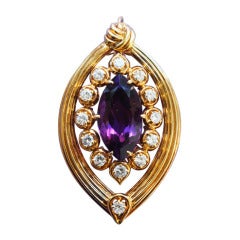
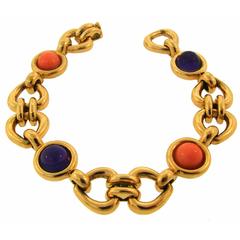
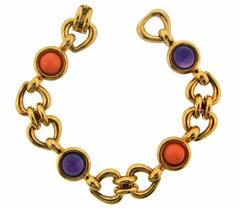
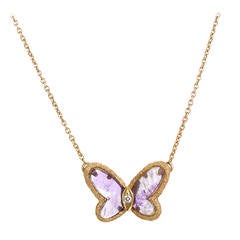
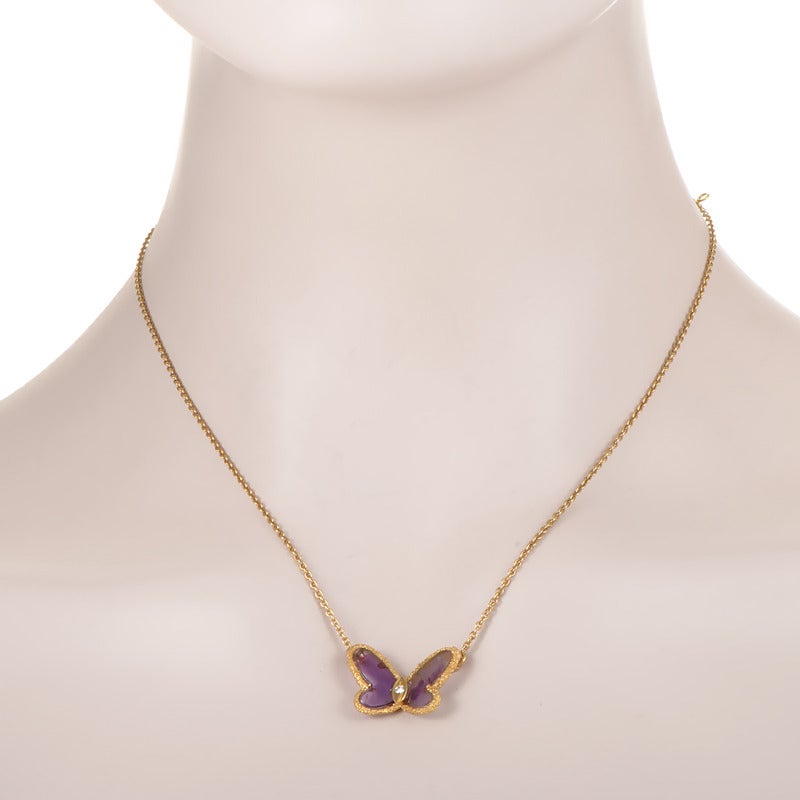
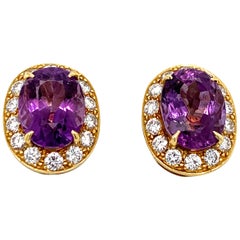
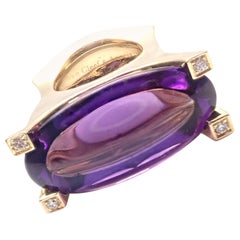
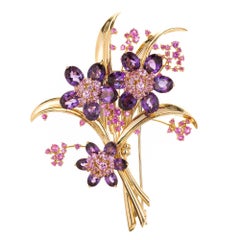
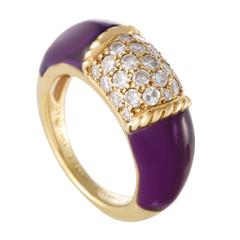
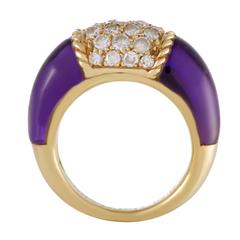
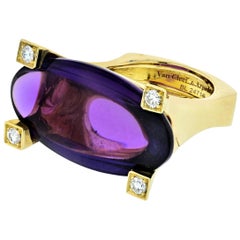
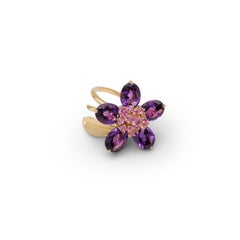
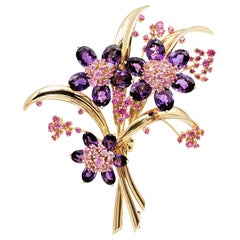
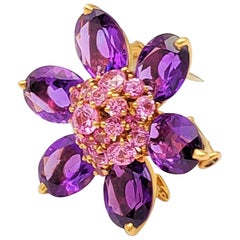
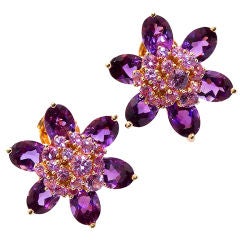
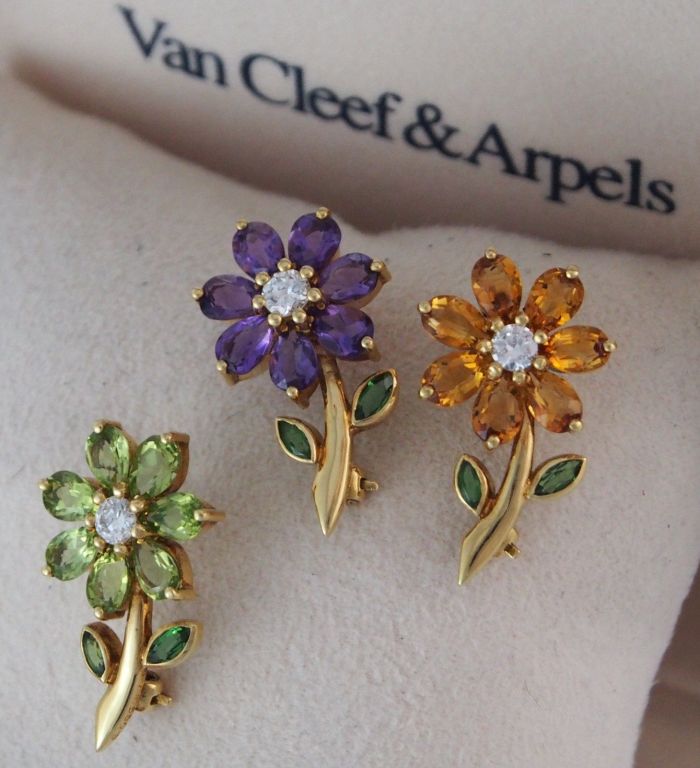
Amethyst Van Cleef For Sale on 1stDibs
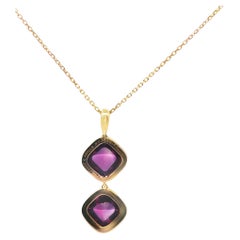
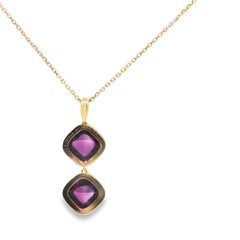
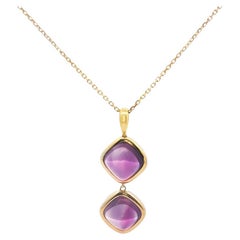
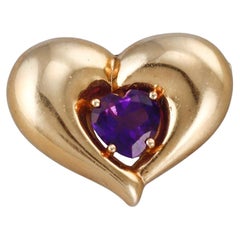
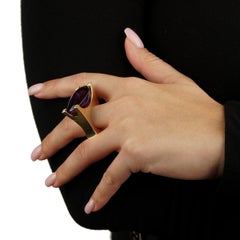
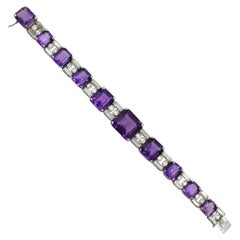
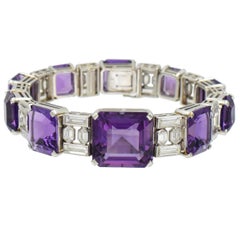
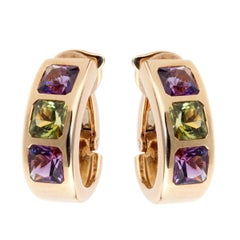
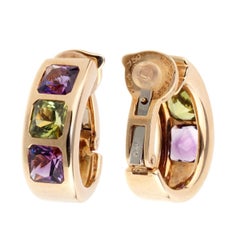
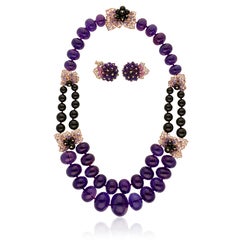
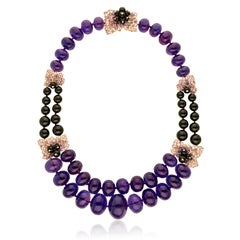
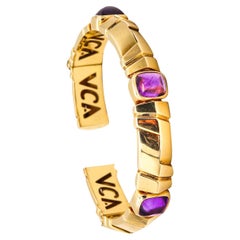
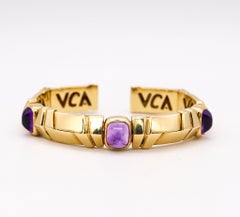
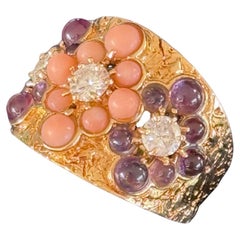
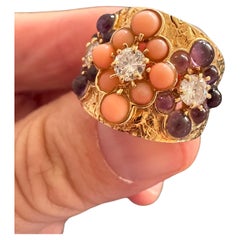
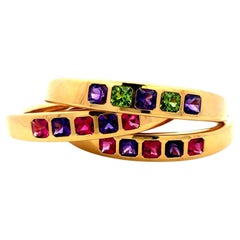
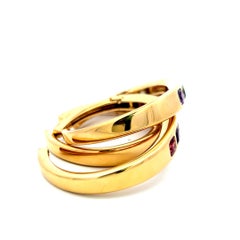
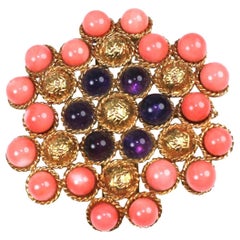
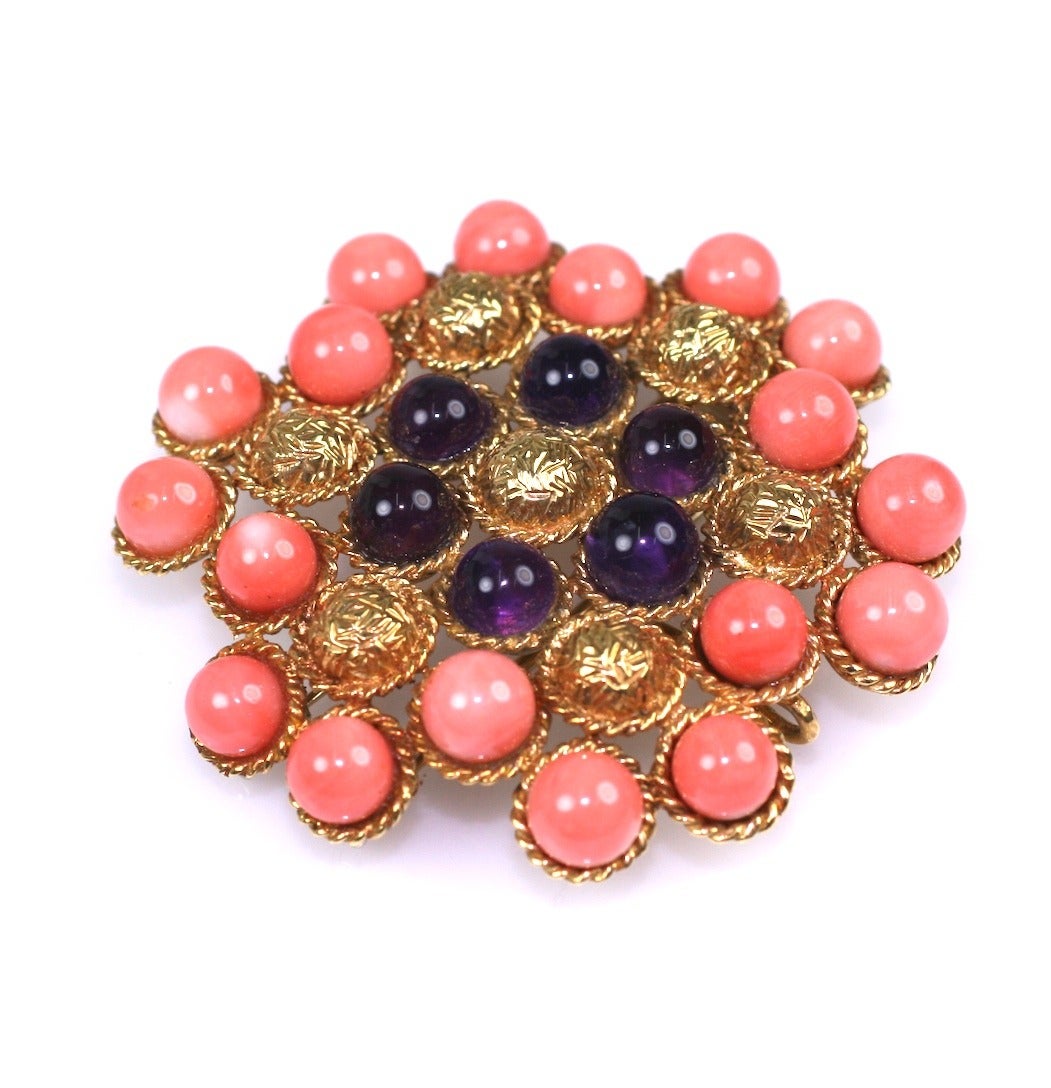
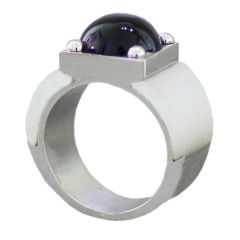
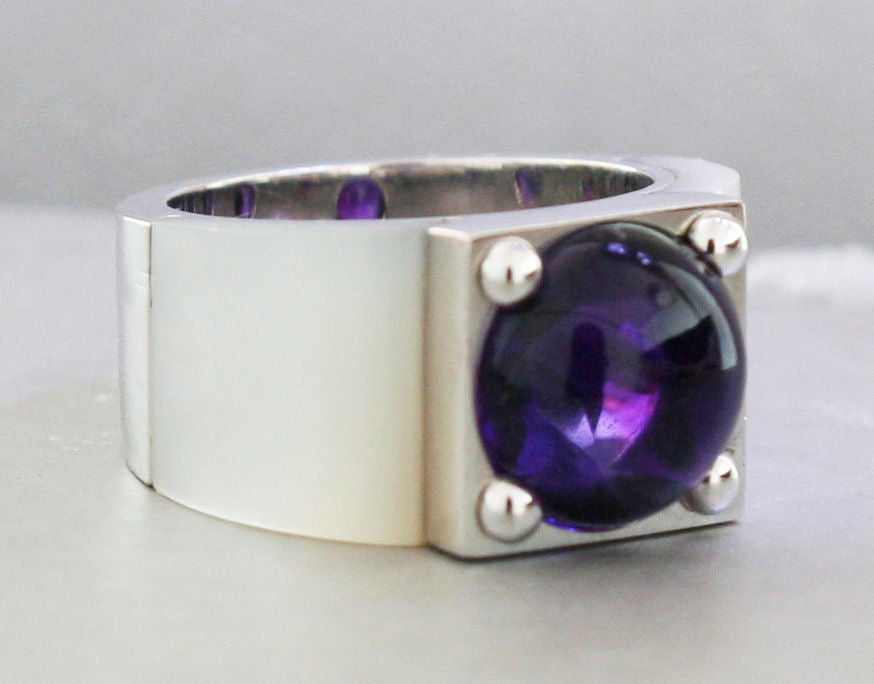
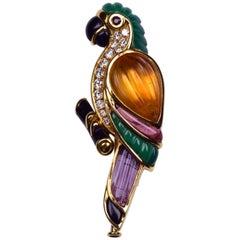
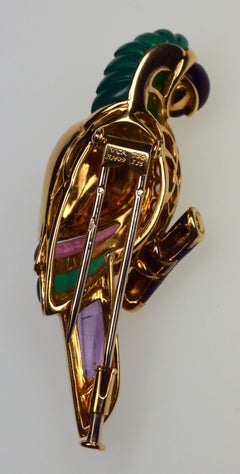
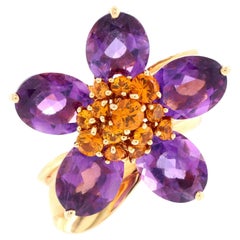
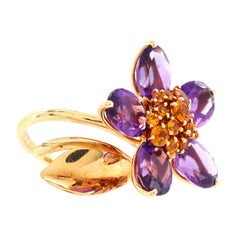
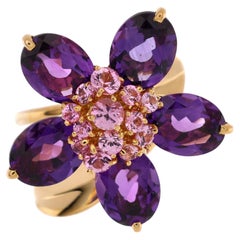
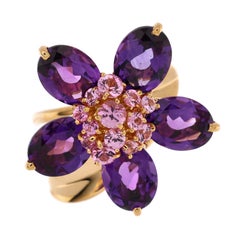
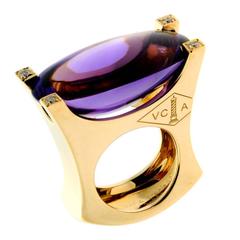
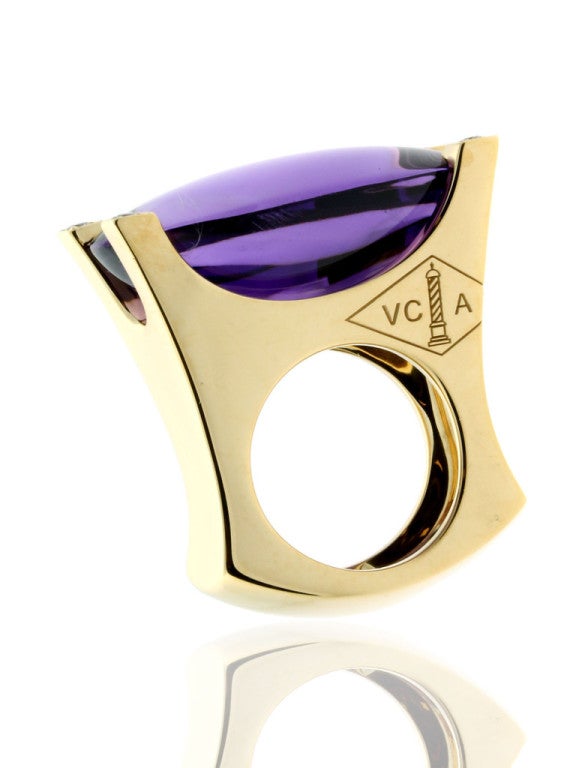
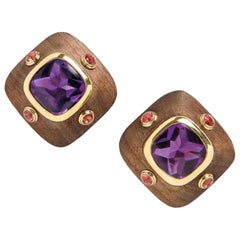
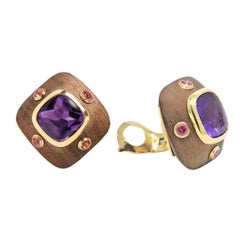
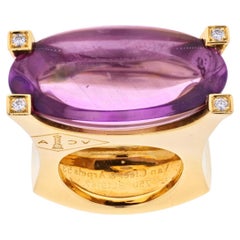
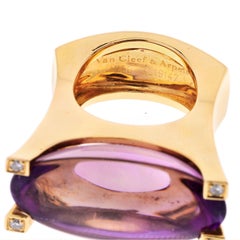
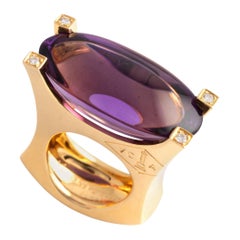
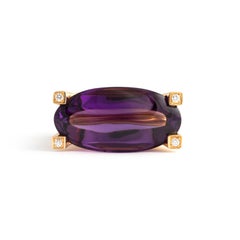
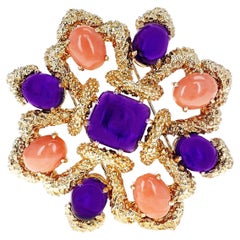
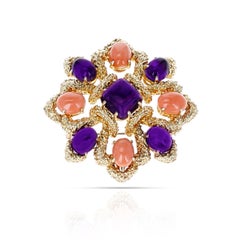
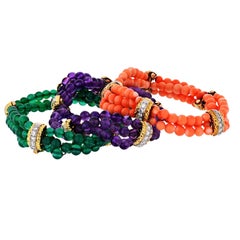
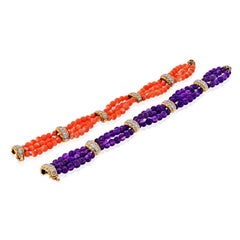
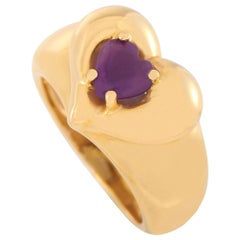
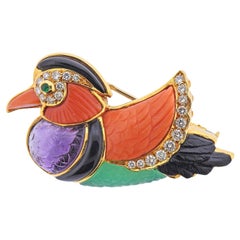
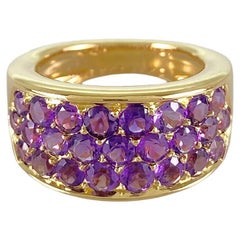
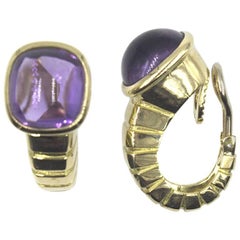
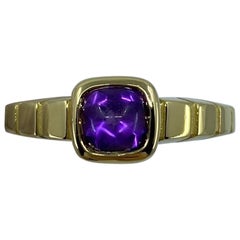
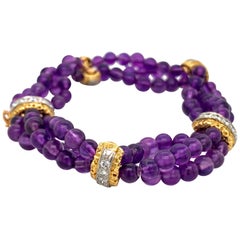
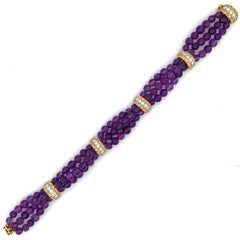
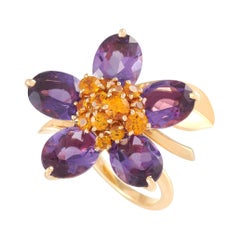
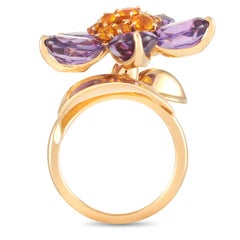
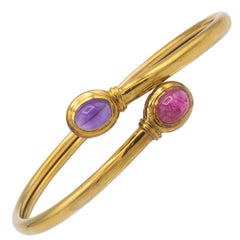
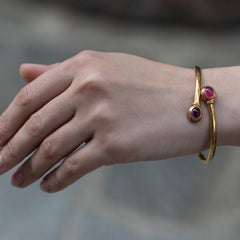
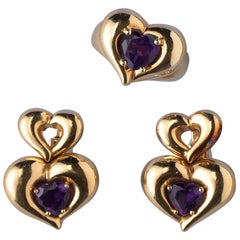
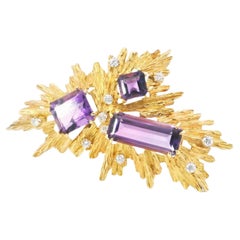
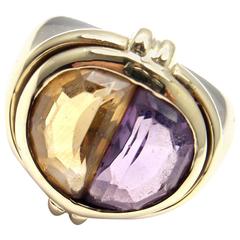
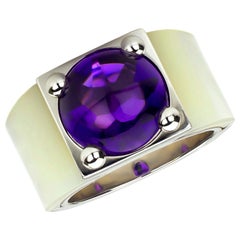
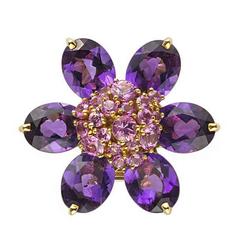
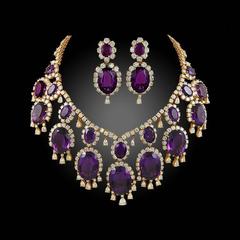
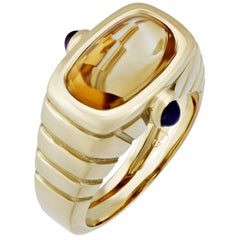
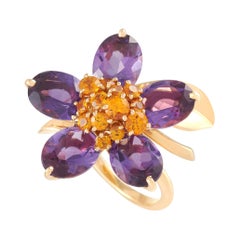
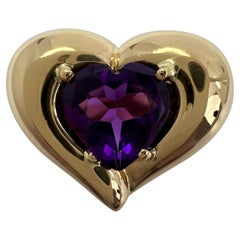
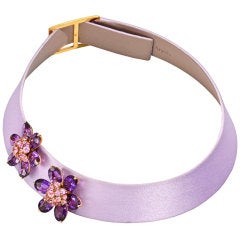
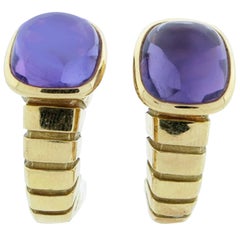
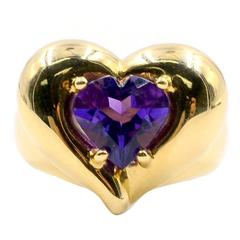
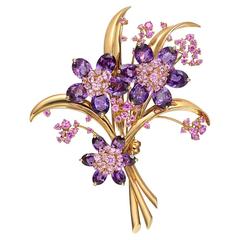
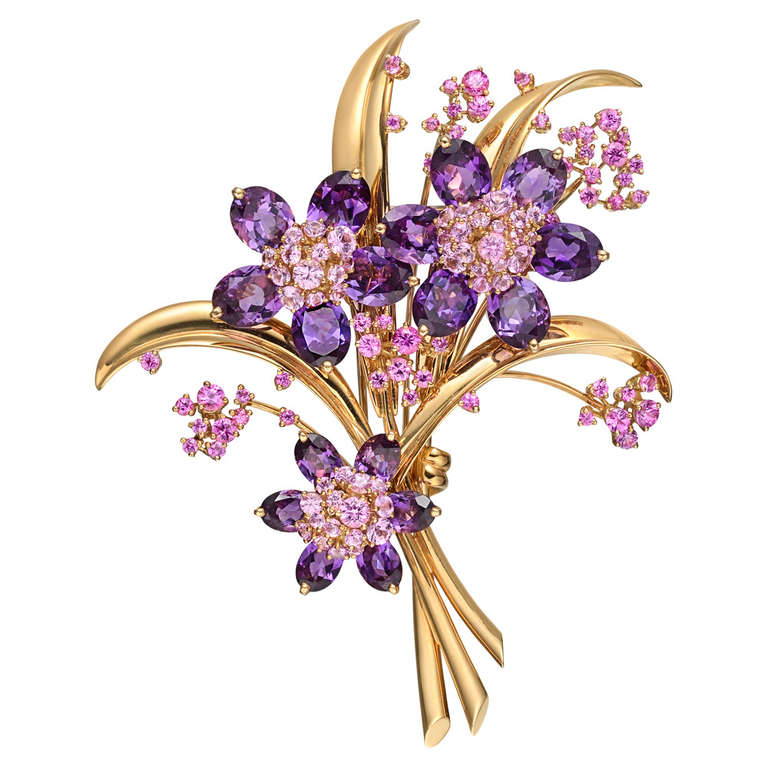
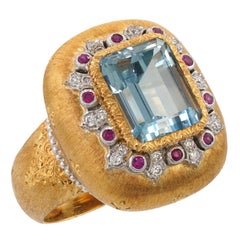
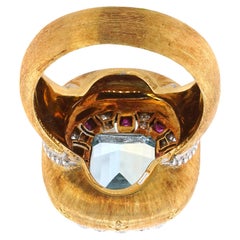
You are likely to find exactly the amethyst van cleef you’re looking for on 1stDibs, as there is a broad range for sale. Frequently made of
Gold,
18k Gold and
Yellow Gold, this item was constructed with great care. In our selection of items, you can find a vintage example as well as a contemporary version. Finding the perfect amethyst van cleef may mean sifting through those created during different time periods — you can find an early version that dates to the 19th Century and a newer variation that were made as recently as the 21st Century. For this particular piece,
2.5 Carat and
3 Carat are consistently popular carat weights. A
round cut version of this piece has appeal, but there are also
square cut and
mixed cut versions for sale. There aren’t many items for
men if you’re seeking a amethyst van cleef, as most of the options available are for
women and unisex.
How Much is a Amethyst Van Cleef?
The price for a amethyst van cleef starts at $1,800 and tops out at $395,000 with these rings, on average, selling for $14,450.
Van Cleef & Arpels for sale on 1stDibs
One of the world’s foremost jewelry houses, Van Cleef & Arpels is particularly noted for a focus on technical virtuosity, craftsmanship and artistry, evident since its beginning. Rather than create earrings, bracelets, necklaces and other adornments primarily for the aim of displaying of wealth and opulence, Van Cleef & Arpels sought to produce jewelry that projected the wearer’s taste and style.
The company was formed a year after the 1895 marriage of Alfred Van Cleef, the son of a gem cutter, to Estelle Arpels, daughter of precious-stones dealer Salomon Arpels. Ten years later, Van Cleef & Arpels opened its first boutique on the Place Vendôme in Paris, setting the march on a square now crowded with dealers in bijouterie. (The company still occupies the New York flagship store opened in 1939 at Fifth Avenue and 57th Street.)
Born from a union of expertise in both jewelry making and gem selection, Van Cleef & Arpels distinguished itself with both the consistency of the color and clarity of its stones and the creativity of its designs. In doing so, the house would win a roster of dedicated, fashion-conscious clients that included the Duchess of Windsor, Marlene Dietrich, Barbara Hutton, Jacqueline Onassis and Elizabeth Taylor. In 1933, Van Cleef & Arpels patented its trademark Mystery Setting — a technique by which gems are fitted into an intricate matrix of slots and “drawers” that keep the setting hidden. Another signal innovation was the Zip necklace, introduced in 1951, which can be worn either around the neck or, with the zipper closed, as a bracelet.
But as much as to the firm’s craftsmanship, clients have been drawn by the insouciance and playfulness of Van Cleef & Arpels designers, as well as their attunement to the cultural climate. After the discovery of Tutankhamun’s tomb in 1922, the company produced several lavish pieces featuring hieroglyphics and other Egyptian motifs to go along with the geometric Art Deco jewelry of that decade and the next. Following World War II, as symbols of freedom and rebirth, the firm focused on naturalistic forms such as birds, flowers, fruit and flying insects. High society’s 1960s fascination with the Near East and India prompted such pieces as the best-selling Alhambra necklace, popularized by Princess Grace.
Lately, attention among collectors and connoisseurs has centered on Van Cleef & Arpels’s quality of workmanship as much as its glamour. The firm was the subject of a 2012 show at the Cooper-Hewitt, Smithsonian Design Museum, as well as exhibitions at the Bowers Museum in Santa Ana, California, in 2013 and at the Musée des Arts Décoratifs in Paris in 2014.
Find an exquisite collection of Van Cleef & Arpels jewelry on 1stDibs.
Why Gold Shines in Jewelry Craftsmanship
Gold is the feel-good metal, the serotonin of jewelry. Wear vintage and antique gold necklaces, watches, gold bracelets or gold rings and you feel happy, you feel dressed, you feel, well, yourself.
Gold, especially yellow gold, with its rich patina and ancient pedigree going back thousands of years, is the steady standby, the well-mannered metal of choice. Any discussion of this lustrous metal comes down to a basic truth: Gold is elementary, my dear. Gold jewelry that couples the mystique of the metal with superb design and craftsmanship achieves the status of an enduring classic. Many luxury houses have given us some of our most treasured and lasting examples of gold jewelry over the years.
Since its founding, in 1837, Tiffany & Co. has built its reputation on its company jewelry as well as its coterie of boutique designers, which has included Jean Schlumberger, Donald Claflin, Angela Cummings and Elsa Peretti. There are numerous gold Tiffany classics worth citing. Some are accented with gemstones, but all stand out for their design and the workmanship displayed.
For the woman who prefers a minimalist look, the Tiffany & Co. twist bangle (thin, slightly ovoid) is stylishly simple. For Cummings devotees, signature pieces feature hard stone inlay, such as her pairs of gold ear clips inlaid with black jade (a play on the classic Chanel black and tan), or bangles whose design recalls ocean waves, with undulating lines of lapis lazuli and mother-of-pearl. And just about any design by the great Jean Schlumberger is by definition a classic.
Even had he eschewed stones and diamonds, Southern-born David Webb would be hailed for the vast arsenal of heavy gold jewelry he designed. Gold, usually hammered or textured in some manner, defines great David Webb jewelry. The self-taught jeweler made very au courant pieces while drawing inspiration from ancient and out-of-the-way sources — East meets West in the commanding gold necklaces made by Webb in the early 1970s. The same could be said for his endlessly varied gold cuffs.
In Europe, many houses have given us gold jewelry that sets the highest standard for excellence, pieces that were highly sought after when they were made and continue to be so.
Numerous designs from Cartier are homages to gold. There are the classic Trinity rings, necklaces and bracelets — trifectas of yellow, white and rose gold. As a testament to the power of love, consider the endurance of the Cartier Love bracelet.
Aldo Cipullo, Cartier’s top in-house designer from the late 1960s into the early ’70s, made history in 1969 with the Love bracelet. Cipullo frequently said that the Love bracelet was born of a sleepless night contemplating a love affair gone wrong and his realization that “the only remnants he possessed of the romance were memories.” He distilled the urge to keep a loved one close into a slim 18-karat gold bangle.
BVLGARI and its coin jewelry, gemme nummarie, hit the jackpot when the line launched in the 1960s. The line has been perennially popular. BVLGARI coin jewelry features ancient Greek and Roman coins embedded in striking gold mounts, usually hung on thick link necklaces of varying lengths. In the 1970s, BVLGARI introduced the Tubogas line, most often made in yellow gold. The Tubogas watches are classics, and then there is the Serpenti, the house's outstanding snake-themed watches and bracelets.
A collection called Monete that incorporated the gold coins is one of several iconic BVLGARI lines that debuted in the 1970s and ’80s, catering to a new generation of empowered women. Just as designers like Halston and Yves Saint Laurent were popularizing fuss-free ready-to-wear fashion for women on the go, BVLGARI offered jewels to be lived in.
Since Van Cleef & Arpels opened its Place Vendôme doors in 1906, collection after collection of jewelry classics have enchanted the public. As predominantly expressed in a honeycomb of gold, there is the Ludo watch and accessories, circa the 1920s, and the golden Zip necklace, 1951, whose ingenious transformation of the traditional zipper was originally proposed by the Duchess of Windsor. Van Cleef's Alhambra, with its Moroccan motif, was introduced in 1968 and from the start its popularity pivoted on royalty and celebrity status. It remains one of VCA’s most popular and collected styles.
Mention must be made of Buccellati, whose name is synonymous with gold so finely spun that it suggests tapestry. The house’s many gold bracelets, typically embellished with a few or many diamonds, signified taste and distinction and are always in favor on the secondary market. Other important mid-20th-century houses known for their gold-themed jewelry include Hermès and Ilias Lalaounis.
Find a stunning collection of vintage and antique gold jewelry on 1stDibs.
The Legacy of Amethyst in Jewelry Design
There are few gemstones in the world that are both affordable and worthy of a duchess’s attention. But then not many stones are as beautiful as amethyst. Indeed, vintage and antique amethyst jewelry has innumerable fans, and February’s birthstone has many unique attributes. For the romantics, there are several tales in Greek mythology that tell the story of Bacchus and Amethyste, a maiden that he pursues yet is rescued by Diane by turning her into a white stone. Bacchus, mourning his love, pours a glass of wine over the sculpture, dyeing her purple.
Amethyst has adorned many royal jewels. One of the most enviable jewelry collections of all time belonged to Wallis Simpson, the Duchess of Windsor. In 1947, the Duke gifted her with a Cartier amethyst and turquoise bib necklace. This special order piece was made with twisted 18-carat and 20-carat gold, platinum, brilliant- and baguette-cut diamonds, one heart-shaped faceted amethyst, 27 emerald-cut amethysts, one oval faceted amethyst, and turquoise cabochons. The Duchess was not the only Royal with a penchant for the purple gemstone. The tiara now owned by Queen Silvia of Sweden is set with amethysts that once belonged to the French Empress Josephine. A stunning 56-carat cushion-cut, square-shaped amethyst set in an 18-karat yellow gold necklace designed by Tiffany & Co. is now in the collection of the Smithsonian National Museum of Natural History.
The Smithsonian also has in its possession an even more rare example of fine amethyst: the 96-carat Morris Amethyst Brooch. The brooch features a deep, rich purple heart-shaped amethyst. The museum states that the piece was likely made during the Edwardian period (1901–15) “when platinum and diamonds were often used, and amethyst, a favorite stone of King Edward VII’s wife, Alexandra, was often included in jewelry of the era.”
Another amethyst necklace, with an even richer story, can be found in the Natural History Museum of London. Known as the Delhi Purple Sapphire (even though the stone is an amethyst), this stone was stolen from the Temple of Indra during the Indian Mutiny of 1857. Anyone in possession of this stone is bound to have terrible luck, including its owner Edward Heron-Allen, who gifted the gemstone to the museum thinking that this would save him but ended up transferring the bad luck to the museum curators overseeing the stone.
Find a wide range of vintage and antique amethyst necklaces, bracelets and other fine jewelry on 1stDibs.