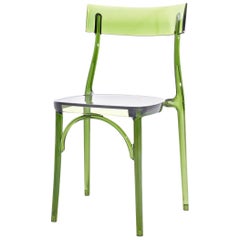
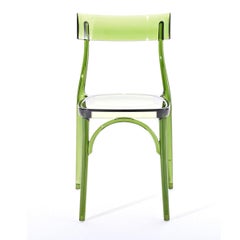
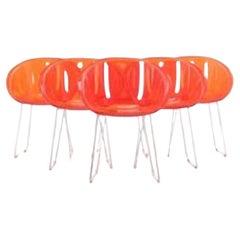
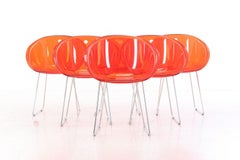
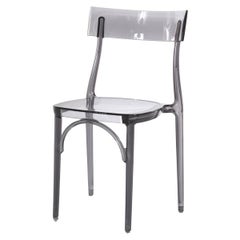
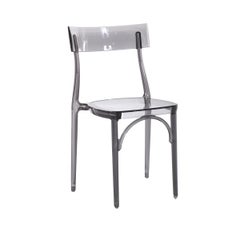
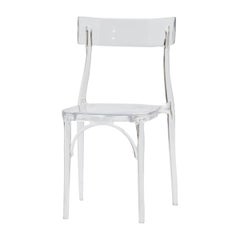
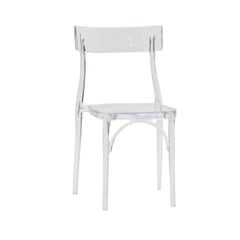
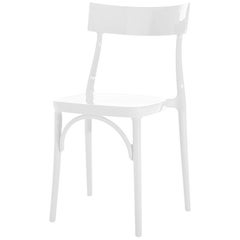
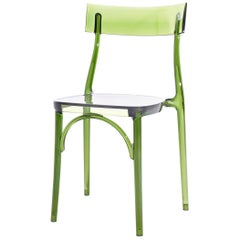
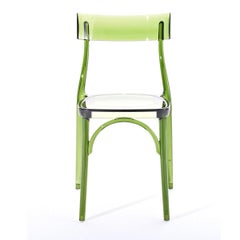
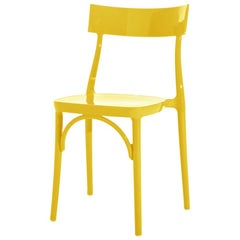
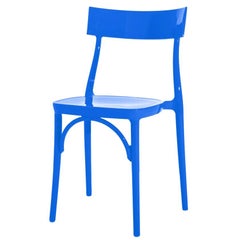
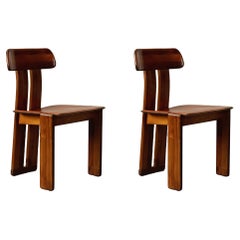
Polycarbonate Dining Chair For Sale on 1stDibs
Choose from an assortment of styles, material and more with respect to the polycarbonate dining chair you’re looking for at 1stDibs. Each polycarbonate dining chair for sale was constructed with extraordinary care, often using
metal,
plastic and
organic material. There are 5 variations of the antique or vintage polycarbonate dining chair you’re looking for, while we also have 61 modern editions of this piece to choose from as well. You’ve searched high and low for the perfect polycarbonate dining chair — we have versions that date back to the 20th Century alongside those produced as recently as the 21st Century are available. A polycarbonate dining chair made by
modern designers — as well as those associated with
mid-century modern — is very popular. A well-made polycarbonate dining chair has long been a part of the offerings for many furniture designers and manufacturers, but those produced by
Jacopo Foggini,
Kartell and
Philippe Starck are consistently popular.
How Much is a Polycarbonate Dining Chair?
The average selling price for a polycarbonate dining chair at 1stDibs is $1,065, while they’re typically $233 on the low end and $45,000 for the highest priced.
A Close Look at Modern Furniture
The late 19th and early 20th centuries saw sweeping social change and major scientific advances — both of which contributed to a new aesthetic: modernism. Rejecting the rigidity of Victorian artistic conventions, modernists sought a new means of expression. References to the natural world and ornate classical embellishments gave way to the sleek simplicity of the Machine Age. Architect Philip Johnson characterized the hallmarks of modernism as “machine-like simplicity, smoothness or surface [and] avoidance of ornament.”
Early practitioners of modernist design include the De Stijl (“The Style”) group, founded in the Netherlands in 1917, and the Bauhaus School, founded two years later in Germany.
Followers of both groups produced sleek, spare designs — many of which became icons of daily life in the 20th century. The modernists rejected both natural and historical references and relied primarily on industrial materials such as metal, glass, plywood, and, later, plastics. While Bauhaus principals Marcel Breuer and Ludwig Mies van der Rohe created furniture from mass-produced, chrome-plated steel, American visionaries like Charles and Ray Eames worked in materials as novel as molded plywood and fiberglass. Today, Breuer’s Wassily chair, Mies van der Rohe’s Barcelona chair — crafted with his romantic partner, designer Lilly Reich — and the Eames lounge chair are emblems of progressive design and vintage originals are prized cornerstones of collections.
It’s difficult to overstate the influence that modernism continues to wield over designers and architects — and equally difficult to overstate how revolutionary it was when it first appeared a century ago. But because modernist furniture designs are so simple, they can blend in seamlessly with just about any type of décor. Don’t overlook them.
Materials: Plastic Furniture
Arguably the world’s most ubiquitous man-made material, plastic has impacted nearly every industry. In contemporary spaces, new and vintage plastic furniture is quite popular and its use pairs well with a range of design styles.
From the Italian lighting artisans at Fontana Arte to venturesome Scandinavian modernists such as Verner Panton, who created groundbreaking interiors as much as he did seating — see his revolutionary Panton chair — to contemporary multidisciplinary artists like Faye Toogood, furniture designers have been pushing the boundaries of plastic forever.
When The Graduate's Mr. McGuire proclaimed, “There’s a great future in plastics,” it was more than a laugh line. The iconic quote is an allusion both to society’s reliance on and its love affair with plastic. Before the material became an integral part of our lives — used in everything from clothing to storage to beauty and beyond — people relied on earthly elements for manufacturing, a process as time-consuming as it was costly.
Soon after American inventor John Wesley Hyatt created celluloid, which could mimic luxury products like tortoiseshell and ivory, production hit fever pitch, and the floodgates opened for others to explore plastic’s full potential. The material altered the history of design — mid-century modern legends Charles and Ray Eames, Joe Colombo and Eero Saarinen regularly experimented with plastics in the development of tables and chairs, and today plastic furnishings and decorative objects are seen as often indoors as they are outside.
Find vintage plastic lounge chairs, outdoor furniture, lighting and more on 1stDibs.
Finding the Right Dining-room-chairs for You
No matter what your dream dining experience looks like, there is a wide-ranging variety of vintage, new and antique dining room chairs on 1stDibs. Find upholstered dining room chairs, wood dining room chairs and more to outfit any space designated for a good meal, be it in your home or in the great outdoors.
In the early 18th century, most dining room tables and other furniture was designed to look masculine. In America, dining rooms weren’t even much of a concept until the late 1700s, when a space set aside specifically for dining became a part of the construction of homes for the wealthy. Dining room chairs of the era were likely made of walnut or oak. In Europe, neoclassical dining chairs emerged during the 1750s owing to nostalgia for classical antiquity, while the curving chair crests of Queen Anne furniture in the United States preceded the artistically bold seat backs that characterized the Chippendale chairs that followed. If there weren't enough dining chairs at suppertime in the American colonies, men were prioritized and women stood.
In the dining rooms of today, however, there is enough space for everyone to have a seat at the table. Modern styles introduce innovative design choices that play with shape and style. Icons of mid-century modern dining room chairs are plentiful: With its distinctive bentwood back, there is the DCW dining chair by Charles and Ray Eames, while Hans Wegner's timeless classic, the Wishbone chair, remains relevant and elegant decades after its debut. Stefano Giovannoni's White Rabbit dining chairs, in their lovable polyethylene biomorphism, reinvent what dining can look like.
Today's wide range of dining room chairs also means that they can now be styled in different ways, bringing functionality and fun to any sumptuous dining space. No longer do tables have to be accompanied by a matching set of seats. Skillfully mixing and matching colors and designs allows you to showcase your personality without sacrificing the cohesion of a given space.
By furnishing your dining room with cozy chairs — vintage, antique or otherwise — family time can extend far beyond mealtime. The plush upholstery of Victorian-style dining room chairs is perfect for game nights that stretch from dinner to midnight snack. Outdoor tables and dining chairs can also present an excellent opportunity for bonding and eating — what goes better with a delicious meal than fresh air, anyway?
Whether you prefer your chairs streamlined and stackable or ornate and one of a kind, the offerings on 1stDibs will elevate your mealtime and beyond.