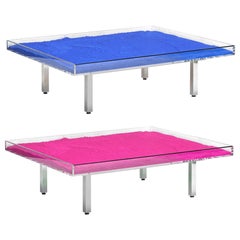
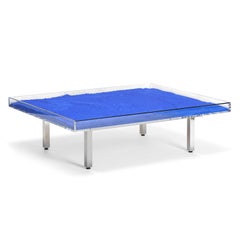
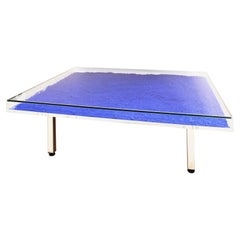
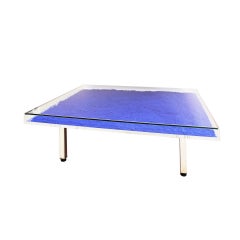
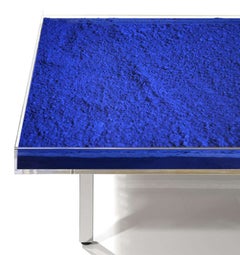
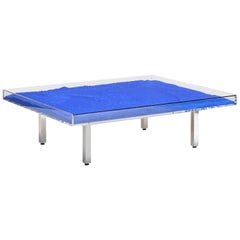
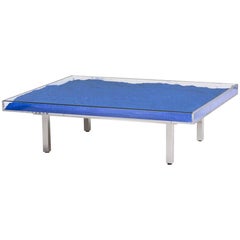
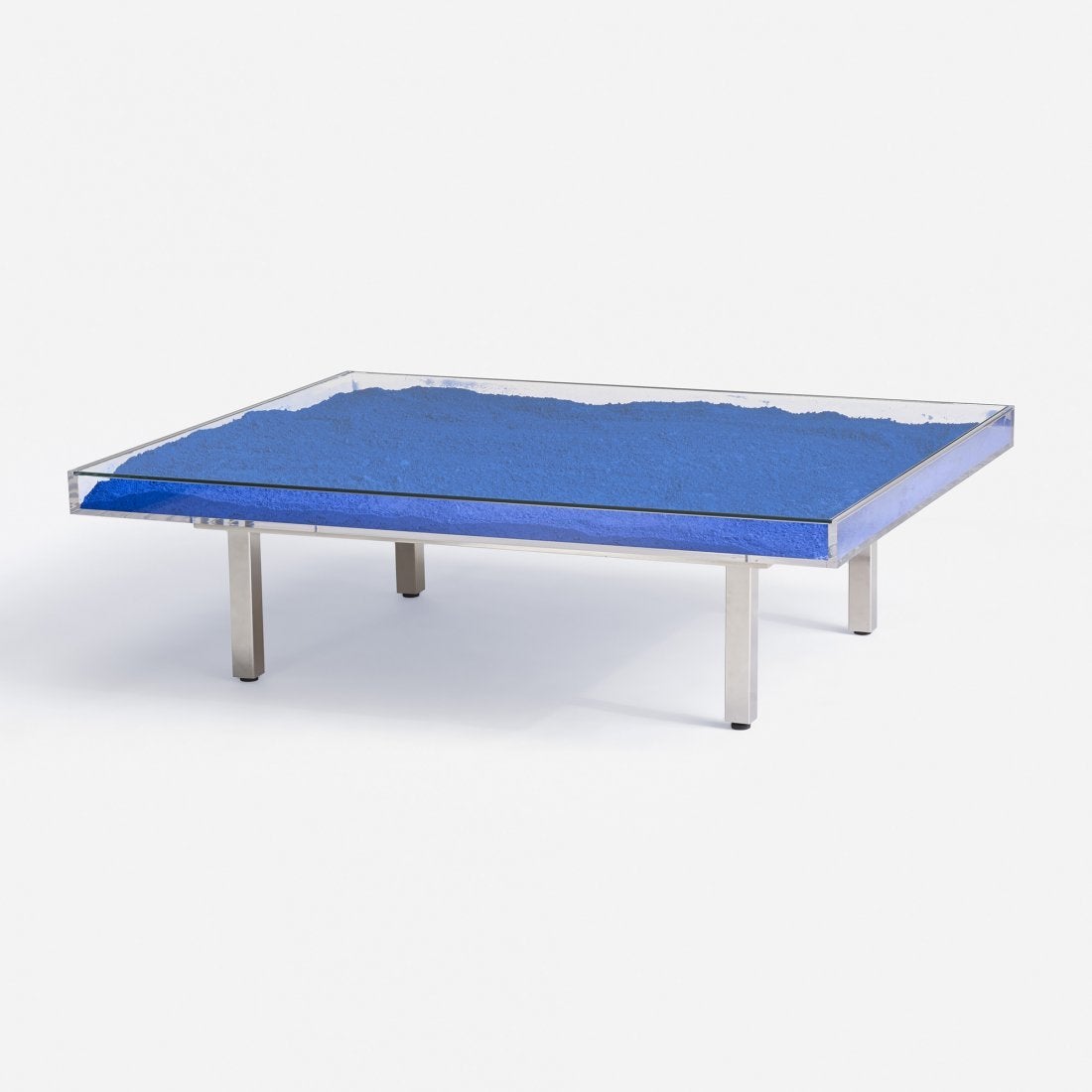
Yves Klein Table Blue For Sale on 1stDibs
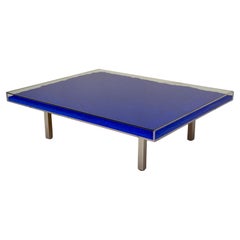
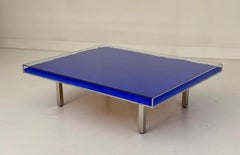
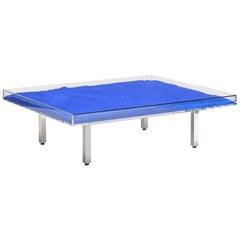
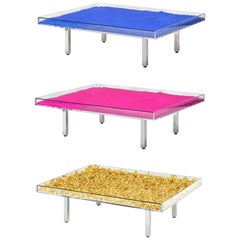
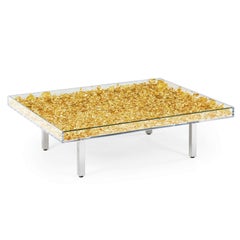
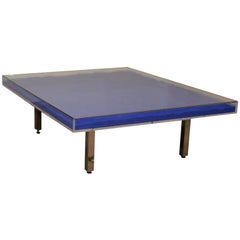
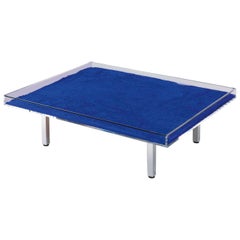
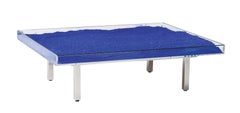
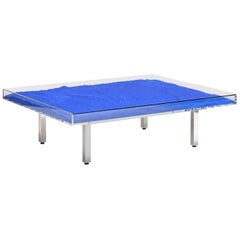
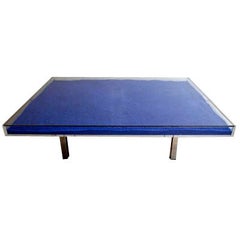
With a vast inventory of beautiful furniture at 1stDibs, we’ve got just the yves klein table blue you’re looking for. Each yves klein table blue for sale was constructed with extraordinary care, often using
plastic,
plexiglass and
metal. If you’re shopping for a yves klein table blue, we have 4 options in-stock, while there are 7 modern editions to choose from as well. There are many kinds of the yves klein table blue you’re looking for, from those produced as long ago as the 20th Century to those made as recently as the 21st Century. When you’re browsing for the right yves klein table blue, those designed in
Modern styles are of considerable interest.
How Much is a Yves Klein Table Blue?
The average selling price for a yves klein table blue at 1stDibs is $23,347, while they’re typically $18,000 on the low end and $69,300 for the highest priced.
Yves Klein for sale on 1stDibs
French artist Yves Klein is best known for his trademark ultramarine pigment, which he patented as International Klein Blue in 1961. “Blue … is beyond dimensions, whereas the other colors are not,” he said.
“All colors arouse specific ideas, while blue suggests at most the sea and the sky; and they, after all, are in actual, visible nature what is most abstract.”
Starting in the mid-1950s, Klein made retinal blue monochrome paintings (which would prove cornerstones of Minimalism) and the pigment would also feature prominently in his Anthropometry paintings, for which Klein smeared nude women with blue pigment and used them as human brushes on canvas, sometimes in elaborate public performances. Klein's work anticipated Conceptual art, performance art and environmental art, as in his selling of portions of empty space to collectors. For The Void (1958), he presented an empty gallery as an artwork, wearing a white tie and tails to show visitors around the blank walls.
Find authentic Yves Klein sculptures, prints and other art on 1stDibs.
Materials: Plastic Furniture
Arguably the world’s most ubiquitous man-made material, plastic has impacted nearly every industry. In contemporary spaces, new and vintage plastic furniture is quite popular and its use pairs well with a range of design styles.
From the Italian lighting artisans at Fontana Arte to venturesome Scandinavian modernists such as Verner Panton, who created groundbreaking interiors as much as he did seating — see his revolutionary Panton chair — to contemporary multidisciplinary artists like Faye Toogood, furniture designers have been pushing the boundaries of plastic forever.
When The Graduate's Mr. McGuire proclaimed, “There’s a great future in plastics,” it was more than a laugh line. The iconic quote is an allusion both to society’s reliance on and its love affair with plastic. Before the material became an integral part of our lives — used in everything from clothing to storage to beauty and beyond — people relied on earthly elements for manufacturing, a process as time-consuming as it was costly.
Soon after American inventor John Wesley Hyatt created celluloid, which could mimic luxury products like tortoiseshell and ivory, production hit fever pitch, and the floodgates opened for others to explore plastic’s full potential. The material altered the history of design — mid-century modern legends Charles and Ray Eames, Joe Colombo and Eero Saarinen regularly experimented with plastics in the development of tables and chairs, and today plastic furnishings and decorative objects are seen as often indoors as they are outside.
Find vintage plastic lounge chairs, outdoor furniture, lighting and more on 1stDibs.
Finding the Right Coffee-tables-cocktail-tables for You
As a practical focal point in your living area, antique and vintage coffee tables and cocktail tables are an invaluable addition to any interior.
Low tables that were initially used as tea tables or coffee tables have been around since at least the mid- to late-1800s. Early coffee tables surfaced in Victorian-era England, likely influenced by the use of tea tables in Japanese tea gardens. In the United States, furniture makers worked to introduce low, long tables into their offerings as the popularity of coffee and “coffee breaks” took hold during the late 19th century and early 20th century.
It didn’t take long for coffee tables and cocktail tables to become a design staple and for consumers to recognize their role in entertaining no matter what beverages were being served. Originally, these tables were as simple as they are practical — as high as your sofa and made primarily of wood. In recent years, however, metal, glass and plastics have become popular in coffee tables and cocktail tables, and design hasn’t been restricted to the conventional low profile, either.
Visionary craftspeople such as Paul Evans introduced bold, geometric designs that challenge the traditional idea of what a coffee table can be. The elongated rectangles and wide boxy forms of Evans’s desirable Cityscape coffee table, for example, will meet your needs but undoubtedly prove imposing in your living space.
If you’re shopping for an older coffee table to bring into your home — be it an antique Georgian-style coffee table made of mahogany or walnut with decorative inlays or a classic square mid-century modern piece comprised of rosewood designed by the likes of Ettore Sottsass — there are a few things you should keep in mind.
Both the table itself and what you put on it should align with the overall design of the room, not just by what you think looks fashionable in isolation. According to interior designer Tamara Eaton, the material of your vintage coffee table is something you need to consider. “With a glass coffee table, you also have to think about the surface underneath, like the rug or floor,” she says. “With wood and stone tables, you think about what’s on top.”
Find the perfect centerpiece for any room, no matter what your personal furniture style on 1stDibs — shop Art Deco coffee tables, travertine coffee tables and other antique and vintage coffee tables and cocktail tables today.