Japonisme Decorative Objects

372 Results
JAPONISME STYLE

In the late 19th and early 20th century, France developed an enduring passion for Japanese aesthetics and craftsmanship. Not only did this interpretation of Japanese culture — which became known as Japonisme — infuse fresh energy into French art and design, but it also radically transformed how Europeans, and subsequently the world, would come to understand visual culture. 

Until 1853, Japan had been closely guarded against foreign visitors for over two centuries. However, American Commodore Matthew C. Perry sailed into Japan that year and initiated the first of its treaties with the United States and Europe, thereby opening its borders and giving the West its first-ever look at Japanese design. 

For the next few decades, taken with Japonisme, sophisticated collectors in Paris, New York and elsewhere gorged themselves on lacquered screens, celadon ceramics and netsuke ornaments, along with artworks depicting various aspects of Japanese life. The East Asian country’s influence on Europe, particularly France, contributed to one of the most creatively prosperous periods in history, leaving an imprint on the Impressionist, Art Nouveau and Art Deco movements, and inspiring artists like Edgar Degas, Mary Cassatt, Vincent van Gogh as well as luxury houses such as Louis Vuitton and Hermès. Japonisme emerged at the time when the ornate Renaissance Revival style was the most prominent mode of decorating in Europe, and Japanese aesthetics seemed strikingly modern and elegant in comparison. 

In addition to everyday practical objects from Japan, such as vases, tableware and decorative boxes, Japanese art, especially Japanese woodblock prints by masters of the ukiyo-e school, caught the eye of many artists — particularly those in the Art Nouveau poster community in 1880s Paris. The luscious organic colors associated with traditional Japanese design, motifs like cherry blossoms and carp and the vivid patterns found in woodblock prints, silks and more were adopted and appropriated by painters as well as ceramicists and those working in other fields of the decorative arts. Today, demand for Japanese lacquerware — furniture, trays, writing boxes, screens, incense burners — from the Edo period (1615–1868) and the late 19th century continues to be very strong among collectors.

Find a collection of antique Japonisme furniture and decorative objects on 1stDibs.

to
52
340
22
10
226
104

Use search to find more

28,044
13,967
9,893
5,849
4,156
2,977
2,444
1,704
1,624
1,420
1,348
1,291
1,054
901
879
692
647
619
17
166
157
32
81
35
16
17
5
12
3
2
6
3
2
6
1
172
133
81
65
54

Use search to find more

13
6
5
4
4

Use search to find more

Style: Japonisme
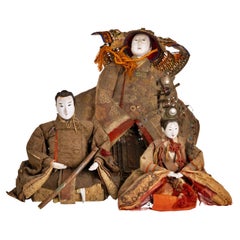
THREE FIGURES HINA MATSURI  Japanese, Meiji period (1868-1912)

THREE FIGURES HINA MATSURI Japanese, Meiji period (1868-1912)

Located in Madrid, ES

THREE FIGURES HINA MATSURI Japanese, Meiji period (1868-1912) in painted plaster, eggshell, silk and other materials. Height: (largest) 50 cm good condit...

Category

19th Century Japanese Antique Japonisme Decorative Objects

Materials

Silk, Plaster

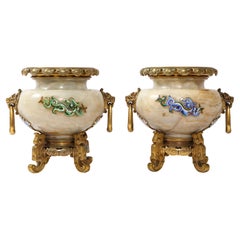
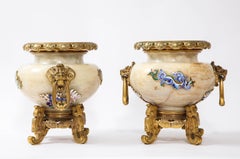
Eugène Cornu, Pair of French Japonisme/Chinoiserie Ormolu Mtd Enameled Onyx Urns

Eugène Cornu, Pair of French Japonisme/Chinoiserie Ormolu Mtd Enameled Onyx Urns

By Eugène Cornu

Located in New York, NY

A Rare and Quite Unusual Pair of Signed 19th Century French Japonisme/Chinoiserie/Orientalist Ormolu Mounted Champleve Enameled Onyx Urns by Eugène Cornu. Each is made from champlev...

Category

1880s French Antique Japonisme Decorative Objects

Materials

Onyx, Bronze

Antique Japanese Lacquered Red Bowl, Decorative, Circa 1900-1950

Antique Japanese Lacquered Red Bowl, Decorative, Circa 1900-1950

Located in PARIS, FR

Vintage lacquered red Japanese bowl, with some patina to the lacquer which makes the charm of this piece. This is a nice decorative object with personality.

Category

Early 20th Century Japanese Japonisme Decorative Objects

Materials

Lacquer

19th Century Japanese Imari & French Bronze Mantel Clock

19th Century Japanese Imari & French Bronze Mantel Clock

By Imari Porcelain

Located in Tarzana, CA

JAPANESE IMARI PORCELAIN AND ORMOLU MOUNTED MANTEL CLOCK, 19TH CENTURY urn shaped with three ormolu mounted cherubs with Roman Numeral and Arabic dial. Dimensions Height: 22" Width: ...

Category

19th Century Japanese Antique Japonisme Decorative Objects

Materials

Bronze

Large Masons Iron Stone Pagoda Lidded Vase, 19th Century

Large Masons Iron Stone Pagoda Lidded Vase, 19th Century

Located in Brighton, Sussex

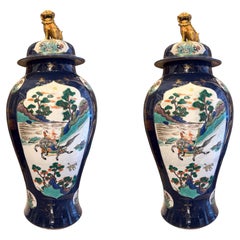
A very impressive large 19th century Masons iron stone pagoda style lidded vase. Having the classic Imari colours if cobalt blue ground and orange hi...

Category

19th Century English Antique Japonisme Decorative Objects

Materials

Earthenware

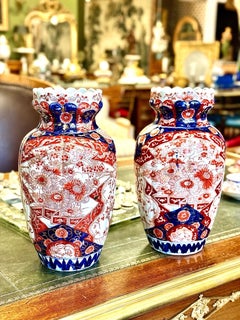
Fine Pair of Japanese Fukagawa Porcelain Vases, circa 1890

Fine Pair of Japanese Fukagawa Porcelain Vases, circa 1890

By Fukagawa

Located in Brighton, Sussex

A fine quality large pair of Japanese Meiji period (1868-1912) Fukagawa porcelain vases. Each with wonderful bold Imari colours, the tapering bands of classical motifs from top to bo...

Category

Late 19th Century Japanese Antique Japonisme Decorative Objects

Materials

Porcelain

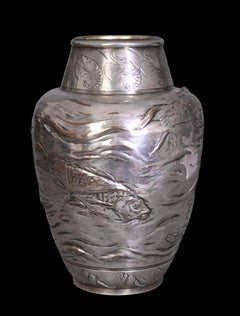
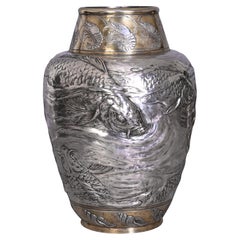
Ernest CARRIÈRE for CHRISTOFLE – Japonist Ovoid Vase “Seaweed and Fish

Ernest CARRIÈRE for CHRISTOFLE – Japonist Ovoid Vase “Seaweed and Fish

By Ernest Carrière, Christofle

Located in SAINT-OUEN-SUR-SEINE, FR

This Japanese-inspired ovoid vase, designed by the ceramist Ernest Carrière, was produced by the renowned silversmith Christofle. The base is adorned with a frieze of seashells, and ...

Category

Late 19th Century French Antique Japonisme Decorative Objects

Materials

Silver

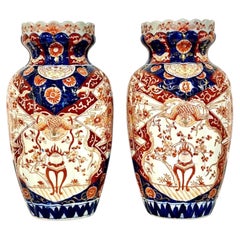
Pair of Japanese Imari Porcelain Vases, Late 19th Century

Pair of Japanese Imari Porcelain Vases, Late 19th Century

Located in LA CIOTAT, FR

Elegant pair of Asian porcelain vases, attributed to Japan, dating from the late 19th century, circa 1880–1900, and decorated in the traditional Imari style. These beautifully propo...

Category

Late 19th Century Japanese Antique Japonisme Decorative Objects

Materials

Porcelain

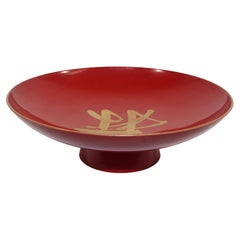
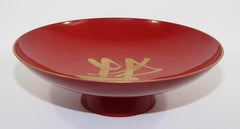
Asian Japanese Red Lacquered Footed Bowl Centerpiece

Asian Japanese Red Lacquered Footed Bowl Centerpiece

Located in Moreno Valley, CA

Large vintage Japanese shallow footed bowl in red lacquer with gold calligraphy design. This beautiful lacquerware were made to serve foods during elaborate banquet. Great decorative...

Category

Mid-20th Century Japanese Japonisme Decorative Objects

Materials

Lacquer, Paint

Pair of Antique Satsuma Vases, Japanese, Ceramic Baluster, Meiji, Late Victorian

Pair of Antique Satsuma Vases, Japanese, Ceramic Baluster, Meiji, Late Victorian

Located in Hele, Devon, GB

This is a pair of antique Satsuma vases. A Japanese, ceramic baluster urn, dating to the late Victorian period, circa 1900. Great proportion and accentuated with charming figural ar...

Category

Early 20th Century Japanese Japonisme Decorative Objects

Materials

Ceramic

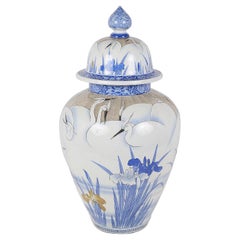
Meiji Period Fukagawa Porcelain Lidded Vase

Meiji Period Fukagawa Porcelain Lidded Vase

By Fukagawa

Located in Brighton, Sussex

A fine quality hand painted Japanese Meiji period (1868-1912) Fukagawa porcelain lidded vase. Depicting exotic Cranes among Reeds and Lillys, boa...

Category

Late 19th Century Japanese Antique Japonisme Decorative Objects

Materials

Porcelain

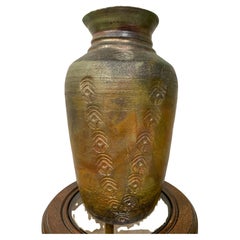
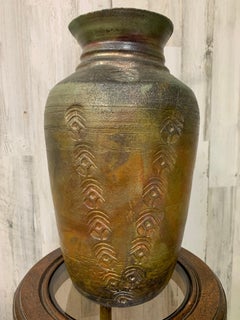
Large Raku Fired Vessel by Fernande Beland

Large Raku Fired Vessel by Fernande Beland

Located in Denton, TX

Raku fired Large Vessel by Fernande Beland of Canada Mutiple colors of gold, green, amber, charcoal. The iridescence of the glaze is breath taking as the colors change with differen...

Category

20th Century Canadian Japonisme Decorative Objects

Materials

Clay

Cascade style Japanese black pine by Yumiko Kuwahata / Bonsai / wabi-sabi

Cascade style Japanese black pine by Yumiko Kuwahata / Bonsai / wabi-sabi

Located in Sammu-shi, Chiba

This is a bonsai creation by Japanese artist Yumiko Kuwahata. It is made from washi paper, clay, and fabric. The ceramic vessels are personally selected by the artist, who visits ki...

Category

2010s Japanese Japonisme Decorative Objects

Materials

Clay, Grasscloth, Paper

Vintage Okimono Figure, Two Cranes, Japanese, Bronze, Bird Study, Art Deco, 1940

Vintage Okimono Figure, Two Cranes, Japanese, Bronze, Bird Study, Art Deco, 1940

Located in Hele, Devon, GB

This is a vintage Okimono of two cranes. A Japanese, decorative bronze bird figure, dating to the Art Deco period, circa 1940. A charming decorative study, presenting a mother and ch...

Category

1940s Japanese Vintage Japonisme Decorative Objects

Materials

Bronze

Pair of Japanese Meiji Period Bronze and Gilt Vases

Pair of Japanese Meiji Period Bronze and Gilt Vases

By Zo Miyao 1

Located in Brighton, Sussex

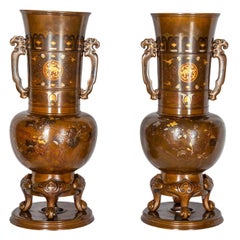
Pair of fine quality Japanese Meiji period (1868-1912) patinated bronze Miyao style gold and silver overlay two handled vases, each with twin handles, classical motif decoration with...

Category

Late 19th Century Japanese Antique Japonisme Decorative Objects

Materials

Bronze

Fabienne Jouvin Imari Japanese Asian Porcelain Wall Plates 1990s

Fabienne Jouvin Imari Japanese Asian Porcelain Wall Plates 1990s

By Fabienne Jouvin

Located in Moreno Valley, CA

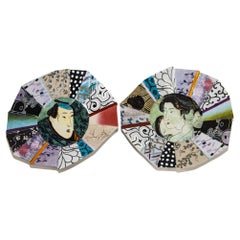
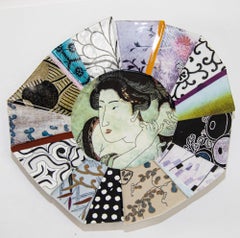
Vintage Fabienne Jouvin French designer decorative Imari Asian wall plates. from the French Parisian designer Fabienne Jouvin the plates with irregular shapes and quite shallow with a beautiful Oriental Asian Japanese style depicting a man and woman portrait on each plate. The portrait are period Imperial style, with Japanese kimono and hair style, vivid colors on each panel of the plate depicting different Asian traditional design motifs. Colorful modern Asian motif decorative plates or shallow bowls made by Fabienne Jouvin Paris...

Category

Late 20th Century Chinese Japonisme Decorative Objects

Materials

Porcelain

Oxblood Red and Black Stoneware Pot by Alain Gaudebert, France, circa 1980

Oxblood Red and Black Stoneware Pot by Alain Gaudebert, France, circa 1980

By Alain Gaudebert

Located in Camblanes et Meynac, FR

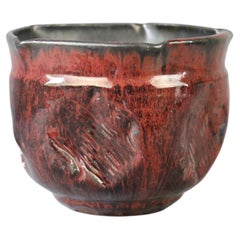
Oxblood Red and Black Stoneware Pot by Alain Gaudebert, France, circa 1980 A superb blood-red vase, scarified on the outside, with a serrated neck and a smooth matt black glaze on t...

Category

1980s French Vintage Japonisme Decorative Objects

Materials

Enamel

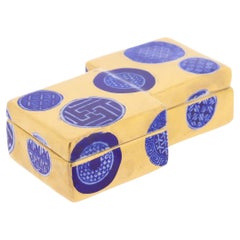
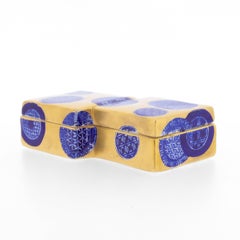
Gilt Japonisme Porcelain Dresser Box

Gilt Japonisme Porcelain Dresser Box

Located in Philadelphia, PA

A fine 2-section Japonisme dresser box. In gilt porcelain. With cobalt blue and white geometric circle devices throughout. Simply a wonderful porcelain dresser box! Date: 20th Ce...

Category

20th Century Unknown Japonisme Decorative Objects

Materials

Porcelain

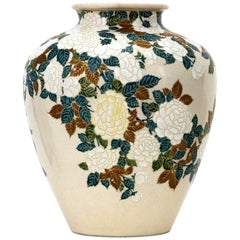
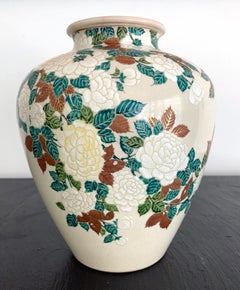
Japanese Ceramic Vase by Ito Tozan I Meiji Period

Japanese Ceramic Vase by Ito Tozan I Meiji Period

By Ito Tozan I

Located in Atlanta, GA

This stoneware vase of a jar form was finely decorated with low relief carving and delicate colored glazes depicting bundles of peony flowers. It was made by Ito Tozan I (1846-1920) circa 1890-1900s in the late Meiji Period. The color pallet was both bold and subtle, with dark green and rusty leaves with golden outlines and white and light yellow peony petals covering much of the surface. Impressed with potter's mark on the base. Examples of two pieces by Ito Tozan I were in the collection of MNAAG (Guimet) Paris. Inventory no. MG 13790 an 13792. A vase with similar shape and decoration techniques is featured as Lot 1340 Fine Japanese Art, 13 Sep 2017 Bonhams New York Tozan Ito I established his ceramic business in Kyoto 1867. His studio made both porcelain and stoneware in a style some considered Satsuma while they retained a sophistication of Kyoto ware...

Category

1890s Japanese Antique Japonisme Decorative Objects

Materials

Ceramic

Japanese wooden box, 19th century, Japan

Japanese wooden box, 19th century, Japan

Located in Auribeau sur Siagne, FR

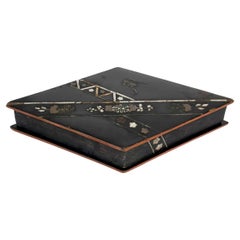
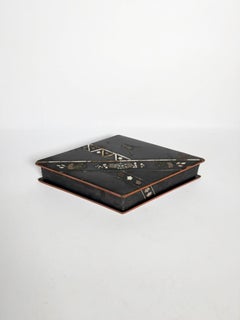
A 19th-century Japanese wooden box with an elegant geometric shape, crafted using traditional Japanese decorative arts techniques. The black lacquered surface is adorned with delicate painted and inlaid motifs, blending stylized floral elements, graphic symbols, and decorative characters. The composition is structured by a play of diagonal lines and ornamental bands, lending the piece a remarkable visual restraint while revealing refined and meticulous craftsmanship. The contrasts between the deep black, the golden tones, and the light accents attest to masterful craftsmanship. The antique patina, with subtle signs of age, enhances the authenticity and charm of this piece. Serving as both a storage object and a decorative element, this box embodies the aesthetics of 19th-century Japan, where functionality and symbolism harmoniously converge. It will find its place naturally in a wabi-sabi, minimalist, or eclectic interior, or within a collection of antique Asian objects. Main features: Antique wooden box Japan, 19th century Black lacquered wood Painted and inlaid decoration Stylized symbolic and floral motifs Original patina Storage and collectible item Keywords: antique Japanese box...

Category

19th Century Japanese Antique Japonisme Decorative Objects

Materials

Wood, Lacquer

A Massive Antique Japanese Arita Porcelain Plate by Kajiwara Kiln

A Massive Antique Japanese Arita Porcelain Plate by Kajiwara Kiln

Located in Atlanta, GA

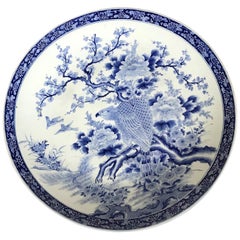
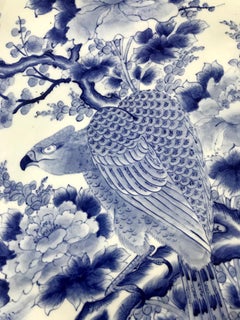
On offer is a truly impressive blue and white porcelain plate of Hizen ware, from Arita in Japan, circa mid to late-19th century. The plate was made by Kajiwara Kikujiro (菊次郎, the second Kiku son) and/or Kajiwara Kikusaburo (菊三郎, the third Kiku son who died in 1883) of the Kajiware Family Kiln of in Arita. It was decorated in a superb design with blue under-glaze, clearly out of a hand of a master. In a Classic Japanese composition that was popular in the Meiji Period, the plate displays a riot of auspicious elements, arranged still in a surprisingly harmonious manner. Anchoring the center of the design is an eagle perched on the branch of a blooming cherry tree, its talons clenching the bark and its wings about to open. The motion of the its immediate taking off is palpable. The trunk and the branches of the old cherry tree provide a spacial frame for the arrangement of large peonies with foliage, bundles of chrysanthemums, Chinese bell...

Category

19th Century Japanese Antique Japonisme Decorative Objects

Materials

Ceramic

Vintage Japanese Brass Champleve Vase With Dragon Enamel

Vintage Japanese Brass Champleve Vase With Dragon Enamel

Located in Delray Beach, FL

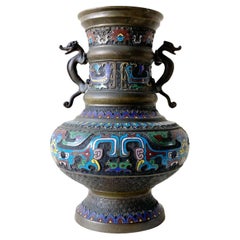
Amazing early 20th century Japanese brass champleve vases features a vibrant colorful enamel design depicting dragons.  

Category

Early 20th Century Japanese Japonisme Decorative Objects

Materials

Brass, Enamel

Black Ceramic Vessel by HIROKI KANAZAWA

Black Ceramic Vessel by HIROKI KANAZAWA

Located in Sammu-shi, Chiba

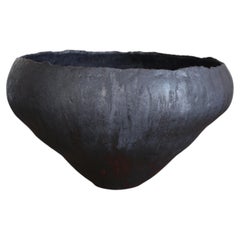
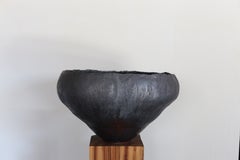
Black Ceramic Vessel — Hiroki Kanazawa A ceramic vessel by Hiroki Kanazawa, a Japanese ceramic artist born and raised in Amakusa, Kumamoto Prefe...

Category

2010s Japanese Japonisme Decorative Objects

Materials

Pottery

Pair 19th Century Japanese Imari Porcelain & Gilt-Bronze Torchere Candelabra

Pair 19th Century Japanese Imari Porcelain & Gilt-Bronze Torchere Candelabra

By Imari Porcelain

Located in Los Angeles, CA

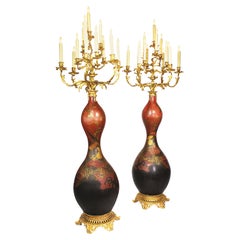
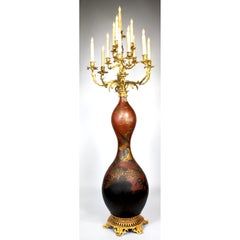
A fine Pair of 19th century Japanese Imari Porcelain and French Gilt-Bronze Mounted Thirteen-Light Celadon Torchere Candelabra. The bottle-shaped Japonisme vases with a Royal red background, decorated with parcel-gilt and black soaring eagles in the hunt within a forestall scene. Each Vase fitted and surmounted with a French 19th century Louis XV Style 13-Light scrolled candelabrum and all raised on a circular pierced gilt-bronze plinth. circa: 1880. Imari Porcelain (????) is the name for Japanese porcelain wares made in the town of Arita, in the former Hizen Province, northwestern Kyushu. They were exported to Europe extensively from the port of Imari, Saga, between the second half of the 17th century and the first half of the 18th century. The Japanese as well as Europeans called them Imari. In Japanese, these porcelains are also known as Arita-yaki (???). Imari or Arita porcelain has been continously produced up through the present day. Characteristics Though there are many types of Imari, Westerners' conception of Imari in the popular sense is associated only with a type of Imari produced and exported in large quantity in mid-17th century. This type is called Kinrande. Kinrande Imari is colored porcelain with cobalt blue underglaze and red and gold overglaze. The color combination was not seen in China at that time. Traditional Ming dynasty color porcelain used dominantly red and green, probably due to scarcity of gold in China, whereas gold was abundant in Japan in those days. The subject matter of Imari is diverse, ranging from foliage and flowers to people, scenery and abstractions. Some Imari design structures such as kraak style were adopted from China, but most designs were uniquely Japanese owing to the rich Japanese tradition of paintings and costume design. The porcelain has a gritty texture on the bases, where it is not covered by glaze. There is also blue and white Imari. Kakiemon style Imari is another type of Imari, but it tends to be categorized separately in Europe. History "Imari" was simply the trans-shipment port for Arita wares. It was the kilns at Arita which formed the heart of the Japanese porcelain industry. Arita's kilns were set up in the 17th century, when kaolin was discovered in 1616 by the immigrant Korean potter, Yi Sam-pyeong (1579–1655). (He may also be known by the name, "Kanage Sambei".) Yi Sam-Pyeong, along with his extended family of 180 persons, left Korea on the offer of a privileged position in Japan. This decision was made after the occurrence of certain Japanese invasions of Korea. After Yi Sam-Pyeong's discovery, his kilns began to produce revised Korean-style blue and white porcelains, known as "Shoki-Imari". In the mid-17th century there were also a lot of Chinese refugees in Northern Kyushu due to the turmoil on Chinese continent, and it is said one of them brought coloring technique to Arita. Thus Shoki-Imari developed into Ko-KutaniImari. Ko-Kutani was produced around 1650 for both export and domestic market. Blue and white porcelain continued to be produced and they are called Ai-Kutani. Ko-Kutani Imari for the export market usually adopted Chinese design structure such as kraak style, whereas Ai-Kutani for the domestic market were highly unique in design and are accordingly valued very much among collectors. Ko-Kutani style evolved into Kakiemon style Imari, which was produced for about 50 years around 1700. Imari achieved its technical and aesthetic peak in Kakiemon style, and it dominated European market. Blue and white Kakiemon is called Ai-Kakiemon. Kakiemon style transformed into Kinrande in the 18th century. Kinrande used blue underglaze and red and gold overglaze, and later some other colors. Imari began to be exported to Europe because the Chinese kilns at Ching-te-Chen were damaged in the political chaos and the new Qing dynasty government stopped trade in 1656–1684. Exports to Europe were made through the Dutch East India Company, but the designation "Imari Porcelain" in Europe connotes Arita wares of mostly Kinrande Imari. Export of Imari to Europe stopped in mid-18th century when China began export to Europe again, since Imari was not able to compete against China due to high labor cost. By that time, however, both Imari and Kakiemon style were already so popular among Europeans, Chinese export porcelain copied both Imari and Kakiemon style, which is called Chinese Imari. At the same time, European kilns, such as Meisen also tried to copy Imari and Kakiemon. Export of Imari surged again in late 19th century (Meiji era) when Japonism flourished in Europe. Thus in western world today, two kinds of Imari can...

Category

19th Century Japanese Antique Japonisme Decorative Objects
Materials

Bronze, Ormolu

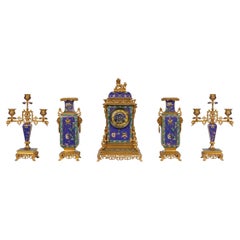
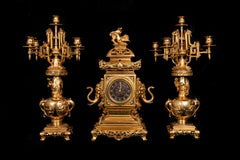
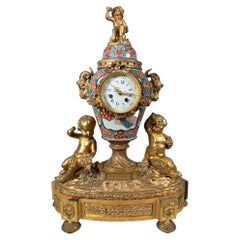
An Exceptional French Japonisme Ormolu and Champleve Enamel Five Piece Clock Set

An Exceptional French Japonisme Ormolu and Champleve Enamel Five Piece Clock Set

By Edouard Lievre

Located in Long Island City, NY, NY

An Exceptional French Japonisme Ormolu and Champlevé Enamel Five-Piece Clock Set, In the Manner of Edouard Lièvre, circa 1870, Paris. This extraordinary French Japonisme clock set, ...

Category

19th Century French Antique Japonisme Decorative Objects

Materials

Enamel, Ormolu

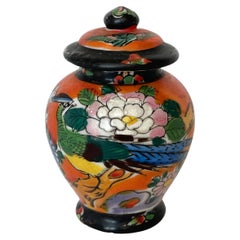
Japanese Miniature Hand Painted Porcelain Ginger Jar

Japanese Miniature Hand Painted Porcelain Ginger Jar

Located in New York, NY

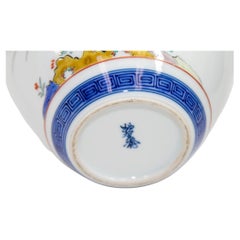
Hand painted Japanese porcelain miniature ginger jar with handled top. Old Japan motifs of a peacock with chrysanthemum flower, dogwood trees, clouds and and butterfly. Stamped with signature on bottom, T & T Made in Japan Hand paint.

Category

Early 20th Century Japanese Japonisme Decorative Objects

Materials

Porcelain

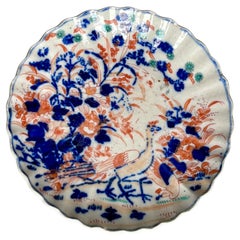
19th Century Antique Imari Porcelain Vide-Poche Dish, Hand Painted

19th Century Antique Imari Porcelain Vide-Poche Dish, Hand Painted

By Imari Porcelain

Located in Copenhagen, DK

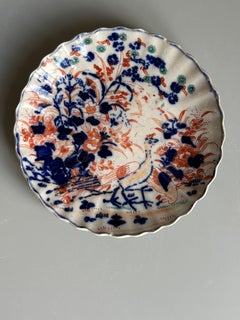
Early 19th century Japanese Imari porcelain vide-poche dish with hand painted floral decorations in the traditional Imari colors of cobalt blue and coral red with small green accents...

Category

19th Century Japanese Antique Japonisme Decorative Objects

Materials

Porcelain

Antique Japanese Champleve Bronze Flower Vase Urn Pegasus Butterfly Cloisonné

Antique Japanese Champleve Bronze Flower Vase Urn Pegasus Butterfly Cloisonné

Located in Dayton, OH

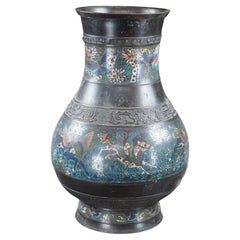
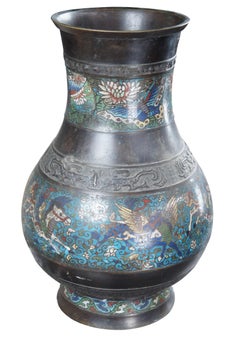
Early 20th century Japanese Bronze Champleve Flower Vase or Urn. Features a colorful champleve design of Pegasus's and butterflies between engraved bronze motifs. Marked Made in Japa...

Category

Early 20th Century Japonisme Decorative Objects

Materials

Bronze, Enamel

Original Japanese Ouchi Doll Hina Set in Box Kawaii Couple Doll

Original Japanese Ouchi Doll Hina Set in Box Kawaii Couple Doll

Located in San Diego, CA

Original Japanese Ouchi Doll Hina Set in Box Kawaii Couple Doll like new condition never out of the box very collectible piece.

Category

20th Century Japanese Japonisme Decorative Objects

Materials

Wood

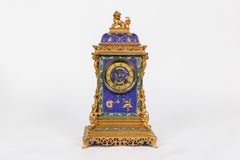
Large French Japonisme Ormolu Garniture Clock Set After Edouard Lievre

Large French Japonisme Ormolu Garniture Clock Set After Edouard Lievre

By Edouard Lievre

Located in New York, NY

A magnificent and finely cast palatial and very large French 19th century Japonisme three-piece ormolu garniture clock set in the style of Edouard Lievre. This striking and extremely...

Category

19th Century French Antique Japonisme Decorative Objects
Materials

Bronze

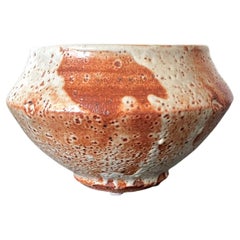
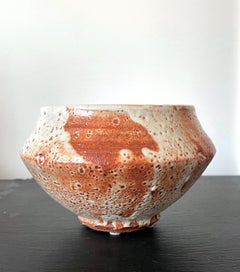
American Studio Ceramic Bowl in Shino Glaze by Warren MacKenzie

American Studio Ceramic Bowl in Shino Glaze by Warren MacKenzie

By Warren MacKenzie

Located in Atlanta, GA

A studio made ceramic tea bowl (Chawan) with a slightly irregular form and exceptional surface glaze by American potter Warren Mackenzie (1924-2018). Reminiscent of a monk's begging bowl...

Category

Late 20th Century American Japonisme Decorative Objects

Materials

Ceramic

Horsetail by Yumiko Kuwahata / Bonsai / wabi-sabi

Horsetail by Yumiko Kuwahata / Bonsai / wabi-sabi

Located in Sammu-shi, Chiba

This is a bonsai creation by Japanese artist Yumiko Kuwahata. It is made from washi paper, clay, and fabric. The ceramic vessels are personally selected by the artist, who visits ki...

Category

2010s Japanese Japonisme Decorative Objects

Materials

Clay, Grasscloth, Paper

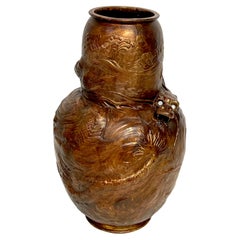
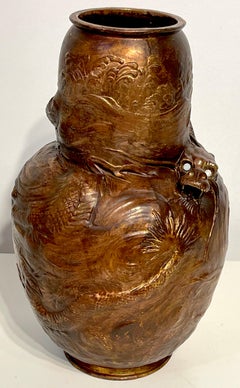
Japonisme Dragon Motif Copper Clad Vase by Bretby Pottery

Japonisme Dragon Motif Copper Clad Vase by Bretby Pottery

By Bretby Ceramics

Located in West Palm Beach, FL

A Japonisme Dragon Motif Copper Clad Vase by Bretby Pottery England, Circa 1890s A large and unusual work by the famed British pottery works, Bretby. The tapering gourd shape vas...

Category

Late 19th Century English Antique Japonisme Decorative Objects
Materials

Copper

Fukinotoh by Yumiko Kuwahata / Bonsai / wabi-sabi

Fukinotoh by Yumiko Kuwahata / Bonsai / wabi-sabi

Located in Sammu-shi, Chiba

This is a bonsai creation by Japanese artist Yumiko Kuwahata. It is made from washi paper, clay, and fabric. The ceramic vessels are personally selected by the artist, who visits ki...

Category

2010s Japanese Japonisme Decorative Objects

Materials

Clay, Grasscloth, Paper

Single-flowered Japanese kerria by Yumiko Kuwahata / Bonsai / wabi-sabi

Single-flowered Japanese kerria by Yumiko Kuwahata / Bonsai / wabi-sabi

Located in Sammu-shi, Chiba

This is a bonsai creation by Japanese artist Yumiko Kuwahata. It is made from washi paper, clay, and fabric. The ceramic vessels are personally selected by the artist, who visits ki...

Category

2010s Japanese Japonisme Decorative Objects

Materials

Clay, Grasscloth, Paper

Balloon vine by Yumiko Kuwahata / Bonsai / wabi-sabi

Balloon vine by Yumiko Kuwahata / Bonsai / wabi-sabi

Located in Sammu-shi, Chiba

This is a bonsai creation by Japanese artist Yumiko Kuwahata. It is made from washi paper, clay, and fabric. The ceramic vessels are personally selected by the artist, who visits ki...

Category

2010s Japanese Japonisme Decorative Objects

Materials

Clay, Grasscloth, Paper

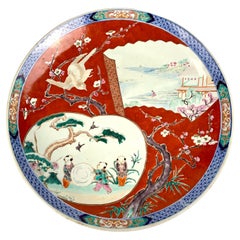
Large Antique Japanese Kutani Charger Red Ground Hand-Painted Children at Play

Large Antique Japanese Kutani Charger Red Ground Hand-Painted Children at Play

Located in Katonah, NY

This large Japanese Kutani charger, measuring 18 " in diameter, was created during the late 19th-century Meiji period. Its decoration features intricate hand-painted designs depictin...

Category

Late 19th Century Japanese Antique Japonisme Decorative Objects

Materials

Porcelain

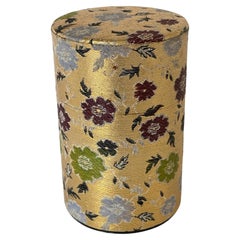
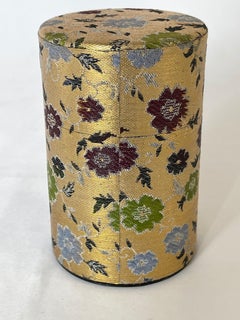
1960's Japanese Tea Caddy Tin Canister

1960's Japanese Tea Caddy Tin Canister

Located in New York, NY

1960's tin tea caddy covered in traditional Japanese woven gold fabric with floral motif. There are two lids, inner and outer to keep tea leaves fresh.

Category

Mid-20th Century Japanese Japonisme Decorative Objects

Materials

Tin

Hikari Oil Burner by Gökhan Eryaman & İsmail Dağlı, Japandi Style

Hikari Oil Burner by Gökhan Eryaman & İsmail Dağlı, Japandi Style

By İsmail Dağlı, Gökhan Eryaman

Located in Bomonti, TR

Dedicated to moments of tranquillity and serenity, Hikari Oil Burner is a living object that embodies a form within the balance of the Japandi style and the 1980s deconstructivism movement. It defines a sculptural volume of conic pieces that complete each other distinctively. Crafted with softly brushed aluminium, Hikari Oil Burner is designed by Gökhan Eryaman and İsmail Dağlı...

Category

2010s Turkish Japonisme Decorative Objects

Materials

Aluminum

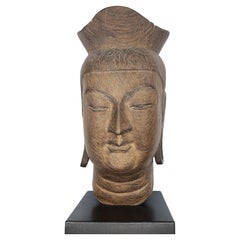
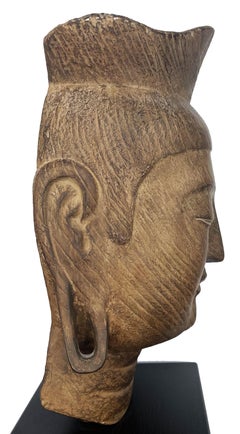
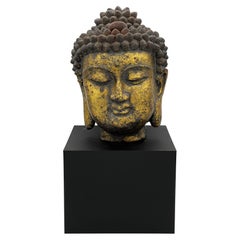
Japanese Late Meiji Period Head of Buddha in Wood, Ca. 1910

Japanese Late Meiji Period Head of Buddha in Wood, Ca. 1910

Located in New York, NY

Japanese Late Meiji Period Head of Buddha in Wood, Ca. 1910 DIMENSIONS: Height: 22 inches Width: 7 inches Depth: 7 inches ABOUT A serene and finely carved wooden Head of Buddha fro...

Category

1910s Japanese Vintage Japonisme Decorative Objects

Materials

Wood

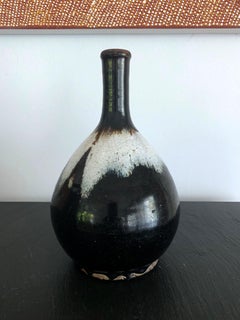
Japanese Ceramic Sake Bottle Chosen Karatsu Ware

Japanese Ceramic Sake Bottle Chosen Karatsu Ware

Located in Atlanta, GA

The long neck bottle of classic form was heavily potted with coarse clay with high iron content. The flask, circa 18th century Edo period, was purposed for sake storage but also substituted as a flower vase during tea ceremony. The surface is covered in glossy black glaze and contrasts strikingly with white ash glaze around the shoulder. The white, fired with straw, displays a splashing feather effect and fine crackles, blending in with the black artistically. This type of Karatsu ware...

Category

18th Century Japanese Antique Japonisme Decorative Objects

Materials

Ceramic

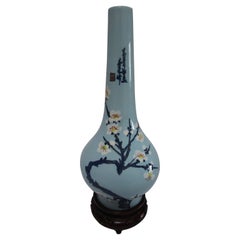
Turquoise Vintage Japanese Ceramic Bulbous Vase on Rosewood Stand

Turquoise Vintage Japanese Ceramic Bulbous Vase on Rosewood Stand

Located in Lomita, CA

This turquoise blue Japanese export vase with a rosewood base is as refreshing as a breath of spring. It This item is an inspired mid 20th century Japanese export blue vase, showca...

Category

Mid-20th Century Japanese Japonisme Decorative Objects

Materials

Ceramic, Porcelain

Chinese Ming Dynasty Gilt Iron Head of Buddha, Ca. 17th Century

Chinese Ming Dynasty Gilt Iron Head of Buddha, Ca. 17th Century

Located in New York, NY

Chinese Ming Dynasty Gilt Iron Head of Buddha, Ca. 17th Century DETAILS Ming Dynasty (1368-1644) DIMENSIONS: Width: 10 inches Wid...

Category

17th Century Japanese Antique Japonisme Decorative Objects
Materials

Iron

Pair of Large Powder-Blue Gilt-Decorated Jars, Japon 1840 .

Pair of Large Powder-Blue Gilt-Decorated Jars, Japon 1840 .

Located in Rome, IT

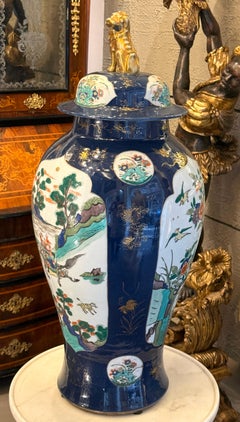
Pair of Large 19' century powder-blue gilt-decorated jars. Each gold painted with a composite floral patterns, all against a powder blue ground enriched in gilt with scattered flower...

Category

Late 18th Century Japanese Antique Japonisme Decorative Objects

Materials

Porcelain

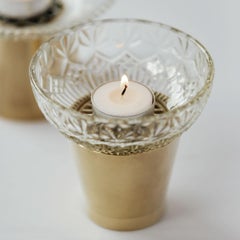
Kiriko Candleholder Ryosuke Harashima Contemporary Zen Japanese Craft Mingei

Kiriko Candleholder Ryosuke Harashima Contemporary Zen Japanese Craft Mingei

By Ryosuke Harashima

Located in Shibuya-ku, Tokyo

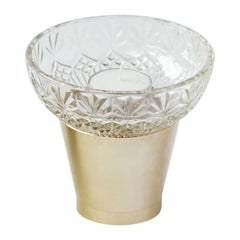
Candleholder designed by Ryosuke Harashima. This work is made of antique Kiriko glass plate and brass. Artist create new style candleholder by combining old kiriko glass and Indust...

Category

2010s Japanese Japonisme Decorative Objects

Materials

Brass

Asian Wood Carved Wall Plaque with Crab and Lobster

Asian Wood Carved Wall Plaque with Crab and Lobster

Located in Austin, TX

An Asian fine carved wood wall plaque possibly Japonese with a crab, a lobster on bamboo.

Category

1880s Japanese Antique Japonisme Decorative Objects

Materials

Wood

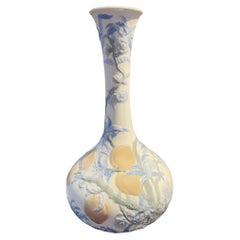
20th Century Lladro Porcelain Gourd Vase

20th Century Lladro Porcelain Gourd Vase

By Lladró Atelier

Located in Guaynabo, PR

This a Lladro soft glow porcelain flower gourd vase. It is hand painted white in the background with a repousse of long light green branches with light blue leaves and flowers plus r...

Category

20th Century Spanish Japonisme Decorative Objects

Materials

Porcelain

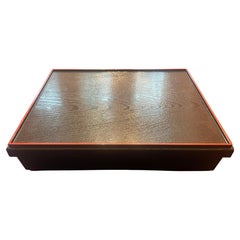
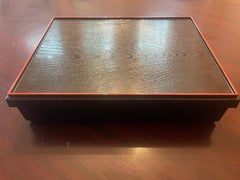
Vintage Japanese Box from the 1970s

Vintage Japanese Box from the 1970s

Located in Austin, TX

Perhaps originally designed as a Bento Box, this is a one-of-a-kind piece for your home-office or study desk. It has iconic 1970s modern lines and beautifully exemplifies the elevat...

Category

Late 20th Century Japonisme Decorative Objects

Materials

Plastic

Antique Set Of Calligraphic Ink Blocks, Japanese, 8 Pieces, Meiji, Victorian

Antique Set Of Calligraphic Ink Blocks, Japanese, 8 Pieces, Meiji, Victorian

Located in Hele, Devon, GB

This is an antique set of calligraphic ink blocks. A Japanese, boxed set of 8 soot ink shapes, dating to the late Victorian period, circa 1900. Ink bl...

Category

Late 19th Century Japanese Antique Japonisme Decorative Objects

Materials

Composition

Japanese Lacquered and Gilt Wood Buddhism Statue from Edo Period

Japanese Lacquered and Gilt Wood Buddhism Statue from Edo Period

Located in Atlanta, GA

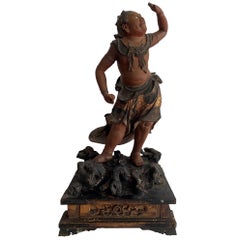
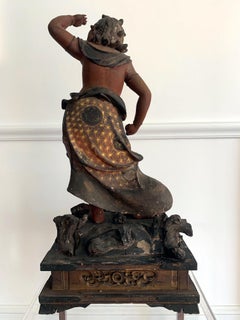
An exceptional and wood statue of Buddhism Guardian Seitaka Doji from Japan circa Edo period (1603-1868), likely the earlier part of 17th century. One of two chief attendants of Fudou Myouou (the other being Kongara Doji), the name of Seitaka Doji is a transliteration of Sanskrit "Cetaka", meaning servant, slave, and he is said to personify expedient action. He is most commonly found on the right side of Fudou, together with Kongara Doji on the left, forming the Immovable triad, Fudou Sanzon, the terror of evil doers. Seitaka largely adheres to the iconography of a wrathful youth with fleshy body and face, skin in the color of a red lotus, has his hair tied in five knots, and holds a vajra in his left hand and a vajra-club in his right hand, but the actual artistic representations of him in Japan do...

Category

17th Century Japanese Antique Japonisme Decorative Objects

Materials

Metal

Early 20th Century Japanese Champleve Brass Vase

Early 20th Century Japanese Champleve Brass Vase

Located in Delray Beach, FL

Exceptional early 20th century Japanese brass champleve. Features vibrant enameled decorative designs throughout the vase.

Category

Early 20th Century Japanese Japonisme Decorative Objects

Materials

Brass, Enamel

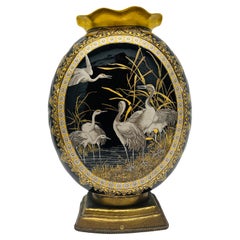
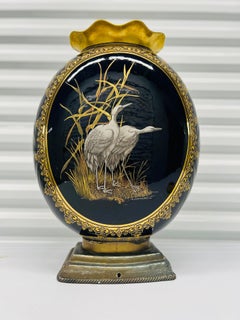
Exhibition Quality Coalport Porcelain "Crane" Japonesque Enamel Vase

Exhibition Quality Coalport Porcelain "Crane" Japonesque Enamel Vase

By Coalport Porcelain

Located in Atlanta, GA

Coalport Porcelain (English, 1795-1926 then part of the Wedgwood company), circa 1885. An Exhibition quality porcelain moon flask style vase featuring a cobalt ground and grouping of highly detailed enamel cranes to one side grazing around a pond with 24kt gold calla lilies in the background. The verso with a similar scene of two cranes likely a mating pair. Each side is surrounded by masterfully detailed sunflowers and furthermore by Rococo motifs and enameled scrollwork of polychrome enamel embellishments. Please note, unfortunately at one point this vase was made into a lamp and the base has been replaced with a gilt metal foot. Measuring: 19" h, 13.5" w, 7.5" d. Provenance: An important Cape Cod...

Category

Late 19th Century English Antique Japonisme Decorative Objects
Materials

Enamel

Japonisme decorative objects for sale on 1stDibs.

Find a broad range of unique Japonisme decorative objects for sale on 1stDibs. Many of these items were first offered in the 21st Century and Contemporary, but contemporary artisans have continued to produce works inspired by this style. If you’re looking to add vintage decorative objects created in this style to your space, the works available on 1stDibs include decorative objects, asian art and furniture, serveware, ceramics, silver and glass and other home furnishings, frequently crafted with ceramic, metal and other materials. If you’re shopping for used Japonisme decorative objects made in a specific country, there are Asia, East Asia, and Japan pieces for sale on 1stDibs. While there are many designers and brands associated with original decorative objects, popular names associated with this style include Makuzu Kozan, Norihiko Terayama, Tiffany & Co., and Royal Crown Derby Porcelain. It’s true that these talented designers have at times inspired knockoffs, but our experienced specialists have partnered with only top vetted sellers to offer authentic pieces that come with a buyer protection guarantee. Prices for decorative objects differ depending upon multiple factors, including designer, materials, construction methods, condition and provenance. On 1stDibs, the price for these items starts at $29 and tops out at $185,360 while the average work can sell for $3,500.