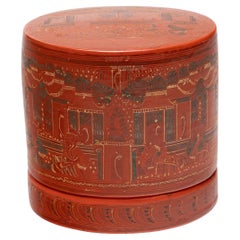
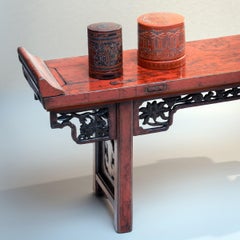
Burmese Yun Lacquer Betel Box
Located in Chicago, IL
architecture. The art of lacquer of Myanmar (Burma) is known as 'pan yun' and traditionally begins with a
Category
20th Century Burmese Folk Art Lacquer
Materials
Bamboo
Burmese Yun Lacquer Betel Box
Located in Chicago, IL
architecture. The art of lacquer of Myanmar (Burma) is known as 'pan yun' and traditionally begins with a
Bamboo
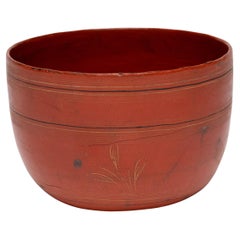
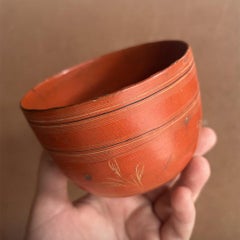
Burmese Yun Lacquer Cup, c. 1900
Located in Chicago, IL
This delicate cup from the late 19th century is a lovely example of the Burmese art of lacquer (pan
Bamboo
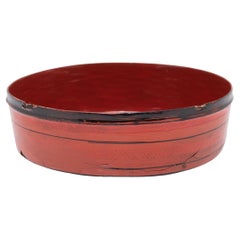
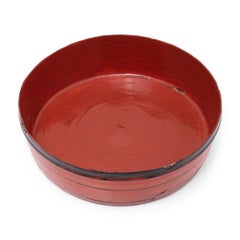
Burmese Yun Lacquer Tray, c. 1900
Located in Chicago, IL
This round tray dates to the early 20th century and is a simple example of Burmese lacquerware. The
Bamboo
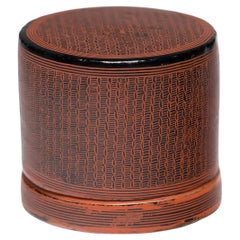
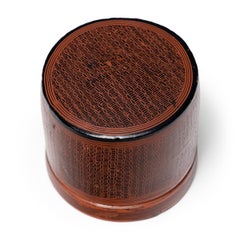
Petite Burmese Yun Betel Box, c. 1900
Located in Chicago, IL
textiles. The art of lacquer of Myanmar (Burma) is known as 'pan yun' and traditionally begins with a
Bamboo
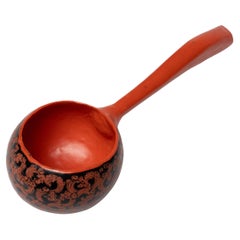
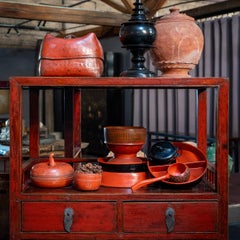
Burmese Red & Black Lacquer Ladle
Located in Chicago, IL
This colorful, wooden ladle continues the time-honored tradition of Burmese lacquer art (pan yun
Wood
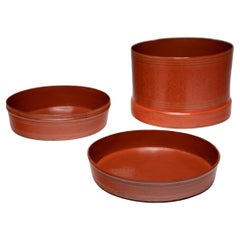
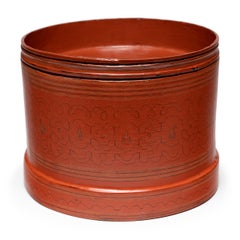
Burmese Red Lacquer Stacking Trays, c. 1900
Located in Chicago, IL
scrollwork, animals and mythical creatures. The art of lacquer of Myanmar (Burma) is known as 'pan yun' and
Bamboo
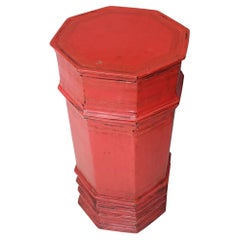
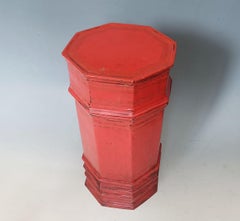
$936
H 15.75 in W 8.27 in D 8.27 in
Large Antique Burmese Octagon Lacquer Container – Asian Antiques Home Decor
Located in London, GB
Large Antique Burmese Lacquer Container – Octagonal Yun Ware Vessel – Bagan, Myanmar, Early 20th
Wood, Lacquer, Bamboo
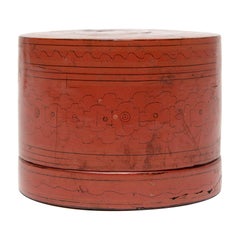
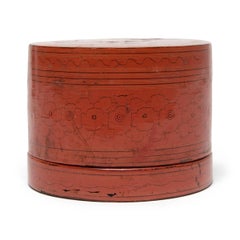
Burmese Yun Stacking Betel Box
Located in Chicago, IL
worked and decorated boxes. Crafted in early 20th century Burma, this round betel box is decorated in a
Bamboo, Lacquer
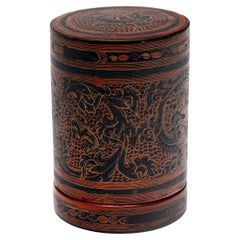
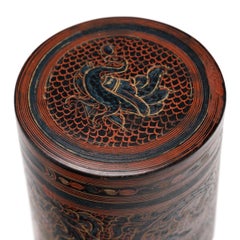
Burmese Yun Lacquer Betel Box
Located in Chicago, IL
lacquer of Myanmar (Burma) is known as 'pan yun' and traditionally begins with a basic form of woven
Bamboo
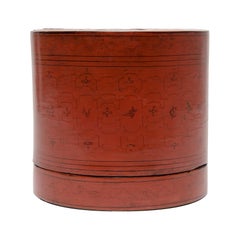
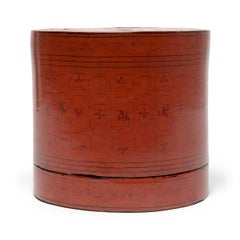
Burmese Yun Stacking Betel Box
Located in Chicago, IL
worked and decorated boxes. Crafted in early 20th century Burma, this round betel box is decorated in a
Bamboo, Lacquer
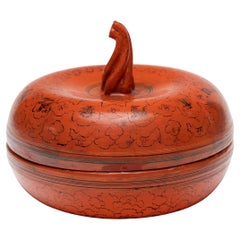
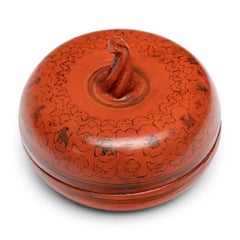
Burmese Yun Lacquer Gourd Box, c. 1900
Located in Chicago, IL
of Myanmar (Burma) is known as 'pan yun' and traditionally begins with a basic form of woven bamboo
Bamboo
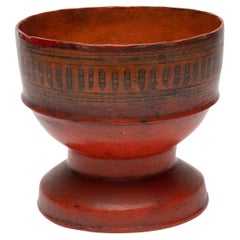
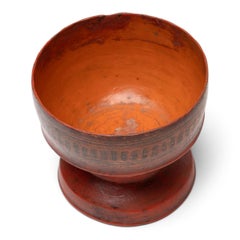
Burmese Yun Lacquer Footed Bowl, c. 1900
Located in Chicago, IL
Myanmar (Burma) is known as 'pan yun' and traditionally begins with a basic form of woven bamboo or carved
Bamboo
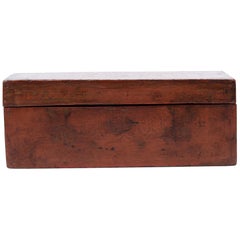
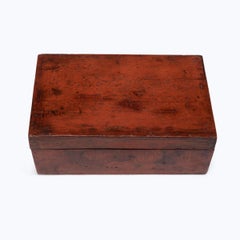
Early 20th Century Burmese Yun Lacquer Box
Located in Chicago, IL
Crafted in early 20th century Burma, this rectangular box is cloaked in layer upon layer of
Wood, Lacquer
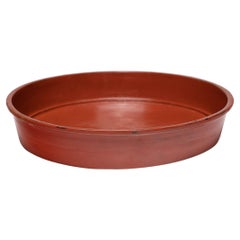
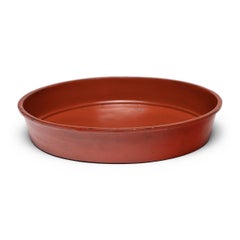
Burmese Red Lacquer Tray, c. 1900
Located in Chicago, IL
This large, round tray dates to the early 20th century and is a simple example of Burmese
Bamboo
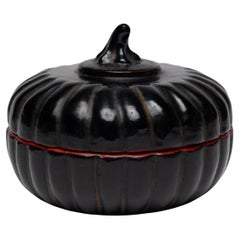

Burmese Black & Red Lacquer Gourd Box, c. 1900
Located in Chicago, IL
traditional Burmese lacquerware (pan yun). The little box is sculpted to the shape of a gourd, pumpkin or
Bamboo
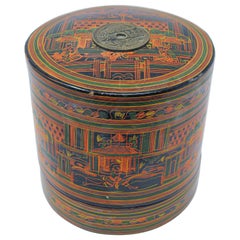

Burmese Yun Lacquered Betel Box
Located in Moreno Valley, CA
Burmese red lacquer betel-box finely decorated and hand painted with scene of Asian architectural
Bamboo, Lacquer
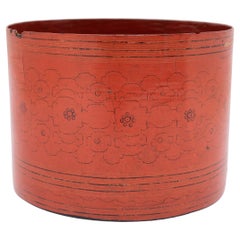
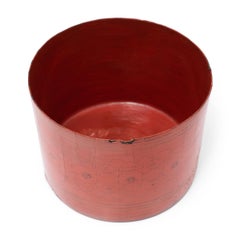
Burmese Yun Lacquer Container, c. 1900
Located in Chicago, IL
worked and decorated boxes. This round container was originally the lid to a Burmese betel box and is
Bamboo


Burmese Yun Lacquer Tray, c. 1900
Located in Chicago, IL
This round tray dates to the early 20th century and is a simple example of Burmese lacquerware. The
Bamboo
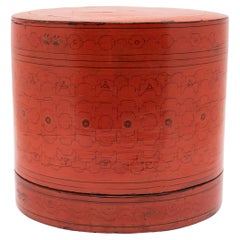
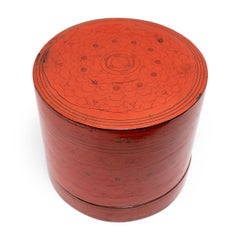
Burmese Yun Lacquer Betel Box, C. 1900
Located in Chicago, IL
worked and decorated boxes. Crafted in Burma in the early 20th-century, this round betel box is decorated
Bamboo
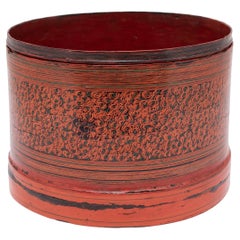
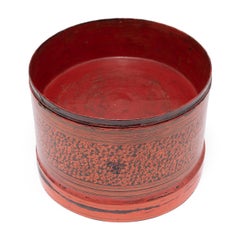
Burmese Yun Lacquer Betel Box, c. 1900
Located in Chicago, IL
worked and decorated boxes. This round Burmese betel box is intricately painted and decorated with an
Bamboo
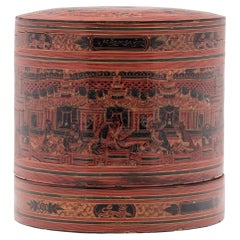
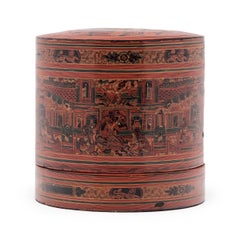
Burmese Yun Lacquer Betel Box, c. 1900
Located in Chicago, IL
decorated in a style of Burmese lacquerware known as "yun" ware. Many coats of red-orange cinnabar lacquer
Bamboo, Lacquer
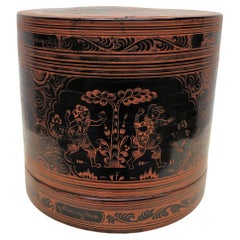
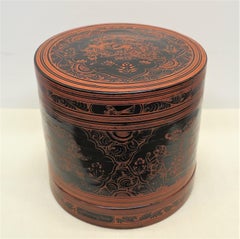
Burmese Lacquerware Betel Box
Located in New York, NY
Burmese antique lacquerware betel box. Individual Betel Box authentic Burmese Folk Art know as Kun- It, Mandalay Period. A lacquered cylindrical body of woven turned Bamboo decorated...
Lacquer
Bamboo — the reed-like, woody grass revered the world over for its attractiveness, durability and unbeatable versatility — has a purity and elegance that Ming Dynasty dignitaries, European royals and workaday folks alike have appreciated for centuries. Antique and vintage bamboo furniture can help introduce an air of relaxation in any space, and pairs well with chinoiserie decor and a range of porcelain decorative objects.
So why is bamboo — in its many forms — so enduringly popular? The grass itself is classic-looking and pleasingly geometric, and it evokes a subtle exoticism that’s both glamorous and (due in large part to its sustainability) highly attainable.
Bamboo is harder than mahogany. It’s a rigid and hollow reed, and as such it is not rattan, which is dense, steamable and bendable, and has become its own ultimate decorative-arts chameleon over the years. But like rattan, bamboo is an organic material that provides a link to nature, helping us to bring a bit of the outside in, in an elegant yet no-frills way that seems comforting and familiar. Plus, bamboo’s lightness and slight irregularities make it the perfect counterpoint to heavy-feeling interiors.
For organic modern interiors — or any space that would benefit from a dose of the natural world — a variety of vintage bamboo outdoor furniture, side tables, dining chairs and more can be found on 1stDibs.
From Japanese handmade earthenware pottery, originating circa 14,500 B.C. and adorned with elaborate corded patterns known as jōmon, to natural elm case pieces and storage cabinets built in Qing dynasty–era China to mid-century Thai rice-paper charcoal rubbings, antique and vintage Asian art and furniture make for wonderful additions to all kinds of contemporary interiors.
Eastern elements elevate any home’s decor. Introduce zen sensibility to your living room, dining room and bedroom with the neutral color palettes and the natural materials such as rattan, bamboo and elm that we typically associate with traditional Asian furniture. Decorative handwoven embroideries and textiles originating from India and elsewhere on the continent, which can be draped over a bed or sofa or used as a wall hanging, can be as practical as they are functional, just as you wouldn’t seek out Japanese room-divider screens — often decorated with paintings but constructed to be lightweight and mobile — merely for privacy.
With everything from blanket chests to lighting fixtures to sculptures and carvings, it’s easy to tastefully bring serenity to your living space by looking to the treasures for which the East has long been known.
For British-born furniture designer Andrianna Shamaris, the Japanese concept of beauty in imperfection isn’t limited to her Wabi Sabi collection. She embraces it in her New York City apartment as well. In the living area, for instance, she retained the fireplace’s original black marble while swathing its frame and the rest of the room in bright white.
“We left the fireplace very clean and wabi-sabi, so that it blended into the wall,” says Shamaris, who further appointed the space with a hand-carved antique daybed whose plush pillows are upholstered in antique textiles from the Indonesian island of Sumba.
In the growing antique and vintage Asian art and furniture collection on 1stDibs, find ceramics from China, antiquities from Cambodia and a vast range of tables, seating, dining chairs and other items from Japan, India and other countries.
Decorated with white cranes and the sought-after thousand-butterflies motif, the Meiji-period vessel offers both a celebration of traditional aesthetics and a clear reflection of the era’s appetite for exquisite export pieces.
For 25 years, gallerist Betsy Nathan has leveraged her keen eye and key connections to bring a unique selection of rare finds to the market.
Now working alongside his daughter Bianca, dealer Joel Chen has presented a most covetable array of antiques, art and contemporary creations for more than 40 years.
From cherry-blossom-adorned walls paired with glamorous lighting to wood-paneled ceilings above checkerboard-patterned chairs, these 12 spaces seamlessly blend Eastern and Western aesthetics.
The dealer and curator has spent the past 50 years amassing a collection of exceptional art, furniture and architectural elements that trace the cultural influence of the Spanish empire from Europe to the Americas and beyond.
These spaces exemplify how Eastern elements elevate a home's decor.