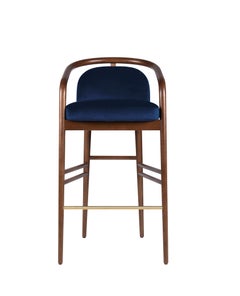
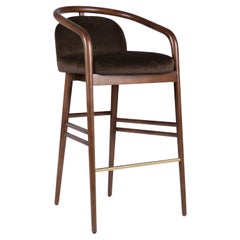
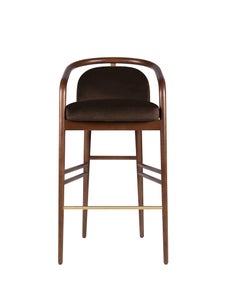
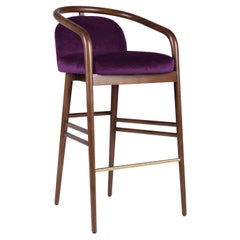
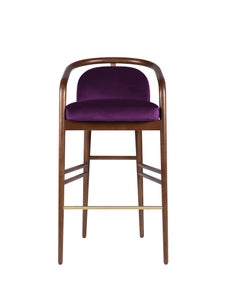
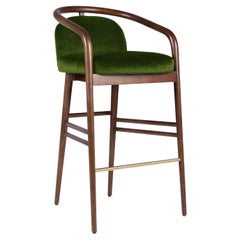
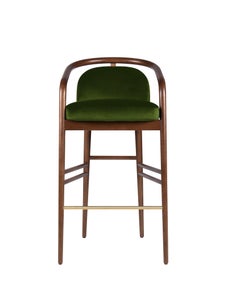
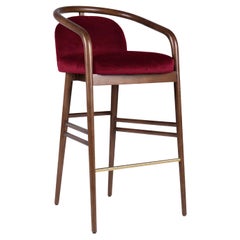
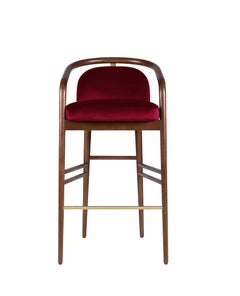
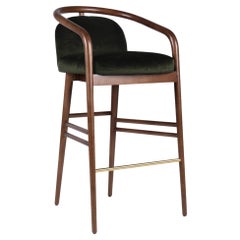
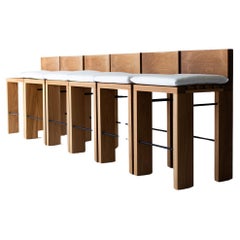
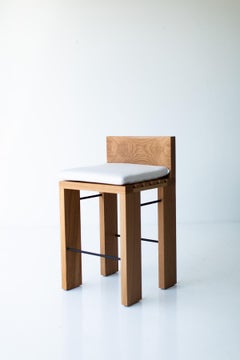
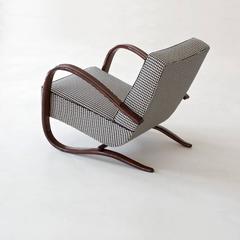
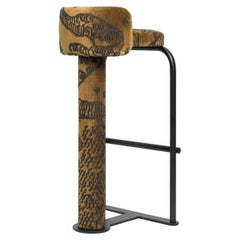
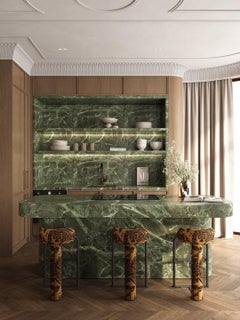
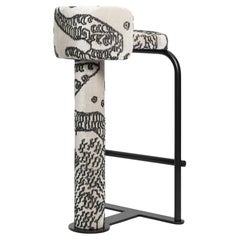
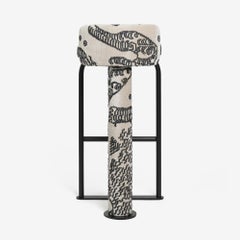
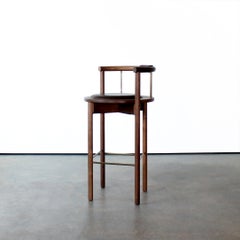
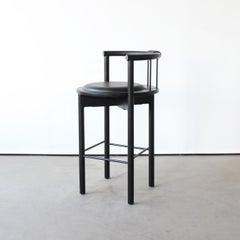
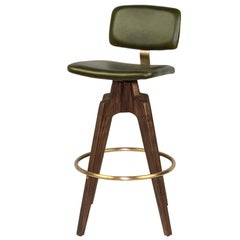
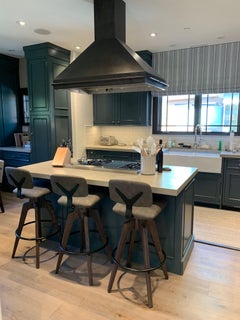
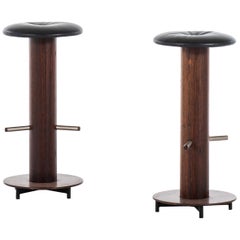
Essex Bar Stool
2010s Portuguese Scandinavian Modern Stools
Suede, Wood, Walnut
2010s Portuguese Scandinavian Modern Stools
Suede, Wood, Walnut
2010s Portuguese Scandinavian Modern Stools
Suede, Wood, Walnut
2010s Portuguese Scandinavian Modern Stools
Suede, Walnut, Wood
2010s Portuguese Scandinavian Modern Stools
Suede, Wood, Walnut
2010s Portuguese Scandinavian Modern Stools
Suede, Wood, Walnut
People Also Browsed
2010s American Modern Stools
Walnut
2010s Italian Modern Chandeliers and Pendants
Metal, Brass
21st Century and Contemporary Brazilian Modern Armchairs
Bouclé
2010s French Art Deco Table Lamps
Marble, Metal
2010s Polish Mid-Century Modern Armchairs
Bouclé, Linen, Velvet, Beech
2010s American Modern Stools
Wood, Oak
21st Century and Contemporary German Mid-Century Modern Table Lamps
Stainless Steel
Mid-20th Century Italian Mid-Century Modern Dining Room Sets
Steel, Chrome, Wrought Iron
21st Century and Contemporary Brazilian Modern Desk Sets
Leather
21st Century and Contemporary Philippine Art Deco Nesting Tables and Sta...
Brass
2010s American Modern Stools
Brass, Steel
2010s Italian Side Tables
Brass
2010s Portuguese Minimalist Night Stands
Burl, Poplar
21st Century and Contemporary Indian Mid-Century Modern Side Tables
Wood
2010s Italian Modern Chandeliers and Pendants
Brass
21st Century and Contemporary American Modern Coffee and Cocktail Tables
Art Glass, Cut Glass, Walnut
Essex Bar Stool For Sale on 1stDibs
How Much is a Essex Bar Stool?
A Close Look at Scandinavian-modern Furniture
Scandinavian modernism is perhaps the warmest and most organic iteration of modernist design. The work of the designers associated with vintage Scandinavian modern furniture was founded on centuries-old beliefs in both quality craftsmanship and the ideal that beauty should enhance even the humblest accessories of daily life.
ORIGINS OF SCANDINAVIAN MODERN FURNITURE DESIGN
- Emerged in the 1930s
- Scandinavian design and Nordic design originated primarily in Denmark, Sweden, Finland, Iceland and Norway
- Introduced in the United States in mid-20th century
- Informed by the Bauhaus; influenced American mid-century modernism
CHARACTERISTICS OF SCANDINAVIAN MODERN FURNITURE DESIGN
- Bold, clean lines and simple, sturdy symmetries
- Use of natural materials — native woods such as pine, ash and beech
- Open, airy spaces
- Promotion of functionality
- Emphasis on craftsmanship; rooted in cabinetry profession and traditional construction techniques
- Minimal ornamentation (little to no embellishment)
- A neutral or light color palette owing to prominence of light woods
SCANDINAVIAN MODERN FURNITURE DESIGNERS TO KNOW
- Alvar Aalto
- Hans Wegner
- Kaare Klint
- Arne Jacobsen
- Greta Magnusson Grossman
- Finn Juhl
- Arne Vodder
- Verner Panton
ICONIC SCANDINAVIAN MODERN FURNITURE DESIGNS
VINTAGE SCANDINAVIAN MODERN FURNITURE ON 1STDIBS
The gentle, organic contours that are typical of Scandinavian design appear in the furnishings and decor created by Danish, Finnish and Swedish designers not as a stylistic gesture, but rather as a practical, ergonomic — and, as importantly, elegant — response to the human form.
Each nation produced exceptional talents in all areas of the applied arts, yet each had its forté. Sweden was home to Greta Magnusson Grossman and Bruno Mathsson — creators of the classic Grasshopper lighting series and Berlin daybed, respectively — but the country excelled most notably at ceramics. In the 1920s at the great Gustavsberg porcelain manufactory, Wilhelm Kåge introduced pieces in the Scandinavian style based on influences from folklore to Cubism; his skills were passed on to his versatile and inspired pupils Berndt Friberg and Stig Lindberg.
Likewise, Finland produced a truly ingenious Scandinavian modern furniture designer in the architect Alvar Aalto, a master at melding function and artistic form in works like the Paimio chair, created in collaboration with his first wife, Aino. Yet Finnish glassware was pre-eminent, crafted in expressive, sculptural designs by Tapio Wirkkala and Timo Sarpaneva.
The Danes excelled at chairs. Hans Wegner and Arne Jacobsen were exemplars of the country’s facility with wood, particularly teak.
Wegner created such iconic pieces as the Round chair and the Wishbone chair; Jacobsen — while the revolutionary architect and furniture innovator produced the best-selling plywood Ant chair — designed two classic upholstered pieces of the 1950s: the Swan chair and Egg chair. The list of great Danes could go on and on, including Finn Juhl, a stylistic maverick and maker of the bold Chieftain chair; Poul Kjaerholm, with his lean metal-and-rattan aesthetic; and Verner Panton, who introduced a vibrant Pop note into international design.
Today, decades after their heyday, the prolific, ever-evolving Scandinavian modernists continue to amaze and delight, and interior designers all over the world use their pieces to bring warmth to any given space.
On 1stDibs, you will note both instantly recognizable vintage Scandinavian modern chairs, sofas, rugs and tables — those that have earned iconic status over time — and many new discoveries.
Finding the Right Stools for You
Stools are versatile and a necessary addition to any living room, kitchen area or elsewhere in your home. A sofa or reliable lounge chair might nab all the credit, comfort-wise, but don’t discount the roles that good antique, new and vintage stools can play.
“Stools are jewels and statements in a space, and they can also be investment pieces,” says New York City designer Amy Lau, who adds that these seats provide an excellent choice for setting an interior’s general tone.
Stools, which are among the oldest forms of wooden furnishings, may also serve as decorative pieces, even if we’re talking about a stool that is far less sculptural than the gracefully curving molded plywood shells that make up Sōri Yanagi’s provocative Butterfly stool.
Fawn Galli, a New York interior designer, uses her stools in the same way you would use a throw pillow. “I normally buy several styles and move them around the home where needed,” she says.
Stools are smaller pieces of seating as compared to armchairs or dining chairs and can add depth as well as functionality to a space that you’ve set aside for entertaining. For a splash of color, consider the Stool 60, a pioneering work of bentwood by Finnish architect and furniture maker Alvar Aalto. It’s manufactured by Artek and comes in a variety of colored seats and finishes.
Barstools that date back to the 1970s are now more ubiquitous in kitchens. Vintage barstools have seen renewed interest, be they a meld of chrome and leather or transparent plastic, such as the Lucite and stainless-steel counter stool variety from Indiana-born furniture designer Charles Hollis Jones, who is renowned for his acrylic works. A cluster of barstools — perhaps a set of four brushed-aluminum counter stools by Emeco or Tubby Tube stools by Faye Toogood — can encourage merriment in the kitchen. If you’ve got the room for family and friends to congregate and enjoy cocktails where the cooking is done, consider matching your stools with a tall table.
Whether you need counter stools, drafting stools or another kind, explore an extensive range of antique, new and vintage stools on 1stDibs.
- 1stDibs ExpertNovember 2, 2021The most comfortable bar stool is a matter of preference. There are many different types of bar stools for your house, and many different comfy versions have been developed over time. To select the best one, we suggest thinking about height, weight, design and fabric so you can find the best set for your preferences and budget. Shop a collection of antique, vintage and contemporary bar stools from some of the world’s top dealers on 1stDibs.
- 1stDibs ExpertFebruary 22, 2021The height of a bar stool is typically around 28 to 38 inches tall. This is because bar tops are usually around 40 to 42 inches high, so bar stools need to be under this height in order to provide ample leg room.
- Why is it called a bar stool?1 Answer1stDibs ExpertNovember 13, 2024Why it is called a bar stool has to do with where you typically place this type of furniture. Usually featuring seat heights of 28 to 33 inches, these chairs situate a user at a comfortable level to eat and drink at a bar, whether in a home or in a restaurant. Bar stools are taller than seating intended for use at kitchen counters, known as counter stools, which usually have a seat height of 24 to 27 inches. On 1stDibs, find a diverse assortment of counter stools.
- 1stDibs ExpertApril 5, 2022Yes, bar stools are taller than counter stools. The average height of counter stools is 24 inches, and they are best suited for counter height tables and kitchen islands. Barstools are typically an additional five to six inches taller to fit the height of traditional bar counters. Shop a wide selection of bar stools and counter-height stools on 1stDibs.
- 1stDibs ExpertApril 26, 2024The difference between bar stools and counter stools comes down to height. Bar stools are usually between 28 and 32 inches tall to provide comfortable seating at bars and bar-height tables. To pair with kitchen counters and counter-height tables, counter stools are normally 24 to 27 inches tall. Find a large collection of dining stools on 1stDibs.
- 1stDibs ExpertFebruary 21, 2023Whether saddle bar stools are comfortable is largely a matter of personal opinion. However, some people find the curved seats featured on these stools supportive because they conform to the body's contours. Find a variety of saddle bar stools on 1stDibs.
- 1stDibs ExpertApril 5, 2022A standard bar stool will sit around 29 to 32 inches high, and extra-tall bar stools will sit around 33 to 36 inches high. To ensure the best fit for your space, measure the height of the bar or table you want to accent. Shop a wide selection of bar stools on 1stDibs.
- 1stDibs ExpertSeptember 25, 2019
Since counters are generally 34 to 39 inches high, counter stools should be 24 to 27 inches tall; bars are 40 to 46 inches from the ground, so bar stools typically stand 30 to 36 inches tall.
- 1stDibs ExpertApril 5, 2022Counter height bar stools are stools that typically have a seat around 24 inches to 27 inches high and are designed to provide seating along a bar or at counter height tables. On 1stDibs, find an array of counter height bar stools from top sellers.
- 1stDibs ExpertFebruary 13, 2023The best wood for bar stools is largely a matter of personal preference. Walnut, oak, cherry and birch are commonly used materials. On 1stDibs, find a selection of bar stools from some of the world's top sellers.
- 1stDibs ExpertApril 5, 2022The comfort of a rattan bar stool is really a matter of preference. Some styles are crafted with a back or cushion for additional comfort, while some may support the addition of a cushioned seat. On 1stDivs, find a range of rattan bar stool styles to suit any preference.
- 1stDibs ExpertMarch 22, 2022To identify Marcel Breuer bar stools, start by examining the frame. Genuine models will usually feature smooth, welded ends. Most reproductions have end caps instead. You can also look for a sticker that bears the model name on the underside of the seat. On 1stDibs, find a range of expertly vetted Marcel Breuer bar stools.
Read More
The 21 Most Popular Mid-Century Modern Chairs
You know the designs, now get the stories about how they came to be.
Design Icon Ilse Crawford on Her Colorful New Hans Wegner Chairs
If anyone is brave, humble and adept enough to recolor these mid-century masterpieces, it’s Ilse Crawford. Here, she gives us the details on her five earthy paint choices and tells us how she feels about design collaborations.
113 Chairs That Prove Danish Design Isn’t Limited to Denmark
In an innovative display, the Designmuseum Danmark is permanently exhibiting the 20th century's most iconic seats.
April’s Most-Liked Interiors on Instagram
Our feed is filled with the world's most beautiful spaces. See the 10 our followers have deemed the best of the best this month.