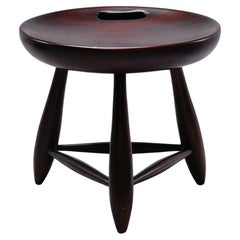
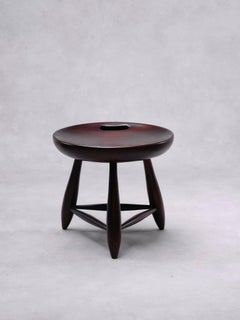
Sergio Rodrigues, 'Mocho' Stool, Brazil
By Sergio Rodrigues
Located in Amsterdam, NL
Sergio Rodrigues Mocho Stool Wood Model created in 1959 LinBrasil edition
Category
21st Century and Contemporary Brazilian Stools
Materials
Hardwood
Sergio Rodrigues, 'Mocho' Stool, Brazil
By Sergio Rodrigues
Located in Amsterdam, NL
Sergio Rodrigues Mocho Stool Wood Model created in 1959 LinBrasil edition
Hardwood
Price Upon Request
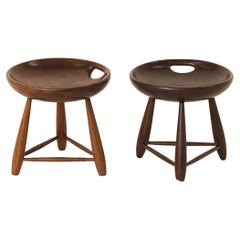
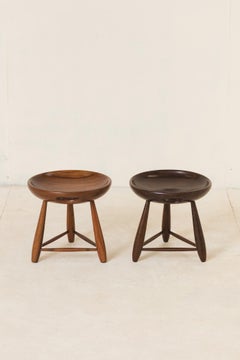
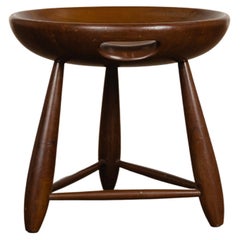
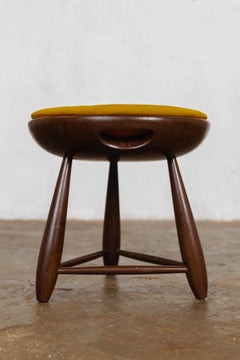
"Mocho" stools by Sergio Rodrigues
By Sergio Rodrigues
Located in London, England
Iconic "Mocho" stool created by Sergio Rodrigues in 1954 in Imbuia Wood.
Hardwood
Price Upon Request
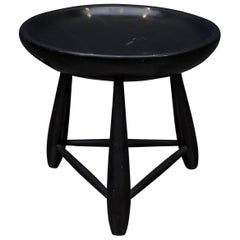
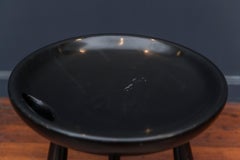
"Mocho" stool by Sergio Rodrigues
By Sergio Rodrigues
Located in London, England
Iconic "Mocho" stool created by Sergio Rodrigues in 1954 in Imbuia Wood.
Hardwood
Sergio Rodrigues Stool "Mocho" Stool for Oca, Brazil
By Sergio Rodrigues
Located in San Francisco, CA
Rare Sergio Rodrigues "Mocho" stool for Oca, Brazil, 1954. Sublime in its simplicity and comfort, in very good original condition, stamped.
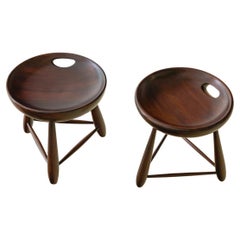
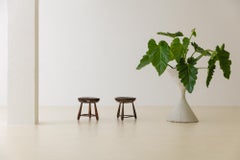
Mid-Century Modern Pair of Mocho Stools by Sergio Rodrigues, 1954
By Sergio Rodrigues
Located in New York, NY
The Mocho stool is one of the most important pieces designed by Sergio Rodrigues in 1954, before founding the Oca store.
Leather, Rosewood
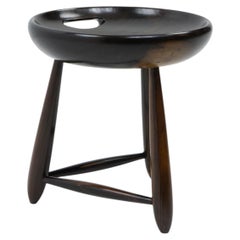
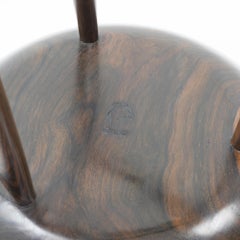
Original Brazilian Design Mocho Stool by Sergio Rodrigues for OCA, 1950s
By Oca, Sergio Rodrigues
Located in Renens, CH
One of his most iconic designs is the Mocho stool: Our version dates back to the 1950s and is made of solid hardwood.
Hardwood
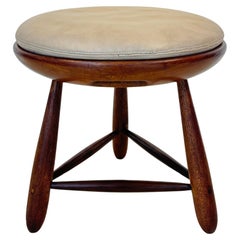
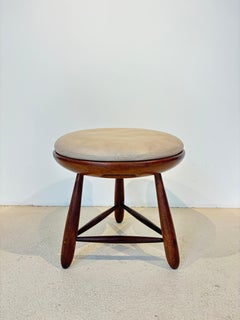
Early mocho stool by Sergio Rodrigues
By Sergio Rodrigues
Located in SAINT-OUEN-SUR-SEINE, FR
Tabouret mocho par Sergio Rodrigues, version ancienne.
Mahogany
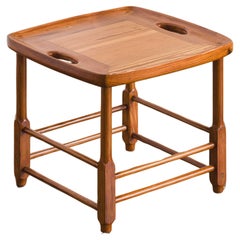
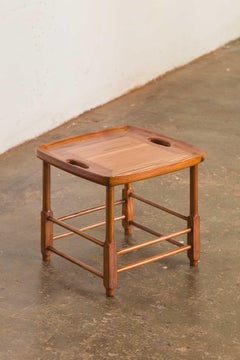
Price Upon Request
"Magrini" stool by Sergio Rodrigues
By Sergio Rodrigues
Located in London, England
Iconic "Mocho" stool created by Sergio Rodrigues in 1954 in Pine Wood.
Hardwood
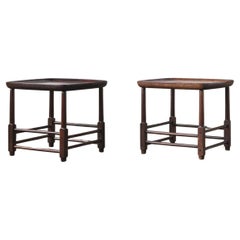
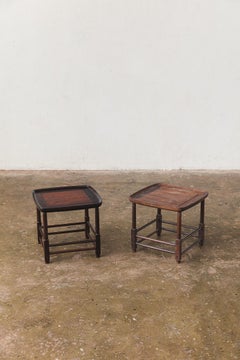
Price Upon Request
"Magrini" stool by Sergio Rodrigues
By Sergio Rodrigues
Located in London, England
Iconic "Mocho" stool created by Sergio Rodrigues in 1954 in Imbuia Wood.
Hardwood
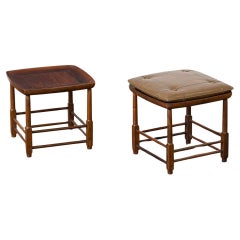
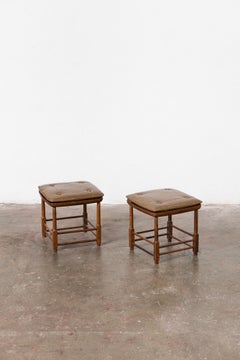
Price Upon Request
"Magrini" stools by Sergio Rodrigues
By Sergio Rodrigues
Located in London, England
Iconic "Mocho" stool created by Sergio Rodrigues in 1954 in Rosewood and Original Cushions.
Hardwood
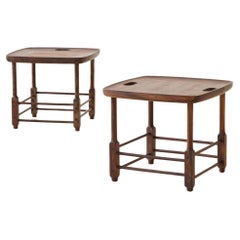
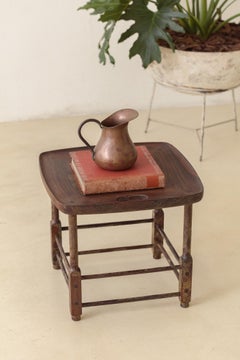
Mid-Century Modern Magrini Stool (2 units) by Sergio Rodrigues, 1960
By Sergio Rodrigues
Located in New York, NY
Its form follows the same creative principles as the Mocho Stool — Rodrigues’s first design for Oca — combining functionality, comfort, and a distinctly informal elegance.
Leather, Rosewood
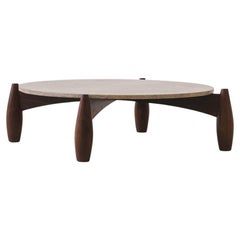
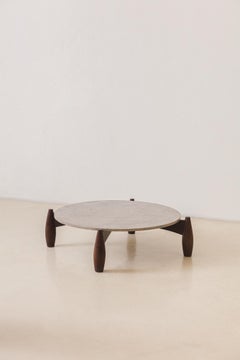
Rosewood and marble Coffee Table by Unknown designer, Brazilian Midentury, 1960s
Located in New York, NY
The Mole armchair and the Mocho stool are some of these pieces, classified according to the shape of their legs.
Marble
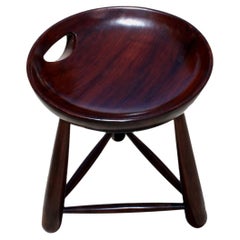
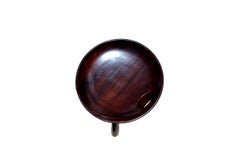
Sergio Rodrigues "Mocho" Stool, Brazilian Hardwood
By Sergio Rodrigues
Located in Houston, TX
Mid-Century Modern 'Mocho' stool in hardwood by Brazilian designer Sergio Rodrigues.
Hardwood, Rosewood
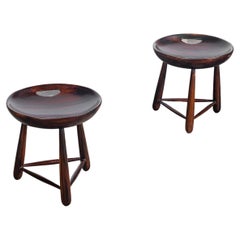
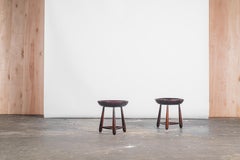
Mocho Stool by Sergio Rodrigues, Mid-Century Modern 1954
By Sergio Rodrigues
Located in Houston, TX
Emerging as one of the quintessential masterpieces birthed from the visionary mind of Sergio Rodrigues in 1954, the Mocho stool encapsulates the essence of his creative genius.
Hardwood
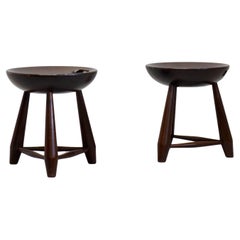
Unavailable
H 16.74 in Dm 14.97 in
Sergio Rodrigues Pair of "Mocho" Stools, Manufactured by Oca, Brazil
By Sergio Rodrigues
Located in Rovereta, Repubblica di San Marino
Sergio Rodrigues (1927-2014) pair of stools model “Mocho” manufactured by Oca Brazil, 1954 solid jacaranda.
Wood
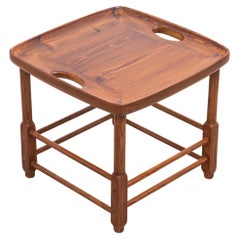
Sérgio Rodrigues, Magrini Stool, 1963
By Sergio Rodrigues
Located in Barra Funda, SP
The Magrini follows the same formula as the Mocho stool, the first piece that Sergio Rodrigues designed for his company Oca.
Hardwood
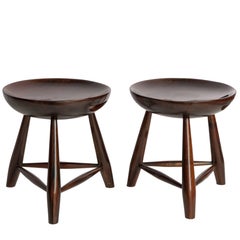
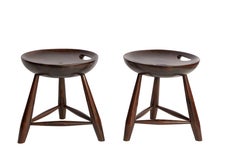
Sergio Rodrigues 'Mocho' Stools in Brazilian Jacarandá
By Sergio Rodrigues
Located in Astoria, NY
Mid-Century Modern 'Mocho' stools in jacaranda´ wood by Brazilian designer Sergio Rodrigues.
Jacaranda
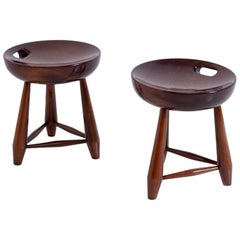
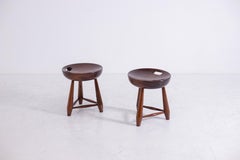
Pair of Sergio Rodrigues Model Mocho Stools, 1950s
By Oca, Sergio Rodrigues
Located in Milano, IT
The three-legged Mocho stool is inspired by the traditional cow stools used in Brazil.
Wood
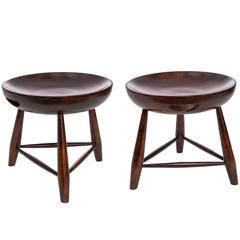

Pair of Sergio Rodrigues 'Mocho' Stools in Jacarandá
By Sergio Rodrigues
Located in Astoria, NY
A pair of 'Mocho' stools in jacarandá wood by Brazilian designer Sergio Rodrigues, each with concave seat and handle, on turned bulbous form legs with spreader bars.
Jacaranda
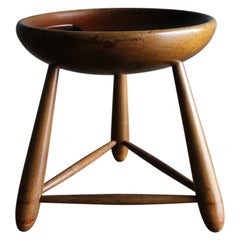

Sergio Rodrigues Mocho Stool for OCA, Brazil 1950's
By Sergio Rodrigues, OCA Brazil
Located in San Juan Capistrano, CA
Sergio Rodrigues Jacarandá Mocho Stool for OCA, Brazil 1950's. This early example is in good original condition.
Jacaranda
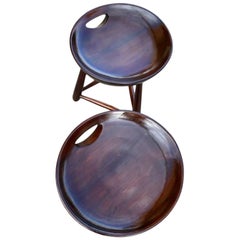
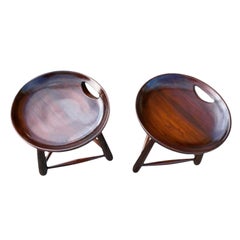
Iconic Mocho Stools by Sergio Rodrigues
By Sergio Rodrigues
Located in London, England
The “Mocho” stool is probably one of Sergio Rodrigues’s most iconic pieces.
Wood
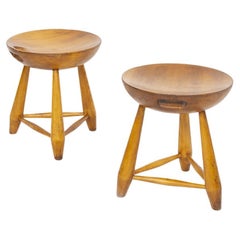
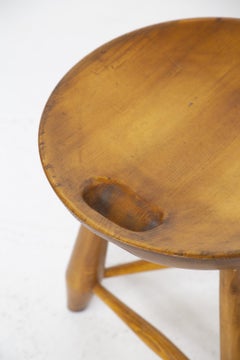
Sergio Rodrigues Very Rare "Mocho" Stools in Pine
By Sergio Rodrigues, OCA Brazil
Located in Milano, IT
Very rare pair of stools, part of the "Mocho" model designed by the great Sergio Rodrigues in solid noble pine wood in the 1960s.
Pine
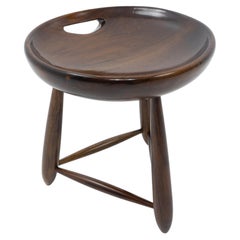
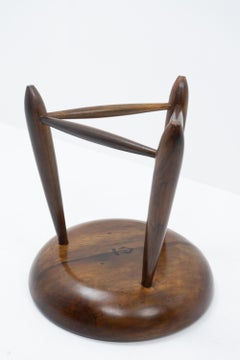
Sold
H 15.75 in W 15.75 in D 15.75 in L 15.75 in
Original Brazilian Design Mocho Stool by Sergio Rodrigues for OCA, 1950s
By Sergio Rodrigues, Oca
Located in Renens, CH
One of his most iconic designs is the Mocho stool: Our version dates back to the 1950s and is made of solid tropical hardwood.
Hardwood
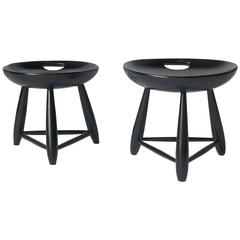
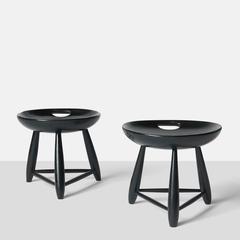
Pair of "Mocho" Stools by Sergio Rodrigues
By Sergio Rodrigues
Located in San Francisco, CA
The "mocho" or milking stool was the very first piece of furniture that Sergio Rodrigues designed in 1954 for Oca.
Hardwood
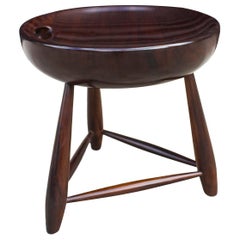

Iconic "Mocho" Stool by Sergio Rodrigues 'OCA'
By Sergio Rodrigues
Located in London, England
Sergio Rodrigues (1927-2014), was a Brazilian designer. In 1955 he founded Oca, an influential furniture company, helping to launch the modern design movement in Brazil. He garnered ...
Rosewood
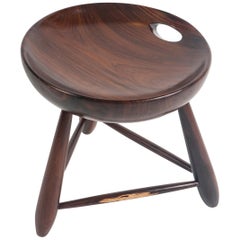
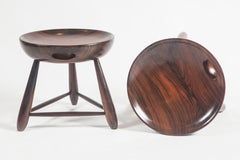
Mid-Century Modern Mocho Stool by Sergio Rodrigues for OCA, Brazil, 1950s
By Sergio Rodrigues
Located in Deerfield Beach, FL
Mid-Century Modern Mocho stool by Sergio Rodrigues for OCA, Brazil, 1950s.
Hardwood
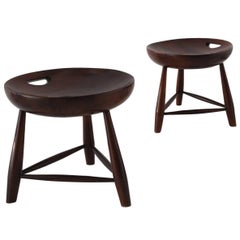

Sold
H 14.18 in Dm 15.75 in
Sergio Rodrigues Pair of "Mocho" Stools, Manufactured by Oca, Brazil, 1954
By Oca, Sergio Rodrigues
Located in Barcelona, ES
Sergio Rodrigues (1927-2014) Pair of stools model “Mocho” Manufactured by Oca Brazil, 1954 Solid jacaranda Measurements: 40 cm diameter x 36.20 height cm 16 in diameter x ...
Jacaranda
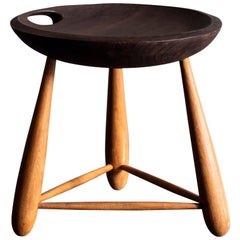

Sergio Rodrigues 'Mocho' Stool, Brazilian Design
By Sergio Rodrigues
Located in Tokyo, Tokyo
'Mocho' stool designed by Sergio Rodrigues in 1954.
Wood
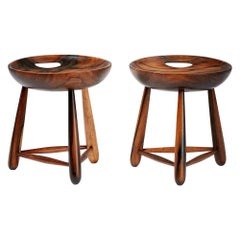

Sergio Rodrigues Pair of Mocho Stools, 1954
By Sergio Rodrigues
Located in London, England
The Mocho stool was Rodrigues' first design and remains one of his most well-loved and collectible pieces.
Rosewood
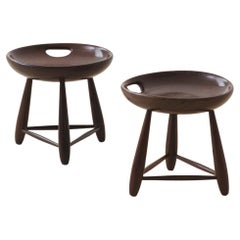
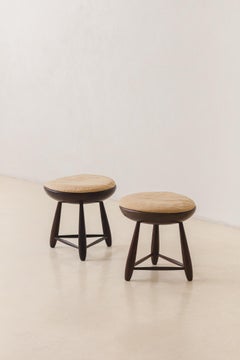
Sold
H 15.36 in Dm 15.75 in
Pair of Vintage Mocho Stools by Sergio Rodrigues, Brazilian Mid-Century, 1954
By Sergio Rodrigues
Located in New York, NY
The Mocho stool is one of the most iconic pieces designed by Sergio Rodrigues in 1954, before founding the Oca store.
Leather, Rosewood
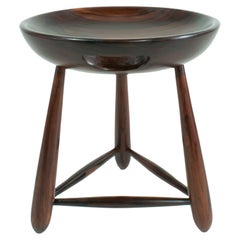
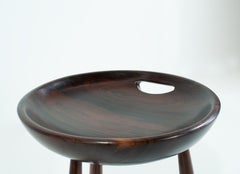
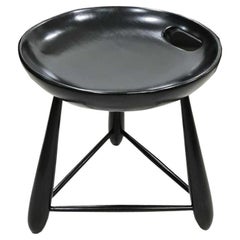
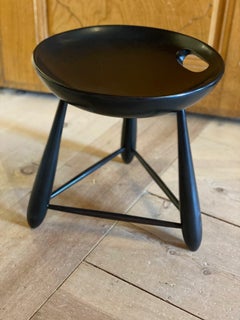
Sergio Rodrigues "Mocho" stool, OCA mark, 1950s, Brazil Modern
By Sergio Rodrigues
Located in Immenstaad am Bodensee, DE
With his innovative approach and deep-rooted passion for Brazilian culture, Rodrigues played a pivotal role in the Brazilian Modernist movement. The mocho stool was designed by Sergi...
Hardwood
Sold
H 14.57 in W 15.75 in D 15.75 in
Mid-Century Modern "Mocho" Stool by Sergio Rodrigues for OCA, Brazil, 1950s
By OCA Brazil, Sergio Rodrigues
Located in Deerfield Beach, FL
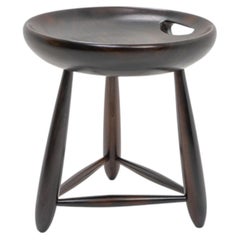
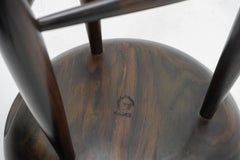
Mid-Century Modern "Mocho" Stool by Sergio Rodrigues for OCA, Brazil, 1950s Inspired by the traditional cow-milking stools used in Brazil, the three-legged Mocho is a 1954 creation...
Wood
Sold
H 15.75 in W 15.75 in D 15.75 in
Original Brazilian Design Mocho Stool by Sergio Rodrigues for OCA, 1950s
By Sergio Rodrigues, Oca
Located in Renens, CH
One of his most iconic designs is the Mocho stool: Our version dates back to the 1950s and is made of solid tropical hardwood.
Hardwood
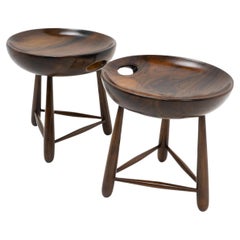
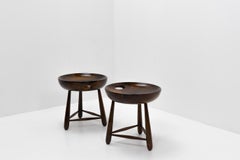
Sold
H 15.75 in W 15.75 in D 15.75 in
Original Brazilian Design Mocho Stools by Sergio Rodrigues for OCA, 1950s
By Sergio Rodrigues, Oca
Located in Renens, CH
One of his most iconic designs is the Mocho stool: Our version dates back to the 1950s and is made of solid tropical hardwood.
Hardwood
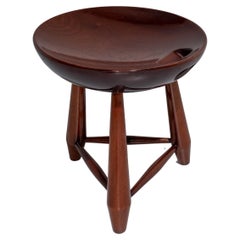
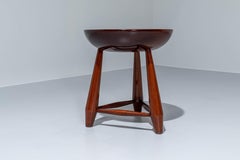
Sold
H 17.33 in Dm 15.36 in
"Mocho" Stool by Sergio Rodrigues in Solid Jacaranda for OCA, Brazil, 1950's
By Sergio Rodrigues, OCA Brazil
Located in Uithoorn, NL
"Mocho" Stool in solid jacaranda by Sergio Rodrigues, Brazil 1950's The stool is heavy and robust, easy to use and comfortable to sit on.
Jacaranda
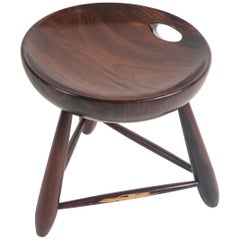
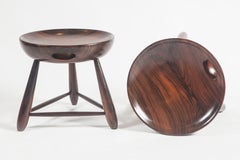
Mid-century Modern Mocho Stool by Sergio Rodrigues for OCA, Brazil 1950's
By Sergio Rodrigues
Located in Deerfield Beach, FL
Mid-century Modern Mocho Stool by Sergio Rodrigues for OCA, Brazil 1950's.
Jacaranda, Rosewood
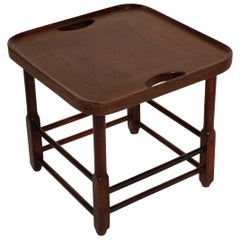

Sergio Rodrigues - MAGRINI stool, Oca, 1963
By Sergio Rodrigues
Located in Immenstaad am Bodensee, DE
The Magrini follows the same formula as the Mocho stool, the first piece that Sergio Rodrigues designed for his company Oca.
Hardwood
Sold
H 12.75 in W 13.25 in D 13.25 in
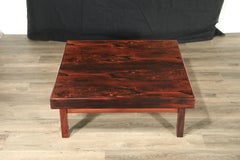
Sergio Rodrigues for Oca Brazilian Jacaranda "Vianna" Coffee Table, Signed
By Oca, Sergio Rodrigues
Located in Los Angeles, CA
We acquired this table along with a set of other Sergio Rodrigues items including a Tonico sofa and armchair, bar cart and Mocho stools. Lovely home and incredible furnishings.
Jacaranda, Rosewood
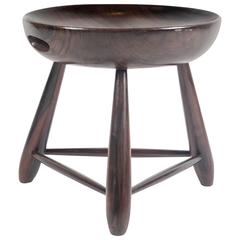

Mocho Stool
By Sergio Rodrigues
Located in Doral, FL
"Mocho "stool in solid jacaranda wood designed by Sergio Rodrigues to Oca.
Jacaranda
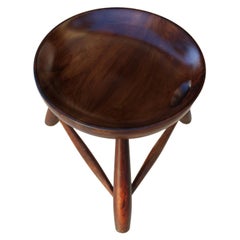

Sergio Rodrigues "Mocho" Stool, Brazilian Hardwood
By Sergio Rodrigues
Located in Houston, TX
Mid-Century Modern 'Mocho' stool in hardwood by Brazilian designer Sergio Rodrigues.
Rosewood
The prolific architect and designer Sergio Rodrigues is often called the "father of modern Brazilian design," but it is the second adjective in that phrase that deserves emphasis: Rodrigues’s great achievement was to create furniture in a style that captured the spirit, character and personality of his country.
Modernity came slowly to 20th-century Brazil, politically and culturally. The nation finally realized genuine constitutional democracy in 1945, ushering in a new, progressive era in the arts. More often than not, the luxurious furnishings of that time and place, with their gleaming wood, soft leathers and inviting shapes, share a sensuous, uniquely Brazilian quality that distinguishes them from the more rectilinear output of American mid-century modernists and Scandinavian makers of the same era. Until that time in Brazil, heavy furniture based on historical European models had been the norm.
In the late 1940s, designer Joaquim Tenreiro introduced sleek, minimalist chairs and cabinets; José Zanine Caldas, now best known for his later artisanal work, created plywood furnishings for mass production; the Italian architect Lina Bo Bardi, a former editor for the Gio Ponti-founded magazine Domus — and a furniture designer with talent, imagination and a social conscience — set up shop in São Paulo, designing elegant, flexible chairs set on slim metal frames.
This was the heady scene into which Rodrigues, the son of an artistically prominent Rio de Janeiro family, arrived after graduating in 1952 from the national university. He moved to Curitiba and helped establish the furniture manufacturer Móveis Artesanal with Italian designer Carlo Hauner and Austrian architect Martin Eisler — as well as Carlo’s brother Ernesto Hauner — which eventually rebranded as Forma. Later, Rodrigues relocated to Rio de Janeiro where he founded Oca in 1955, a company that would become the preeminent maker and retailer of modernist furniture in Brazil.
When architects Lúcio Costa and Oscar Niemeyer were tasked in 1956 with the whirlwind project to plan, design and build the new capital, Brasília, in five years, they used Rodrigues’s early chairs, with their softly-contoured lines and caned seats and backrests, to furnish many of the buildings.
Rodrigues would realize the true expression of his talents in — and garner international awards and acclaim with — his Mole chair of 1957. The word mole means "soft" in Portuguese, but can be interpreted as "easygoing" or even "listless." The chair, which is also known as the Sheriff chair, features a sturdy, generously proportioned frame of the native South American hardwood jacaranda, upholstered with overstuffed leather pads that flap like saddlebags across the arms, seat, and backrest.
Rodrigues's Mole chair invites sprawling — perfect for the social milieu of the bossa nova and caipirinha cocktails; where a languorous afternoon spent chatting and joking is the apex of enjoyment. The seat won first prize at the IV Concorso Internazionale del Mobile in Cantù, Italy, in 1961, and ISA Bergamo acquired the rights to manufacture a modified version of Rodrigues’s original design.
In 1963, Rodrigues established a shop called Meia-Pataca, which sold simpler and more affordable furniture he had designed, such as his Tonico seating, which was intended for student housing.
Most of the estimated 1,200 armchairs, sofas, tables, storage cabinets and dining tables Rodrigues created in his long career are imbued, in one way or another, with the air of robust relaxation that defines the Mole chair. He was a designer who was true to the temperament of his people.
Find vintage Sergio Rodrigues furniture for sale on 1stDibs.
Organically shaped, clean-lined and elegantly simple are three terms that well describe vintage mid-century modern furniture. The style, which emerged primarily in the years following World War II, is characterized by pieces that were conceived and made in an energetic, optimistic spirit by creators who believed that good design was an essential part of good living.
ORIGINS OF MID-CENTURY MODERN FURNITURE DESIGN
CHARACTERISTICS OF MID-CENTURY MODERN FURNITURE DESIGN
MID-CENTURY MODERN FURNITURE DESIGNERS TO KNOW
ICONIC MID-CENTURY MODERN FURNITURE DESIGNS
VINTAGE MID-CENTURY MODERN FURNITURE ON 1STDIBS
The mid-century modern era saw leagues of postwar American architects and designers animated by new ideas and new technology. The lean, functionalist International-style architecture of Le Corbusier and Bauhaus eminences Ludwig Mies van der Rohe and Walter Gropius had been promoted in the United States during the 1930s by Philip Johnson and others. New building techniques, such as “post-and-beam” construction, allowed the International-style schemes to be realized on a small scale in open-plan houses with long walls of glass.
Materials developed for wartime use became available for domestic goods and were incorporated into mid-century modern furniture designs. Charles and Ray Eames and Eero Saarinen, who had experimented extensively with molded plywood, eagerly embraced fiberglass for pieces such as the La Chaise and the Womb chair, respectively.
Architect, writer and designer George Nelson created with his team shades for the Bubble lamp using a new translucent polymer skin and, as design director at Herman Miller, recruited the Eameses, Alexander Girard and others for projects at the legendary Michigan furniture manufacturer.
Harry Bertoia and Isamu Noguchi devised chairs and tables built of wire mesh and wire struts. Materials were repurposed too: The Danish-born designer Jens Risom created a line of chairs using surplus parachute straps for webbed seats and backrests.
The Risom lounge chair was among the first pieces of furniture commissioned and produced by celebrated manufacturer Knoll, a chief influencer in the rise of modern design in the United States, thanks to the work of Florence Knoll, the pioneering architect and designer who made the firm a leader in its field. The seating that Knoll created for office spaces — as well as pieces designed by Florence initially for commercial clients — soon became desirable for the home.
As the demand for casual, uncluttered furnishings grew, more mid-century furniture designers caught the spirit.
Classically oriented creators such as Edward Wormley, house designer for Dunbar Inc., offered such pieces as the sinuous Listen to Me chaise; the British expatriate T.H. Robsjohn-Gibbings switched gears, creating items such as the tiered, biomorphic Mesa table. There were Young Turks such as Paul McCobb, who designed holistic groups of sleek, blond wood furniture, and Milo Baughman, who espoused a West Coast aesthetic in minimalist teak dining tables and lushly upholstered chairs and sofas with angular steel frames.
Generations turn over, and mid-century modern remains arguably the most popular style going. As the collection of vintage mid-century modern chairs, dressers, coffee tables and other furniture for the living room, dining room, bedroom and elsewhere on 1stDibs demonstrates, this period saw one of the most delightful and dramatic flowerings of creativity in design history.
Stools are versatile and a necessary addition to any living room, kitchen area or elsewhere in your home. A sofa or reliable lounge chair might nab all the credit, comfort-wise, but don’t discount the roles that good antique, new and vintage stools can play.
“Stools are jewels and statements in a space, and they can also be investment pieces,” says New York City designer Amy Lau, who adds that these seats provide an excellent choice for setting an interior’s general tone.
Stools, which are among the oldest forms of wooden furnishings, may also serve as decorative pieces, even if we’re talking about a stool that is far less sculptural than the gracefully curving molded plywood shells that make up Sōri Yanagi’s provocative Butterfly stool.
Fawn Galli, a New York interior designer, uses her stools in the same way you would use a throw pillow. “I normally buy several styles and move them around the home where needed,” she says.
Stools are smaller pieces of seating as compared to armchairs or dining chairs and can add depth as well as functionality to a space that you’ve set aside for entertaining. For a splash of color, consider the Stool 60, a pioneering work of bentwood by Finnish architect and furniture maker Alvar Aalto. It’s manufactured by Artek and comes in a variety of colored seats and finishes.
Barstools that date back to the 1970s are now more ubiquitous in kitchens. Vintage barstools have seen renewed interest, be they a meld of chrome and leather or transparent plastic, such as the Lucite and stainless-steel counter stool variety from Indiana-born furniture designer Charles Hollis Jones, who is renowned for his acrylic works. A cluster of barstools — perhaps a set of four brushed-aluminum counter stools by Emeco or Tubby Tube stools by Faye Toogood — can encourage merriment in the kitchen. If you’ve got the room for family and friends to congregate and enjoy cocktails where the cooking is done, consider matching your stools with a tall table.
Whether you need counter stools, drafting stools or another kind, explore an extensive range of antique, new and vintage stools on 1stDibs.