Art

to
58,107
181,887
159,758
52,780
149,236
77,575
49,412
41,508
36,210
29,710
26,071
25,856
23,240
20,243
15,259
14,556
13,592
12,929
11,024
10,317
10,134
8,327
184,072
96,969
78,340
77,622
71,050
101,315
229,053
155,709
Art For Sale
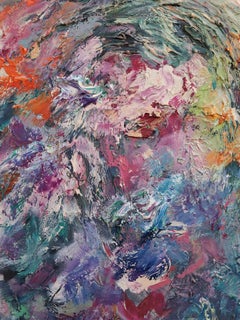
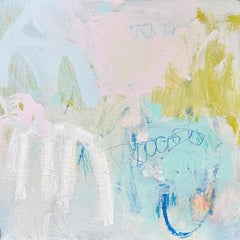
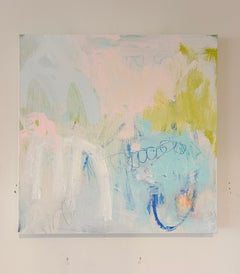
Seaside Serenade - Minimalism, Art Deco, Abstract, Bold, Invest, Colorful, Joy
Located in Pretoria, Gauteng
Title: Seaside Serenade Minimalism, Art Deco, Abstract, Bold, Invest, Colorful, Joy This series connects to that around as well as that within. Solitude takes the viewer to that ...
Category

2010s Abstract Expressionist Art

Materials

Oil, Acrylic

"Approaching Evening" Landscape Oil Painting
Located in Westport, CT
This oil landscape painting by Stephanie Johnson captures a moment of illumination in the natural world—a golden clearing emerging beneath a moody sky. With masterful balance between...
Category

2010s Art

Materials

Canvas, Oil

Native Green
Located in Dallas, TX
oil stick, acrylic & charcoal on raw linen
Category

2010s Art

Materials

Charcoal, Oil Pastel, Raw Linen, Acrylic

Hand painted One Off Artist Proof-Tea Time Bloom-British Awarded Artist-Large
Located in London, GB
This stunning Artist's Proof is an one-off, hand-painted with highlights by the artist , signed at front and on the back label too; this proof is 80% hand painted with original oil a...
Category

2010s Abstract Impressionist Art

Materials

Gesso, Acrylic, Archival Paper, Giclée

Dutch Sailing Ships in Calm Harbour Signed Antique English Marine Oil Painting
Located in Cirencester, Gloucestershire
Dutch Vessels Morning Light by C.W. Smith (British, early 20th century) signed oil on canvas, framed framed: 15.5 x 21.5 inches canvas: 12 x 18 inches inscribed verso Provenance: pr...
Category

Early 20th Century English School Art

Materials

Oil, Canvas

1790 Antique Oil Painting Dutch Style Village Genrе Scene Djurgarden Sweden
Located in Stockholm, SE
This rare 1790 oil painting depicts a village landscape in the Old Masters genre tradition. The composition shows peasants gathered near a cottage su...
Category

Late 18th Century Old Masters Art

Materials

Canvas, Wood, Oil

Nude - Etching by Carlo Marcantonio - 1970s
Located in Roma, IT
Nude is an etching on paper realized by Carlo Marcantonio. Hand-signed in the lower right in pencil. Good conditions. Edition of 50.
Category

1970s Contemporary Art

Materials

Etching

Large Mid Victorian Oil Painting Portrait of Seated Gentleman with Newspaper
Located in Cirencester, Gloucestershire
Portrait of a Gentleman reading the 'London Journal', English school (mid 19th century) oil painting on canvas, unframed canvas: 36 x 28 inches condition: some minor surface abrasion...
Category

Mid-19th Century Victorian Art

Materials

Oil, Canvas

"Dahlias" by Gary Bukovnik (Flowers, Still life, Watercolor, Paint, Print)
Located in New York, NY
This image features a colorful arrangement of pink, red and purple flowers by American artist, Gary Bukovnik. Bukovnik is an internationally acclaimed painter and printmaker who prim...
Category

Early 2000s Contemporary Art

Materials

Screen

California Impressionist OilPainting The Cliffs Trabuca Canyon Aaron Kilpatrick
Located in Chesterfield, NJ
Aaron E. Kilpatrick Landscape painter. Born in St Thomas, Canada on April 7, 1872. Kilpatrick was educated in the public schools of Winnipeg and moved to the U.S. in 1892. By 1907 he...
Category

21st Century and Contemporary Impressionist Art

Materials

Oil

"Summer evening."
Located in Zofingen, AG
Soft colors of a summer evening, the smell of the sea and flowers, white dresses and hats, pleasant shopping. All these feminine joys stay with us all year long, creating enchanting ...
Category

2010s Impressionist Art

Materials

Canvas, Acrylic

Cats at play, portrait of a cat and a Kitten playing with a glove in a landscape
Located in Woodbury, CT
Gabriella Rainer-Istvanffy (Austrian, 1886–1963) Cats at Play Oil on canvas, circa 1950 26 x 30 inches (framed) signed lower right This charming composition by Gabriella Rainer-Istv...
Category

1950s Impressionist Art

Materials

Canvas, Oil

Contemporary abstract expressionist woman's portrait painting "Edge of becoming"
Located in VÉNISSIEUX, FR
This contemporary abstract expressionist woman’s portrait was created by French artist Natalya Mougenot as part of her ongoing series dedicated to Women. In this body of work, Mougen...
Category

2010s Abstract Expressionist Art

Materials

Canvas, Acrylic

WINTER LANDSCAPE XI - Contemporary Atmospheric, Modern Nature Painting
Located in Salzburg, AT
A few words of the artist about his art: When i painting landscapes, I usually choose simple geometric arrangements, contrasts of verticals and levels. I juxtapose the smooth surfac...
Category

2010s Contemporary Art

Materials

Cotton Canvas, Acrylic

White Lilies 6
Located in New York, NY
Created by Alex Katz in 2025, White Lilies 6 is a stunningly beautiful screenprint in colors on Saunders Waterford paper. Hand-signed by the artist in pencil, dated, and numbered fro...
Category

21st Century and Contemporary Art

Materials

Screen

Fenêtres de Paris by Libby Bothway
Located in Coltishall, GB
Libby Bothway's detailed and captivating pen illustration, captures the essence of iconic Parisian architecture. The monochrome drawing vividly showcases three adjoining classical Pa...
Category

21st Century and Contemporary Contemporary Art

Materials

Paper, Ink

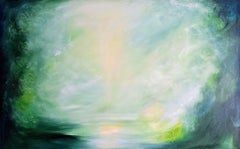
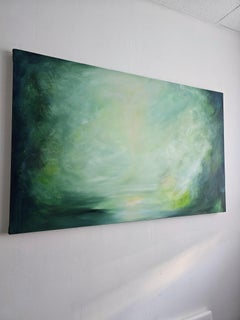
I remember the sweetness of life - Dreamy soft atmospheric waterfall painting
Located in Silverthorne, CO
A moment in time and nature, "I remember the sweetness of life" is the latest in my water series, and exploration of dawn in the wild, the sweetness of the light and foamy water as i...
Category

21st Century and Contemporary Contemporary Art

Materials

Oil

Festival of Joy - Abstract Expressionism Colorful Delight Joy Texture Statement
Located in Pretoria, Gauteng
Title: Festival of Joy Abstract Expressionism Colorful Delight Joy Movement Texture Statement Vibrant Festivitas Laetitiae - Festival of Joy This vibrant artwork, set on a deep cr...
Category

2010s Abstract Expressionist Art

Materials

Oil, Acrylic

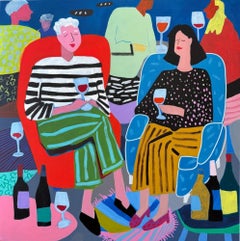
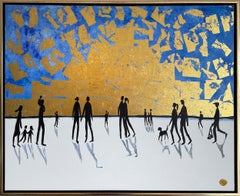
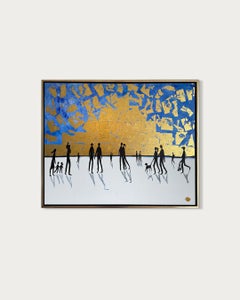
Family Time at the Coast
Located in Atlanta, GA
J. C. Morey is a Spanish artist from the province of Alicante. He was born into a family of artists and connected to the art world since the 60s, which gave him the opportunity from...
Category

2010s Pop Art Art

Materials

Canvas, Mixed Media, Acrylic

Family Time at the Coast
$1,000 Sale Price
60% Off
Wiggle Room 25 - Modern Resin Minimalist Blue Cool Tone Gradient Abstract Art
Located in Los Angeles, CA
Ricky Hunt’s mixed media minimalist wall art is influenced by his tumultuous past that led to a paradigm shift in creativity and life. He covers the wood panel with layers of acrylic...
Category

21st Century and Contemporary Modern Art

Materials

Resin, Mixed Media, Acrylic, Wood Panel

Vistula X - Modern Contemporary Atmospheric Landscape
Located in Salzburg, AT
A few words of the artist about his art: When i painting landscapes, I usually choose simple geometric arrangements, contrasts of verticals and levels. I juxtapose the smooth surfac...
Category

2010s Contemporary Art

Materials

Cotton Canvas, Acrylic

A Summer Night. Ukraine
Located in Zofingen, AG
A contemplative scene of a woman and a black cat observing devastation beyond the window — burning homes against a twilight sky. The untouched dinner table becomes a silent witness t...
Category

2010s Realist Art

Materials

Acrylic

Diving Lesson
Located in New York, NY
THIS PIECE IS AVAILABLE FRAMED. Please reach out to the gallery for additional information. ABOUT THIS ARTIST: Jessica Brilli (Sayville, NY 1977) has been drawing and painting sin...
Category

2010s Art

Materials

Photographic Paper

“Untitled”
Located in Southampton, NY
Original screen print on archival paper by Theodorus Stamos. Untitled. Signed in pencil lower left. Edition. 73/75 in pencil lower right. Executed in 1965. Condition is excellent. ...
Category

1960s Post-Modern Art

Materials

Archival Paper, Screen

Unique portrait of Roy Lichtenstein, Authenticated by the Andy Warhol Foundation
Located in New York, NY
Andy Warhol Portrait of Roy Lichtenstein, 1975 Polaroid dye-diffusion print Authenticated by the Andy Warhol Foundation for the Visual Arts, bears the Foundation stamp verso Frame included: Framed in white wood frame with UV plexiglass; with die-cut window in the back to show official Warhol Foundation authentication stamp and text Measurements: 9 9/16 x 8 9/16 x 9/16 inches (frame) 3 1/2 x 2 3/4 inches (window) 4.16 x 3.15 inches (Artwork) Authenticated and stamped by the Estate of Andy Warhol/Warhol Foundation for the Visual Arts An impressive piece of Pop Art history! A must-have for fans and collectors of both Andy Warhol and Roy Lichtenstein: This is a unique, authenticated color Polaroid taken by one Pop Art legend, Andy Warhol, of his most formidable contemporary and, in many respects, rival, Roy Lichtenstein. One of only a few portraits Andy Warhol took of Roy Lichtenstein, during one tense photo shoot. Both iconic artists, colleagues and, perhaps lesser known to the public, rivals, would be represented at the time by the renowned Leo Castelli Gallery. The truth is - they were really more rivals than friends. (the rivalry intensified when Warhol, who was working with Walt Disney, discovered that Lichtenstein painted Mickey Mouse before he did!!) Leo Castelli was committed to Roy Lichtenstein, and, it's easy to forget today, wasn't that interested in Warhol as he considered Lichtenstein the greater talent and he could relate better with Roy on a personal level. However, Ivan Karp, who worked at Castelli, was very interested in Warhol, as were some powerful European dealers, as well as many wealthy and influential American and European collectors. That was the start of Warhol's bypassing the traditional gallery model - so that dealers like Castelli could re-discover him after everybody else had. Warhol is known to have taken hundreds of self-portrait polaroid photographs - shoe boxes full - and he took many dozens of images of celebrities like Blondie and Farrah Fawcett. But only a small number of photographic portraits of fellow Pop Art legend Roy Lichtenstein -- each unique,- are known to have appeared on the market over the past half a century - all from the same photo session. This is one of them. There is another Polaroid - from this same (and only) sitting, in the permanent collection of the Getty Museum in California. There really weren't any other collaborations between these two titans, making the resulting portrait from this photo session extraordinary. It is fascinating to study Roy Lichtenstein's face and demeanor in this photograph, in the context of the great sense of competition, but perhaps even greater, albeit uneasy respect, these two larger than life Pop art titans had for each other: Like Leo Castelli, Roy Lichtenstein was Jewish of European descent; whereas Warhol was Catholic and quintessentially American, though also of European (Polish) descent. They were never going to be good friends, but this portrait, perhaps even arranged by Leo Castelli, represents an uneasy acknowledgement there would be room at the top for both of them. Floated, framed with die cut back revealing authentication details, and ready to hang. Measurements: 9 9/16 x 8 9/16 x 9/16 inches (frame) 3 1/2 x 2 3/4 inches (window) 4.16 x 3.15 inches (sheet) Authenticated by the Estate of Andy Warhol/The Andy Warhol Foundation for the Visual Arts. Estate Stamped: Stamped with the Andy Warhol Estate, Warhol Foundation for the Visual Arts stamp, numbered "B 512536P", with the Estate of Andy Warhol stamp and inscribed UP on the reverse. Bears the Warhol Foundation unique inventory number. Roy Lichtenstein Biography Roy Lichtenstein was one of the most influential and innovative artists of the second half of the twentieth century. He is preeminently identified with Pop Art, a movement he helped originate, and his first fully achieved paintings were based on imagery from comic strips and advertisements and rendered in a style mimicking the crude printing processes of newspaper reproduction. These paintings reinvigorated the American art scene and altered the history of modern art. Lichtenstein’s success was matched by his focus and energy, and after his initial triumph in the early 1960s, he went on to create an oeuvre of more than 5,000 paintings, prints, drawings, sculptures, murals and other objects celebrated for their wit and invention. Roy Fox Lichtenstein was born on October 27, 1923, in New York City, the first of two children born to Milton and Beatrice Werner Lichtenstein. Milton Lichtenstein (1893–1946) was a successful real estate broker, and Beatrice Lichtenstein (1896–1991), a homemaker, had trained as a pianist, and she exposed Roy and his sister Rénee to museums, concerts and other aspects of New York culture. Roy showed artistic and musical ability early on: he drew, painted and sculpted as a teenager, and spent many hours in the American Museum of Natural History and the Museum of Modern Art. He played piano and clarinet, and developed an enduring love of jazz, frequenting the nightspots in Midtown to hear it. Lichtenstein attended the Franklin School for Boys, a private junior high and high school, and was graduated in 1940. That summer he studied painting and drawing from the model at the Art Students League of New York with Reginald Marsh. In September he entered Ohio State University (OSU) in Columbus in the College of Education. His early artistic idols were Rembrandt, Daumier and Picasso, and he often said that Guernica (1937; Museo Reina Sofía, Madrid), then on long-term loan to the Museum of Modern Art, was his favorite painting. Even as an undergraduate, Lichtenstein objected to the notion that one set of lines (one person’s drawings) “was considered brilliant, and somebody’s else’s, that may have looked better to you, was considered nothing by almost everyone.”i Lichtenstein’s questioning of accepted canons of taste was encouraged by Hoyt L. Sherman, a teacher whom he maintained was the person who showed him how to see and whose perception-based approach to art shaped his own. In February 1943, Lichtenstein was drafted, and he was sent to Europe in 1945. As part of the infantry, he saw action in France, Belgium and Germany. He made sketches throughout his time in Europe and, after peace was declared there, he intended to study at the Sorbonne. Lichtenstein arrived in Paris in October 1945 and enrolled in classes in French language and civilization, but soon learned that his father was gravely ill. He returned to New York in January 1946, a few weeks before Milton Lichtenstein died. In the spring of that year, Lichtenstein went back to OSU to complete his BFA and in the fall he was invited to join the faculty as an instructor. In June 1949, he married Isabel Wilson Sarisky (1921–80), who worked in a cooperative art gallery in Cleveland where Lichtenstein had exhibited his work. While he was teaching, Lichtenstein worked on his master’s degree, which he received in 1949. During his second stint at OSU, Lichtenstein became closer to Sherman, and began teaching his method on how to organize and unify a composition. Lichtenstein remained appreciative of Sherman’s impact on him. He gave his first son the middle name of “Hoyt,” and in 1994 he donated funds to endow the Hoyt L. Sherman Studio Art Center at OSU. In the late 1940s and early 1950s, Lichtenstein began working in series and his iconography was drawn from printed images. His first sustained theme, intimate paintings and prints in the vein of Paul Klee that poked lyrical fun at medieval knights, castles and maidens, may well have been inspired by a book about the Bayeux Tapestry. Lichtenstein then took an ironic look at nineteenth-century American genre paintings he saw in history books, creating Cubist interpretations of cowboys and Indians spiked with a faux-primitive whimsy. As with his most celebrated Pop paintings of the 1960s, Lichtenstein gravitated toward what he would characterize as the “dumbest” or “worst” visual item he could find and then went on to alter or improve it. In the 1960s, commercial art was considered beneath contempt by the art world; in the early 1950s, with the rise of Abstract Expressionism, nineteenth-century American narrative and genre paintings were at the nadir of their reputation among critics and collectors. Paraphrasing, particularly the paraphrasing of despised images, became a paramount feature of Lichtenstein’s art. Well before finding his signature mode of expression in 1961, Lichtenstein called attention to the artifice of conventions and taste that permeated art and society. What others dismissed as trivial fascinated him as classic and idealized—in his words, “a purely American mythological subject matter.”ii Lichtenstein’s teaching contract at OSU was not renewed for the 1951–52 academic year, and in the autumn of 1951 he and Isabel moved to Cleveland. Isabel Lichtenstein became an interior decorator specializing in modern design, with a clientele drawn from wealthy Cleveland families. Whereas her career blossomed, Lichtenstein did not continue to teach at the university level. He had a series of part-time jobs, including industrial draftsman, furniture designer, window dresser and rendering mechanical dials for an electrical instrument company. In response to these experiences, he introduced quirkily rendered motors, valves and other mechanical elements into his paintings and prints. In 1954, the Lichtensteins’ first son, David, was born; two years later, their second child, Mitchell, followed. Despite the relative lack of interest in his work in Cleveland, Lichtenstein did place his work with New York dealers, which always mattered immensely to him. He had his first solo show at the Carlebach Gallery in New York in 1951, followed by representation with the John Heller Gallery from 1952 to 1957. To reclaim his academic career and get closer to New York, Lichtenstein accepted a position as an assistant professor at the State University of New York at Oswego, in the northern reaches of the state. He was hired to teach industrial design, beginning in September 1957. Oswego turned out to be more geographically and aesthetically isolated than Cleveland ever was, but the move was propitious, for both his art and his career. Lichtenstein broke away from representation to a fully abstract style, applying broad swaths of pigment to the canvas by dragging the paint across its surface with a rag wrapped around his arm. At the same time, Lichtenstein was embedding comic-book characters figures such as Mickey Mouse and Donald Duck in brushy, expressionistic backgrounds. None of the proto-cartoon paintings from this period survive, but several pencil and pastel studies from that time, which he kept, document his intentions. Finally, when he was in Oswego, Lichtenstein met Reginald Neal, the new head of the art department at Douglass College, the women’s college of Rutgers University, in New Brunswick, New Jersey. The school was strengthening and expanding its studio art program, and when Neal needed to add a faculty member to his department, Lichtenstein was invited to apply for the job. Lichtenstein was offered the position of assistant professor, and he began teaching at Douglass in September 1960. At Douglass, Lichtenstein was thrown into a maelstrom of artistic ferment. With New York museums and galleries an hour away, and colleagues Geoffrey Hendricks and Robert Watts at Douglass and Allan Kaprow and George Segal at Rutgers, the environment could not help but galvanize him. In June 1961, Lichtenstein returned to the idea he had fooled around with in Oswego, which was to combine cartoon characters from comic books with abstract backgrounds. But, as Lichtenstein said, “[I]t occurred to me to do it by mimicking the cartoon style without the paint texture, calligraphic line, modulation—all the things involved in expressionism.”iii Most famously, Lichtenstein appropriated the Benday dots, the minute mechanical patterning used in commercial engraving, to convey texture and gradations of color—a stylistic language synonymous with his subject matter. The dots became a trademark device forever identified with Lichtenstein and Pop Art. Lichtenstein may not have calibrated the depth of his breakthrough immediately but he did realize that the flat affect and deadpan presentation of the comic-strip panel blown up and reorganized in the Sherman-inflected way “was just so much more compelling”iv than the gestural abstraction he had been practicing. Among the first extant paintings in this new mode—based on comic strips and illustrations from advertisements—were Popeye and Look Mickey, which were swiftly followed by The Engagement Ring, Girl with Ball and Step-on Can with Leg. Kaprow recognized the energy and radicalism of these canvases and arranged for Lichtenstein to show them to Ivan Karp, director of the Leo Castelli Gallery. Castelli was New York’s leading dealer in contemporary art, and he had staged landmark exhibitions of Jasper Johns and Robert Rauschenberg in 1958 and Frank Stella in 1960. Karp was immediately attracted to Lichtenstein’s paintings, but Castelli was slower to make a decision, partly on account of the paintings’ plebeian roots in commercial art, but also because, unknown to Lichtenstein, two other artists had recently come to his attention—Andy Warhol and James Rosenquist—and Castelli was only ready for one of them. After some deliberation, Castelli chose to represent Lichtenstein, and the first exhibition of the comic-book paintings was held at the gallery from February 10 to March 3, 1962. The show sold out and made Lichtenstein notorious. By the time of Lichtenstein’s second solo exhibition at Castelli in September 1963, his work had been showcased in museums and galleries around the country. He was usually grouped with Johns, Rauschenberg, Warhol, Rosenquist, Segal, Jim Dine, Claes Oldenburg, Robert Indiana and Tom Wesselmann. Taken together, their work was viewed as a slap in the face to Abstract Expressionism and, indeed, the Pop artists shifted attention away from many members of the New York School. With the advent of critical and commercial success, Lichtenstein made significant changes in his life and continued to investigate new possibilities in his art. After separating from his wife, he moved from New Jersey to Manhattan in 1963; in 1964, he resigned from his teaching position at Douglass to concentrate exclusively on his work. The artist also ventured beyond comic book subjects, essaying paintings based on oils by Cézanne, Mondrian and Picasso, as well as still lifes and landscapes. Lichtenstein became a prolific printmaker and expanded into sculpture, which he had not attempted since the mid-1950s, and in both two- and three-dimensional pieces, he employed a host of industrial or “non-art” materials, and designed mass-produced editioned objects that were less expensive than traditional paintings and sculpture. Participating in one such project—the American Supermarket show in 1964 at the Paul Bianchini Gallery, for which he designed a shopping bag—Lichtenstein met Dorothy Herzka (b. 1939), a gallery employee, whom he married in 1968. The late 1960s also saw Lichtenstein’s first museum surveys: in 1967 the Pasadena Art Museum initiated a traveling retrospective, in 1968 the Stedelijk Musem in Amsterdam presented his first European retrospective, and in 1969 he had his first New York retrospective, at the Solomon R. Guggenheim Museum. Wanting to grow, Lichtenstein turned away from the comic book subjects that had brought him prominence. In the late 1960s his work became less narrative and more abstract, as he continued to meditate on the nature of the art enterprise itself. He began to explore and deconstruct the notion of brushstrokes—the building blocks of Western painting. Brushstrokes are conventionally conceived as vehicles of expression, but Lichtenstein made them into a subject. Modern artists have typically maintained that the subject of a painting is painting itself. Lichtenstein took this idea one imaginative step further: a compositional element could serve as the subject matter of a work and make that bromide ring true. The search for new forms and sources was even more emphatic after 1970, when Roy and Dorothy Lichtenstein bought property in Southampton, New York, and made it their primary residence. During the fertile decade of the 1970s, Lichtenstein probed an aspect of perception that had steadily preoccupied him: how easily the unreal is validated as the real because viewers have accepted so many visual conceptions that they don’t analyze what they see. In the Mirror series, he dealt with light and shadow upon glass, and in the Entablature series, he considered the same phenomena by abstracting such Beaux-Art architectural elements as cornices, dentils, capitals and columns. Similarly, Lichtenstein created pioneering painted bronze sculpture that subverted the medium’s conventional three-dimensionality and permanence. The bronze forms were as flat and thin as possible, more related to line than volume, and they portrayed the most fugitive sensations—curls of steam, rays of light and reflections on glass. The steam, the reflections and the shadow were signs for themselves that would immediately be recognized as such by any viewer. Another entire panoply of works produced during the 1970s were complex encounters with Cubism, Futurism, Purism, Surrealism and Expressionism. Lichtenstein expanded his palette beyond red, blue, yellow, black, white and green, and invented and combined forms. He was not merely isolating found images, but juxtaposing, overlapping, fragmenting and recomposing them. In the words of art historian Jack Cowart, Lichtenstein’s virtuosic compositions were “a rich dialogue of forms—all intuitively modified and released from their nominal sources.”v In the early 1980s, which coincided with re-establishing a studio in New York City, Lichtenstein was also at the apex of a busy mural career. In the 1960s and 1970s, he had completed four murals; between 1983 and 1990, he created five. He also completed major commissions for public sculptures in Miami Beach, Columbus, Minneapolis, Paris, Barcelona and Singapore. Lichtenstein created three major series in the 1990s, each emblematic of his ongoing interest in solving pictorial problems. The Interiors, mural-sized canvases inspired by a miniscule advertisement in an Italian telephone...
Category

1970s Pop Art Art

Materials

Polaroid

Blooming - Original Colorful Expressive Contemporary Abstract Artwork on Canvas
Located in Los Angeles, CA
Impasto-painted strokes of bright colors are the framework of artist Shiri Phillips’ abstract artworks. Her paintings are flooded with texture through the layering of acrylic paint i...
Category

2010s Abstract Art

Materials

Canvas, Mixed Media, Acrylic

Litografia Original VI (Abstract, Modern, Surrealism, Colorful, Iconic, 40% OFF)
Located in Kansas City, MO
Joan Miró Litografia Original VI Color Lithograph Year: 1975 Size: 13.25 × 10 inches (33.65 x 25.4 cm) Catalogue Raisonné: Queneau, Miro Lithographe II, 1952-1963, p.35 Publisher: Ma...
Category

1970s Surrealist Art

Materials

Lithograph

Original-Lime Tree Path in Autumn-British Awarded Artist-en plein air-Oil Canvas
Located in London, GB
Lime Tree Path in Autumn is the newest work in Shizico Yi’s deeply personal Autumn Series, a project that has become an instant classic within her celebrated career. Painted en plein...
Category

2010s Abstract Impressionist Art

Materials

Gesso, Canvas, Oil, Acrylic

Tape Collection 90 Minutes Vintage Blue - Contemporary Pop Art Color Photography
Located in Cambridge, GB
90 Minutes Vintage Blue, pop art from the Heidler & Heeps Tape Collection The Heidler & Heeps collaborations are creative representations of Natasha Heidler and Richard Heeps’, pers...
Category

2010s Pop Art Art

Materials

Photographic Paper, C Print, Color, Silver Gelatin

Silence then (Sidewinder) - Polaroid, Contemporary, 21st Century, Nude, Color
Located in Morongo Valley, CA
Silence then (Sidewinder), 2005 Edition of 1/10, 40x50cm, digital C-Print based on an expired Polaroid. Signature label and Certificate. Not mounted. Life’s a Dream (The Personal...
Category

Early 2000s Contemporary Art

Materials

Archival Paper, Photographic Paper, C Print, Color, Polaroid

American Artist Autumn Lake Oil Painting Rapheal Sensman NJ PA
Located in Chesterfield, NJ
Autumn Lake oil/canvas 5x8 unframed, 7.5 x10.5 framed signed LR Here is a very nice small oil painting on canvas by NJ/PA artist Rapheal Senesman, Autumn Lake, signed lower right. Pa...
Category

21st Century and Contemporary Impressionist Art

Materials

Oil

Barthelemy Toguo 'Roland Garros French Open' 2011- Poster
By Barthélémy Toguo
Located in Brooklyn, NY
In 2011, Barthélémy Toguo, a renowned Cameroonian artist, designed the official Roland Garros poster. Known for his multidisciplinary approach and themes of migration, identity, and ...
Category

2010s Art

Materials

Offset

'Feminine Forms: Harmony in Curves', German School (circa 1980s)
Located in London, GB
'Feminine Forms: Harmony in Curves', oil on board, German School (circa 1980s). Two nude figures portrayed in the abstract posture differently. Both are curvaceous and Rubenesque. Re...
Category

1980s Modern Art

Materials

Oil, Board

Gaia 31 - Spanish Daisies Sparrows in Catalonia Monochrome Black and White Print
Located in Brighton, GB
Gaia 31 - Spanish Daisies Sparrows in Catalonia Monochrome Black and White Print by Jaume Llorens Bach Gaia 31 is a 18cm x 24cm Black-and-White print on Premio Kozo 180gsm White Pap...
Category

21st Century and Contemporary Abstract Geometric Art

Materials

Photographic Paper, Black and White, Digital

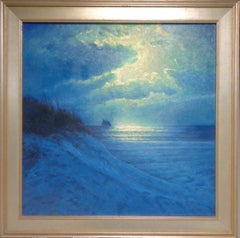
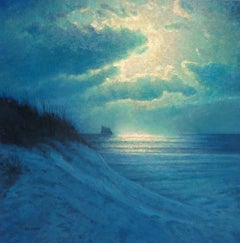
Impressionistic Seascape Painting Michael Budden Moonlight Nocturne
Located in Chesterfield, NJ
Under Moonlight oil/panel 6 x 8 image Under Moonlight is an oil painting on canvas panel by award winning contemporary artist Michael Budden that showcases a uniquely beautiful seasc...
Category

21st Century and Contemporary American Impressionist Art

Materials

Oil

Renato Longanesi - Original Vintage Oil Painting Clipper Ship Stormy Sea Framed
Located in Palm Coast, FL
Sailing headfirst into the heart of a storm, this powerful vintage oil painting captures a lone clipper ship slicing through towering waves beneath turbulent skies. The sails billow ...
Category

Late 20th Century Impressionist Art

Materials

Oil

Doll - Polaroid, Contemporary, Women, Nude
Located in Morongo Valley, CA
Doll - 2017 - 20x20cm, Edition 4/7 plus 2 Artist Proofs. Digital C-print, based on an original Polaroid. Signed on the back and with certificate. Artist inventory PL2017-128. ...
Category

2010s Contemporary Art

Materials

Archival Paper, Photographic Paper, C Print, Color, Polaroid

Controversy - Contemporary, Nude, Women, Polaroid, 21st Century
Located in Morongo Valley, CA
Controversy - 2018 20x25cm, Edition of 7 plus 2 Artist Proofs. Archival C-Print based on a Polaroid. Signed on the back and with certificate. Artist inventory PL2018-1096. Not ...
Category

2010s Contemporary Art

Materials

Archival Paper, Photographic Paper, C Print, Color, Polaroid

Fish. 2016. Oil cardboard. 40x35 cm
Located in Riga, LV
Born 1963
Category

2010s Realist Art

Materials

Oil, Cardboard

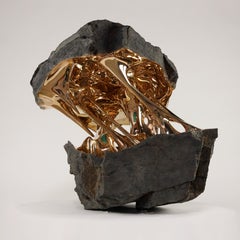
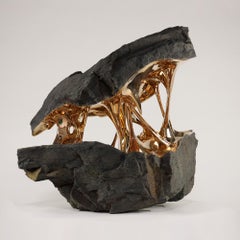
Serendipity by Romain Langlois - Polished bronze sculpture, abstract, golden
Located in Paris, FR
Serendipity by the French contemporary artist Romain Langlois. Gold tone polished bronze sculpture: 102 cm × 64 cm × 88 cm. Edition of 8 + 4 A.P. This patinated bronze sculpture take...
Category

2010s Contemporary Art

Materials

Bronze

Impressionist expressive floral oil painting on canvas "Summer of tender roses"
Located in VÉNISSIEUX, FR
This contemporary floral expressionist piece with a touch of impressionism was created by French artist Natalya Mougenot and belongs to her evocative series dedicated to the beauty o...
Category

2010s Impressionist Art

Materials

Oil, Canvas, Linen

Vicious Black-end Bull Symbol
Located in Zofingen, AG
In this painting, I've poured my passion into depicting the raw intensity and elegance of a timeless struggle. The blend of acrylic and oil mediums allowed me to capture both the sof...
Category

2010s Impressionist Art

Materials

Canvas, Oil, Acrylic

Flowers and Butterflies - Oil Paint by Claude Deschamps - 1970s
Located in Roma, IT
Flowers and Butterflies is a painting realized by Claude Deschamps in the 1970s. Tempera on paper Hand-signed. Very Good condition.
Category

1970s Modern Art

Materials

Oil

''Sacred Langur 2'', Contemporary Bronze Sculpture of a Primate, Monkey
Located in Utrecht, NL
Nichola Theakston (1967) has established herself as one of the UK’s foremost contemporary sculptors working within the animal genre. Primates are Nichola's favorite subject. In her...
Category

2010s Contemporary Art

Materials

Bronze

"Take Me With You" (contemporary, white, black, floral, painting, antique linen)
Located in Paris, IDF
TAKE ME WITH YOU 2024 Paris, France Canvas composition is divided in half, with the upper potion focused on a floral bouquet, and the bottom half left unfinished other than a subtl...
Category

21st Century and Contemporary Abstract Art

Materials

Linen, Oil, Acrylic

Fishy, Fishy, Fish, Goldfish breeding, Lucky charm, Vietnam mono photography
Located in Vienna, Vienna
Fishy, Fishy, Fish, Study 1, Vietnam - no. 21364 Archival pigment ink print as part of a limited edition of 7. All Gerald Berghammer prints are made to order in limited editions on H...
Category

2010s Contemporary Art

Materials

Digital Pigment

Andy Warhol 'Querelle Blue' 1983 FIRST EDITION Pop Art
Located in Brooklyn, NY
Andy Warhol's involvement in movie posters, particularly for "Querelle," directed by Rainer Werner Fassbinder, is notable in the context of his broader artistic career. Warhol create...
Category

1980s Pop Art Art

Materials

Offset

Topiary I - x large format photograph of ornamental shaped tree
Located in San Francisco, CA
from a series of photographic observances capturing the antics of urban gardening and striking art of topiaries' green minimalism Topiary I by Frank Schott 59.5 x 59.5 inches (1...
Category

21st Century and Contemporary Contemporary Art

Materials

Archival Paper, Photographic Paper, Giclée, Archival Pigment

New York City Painting Michael Budden Evening On Broadway St James & Sardis
Located in Chesterfield, NJ
Evening On Broadway, St. James & Sardi's Image is 10 x 8 unframed, 15.5 x 13.5 framed. An acrylic painting on canvas panel by award winning contemporary artist Michael Budden that...
Category

21st Century and Contemporary Realist Art

Materials

Acrylic

Land of the Free Home of the Brave, Acrylic and collage on paper, Signed, Framed
Located in New York, NY
Beautifully framed - ready to hang Peter Max Land of the Free, Home of the Brave, 2005 Acrylic and collage on heavy art paper Hand signed in acrylic paint on the front, the back bears the artist's copyright and unique catalogue/inventory # This work is elegantly framed with a raised float - a gorgeous aesthetic touch in a handmade white wood museum frame under UV plexiglass. Land of Free, Home of the Brave, is an original signed painting, an acrylic and collage on heavy art paper, that was part of a series the artist did in response to the 9/11 terrorist attacks in New York City, with each variation in the series unique. It is hand signed in acrylic paint on the front and bears the artist copyright and stamp and the Peter Max unique inventory/catalogue on the back. Measurements: Framed 28 inches vertical by 22 inches horizontal by 2 inches Painting 24 inches vertical by 18 inches No artist of our time has reached such a vast global audience and influenced so many others who paint and draw than the legendary Peter Max. On a level comparable to Andy Warhol, but appealing to a broader base of art lovers, Max is the celebrity painter par excellence, an inescapable presence on the cultural consciousness since he burst on the scene in the 1960s. His art is in the collections of more than a hundred museums, many of which have given him solo exhibitions, as well as United States embassies, corporate headquarters and prominent private collections. Max was the first rock-star-scale artist. Even when he was only in his twenties, he was featured on the cover of Life magazine and appeared on late-night talk shows. Now revered as an “Old Master” of Neo-Expressionism, Max’s legacy has gone way past his graphic design origins and inspired generations of artists, including many gathered under the Park West umbrella. An instant media sensation when he made his debut in the 1960s as the go-to artist for the leading rock bands in the heyday of the Woodstock era, Max’s career became ever more public over the decades. At the invitation of the White House, he has made the portraits of six sitting United States presidents and scores of world leaders. He was named the official artist for the Grammies as well as the United States 2006 Winter Olympics team, the World Cup, the U.S. Open tennis championships, the Super Bowl and several music festivals, high-profile events that carried his signature style literally to billions of viewers. Peter Max’s amazing life story, as captivating as his art, was shaped by world events from the start to this day. The literal journey around the world has all the drama of an epic movie. He was born in Berlin in the perilous year of 1937. The next year, his father Jacob recognized that the family could narrowly escape the Nazis by taking the long ocean voyage to join the extensive Jewish refugee community in Shanghai. He has vivid memories living in an old villa across the street from the bright red columns in front of a Buddhist temple where the bells and incense made an indelible impression on him. He watched in fascination as they practiced their calligraphy with giant, five-foot long brushes that made huge Chinese characters on pieces of paper they laid on the ground. The young Peter was given brightly colored crayons and paper to play with by his mother Salla, but when she left the room, he started to draw on her beautiful set of Louis Vuitton steamer trunks...
Category

Early 2000s Pop Art Art

Materials

Mixed Media, Acrylic, Rag Paper

18th Century French School Portrait of an Actress with Flowers
Located in Beachwood, OH
18th Century French School Portrait of an Actress Oil on canvas 30 x 23 inches 36 x 30 inches, framed
Category

18th Century French School Art

Materials

Oil

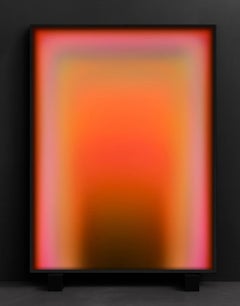
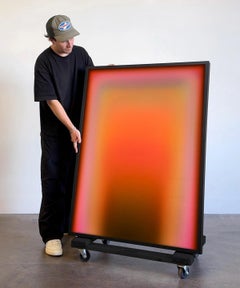
Monochrome Large Orange Abstract Painting on Canvas Gabriela Meunie
Located in Barcelona, Barcelona
At Escat Gallery we are committed to maintaining the highest standards of trust and professionalism for our collectors. Every artwork in our collection comes with a Certificate of Au...
Category

2010s Abstract Art

Materials

Cotton Canvas, Acrylic

Stephanie Seymour for Herb Ritts - Photograph by Herb Ritts - 1987
Located in Roma, IT
Pair of vintage b/w photographs realized by Herb Ritts in 1980s. Excellent condition.
Category

1980s Contemporary Art

Materials

Photographic Paper

Winged Victory of Los Angeles
Located in Los Angeles, CA
Winged Victory of Los Angeles, c. 1960, oil on masonite, signed lower right, artist’s name and title verso, 33 x 34 1/2 inches, exhibited: 1) Edward Biberman, Heritage Gallery, Los A...
Category

1960s American Modern Art

Materials

Masonite, Oil

"Rocky Coast"oil painting Milton James Burns, Founding Salmagundi Club Member
Located in Chesterfield, NJ
Rocky Coast, oil on panel Milton James Burns 1853-1933, Founding Salmagundi Artist member in ready to hang condition. The image measures 10 x 14 signed lower left. Minor craquelure in white impasto areas of the surf. Frame abrasion in upper and lower edges of canvas. A few pinpoints of in-paint show up under UV. This scene looks to me to be Black Head on Monhegan perhaps as Burns visited the island to draw, etc. as listed below. The following is from "The Jean and Graham Devoe Williford Charitable Trust" Milton Burns...
Category

Early 20th Century Impressionist Art

Materials

Oil

Night Shadows
By Edward Hopper
Located in Storrs, CT
Night Shadows. 1921. Etching. Levin 82. 7 x 8 3/8 (sheet 10 x 13 7 1/16).s Series: Six American Etchings: The New Republic Portfolio, 1924. Edition approximately 500-600. Illustrate...
Category

1920s American Modern Art

Materials

Etching

Night Shadows
Night Shadows
$48,000 Sale Price
20% Off
Salobreña Granada Spain oil painting landscape seascape
Located in Sitges, Barcelona
Title: Salobreña Artist: Rafael Duran Benet (Terrassa, 1931 – Barcelona, 2015) Technique: Oil on canvas board Dimensions: 13 x 16.1 in Support: Canvas board, unframed Signature: Sign...
Category

1970s Post-Impressionist Art

Materials

Canvas, Oil, Board

A Fine 1930s, Modern Academic Figure Study Drawing, Standing Male Nude (Back)
Located in Chicago, IL
A Fine 1930s, Modern Academic Figure Study Drawing of a Standing Male Nude Model (Back) by Notable Chicago Artist, Harold Haydon (Am. 1909-1994). An exceptionally well executed, ear...
Category

1930s American Modern Art

Materials

Charcoal, Paper

Art Card: Marilyn Monroe (Revues Empaquetees), 1962, (Hand Signed by Christo)
Located in New York, NY
Christo and Jeanne-Claude Art Card: Wrapped Magazines with Marilyn Monroe (Revues Empaquetees), 1962, (Hand Signed by Christo), 1991 Offset lithograph postcard (hand signed by Christ...
Category

1990s Pop Art Art

Materials

Postcard

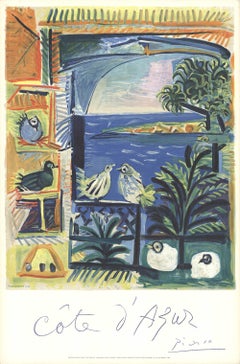
French Riviera 3
Located in New York, NY
ABOUT THIS PIECE: Beauty, elegance and fierce attitude defines Elena’s eye-catching work. She is known for her high impact colorful portraits. Her style is permeated with the passion f...
Category

2010s Art

Materials

Photographic Paper

Shop Art on 1stDibs: Photography, Drawings, Prints, Sculptures and Paintings for Sale

Whether growing your current fine art collection or taking the first steps on that journey, you will find an extensive range of original photography, drawings, prints, sculptures, paintings and more on 1stDibs.

Visual art is among the oldest forms of expression, and it has been evolving for centuries. Beautiful objects can provide a window to the past or insight into our current time. Art collecting enhances daily life through the presence of meaningful work. It displays an appreciation for culture, whether a print by Elizabeth Catlett channeling social change or a narrative quilt by Faith Ringgold.

Contemporary art has lured more initiates to collecting than almost any other category, with notable artists including Yayoi Kusama, Marc Chagall, Kehinde Wiley and Jean-Michel Basquiat. Navigating the waiting lists for the next Marlene Dumas, Jeff Koons or Jasper Johns has become competitive.

When you’re living with art, particularly as people more often work from home and enjoy their spaces, it’s important to choose art that resonates with you. While the richness of art with its many movements, styles and histories can be overwhelming, the key is to identify what is appealing and inspiring. Artwork can play with the surrounding color of a room, creating a layered approach. The dynamic shapes and sizes of sculptures can set different moods, such as a bronze by Miguel Guía on a mantel or an Alexander Calder mobile suspended over a table. A wall of art can evoke emotions in an interior while showing off your tastes and interests. A salon-style wall mixing eclectic pieces like landscape paintings with charcoal drawings is a unique way to transform a space and show off a collection.

For art meditating on the subconscious, investigate Surrealists like Joan Miró and Salvador Dalí. Explore Pop art and its leading artists such as Andy Warhol, Rosalyn Drexler and Keith Haring for bright and bold colors. Not only did these artists question art itself, but also how we perceive society. Similarly, 20th-century photography and abstract painting reconsidered the intent of art.

Abstract Expressionists like Helen Frankenthaler and Lee Krasner and Color Field artists including Sam Gilliam broke from conventional ideas of painting, while Op artists such as Yaacov Agam embraced visual trickery and kinetic movement. Novel visuals are also integral to contemporary work influenced by street art, such as sculptures and prints by KAWS.

Realist portraiture is a global tradition reflecting on what makes us human. This is reflected in the work of Slim Aarons, an American photographer whose images are at once candid and polished and appeared in Holiday magazine and elsewhere. Innovative artists Mickalene Thomas and Kerry James Marshall are now offering new perspectives on the form.

Collecting art is a rewarding, lifelong pursuit that can help connect you with the creative ways historic, modern and contemporary artists have engaged with the world. For more tips on piecing together an art collection, see our guide to buying and displaying art.

Find photography, drawings, paintings, prints and other art for sale on 1stDibs.
Still Thinking About These?

All Recently Viewed