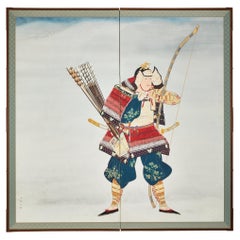
Japanese Two Panel Screen: Samurai Warrior
Located in Hudson, NY
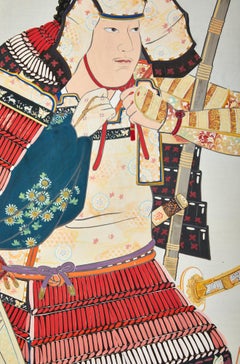
Standing portrait of a samurai, thought to be Heiji Shigemori. Startlingly similar to a painting
Category
20th Century Japanese Paintings and Screens
Materials
Silk, Wood
Japanese Two Panel Screen: Samurai Warrior
Located in Hudson, NY
Standing portrait of a samurai, thought to be Heiji Shigemori. Startlingly similar to a painting
Silk, Wood
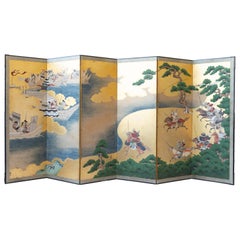
18th Century Six Panel japanese Screen with Samurai on Horses
Located in New York, NY
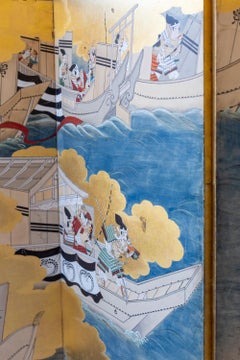
A spectacular six-panel Japanese screen dating to the 18th century. The screen depicts samurai
Gold Leaf
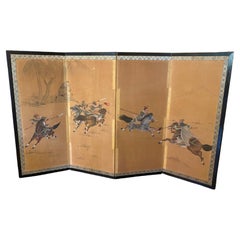
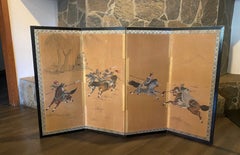
$1,595
H 36 in W 60 in D 0.75 in
Japanese Chinese Asian Four Panel Folding Byobu Screen Samurai Warriors Battle
Located in Studio City, CA
A wonderful four-panel Japanese (or Chinese) Byobu folding screen featuring a battlefield landscape
Wood, Paint, Paper
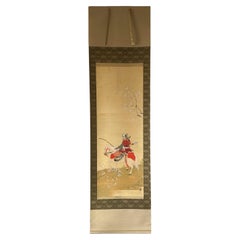
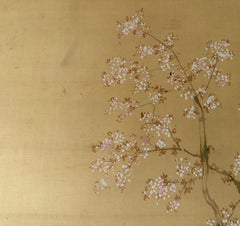
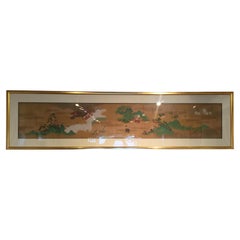
Japanese Hanging Scroll – Samurai under Blossoming Tree
Located in Fukuoka, JP
Japanese Hanging Scroll – Samurai under Blossoming Tree Japan, 20th century Painting: 41.5 × 114 cm
Wood, Paper
$3,500Sale Price|36% Off
H 1.3 in W 74 in D 19.2 in
Fine Framed Japanese Painting of Samurais and Archers, Conservation Framed
Located in Greenwich, CT
refined Japanese brush painting of samurais and archers in the landscape, a section originally from
Silk
$1,200
H 44.49 in W 17.33 in D 1.19 in
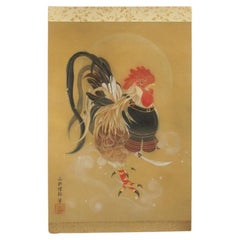
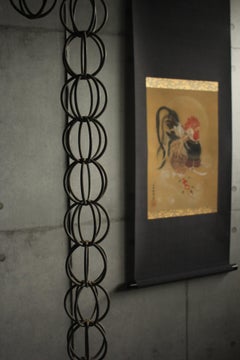
K13 Japanese Art A hanging scroll, Samurai chicken by Rie Yamashina
Located in Niiza, JP
) [mm] 4kg A depiction of a rooster dressed as a samurai. This is a contemporary art piece. As an
Silk
$350
H 42.91 in W 22.83 in D 0.98 in
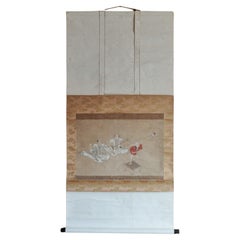
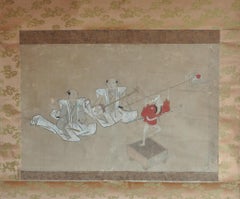
19th century Edo period's Hanging scroll Samurai players and child dancer
Located in Chiba, JP
samurai’s attendant of ‘Goban-ningyo’ (lit. ‘Go-game-board doll’ / Traditional Japanese banquet performance
Paper
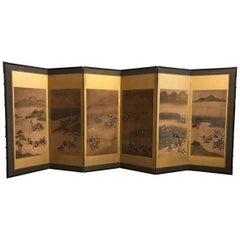
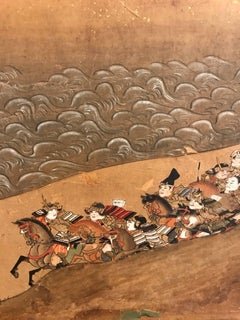
Six-Fold Japanese Screen with Samurai
Located in New York, NY
A six panel Japanese screen with separate finely painted and very detailed scenes of samurai in
Gold Leaf
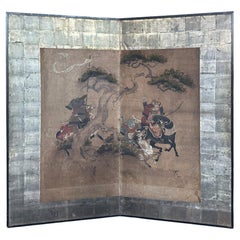
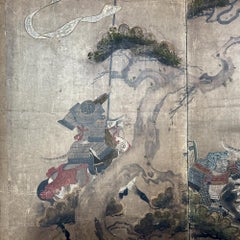
Momoyama Period Samurai Screen with Meiji Reframing
Located in Fukuoka, JP
Momoyama Period Samurai Screen with Meiji Reframing Period: Momoyama (painting), Meiji (framing
Silver Leaf
Sold
H 55.12 in W 74.02 in D 0.79 in
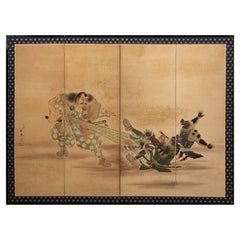
A four-panel folding screen depicting a Yamabushi and two Samurai
Located in Milano, IT
A Japanese four-panel screen painted on paper and enriched with gold powder, depicting a dramatic
Paper
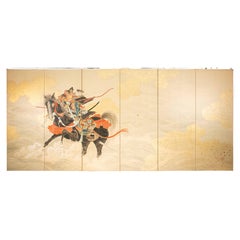
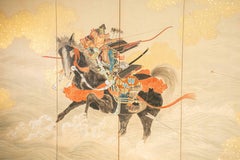
Sold
H 68.12 in W 149.22 in D 0.79 in
A pair of six-panel screens depicting two samurai archers on horseback
Located in Milano, IT
Pair of six-panel screens depicting a scene in which two samurai archers on horseback are in the
Paper
Sold
H 9 in W 6.5 in D 0.75 in
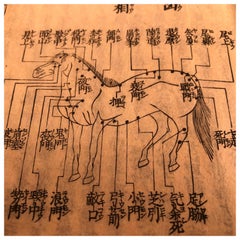
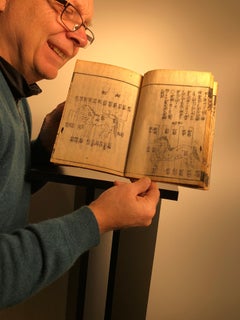
Japan "Samurai Horses" Frameable Horse Woodblock Prints Book, 150 Yrs Old
Located in South Burlington, VT
Important Japanese complete antique Samurai woodblock print book depicting horses and equine
Paper

Sold
H 14.75 in W 18 in D 1 in
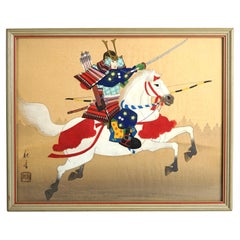
Japanese Hand Painted Oil on Silk Portrait “Samurai On Horseback”, Framed, C1930
Located in Big Flats, NY
Japanese Hand Painted Oil on Silk Portrait “Samurai On Horseback”, Framed, C1930 Measures- 14.75
Silk, Paint
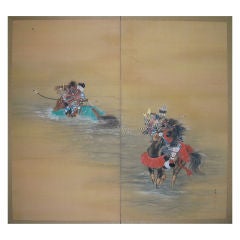
Japanese Screen: Painting of Samurai at Uji River
Located in Hudson, NY
Two Panel Screen, Samurai at Uji River by Yoshikazu (Minami Kiichi), c. 1920.
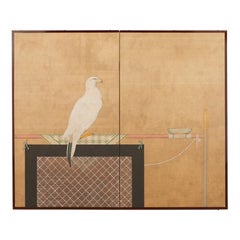
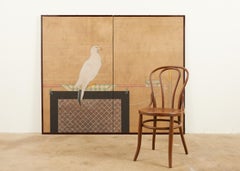
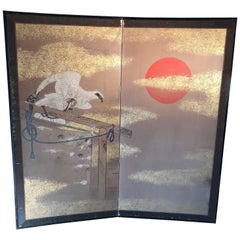
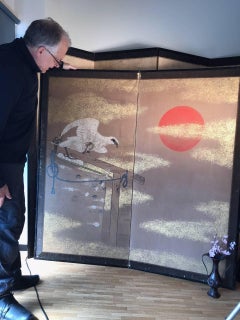
Japanese Showa Two Panel Screen Samurai Falcon
Located in Rio Vista, CA
Fantastic Japanese Showa period two-panel byobu screen featuring a white falcon hunting bird tied
Brass

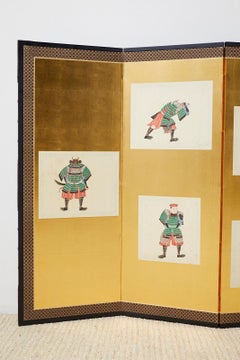
Japanese Meiji Period Six-Panel Screen Samurai Armour
Located in Rio Vista, CA
Fascinating Japanese Meiji period six-panel screen depicting a samurai dressing into traditional
Brass
Sold
H 60 in W 56 in D 0.5 in
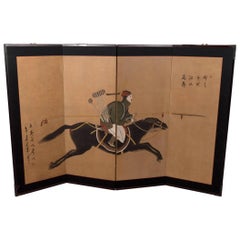
Japanese Samurai "Prized Hunting Bird and Golden Sun" Fine Two Panel Screen
Located in South Burlington, VT
Japan, a fine two-panel screen Byobu of a tethered and perched prized falcon / hunting bird
Paper

Sold
H 35.5 in W 55.5 in D 2 in
Japanese Meiji Period 4-Panel Screen with a Samurai on a Horse, Ca. 1880
Located in New York, NY
Japanese Meiji Period 4-Panel Screen with a Samurai on a Horse, Ca. 1880 Meiji Period (1868-1912
Wood
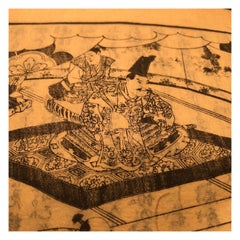
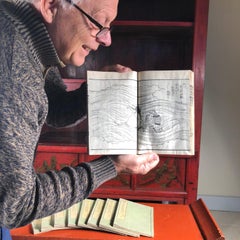
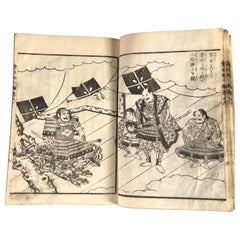
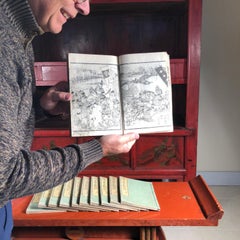
Important Japan Samurai Antique Woodblock Book Set 132 Prints 1857
Located in South Burlington, VT
. Story of Toyotomi Hideyoshi Japanese Woodblock Print Book in the Edo Period, 19th century Samurai
Paper
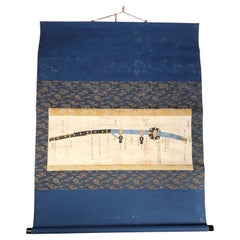
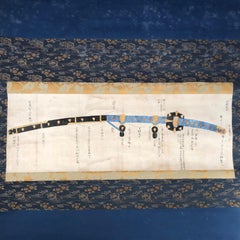
Japan Antique Samurai Sword Hand Painted Scroll Brilliant Blue Colors
Located in South Burlington, VT
A rare gem seldom available, even in Japan. A very fine and impressive Japanese antique hand
Paper
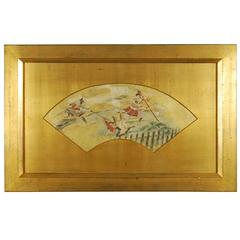
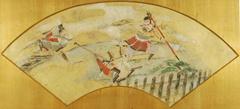
Antique Japanese Fan Painting with Scenes of a Samurai Battle
Located in Prahran, Victoria
Delicately painted Japanese fan painting with a depiction of samurai warriors engaged in battle
Paper
Sold
H 10.25 in W 7 in D 2.5 in
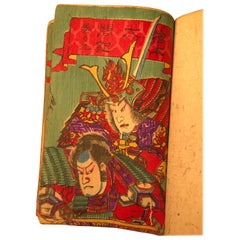
Important Japan Samurai Antique Woodblock Complete Book Set, 162 Prints, 1857
Located in South Burlington, VT
. Story of Toyotomi Hideyoshi Japanese woodblock print book in the Edo period, 19th century Samurai
Paper

Sold
H 7 in W 5 in D 2 in
Important Japan Samurai Antique Woodblock Complete Book, over 200 Prints, 1870
Located in South Burlington, VT
Important Japanese complete antique Story of Samurai woodblock print book set including ten (10
Paper

Japanese Fine Antique Tall Samurai Shop Sign, Carved- Best In Class
Located in South Burlington, VT
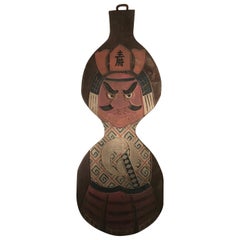
Japan, a large and beautifully handmade, hand-carved, and hand lacquered antique shop sign -kanban
Wood

Japanese Fine Old Samurai Pavilion and Minka House Screen
Located in South Burlington, VT
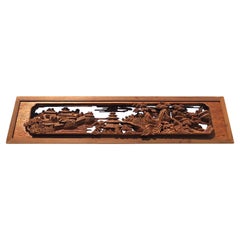
special wooden screen "ranma" or transom featuring a spectacular array of Samurai Pavilions, a pagoda
Wood

Paravento Giapponese Samurai
By Japanese Studio
Located in Brescia, IT
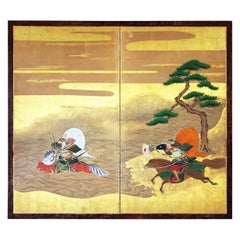
Paravento a due pannelli di scuola Tosa dipinto a pigmenti minerali su foglia d'oro e carta di riso. Raffigura nella Guerra di Genpei la Battaglia di Ichi-no-Tani tra i Clan Giappone...
Gold Leaf
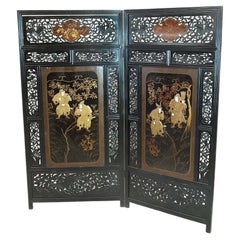
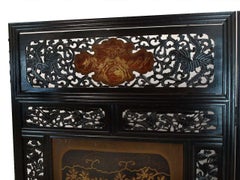
Japanese Lacquer Two Fold Samurai Warrior Screen
Located in Wilson, NC
Japanese lacquer two fold samurai warrior screen, each side with reticulated carved panels
Gold
Sold|$1,595
H 36 in W 71.5 in D 0.75 in
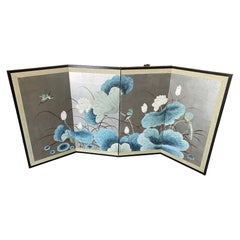
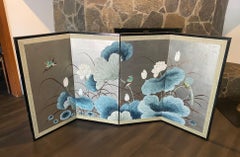
Japanese Chinese Asian 4 Panel Folding Byobu Screen Lotus Flowers Bird Landscape
Located in Studio City, CA
A gorgeous four-panel Japanese Asian Byobu folding screen depicting a nature landscape scene with lotus leaves and blossoming spring flowers and two colorful kingfisher birds frolick...
Silver Leaf
$1,895
H 36 in W 66 in D 0.75 in
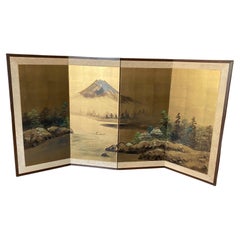
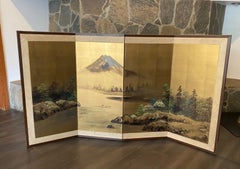
Japanese Asian Signed Four Panel Folding Byobu Screen of Mount MT Fuji Landscape
Located in Studio City, CA
A gorgeous four-panel Showa Period Japanese Byobu folding screen featuring a luminous Mount (Mt,) Fuji perched high above a beautiful natural landscape scene which depicts a small qu...
Gold Leaf
$1,595
H 36 in W 72.5 in D 0.75 in
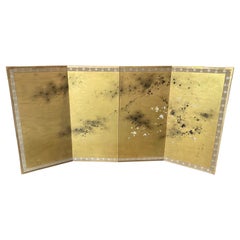
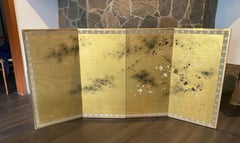
Japanese Asian Signed Four Panel Folding Byobu Cherry Blossom & Pine Tree Screen
Located in Studio City, CA
A gorgeous four-panel Showa Period Japanese Byobu folding screen featuring luminous cherry blossoms amongst the branches of a venerable pine tree. A very serene, tranquil, and peace...
Silk, Paint
$1,895
H 37 in W 47 in D 0.62 in
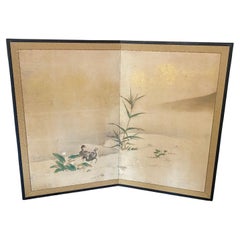
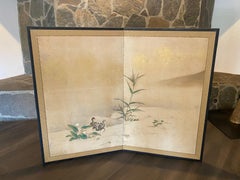
Japanese Asian Two Panel Meiiji Edo Folding Byobu Screen Landscape with Birds
Located in Studio City, CA
A gorgeous two-panel Japanese Byobu folding screen depicting a nature landscape scene with a two wild birds frolicking along a riverbank/lakeside among a patch of blossoming flowers....
Wood, Paper
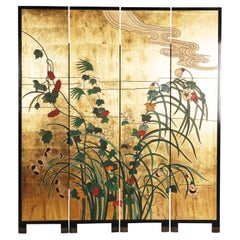
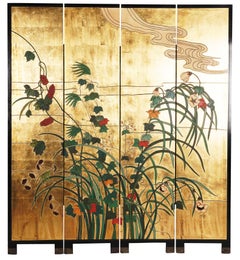
Vintage Gold Leaf Lacquer Asian-Inspired Four-Panel Folding Screen
Located in Sheridan, CO
Vintage Black and Gold Leaf Lacquer Asian-Inspired Four-Panel Folding Screen. An Asian-Inspired Four-Panel Screen depicting colorful foliage, floral and grasses on a stunning gold le...
Gold Leaf
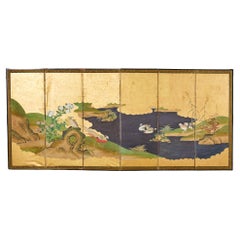
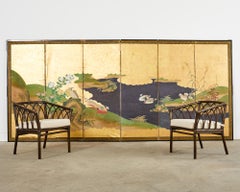
Japanese Meiji Six Panel Screen Kano School Bird Waterscape
Located in Rio Vista, CA
Stunning late 19th century Japanese Meiji period six panel byobu screen featuring a deep blue waterscape with pheasants and ducks. Made in the Kano school style with natural ink and ...
Brass, Gold Leaf
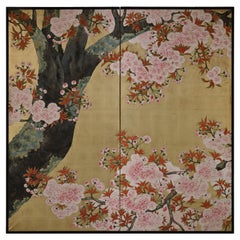
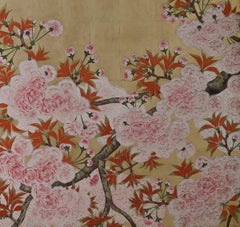
Early 20th Century Japanese Cherry Blossom Screen by Kano Sanrakuki
Located in Kyoto, JP
Cherry Blossoms Kano Sanrakuki (1898-1981) Showa period, circa 1930 2-panel Japanese Screen Color, gofun and gold leaf on paper Against a backdrop of gold-leafed groun...
Gold Leaf
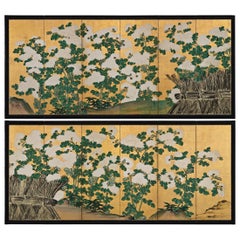
$48,000 / set
H 67.5 in W 149 in D 0.75 in
Mid-18th Century Japanese Screen Pair, One Hundred Flowers, Chrysanthemums
Located in Kyoto, JP
Omori Soun (b. 1704) Chrysanthemums - One Hundred Flowers A Pair of Six-fold Japanese Screens. Ink, color, gofun and gold leaf on paper. Dating to the mid 18th century this pair o...
Gold Leaf

$68,000 / set
H 36 in W 112 in D 0.75 in
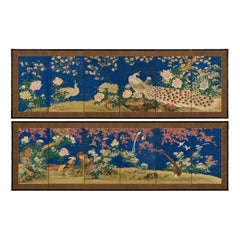
Mid 19th Century Japanese Screen Pair. Flowers & Birds of the Four Seasons.
Located in Kyoto, JP
Shioka Sorin (1781-1850) Flowers & Birds of the Four Seasons Pair of six-panel Japanese Screens. Ink, gofun and pigments on silk. Dimensions (each screen): H. 91.5cm x W. 285cm (3...
Silk
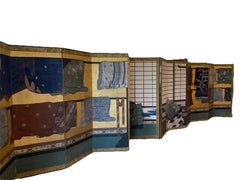
$595,000 / set
H 68.5 in W 292 in D 0.75 in
17th Century 'Late 1600s', Japanese Edo Period 12-Panel Folding Screen Painted
Located in North Miami, FL
A pair of 17th Century (Late 1600s) Japanese Edo screens made of 12-panels. This folding silk screen is painted on a gold leaf background. It has a silk border and lacquered-wood fra...
Silk, Wood, Paint, Paper
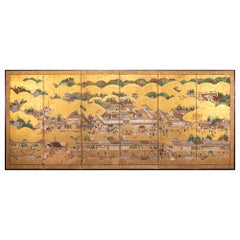
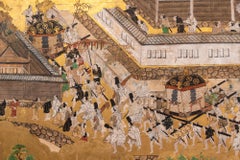
$51,750
H 48.75 in W 112.5 in D 0.75 in
Japanese Six Panel Screen: Scenes in and Around Kyoto, 'Rakuchu Rakugai-Zu'
Located in Hudson, NY
The left two panels is the intersection of the Tokaido (an important and historical road that connects Kyoto with Tokyo) at Sanjo (Sanjo translates to "Third Street" and is the main ...
Gold Leaf
Traditional Asian paintings were often created on scrolls and folding screens. Artisans made screens that could be folded up or spread out by connecting several panels using hinges. Today, antique Asian folding screens and paintings are sophisticated decorative accents that can serve as makeshift partitions to ensure privacy.
The original folding screens were created by Chinese artists. The earliest record of screens comes from the 2nd century B.C., and surviving examples date back to the Ming dynasty. Chinese painting utilizes many of the same tools as calligraphy — these screens were crafted from wood with painted panels featuring striking art or calligraphy that told cultural stories or represented nature and life in the area.
The practice was introduced to Japan, where paintings for screens were made on paper and silk, in the 8th century. These paintings frequently feature subjects such as landscapes, animals, flowers and Buddhist religious themes. Along with screens for tea ceremonies and dance backgrounds, there were screens for use in Shinto and Buddhist temples.
In the 17th century, screens began to be imported to Europe where their popularity grew. Coco Chanel famously collected Coromandel folding screens.
Traditional Asian paintings can make a tasteful addition to any wall, and screens can be used as decoration or, in the case of larger iterations, as an aesthetic way to divide a large room. Browse the selection of antique Asian paintings and screens from a variety of styles and eras on 1stDibs.
Decorated with white cranes and the sought-after thousand-butterflies motif, the Meiji-period vessel offers both a celebration of traditional aesthetics and a clear reflection of the era’s appetite for exquisite export pieces.
For 25 years, gallerist Betsy Nathan has leveraged her keen eye and key connections to bring a unique selection of rare finds to the market.
Now working alongside his daughter Bianca, dealer Joel Chen has presented a most covetable array of antiques, art and contemporary creations for more than 40 years.
From cherry-blossom-adorned walls paired with glamorous lighting to wood-paneled ceilings above checkerboard-patterned chairs, these 12 spaces seamlessly blend Eastern and Western aesthetics.
The dealer and curator has spent the past 50 years amassing a collection of exceptional art, furniture and architectural elements that trace the cultural influence of the Spanish empire from Europe to the Americas and beyond.
These spaces exemplify how Eastern elements elevate a home's decor.