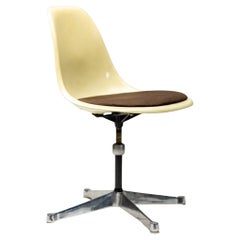
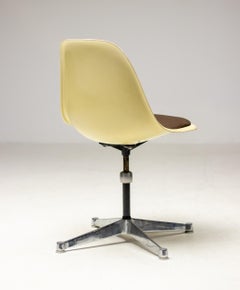
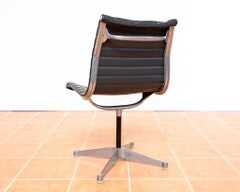
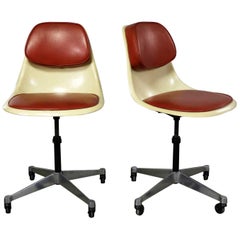
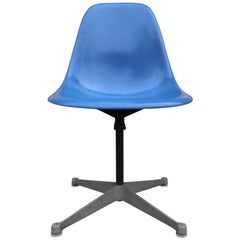
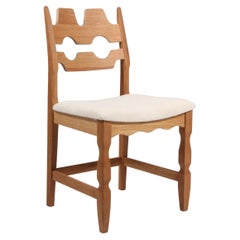
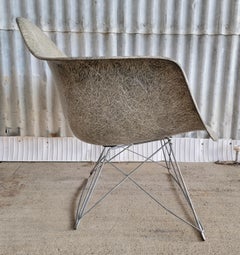
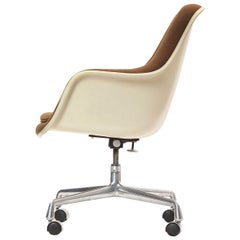
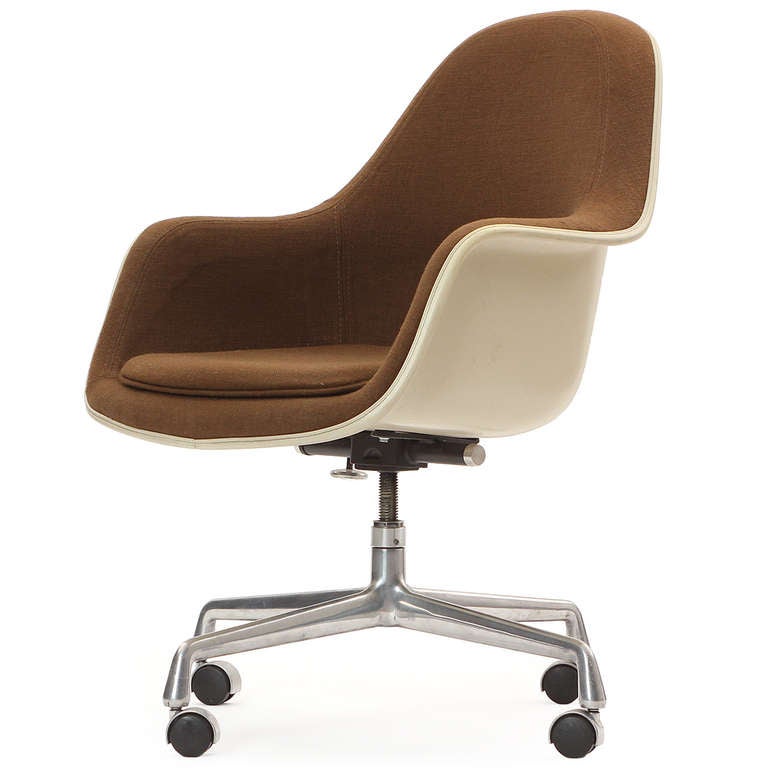
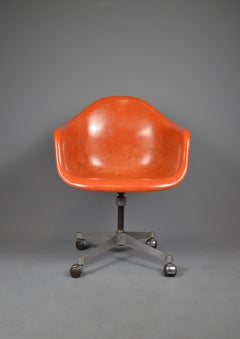
Eames Contract Chair For Sale on 1stDibs
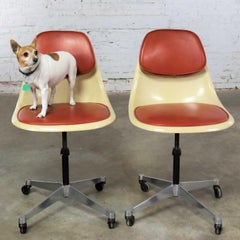
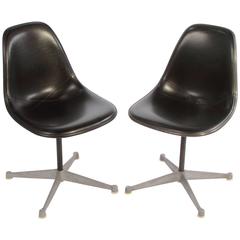
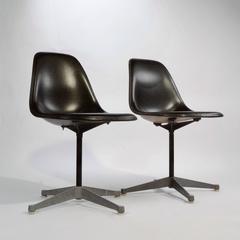
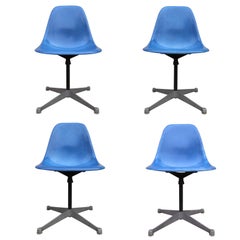
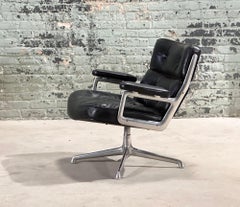
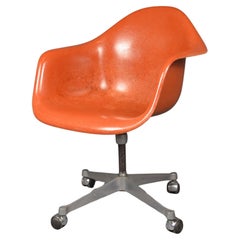
Choose from an assortment of styles, material and more with respect to the eames contract chair you’re looking for at 1stDibs. Each eames contract chair for sale was constructed with extraordinary care, often using
metal,
wood and
plastic. Find 111 options for an antique or vintage eames contract chair now, or shop our selection of 1 modern versions for a more contemporary example of this long-cherished piece. Your living room may not be complete without a eames contract chair — find older editions for sale from the 18th Century and newer versions made as recently as the 21st Century. A eames contract chair made by
mid-century modern designers — as well as those associated with
Victorian — is very popular.
Charles and Ray Eames,
Herman Miller and
Charles Eames each produced at least one beautiful eames contract chair that is worth considering.
How Much is a Eames Contract Chair?
A eames contract chair can differ in price owing to various characteristics — the average selling price 1stDibs is $2,395, while the lowest priced sells for $324 and the highest can go for as much as $41,541.
Charles and Ray Eames for sale on 1stDibs
Charles Eames and Ray Eames were the embodiment of the inventiveness, energy and optimism at the heart of mid-century modern American design, and have been recognized as the most influential designers of the 20th century. The Eameses were lovers of folk craft who had a genius for making highly original chairs, tables, case pieces and other furniture using traditional materials and forms.
As furniture designers, filmmakers, artists, textile and graphic designers and even toy and puzzle makers, the Eameses were a visionary and effective force for the notion that design should be an agent of positive change. They are the happy, ever-curious, ever-adventurous faces of modernism.
Charles Eames (1907–78) studied architecture and industrial design. Ray Eames (née Beatrice Alexandra Kaiser, 1912–88) was an artist, who studied under the Abstract Expressionist painter Hans Hofmann. They met in 1940 at the Cranbrook Academy of Art in suburban Detroit (the legendary institution where Charles also met his frequent collaborator Eero Saarinen and the artist and designer Harry Bertoia) and married the next year.
His technical skills and her artistic flair were wonderfully complementary. They moved to Los Angeles in 1941, where Charles worked on set design for MGM. In the evenings at their apartment, they experimented with molded plywood using a handmade heat-and-pressurization device they called the “Kazam!” machine. The next year, they won a contract from the U.S. Navy for lightweight plywood leg splints for wounded servicemen — vintage Eames splints are coveted collectibles today; more so those that Ray used to make sculptures.
The Navy contract allowed Charles to open a professional studio, and the attention-grabbing plywood furniture the firm produced prompted George Nelson, the director of design of the furniture-maker Herman Miller Inc., to enlist Charles and (by association, if not by contract) Ray in 1946. Some of the first Eames items to emerge from Herman Miller are now classics: the Eames chair, the LCW, or Lounge Chair Wood, and the DCM, or Dining Chair Metal, supported by tubular steel.
The Eameses eagerly embraced new technology and materials, and one of their peculiar talents was to imbue their supremely modern design with references to folk traditions.
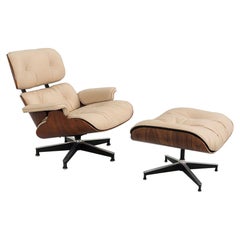
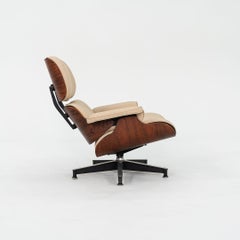
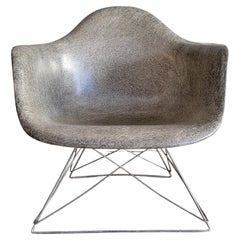
Their Wire chair group of the 1950s, for example, was inspired by basket weaving techniques. The populist notion of “good design for all” drove their molded fiberglass chair series that same decade, and also produced the organic-form, ever-delightful La Chaise. In 1956 the Eames lounge chair and ottoman appeared — the supremely comfortable plywood-base-and-leather-upholstery creation that will likely live in homes as long as there are people with good taste and sense.
Charles Eames once said, “The role of the designer is that of a very good, thoughtful host anticipating the needs of his guests.” For very good collectors and thoughtful interior designers, a piece of design by the Eameses, the closer produced to original conception the better, is almost de rigueur — for its beauty and comfort, and not least as a tribute to the creative legacy and enduring influence of Charles and Ray Eames.
The original Eames furniture for sale on 1stDibs includes chairs, tables, case pieces and other items.
A Close Look at Mid-century-modern Furniture
Organically shaped, clean-lined and elegantly simple are three terms that well describe vintage mid-century modern furniture. The style, which emerged primarily in the years following World War II, is characterized by pieces that were conceived and made in an energetic, optimistic spirit by creators who believed that good design was an essential part of good living.
ORIGINS OF MID-CENTURY MODERN FURNITURE DESIGN
CHARACTERISTICS OF MID-CENTURY MODERN FURNITURE DESIGN
MID-CENTURY MODERN FURNITURE DESIGNERS TO KNOW
ICONIC MID-CENTURY MODERN FURNITURE DESIGNS
VINTAGE MID-CENTURY MODERN FURNITURE ON 1STDIBS
The mid-century modern era saw leagues of postwar American architects and designers animated by new ideas and new technology. The lean, functionalist International-style architecture of Le Corbusier and Bauhaus eminences Ludwig Mies van der Rohe and Walter Gropius had been promoted in the United States during the 1930s by Philip Johnson and others. New building techniques, such as “post-and-beam” construction, allowed the International-style schemes to be realized on a small scale in open-plan houses with long walls of glass.
Materials developed for wartime use became available for domestic goods and were incorporated into mid-century modern furniture designs. Charles and Ray Eames and Eero Saarinen, who had experimented extensively with molded plywood, eagerly embraced fiberglass for pieces such as the La Chaise and the Womb chair, respectively.
Architect, writer and designer George Nelson created with his team shades for the Bubble lamp using a new translucent polymer skin and, as design director at Herman Miller, recruited the Eameses, Alexander Girard and others for projects at the legendary Michigan furniture manufacturer.
Harry Bertoia and Isamu Noguchi devised chairs and tables built of wire mesh and wire struts. Materials were repurposed too: The Danish-born designer Jens Risom created a line of chairs using surplus parachute straps for webbed seats and backrests.
The Risom lounge chair was among the first pieces of furniture commissioned and produced by celebrated manufacturer Knoll, a chief influencer in the rise of modern design in the United States, thanks to the work of Florence Knoll, the pioneering architect and designer who made the firm a leader in its field. The seating that Knoll created for office spaces — as well as pieces designed by Florence initially for commercial clients — soon became desirable for the home.
As the demand for casual, uncluttered furnishings grew, more mid-century furniture designers caught the spirit.
Classically oriented creators such as Edward Wormley, house designer for Dunbar Inc., offered such pieces as the sinuous Listen to Me chaise; the British expatriate T.H. Robsjohn-Gibbings switched gears, creating items such as the tiered, biomorphic Mesa table. There were Young Turks such as Paul McCobb, who designed holistic groups of sleek, blond wood furniture, and Milo Baughman, who espoused a West Coast aesthetic in minimalist teak dining tables and lushly upholstered chairs and sofas with angular steel frames.
Generations turn over, and mid-century modern remains arguably the most popular style going. As the collection of vintage mid-century modern chairs, dressers, coffee tables and other furniture for the living room, dining room, bedroom and elsewhere on 1stDibs demonstrates, this period saw one of the most delightful and dramatic flowerings of creativity in design history.
Materials: Plastic Furniture
Arguably the world’s most ubiquitous man-made material, plastic has impacted nearly every industry. In contemporary spaces, new and vintage plastic furniture is quite popular and its use pairs well with a range of design styles.
From the Italian lighting artisans at Fontana Arte to venturesome Scandinavian modernists such as Verner Panton, who created groundbreaking interiors as much as he did seating — see his revolutionary Panton chair — to contemporary multidisciplinary artists like Faye Toogood, furniture designers have been pushing the boundaries of plastic forever.
When The Graduate's Mr. McGuire proclaimed, “There’s a great future in plastics,” it was more than a laugh line. The iconic quote is an allusion both to society’s reliance on and its love affair with plastic. Before the material became an integral part of our lives — used in everything from clothing to storage to beauty and beyond — people relied on earthly elements for manufacturing, a process as time-consuming as it was costly.
Soon after American inventor John Wesley Hyatt created celluloid, which could mimic luxury products like tortoiseshell and ivory, production hit fever pitch, and the floodgates opened for others to explore plastic’s full potential. The material altered the history of design — mid-century modern legends Charles and Ray Eames, Joe Colombo and Eero Saarinen regularly experimented with plastics in the development of tables and chairs, and today plastic furnishings and decorative objects are seen as often indoors as they are outside.
Find vintage plastic lounge chairs, outdoor furniture, lighting and more on 1stDibs.
Finding the Right Office-chairs-desk-chairs for You
An essential part of every office or home workstation, office chairs and desk chairs are critically important to your comfort and getting the job done.
Desk chairs have evolved over time. While writing the Declaration of Independence, Thomas Jefferson pined for a wider range of motion and introduced some improvements to his English-style Windsor chair, inventing the swivel chair along the way. So the next time you roll, recline or swivel at your vintage desk, remember: The third president of the United States had a lot to do with that functionality.
Changes in the availability of resources have also led to innovations in desk chair design. After World War II, for example, optimistic American designers made use of wartime materials in their efforts to create practical domestic goods.
Mid-century modernism is the name given to the broad postwar time period that prioritized thoughtful design. Journalist Cara Greenberg, who coined the term “mid-century modernism,” cites “ergonomic wisdom” as part of the reason for the longevity of the era’s furnishings, and when it comes to sitting in a desk chair for hours at a time, what could be more important than ergonomic support?
As mid-century modernism was marked by resourcefulness and boundless creativity — and produced designers who, in most cases, prioritized comfort and support — it follows that all mid-century chairs are not the same. Nowhere is this perhaps more evident than at Herman Miller. The legendary Michigan furniture manufacturer got its start in the office, with design director George Nelson enlisting the likes of Charles and Ray Eames to produce desk chairs and lounge chairs that are still celebrated today. Elsewhere at the time, the numerous pieces Florence Knoll created for Knoll’s office furniture line were envisioned as design solutions for the changing needs of residential and office spaces.
If you’re working remotely and streamlined seating isn’t your thing, don’t be afraid of making a statement with your office chair. Introduce a touch of drama to your video calls by way of 19th-century desk accessories and the alluring forms we typically associate with antique desk chairs designed in the Empire and Regency styles. For a minimalist touch, a spare, utilitarian Industrial-style office chair can work in any space but will fit in particularly well amid the exposed brick and steel architecture that characterizes a loft apartment.
An inspiring home office cleverly mixes materials and styles to create a welcoming place of productivity and comfort, and if you’re gathering with colleagues at your company HQ, an array of wood, leather and metal office chairs can help integrate disparate textures in a conference room or any other collaborative space. On 1stDibs, explore a diverse collection of office and desk chairs today.