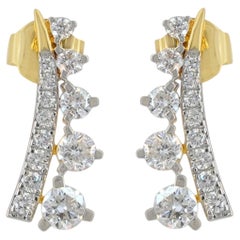
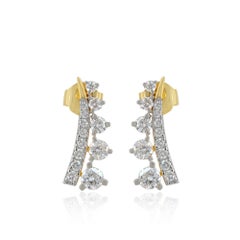
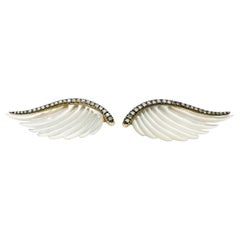
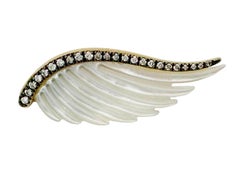
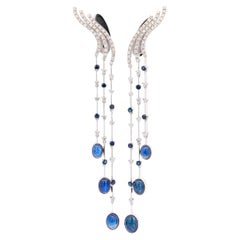
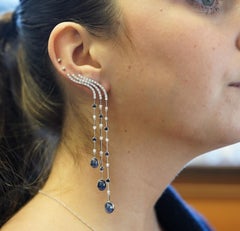
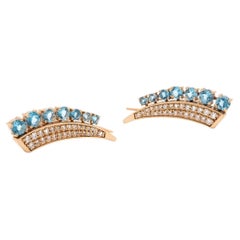
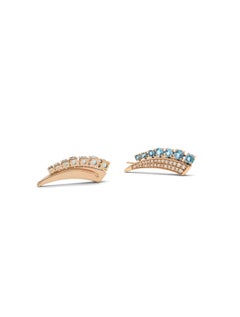
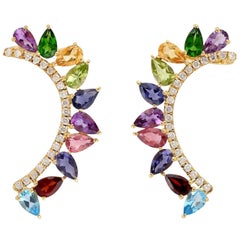
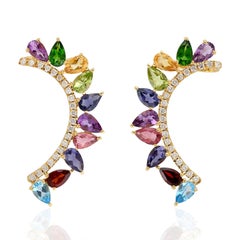
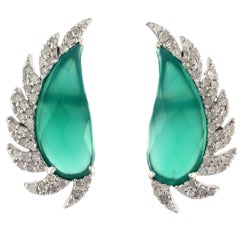
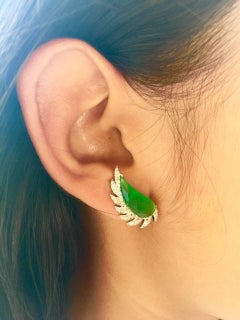
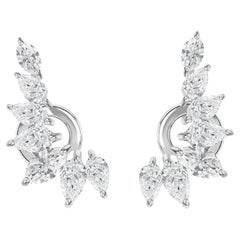
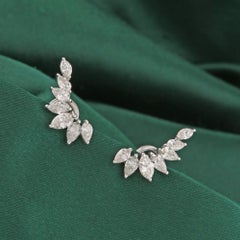
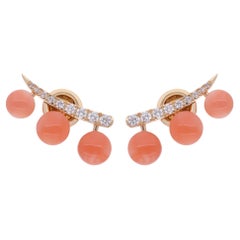
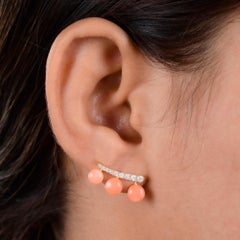
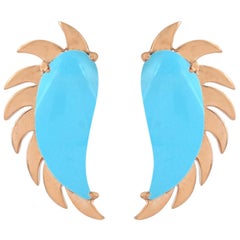
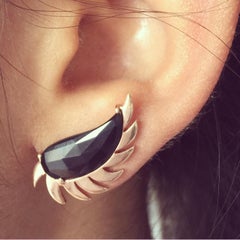
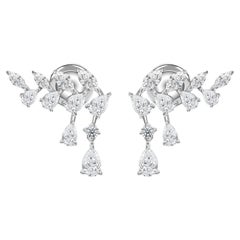
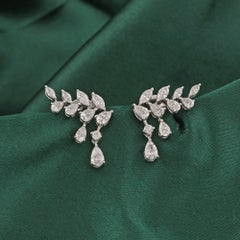
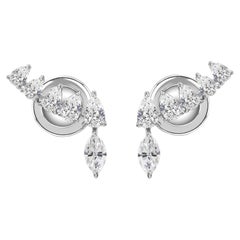
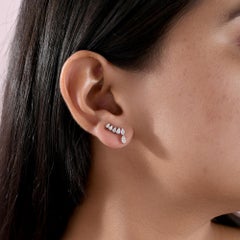
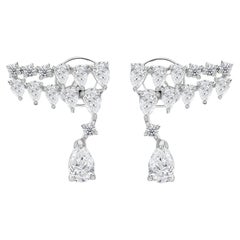
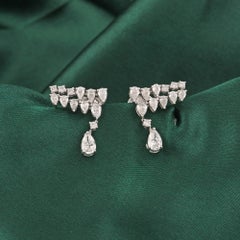
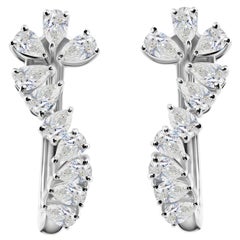
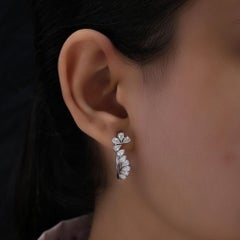
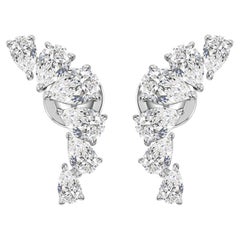
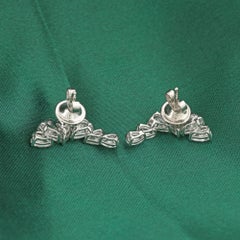
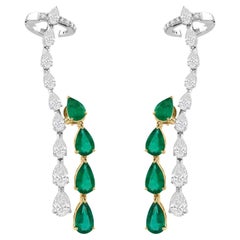
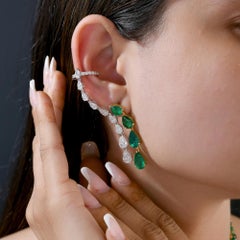
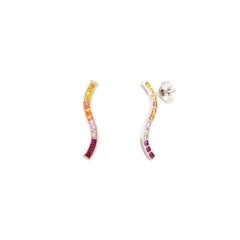
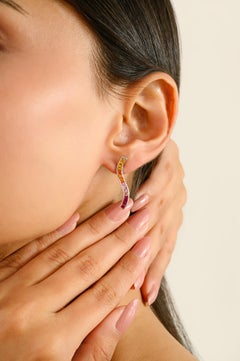
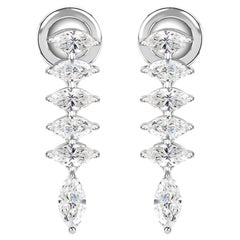
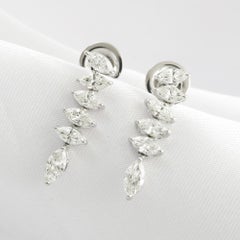
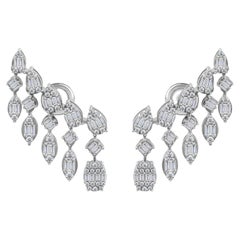
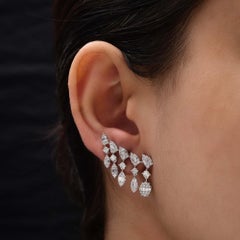
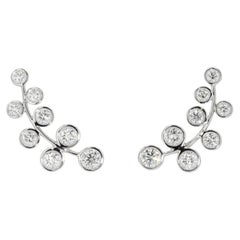
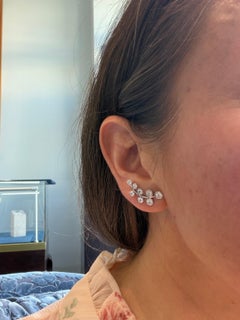
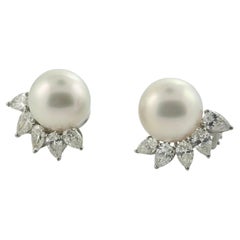
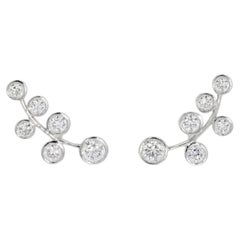
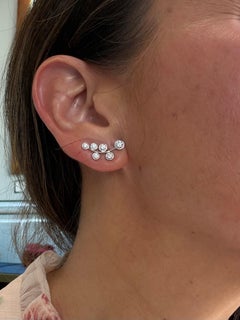
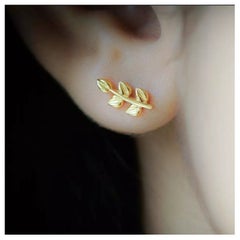
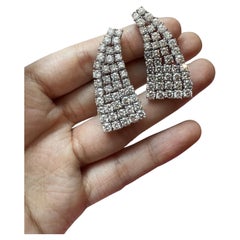
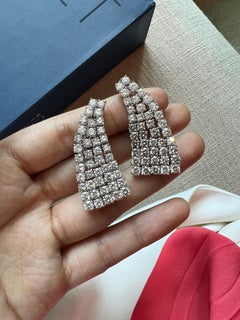
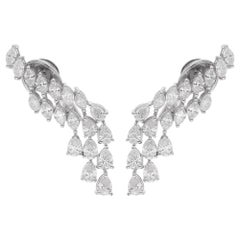
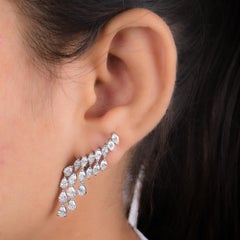
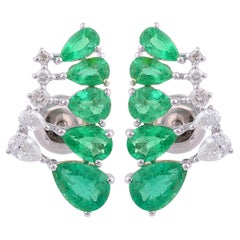
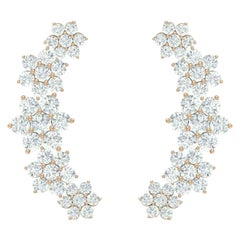
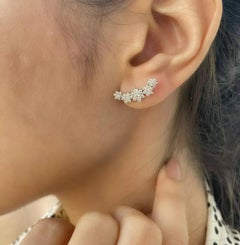
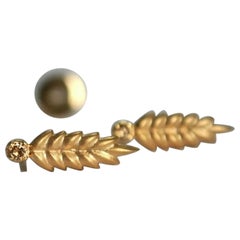
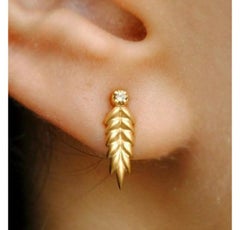
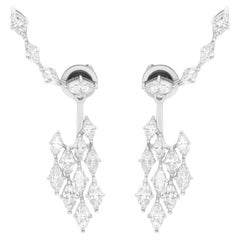
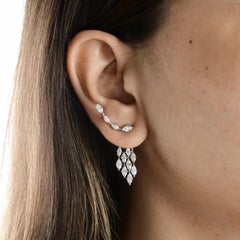
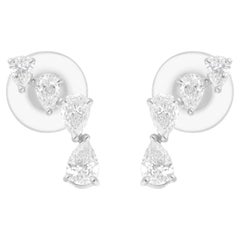
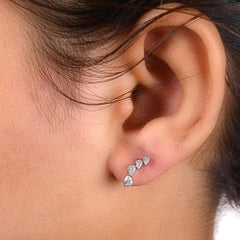
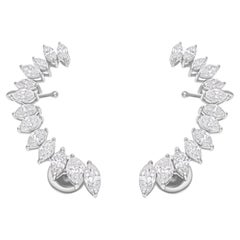
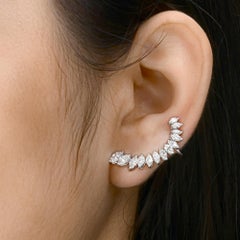
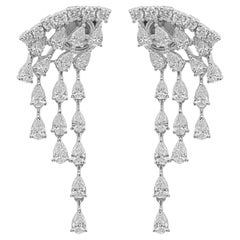
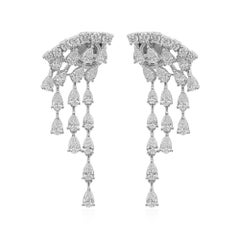
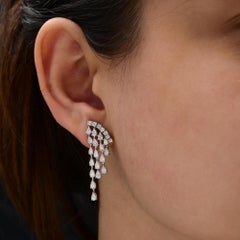
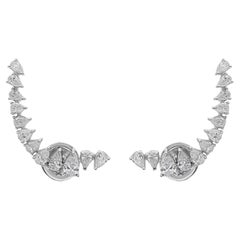
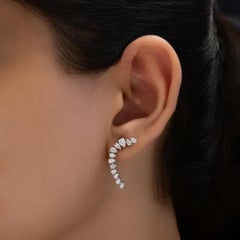
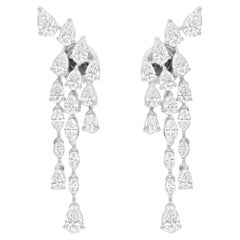
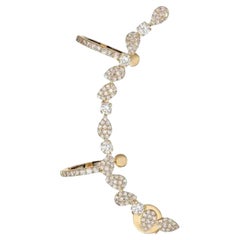
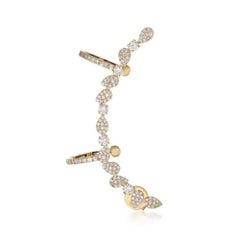
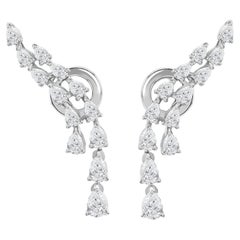
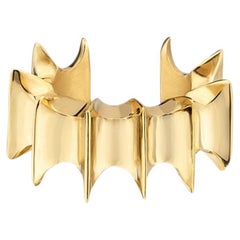
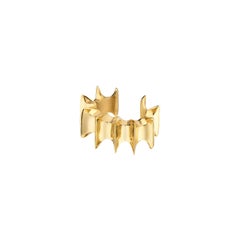
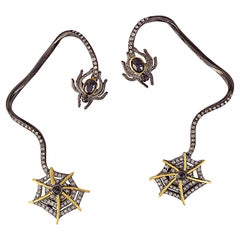
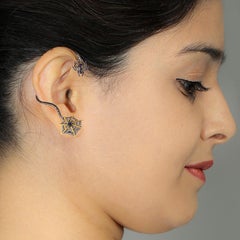
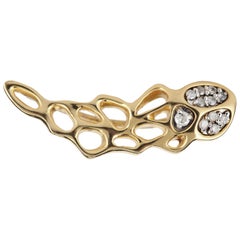
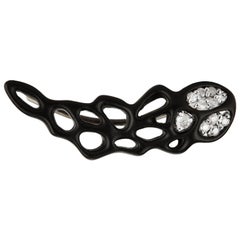
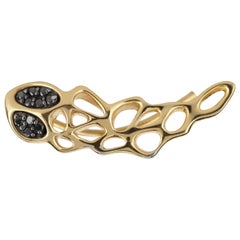
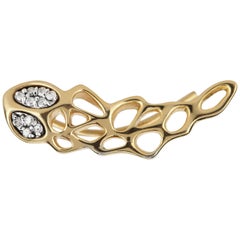
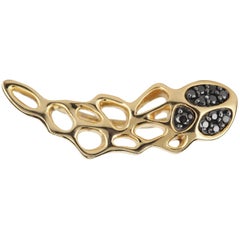
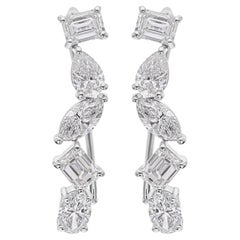
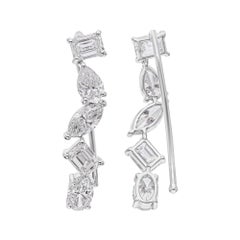
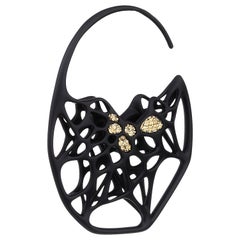
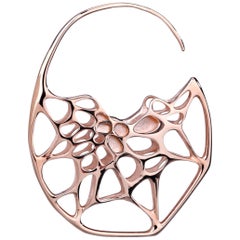
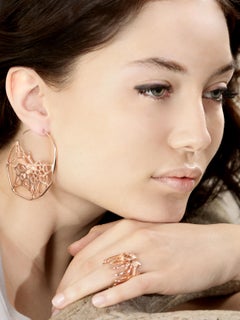
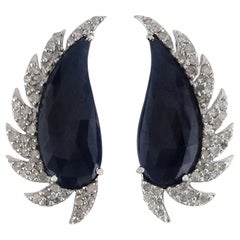
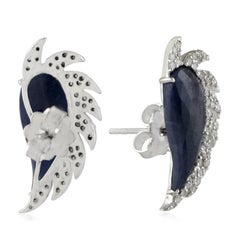
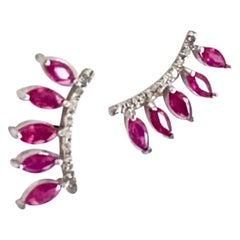
There is a broad range of ear climbers for sale on 1stDibs. All of the items for sale were constructed with extraordinary care, often using
Gold,
18k Gold and
White Gold. Our collection of these items for sale includes 1 vintage editions and 80 modern creations to choose from as well. Our inventory has long been popular, and it includes earlier versions that date to the 20th Century and newer variations that were made as recently as the 21st Century. Pieces in our collection of ear climbers made by
Contemporary jewelers — as well as those associated with
Modern — are very popular. Many examples in our inventory of these items are appealing no matter their origins, but
Meghna Jewels,
Alexia Gryllaki and
Garrard & Co. Ltd. produced popular versions that are worth a look. While most can agree that any pick from our collection easily elevates most outfits, but the choice of
Diamond versions from the 62 available is guaranteed to add a special touch to your ensemble. A selection of
round cut,
mixed cut and
single cut can be found today on these pages. When shopping our range of ear climbers, you’ll find that there are less available pieces for
men today than there are for
women.
Prices for ear climbers can differ depending upon size, time period and other attributes — at 1stDibs, these accessories begin at $375 and can go as high as $138,500, while ear climbers, on average, fetch $2,900.
Gold is the feel-good metal, the serotonin of jewelry. Wear vintage and antique gold necklaces, watches, gold bracelets or gold rings and you feel happy, you feel dressed, you feel, well, yourself.
Gold, especially yellow gold, with its rich patina and ancient pedigree going back thousands of years, is the steady standby, the well-mannered metal of choice. Any discussion of this lustrous metal comes down to a basic truth: Gold is elementary, my dear. Gold jewelry that couples the mystique of the metal with superb design and craftsmanship achieves the status of an enduring classic. Many luxury houses have given us some of our most treasured and lasting examples of gold jewelry over the years.
Since its founding, in 1837, Tiffany & Co. has built its reputation on its company jewelry as well as its coterie of boutique designers, which has included Jean Schlumberger, Donald Claflin, Angela Cummings and Elsa Peretti. There are numerous gold Tiffany classics worth citing. Some are accented with gemstones, but all stand out for their design and the workmanship displayed.
For the woman who prefers a minimalist look, the Tiffany & Co. twist bangle (thin, slightly ovoid) is stylishly simple. For Cummings devotees, signature pieces feature hard stone inlay, such as her pairs of gold ear clips inlaid with black jade (a play on the classic Chanel black and tan), or bangles whose design recalls ocean waves, with undulating lines of lapis lazuli and mother-of-pearl. And just about any design by the great Jean Schlumberger is by definition a classic.
Even had he eschewed stones and diamonds, Southern-born David Webb would be hailed for the vast arsenal of heavy gold jewelry he designed. Gold, usually hammered or textured in some manner, defines great David Webb jewelry. The self-taught jeweler made very au courant pieces while drawing inspiration from ancient and out-of-the-way sources — East meets West in the commanding gold necklaces made by Webb in the early 1970s. The same could be said for his endlessly varied gold cuffs.
In Europe, many houses have given us gold jewelry that sets the highest standard for excellence, pieces that were highly sought after when they were made and continue to be so.
Numerous designs from Cartier are homages to gold. There are the classic Trinity rings, necklaces and bracelets — trifectas of yellow, white and rose gold. As a testament to the power of love, consider the endurance of the Cartier Love bracelet.
Aldo Cipullo, Cartier’s top in-house designer from the late 1960s into the early ’70s, made history in 1969 with the Love bracelet. Cipullo frequently said that the Love bracelet was born of a sleepless night contemplating a love affair gone wrong and his realization that “the only remnants he possessed of the romance were memories.” He distilled the urge to keep a loved one close into a slim 18-karat gold bangle.
BVLGARI and its coin jewelry, gemme nummarie, hit the jackpot when the line launched in the 1960s. The line has been perennially popular. BVLGARI coin jewelry features ancient Greek and Roman coins embedded in striking gold mounts, usually hung on thick link necklaces of varying lengths. In the 1970s, BVLGARI introduced the Tubogas line, most often made in yellow gold. The Tubogas watches are classics, and then there is the Serpenti, the house's outstanding snake-themed watches and bracelets.
A collection called Monete that incorporated the gold coins is one of several iconic BVLGARI lines that debuted in the 1970s and ’80s, catering to a new generation of empowered women. Just as designers like Halston and Yves Saint Laurent were popularizing fuss-free ready-to-wear fashion for women on the go, BVLGARI offered jewels to be lived in.
Since Van Cleef & Arpels opened its Place Vendôme doors in 1906, collection after collection of jewelry classics have enchanted the public. As predominantly expressed in a honeycomb of gold, there is the Ludo watch and accessories, circa the 1920s, and the golden Zip necklace, 1951, whose ingenious transformation of the traditional zipper was originally proposed by the Duchess of Windsor. Van Cleef's Alhambra, with its Moroccan motif, was introduced in 1968 and from the start its popularity pivoted on royalty and celebrity status. It remains one of VCA’s most popular and collected styles.
Mention must be made of Buccellati, whose name is synonymous with gold so finely spun that it suggests tapestry. The house’s many gold bracelets, typically embellished with a few or many diamonds, signified taste and distinction and are always in favor on the secondary market. Other important mid-20th-century houses known for their gold-themed jewelry include Hermès and Ilias Lalaounis.
Find a stunning collection of vintage and antique gold jewelry on 1stDibs.
Antique diamond rings, diamond tiaras and dazzling vintage diamond earrings are on the wish lists of every lover of fine jewelry. And diamonds and diamond jewelry are primarily associated with storybook engagements and red-carpet grand entrances — indeed, this ultra-cherished gemstone has a dramatic history on its hands.
From “A Diamond Is Forever” to “Diamonds Are a Girl’s Best Friend,” pop culture has ingrained in our minds that diamonds are the most desired, the most lasting and the most valuable gemstone. But what makes the diamond so special? Each stone — whether it’s rubies, sapphires or another stone — is unique and important in its own right. April babies might claim diamonds for themselves, but just about everyone wants this kind of sparkle in their lives!
There are several factors that set diamonds apart from other stones, and these points are important to our gem education.
Diamonds are minerals. They are made up of almost entirely of carbon (carbon comprises 99.95 percent; the remainder consists of various trace elements). Diamonds are the hardest gemstones, ranking number 10 on the Mohs Hardness Scale. Even its name, diamond, is rooted in the Greek adamas, or unconquerable. The only object that can scratch a diamond is another diamond. Diamonds are formed deep within the earth at very high temperatures (1,652–2,372 degrees Fahrenheit at depths between 90 and 120 miles beneath the earth’s surface) and are carried up by volcanic activity. Diamonds are quite rare, according to the Gemological Institute of America, and only 30 percent of all the diamonds mined in the world are gem quality.
In the 1950s, the Gemological Institute of America developed the 4Cs grading system to classify diamonds: clarity, color, cut and carat weight. Not all diamonds are created equal (there are diamonds, and then there are diamonds). The value of the diamond depends on the clarity (flawless diamonds are very rare but a diamond's value decreases if there are many blemishes or inclusions), color (the less color the higher the grade), cut (how the diamond’s facets catch the light, certain cuts of diamonds show off the stone better than others) and carat weight (the bigger, the better).
When you start shopping for a diamond engagement ring, always prioritize the cut, which plays the largest role in the diamond's beauty (taking the time to clean your diamond ring at least every six months or so plays a role in maintaining said beauty). And on 1stDibs, a range of buying guides can be found for those in the market for antique engagement rings, vintage engagement rings or Art Deco engagement rings.
Shop antique and vintage diamond rings, diamond necklaces and other extraordinary diamond jewelry on 1stDibs.
In the United States, ear piercing didn’t really become popular until the 1950s and ‘60s, but our desire for a dazzling pair of vintage earrings has deeper roots than that. In fact, wearing earrings actually goes back thousands of years, and you can find many tangible connections between now and then in how we continue to talk about these treasured accessories.
Women wore ornamental earrings — studs and hoops at the very least — in Ancient Egypt, which is home to mines that are among the earliest sources of emeralds in the world. Emerald earrings are highly prized today, and their quality lies in their rich, saturated color. The highest-quality emeralds are green or bluish-green. Earrings worn by the affluent in early Roman civilizations were set with precious stones such as diamonds and pearls, and a clean-looking pop of pearl on the front of the lobe is as timeless as ever. Hoop earrings are imbued with symbolism and cultural significance for many, and on view in the Metropolitan Museum of Art’s Ancient Near Eastern Art Gallery is a pair of simple gold hoops from Mesopotamia dating to between 2600 and 2500 B.C.
Today, ear piercing is very popular all over the world, and, as a result, it is difficult to overstate how much everyone pines for a good pair of earrings — modernist drop earrings, glamorous Victorian hoops, geometrically complex chandelier earrings, you name it. Sure, jewelry trends and the fashion darlings of social media come and go, but earrings have a staying power that seems impenetrable: The still-strong love affair between British royals and Cartier earrings is more than a century old, glossy 1970s hoops from legacy houses such as Bulgari and Van Cleef & Arpels remain the statement makers they’ve always been and although people have been stacking earrings for many moons, the allure of an expertly mismatched stack of charms and studs still feels fresh and new.
While there is no shortage of modern earring designs to choose from, the classics, like coral earrings, Art Deco–style earrings and diamond drop earrings are still heavy hitters. On 1stDibs, find a wide range of antique, new and vintage earrings today.