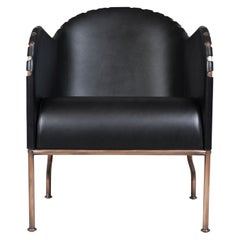
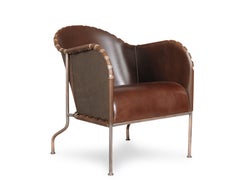
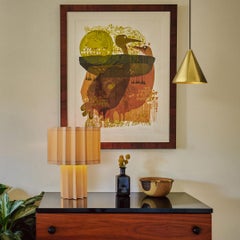
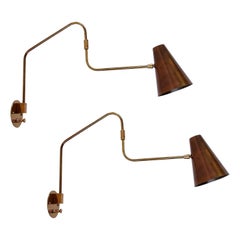
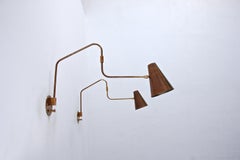
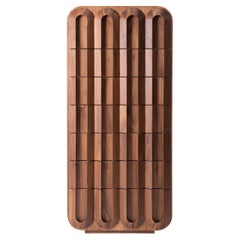
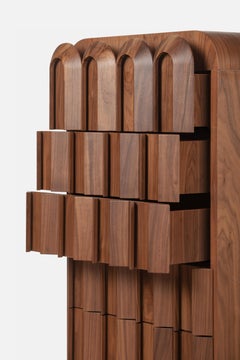
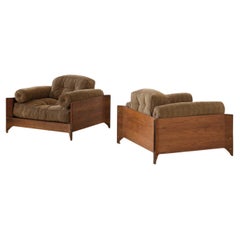
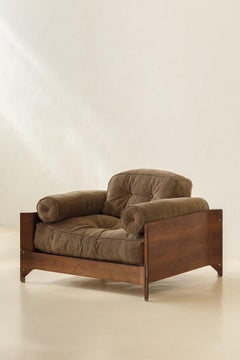
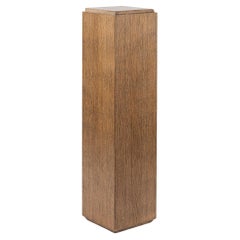
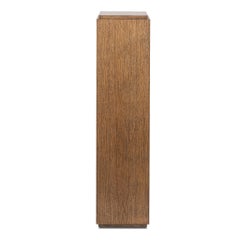
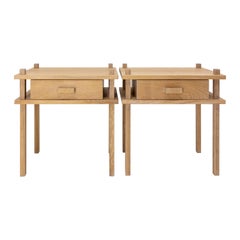
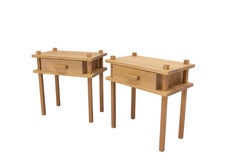
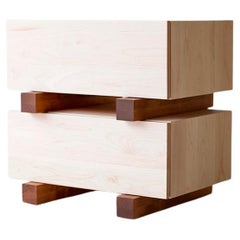
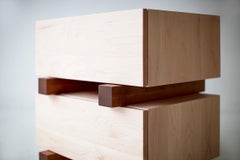
Mats Theselius Bruno For Sale on 1stDibs
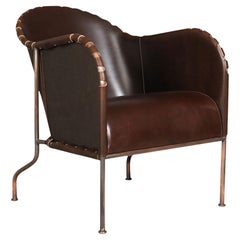
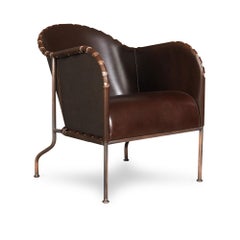
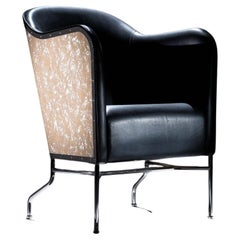
Choose from an assortment of styles, material and more with respect to the mats theselius bruno you’re looking for at 1stDibs. Frequently made of
animal skin,
metal and
leather, every mats theselius bruno was constructed with great care. Find 7 options for an antique or vintage mats theselius bruno now, or shop our selection of 1 modern versions for a more contemporary example of this long-cherished piece. Your living room may not be complete without a mats theselius bruno — find older editions for sale from the 20th Century and newer versions made as recently as the 21st Century. A mats theselius bruno is a generally popular piece of furniture, but those created in
Scandinavian Modern and
mid-century modern styles are sought with frequency.
How Much is a Mats Theselius Bruno?
Prices for a mats theselius bruno start at $6,250 and top out at $64,000 with the average selling for $32,000.
Mats Theselius for sale on 1stDibs
Although prolific Swedish architect and designer Mats Theselius moves freely between creating furniture, lighting, objects, installations, exhibitions, set designs, and more, he is perhaps best known for his innovative armchairs. Described by critics as “surprising and ingenious,” Theselius is responsible for some of the most noteworthy furniture designs of the 1980s and 1990s.
Born in 1956 in Stockholm, Theselius attended the city’s prestigious Konstfack (University of Arts, Crafts and Design), where he studied Interior Architecture. After graduating in 1984, he worked at various architecture firms in Stockholm.
In 1985, Theselius debuted a cylindrical club chair upholstered with elk leather. The chair’s unique, molded curved frame, which served as a backrest and armrests, became a signature design characteristic of many of Theselius’s seating pieces. He partnered with entrepreneur Sven Lundh, and Lundh’s company, Källemo, produced a limited-edition variation of this seat, the Älgskinnsfåtöljen chair, in 1991. The Iron/Suede lounge chair followed in 1994.
Another iconic Theselius piece is the National Geographic bookcase. Made of beech with glass doors and brass detailing, the bookcase features shelves sized to accommodate 25 years' worth of National Geographic magazines. For its debut in 1988, Theselius painted the bookcase the same recognizable yellow color that typically frames the cover of the publication.
While working on furniture design and other projects, Theselius served as a professor at the HDK – Academy of Design and Crafts at the University of Gothenburg from 1995 to 1996. He has also collaborated with several well-known Swedish and European manufacturers in addition to Källemo, including String, Marrakech Design, Minus-tio and David Design.
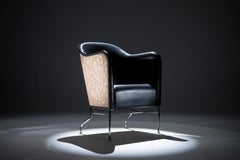
Throughout his career, Theselius’s works have garnered critical acclaim and won numerous awards. Among them are the Red Dot Design Award, the Torsten and Wanja Söderberg Prize, the Wallpaper Design Award and the King of Sweden’s Prince Eugen Medal (2018). Theselius also received the Bruno Mathsson Award in 1997, which is named for the revered Swedish master cabinetmaker. Theselius is said to have created his coveted Bruno armchair immediately afterward.
Today, Theselius’s pieces can be found in the permanent collections of the National Museum in Stockholm, the State Russian Museum in Moscow and the Danish Museum of Art and Design in Copenhagen.
Find vintage Mats Theselius seating, case pieces, storage cabinets and other furniture on 1stDibs.
A Close Look at Scandinavian Modern Furniture
Scandinavian modernism is perhaps the warmest and most organic iteration of modernist design. The work of the designers associated with vintage Scandinavian modern furniture was founded on centuries-old beliefs in both quality craftsmanship and the ideal that beauty should enhance even the humblest accessories of daily life.
ORIGINS OF SCANDINAVIAN MODERN FURNITURE DESIGN
CHARACTERISTICS OF SCANDINAVIAN MODERN FURNITURE DESIGN
- Bold, clean lines and simple, sturdy symmetries
- Use of natural materials — native woods such as pine, ash and beech
- Open, airy spaces
- Promotion of functionality
- Emphasis on craftsmanship; rooted in cabinetry profession and traditional construction techniques
- Minimal ornamentation (little to no embellishment)
- A neutral or light color palette owing to prominence of light woods
SCANDINAVIAN MODERN FURNITURE DESIGNERS TO KNOW
ICONIC SCANDINAVIAN MODERN FURNITURE DESIGNS
VINTAGE SCANDINAVIAN MODERN FURNITURE ON 1STDIBS
The gentle, organic contours that are typical of Scandinavian design appear in the furnishings and decor created by Danish, Finnish and Swedish designers not as a stylistic gesture, but rather as a practical, ergonomic — and, as importantly, elegant — response to the human form.
Each nation produced exceptional talents in all areas of the applied arts, yet each had its forté. Sweden was home to Greta Magnusson Grossman and Bruno Mathsson — creators of the classic Grasshopper lighting series and Berlin daybed, respectively — but the country excelled most notably at ceramics. In the 1920s at the great Gustavsberg porcelain manufactory, Wilhelm Kåge introduced pieces in the Scandinavian style based on influences from folklore to Cubism; his skills were passed on to his versatile and inspired pupils Berndt Friberg and Stig Lindberg.
Likewise, Finland produced a truly ingenious Scandinavian modern furniture designer in the architect Alvar Aalto, a master at melding function and artistic form in works like the Paimio chair, created in collaboration with his first wife, Aino. Yet Finnish glassware was pre-eminent, crafted in expressive, sculptural designs by Tapio Wirkkala and Timo Sarpaneva.
The Danes excelled at chairs. Hans Wegner and Arne Jacobsen were exemplars of the country’s facility with wood, particularly teak.
Wegner created such iconic pieces as the Round chair and the Wishbone chair; Jacobsen — while the revolutionary architect and furniture innovator produced the best-selling plywood Ant chair — designed two classic upholstered pieces of the 1950s: the Swan chair and Egg chair. The list of great Danes could go on and on, including Finn Juhl, a stylistic maverick and maker of the bold Chieftain chair; Poul Kjaerholm, with his lean metal-and-rattan aesthetic; and Verner Panton, who introduced a vibrant Pop note into international design.
Today, decades after their heyday, the prolific, ever-evolving Scandinavian modernists continue to amaze and delight, and interior designers all over the world use their pieces to bring warmth to any given space.
On 1stDibs, you will note both instantly recognizable vintage Scandinavian modern chairs, sofas, rugs and tables — those that have earned iconic status over time — and many new discoveries.
Finding the Right Armchairs for You
Armchairs have run the gamut from prestige to ease and everything in between, and everyone has an antique or vintage armchair that they love.
Long before industrial mass production democratized seating, armchairs conveyed status and power.
In ancient Egypt, the commoners took stools, while in early Greece, ceremonial chairs of carved marble were designated for nobility. But the high-backed early thrones of yore, elevated and ornate, were merely grandiose iterations of today’s armchairs.
Modern-day armchairs, built with functionality and comfort in mind, are now central to tasks throughout your home. Formal dining armchairs support your guests at a table for a cheery feast, a good drafting chair with a deep seat is parked in front of an easel where you create art and, elsewhere, an ergonomic wonder of sorts positions you at the desk for your 9 to 5.
When placed under just the right lamp where you can lounge comfortably, both elbows resting on the padded supports on each side of you, an upholstered armchair — or a rattan armchair for your light-suffused sunroom — can be the sanctuary where you’ll read for hours.
If you’re in the mood for company, your velvet chesterfield armchair is a place to relax and be part of the conversation that swirls around you. Maybe the dialogue is about the beloved Papa Bear chair, a mid-century modern masterpiece from Danish carpenter and furniture maker Hans Wegner, and the wingback’s strong association with the concept of cozying up by the fireplace, which we can trace back to its origins in 1600s-era England, when the seat’s distinctive arm protrusions protected the sitter from the heat of the period’s large fireplaces.
If the fireside armchair chat involves spirited comparisons, your companions will likely probe the merits of antique and vintage armchairs such as Queen Anne armchairs, Victorian armchairs or even Louis XVI armchairs, as well as the pros and cons of restoration versus conservation.
Everyone seems to have a favorite armchair and most people will be all too willing to talk about their beloved design. Whether that’s the unique Favela chair by Brazilian sibling furniture designers Fernando and Humberto Campana, who repurposed everyday objects to provocative effect; or Marcel Breuer’s futuristic tubular metal Wassily lounge chair; the functionality-first LC series from Charlotte Perriand, Le Corbusier and Pierre Jeanneret; or the Eames lounge chair of the mid-1950s created by Charles and Ray Eames, there is an iconic armchair for everyone and every purpose. Find yours on 1stDibs right now.