Oscar Niemeyer Alta Chair
Vintage 1970s French Mid-Century Modern Lounge Chairs
Steel
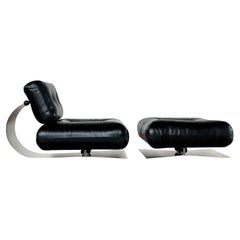

Vintage 1970s Brazilian Lounge Chairs
Steel
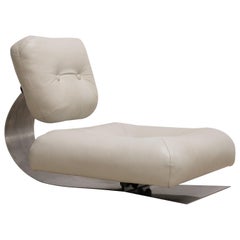
Mid-20th Century Brazilian Mid-Century Modern Lounge Chairs
Metal, Stainless Steel
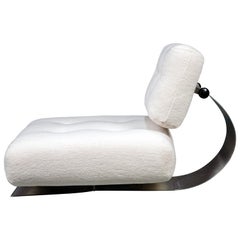
Late 20th Century French Mid-Century Modern Lounge Chairs
Steel
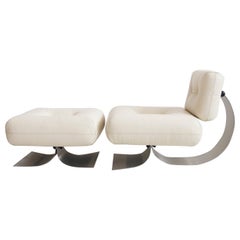
Vintage 1970s French Modern Lounge Chairs
Steel
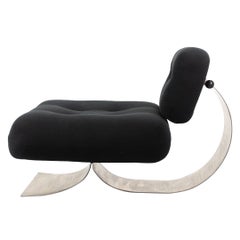
2010s Brazilian Mid-Century Modern Stools
Stainless Steel
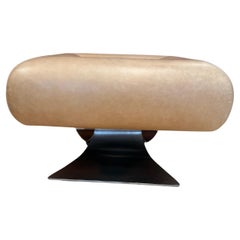
Vintage 1970s French Armchairs
Steel
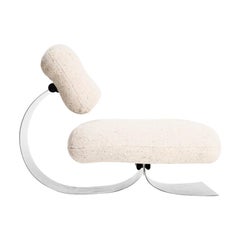
Vintage 1970s Brazilian Modern Desks and Writing Tables
Steel
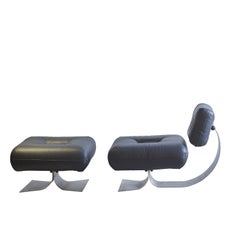
Vintage 1960s Brazilian Lounge Chairs
Fabric, Hardwood
People Also Browsed
2010s American Mid-Century Modern Wall Lights and Sconces
Brass, Bronze, Enamel, Nickel
21st Century and Contemporary Brazilian Modern Dining Room Chairs
Wood
2010s British Scandinavian Modern Ottomans and Poufs
Oak, Sheepskin
21st Century and Contemporary Italian Mid-Century Modern Chandeliers and...
Brass
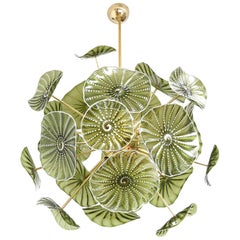
2010s American Flush Mount
Brass

2010s Finnish Modern Lounge Chairs
Fiberglass
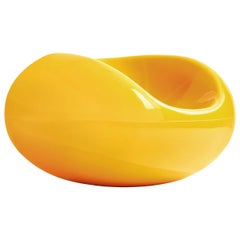
2010s French Modern Chairs
Oak

21st Century and Contemporary Swedish Scandinavian Modern Wall Lights an...
Metal
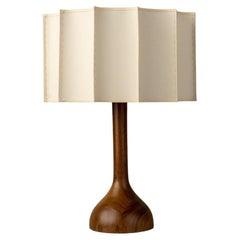
21st Century and Contemporary Mexican Mid-Century Modern Table Lamps
Textile, Wood
2010s Italian Renaissance Wall Mirrors
Glass
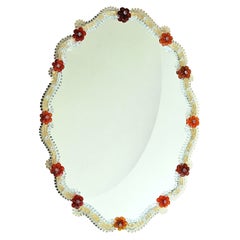
21st Century and Contemporary Portuguese Modern Western European Rugs
Natural Fiber, Synthetic, Wool
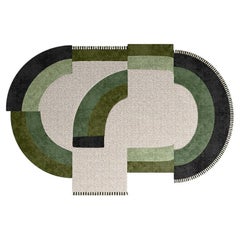
2010s European Mid-Century Modern Wall Lights and Sconces
Brass
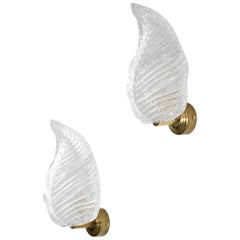
21st Century and Contemporary French Modern Chairs
Steel
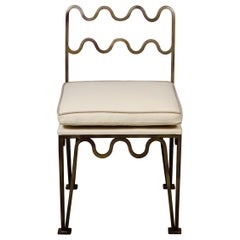
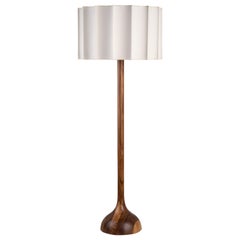
21st Century and Contemporary Mexican Mid-Century Modern Floor Lamps
Textile, Wood
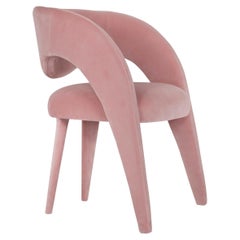
21st Century and Contemporary Italian Modern Chairs
Velvet, Wood
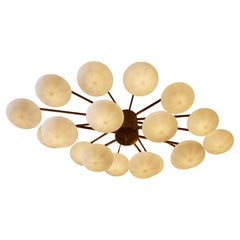
2010s Italian Mid-Century Modern Chandeliers and Pendants
Brass
Recent Sales
Vintage 1970s Brazilian Mid-Century Modern Chairs
Leather, Wood
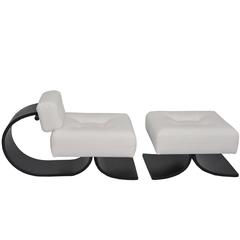
Vintage 1970s Chairs
Metal
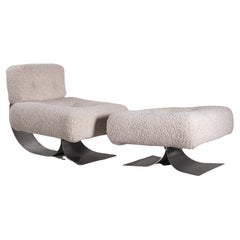
Vintage 1970s Brazilian Mid-Century Modern Chairs
Leather
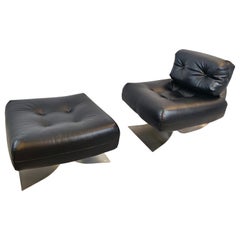
Vintage 1970s Brazilian Lounge Chairs
Leather
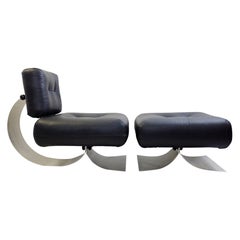
20th Century French Mid-Century Modern Lounge Chairs
Steel
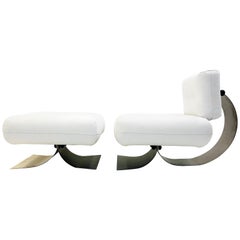
Vintage 1970s French Modern Lounge Chairs
Stainless Steel
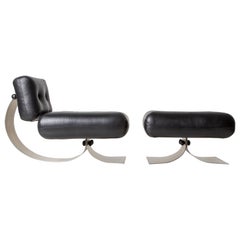
Vintage 1970s Brazilian Armchairs
Stainless Steel
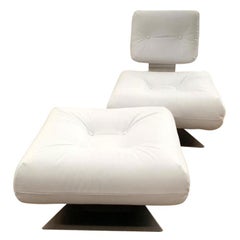
20th Century Brazilian Armchairs
Wood
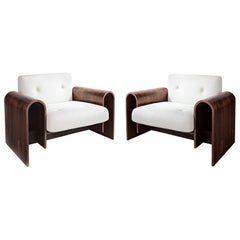
Vintage 1970s Italian Mid-Century Modern Lounge Chairs
Stainless Steel
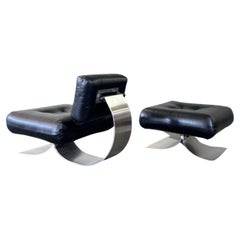
Vintage 1970s Italian Mid-Century Modern Lounge Chairs
Stainless Steel
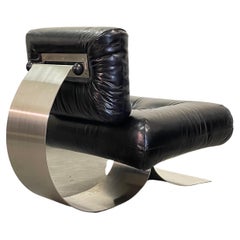
Vintage 1970s Italian Mid-Century Modern Lounge Chairs
Metal
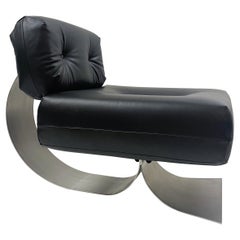
Late 20th Century French Mid-Century Modern Lounge Chairs
Steel
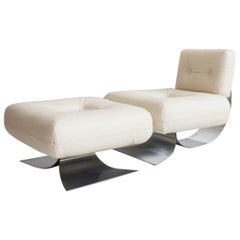
Mid-20th Century French Mid-Century Modern Chairs
Stainless Steel
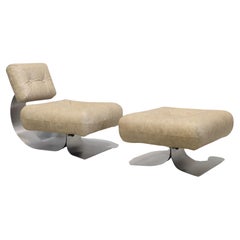
Mid-20th Century French Mid-Century Modern Chairs
Stainless Steel
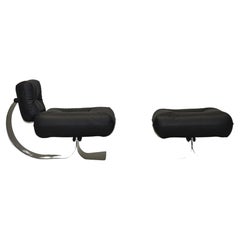
Mid-20th Century French Mid-Century Modern Chairs
Stainless Steel
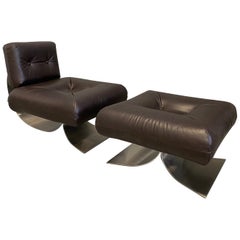
Mid-20th Century French Mid-Century Modern Chairs
Stainless Steel
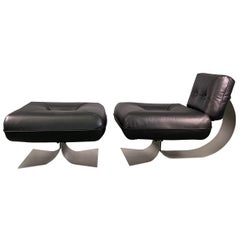
Vintage 1970s Armchairs
Stainless Steel
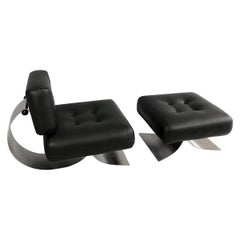
Vintage 1970s Armchairs
Stainless Steel
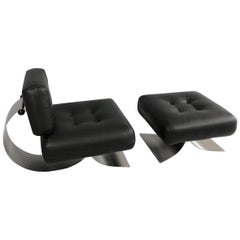
Vintage 1970s French Futurist Chaise Longues
Leather
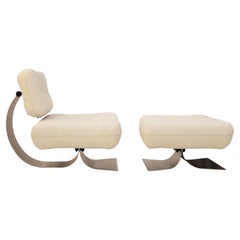
Vintage 1970s Armchairs
Stainless Steel
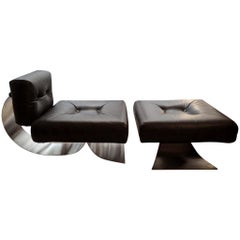
Vintage 1970s Armchairs
Stainless Steel

Vintage 1970s Brazilian Armchairs
Stainless Steel
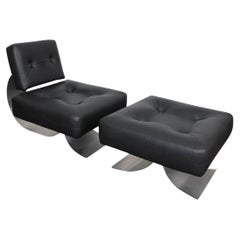
Vintage 1970s Brazilian Mid-Century Modern Chairs
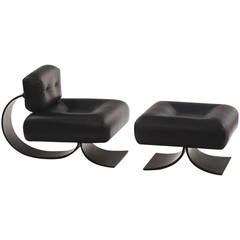
Vintage 1970s Brazilian Chaise Longues
Leather
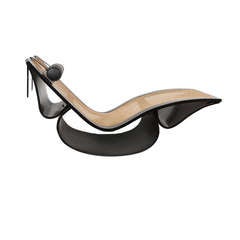
Early 2000s German Mid-Century Modern Lounge Chairs
Chrome
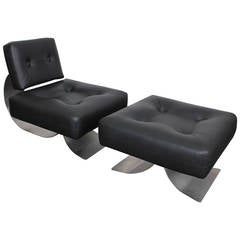
20th Century Brazilian Modern Chairs
Steel
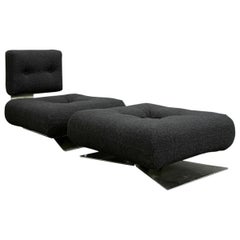
Late 20th Century Mid-Century Modern Chairs
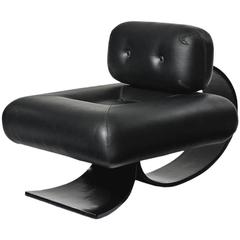
21st Century and Contemporary Brazilian Modern Club Chairs
Leather, Wood

Oscar Niemeyer Alta Chair For Sale on 1stDibs
How Much is a Oscar Niemeyer Alta Chair?
Oscar Niemeyer for sale on 1stDibs
Oscar Niemeyer made modernist architecture sexy. In his signature designs, such as those for the planned capital city of Brasília, Niemeyer created a distinctively buoyant architectural vocabulary of sweeping curves, flowing lines and organic forms (attributes that also characterize his seductive furniture). As expressions of faith in the power of modern architecture and design to foster progress, Niemeyer’s buildings have a kind of heroic poetry.
Oscar Ribeiro de Almeida Niemeyer Soares Filho was born to an upper-middle-class family in Rio de Janeiro. (His father was a graphic designer.) While in graduate school, Niemeyer began working for Lúcio Costa, one of the few modernist architects working in Brazil in the 1930s. Niemeyer would be assigned to the design team for a new building in Rio for the Ministry of Education and Health. The famed Swiss-born French architect Le Corbusier was hired as a consultant on the project, and through him Niemeyer would absorb many lessons in bringing a sense of structural lightness to large buildings — though he would never embrace the geometric forms espoused by Le Corbusier and the members of the Bauhaus.
“I am not attracted to straight angles or to the straight line, hard and inflexible, created by man,” Niemeyer would write in his memoirs. “I am attracted to free-flowing sensual curves.”
Nowhere would Niemeyer demonstrate his love of curvature more expressively and elegantly than in his designs for the principal buildings for Brasília, a project begun in 1956. The dramatic Congressional Palace features two stark towers flanked by a domed structure and a bowl-shaped edifice, for the upper and lower legislative houses. He placed the Palácio da Alvorada (the presidential residence) on a small peninsula jutting into a lake, so that the sequence of parabolic columns on its facade casts a mirror image on the water. Niemeyer’s grandest achievement was the city’s cathedral, a stunning composition of 16 arched vertical supports with tinted-glass interstices.
Four years after Brasília was completed, in 1960, Brazil’s elected government was overthrown in a military coup. Niemeyer, a member of the Communist party, was harassed continually by the junta. He left the country and did not return until democracy was restored, in 1985.
While in exile, in the early 1970s, Niemeyer began collaborating on furniture designs with his daughter, Anna Maria Niemeyer. Their best known pieces are seating furniture — the Alta lounge chair and ottoman and the Rio rocking chaise, which have flowing bases made of sheets of lacquered wood or stainless steel, share the aesthetics of Niemeyer’s architecture.
The Alta’s deep, oversized seat pads nod — much like the chair designs of Niemeyer’s countryman Sergio Rodrigues — to the Brazilian penchant for long, languorous conversations. Examples of both designs are priced at about $20,000, depending on age, condition and materials. As you will see on these pages, Oscar Niemeyer’s furniture designs are sleek, sculptural, comfortable and elegant — as well as a compact emblem of the work of one of the great architects of our time.
Find vintage Oscar Niemeyer lounge chairs, tables and other furniture on 1stDibs.
Finding the Right Seating for You
With entire areas of our homes reserved for “sitting rooms,” the value of quality antique and vintage seating cannot be overstated.
Fortunately, the design of side chairs, armchairs and other lounge furniture — since what were, quite literally, the early perches of our ancestors — has evolved considerably.
Among the earliest standard seating furniture were stools. Egyptian stools, for example, designed for one person with no seat back, were x-shaped and typically folded to be tucked away. These rudimentary chairs informed the design of Greek and Roman stools, all of which were a long way from Sori Yanagi's Butterfly stool or Alvar Aalto's Stool 60. In the 18th century and earlier, seats with backs and armrests were largely reserved for high nobility.
The seating of today is more inclusive but the style and placement of chairs can still make a statement. Antique desk chairs and armchairs designed in the style of Louis XV, which eventually included painted furniture and were often made of rare woods, feature prominently curved legs as well as Chinese themes and varied ornaments. Much like the thrones of fairy tales and the regency, elegant lounges crafted in the Louis XV style convey wealth and prestige. In the kitchen, the dining chair placed at the head of the table is typically reserved for the head of the household or a revered guest.
Of course, with luxurious vintage or antique furnishings, every chair can seem like the best seat in the house. Whether your preference is stretching out on a plush sofa, such as the Serpentine, designed by Vladimir Kagan, or cozying up in a vintage wingback chair, there is likely to be a comfy classic or contemporary gem for you on 1stDibs.
With respect to the latest obsessions in design, cane seating has been cropping up everywhere, from sleek armchairs to lounge chairs, while bouclé fabric, a staple of modern furniture design, can be seen in mid-century modern, Scandinavian modern and Hollywood Regency furniture styles.
Admirers of the sophisticated craftsmanship and dark woods frequently associated with mid-century modern seating can find timeless furnishings in our expansive collection of lounge chairs, dining chairs and other items — whether they’re vintage editions or alluring official reproductions of iconic designs from the likes of Hans Wegner or from Charles and Ray Eames. Shop our inventory of Egg chairs, designed in 1958 by Arne Jacobsen, the Florence Knoll lounge chair and more.
No matter your style, the collection of unique chairs, sofas and other seating on 1stDibs is surely worthy of a standing ovation.