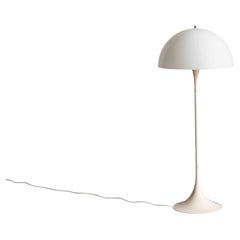
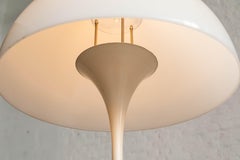
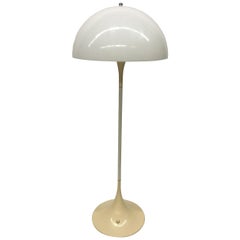
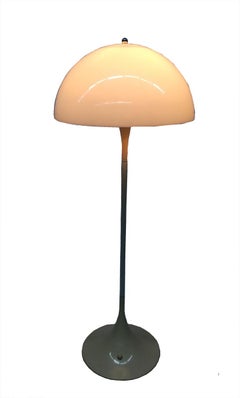
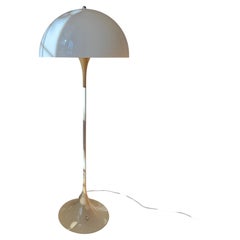
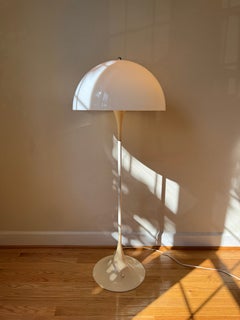
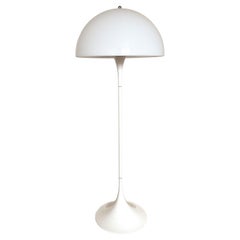
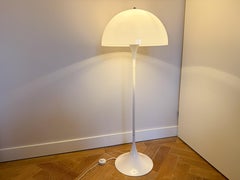
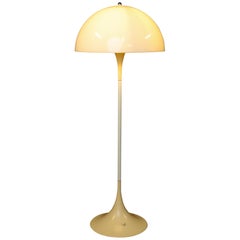
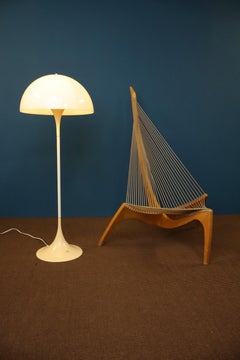
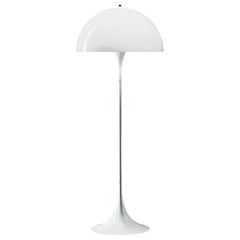
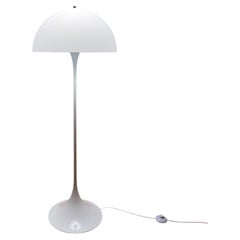
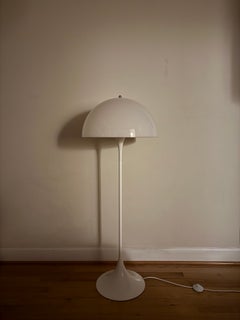
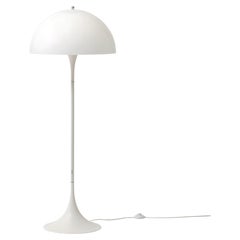
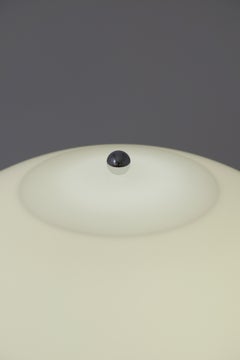
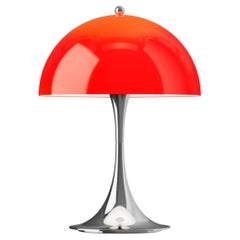
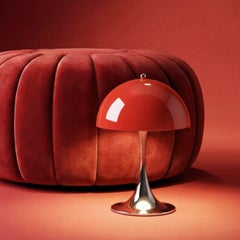
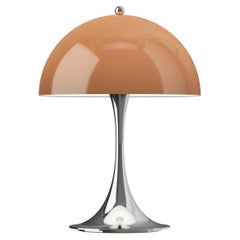
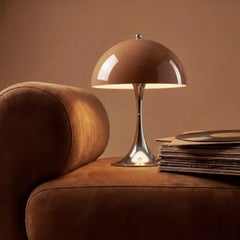
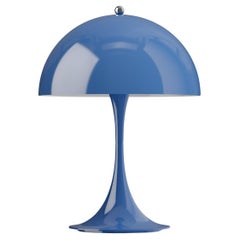
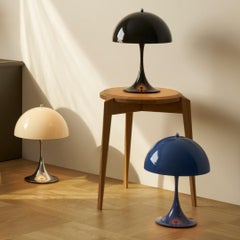
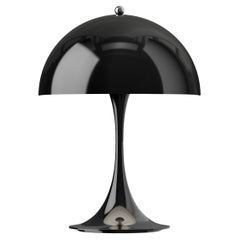
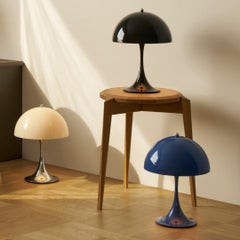
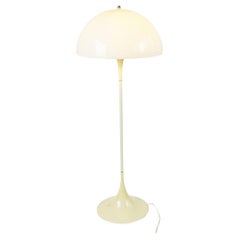
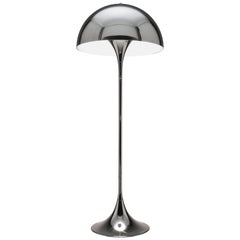
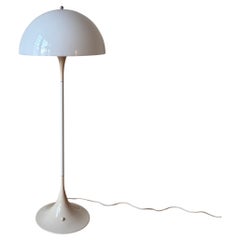
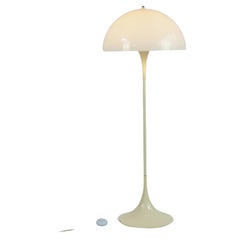
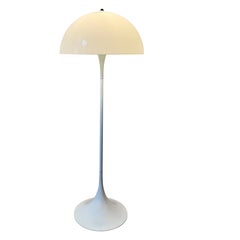
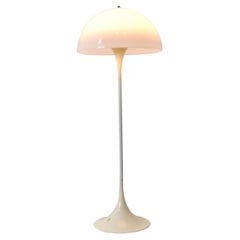
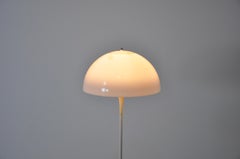
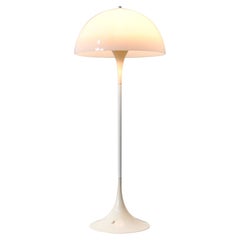
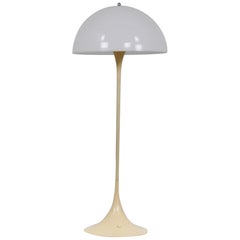
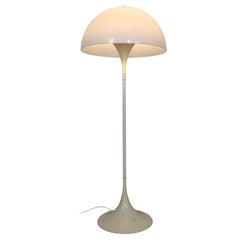
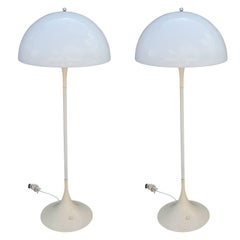
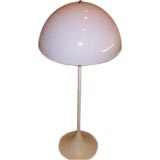
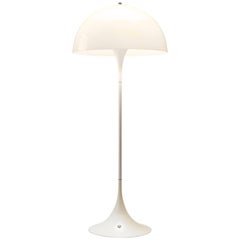
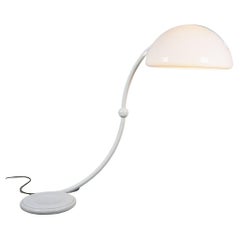
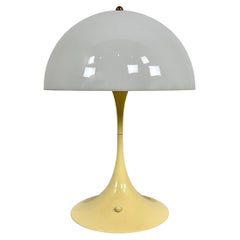
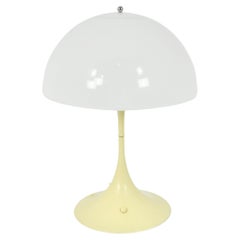
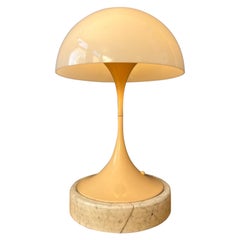
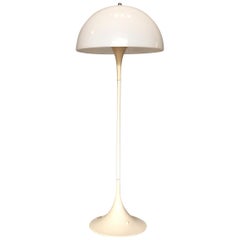
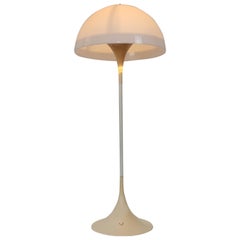
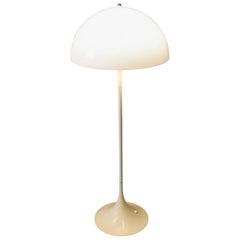
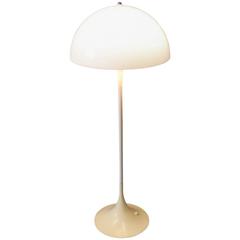
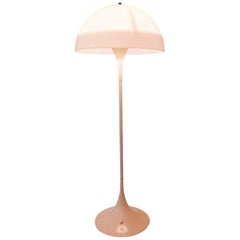
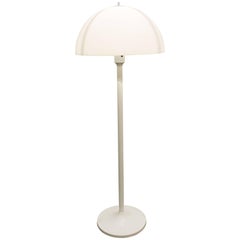
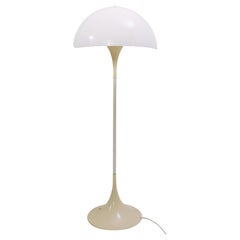
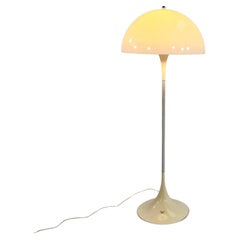
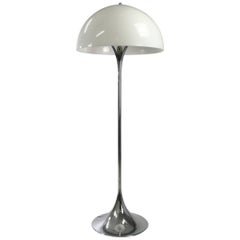
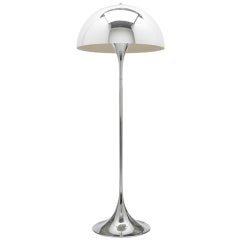
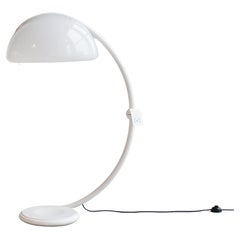
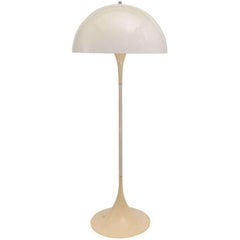
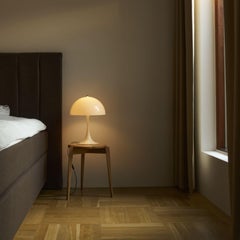
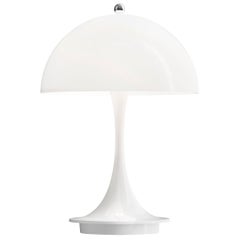
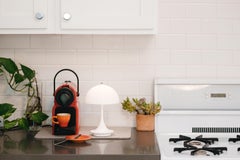
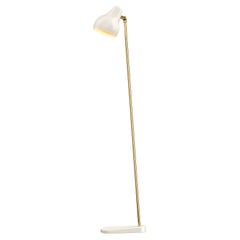
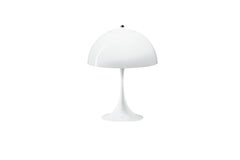
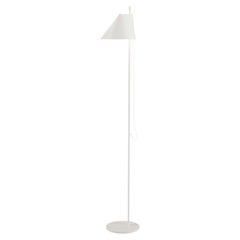
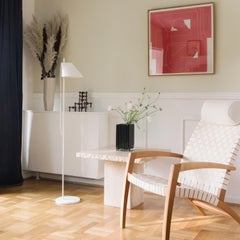
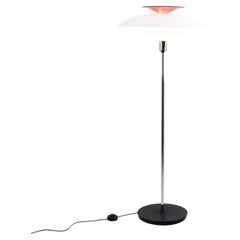
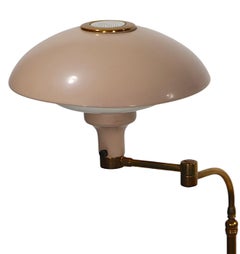
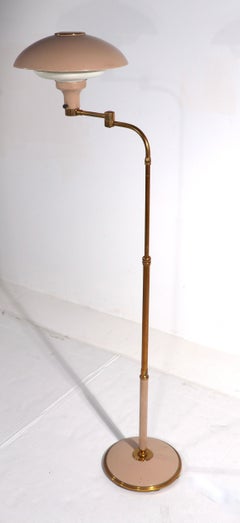
Panthella Floor Lamp For Sale on 1stDibs
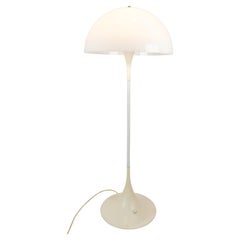
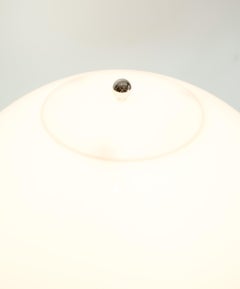
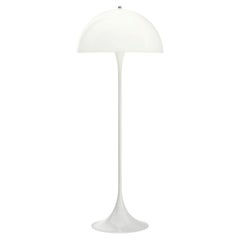
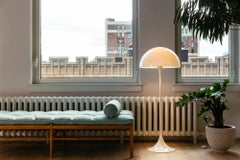
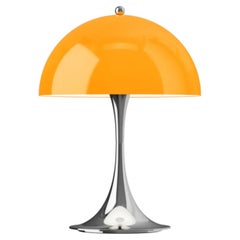
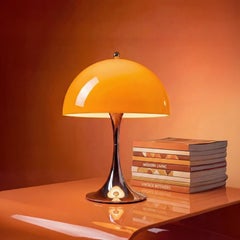
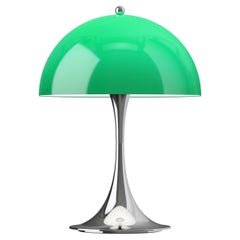
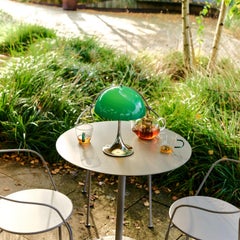
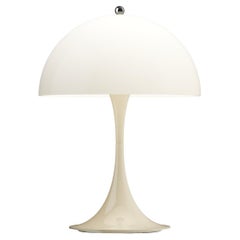
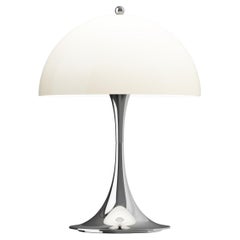
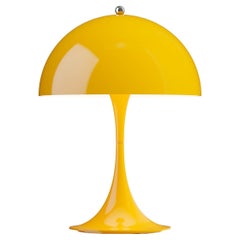
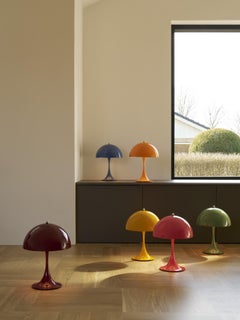
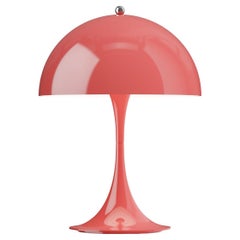
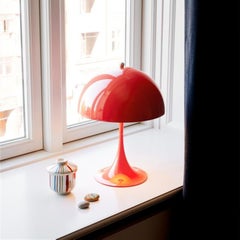
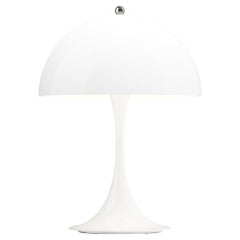
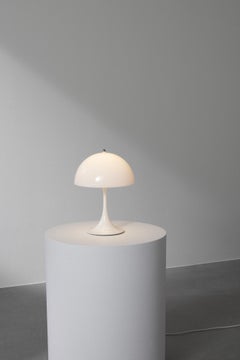
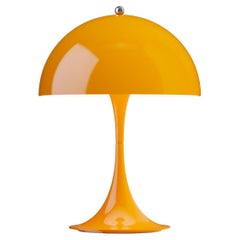
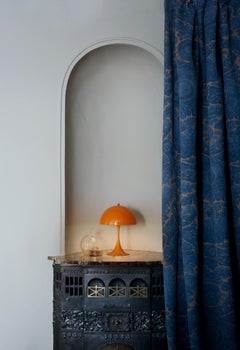
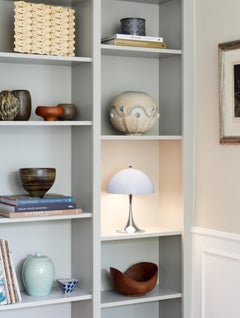
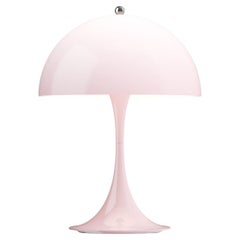
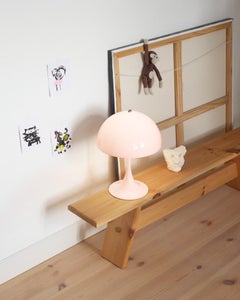
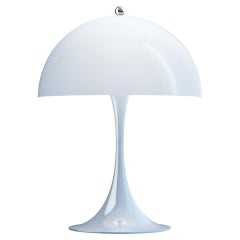
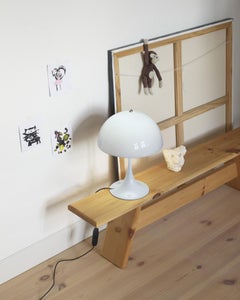
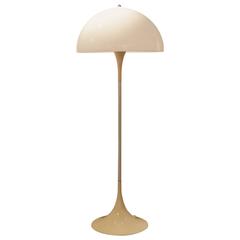
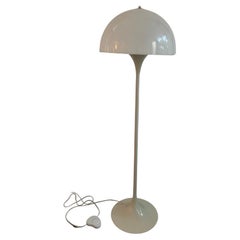
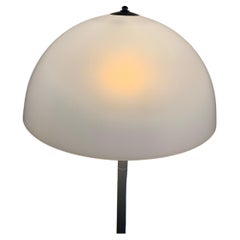
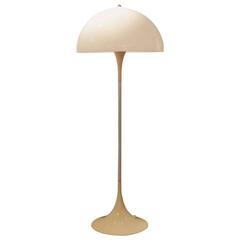
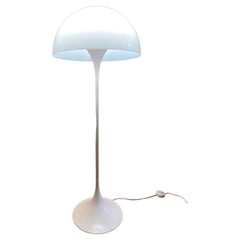
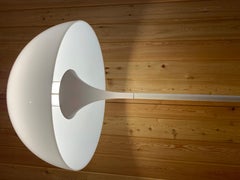
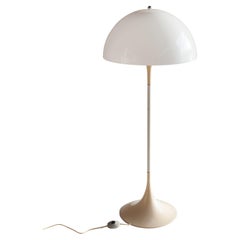
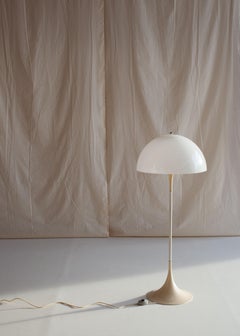
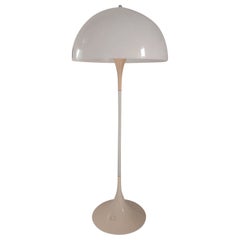
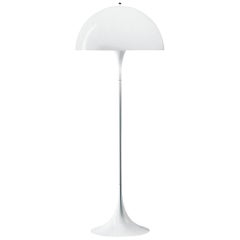
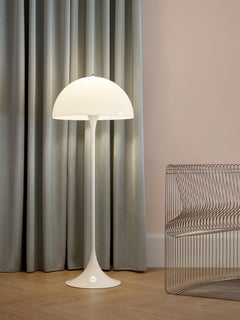
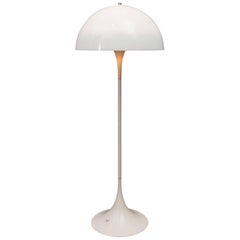
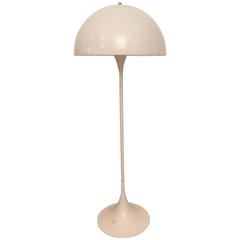
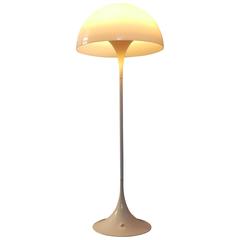
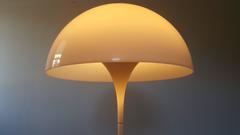
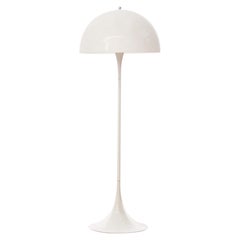
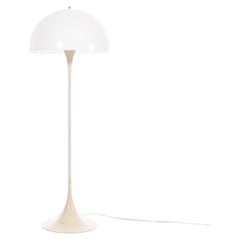
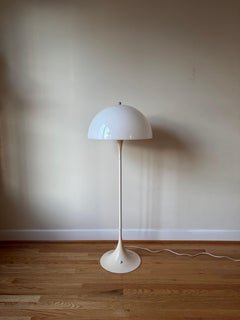
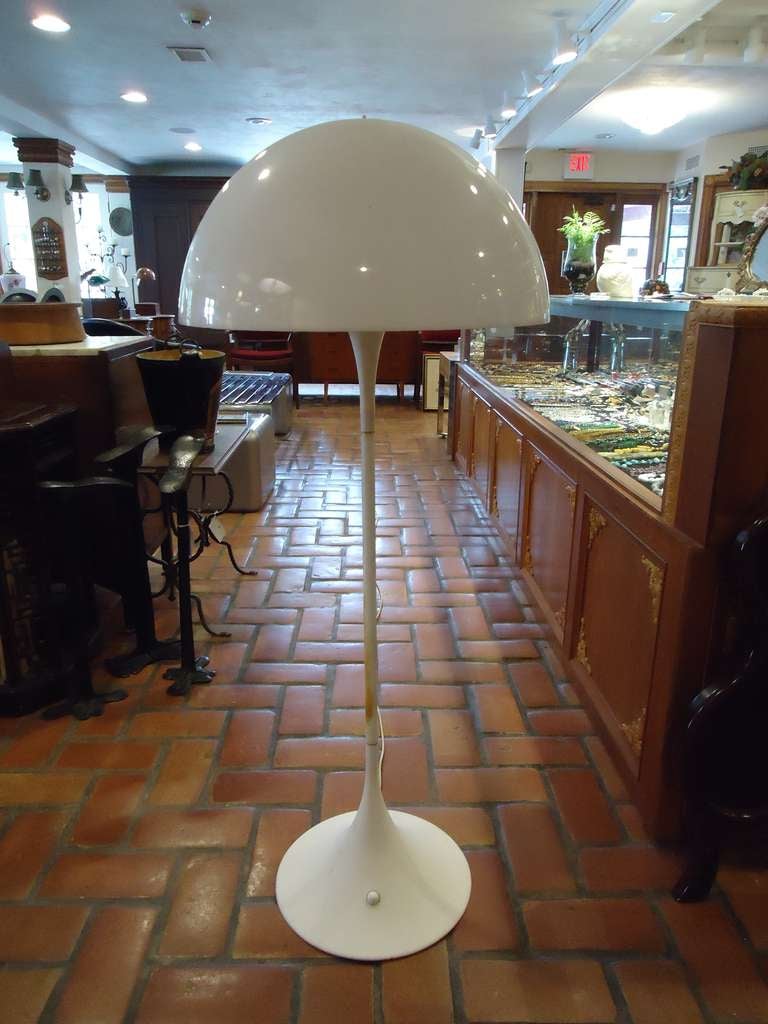
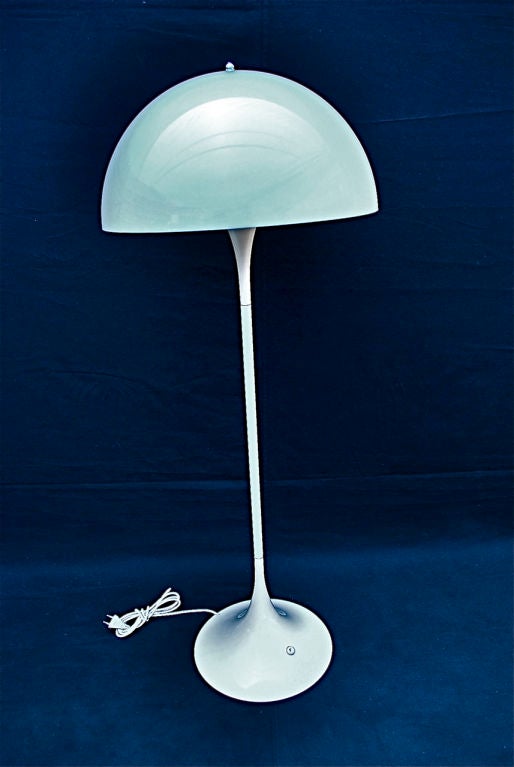
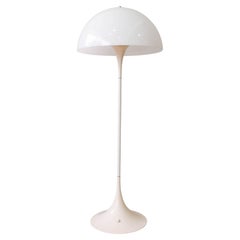
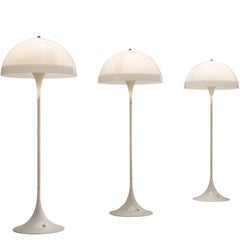
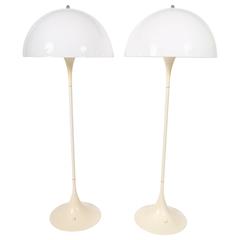
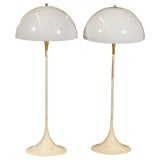
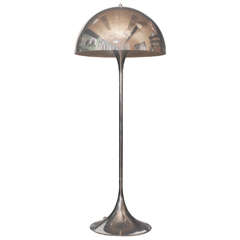
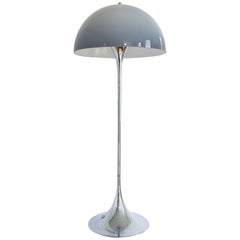
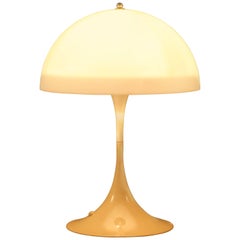
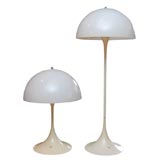
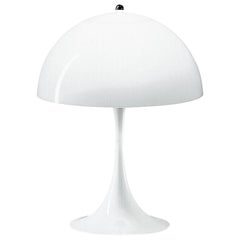
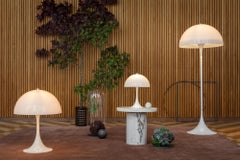
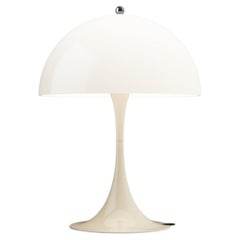
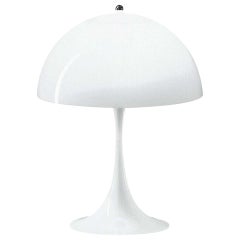
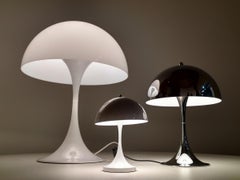
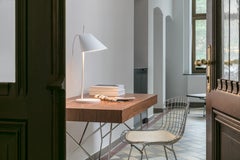
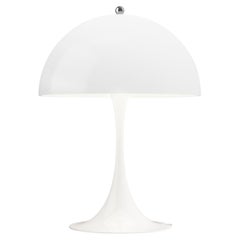
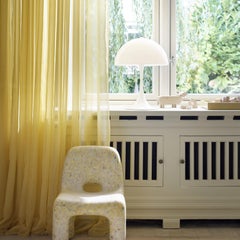
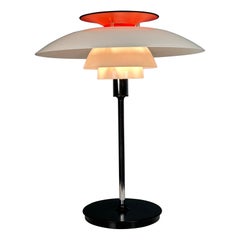
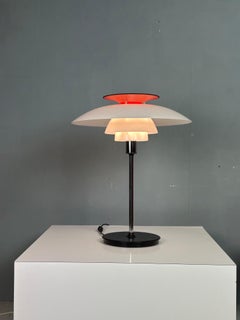
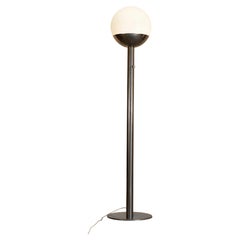
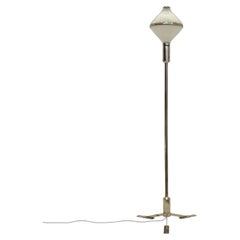
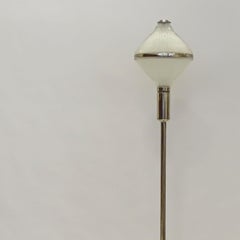
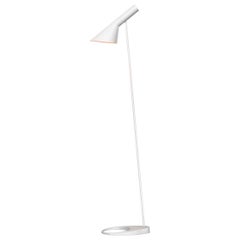
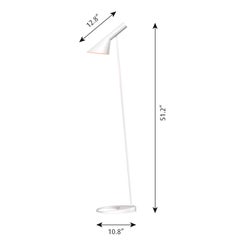
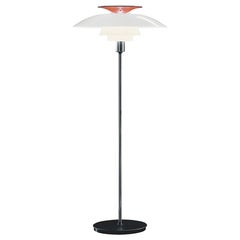
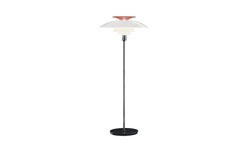
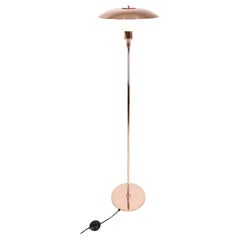
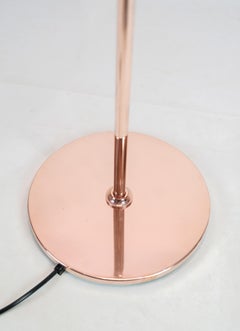
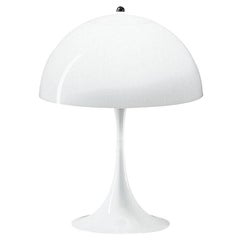
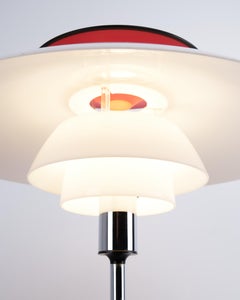
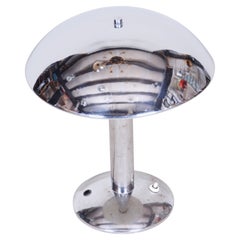
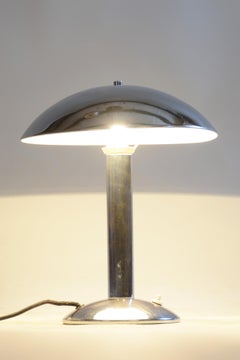
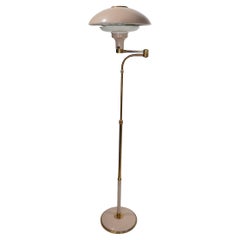
With a vast inventory of beautiful furniture at 1stDibs, we’ve got just the panthella floor lamp you’re looking for. Frequently made of
plastic,
metal and
acrylic, every panthella floor lamp was constructed with great care. There are 31 variations of the antique or vintage panthella floor lamp you’re looking for, while we also have 3 modern editions of this piece to choose from as well. You’ve searched high and low for the perfect panthella floor lamp — we have versions that date back to the 20th Century alongside those produced as recently as the 21st Century are available. A panthella floor lamp made by
Mid-Century Modern designers — as well as those associated with
Scandinavian Modern — is very popular. You’ll likely find more than one panthella floor lamp that is appealing in its simplicity, but
Verner Panton and
Louis Poulsen produced versions that are worth a look.
How Much is a Panthella Floor Lamp?
Prices for a panthella floor lamp start at $850 and top out at $6,500 with the average selling for $1,224.
Verner Panton for sale on 1stDibs
Verner Panton introduced the word “groovy” — or at least its Danish equivalent — into the Scandinavian modern design lexicon. He developed fantastical, futuristic forms and embraced bright colors and new materials such as plastic, fabric-covered polyurethane foam and steel-wire framing for the creation of his chairs, sofas, floor lamps and other furnishings. And Panton’s ebullient Pop art sensibility made him an international design star of the 1960s and ’70s. This radical departure from classic Danish modernism, however, actually stemmed from his training under the greats of that design style.
Born on the largely rural Danish island of Funen, Panton studied architecture and engineering at Copenhagen’s Royal Danish Academy of Fine Arts, where the lighting designer Poul Henningsen was one of his teachers. After graduating, in 1951, Panton worked in the architectural office of Arne Jacobsen, and he became a close friend of Hans Wegner's.
Henningsen taught a scientific approach to design; Jacobsen was forever researching new materials; and Wegner, the leader in modern furniture design using traditional woodworking and joinery, encouraged experimental form.
Panton opened his own design office in 1955, issuing tubular steel chairs with woven seating. His iconoclastic aesthetic was announced with his 1958 Cone chair, modified a year later as the Heart Cone chair. Made of upholstered sheet metal and with a conical base in place of legs, the design shocked visitors to a furniture trade show in Copenhagen.
Panton went on to successive bravura technical feats. His curving, stackable Panton chair, his most popular design, was the first chair to be made from a single piece of molded plastic.
Panton had been experimenting with ideas for chairs made of a single material since the late 1950s. He debuted his plastic seat for the public in the design magazine Mobilia in 1967 and then at the 1968 Cologne Furniture Fair. The designer’s S-Chair models 275 and 276, manufactured during the mid-1960s by August Sommer and distributed by the bentwood specialists at Gebrüder Thonet, were the first legless chairs crafted from a single piece of plywood.
Panton would spend the latter half of the 1960s and early ’70s developing all-encompassing room environments composed of sinuous and fluid-formed modular seating made of foam and metal wire. He also created a series of remarkable lighting designs, most notably his Fun chandeliers — introduced in 1964 and composed of scores of shimmering capiz-shell disks — and the Space Age VP Globe pendant light of 1969.
Panton’s designs are made to stand out and put an eye-catching exclamation point on even the most modern decor.
Find vintage Verner Panton chairs, magazine racks, rugs, table lamps and other furniture on 1stDibs.
Materials: Plastic Furniture
Arguably the world’s most ubiquitous man-made material, plastic has impacted nearly every industry. In contemporary spaces, new and vintage plastic furniture is quite popular and its use pairs well with a range of design styles.
From the Italian lighting artisans at Fontana Arte to venturesome Scandinavian modernists such as Verner Panton, who created groundbreaking interiors as much as he did seating — see his revolutionary Panton chair — to contemporary multidisciplinary artists like Faye Toogood, furniture designers have been pushing the boundaries of plastic forever.
When The Graduate's Mr. McGuire proclaimed, “There’s a great future in plastics,” it was more than a laugh line. The iconic quote is an allusion both to society’s reliance on and its love affair with plastic. Before the material became an integral part of our lives — used in everything from clothing to storage to beauty and beyond — people relied on earthly elements for manufacturing, a process as time-consuming as it was costly.
Soon after American inventor John Wesley Hyatt created celluloid, which could mimic luxury products like tortoiseshell and ivory, production hit fever pitch, and the floodgates opened for others to explore plastic’s full potential. The material altered the history of design — mid-century modern legends Charles and Ray Eames, Joe Colombo and Eero Saarinen regularly experimented with plastics in the development of tables and chairs, and today plastic furnishings and decorative objects are seen as often indoors as they are outside.
Find vintage plastic lounge chairs, outdoor furniture, lighting and more on 1stDibs.
Finding the Right Lighting for You
The right table lamp, outwardly sculptural chandelier or understated wall pendant can work wonders for your home. While we’re indebted to thinkers like Thomas Edison for critically important advancements in lighting and electricity, we’re still finding new ways to customize illumination to fit our personal spaces all these years later. A wide range of antique and vintage lighting can be found on 1stDibs.
Today, lighting designers like the self-taught Bec Brittain have used the flexible structure of LEDs to craft glamorous solutions by working with what is typically considered a harsh lighting source. By integrating glass and mirrors, reflection can be used to soften the glow from LEDs and warmly welcome light into any space.
Although contemporary innovators continue to impress, some of the classics can’t be beat.
Just as gazing at the stars allows you to glimpse the universe’s past, vintage chandeliers like those designed by Gino Sarfatti and J. & L. Lobmeyr, for example, put on a similarly stunning show, each with a rich story to tell.
As dazzling as it is, the Arco lamp, on the other hand, prioritizes functionality — it’s wholly mobile, no drilling required. Designed in 1962 by architect-product designers Achille & Pier Giacomo Castiglioni, the piece takes the traditional form of a streetlamp and creates an elegant, arching floor fixture for at-home use.
There is no shortage of modernist lighting similarly prized by collectors and casual enthusiasts alike — there are Art Deco table lamps created in a universally appreciated style, the Tripod floor lamp by T.H. Robsjohn-Gibbings, Greta Magnusson Grossman's sleek and minimalist Grasshopper lamps and, of course, the wealth of mid-century experimental lighting that emerged from Italian artisans at Arredoluce, FLOS and many more are hallmarks in illumination innovation.
With decades of design evolution behind it, home lighting is no longer just practical. Crystalline shaping by designers like Gabriel Scott turns every lighting apparatus into a luxury accessory. A new installation doesn’t merely showcase a space; carefully chosen ceiling lights, table lamps and floor lamps can create a mood, spotlight a favorite piece or highlight your unique personality.
The sparkle that your space has been missing is waiting for you amid the growing collection of antique, vintage and contemporary lighting for sale on 1stDibs.