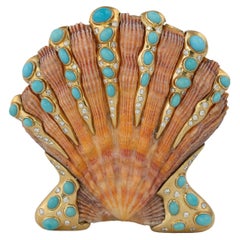
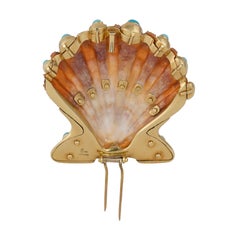
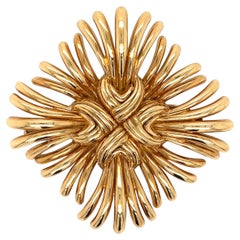
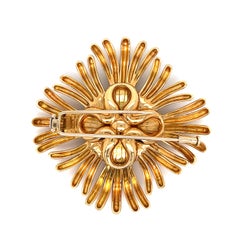
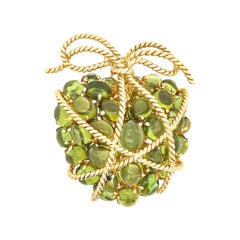
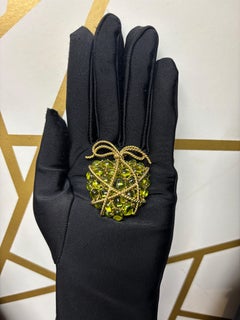
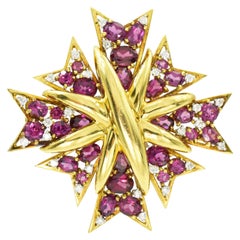
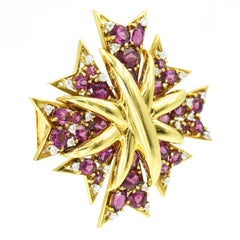
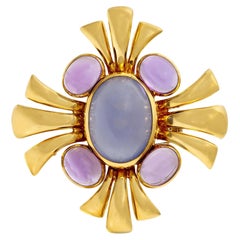
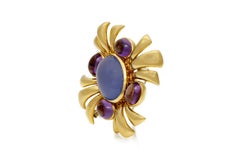
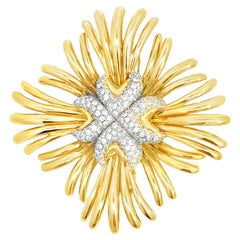
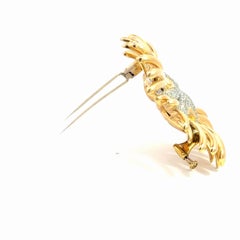
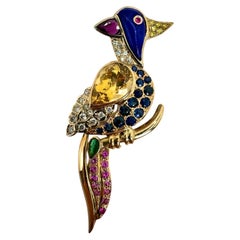
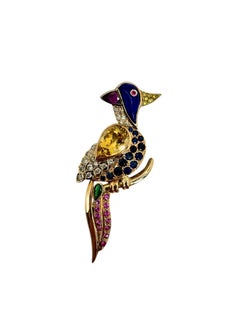
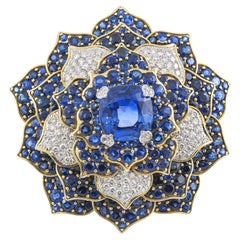
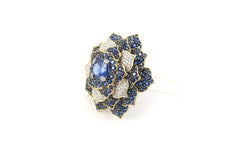
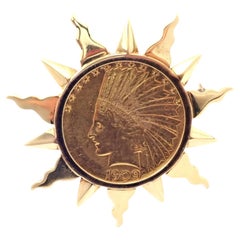
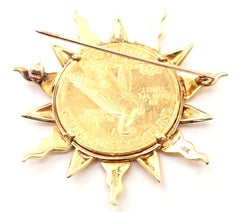
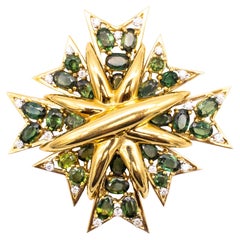
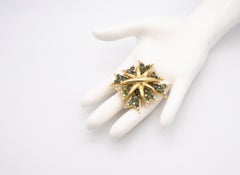
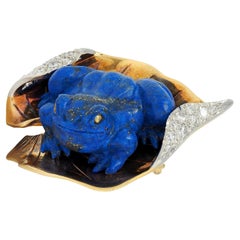
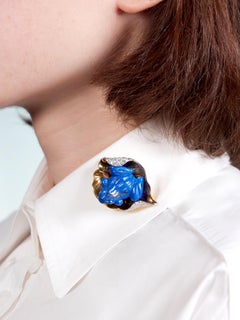
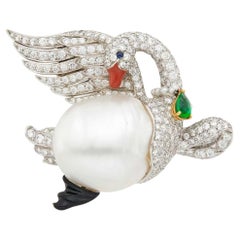
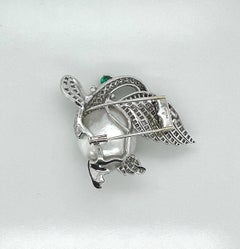
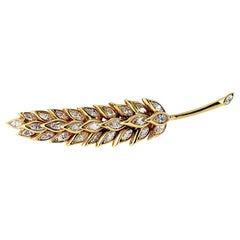
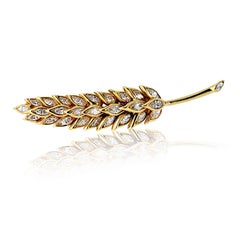
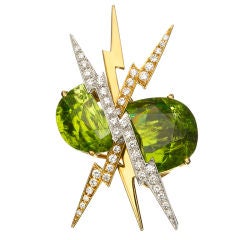
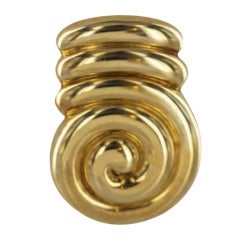
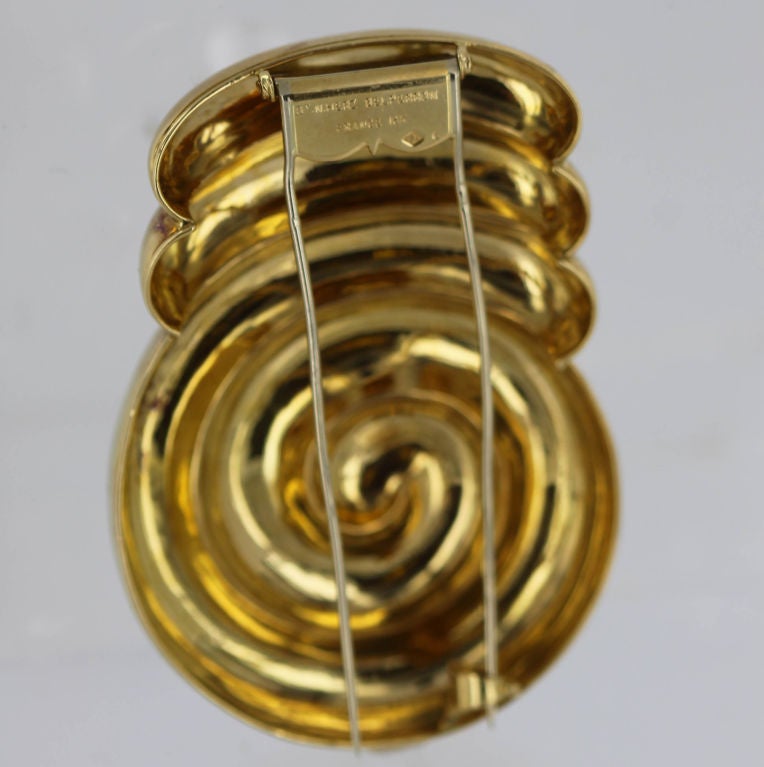
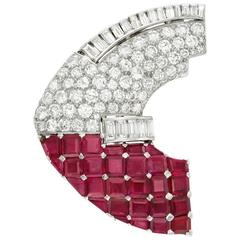
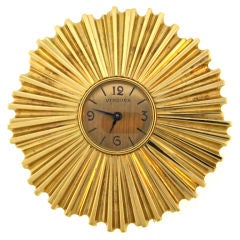
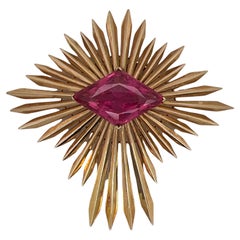
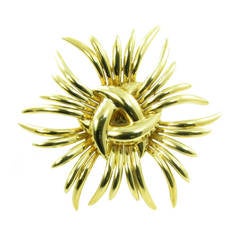
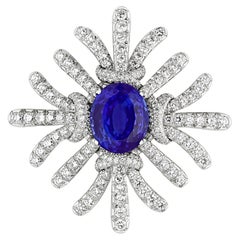
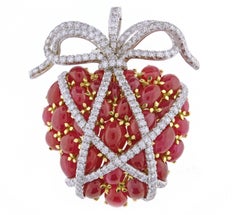
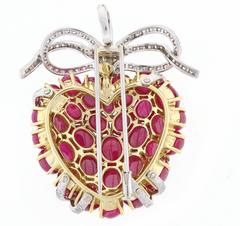
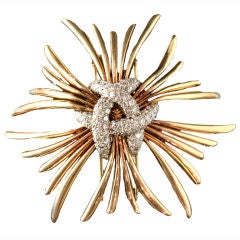
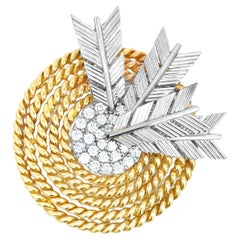
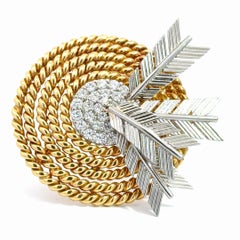
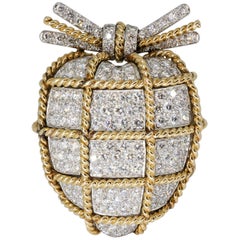
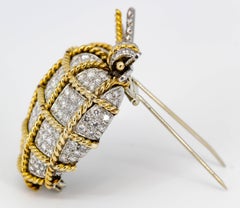
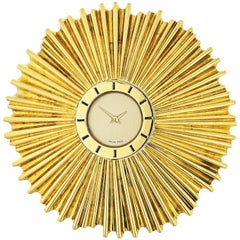
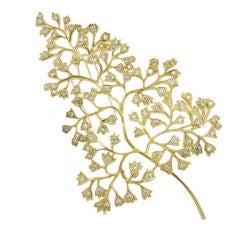
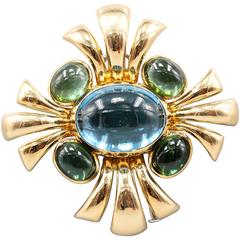
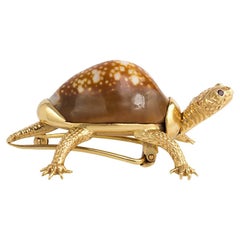
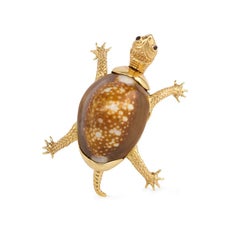
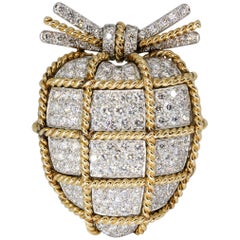
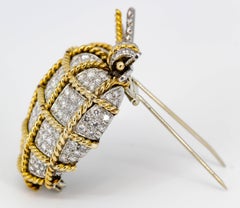
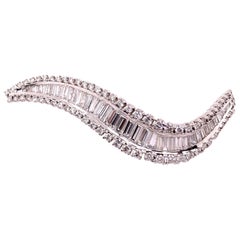
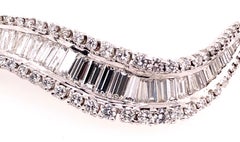
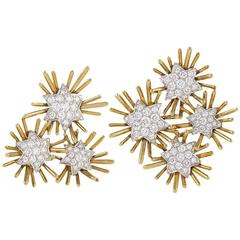
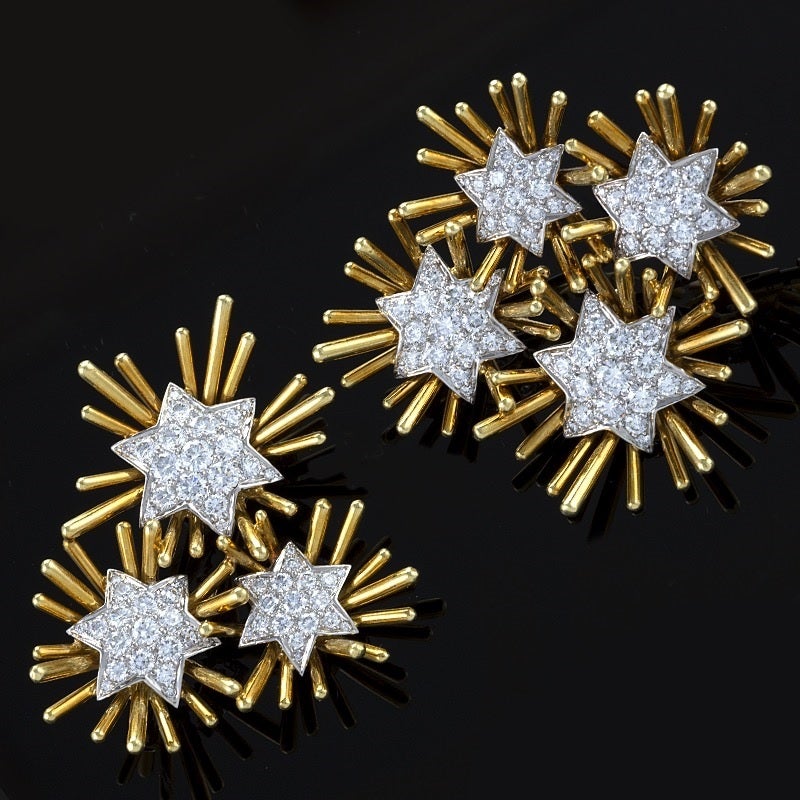
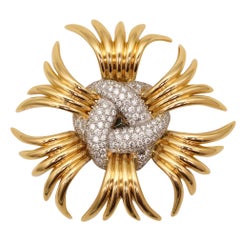
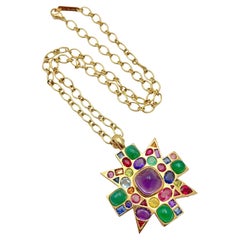
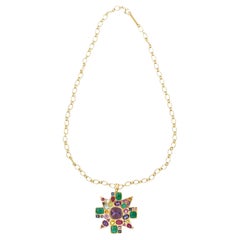
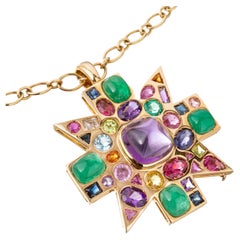
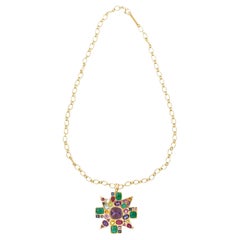
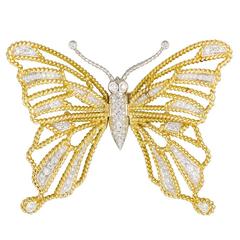
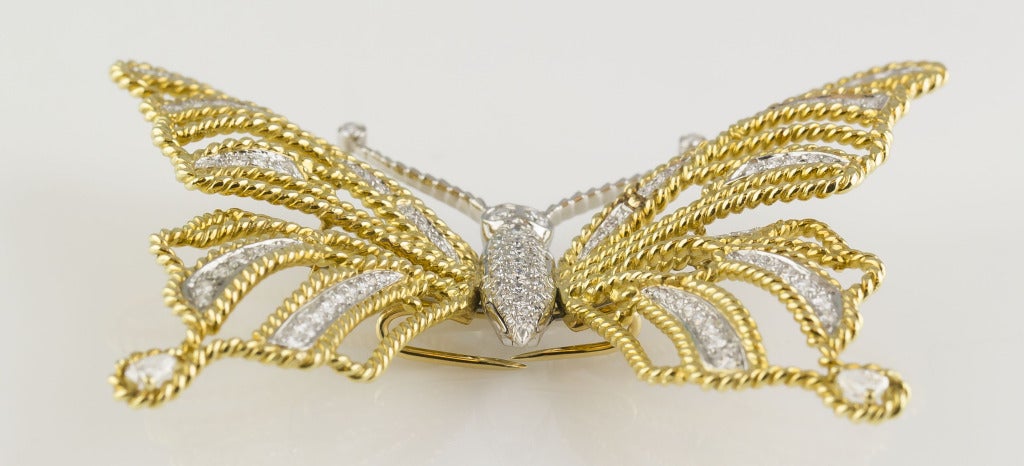
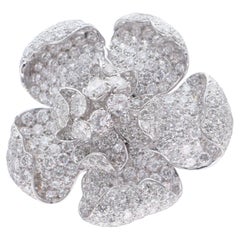
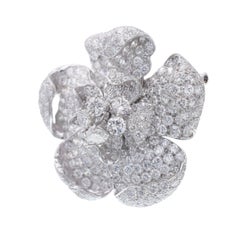
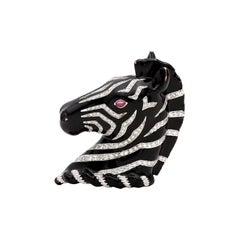
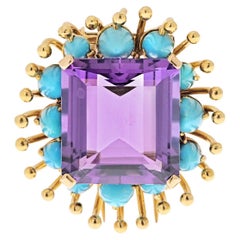
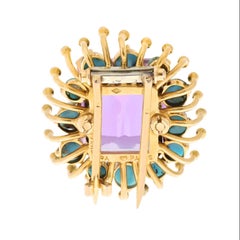
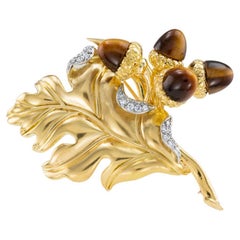
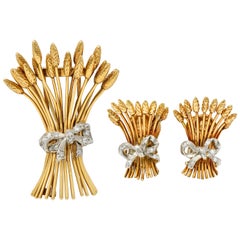
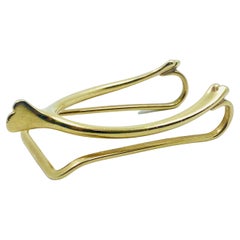
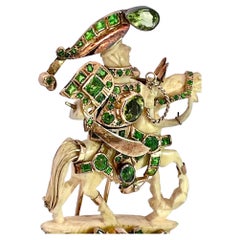
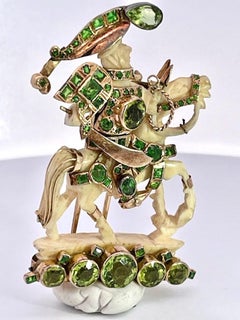
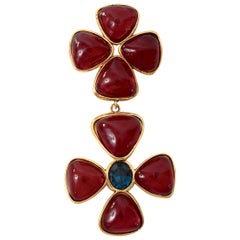
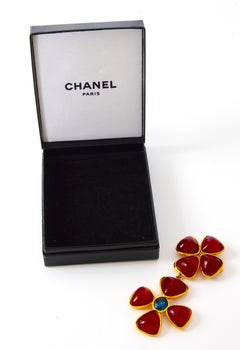
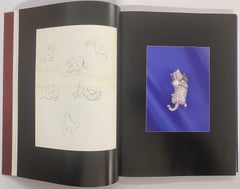
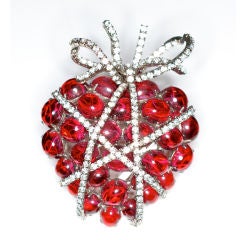
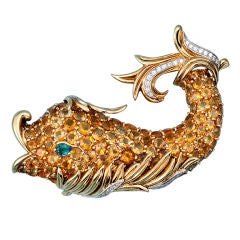
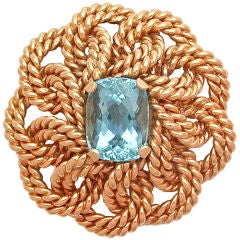
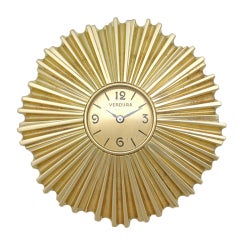
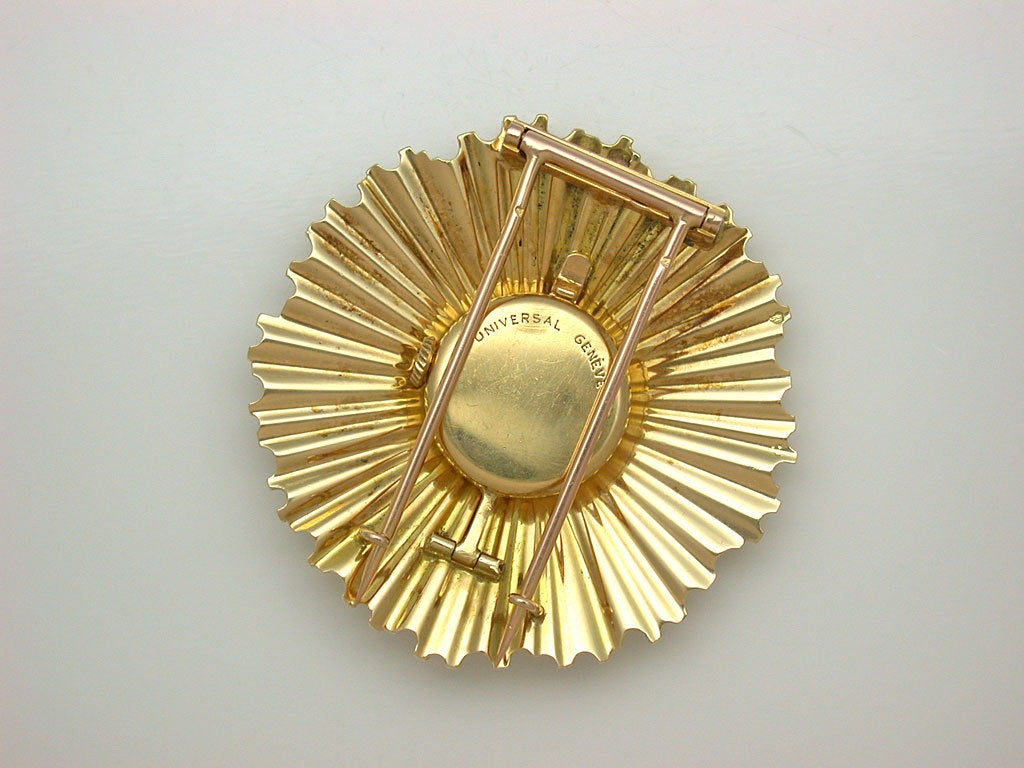
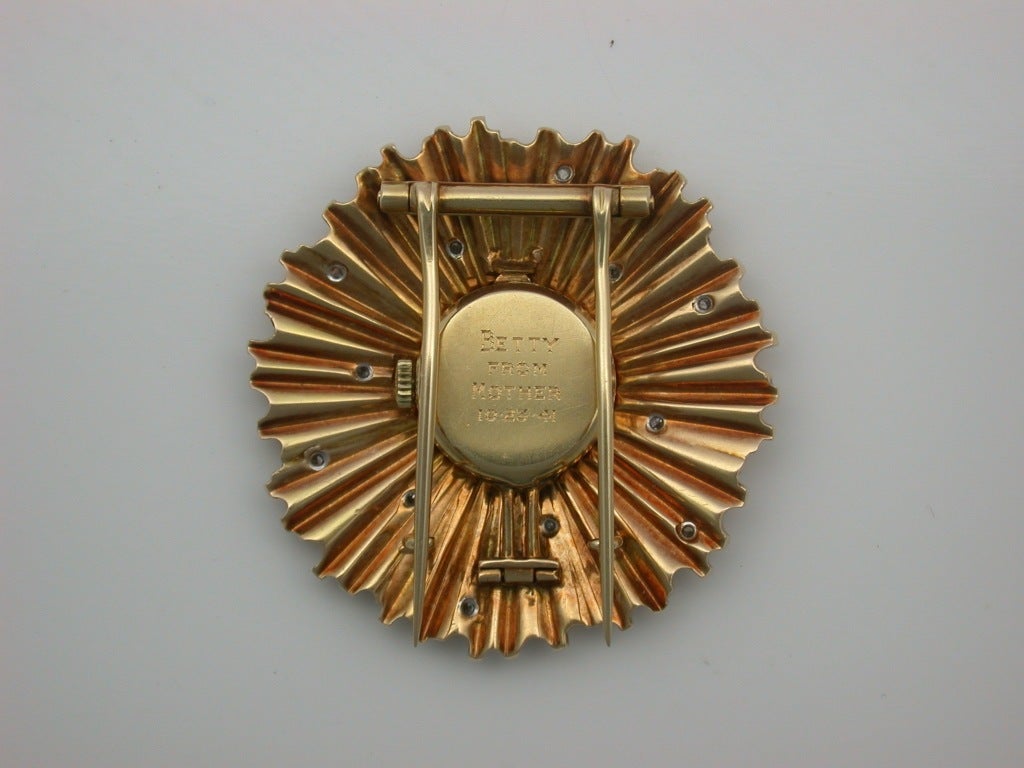
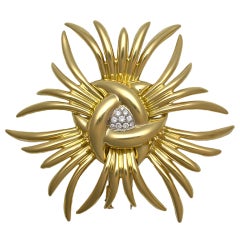
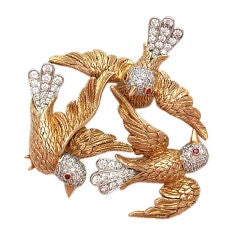
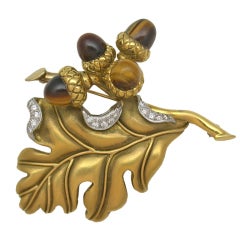
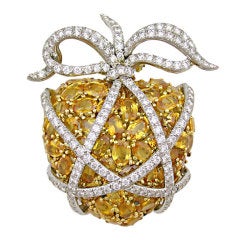
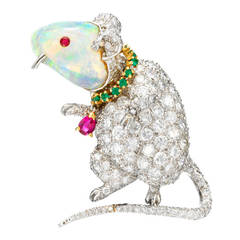
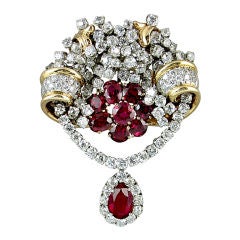
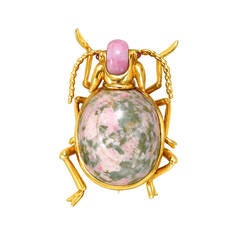
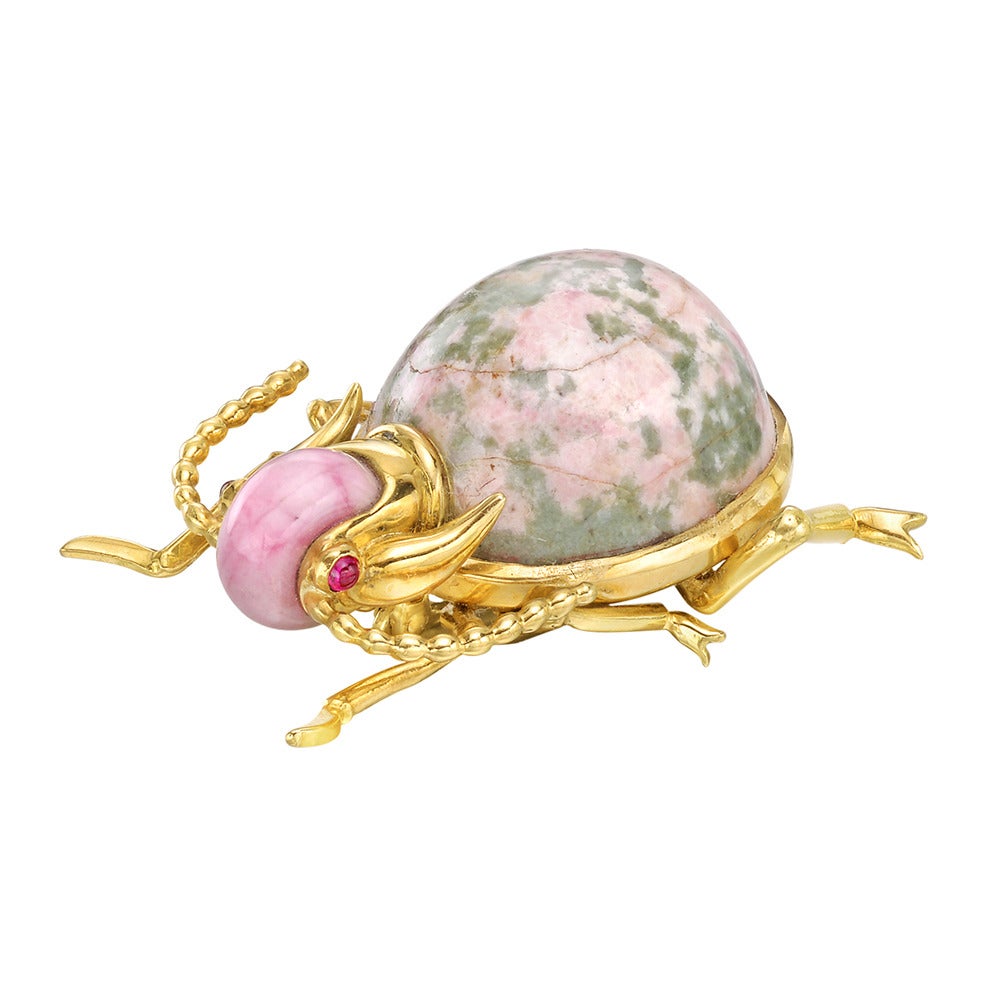
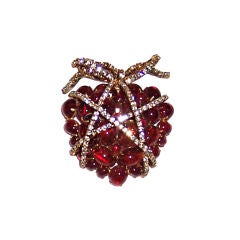
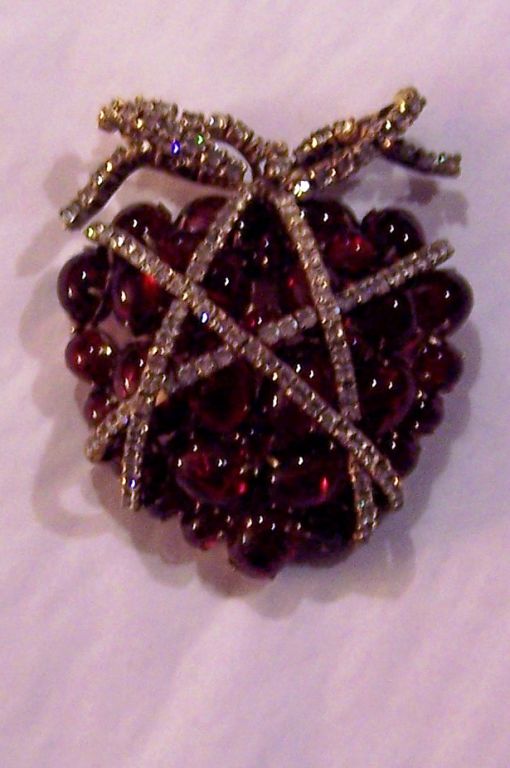
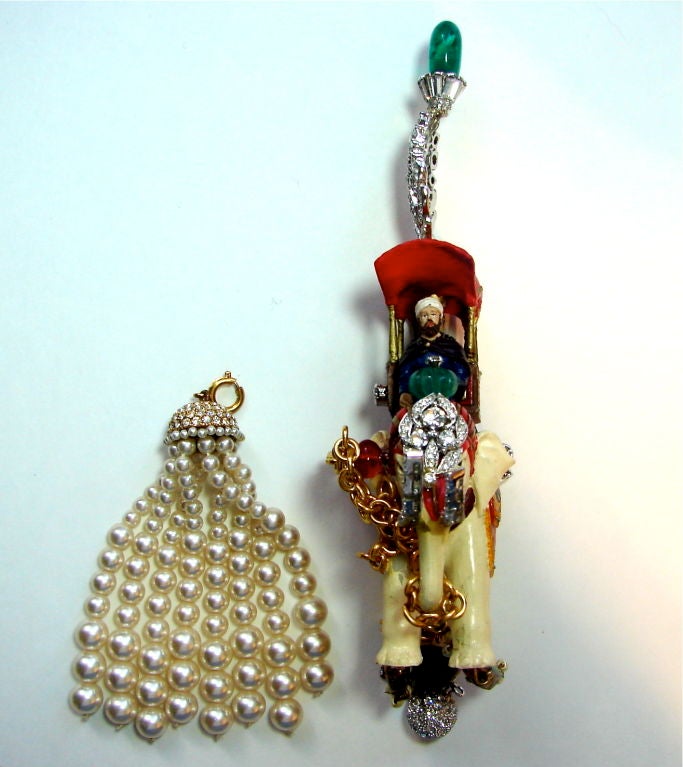
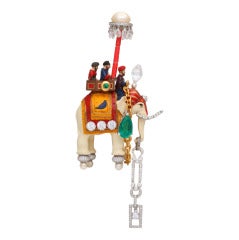
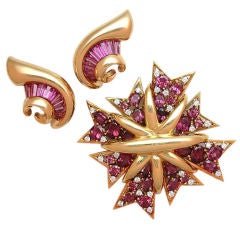
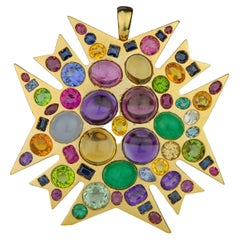
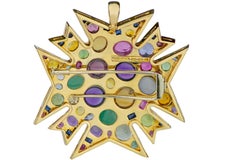
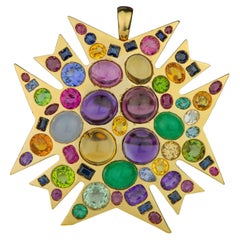
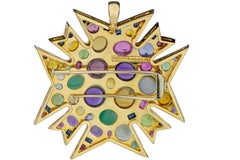
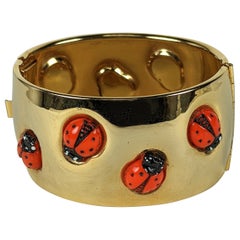
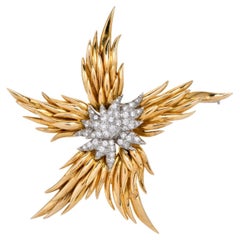
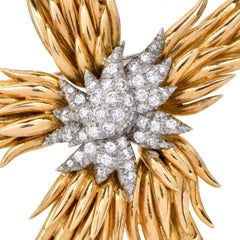
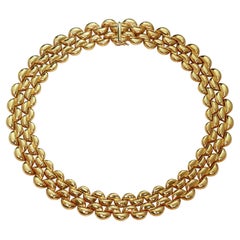
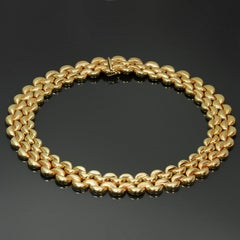
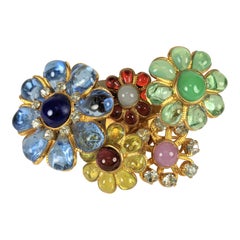
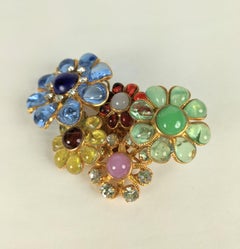
You are likely to find exactly the verdura brooch you’re looking for on 1stDibs, as there is a broad range for sale. Each design created in this style — which was crafted with great care and often made from
Gold,
18k Gold and
Yellow Gold — can elevate any look. Find an antique version now, or shop for 13 vintage or 2 modern creation for a more contemporary example of these cherished accessories. Making the right choice when shopping for a verdura brooch may mean carefully reviewing examples of this item dating from different eras — you can find an early iteration of this piece from the 20th Century and a newer version made as recently as the 21st Century, both of which have proven very popular over the years. A verdura brooch from
Verdura — each of whom created a beautiful version of this treasured accessory — is worth considering. A verdura brooch can be a stylish choice for most occasions, but
Diamond rings, from our inventory of 5, can add a particularly distinctive touch to your look, day or night. A
mixed cut version of this piece has appeal, but there are also
round cut and
baguette cut versions for sale. When shopping for a verdura brooch, you’ll find that there are less available pieces for unisex or
men today than there are for
women.
Prices for a verdura brooch can differ depending upon size, time period and other attributes — at 1stDibs, these accessories begin at $6,337 and can go as high as $32,000, while this accessory, on average, fetches $25,000.
Fulco di Verdura (1898–1978) is not exactly a household name, except for those who know a thing or two about highly original, often eccentric handcrafted earrings and bracelets, and, even more so, for those fortunate enough to own some. In that exclusive group, Verdura is regarded as the most gifted and coveted designer of his time.
Verdura was born in Sicily in 1898, the scion of a noble family related to the Lampedusas. (His cousin, Giuseppe di Lampedusa, wrote the great Italian saga The Leopard). His life was charmed from birth. Raised in his family’s villa, he grew up during a time when Sicily, and Palermo in particular, were meccas for well-born and highly cultured European travelers.
A bona fide duke with no clear ambitions but creative leanings aplenty (he could draw and paint), the young Verdura was part of the wandering social circuit — the so-called beau monde — that went from capital to capital, resort to resort.
Verdura, though small in stature, had that indefinable quality called charm. As a result, he was the life of every party he attended. When he finally started designing jewelry under Coco Chanel in the late 1920s, many of his friends became his clients (or received the pieces as gifts).
Elsa Maxwell took him under her ample wing when she was hired to do public relations for the Lido in Venice and introduced him to the local and visiting cognoscenti. Chanel, whom he met in Venice, hired him to work in the textiles division of her fashion house. But it was his flair for jewelry that soon caught Coco’s eye. Eventually, he rose to become her personal designer of fine jewelry.
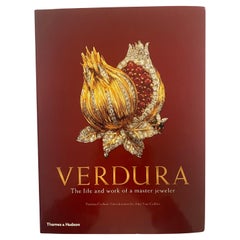
In 2002’s Verdura: The Life and Work of a Master Jeweler (Thames & Hudson), Vanity Fair’s Amy Fine Collins describes the sensation of wearing pieces by Verdura, who drew inspiration from nature for his signature gem-studded seashell brooches and honeybee earrings.
“They were ingeniously calculated to flatter the wearer,” writes Collins. “Earrings undulated to complement the convolutions of an earlobe, rings seductively followed the phalanges of a finger, and necklaces gracefully traced the anatomy of the throat.”
In 1934, Verdura left Chanel and together with two friends, aspiring actress Princess Natalia Pavlovna Paley and Baron Nicholas de Gunzburg, moved to the U.S. After several stops, he found a job through Diana Vreeland in Hollywood with Paul Flato, then the “jeweler to the stars.” Soon he was signing his work and helping Flato cultivate the crème de la creme of the silver screen — those both on it and behind it.
Verdura left Los Angeles for New York and opened his own salon, first on Fifth Avenue in 1939, just as World War II was beginning in Europe. His backers were Vincent Astor and Cole Porter, for whom he made bejeweled boxes and cigarette cases — gifts from Porter’s wife, Linda — to commemorate the opening nights of several musicals.
Verdura began to expand both his repertoire — he became much more daring and flamboyant — and his clientele. The Duchess of Windsor, Daisy Fellowes, Greta Garbo and others routinely gave him commissions. In 1941, Verdura collaborated on a collection of six pieces with Salvador Dalí to accompany a Dalí exhibition at the Museum of Modern Art. Verdura retired in 1972 and left the care of the company to his partner, Joseph Alfano. He later moved to London, where he died in 1978 at the age of 79.
Among the most prized pieces on display in a 2014 Verdura jewelry exhibition in New York were Greta Garbo’s curb-link bracelet watch, which Verdura designed for her in 1939; Coco Chanel’s pair of Maltese Cross cuff bracelets (she wore one on each wrist); and Diana Vreeland’s duo of Byzantine brooches.
Find a range of vintage Verdura jewelry today on 1stDibs.
Vintage brooches, which refer to decorative jewelry traditionally pinned to garments and used to fasten pieces of clothing together where needed, have seen increasing popularity in recent years.
While jewelry trends come and go, brooches are indeed back on the radar thanks to fashion houses like Gucci, Versace, Dior and Saint Laurent, all of which feature fun pinnable designs in their current collections. Whether a dazzlingly naturalistic Art Nouveau dragonfly, a whimsical David Webb animal, a gem-studded bloom or a streamlined abstract design, these jewels add color and sparkle to your look and a spring to your step.
Given their long history, brooches have expectedly taken on a variety of different shapes and forms over time, with jewelers turning to assorted methods of ornamentation for these accessories, including enameling and the integration of pearls and gemstones. Cameo brooches that originated during the Victorian age are characterized by a shell carved in raised relief that feature portraits of a woman’s profile, while 19th-century micromosaic brooches, comprising innumerable individually placed glass fragments, sometimes feature miniature depictions of a pastoral scene in daily Roman life.
At one time, brooches were symbols of wealth, made primarily from the finest metals and showcasing exquisite precious gemstones. Today, these jewels are inclusive and universal, and you don’t have to travel very far to find an admirer of brooches. They can be richly geometric in form, such as the ornate diamond pins dating from the Art Deco era, or designer-specific, such as the celebrated naturalistic works created by Tiffany & Co., the milk glass and gold confections crafted by Trifari or handmade vintage Chanel brooches of silk or laminated sheer fabric. Chanel, of course, has never abandoned this style, producing gorgeously baroque CC examples since the 1980s.
Brooches are versatile and adaptable. These decorative accessories can be worn in your hair, on hats, scarves and on the lower point of V-neck clothing. Pin a dazzling brooch to the lapel of your blazer-and-tee combo or add a cluster of smaller pins to your overcoat. And while brooches have their place in “mourning jewelry,” in that a mourning brooch is representative of your connection to a lost loved one, they’re widely seen as romantic and symbolic of love, so much so that a hardcore brooch enthusiast might advocate for brooches to be worn over the heart.
Today, find a wide variety of antique and vintage brooches for sale on 1stDibs, including gold brooches, sapphire brooches and more.